
High-Silicon Cast Iron Anode Manufacturer in China
High-silicon cast iron anodes are a core component of impressed current systems. They are used for cathodic protection of onshore and offshore metal structures to prevent corrosion. Wstitanium manufactures high-silicon cast iron anodes that conform to ASTM A 518M – 99 (2008) and BS 1591 standards.
- 24/7 Online Service
- OEM/ODM Support
- ISO9001 & ISO 13485
- SGS, BV and CE Certificated
- BS 1591
- ASTM A 518M – 99
- Rod High-Silicon Cast Iron Anodes
- Tubular Silicon Cast Iron Anodes
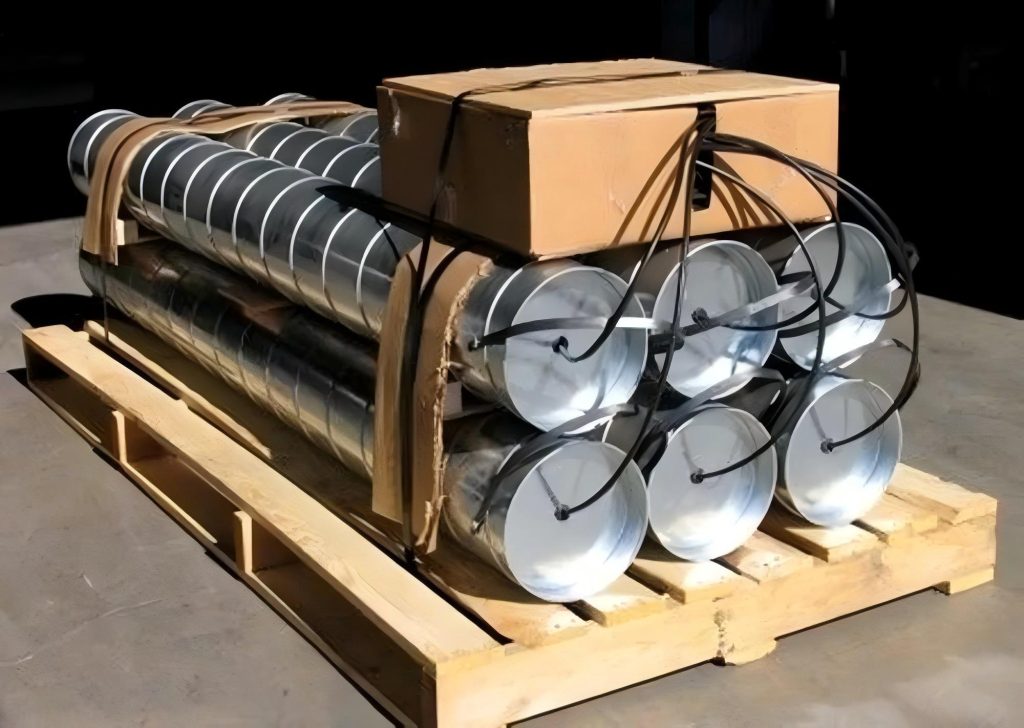
Trusted Supplier of High-Silicon Cast Iron Anodes
Wstitanium is a trusted manufacturer of high-silicon cast iron anodes in China. High-silicon cast iron anodes are an ideal choice for building robust and durable cathodic protection systems. They perform exceptionally well in various environments, including soil, fresh water, and seawater. High-silicon cast iron anodes are primarily used for corrosion protection in projects such as oil and gas pipelines, freshwater and groundwater supply and drainage pipelines, underground cables, chemical plants, telecommunication facilities, ports, ships, and reservoir gates.
Types of High-Silicon Cast Iron Anodes
The core characteristics of high-silicon cast iron anodes are determined by their chemical composition, especially the silicon (Si) content and the proportion of alloying elements such as chromium (Cr) and molybdenum (Mo). Based on elemental differences and applications, mainstream high-silicon cast iron anodes can be divided into the following three categories:
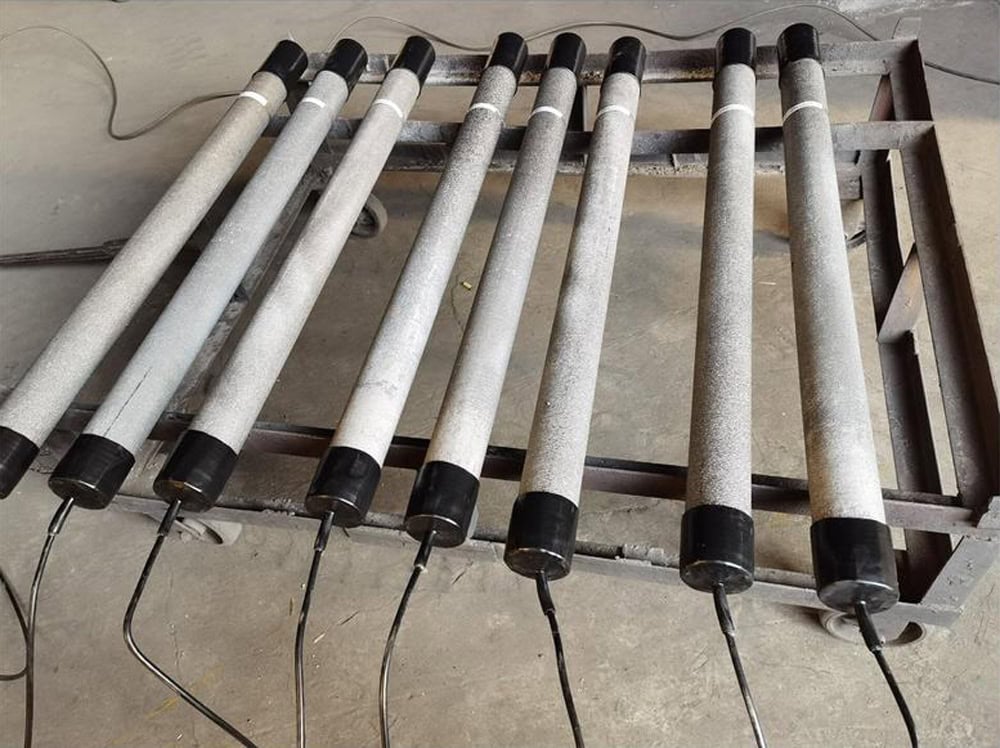
Ordinary High-Silicon Cast Iron Anodes
Ordinary high-silicon cast iron anodes have a silicon content of 14%-16%. The matrix is an iron-silicon alloy and does not contain alloying elements such as chromium and molybdenum. It is low in cost and suitable for neutral and weakly alkaline freshwater environments (such as freshwater pipelines and reservoir gates) and low-resistivity soil environments (resistivity ≤ 50 Ω·m).
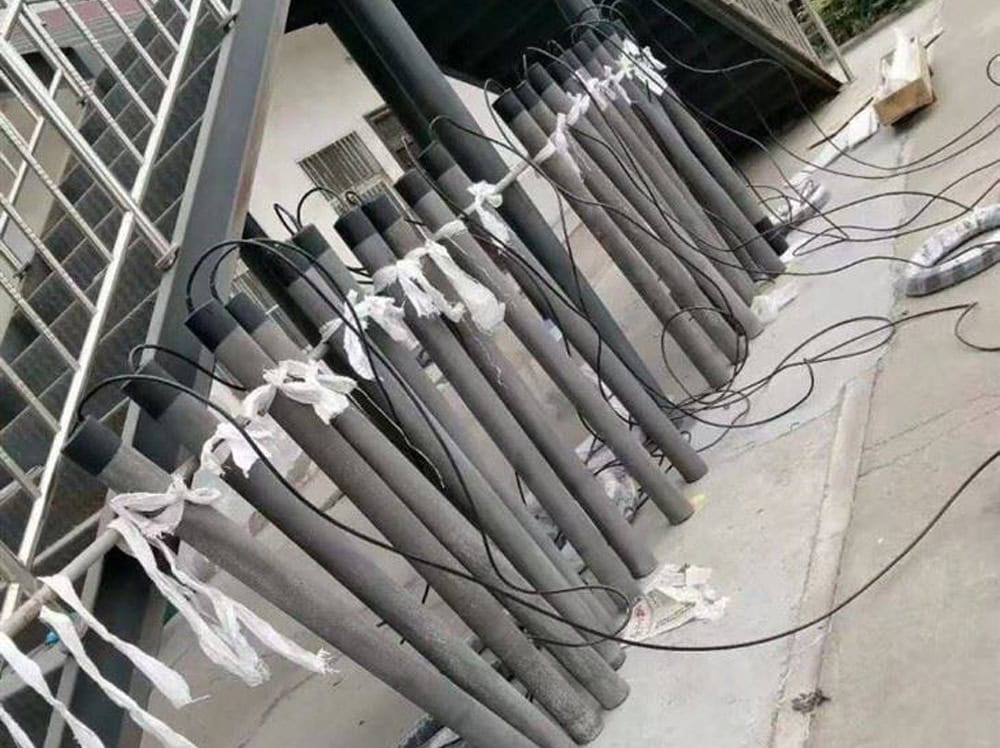
Chromium High-Silicon Cast Iron Anodes
Chromium-containing high-silicon cast iron anodes are based on ordinary high-silicon cast iron with the addition of 2%-3% chromium, while maintaining a silicon content of 14%-18%. Chromium optimizes the passivation film structure. It is suitable for medium-to-high resistivity soil environments (resistivity 50-200 Ω·m), acidic soils (pH 4-6), and industrial wastewater environments.
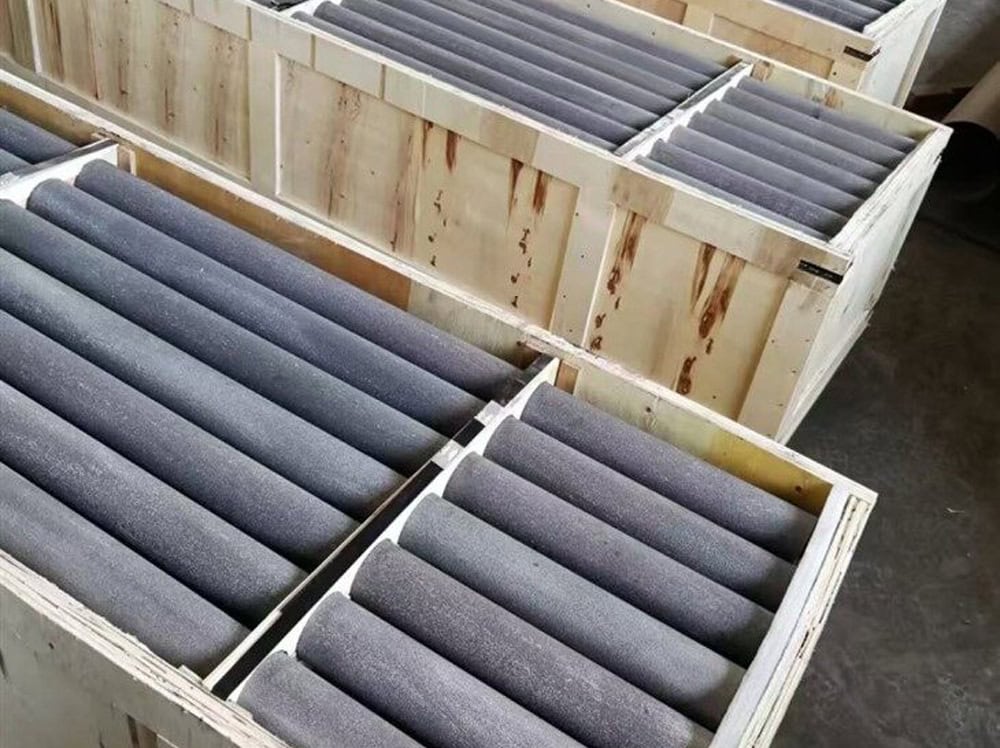
Molybdenum High-Silicon Cast Iron Anodes
Molybdenum-containing high-silicon cast iron anodes are specialized anodes for high chloride ion environments. They contain 16%-18% silicon and 1%-2% molybdenum. They may even contain 0.5%-1% chromium. It is the preferred choice for marine environments such as seawater and subsea pipelines, and can withstand corrosive media with chloride ion concentrations > 10000 mg/L.
Solid Rod Anode
Diameter 40-100mm, length 500-1500mm, suitable for shallow buried groundbeds and small area protection in freshwater environments.
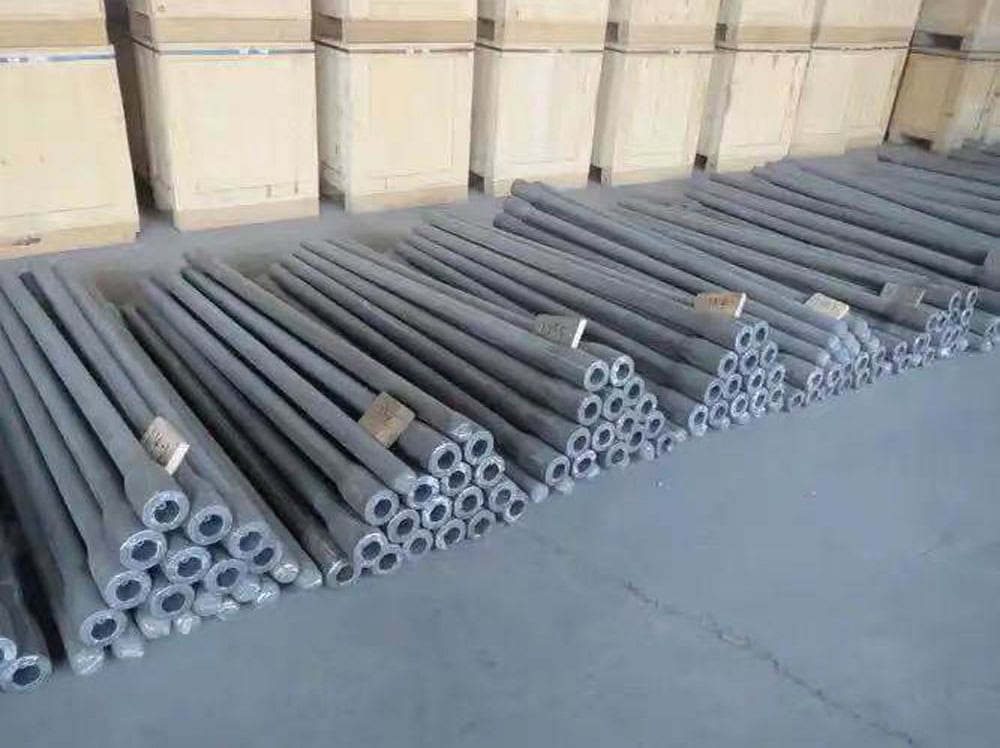
Hollow Tubular Anode
Diameter 80-120mm, length 1000-2000mm, lightweight and with good heat dissipation, suitable for deep well anodes and marine environments.
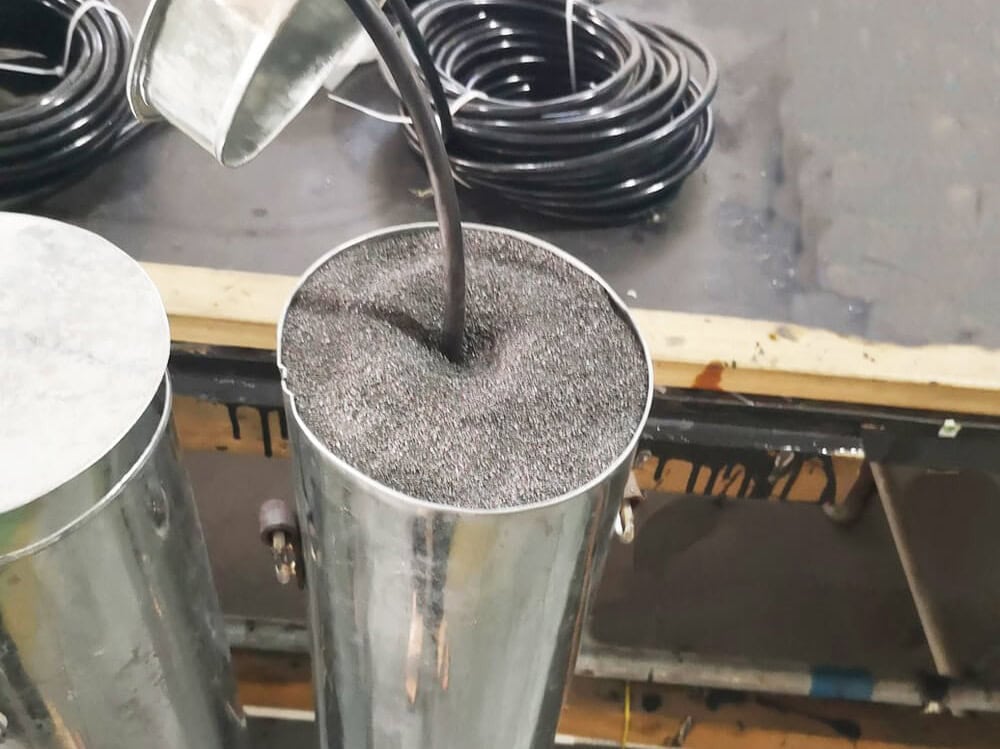
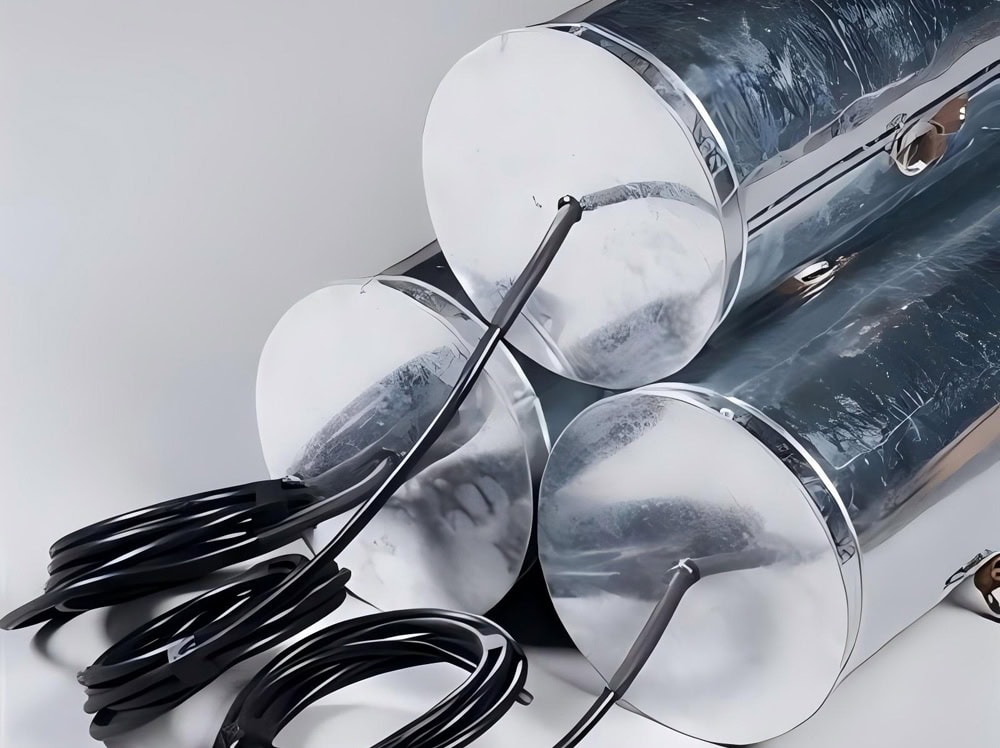
Filled Silicon Iron Anode
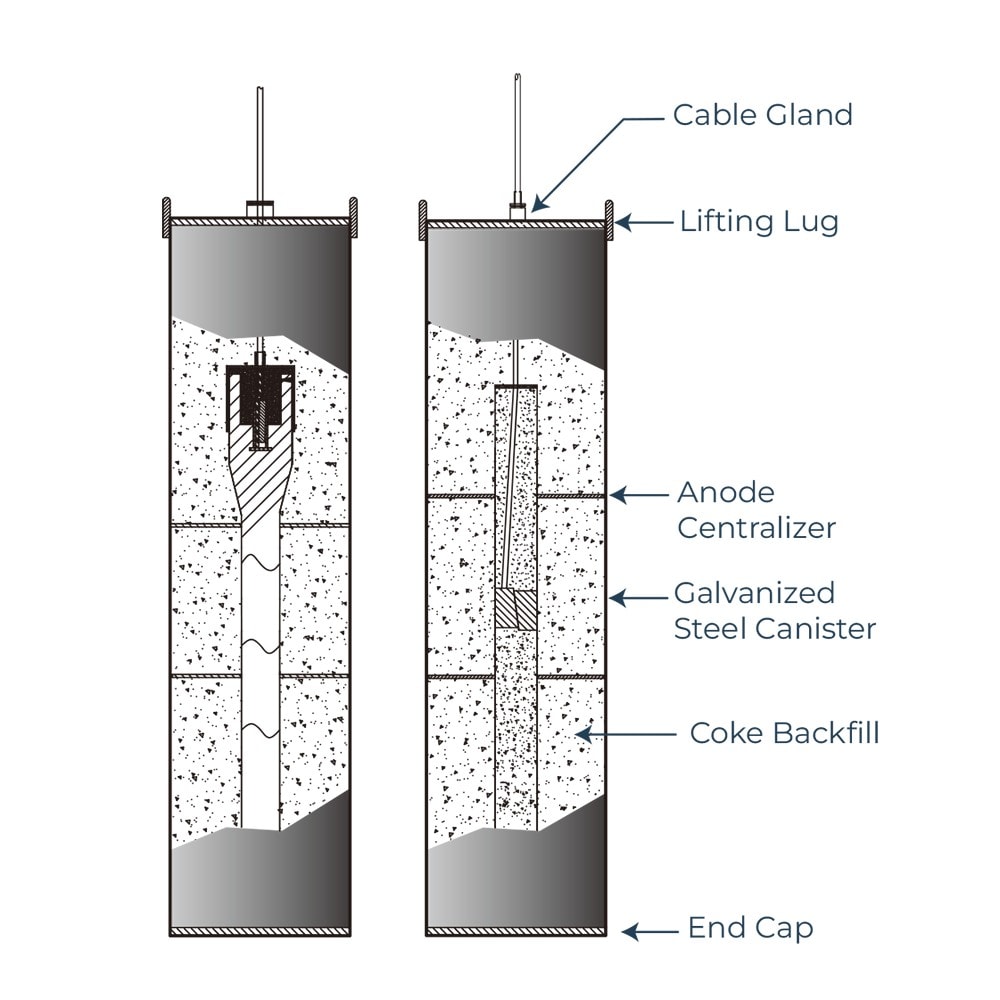
The anode core and coke filler are encapsulated in a steel pipe. The filler resistivity is ≤1Ω·m, making it a standardized product for soil environments.
Advantages of High-Silicon Cast Iron Anodes
High-silicon cast iron anodes are a popular choice for impressed current cathodic protection in soil, seawater, and freshwater environments due to their excellent corrosion resistance, stable conductivity, extremely low consumption rate, and adaptability to various media.
Compared to sacrificial anodes (aluminum, zinc, and magnesium anodes), high-silicon cast iron anodes are impressed current auxiliary anodes that do not rely on the potential difference with the protected metal for operation. They are suitable for corrosion protection needs in large-scale, high-resistivity environments such as long-distance pipelines, large storage tanks, and offshore platforms. Compared to titanium-based mixed metal oxide (MMO) anodes, high-silicon cast iron anodes offer cost and mechanical strength advantages.
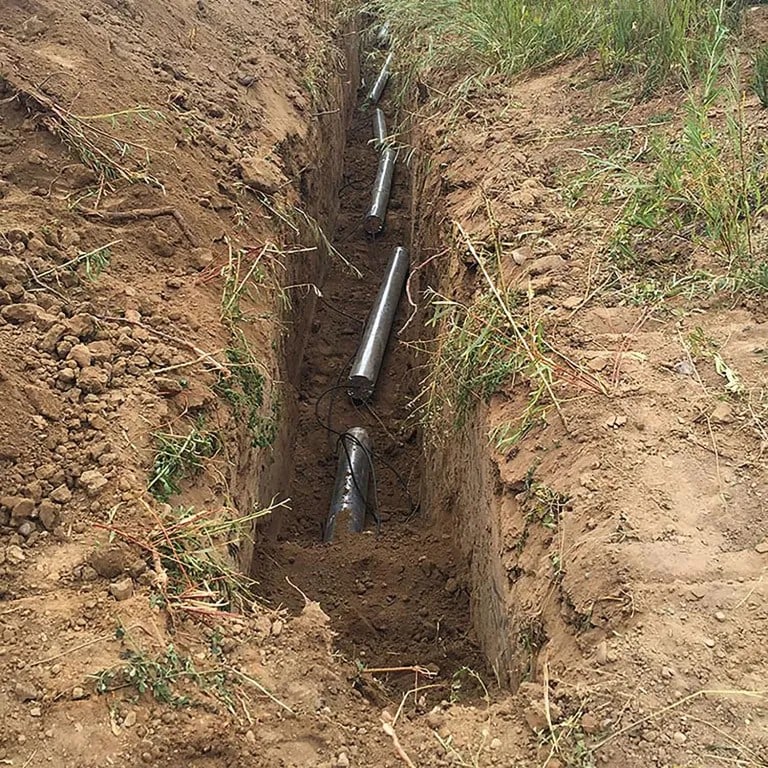
Working Principle of High-Silicon Cast Iron Anodes
The essence of metal corrosion is the redox reaction of metals in an electrolyte. Protected metals (such as carbon steel pipes) naturally form galvanic cells. In the anode region, the metal loses electrons and is oxidized into metal ions (Fe – 2e⁻ = Fe²⁺). In the cathode region, oxygen or hydrogen ions gain electrons and are reduced, leading to continuous metal corrosion.
High-silicon cast iron anodes are used in impressed current cathodic protection systems. This system consists of an external DC power supply, an auxiliary anode, the protected metal, an electrolyte medium, and a reference electrode. Its core working principle is based on the cathodic polarization effect of electrochemical corrosion. In a forced current cathodic protection system, the high-silicon cast iron anode and the protected metal are connected to the positive and negative terminals of the external DC power supply, respectively, creating an artificial electric field in the electrolyte medium. In this case, the high-silicon cast iron anode acts as an auxiliary anode, undergoing oxidation (losing electrons) under the action of the electric field; the protected metal acts as a cathode, accumulating a large number of electrons on its surface, resulting in cathodic polarization—the oxidation reaction (corrosion) of the protected metal is inhibited, thus achieving the protection purpose.
Electrode Reactions
In different media, the electrode reactions of high-silicon cast iron anodes differ, but the core reactions are the oxidative dissolution of the anode and the dynamic equilibrium of the passivation film:
Soil/Freshwater environment (neutral) anode oxidation reaction: Fe – 2e⁻ = Fe²⁺; Si – 4e⁻ + 2H₂O = SiO₂ + 4H⁺; Cathode reduction reaction (on the surface of the protected metal): O₂ + 2H₂O + 4e⁻ = 4OH⁻; The SiO₂ passivation film formed on the anode surface can hinder the dissolution of Fe²⁺, making the actual consumption rate of the anode far lower than the theoretical value, usually <0.5 kg/A·year.
Seawater environment (high chloride ions): The composite passivation film (SiO₂+MoO₃) of molybdenum-containing high-silicon cast iron anodes can resist chloride ion corrosion. The electrode reactions are: Anode oxidation reaction: Fe – 2e⁻ = Fe²⁺; Mo – 6e⁻ + 3H₂O = MoO₃ + 6H⁺; Cathode reduction reaction: O₂ + 2H₂O + 4e⁻ = 4OH⁻; 2H⁺ + 2e⁻ = H₂↑
- Grounding Resistance: The contact resistance between the anode and the electrolyte medium, which needs to be optimized and controlled to ≤2Ω through filler materials to ensure efficient current output;
- Output Current Density: The output current per unit anode surface area, typically 0.05-0.2 A/m² in soil environments and 0.1-0.5 A/m² in seawater environments;
- Polarization Potential: The potential of the protected metal needs to be shifted negatively to below -0.85V (relative to a copper sulfate reference electrode), and over-polarization leading to hydrogen embrittlement must be avoided.
High-Silicon Cast Iron Anodes vs. Other Anodes
In the field of cathodic protection, commonly used anodes include aluminum, zinc, and magnesium sacrificial anodes, as well as MMO titanium anodes. High-silicon cast iron anodes differ significantly from these anodes in terms of working principle, performance characteristics, and applicable scenarios.
| Anode Type | Working Principle | Advantages | Disadvantages | Applications | Consumption | Cost |
| High Silicon Cast Iron Anode | Impressed current type, driven by external power supply. | Strong corrosion resistance, stable current, long service life, adaptable to multiple media. | Requires external power supply, complex installation, high brittleness. | Soil, seawater, fresh water, large-scale protection. | <0.5kg/A·year | Medium (100) |
| Aluminum Sacrificial Anode | Sacrificial anode type, driven by potential difference. | No power supply required, simple installation, low cost. | Fast consumption, small current, not suitable for high resistivity environments. | Seawater, low resistivity soil, small-area protection. | 2-3kg/A·year | Low (30) |
| Zinc Sacrificial Anode | Sacrificial anode type, driven by potential difference. | Stable potential, pollution-free, convenient installation. | Low current density, not resistant to high temperature. | Seawater, fresh water, ship hulls, tank inner walls. | 1.5-2kg/A·year | Low (40) |
| Magnesium Sacrificial Anode | Sacrificial anode type, driven by high potential difference. | Large output current, adaptable to high resistivity soil. | Extremely fast consumption, easy polarization, polluting. | High resistivity soil, small pipelines and equipment. | 5-8kg/A·year | Medium-Low (50) |
| MMO Titanium Anode | Impressed current type, driven by external power supply. | Light weight, good flexibility, high current density. | High cost, low mechanical strength, easy to scratch. | High resistivity soil, seawater, complex structure protection. | <0.1kg/A·year | High (200) |
Economic Comparison
Sacrificial anodes have low initial purchase costs, but require frequent replacement (usually every 3-5 years). High-silicon cast iron anodes have higher initial costs, but do not require frequent replacement, and have high current efficiency, making them more cost-effective in the long run.
Differences in Working Principles
Sacrificial anodes form a galvanic cell through the potential difference between themselves and the protected metal. The anode (aluminum, zinc, magnesium) actively dissolves and sacrifices itself, providing electrons to the protected metal. High-silicon cast iron anodes do not have a self-generated potential difference and require an external power source to provide current, thus belonging to the “passive” type of anode. Their consumption is only related to the current output, and the consumption rate is far lower than that of sacrificial anodes.
Performance Differences
Sacrificial anodes do not require an external power source and are used in small areas, short distances, and low resistivity environments, such as small ships and storage tanks. The output current of sacrificial anodes is not adjustable, resulting in poor protection in high-resistivity soil (resistivity > 100 Ω·m). By adjusting the current through a power supply, high-silicon cast iron anodes are suitable for long-distance pipelines (such as oil and gas pipelines), offshore platforms, and high-resistivity soil, with a lifespan of 20-30 years.
Comparison with MMO Titanium Anodes
MMO titanium anodes have a coating with high catalytic activity, allowing for current densities up to 100 A/m², which is significantly higher than high-silicon cast iron anodes (≤1 A/m²), making them suitable for special scenarios requiring high current. At the same current output, MMO titanium anodes have a lower consumption rate (<0.1 kg/A·year) and a longer theoretical lifespan (up to 40 years or more). However, MMO titanium anodes cost more than twice as much as high-silicon cast iron anodes. High-silicon cast iron anodes offer better cost-effectiveness in conventional large-scale protection scenarios and are the mainstream choice for engineering applications.
Applications of High-Silicon Cast Iron Anodes
High-silicon cast iron anodes, with their strong corrosion resistance, stable current, and adaptability to various media, are widely used in metal corrosion protection in petrochemicals, marine engineering, municipal engineering, and the power industry.
Petrochemicals
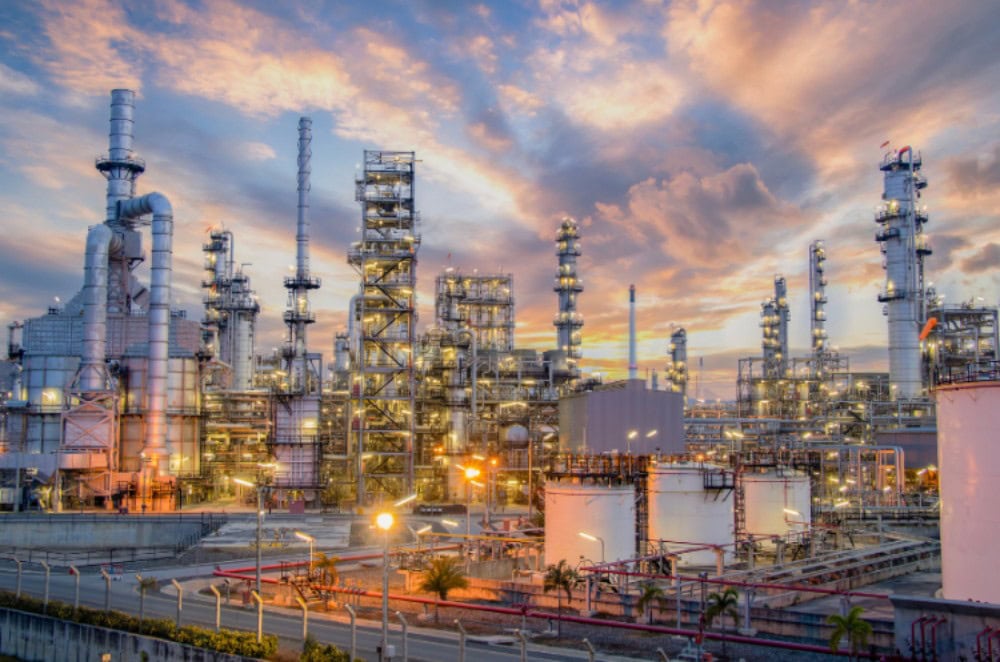
Long-distance oil and gas pipelines: Chromium-containing high-silicon cast iron anodes (pre-packaged type) are the core anodes for cathodic protection of buried oil and gas pipelines. Deep well anode groundbeds (buried depth ≥10m) are typically used. A single well can protect 5-10km of pipeline, suitable for high-resistivity soil environments such as deserts and Gobi deserts;
Storage tank bottoms and outer walls: Plate-shaped or rod-shaped high-silicon cast iron anodes are used to form a forced current circuit with the protected storage tank, preventing soil corrosion at the bottom of the tank and atmospheric corrosion of the outer wall. This is suitable for the protection of crude oil storage tanks and finished oil storage tank farms.
Marine Engineering
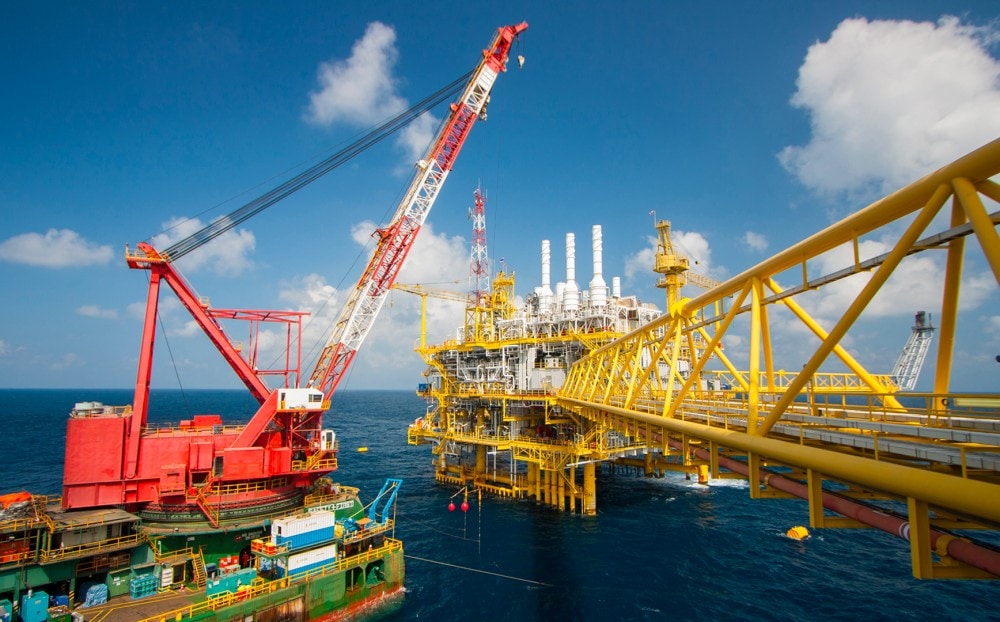
Offshore Platforms and Wharf Steel Piles: Molybdenum-containing high-silicon cast iron anodes (tubular) are fixed to the platform foundation or steel pile surface, resisting seawater chloride ion corrosion and tidal erosion, protecting the platform structure from seawater corrosion;
Subsea Pipelines and Subsea Cables: Hollow tubular high-silicon cast iron anodes are used, laid parallel to the subsea pipelines, providing protective current through an external power source, suitable for long-term protection of deep-sea pipelines (water depth > 100m).
Municipal Engineering
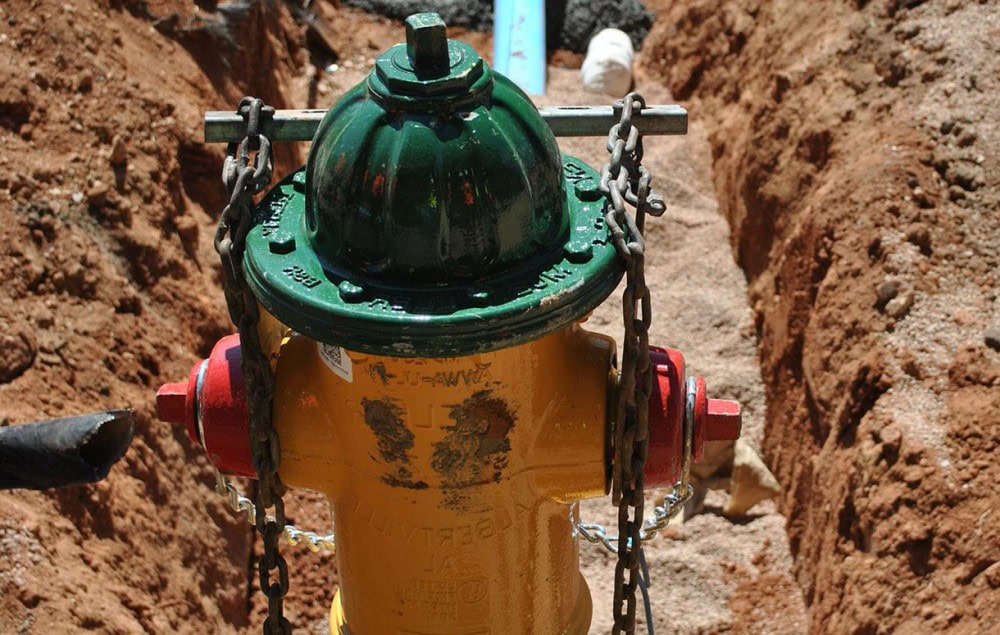
Urban Water Supply and Drainage Pipelines: Ordinary high-silicon cast iron anodes are used for cathodic protection of urban water supply and sewage pipelines, suitable for freshwater and weakly alkaline soil environments;
Subway and Tunnel Structures: Chromium-containing high-silicon cast iron anodes are buried in the soil around subway tracks to prevent stray current corrosion of subway steel structures and ensure the safety of the track structure.
- Precautions
In soil environments, coke filler should be used to reduce the anode grounding resistance and prevent direct contact between the anode and the soil, which can lead to passivation film damage. In marine environments, anode fixation should be strengthened to prevent anode displacement caused by ocean currents, and cable joints should be waterproofed and insulated. In acidic environments (pH < 4), chromium-molybdenum composite high-silicon cast iron anodes should be selected, and the integrity of the passivation film should be monitored regularly. During operation, the polarization potential of the protected metal should be monitored through a reference electrode to avoid hydrogen embrittlement caused by over-polarization.
Conclusion
High-silicon cast iron anodes are a technologically mature and cost-effective auxiliary anode in impressed current cathodic protection systems. Their core advantages lie in their strong corrosion resistance, stable current output, long lifespan, and adaptability to various media environments. By adjusting the proportions of elements such as silicon, chromium, and molybdenum, specialized anodes can be developed to suit different scenarios such as soil, seawater, and freshwater. Compared to sacrificial anodes, they are suitable for long-term protection in large-scale, high-resistivity environments; and compared to MMO titanium anodes, they offer the advantages of high mechanical strength and lower cost.