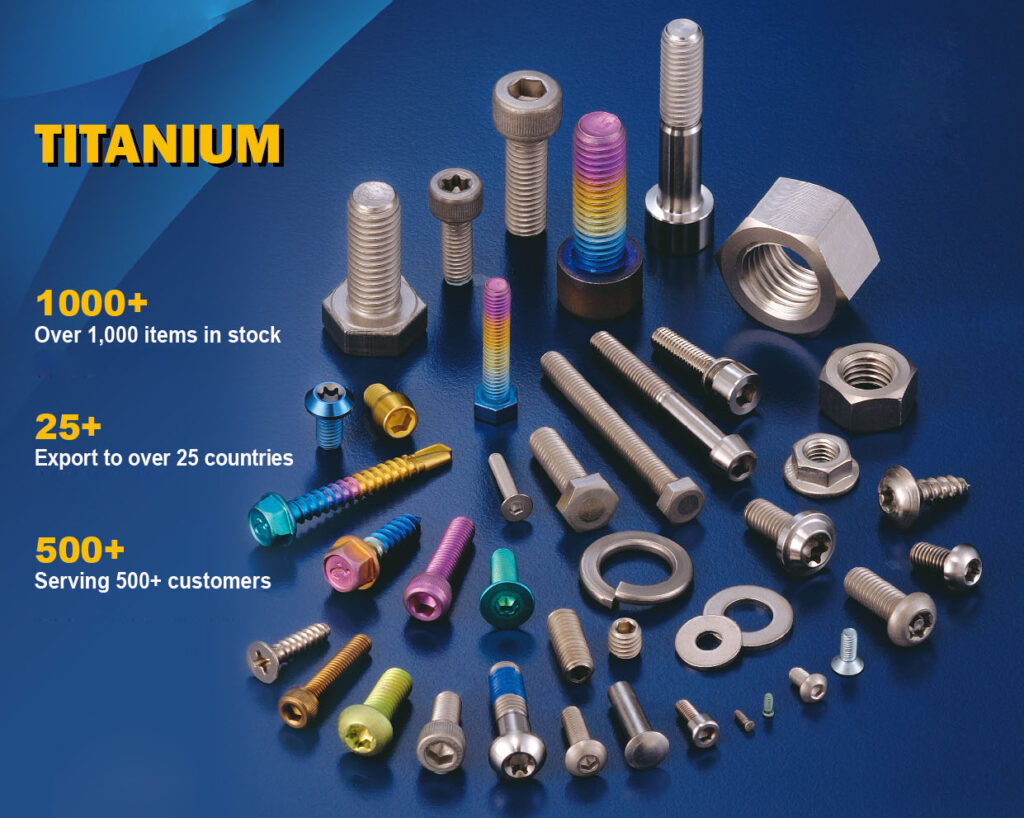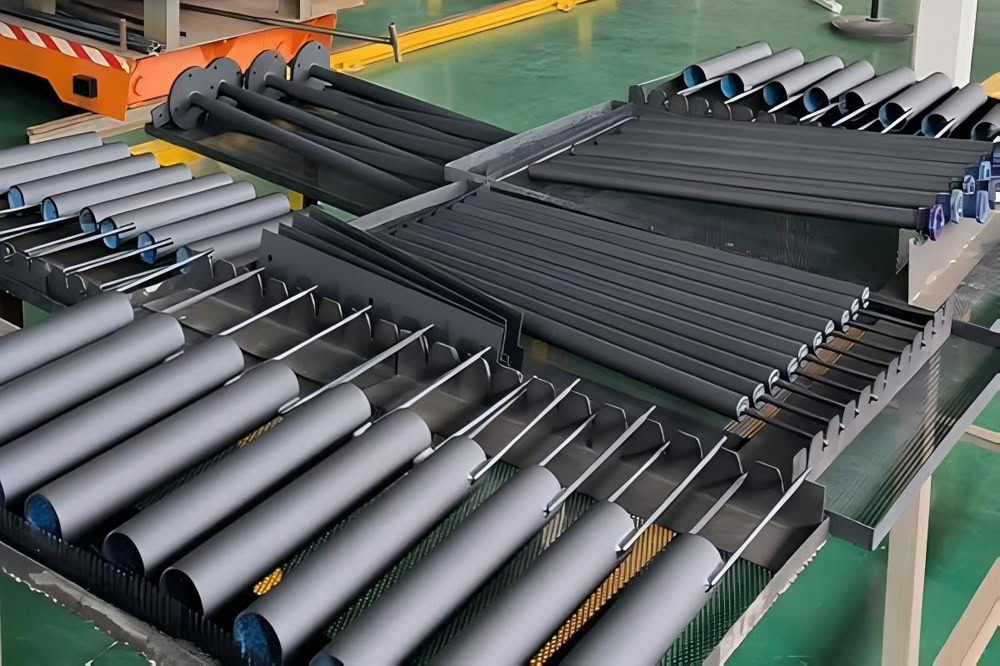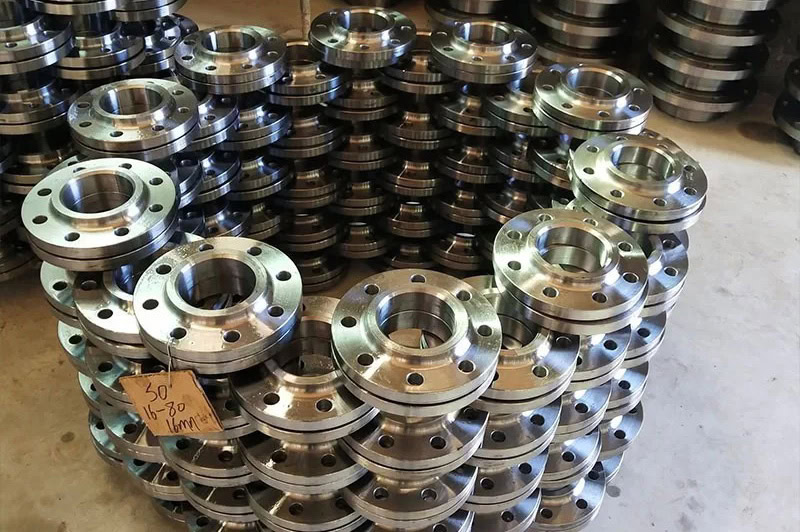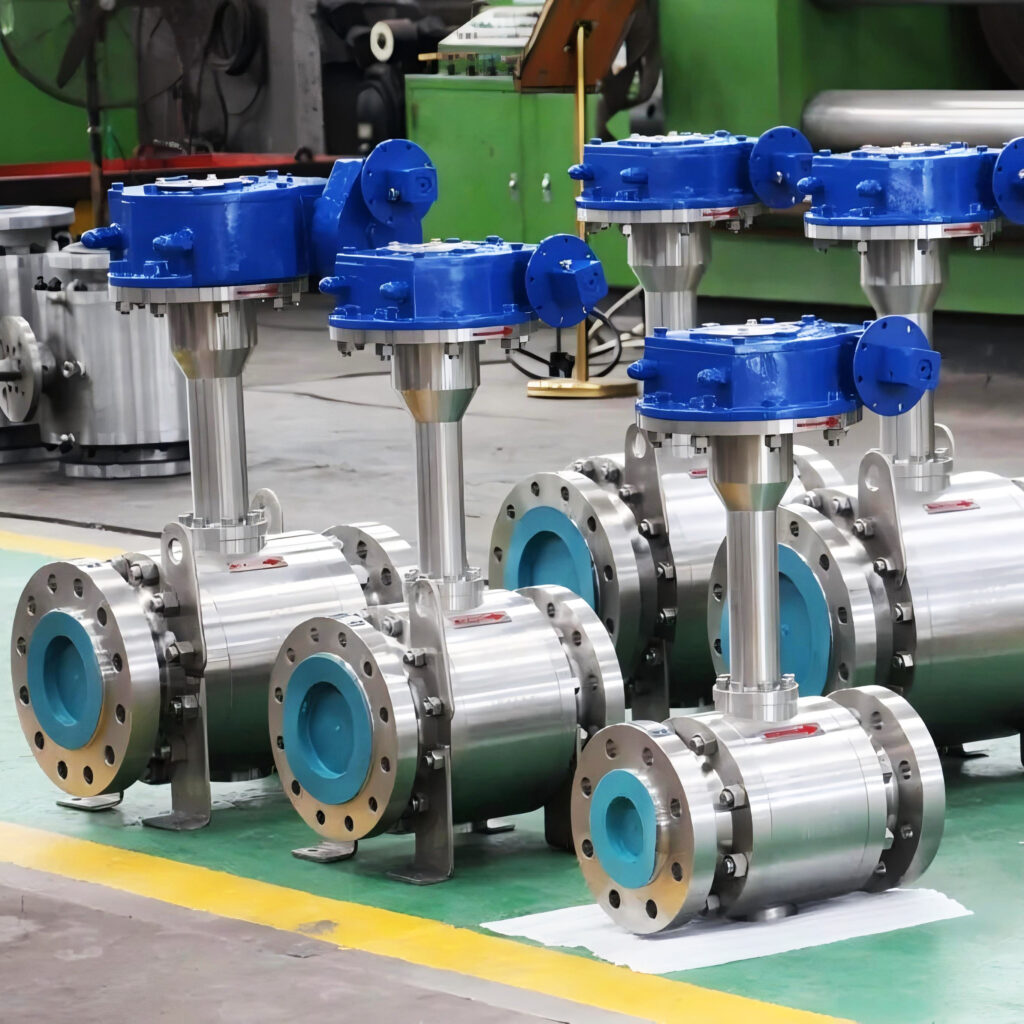

Titanium anodizing, as a technology with unique properties and wide applications in the field of material surface treatment, has received increasing attention in recent years. Titanium and titanium alloys have been widely used in aerospace, biomedicine, automobile manufacturing, electronics and many other fields due to their excellent specific strength, corrosion resistance, biocompatibility and other characteristics. Anodizing is an important means to further improve the performance of titanium materials. By forming a controllable oxide film on the surface of titanium, it can not only significantly improve its physical properties such as corrosion resistance, wear resistance, hardness, etc., but also give it some special functions, such as biological activity and photocatalytic properties.
Principle of Anodic Oxidation
Anodic oxidation is an electrochemical process in which a metal or alloy is placed in a specific electrolyte and an external DC electric field is applied to cause the metal to undergo an oxidation reaction as an anode, thereby forming an oxide film on its surface. For titanium, in anodic oxidation, titanium atoms lose electrons under the action of the electric field and are oxidized into titanium ions (Tiⁿ⁺) and enter the electrolyte. Subsequently, the titanium ions combine with anions (such as OH⁻, etc.) in the electrolyte to gradually form a titanium oxide (TiO₂) film on the titanium surface.
Anodic reaction: Ti – ne⁻→Tiⁿ⁺. As the reaction continues, the generated titanium ions (Tiⁿ⁺) continue to diffuse into the electrolyte, while anions (such as OH⁻) in the electrolyte migrate to the anode surface.
Cathode reaction: 2H⁺ + 2e⁻→H₂↑. Hydrogen is continuously generated on the cathode, while cations (such as metal ions, etc.) in the solution migrate to the cathode.
The titanium ions (Tiⁿ⁺) that migrate to the anode surface combine with anions (such as OH⁻) in the electrolyte to generate titanium oxide (TiO₂), and gradually form an oxide film on the titanium surface.
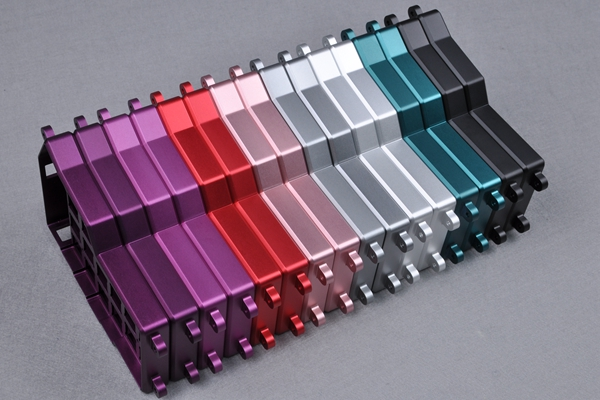
Sulfuric Acid Anodized Titanium
Using sulfuric acid as the main electrolyte is the most common anodizing method. In a sulfuric acid solution with a concentration of 15% – 30%, an oxide film is formed on the titanium surface by controlling parameters such as voltage, temperature, and time. It has low cost, creates a uniform and dense oxide film with moderate film thickness, and is widely used in aerospace, electronics, etc.

Oxalic Acid Anodizing Titanium
Using oxalic acid electrolyte, a thicker and harder oxide film can be formed on the titanium surface. The oxide film has a special structure and good wear resistance and corrosion resistance. It is often used in mechanical parts with high requirements for hardness and wear resistance, such as titanium parts in automobile engines. After oxalic acid anodizing, it can withstand more severe working conditions.
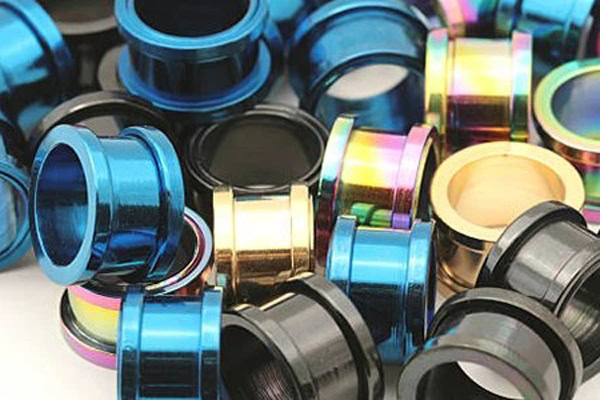
Phosphoric Acid Anodizing Titanium
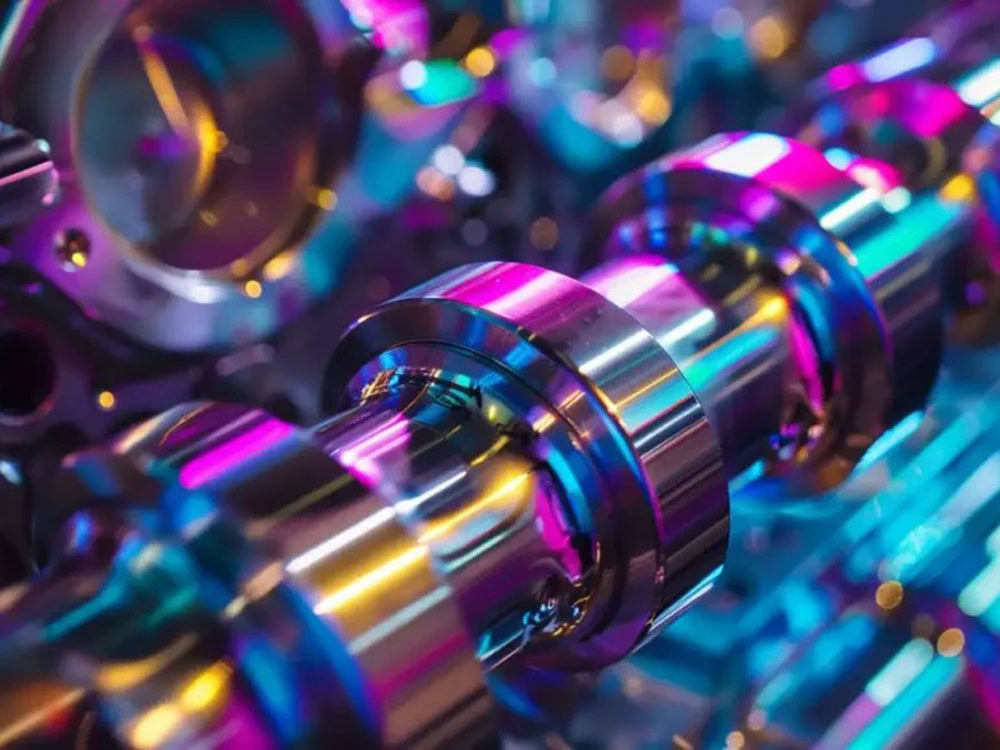
Using phosphoric acid electrolyte, the generated oxide film has good adsorption performance, which is conducive to subsequent dyeing, painting, etc. It is widely used in titanium products that require surface decoration or further coating, such as titanium materials used for architectural decoration, which can be dyed after phosphoric acid anodizing to obtain rich colors.

Chromic Acid Anodized Titanium
Using chromic acid as the electrolyte. It is often used in aerospace parts with high fatigue performance requirements, such as titanium alloy structural parts of aircraft wings, to improve corrosion resistance while ensuring fatigue life. However, chromic acid is toxic and wastewater must be strictly treated when used.