
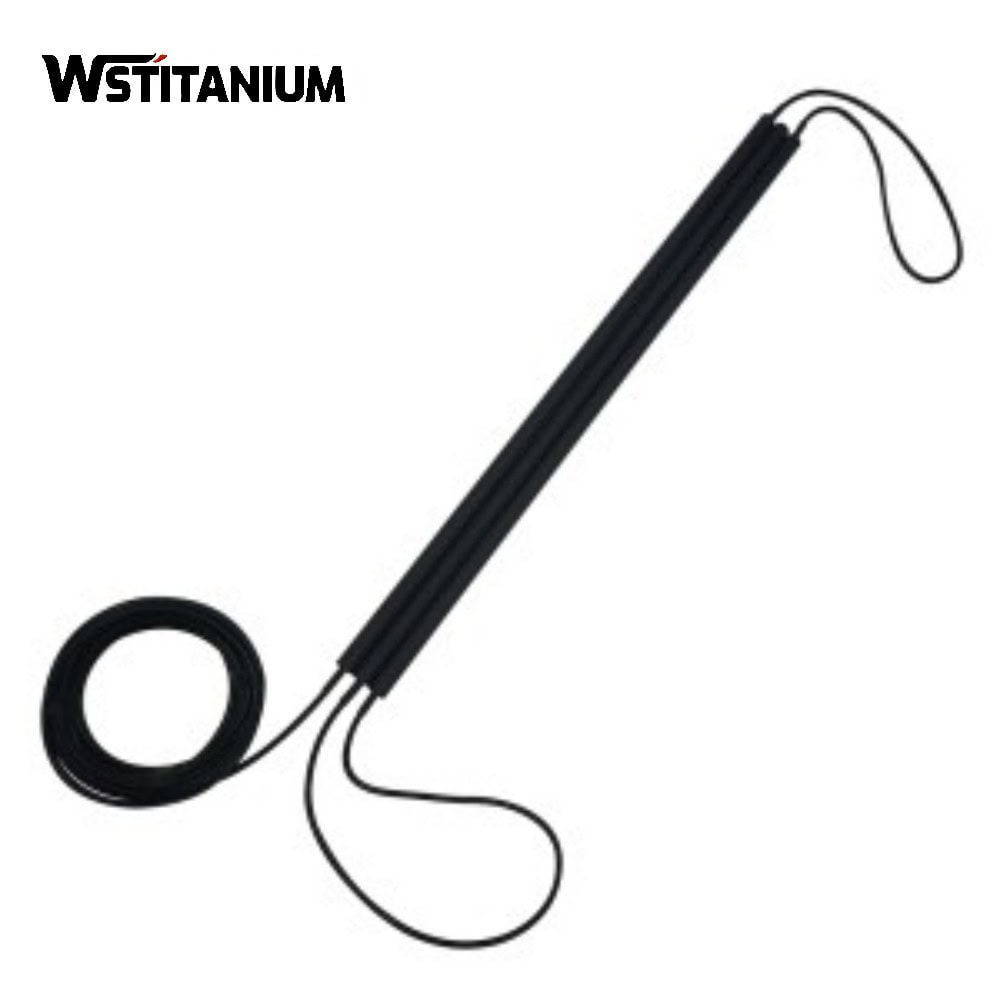
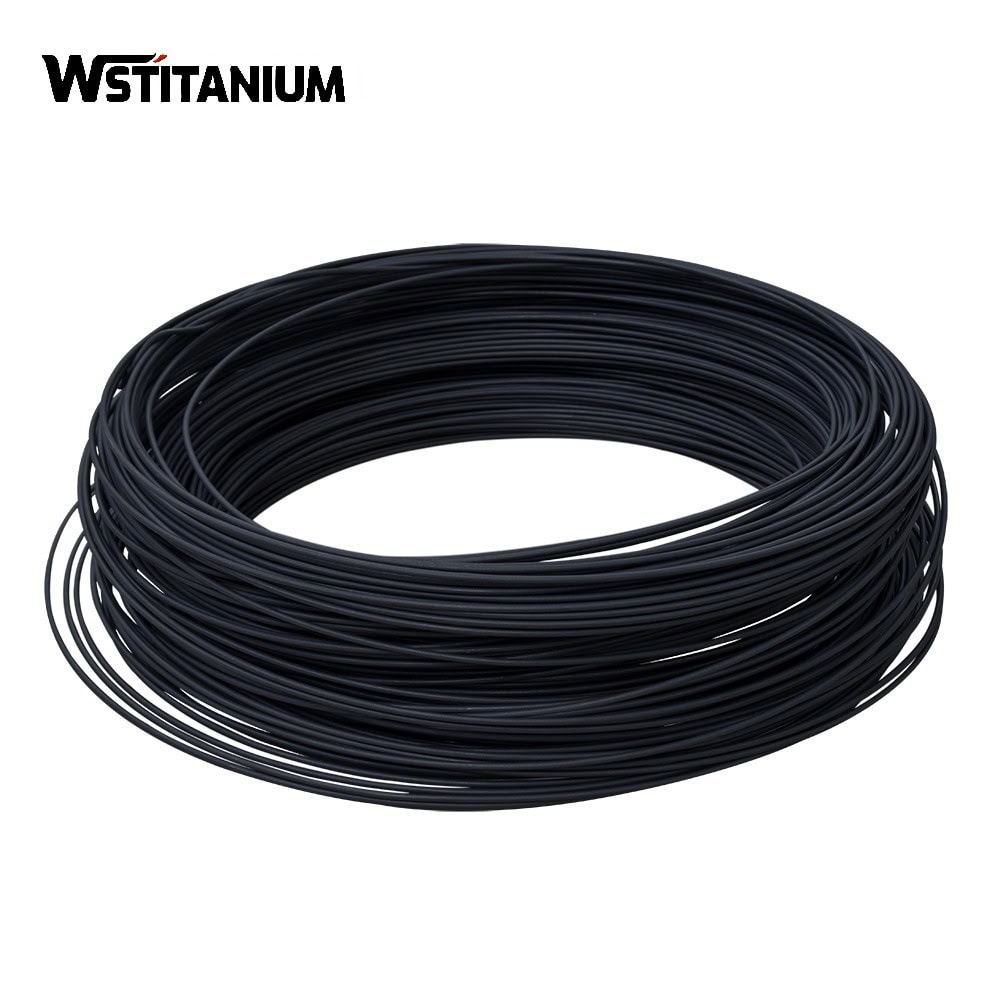
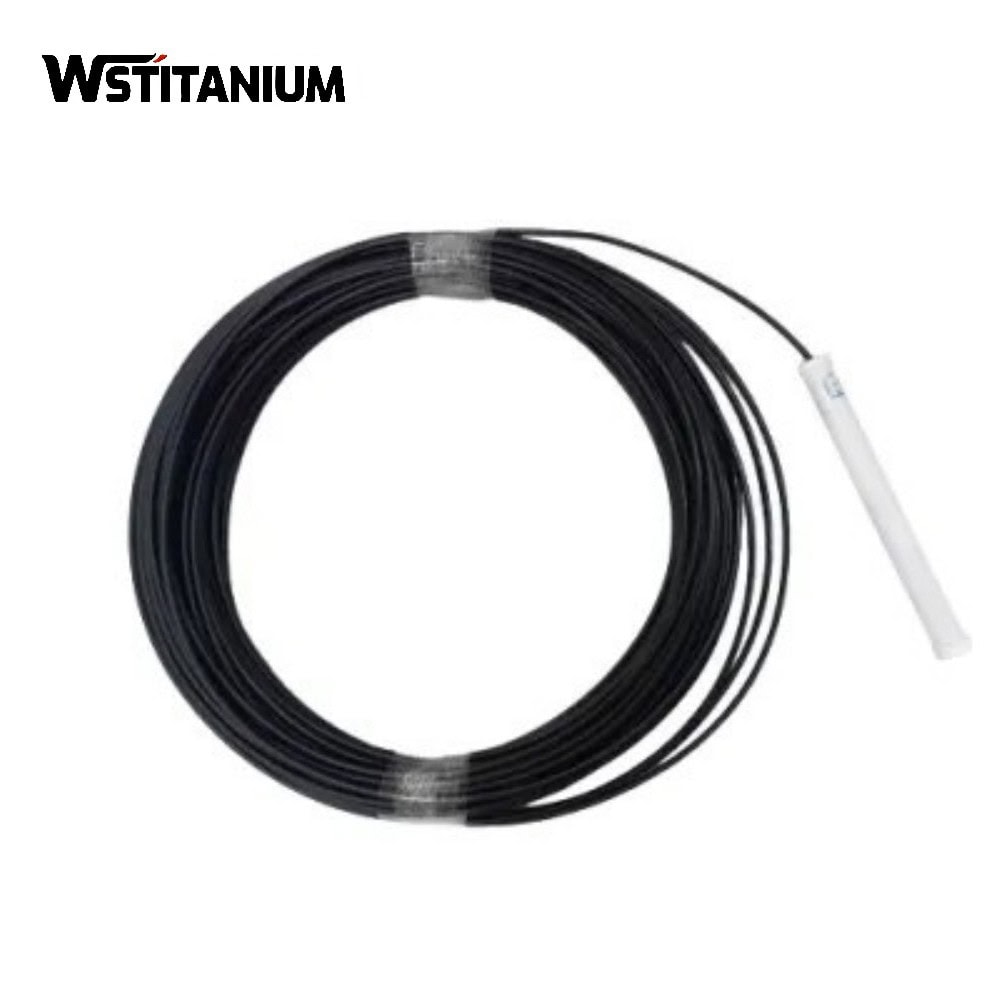
ICCP Ruthenium-Iridium MMO Anode
Certified: CE & SGS & ROHS
Shape: Requested
Diameter: Customized
Drawings: STEP, IGS , X_T, PDF
Shipping: DHL, Fedex, or UPS & Ocean Freight

20+ YEARS EXPERIENCE SENIOR BUSINESS MANAGER
Ask Michin For What You Want?
From buried long-distance pipelines and chemical storage tanks to offshore platforms and urban underground pipe networks, steel and other metal structures are exposed to complex environments such as soil, seawater, and acidic/alkaline media for extended periods, making them highly susceptible to electrochemical corrosion. Impressed current cathodic protection systems (ICCP) play a dominant role in the protection of large metal structures. As a core component of the ICCP system, the performance of the auxiliary anode directly determines the protective effect, service life, and operating costs.
The ruthenium-iridium mixed metal oxide (MMO) anode is a core member of the titanium-based mixed metal oxide (DSA) anode family. Using pure titanium as the substrate and coated with a composite coating of ruthenium oxide (RuO₂) and iridium oxide (IrO₂), it possesses excellent electrocatalytic activity, chemical stability, and mechanical strength. It operates stably in complex environments such as high-chlorine and alternating acid-alkali conditions, with a designed service life of 15-30 years, making it a preferred anti-corrosion material in petrochemical, marine engineering, and municipal infrastructure fields.
| Dimension | Content | Description |
| Core Positioning | Auxiliary Anode | Iron-based + RuO₂-IrO₂ bi-active composite layer, balances performance and cost, suitable for mid-to-high-end anti-corrosion scenarios, design life 15–30 years. |
| Structural Form | Plate Anode | Specifications: 300mm×500mm, 500mm×1000mm; thickness: 2–4mm; coating porosity: 30–40%; suitable for large-area planar structures (e.g., tank bottom plates, bridge pavement). |
| Tube Anode | Outer diameter: 16mm/20mm/25mm; length: 1–3m; usable as single/strung units; high mechanical strength; protection radius: 15–20m; suitable for buried pipelines, deep well ground beds. | |
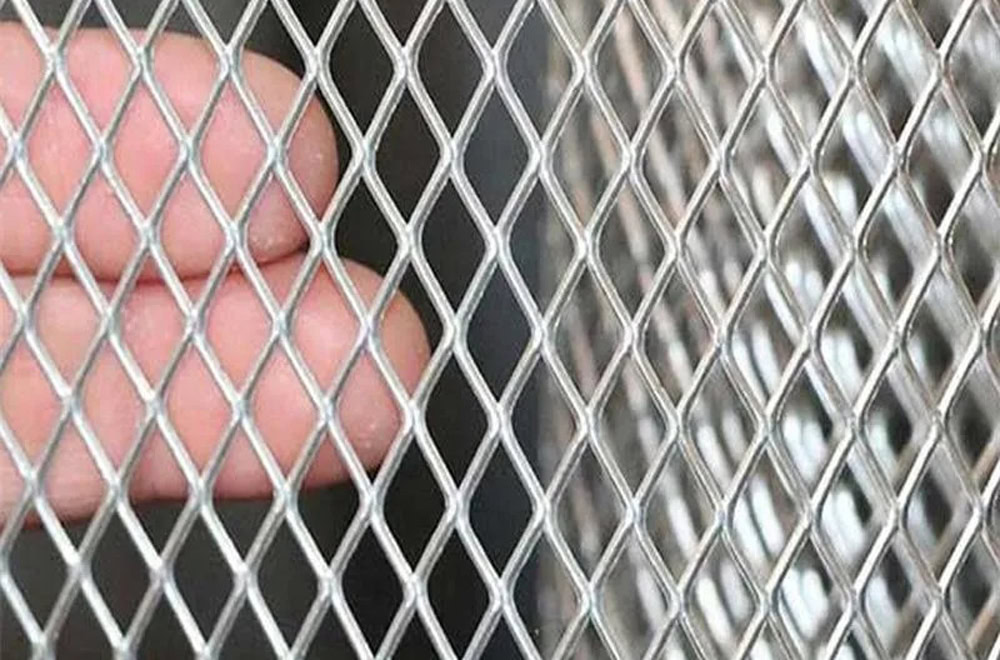
| Mesh Anode | Wire-woven; mesh size: 20mm×20mm–50mm×50mm; areal density: ≤1.5kg/m²; flexible; suitable for reinforced concrete bridges, subway tracks. | |
| Wire Anode | Diameter: 6–10mm; coil length: 50m/100m; excellent flexibility (curvature ≤0.5m); single-segment protection length: tens of kilometers; suitable for curved pipelines, utility tunnels. | |
| Block Anode | Size: 50mm×50mm×10mm/100mm×100mm×15mm; compact; suitable for local anti-corrosion scenarios (e.g., equipment flanges, valves). | |
| Coating Formula | High-end Coating | RuO₂ proportion: 60–70%; IrO₂ proportion: 30–40%; chlorine evolution potential: 1.1V; suitable for high-chlorine media (e.g., seawater, ammonia-containing wastewater). |
| Mid-range Coating | IrO₂ proportion: 50–60%; RuO₂ proportion: 40–50%; pH: 1–14; temperature: ≤100°C; suitable for acid-base alternation, high-temperature conditions. | |
| Low-cost Coating | Add TiB₂/snO₂ auxiliary components; cost reduction: 40–50%; applicable temperature: –25°C to 150°C; suitable for large-scale general anti-corrosion projects. | |
| Structure Classification | Single-type Anode | Iron matrix + MMO coating; simple structure, low cost; requires external conductive strips and terminals; suitable for conventional anti-corrosion scenarios. |
| Integrated Anode | Integrated titanium conductive strips + IP68 sealed terminals + anti-corrosion sleeves; waterproof and anti-corrosion; installation efficiency increased by 50%; suitable for humid/underwater/strongly corrosive environments. | |
| Working Principle | System Synergy | Forms a closed loop with potentiostat and reference electrode; potentiostat controls potential at –0.85V–1.1V (vs Ag/AgCl); anode releases current to make protected metal the cathode |
| Electrode Reaction | High-chlorine media: 2Cl⁻–2e⁻→Cl₂↑ (chlorine evolution); neutral/alkaline media: 2H₂O–4e⁻→O₂↑+4H⁺ (oxygen evolution). | |
| Core Mechanism | RuO₂ is the chlorine evolution active component; IrO₂ improves stability; iron matrix generates TiO₂ passivation film; dual protection; dimensionally stable (DSA). | |
| Core Advantages | Catalysis & Energy Consumption | Chlorine evolution potential: 1.1V; oxygen evolution potential: 1.4V; stable current efficiency: 20–30%; energy conversion efficiency: 92–96%. |
| Adaptability | Resistant to Cl⁻ ≤150g/L; pH 1–14; temperature –20°C to 100°C; failure rate ≤0.2%; coating adhesion retention rate ≥90% after salt spray test. | |
| Service Life | Consumption rate: 3–8mg/A·year; design life: 15–30 years (5–8 times that of traditional graphite anodes). | |
| Uniformity | Protected metal potential difference ≤±0.08V; no protection dead zones; tank bottom potential uniformity increased by over 40%. | |
| Economy & Environmental Protection | 30–40% lower cost than pure titanium MMO anodes; low full-life-cycle cost; no heavy metal pollution; installation efficiency increased by 30–50%. | |
| Typical Application | Petrochemical Industry | Tank bottom plates (corrosion rate reduced to ≤0.02mm/year), long-distance pipelines (single-segment protection: 30–50km), chemical equipment. |
| Marine Engineering | Offshore platforms (service life ≥30 years), ship hulls, submarine pipelines (corrosion rate reduced by 20–50%). | |
| Municipal Engineering | Reinforced concrete bridges/tunnels (service life ≥60 years), water supply networks (service life ≥20 years), sewage treatment facilities (service life ≥20 years). | |
| Environmental Water Treatment | Industrial wastewater treatment (COD removal ≥85%, heavy metal removal ≥99%), electrolytic disinfection (sterilization rate 99.9%), landfill leachate treatment. | |
| Other Industries | Power industry circulating water pipelines, metallurgical electrolytic refining (purity 99.99%+), electronics industry precision electroplating (plating thickness deviation ≤±5%). |
The classification of ruthenium-iridium MMO anodes is mainly based on structural morphology, coating formulation optimization, and application scenario adaptability.
(I) Classification by Structure
The structural morphology directly determines the anode’s installation method, protection range, and current distribution characteristics. Ruthenium-iridium MMO anodes can be processed into various shapes to adapt to the protection needs of different structures.
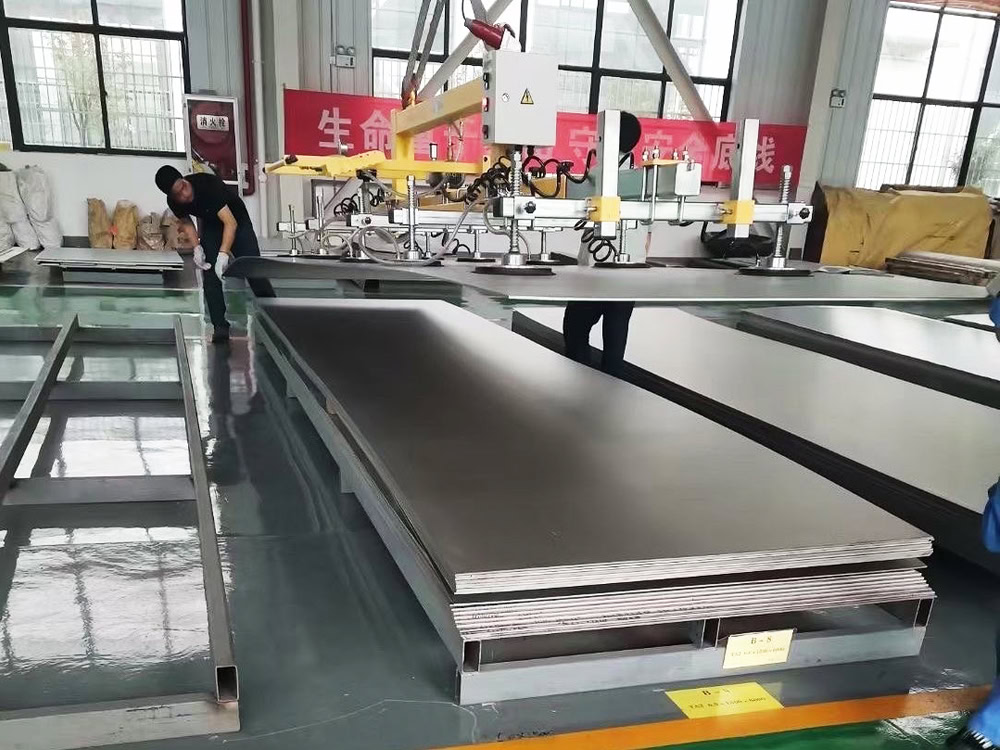
Plate anodes: The most basic and widely used type, typical specifications are 300mm×500mm and 500mm×1000mm, with a thickness of 2-4mm. The titanium matrix accounts for ≥85%. The surface coating has a uniform porous structure (porosity 30-40%), increasing the effective reaction area by 3-5 times compared to traditional plate anodes, and providing good current distribution uniformity. Suitable for large-area planar structures such as tank bottoms, bridge pavement layers, and sewage treatment plant walls. By laying flat or splicing, a continuous current output surface can be formed, and with conductive mortar, protection without dead angles can be achieved.
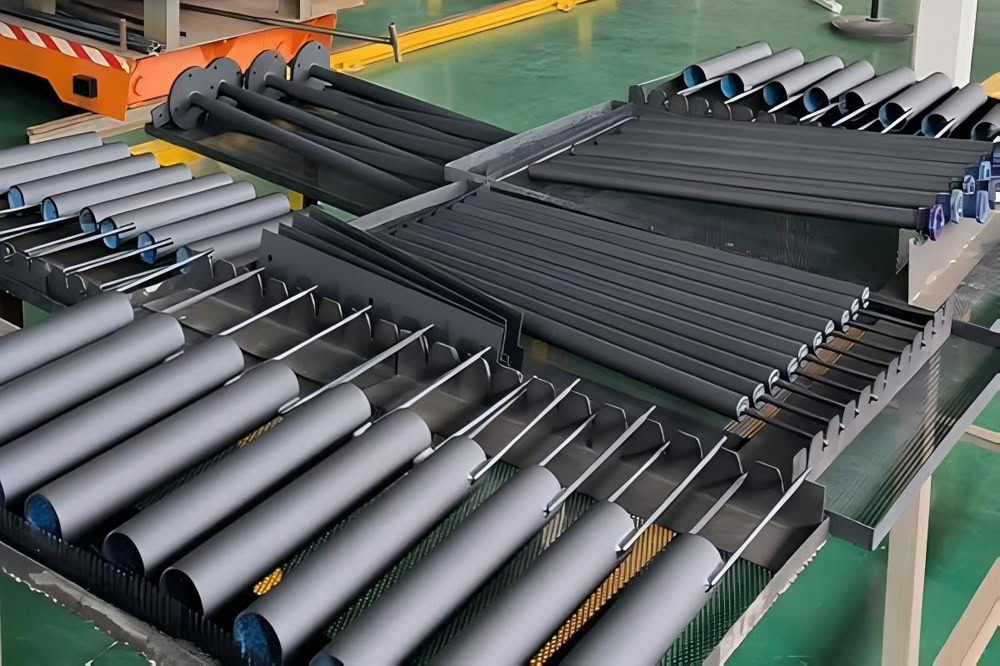
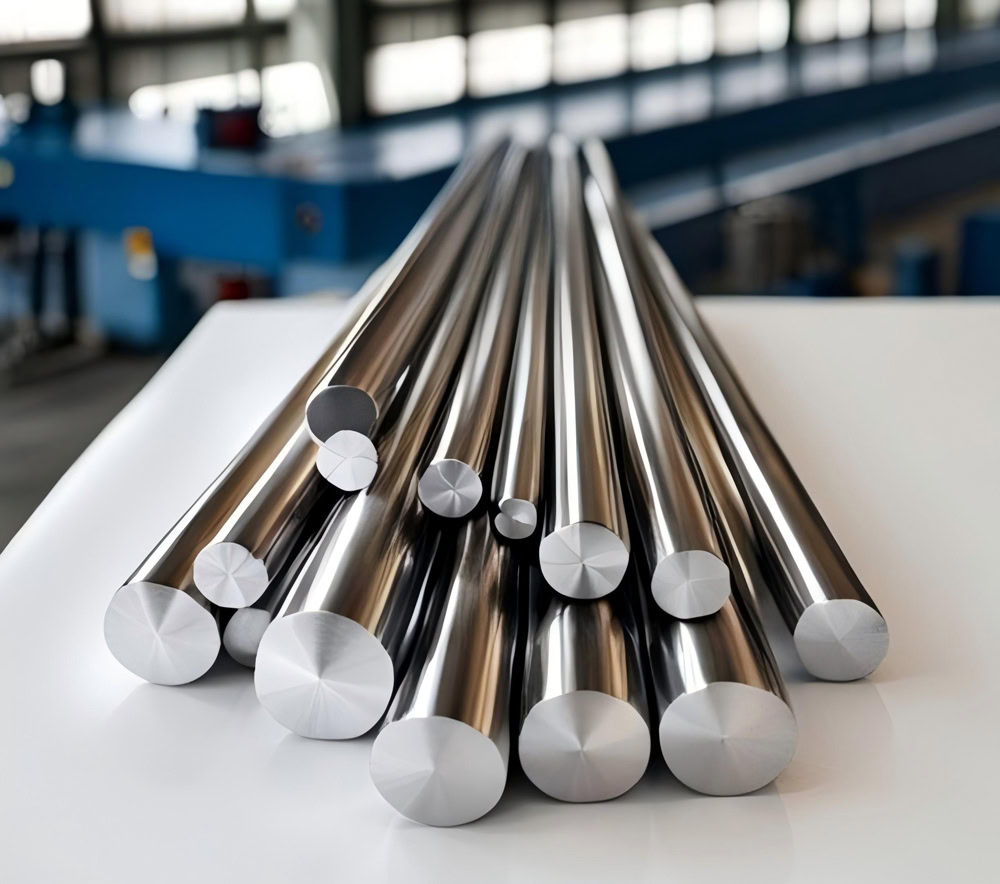
Tubular anodes: A core product replacing traditional high-silicon cast iron anodes. Common outer diameters are 16mm, 20mm, and 25mm, with lengths ranging from 1-3m. They can be used individually or in series to form anode strings. They possess good mechanical strength and impact resistance, suitable for buried pipelines, deep well anode beds, and scenarios with high soil resistivity. Horizontal or vertical installation can reduce grounding resistance and expand the protection range; a single anode can provide a protection radius of 15-20 meters.
Mesh anodes: Made of titanium wire woven into a mesh with a diameter of 1-2mm, the mesh size is typically 20mm×20mm-50mm×50mm, with a uniform coating covering the wire surface. Highly flexible and lightweight (area density ≤1.5kg/m²), they can tightly conform to complex curved surfaces or be embedded in concrete structures. They are particularly suitable for reinforced concrete bridges, subway tunnels, and irregularly shaped tanks, effectively avoiding current shielding and ensuring uniform potential on the steel or metal surface.
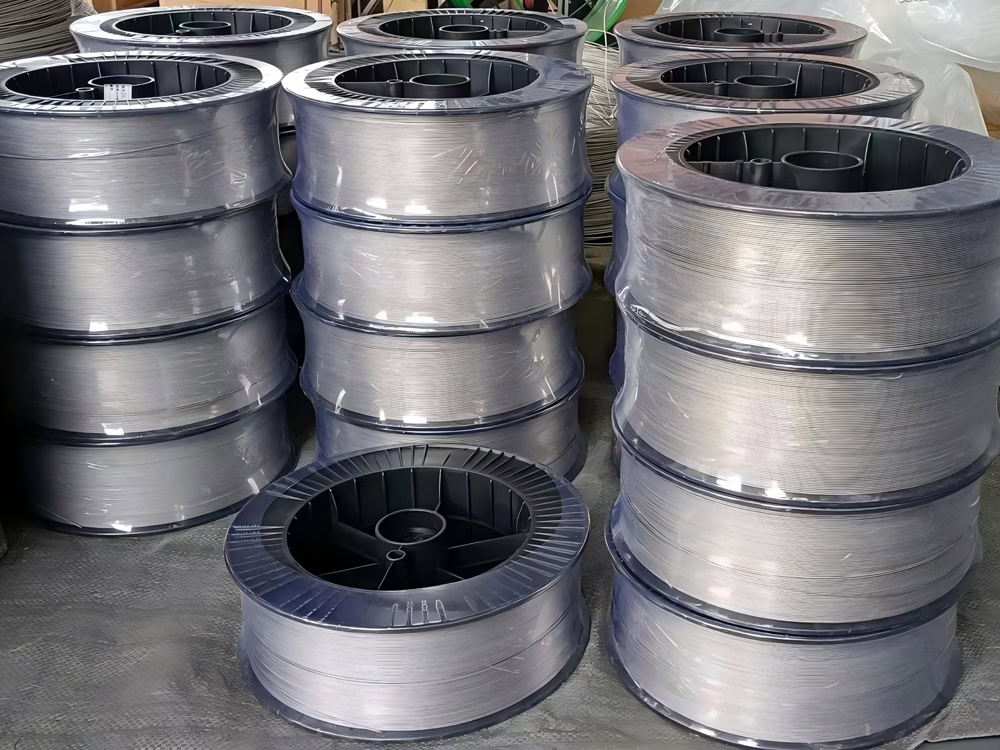
Linear anodes: Long and narrow, 6-10mm in diameter, with roll lengths up to 50 or 100 meters. Some products are coated with a conductive polymer and a braided protective mesh. They possess excellent flexibility, bending to a curvature ≤0.5m in diameter, suitable for curved pipes, urban utility tunnels, and long-distance power transmission tower foundations. Single-segment protection lengths can reach tens of kilometers, with installation efficiency more than 40% higher than traditional anodes.
Block anodes: Compact in size, common sizes are 50mm×50mm×10mm and 100mm×100mm×15mm. Suitable for space-constrained localized corrosion protection scenarios, such as equipment flanges, valves, and pipe joints—easily corroded areas. Installed via spot welding or bolts, they provide precise localized protective current.
(II) Coating Formulation
Fine-tuning of the coating formulation primarily aims to adapt to the reaction requirements of different media environments. The core remains the RuO₂-IrO₂ system, with performance emphasis achieved by adjusting the ratio of the two components.
High Ruthenium Coating: RuO₂ 60%-70%, IrO₂ 30%-40%. It exhibits extremely strong chlorine evolution catalytic activity, with a chlorine evolution overpotential of only 1.1V (relative to Ag/AgCl), 0.08V lower than pure ruthenium coatings. Suitable for high-chlorine media environments, such as seawater, chlorinated wastewater treatment, and pipeline protection in saline soils, it efficiently catalyzes chloride ion oxidation, preventing coating passivation.
High Iridium Coating: IrO₂ 50%-60%, RuO₂ 40%-50%. It balances oxygen and chlorine evolution activity, offering superior chemical stability and stronger resistance to acid and alkali corrosion (pH tolerance range 1-14). Suitable for environments with alternating acid and alkali conditions and complex media, such as chemical reactors, electroplating wastewater treatment equipment, and high-temperature conditions (≤100℃), extending service life by 20%-30% compared to ordinary formulations.
Low-cost optimized coating: By adding auxiliary components such as TiO₂ and SnO₂, the total proportion of RuO₂+IrO₂ is reduced to 40%-50%. While maintaining core performance, the amount of precious metals used is reduced, resulting in a 15%-25% cost reduction compared to traditional formulations. Suitable for large-scale conventional anti-corrosion projects, such as urban underground pipe networks and steel structures in ordinary industrial plants—scenarios where cost is a primary concern.

Related products
-
 Impressed Current Cathodic Protection
ICCP MMO Disk Anode
-
 Impressed Current Cathodic Protection
ICCP Cathodic Protection Deep Well
-
 Impressed Current Cathodic Protection
ICCP Cathodic Protection For Ships
-
 Marine Growth Prevention Systems
MGPS anode for Subsea Pipelines
-
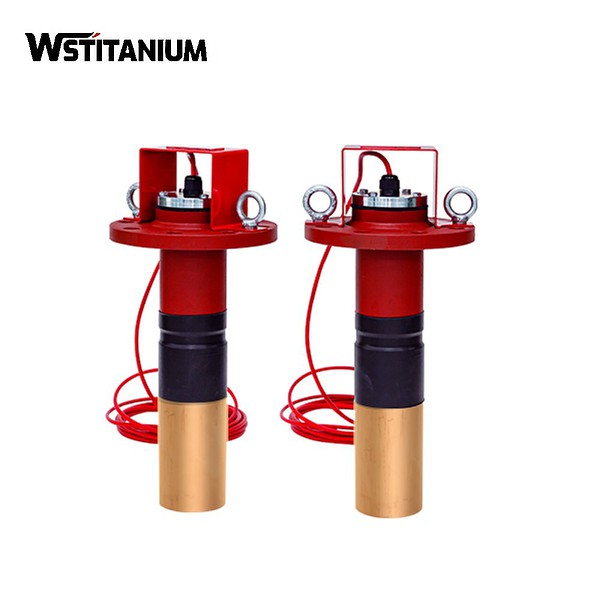 Marine Growth Prevention Systems
MGPS Anode for Merchant Ships
-
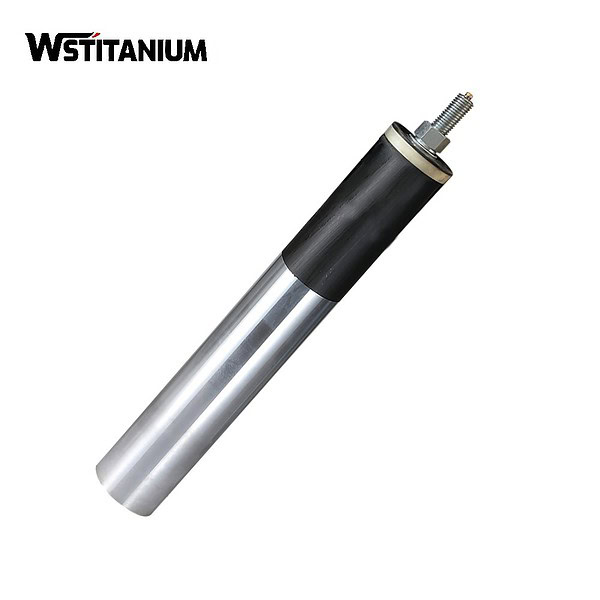 Marine Growth Prevention Systems
Aluminum Marine Growth Prevention Anode
-
 Impressed Current Cathodic Protection
ICCP Iridium-Tantalum MMO Anode
-
 Impressed Current Cathodic Protection
ICCP Cathodic Protection For Pipelines