
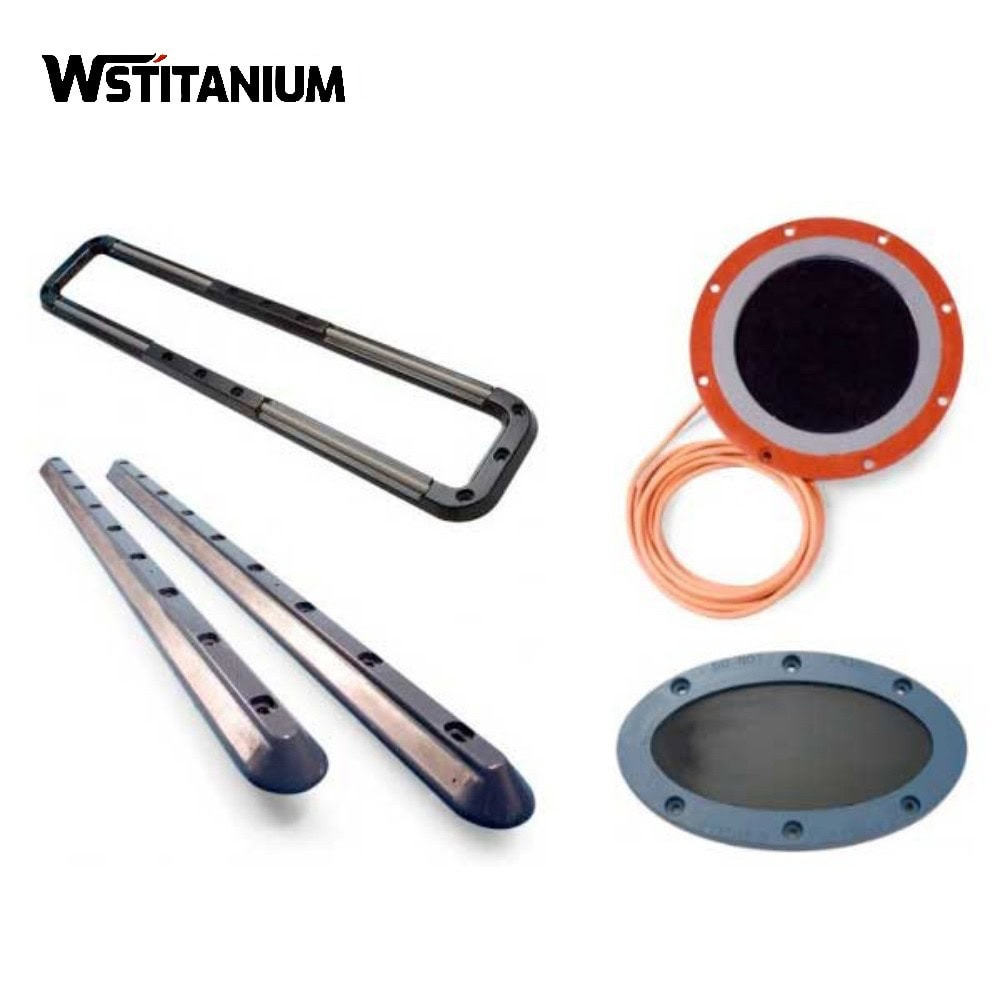
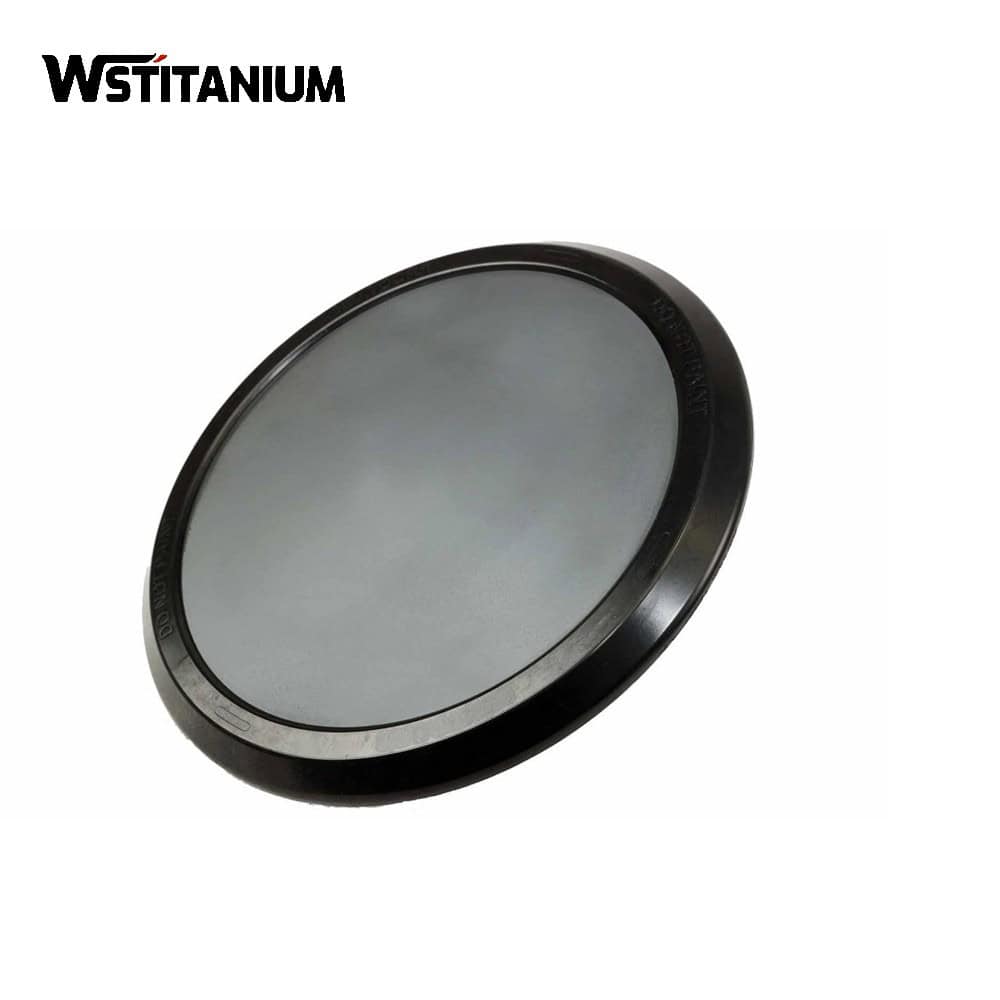
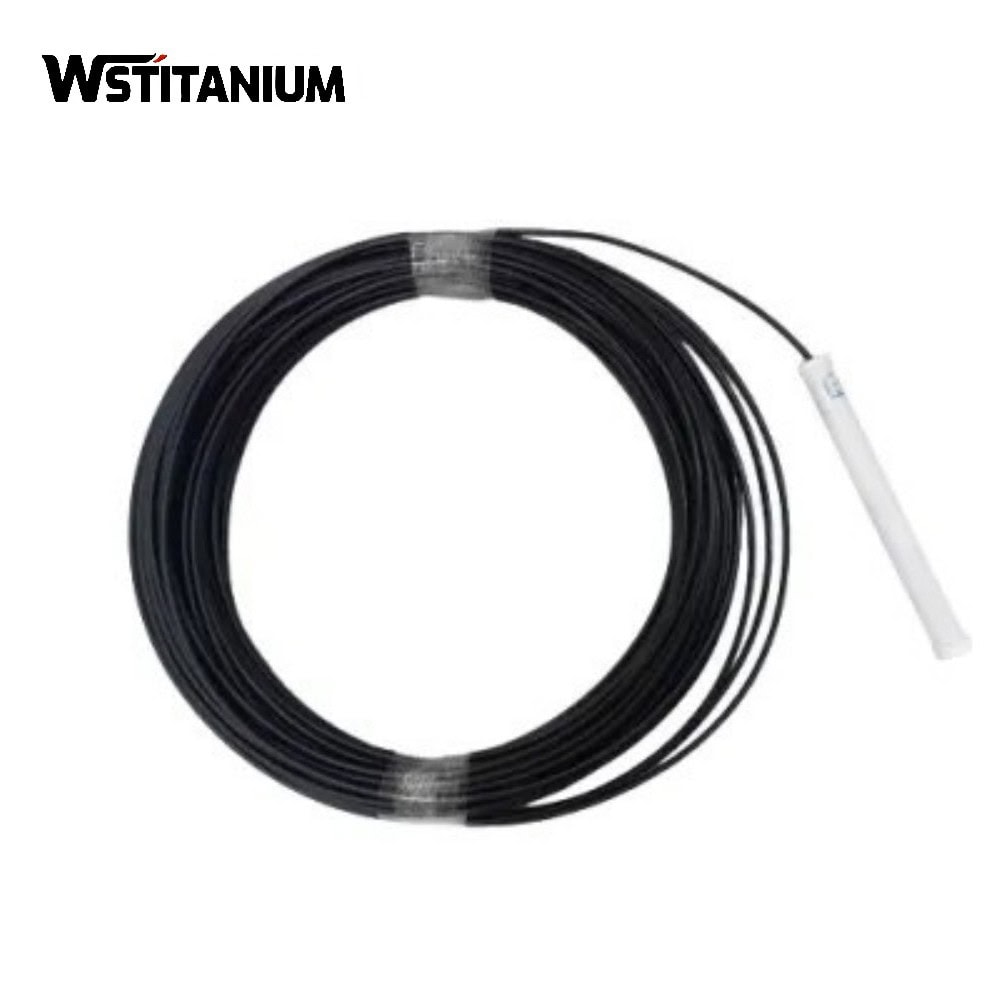
ICCP Cathodic Protection For Marine
Certified: CE & SGS & ROHS
Shape: Requested
Diameter: Customized
Drawings: STEP, IGS , X_T, PDF
Shipping: DHL, Fedex, or UPS & Ocean Freight

20+ YEARS EXPERIENCE SENIOR BUSINESS MANAGER
Ask Michin For What You Want?
Seawater, as a highly saline and conductive electrolyte environment, is a veritable “invisible killer” for corroding metal structures. Impressed Current Cathodic Protection (ICCP) systems are the preferred choice for large-scale, complex marine engineering projects. Compared to sacrificial anode methods, ICCP systems actively provide protective current through an external DC power supply, offering significant advantages such as a wider protection range, adjustable current output, and longer lifespan. Its applications have expanded from ships to various marine engineering projects including cross-sea bridges, subsea pipelines, and offshore wind power platforms.
| Category | Item | Key Details |
| Basics | Core Role | ICCP system current output terminal; enables cathodic polarization of protected metal via oxidation reaction to inhibit corrosion. |
| Service Env. | High-salinity, high-conductivity, corrosive marine environments (full-immersion seawater, intertidal zones, deep seas). | |
| Core Benefits | Wide protection range; adjustable current; long service life; fits large/complex marine projects. | |
| Anode Types | High Silicon Cast Iron | Comp.: Fe + 14-18% Si + Cr/Mo; Adv.: Cost-effective, high strength, high-temp resistant (consumption: 0.1-0.3kg/A·a); Disadv.: Brittle (full-immersion only); Apps.: General ships, terminals, shallow-sea structures. |
| Graphite | Substrate: Natural/artificial graphite; Adv.: High conductivity (ρ<10Ω·m), high current, low cost; Disadv.: Low strength (pollution risk); Apps.: Tank bottoms, pipeline clusters, high-current scenarios. | |
| MMO (Mixed Metal Oxide) | Structure: Ti substrate + IrO₂-Ta₂O₅ coating; Adv.: Ultra-low consumption (<0.01kg/A·a), high efficiency, 50-year life, eco-friendly; Disadv.: Higher initial cost; Apps.: Offshore wind, high-end ships, cross-sea bridges, deep-sea projects. | |
| Ops Params | Protection Potential | Standard: -0.80~-1.00V (Ag/AgCl); adjusted to -0.75~-1.00V for special cases. |
| Current Density | Protected metal: Uncoated CS (100-150mA/m²); coated (20-50mA/m²); Anode limit: High Si cast iron (20-30A/m²); MMO (100-200A/m²). | |
| Typical Apps | Ships | Large merchants: High Si/MMO (25% at stern + midship); Warships: MMO/precious metal; Small ships: Mini MMO/graphite. |
| Offshore Platforms | MMO (25-30-year life); 3-4 groups/pile (spacing >1m, flexible for complex structures). | |
| Submarine Pipelines | Shallow: High Si/MMO (50-100m/group); Deep: Pressure-resistant MMO; 30km coverage per system. | |
| Cross-sea Bridges/Terminals | Full-immersion: Attached High Si/MMO (3-5m spacing); Intertidal: ICCP + sacrificial anodes. |
The high salinity, strong corrosiveness, and dynamic operating conditions of the marine environment place stringent requirements on the material properties of ICCP anodes: they must possess excellent resistance to seawater corrosion, stable electrochemical performance, good conductivity and mechanical strength, while controlling the anode consumption rate and reducing the impact of oxygen and chlorine evolution side reactions.
(I) High-Silicon Cast Iron Anodes
High-silicon cast iron anodes are the most widely used traditional anode material in marine ICCP systems. Their main components are iron, silicon (14%-18%), and small amounts of chromium and molybdenum. The addition of silicon allows the cast iron to form a dense SiO₂ passivation film, significantly improving corrosion resistance. Its consumption rate in seawater is only 0.1-0.3 kg/A·a, and its service life can reach over 20 years.
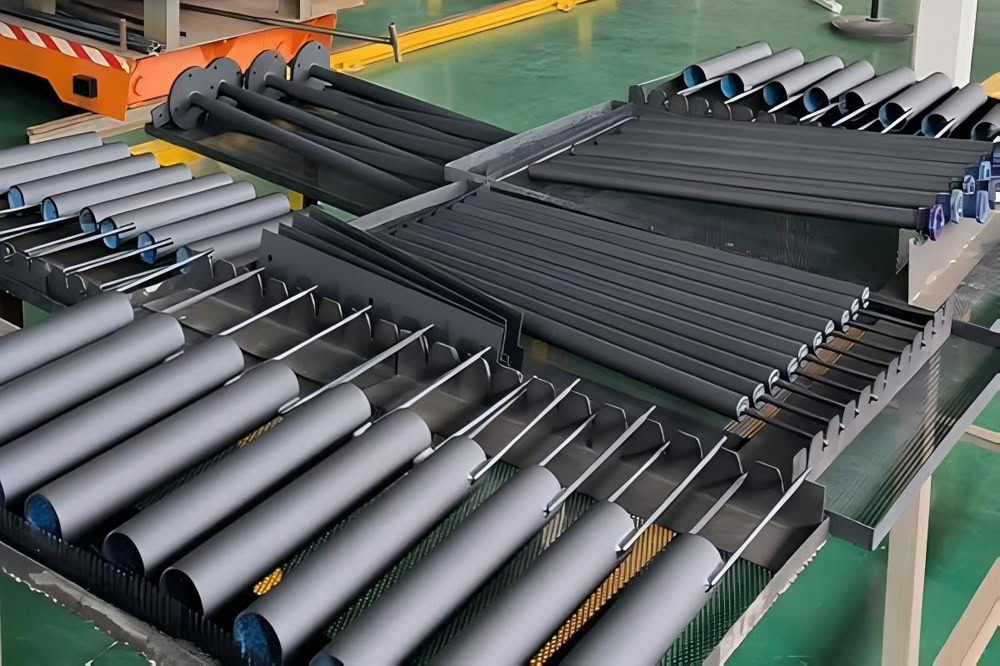
Its core advantages lie in its high cost-effectiveness, high strength, good high-temperature resistance, and ability to output large operating currents, making it suitable for large ships, offshore platforms, etc. Its disadvantages include high brittleness, requiring avoidance of severe impacts during transportation and installation; and susceptibility to passivation in low-oxygen or dry environments, leading to unstable current output. Therefore, it is only suitable for fully immersed seawater environments. High-silicon cast iron anodes can be divided into rod-shaped, tubular, and plate-shaped anodes. Among them, tubular anodes are most commonly used in ship hull protection due to their uniform current distribution and convenient installation.
(II) Graphite Anodes
Graphite anodes use natural or artificial graphite as the base material and have excellent conductivity (resistivity < 10Ω·m), strong current output capability, and low cost. They are suitable for marine engineering scenarios with high current density requirements, such as the bottom of large storage tanks and subsea pipelines. Their theoretical consumption rate is extremely low; in seawater, they mainly undergo oxidation to produce CO₂, and their actual service life can reach 15-20 years.
The advantage of graphite anodes is that they can be made into large block or columnar structures, adapting to complex anode layout designs and achieving a wide-range, uniform current distribution. However, this type of anode has low mechanical strength, high brittleness, and weak impact and wear resistance, making it prone to breakage under external forces such as ocean currents and ship grounding. Furthermore, the shedding of graphite particles may cause seawater pollution, thus its application in nearshore engineering projects with high environmental protection requirements requires caution. In addition, graphite anodes are prone to polarization under high current densities, necessitating a reasonable layout design to reduce current concentration.
(III) Mixed Metal Oxide (MMO) Anodes
Mixed metal oxide anodes are currently the most promising new anode material for marine ICCP systems. They use titanium as a matrix, coated with a composite coating of metal oxides such as iridium, tantalum, and rhodium (e.g., IrO₂-Ta₂O₅). This type of anode combines the high strength of titanium with the high catalytic activity of metal oxides, exhibiting an extremely low consumption rate in seawater (<0.01 kg/A・a) and a service life of up to 50 years. It is the longest-lived type of marine anode.
The core advantages of MMO anodes are reflected in three aspects: First, they have high current output efficiency and strong catalytic activity of the coating, effectively reducing oxygen and chlorine evolution overpotentials; second, they have wide adaptability, can work stably in various media such as fresh water, seawater, and high-salinity brine, and have high mechanical strength and light weight, making them easy to transport and install; third, they have good environmental performance, with no harmful substances released during operation, and will not pollute the marine ecological environment. Their disadvantage is that the initial investment cost is higher than that of high-silicon cast iron anodes and graphite anodes. Currently, they are widely used in marine engineering projects such as offshore wind power platforms, cross-sea bridges, and high-end ships, becoming the mainstream development direction for marine ICCP anodes.
Working Principle
The core working principle of a marine ICCP system is to forcibly change the electrode potential of the protected metal through an external DC power supply, causing cathodic polarization and thus inhibiting the metal’s oxidation and corrosion reaction. As the system’s current output terminal, the anode’s operation involves mechanisms from multiple disciplines, including electrochemistry and materials science.
(I) Working Principle
In the marine environment, metal structures such as ships and pipelines naturally form corrosion cells in seawater. The metal, acting as the anode, undergoes an oxidation reaction (Fe → Fe²⁺ + 2e⁻), leading to metal dissolution and corrosion. The ICCP system delivers DC power to the auxiliary anode via a potentiostat, creating an artificial electrolytic cell between the auxiliary anode and the protected metal: the auxiliary anode is connected to the positive terminal of the power supply, becoming the anode of the electrolytic cell; the protected metal is connected to the negative terminal of the power supply, becoming the cathode of the electrolytic cell.
When the system is powered on, an oxidation reaction occurs at the anode (primarily the oxygen evolution reaction: 2H₂O → O₂↑ + 4H⁺ + 4e⁻. In the high chloride ion environment of seawater, a chlorine evolution reaction also occurs: 2Cl⁻ → Cl₂↑ + 2e⁻), releasing electrons and delivering a protective current to the protected metal. The surface of the protected metal becomes cathodically polarized due to the large number of electrons gained, and the electrode potential shifts negatively to the protection potential range (typically -0.80 to -1.00 V, relative to the Ag/AgCl electrode). At this point, the oxidation reaction of the metal, which loses electrons, is significantly suppressed, thus achieving corrosion protection.
The key role of the auxiliary anode is to efficiently complete the oxidation reaction and stabilize the output current. The catalytic activity of its material directly determines the energy loss of the reaction: the higher the catalytic activity, the lower the oxygen and chlorine evolution overpotentials, the less electrical energy consumed, and the higher the system operating efficiency. For example, the coating on MMO anodes can significantly reduce the activation energy of the reaction, making oxidation reactions easier to occur, and saving 15%-30% of electrical energy compared to high-silicon cast iron anodes.
(II) Operating Parameters
The protection potential is the core parameter determining the corrosion protection effect and must be strictly controlled within the standard range. Excessively high (overly negative) potentials will trigger the hydrogen evolution reaction (2H₂O + 2e⁻ → H₂↑ + 2OH⁻), leading to problems such as coating peeling and hydrogen embrittlement on the protected metal surface; excessively low (overly positive) potentials will not effectively inhibit corrosion, resulting in underprotection. The protection potential range for marine ICCP systems is -0.80 to -1.00V (Ag/AgCl electrode), which can be adjusted to -0.75 to -1.00V in special environments.
Current Density: Current density refers to the current intensity output per unit area of the anode. Its value needs to be determined based on factors such as the material of the protected metal, the coating condition, and seawater environmental parameters (salinity, temperature, flow rate). For example, the protective current density of an uncoated carbon steel hull in seawater is approximately 100-150 mA/m², while that of a well-coated hull can be reduced to 20-50 mA/m². The maximum permissible current density of the anode is determined by the material properties; for example, the maximum permissible current density of a high-silicon cast iron anode is 20-30 A/m², while that of an MMO anode can reach 100-200 A/m². Exceeding this limit will lead to excessive anode consumption and performance degradation.
Anode consumption rate: The anode consumption rate is a key indicator for measuring its service life and is closely related to material properties, current density, and operating environment. The ideal consumption rate for marine anodes should be below 0.1 kg/A·a; for example, the consumption rate of MMO anodes can be as low as below 0.01 kg/A·a.
Applications
Marine ICCP anodes, with their excellent corrosion resistance, have been widely used for corrosion protection of various marine metal structures, covering multiple fields such as ships, offshore platforms, subsea pipelines, and cross-sea bridges, becoming a core technical support for ensuring the safe operation of marine engineering projects.
(I) Shipbuilding
Large merchant ships (such as very large crude carriers and container ships) have large submerged areas (up to thousands of square meters) and high corrosion risks, typically using high-silicon cast iron anodes or MMO anodes. Warships have extremely high requirements for corrosion resistance reliability and concealment, and need to avoid noise from corrosion affecting sonar systems; therefore, they typically use MMO anodes or platinum-niobium alloy anodes. Some small ships use sacrificial anode protection, but with increasing corrosion requirements, small ICCP systems are gradually being introduced.
(II) Offshore Wind Power Platforms
Offshore wind power platforms are subjected to multiple effects such as seawater erosion, wave impact, and marine organism attachment over long periods. Their ICCP systems typically use submerged anode arrays or platform leg-attached anodes, with MMO anodes being the primary selection. The anode layout must consider current uniformity and resistance to wave impact. Typically, 3-4 sets of anodes are arranged around each pile leg, maintaining a certain distance (usually > 1m) from the platform structure to avoid current concentration leading to localized overprotection.
(III) Subsea Pipelines
The selection and layout of anodes for subsea pipeline ICCP systems must be designed based on factors such as pipeline material, diameter, burial depth, and seawater environment.
Shallow-sea pipelines (burial depth < 20m): Distributed shallow-buried anodes are typically used, employing high-silicon cast iron anodes or MMO anodes. A set of anodes is arranged every 50-100m along the pipeline axis to ensure uniform coverage of the protective current.
Deep-sea pipelines (burial depth > 200m): Deep-well anodes or submerged anode arrays are used, employing MMO anodes, utilizing their high pressure resistance and corrosion resistance to adapt to the high-pressure environment of the deep sea.
High resistivity environments (e.g., rocky seabed): A high-voltage output ICCP system is required, paired with precious metal-coated anodes or MMO anodes to ensure the protective current can overcome resistance losses and cover long-distance pipelines.
The advantages of ICCP anodes for subsea pipelines lie in their wide protection range. A single potentiostat can protect approximately 30 kilometers of pipeline, and the anode bed life exceeds 20 years, significantly reducing the difficulty and cost of subsea pipeline operation and maintenance.
(IV) Cross-Sea Bridges and Marine Terminals
ICCP anode selection primarily uses high-silicon cast iron anodes and MMO anodes.
Fully submerged areas (e.g., underwater sections of bridge piers): Attached anodes are used, directly welded or bolted to the structural surface. Anode spacing is determined based on structural dimensions and current requirements, typically 3-5 meters.
Intertidal zones (alternating wet and dry areas): A combination of sacrificial anodes and ICCP anodes is used for protection. ICCP anodes are mainly placed in the fully submerged area, while sacrificial anodes supplement the protective current in the intertidal zone, ensuring no blind spots in the entire structure.
The installation of anodes for cross-sea bridges and marine terminals must consider the structural mechanical properties to avoid affecting the load-bearing capacity of the main structure. Simultaneously, the anodes must possess good impact and wear resistance to withstand ship collisions and wave erosion.


Related products
-
 Cathodic Protection System
ICCP Cathodic Protection For Petrochemical
-
 Impressed Current Cathodic Protection
ICCP MMO Rod Anode
-
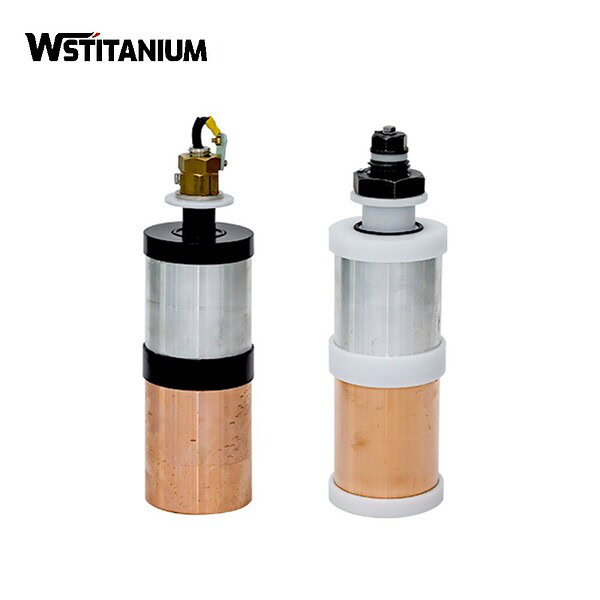 Marine Growth Prevention Systems
MGPS Anode for Yachts
-
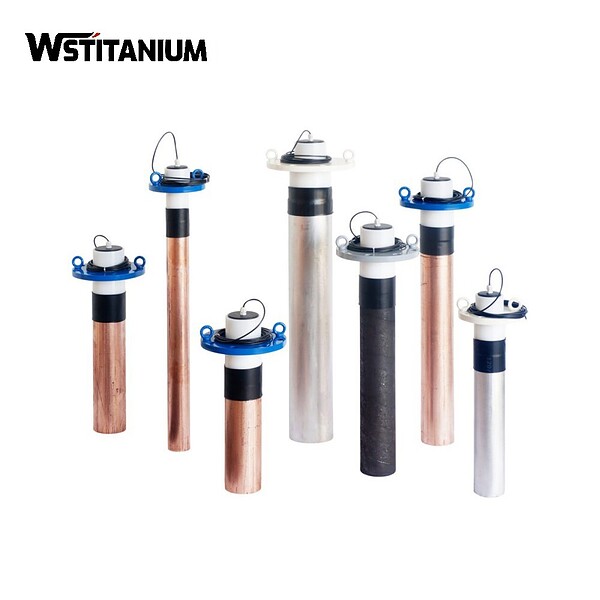 Marine Growth Prevention Systems
MGPS Anodes for Offshore Platforms
-
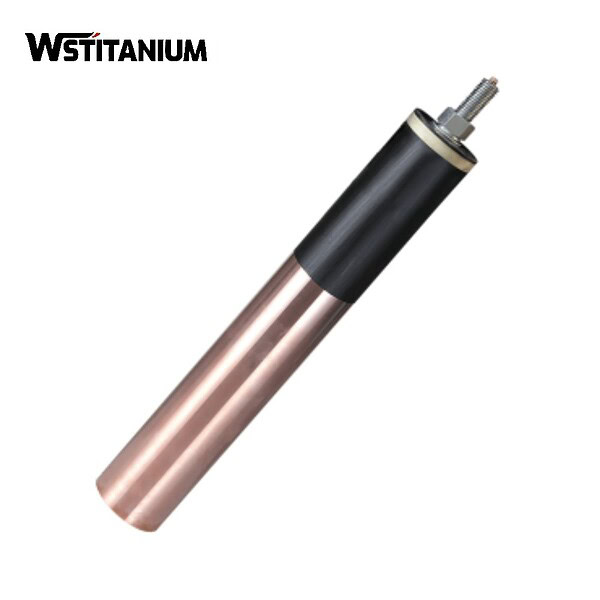 Marine Growth Prevention Systems
Copper Marine Growth Prevention Systems
-
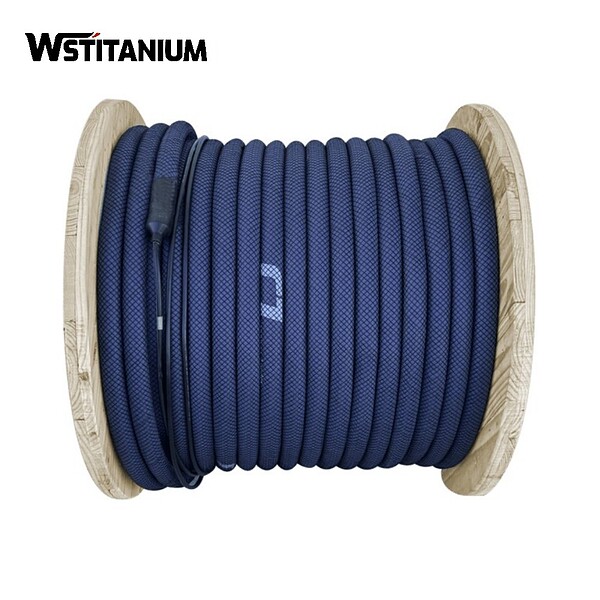 Impressed Current Cathodic Protection
ICCP MMO Linear Anodes
-
 Impressed Current Cathodic Protection
ICCP Iridium-Tantalum MMO Anode
-
 Impressed Current Cathodic Protection
ICCP MMO Strip Anode