
Impressed Current Cathodic Protection For Mechanical
Certified: CE & SGS & ROHS
Shape: Requested
Diameter: Customized
Drawings: STEP, IGS , X_T, PDF
Shipping: DHL, Fedex, or UPS & Ocean Freight

20+ YEARS EXPERIENCE SENIOR BUSINESS MANAGER
Ask Michin For What You Want?
In the manufacturing, infrastructure, and high-end equipment sectors, corrosion of mechanical structures remains a critical bottleneck limiting equipment lifespan. Impressed current cathodic protection (ICCP) systems, as an active corrosion protection technology, have become a core solution for mechanical structure corrosion protection. Within ICCP systems, mixed metal oxide (MMO) anodes exhibit superior electrochemical performance, ultra-long service life, and excellent mechanical stability.
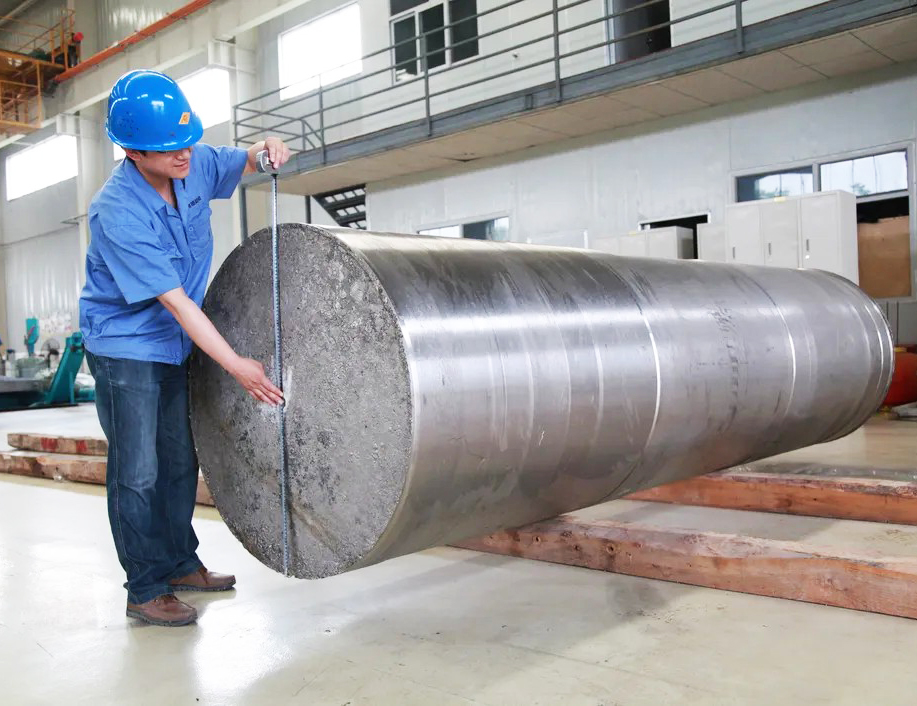
MMO anodes are functional electrodes formed by coating a titanium substrate with a composite coating of metal oxides such as ruthenium (Ru), iridium (Ir), and titanium (Ti). This coating possesses high catalytic activity, low oxygen/chlorine evolution potential, and strong corrosion resistance, providing continuous and uniform cathodic protection for mechanical structures even under extreme operating conditions.
| Core Category | Key Highlights |
| Machinery Types | – Underwater: ROV, diving/hoisting gear |
| – Land: Excavator, drill, cable layer | |
| – High-altitude: Scaffold, aerial platform | |
| – Maintenance: Cleaning robot, detection carrier | |
| Selection Principles | Fit environment; accuracy (≤±50mm); anti-corrosion; 1.5× load; space adaptability |
| Key Technologies | – Accuracy: ±50mm (underwater)/±100mm (land) |
| – Load: 1.5× anode weight | |
| – Protection: IP68 (underwater)/IP54 (land) | |
| – Efficiency: ≥10% daily | |
| – Compatibility: Tubular/plate/mesh anodes | |
| Installation | Position & debug → hoist/implant (no coating damage) → fix → cable crimp → detect |
| Environmental | – Marine: Anti-fouling/corrosion |
| – Soil: Hardness-matched drill bits | |
| – Concrete: Non-destructive drilling | |
| – Low-temp: Antifreeze oil + heater |
MMO anodes are primarily classified based on structure, coating, and application. Different types of anodes vary in size, performance, and installation to meet the diverse needs of the mechanical corrosion protection field.
1. Tubular MMO Anodes
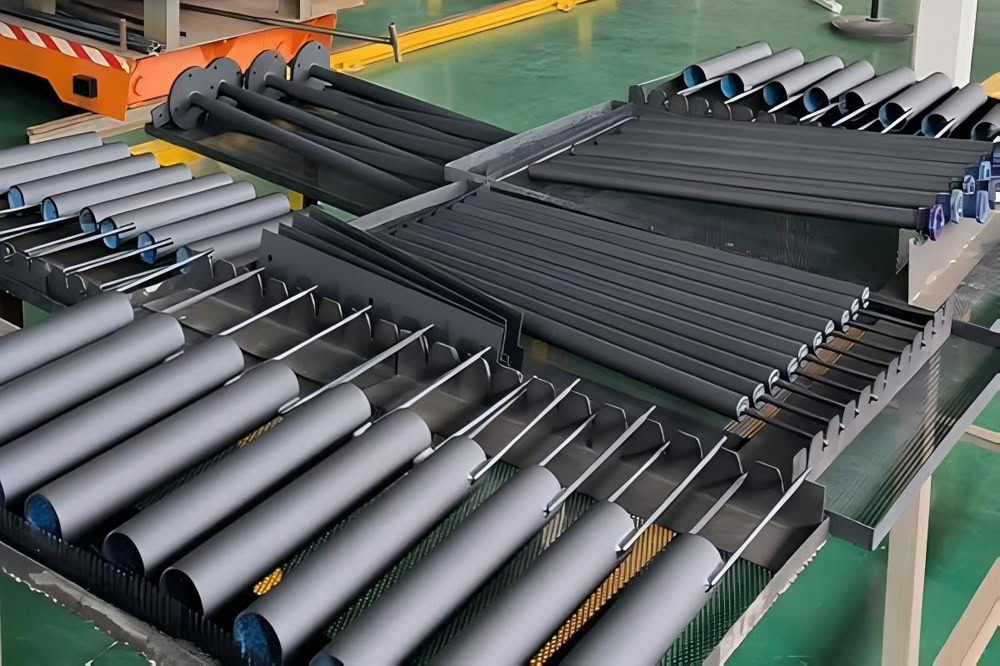
Tubular anodes are the most widely used type in mechanical corrosion protection. They use titanium tubes as the substrate, with an outer diameter typically ranging from 12mm to 25mm, a length from 1m to 3m, and a coating thickness from 20μm to 50μm.
Core advantages: Large surface area, uniform current distribution, high mechanical strength, flexible installation; can be used individually or in series/parallel to form an anode bed; suitable for various environments such as soil and underwater.
Structural features: The titanium tube substrate has a wall thickness of 1mm to 2mm, combining flexibility and rigidity, allowing it to be bent to adapt to complex installation spaces; the coating adheres firmly to the substrate and is not easily detached.
Installation: Vertically/horizontally installed in soil via drilling, using petroleum coke backfill material to reduce contact resistance; directly submerged underwater or fixed to the surface of mechanical structures; suitable for deep well beds (depth > 10m).
Typical Applications: Long-distance pipelines, engineering machinery chassis, offshore platform mechanical structures, underground mechanical facilities.
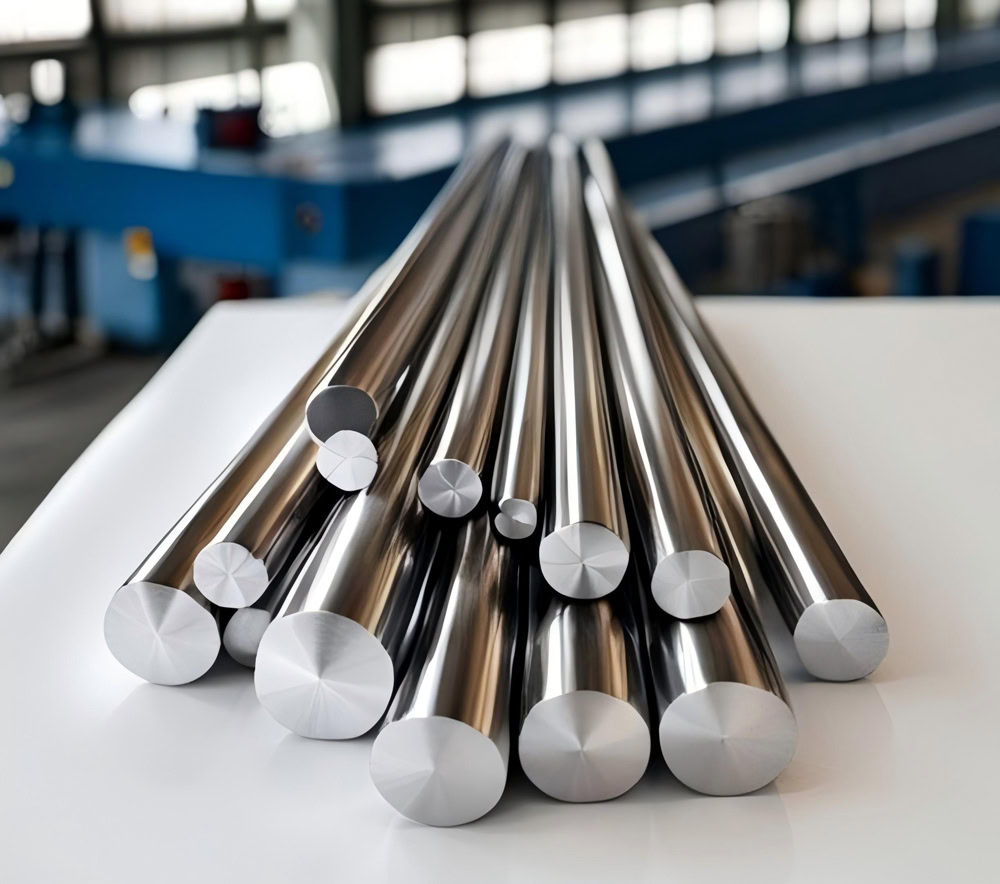
2. Rod-shaped MMO Anode
Rod-shaped anodes use titanium rods as the substrate, with a diameter of 6mm~16mm and a length of 0.5m~2m. The coating uniformly covers the entire surface of the rod.
Core Advantages: Compact size, lightweight, convenient transportation and installation, suitable for space-constrained mechanical structures (such as internal cavities of equipment, narrow pipes), high current density, and fast response speed.
Structural Features: The titanium rod substrate has a tensile strength ≥450MPa, is resistant to bending and impact, has low coating porosity (≤5%), and excellent corrosion resistance.
Installation: Directly fixed to the surface of mechanical parts (via welding or bolt connection), or embedded inside the structure, suitable for localized corrosion protection and reinforcement.
Applications: Precision mechanical parts, hydraulic system components, small equipment cavities, and internal valve corrosion protection.
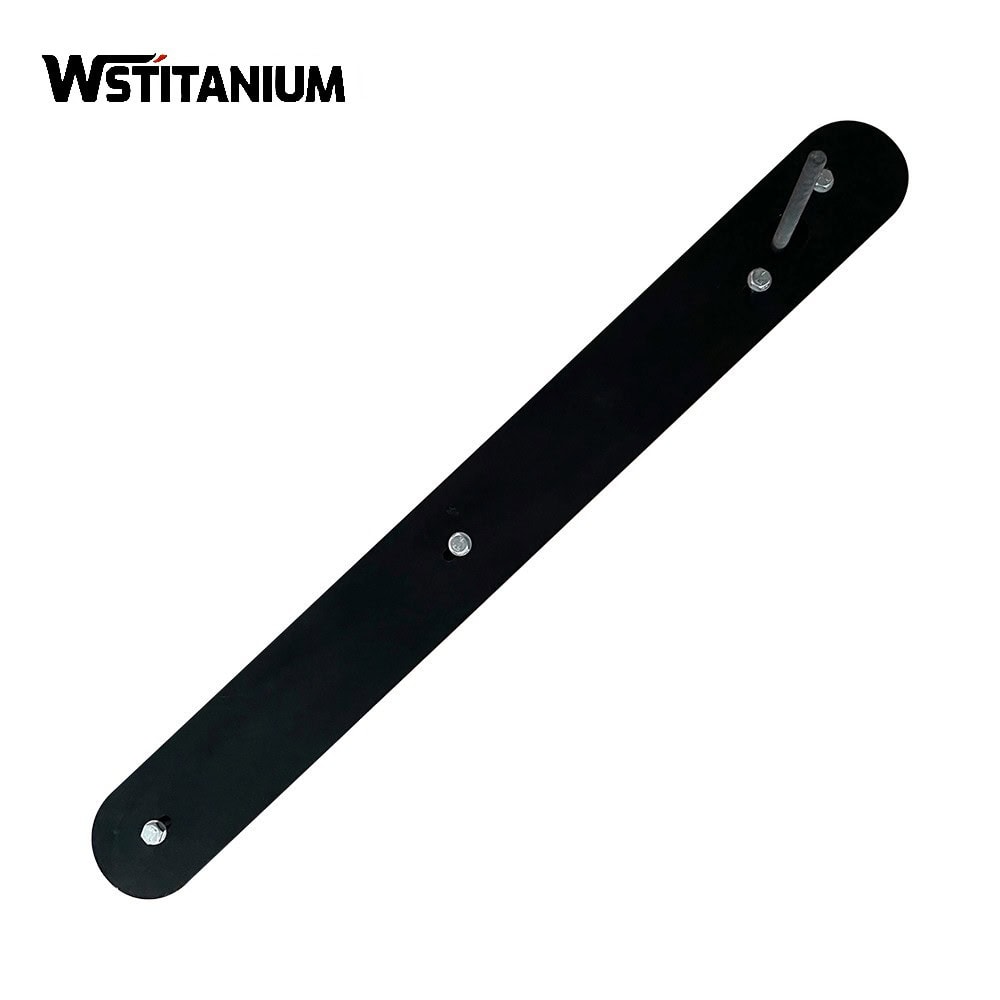
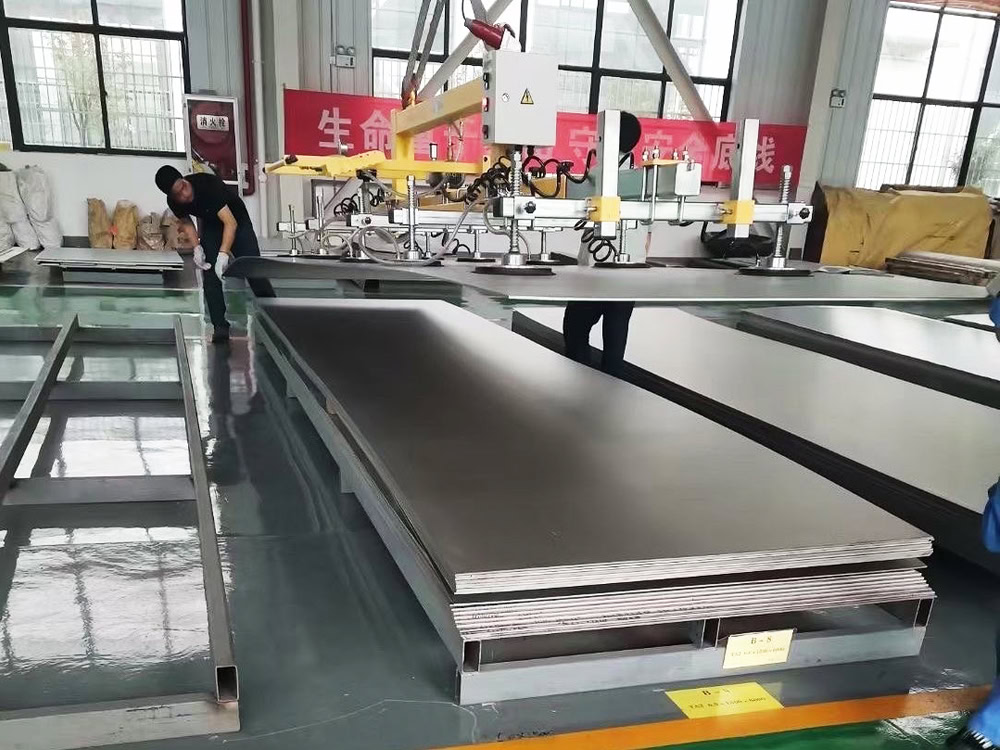
3. Plate/Sheet MMO Anodes
Plate anodes use titanium plates as the substrate, with a thickness of 0.8mm~2mm. Sizes can be customized (standard sizes 300mm×500mm, 500mm×1000mm). Coatings can cover both sides or one side.
Core Advantages: Smooth surface, uniform current output, suitable for large-area planar structures, can be directly mounted to mechanical surfaces without occupying extra space.
Structural Features: The titanium plate substrate has good ductility and can be cut into any shape. The coating adheres tightly to the substrate, providing wear resistance and scratch resistance.
Installation: Fixed to the surface of mechanical structures (such as equipment shells, tank bottom plates, bridge mechanical connectors) using bolts or clips, or pre-embedded in concrete mechanical foundations.
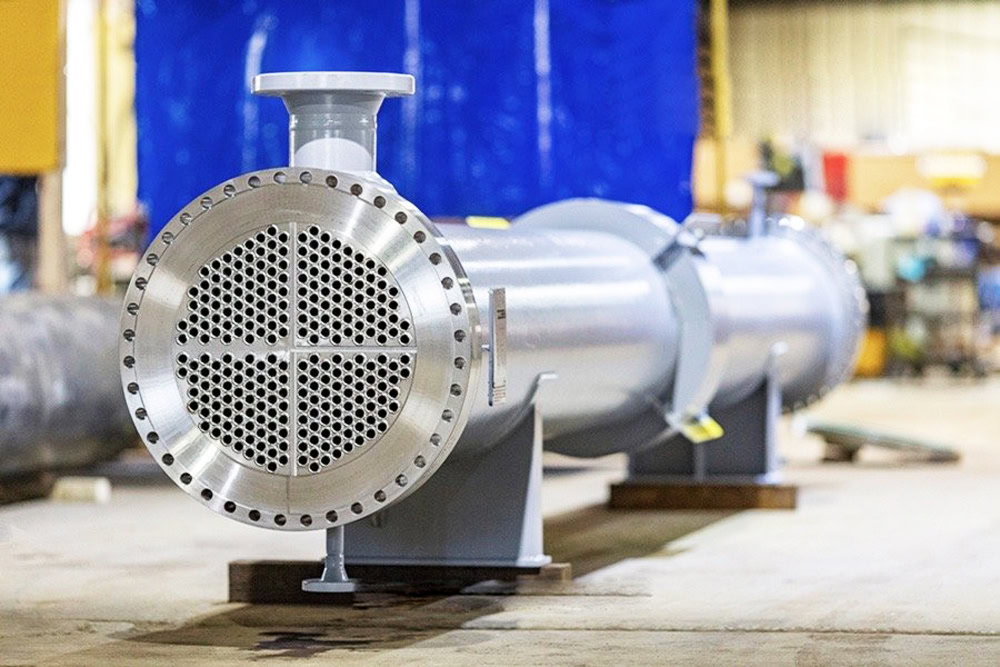
Applications: Large machinery bases, tank inner walls, concrete mechanical foundations, and corrosion protection for plate heat exchangers.
4. Mesh/Grid MMO Anode
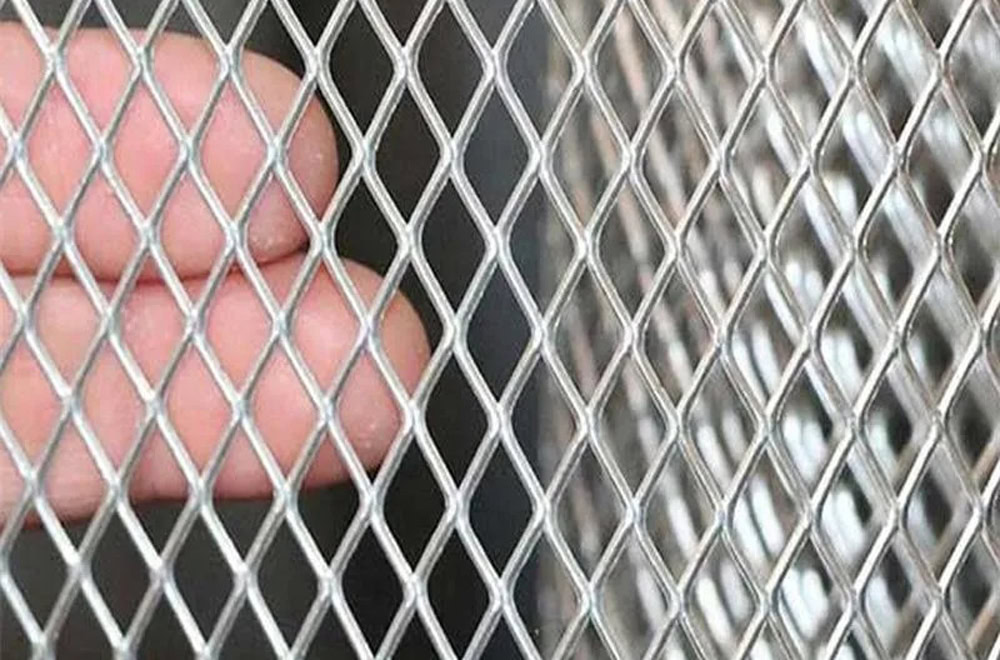
Mesh anodes utilize titanium wire woven into a mesh structure, with wire diameters ranging from 1mm to 3mm, mesh sizes from 10mm×10mm to 50mm×50mm, and coating thicknesses from 15μm to 30μm.
Core Advantages: Excellent flexibility, bendable and foldable, large surface area, and uniform current distribution, suitable for irregularly shaped mechanical structures (such as curved surfaces and complex cavities).
Structural Features: High tensile strength of titanium wire, good mesh structure stability, and uniform coating coverage of the wire surface, preventing detachment due to bending.
Installation: Wrapped around the surface of mechanical parts, embedded in structural gaps, or pre-embedded in composite materials, adaptable to dynamic mechanical structures (such as rotating shafts and telescopic components).
Typical Applications: Mechanical drive shafts, telescopic robotic arms, curved equipment housings, and composite material-reinforced mechanical structures.
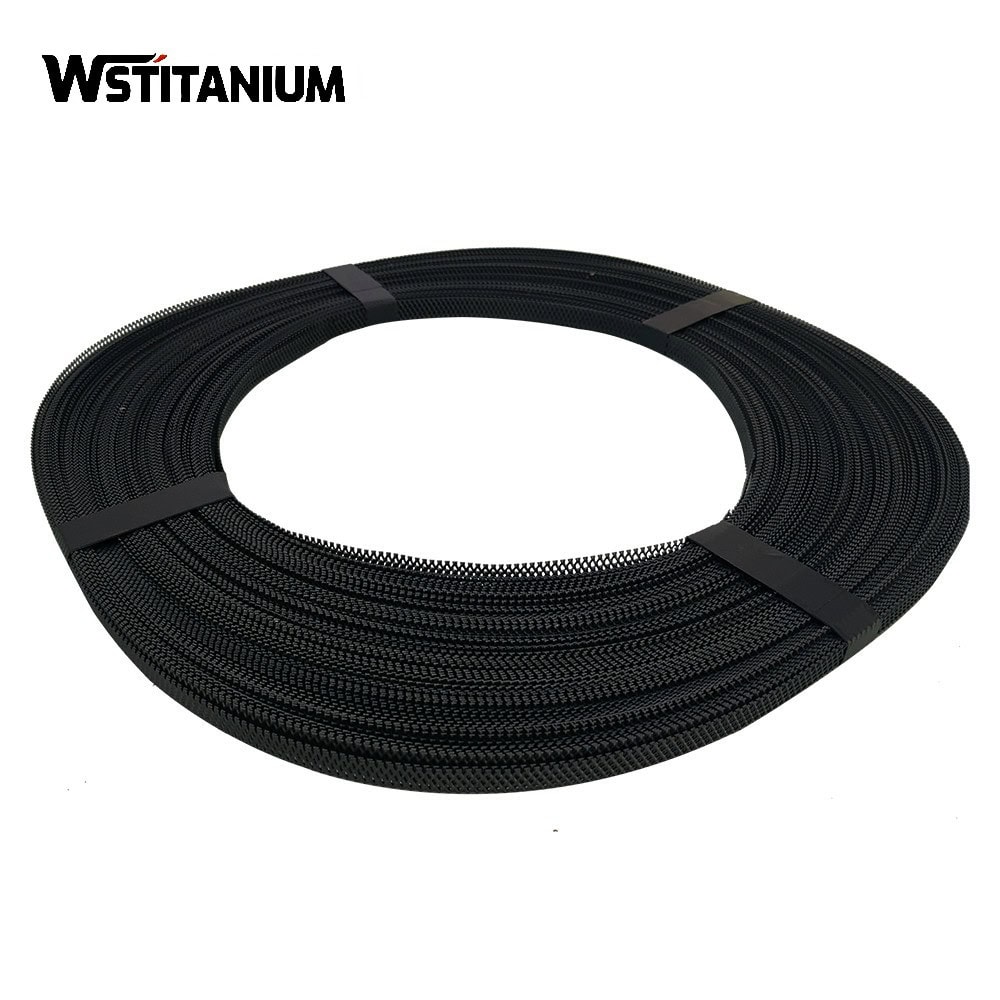
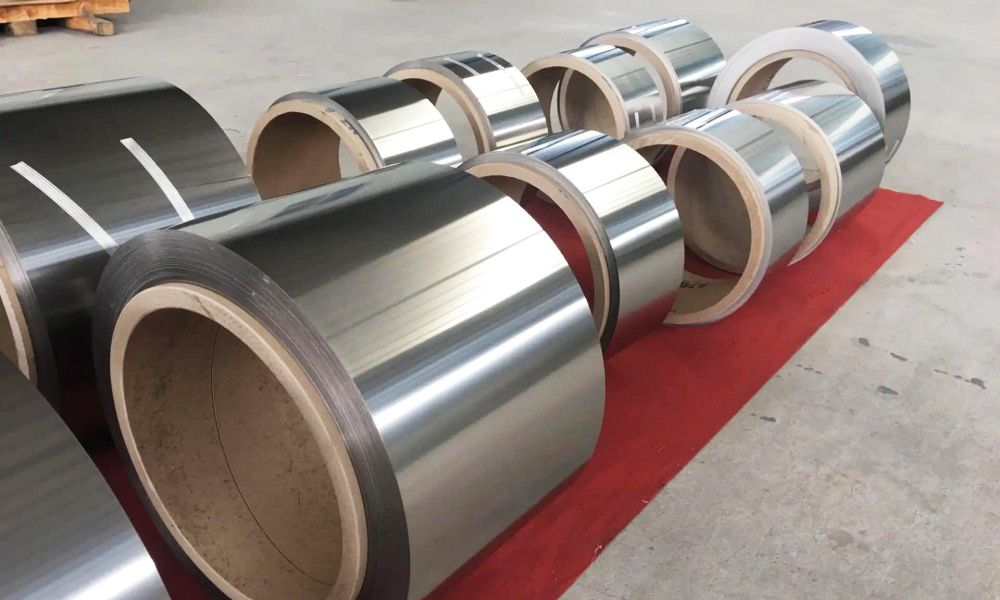
5. Strip/Filament MMO Anodes
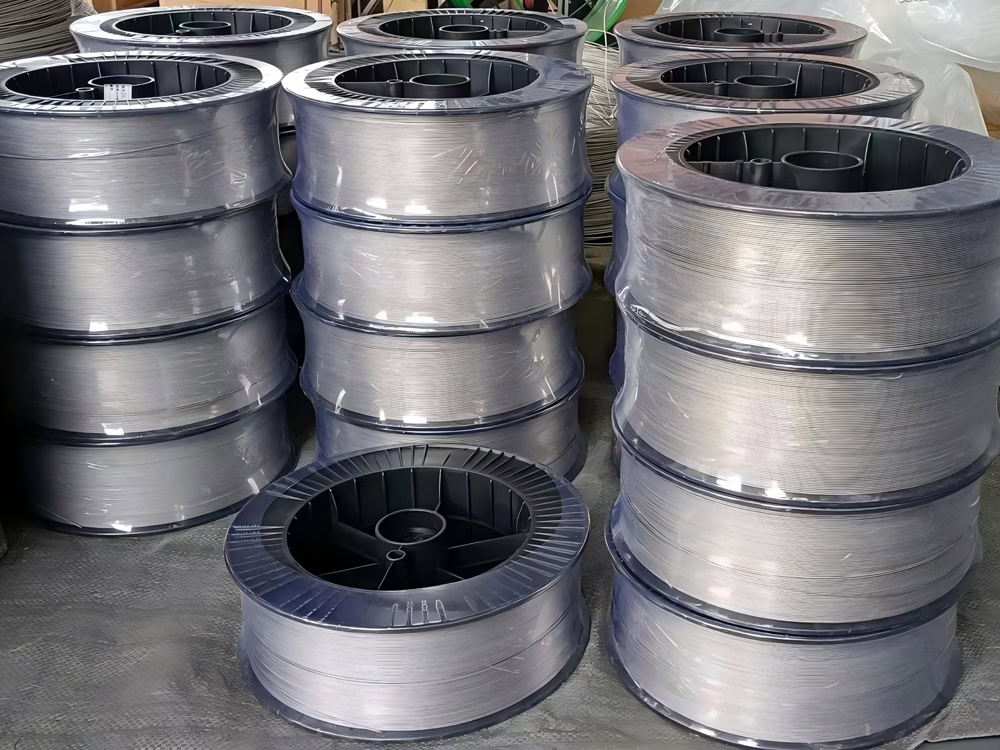
Strip anodes use titanium strip as the base material, with a width of 10mm~50mm, a thickness of 0.5mm~1mm, and a length up to 100m/roll; filament anodes use titanium wire with a diameter of 0.5mm~2mm, supplied in rolls.
Core Advantages: Long length, continuous laying capability, high installation efficiency, suitable for long-distance linear mechanical structures (such as pipelines and railways), and relatively low cost.
Structural Features: The titanium strip/filament is highly flexible, able to bend with the deformation of the mechanical structure; the coating is thin and dense, resulting in high current conduction efficiency.
Installation: Laid along the length of the mechanical structure, fixed to the surface or embedded in grooves, suitable for continuous corrosion protection requirements.
Typical Applications: Inner walls of conveying pipelines, mechanical railways, long-distance cable protection sleeves, and continuous production equipment.
6. High-Ruthenium Coating (RuO₂ predominant, 60%~80%)
Core Properties: Low chlorine evolution potential (approximately 1.1V vs Ag/AgCl), strong catalytic activity, high current efficiency (≥95%), suitable for high-chlorine environments.
Typical Applications: Marine machinery, chlorine-containing industrial wastewater treatment equipment, coastal machinery structures.
7. High-Iridium Coating (IrO₂ predominant, 50%~70%)
Core Properties: Low oxygen evolution potential (approximately 1.4V vs Ag/AgCl), excellent stability, acid and alkali resistance, high temperature resistance (≤150°C), extremely low corrosion rate (≤0.01mg/A・year).
Typical Applications: Machinery in strong acid/alkali environments, high-temperature industrial equipment, precision machinery corrosion protection.
8. Ruthenium-Iridium Composite Coating (RuO₂ + IrO₂, ratio 3:7~7:3)
Core Performance: Balances chlorine/oxygen evolution activity, combining corrosion resistance and stability, suitable for various complex environments, making it the most versatile coating type.
Typical Applications: General machinery corrosion protection, multi-media contact equipment, outdoor mechanical structures.
9. Titanium Composite Coating (TiO₂ + RuO₂/IrO₂, TiO₂ content 30%~50%)
Core Performance: Relatively low cost, high mechanical strength, strong coating adhesion, suitable for low current density, long-term corrosion protection scenarios.
Typical Applications: General industrial machinery, equipment in low-corrosion environments, mass-produced general-purpose machinery.
Working Principle
The core of corrosion protection for the impressed current ICCP MMO anode is to inhibit the oxidative corrosion reaction of the mechanical structure through an electrochemical cathodic protection mechanism. During operation, it needs to form a complete closed-loop system with the rectifier, the protected mechanical structure, and the reference electrode. The specific principle is as follows:
The corrosion of metal structures is essentially an anodic oxidation reaction (the metal loses electrons to form soluble ions): M → Mⁿ⁺ + ne⁻ (M is the metal matrix, such as steel, aluminum, or copper). The ICCP system forces electrons from an external power source, making the protected mechanical structure the cathode, thereby inhibiting the oxidation reaction. The MMO anode, acting as the system’s anode, undergoes an oxidation reaction, releasing current. The specific reaction type depends on the environmental medium:
1. High-chlorine environment (seawater, chlorine-containing industrial media): The dominant reaction is the oxidation of chloride ions to chlorine gas (non-toxic byproduct). The reaction is highly efficient, with no solid deposits clogging the anode: 2Cl⁻ – 2e⁻ → Cl₂↑. High-ruthenium or ruthenium-iridium composite coatings can significantly reduce the chloride evolution potential, improve reaction efficiency, and reduce energy consumption.
2. Neutral/alkaline environment (freshwater, soil, weakly alkaline media): The dominant reaction is the oxidation of water to oxygen and hydrogen ions. The reaction is mild and does not affect the surrounding environment: 2H₂O – 4e⁻ → O₂↑ + 4H⁺. High-iridium coatings have excellent oxygen evolution catalytic activity and are suitable for long-term operation in such environments.
3. Acidic environment (strong acid medium, industrial acidic wastewater) The reaction is mainly based on the oxidation of water, while also being compatible with ionic reactions in acidic media. The high iridium coating can withstand strong acid corrosion and maintain a stable current output: 2H₂O – 4e⁻ → O₂↑ + 4H⁺.

Related products
-
 Impressed Current Cathodic Protection
ICCP Ruthenium-Iridium MMO Anode
-
 Impressed Current Cathodic Protection
ICCP Cathodic Protection For Buildings
-
 Impressed Current Cathodic Protection
ICCP Iridium-Tantalum MMO Anode
-
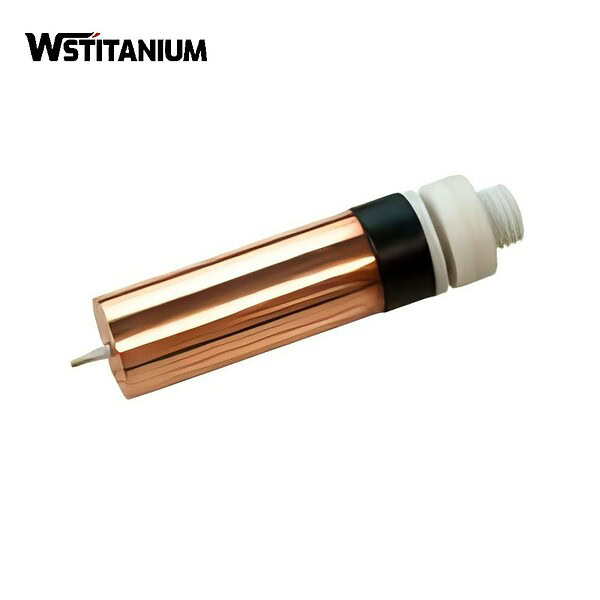 Cathodic Protection System
MGPS Anode For Port Terminals
-
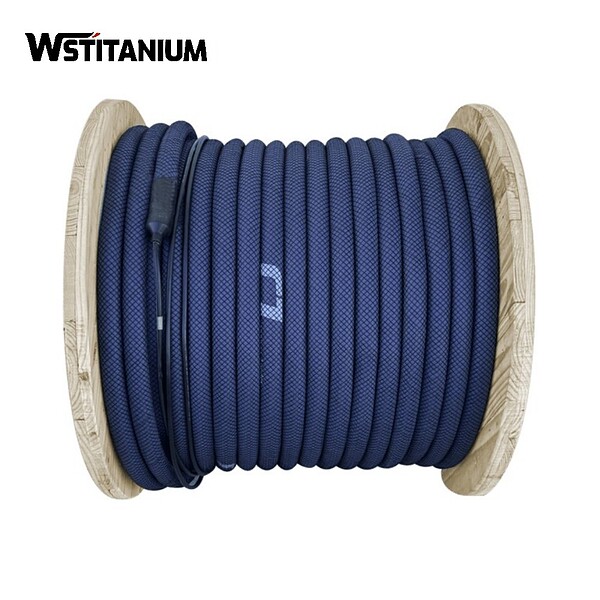 Impressed Current Cathodic Protection
ICCP MMO Linear Anodes
-
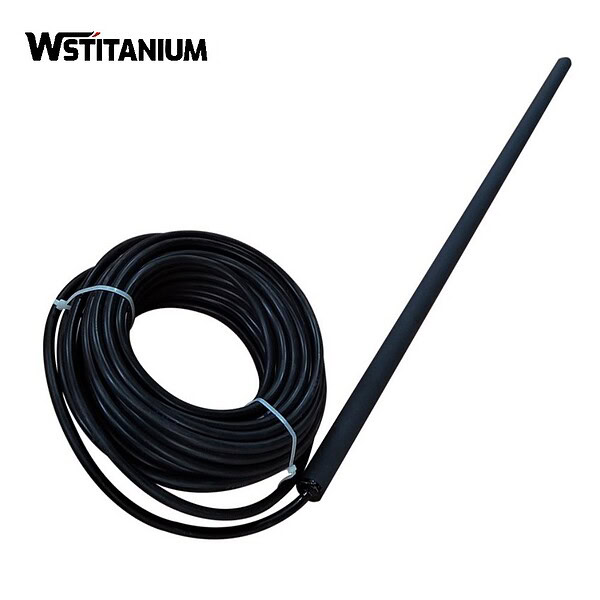 Impressed Current Cathodic Protection
ICCP MMO Tubular Anode
-
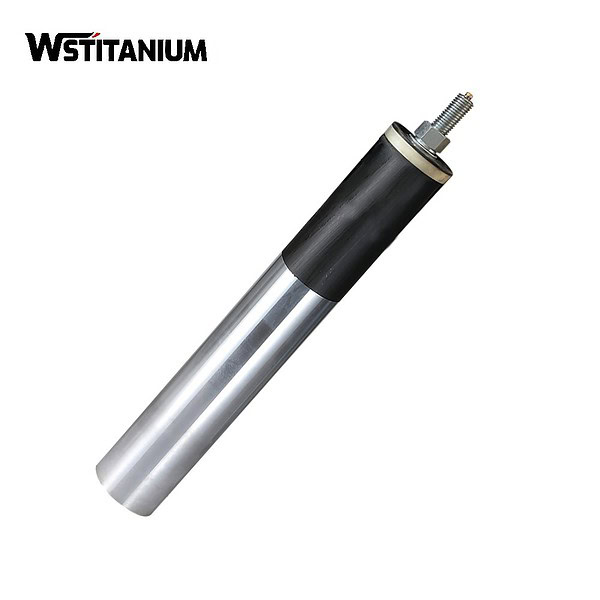 Marine Growth Prevention Systems
Aluminum Marine Growth Prevention Anode
-
 Impressed Current Cathodic Protection
ICCP Cathodic Protection Deep Well