
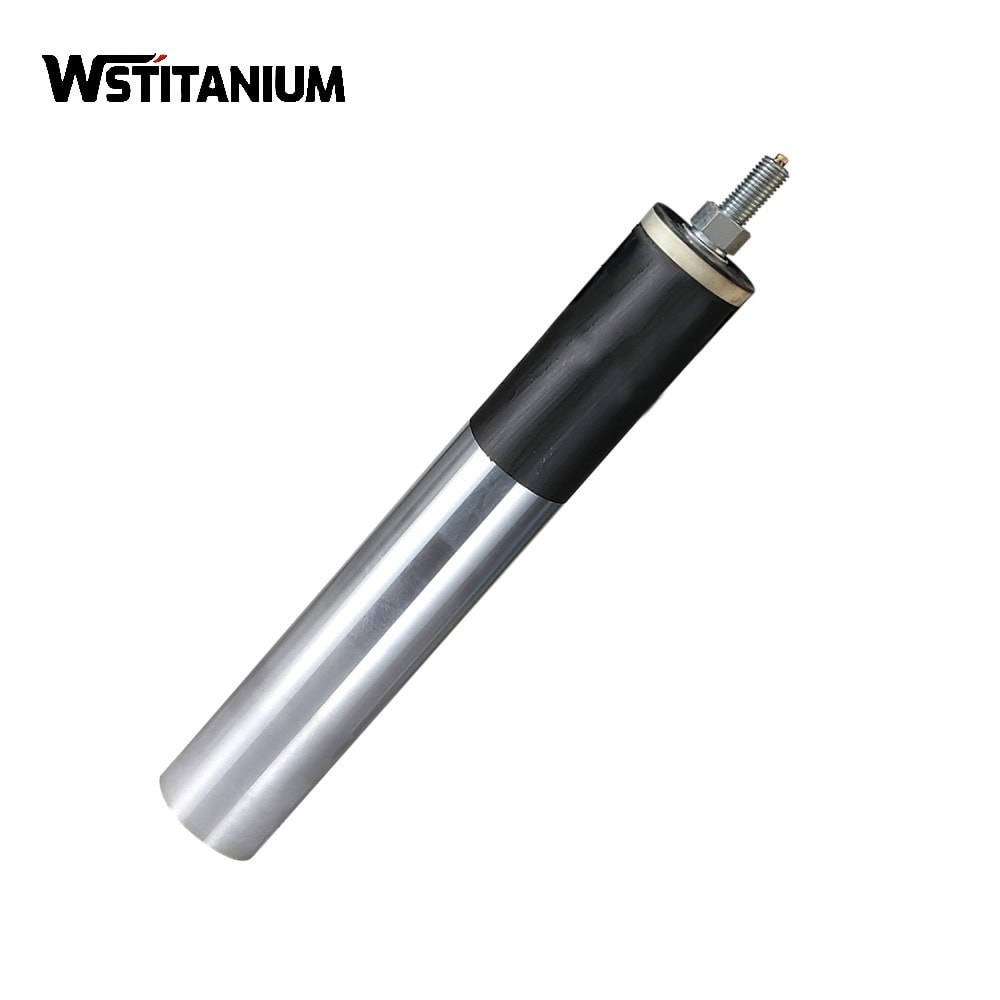
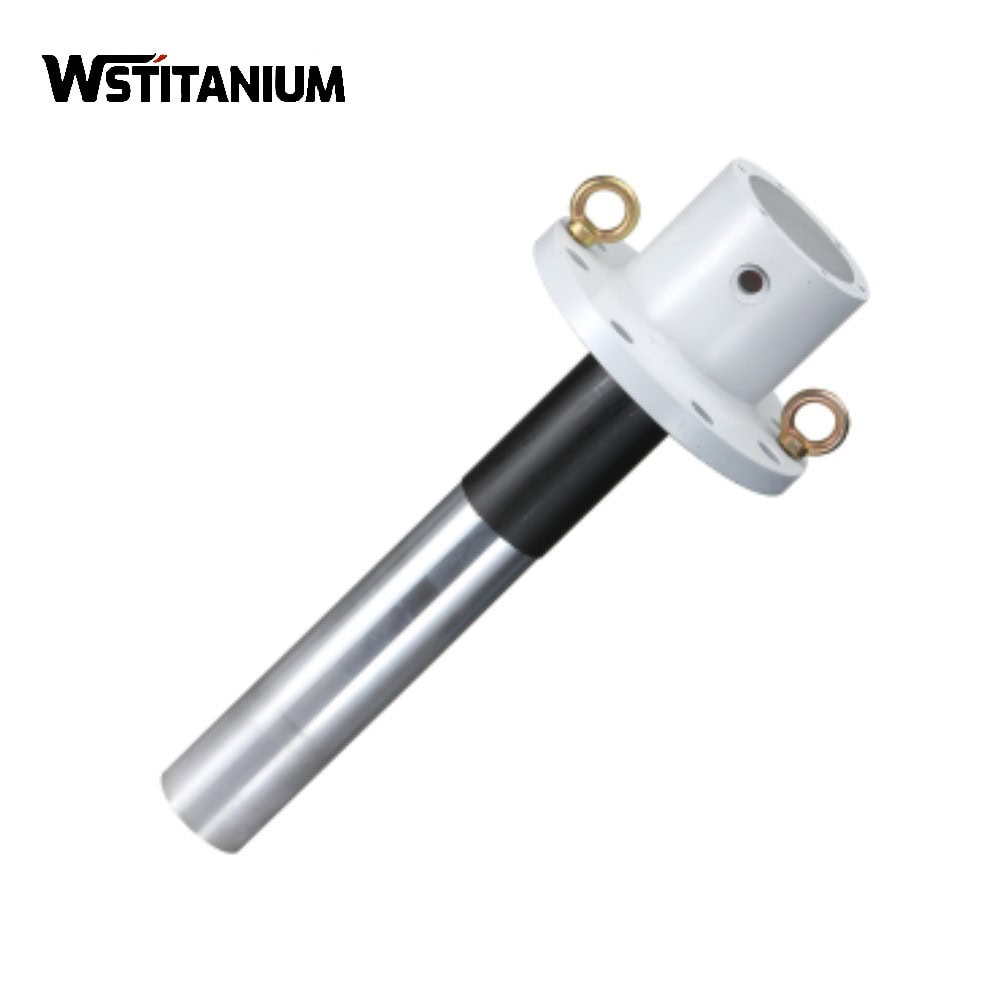
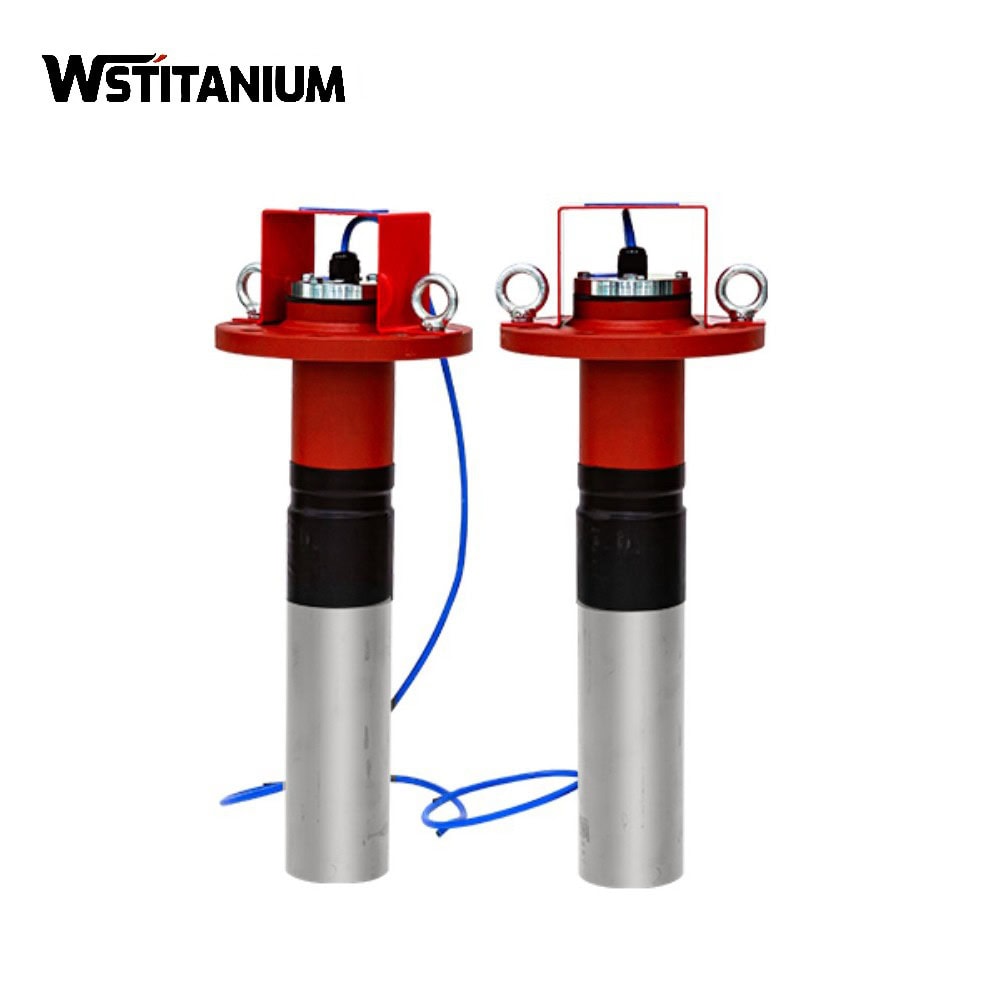

Barnacles, shellfish, algae, and other marine organisms can rapidly attach to critical components of ships, such as seawater piping systems, condensers, coolers, and seafloor access doors. This causes pipe blockage, reduced heat exchange efficiency, and their metabolic byproducts accelerate metal corrosion, leading to a shortened equipment lifespan.
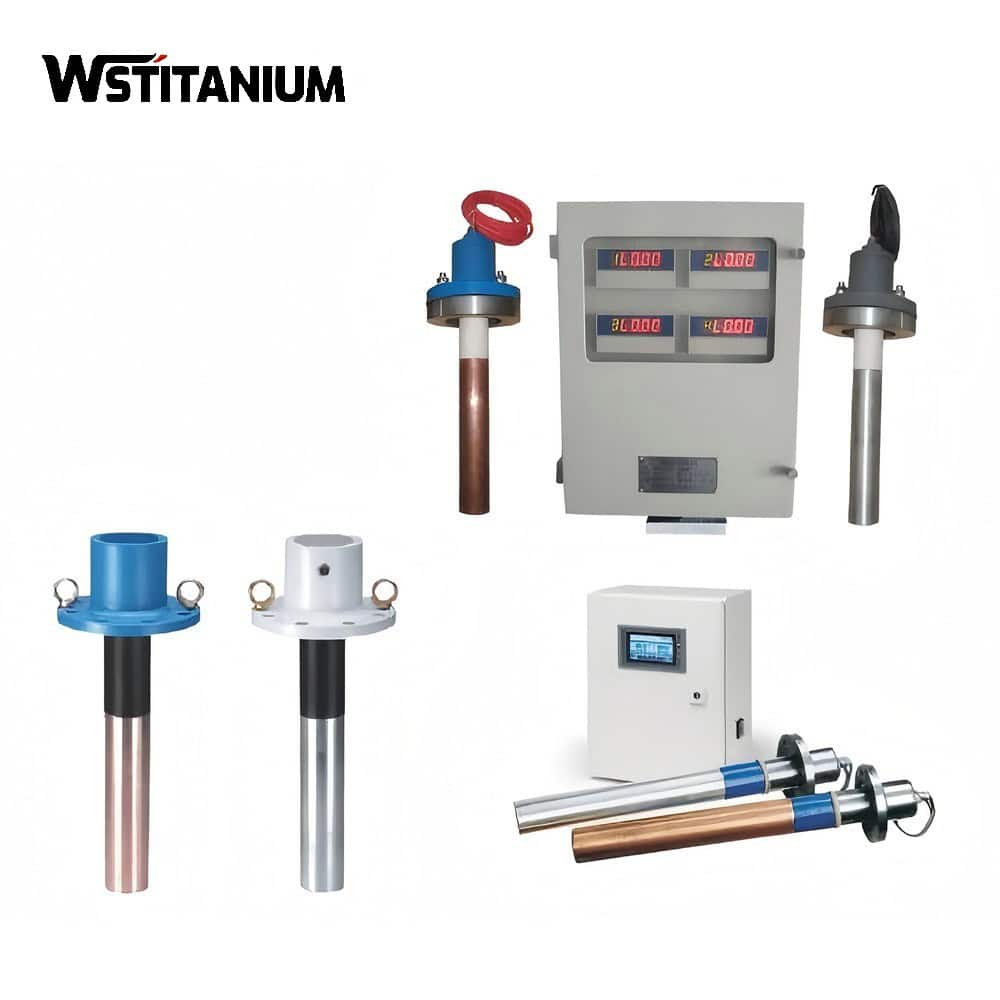
Marine Growth Prevention Systems (MGPS) are a core technology for addressing this challenge. They achieve both antifouling and anti-corrosion functions through electrochemical principles and have become standard equipment in modern ships and marine engineering. Among the various MGPS technologies, electrolytic copper-aluminum is widely used in temperate sea areas due to its strong adaptability and low cost. The aluminum anode, as a key component in this model, not only works synergistically with the copper anode to inhibit marine organism growth but also forms a protective anti-corrosion film through a unique electrochemical reaction.
| Key info | Core Point |
| Core Function | Achieve the “anti-fouling + anti-corrosion” double protection of the ship’s seawater pipe system, control marine biological adhesion and slow down metal corrosion. |
| Working Principle | 1. Electrochemical reaction: The aluminum anode oxidizes and releases Al³⁺, which generates Al(OH)₃ colloid; |
| 2. Biological inhibitor: The colloid adsorbs organisms and destroys the growth environment, and synergizes with copper ions; | |
| 3. Anti-corrosion mechanism: The colloid forms a dense protective film and performs dynamic repair and maintenance. | |
| Material System | The mainstream is Al-Zn-In series alloy (Al ≥ 95%, Zn 2%-5%, In 0.01%-0.1%), and Cd/Sn is added for special environments; current efficiency ≥ 90%, service life ≥ 2-3 years. |
| Applicable | Temperate low-biological activity sea areas; suitable for steel seawater pipe systems (cooling systems, condensers, etc.) of commercial ships and marine engineering equipment. |
| Installation | 1. Layout: Direct mounting (bottom of the valve, ≤ 0.5m from the valve body), indirect mounting (electrolyte branch, flow rate ≥ 1.5m/s); |
| 2. Arrangement: The distance between aluminum anodes is ≥ 0.3m, the support is insulated, and the surface is unobstructed. | |
| Selection Principle | Select according to the sea area (temperate conventional type, low-temperature high-tin type), pipe system parameters (volume / flow matching area), and system configuration (copper anode area ratio 1:2:1-3). |
Core Working Principle
The working mechanism of the MGPS aluminum anode is based on an electrochemical electrolysis reaction. Under the action of a DC power supply, the aluminum anode releases aluminum ions through oxidation and dissolution, thereby achieving a dual function of biological inhibition and corrosion protection. When current passes through seawater electrolyte, an oxidation reaction occurs on the surface of the aluminum anode:
Al → Al³⁺ + 3e⁻
Aluminum atoms lose electrons and transform into trivalent aluminum ions (Al³⁺), which continuously dissolve into seawater. Compared with other anode materials, the aluminum anode has a current efficiency of over 90%, a large power generation per unit weight, and can maintain a stable ion release rate during long-term operation, providing long-lasting protection against corrosion.
After entering seawater, aluminum ions rapidly react with hydroxide ions (OH⁻) in the seawater to form aluminum hydroxide (Al(OH)₃) flocculents:
Al³⁺ + 3OH⁻ → Al(OH)₃↓
This reaction is key to the dual protective function of the aluminum anode; the generated aluminum hydroxide flocculents have a high specific surface area and adsorption capacity. The flocculent material flows with the water flow in the seawater pipe system, effectively adsorbing planktonic organisms such as algal spores and shellfish larvae, forming encapsulations. These encapsulations prevent the larvae from contacting the inner wall of the pipe system, and also cause the larvae to die due to lack of oxygen and nutrients, thus severing the chain of biological attachment at its source.
MGPS Aluminum Anode Standard
The performance of aluminum anodes is closely related to their chemical composition and alloy ratio. Pure aluminum cannot be directly used in MGPS systems due to its susceptibility to passivation and low current efficiency. In practical applications, aluminum anodes are all alloyed. Specific elements are added to improve their electrochemical performance and mechanical strength; the mainstream alloy system is the Al-Zn-In system (aluminum-zinc-indium alloy).
Aluminum (Al): Contains over 95%, providing core electrochemical activity and ion release capability.
Zinc (Zn): Typically 2%-5%, it adjusts the electrode potential of the anode, improving current efficiency and corrosion resistance.
Indium (In): A key anti-passivation element, added at 0.01%-0.1%, significantly improving the surface condition of aluminum anodes in chloride-containing environments such as seawater. It prevents passivation film formation that could interrupt ion release, ensuring long-term stable operation of the anode.
For aluminum anodes used in certain special environments, elements such as cadmium (Cd) and tin (Sn) are also added to further optimize their electrochemical stability and mechanical strength. Compared to magnesium anodes, aluminum anodes have lower density (approximately 2.7 g/cm³), higher strength, and are less prone to deformation, making them easier to process into complex shapes. They also have a moderate potential (approximately -1.0V to -1.1V vs. SCE), making them suitable for low-resistivity environments such as seawater. They generate more power per unit weight and have a longer protection cycle.
Performance Indicators
MGPS aluminum anodes must meet stringent technical standards. Key indicators include:
Current Efficiency: ≥90%, ensuring high energy utilization and minimizing material waste.
Dissolution Uniformity: No localized severe corrosion or flaking during anode dissolution, ensuring a stable ion release rate.
Passivation Resistance: After 1000 hours of continuous operation in a 3.5% NaCl solution (simulating a seawater environment), the polarization overpotential is ≤0.3V, ensuring uninterrupted ion release.
Mechanical Strength: Tensile strength ≥120MPa, Brinell hardness ≥35HB, meeting structural stability requirements during installation and operation.
Service Life: Under rated current density, the effective protection period is ≥2-3 years, matching the ship’s dry-docking cycle and reducing replacement frequency.
MGPS Standards
The production and application of MGPS aluminum anodes must comply with the specifications of authoritative organizations such as the International Maritime Organization (IMO), DNV GL, and ABS:
IMO G8 Guidelines: Clearly define the ion release concentration limits under the electrolytic copper-aluminum mode to ensure controllable impact on the marine ecological environment, with copper ion LC50 > 0.2 ppm to avoid toxicity to most marine organisms.
DNV GL Rules Pt6 Ch2 Sec3: Stipulate that the current density of aluminum anodes be controlled at 500-1000 A/m² to avoid oxygen evolution side reactions affecting the protection effect and anode life.
Environmental Compliance Requirements: The alloy composition of the aluminum anode must comply with MEPC.279 (70) Ballast Water Management Requirements, avoiding the addition of toxic and harmful elements such as mercury and lead, and ensuring no secondary pollution is generated during operation.
MGPS aluminum anodes are key components of electrolytic copper-aluminum marine biofouling systems. Their unique electrochemical reaction achieves a dual function of biofouling inhibition and corrosion protection. MGPS aluminum anodes form the core barrier for protecting shipboard seawater piping systems. Their working principle is based on the oxidation and dissolution of the aluminum anode, releasing aluminum ions to generate aluminum hydroxide flocculents. These flocculents can both adsorb and kill marine larvae and form a dense protective film on the inner wall of the piping system, addressing biofouling and corrosion at their source. In terms of material selection, Al-Zn-In alloys have become the mainstream due to their high current efficiency and strong passivation resistance. Installation methods include direct and indirect methods, requiring flexible selection based on ship structure and operational needs. Proper selection, daily operation and maintenance, and troubleshooting are crucial for ensuring long-term stable operation.


Related products
-
 Impressed Current Cathodic Protection
ICCP Cathodic Protection For Marine
-
 Impressed Current Cathodic Protection
ICCP Iridium-Tantalum MMO Anode
-
 Impressed Current Cathodic Protection
ICCP MMO Flexible Anode
-
 Cathodic Protection System
ICCP Cathodic Protection For Petrochemical
-
 Impressed Current Cathodic Protection
ICCP Cathodic Protection For Water Conservancy
-
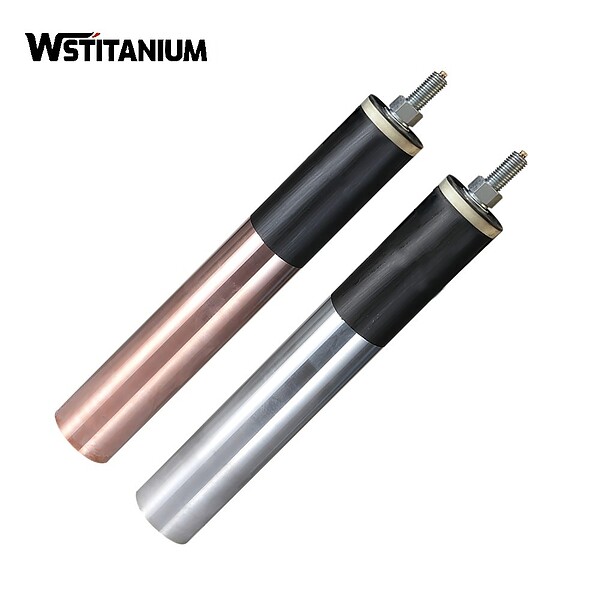 Marine Growth Prevention Systems
MGPS anode for Subsea Pipelines
-
 Impressed Current Cathodic Protection
ICCP Cathodic Protection For Pipelines
-
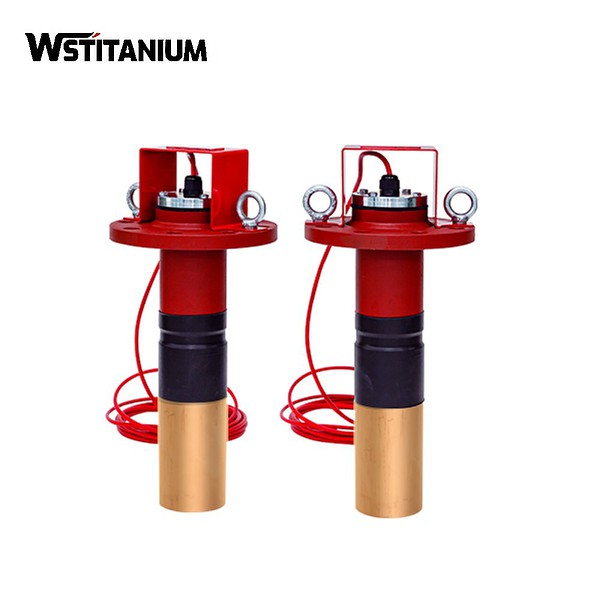 Marine Growth Prevention Systems
MGPS Anode for Merchant Ships