
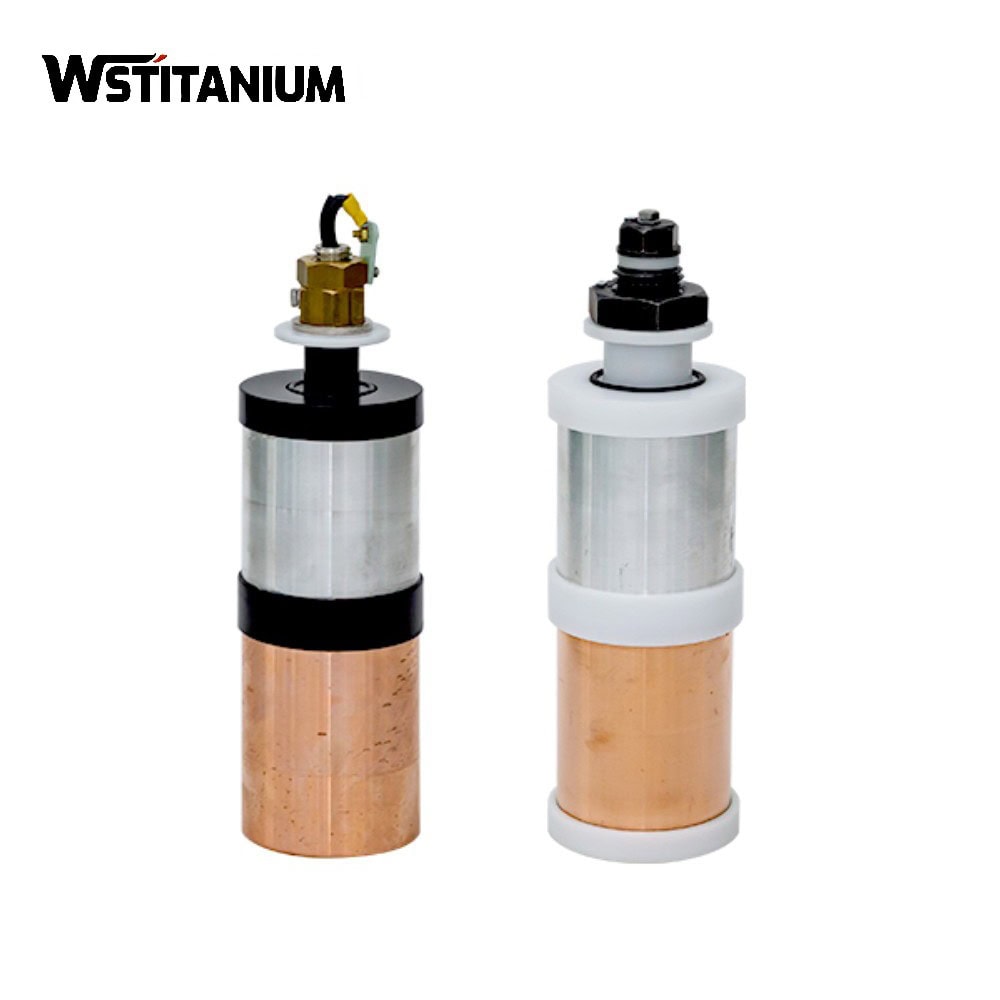
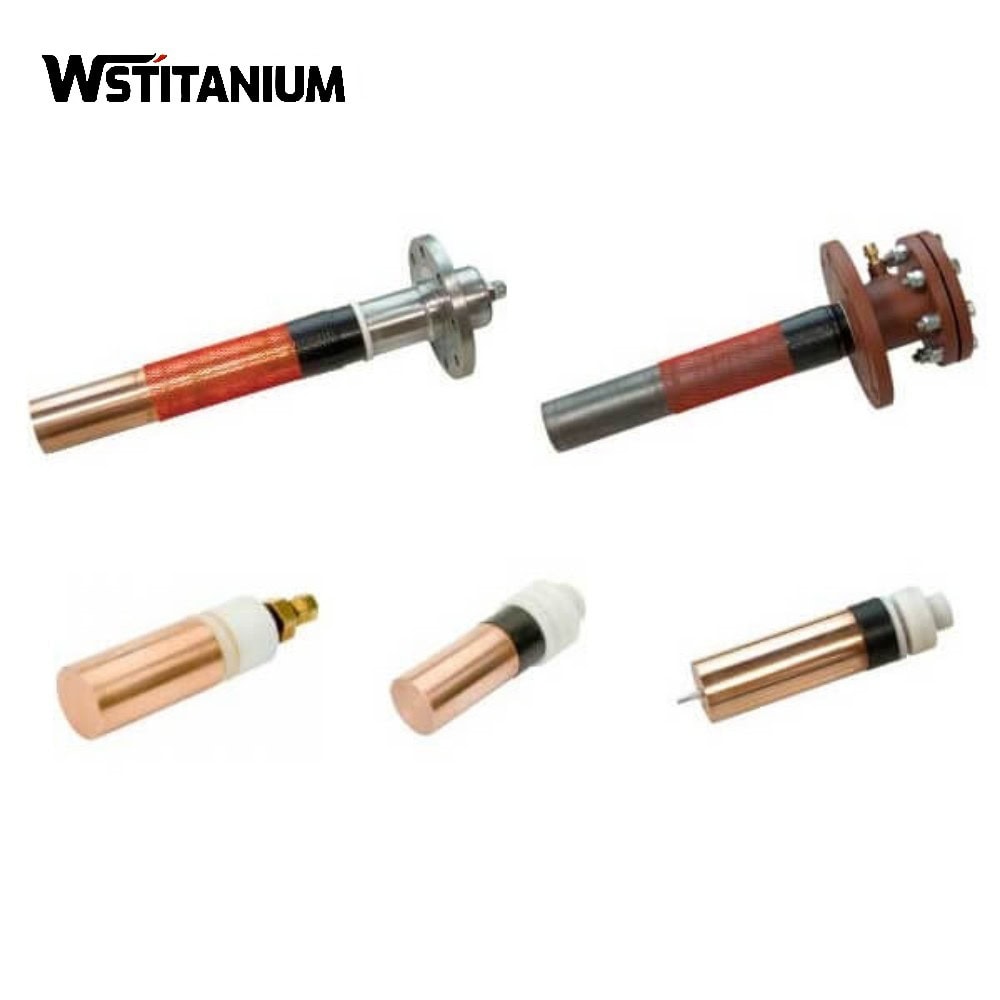
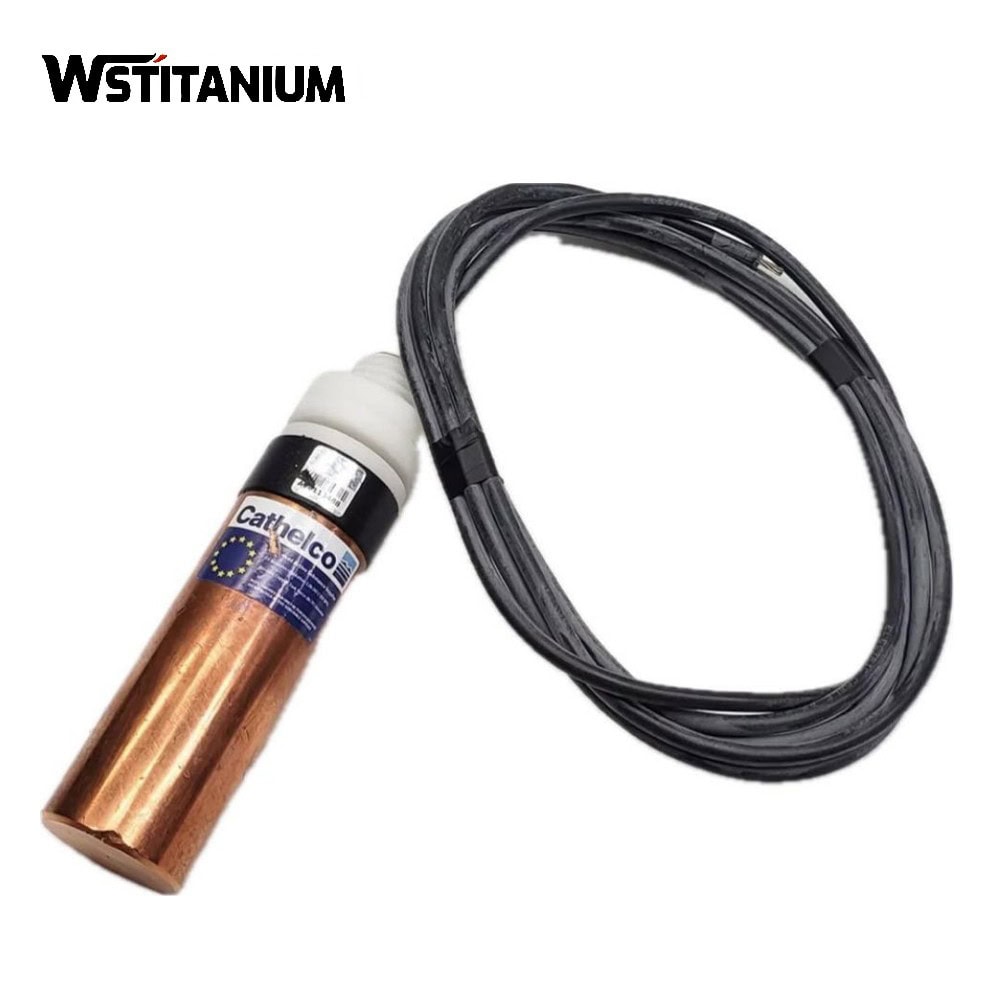

The ocean, as the vast stage for yachting, offers boundless freedom but also harbors easily overlooked hidden threats – marine biofouling. Barnacles, shellfish, algae, and other marine organisms, once attached to the surfaces of critical equipment such as pipes, filters, and coolers in a yacht’s seawater system, can trigger a series of cascading problems.
Traditional biofouling prevention methods, such as manual cleaning and chemical treatment, are no longer sufficient to meet the operational needs of modern yachts due to their low efficiency, severe environmental pollution, and high costs. The Marine Growth Prevention System (MGPS) is a highly efficient solution that combines anti-fouling and anti-corrosion capabilities. Through scientific physical and chemical principles, it inhibits the growth and attachment of marine organisms at the source, becoming a core piece of equipment for ensuring the stable operation of a yacht’s seawater system.
MGPS Types
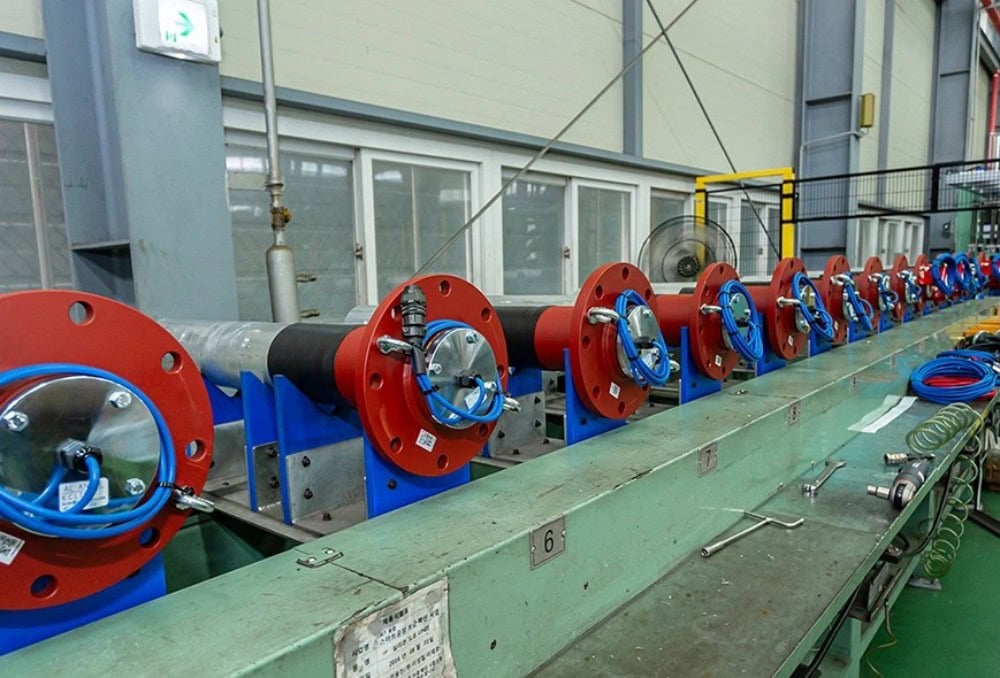
Based on technical principles, applicable scenarios, and functional focus, yacht MGPS systems are mainly divided into two core types. Each type of MGPS has significant differences in structural design and operating characteristics, adapting to different marine environments and yacht requirements:
(I) Electrolytic Metal Type MGPS
This is currently the most widely used type in the yachting industry. Its core feature is the simultaneous achievement of antifouling and anticorrosion functions through the electrolysis of metal electrodes such as copper and aluminum.
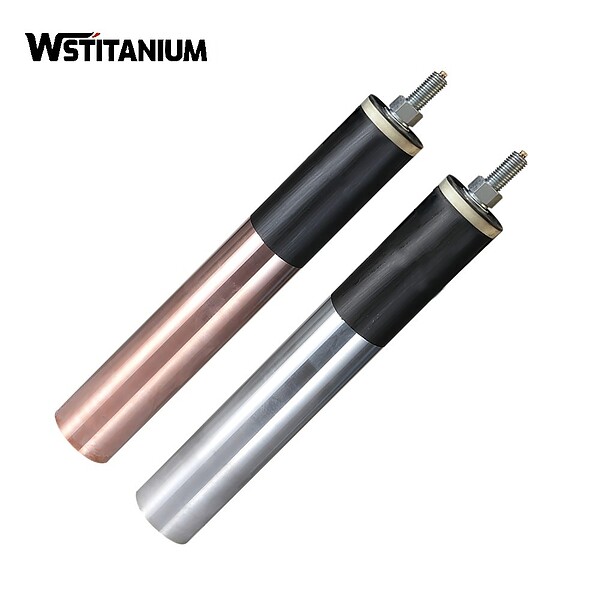
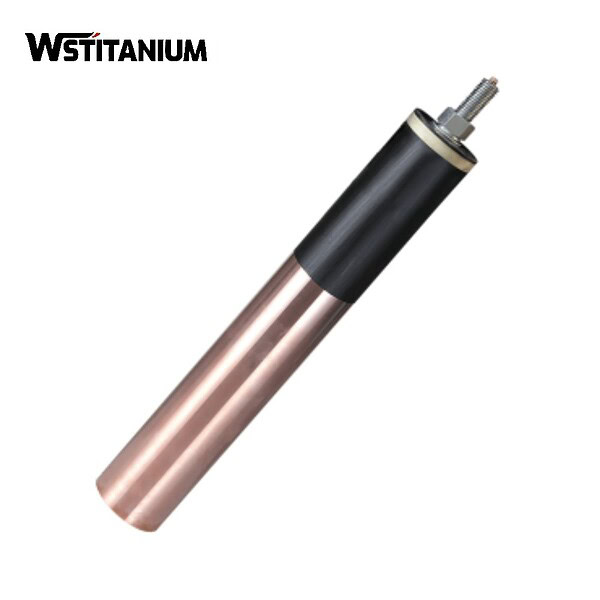
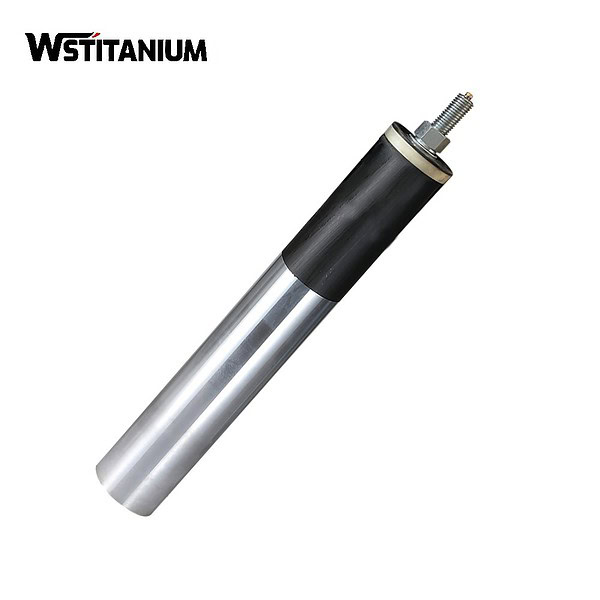
Copper-Aluminum Electrodes: Suitable for temperate and subtropical waters with low to moderate biological activity, this is the mainstream choice for recreational yachts. The system uses copper and aluminum electrodes as anodes and iron components as cathodes, driven by a DC power supply to initiate the electrolytic reaction. Copper ions released from the copper electrode inhibit marine organism growth, while the aluminum hydroxide flocculant generated by the aluminum electrode forms a protective anticorrosion film. It features a simple structure, easy installation, and low maintenance costs.
Copper-Iron Electrodes: Designed for waters with higher corrosion risks (such as high salinity and high humidity environments), the iron electrode can be switched to a sacrificial anode mode, providing additional cathodic protection to the yacht’s metal structure through its own corrosion, thus enhancing the anticorrosion effect. This is commonly found in long-distance cruising yachts.
The core advantage of this type is that it does not require the addition of extra chemical agents, consumes only a small amount of electrical energy, and the electrodes only need to be replaced periodically. It also produces no secondary pollution, complying with international environmental standards. Its limitation is that in tropical waters with high biological activity, the concentration of single metal ions may not be sufficient to quickly kill high-density marine organism larvae, requiring other auxiliary methods.
(II) Electrolytic Seawater Type MGPS
Designed specifically for tropical and equatorial waters with high temperatures and high biological activity, the core principle is to directly electrolyze seawater to generate strong oxidizing bactericidal substances for efficient antifouling. The system uses platinum-plated titanium electrodes or specially designed chlorine-generating electrodes, utilizing the high concentration of chloride ions in seawater (accounting for 55% of the total ion content). Through electrolytic reaction, it generates effective chlorine components such as chlorine gas (Cl₂), hypochlorous acid (HClO), and sodium hypochlorite (NaClO). These strong oxidizers can quickly kill bacteria, algae spores, and shellfish larvae in seawater, resulting in significantly higher antifouling efficiency than the electrolytic metal type. In addition, hybrid MGPS systems have appeared on the market, combining the advantages of both types: using the electrolytic metal mode in conventional waters for long-lasting antifouling and corrosion protection. When the yacht enters areas with high biological activity, it automatically switches to the electrolytic seawater mode. This dual mechanism ensures effective antifouling and is suitable for high-end yachts sailing across different sea areas. According to the Gelonghui market report, antifouling and anti-corrosion MGPS systems held the largest market share globally in 2023, becoming the mainstream choice in the yachting industry.
MGPS Working Principle
The core working mechanism of yacht MGPS is based on electrochemical principles, generating antifouling substances (metal ions or strong oxidizers) and a protective anti-corrosion layer through electrode reactions. It addresses marine biofouling problems from two dimensions: “growth inhibition” and “physical isolation.” While different types have detailed differences in their working principles, they all follow the basic logic of electrolytic reactions:
(I) Working Principle of Electrolytic Metal Type MGPS
This type uses a copper-aluminum-iron electrode combination as an example. The system requires three core conditions for operation: a stable DC power supply, good electrode conductivity, and continuous seawater flow (as the electrolyte).
Electrode Reactions: When the system is powered on, the copper anode undergoes an oxidation reaction (Cu→Cu²⁺+2e⁻). Copper ions (Cu²⁺) continuously dissolve into the seawater; a concentration of 0.05 ppm is sufficient to inhibit the cell division and attachment ability of marine organisms such as algae and shellfish. Copper ions prevent the formation of biofilms on the inner walls of pipes by disrupting enzyme activity in the organisms, thus preventing fouling from the source. The aluminum anode simultaneously undergoes an oxidation reaction (Al→Al³⁺+3e⁻), and the aluminum ions combine with hydroxide ions (OH⁻) in the seawater to form aluminum hydroxide flocculants (Al³⁺+3OH⁻→Al(OH)₃↓). These flocculants, on the one hand, adsorb and encapsulate marine organism larvae, accelerating their sedimentation; on the other hand, they gradually accumulate on the inner walls of the pipes, forming a dense protective film that isolates the seawater from the metal surface, reducing electrochemical corrosion.
Cathode Cooperation: The iron cathode, as the core of the electrolytic circuit, undergoes a reduction reaction: (3H₂O+2e⁻→H₂↑+2OH⁻). Water molecules at the cathode surface gain electrons to produce hydrogen gas and hydroxide ions, making the solution near the cathode alkaline, providing a favorable environment for the formation of aluminum hydroxide precipitate. Simultaneously, the iron cathode, through the principle of cathodic protection, makes the metal structures of the yacht’s seawater piping system the cathode, preventing corrosion by seawater. When the iron cathode switches to the sacrificial anode mode, an oxidation reaction occurs (Fe→Fe²⁺+2e⁻), releasing electrons through self-corrosion to protect surrounding metal components from corrosion.
System coordination: The entire electrolysis process requires precise current intensity regulation by a controller to ensure that the copper ion concentration is maintained within an effective anti-fouling range without polluting the environment (0.05-0.1 ppm). At the same time, it controls the generation rate of the aluminum hydroxide protective film to prevent the film from becoming too thick and affecting seawater flow. The continuous flow of seawater ensures the even distribution of metal ions throughout the entire piping system, achieving comprehensive anti-fouling coverage.
(II) Working Principle of Electrolytic Seawater MGPS
This type utilizes sodium chloride in seawater (approximately 2.7% content) as a reactant, generating strong oxidizing bactericidal substances through the electrolysis of specially designed electrodes.
Ionization and Electrolytic Reactions: After seawater enters the electrolytic device, ionization occurs under the action of direct current (NaCl→Na⁺+Cl⁻; H₂O→H⁺+OH⁻). Oxidation occurs at the anode (2Cl⁻-2e⁻→Cl₂↑), where chloride ions lose electrons to produce chlorine gas; reduction occurs at the cathode (2H⁺+2e⁻→H₂↑), where hydrogen ions gain electrons to produce hydrogen gas.
Solution Chemical Reactions: Chlorine gas reacts with sodium hydroxide generated at the cathode (Na⁺+OH⁻→NaOH) to produce sodium hypochlorite, sodium chloride, and water (2NaOH+Cl₂→NaClO+NaCl+H₂O). Simultaneously, chlorine gas reacts directly with water to produce hypochlorous acid (Cl₂+H₂O→HClO+HCl). Both sodium hypochlorite and hypochlorous acid are strong oxidizing agents that can destroy the cell membranes and protein structures of marine organisms, rapidly killing bacteria, algal spores, and shellfish larvae. Experiments show that an effective chlorine concentration of 20 mg/L can kill almost all harmful organisms in seawater. Concentration Control: The system uses flow sensors and concentration monitoring devices to regulate the electrolytic current in real time, ensuring that the effective chlorine concentration is maintained within a safe range – too low and it won’t achieve the anti-fouling effect, while too high will corrode the pipes and violate environmental regulations. Some high-end systems also feature intelligent adjustment functions, automatically optimizing the reaction intensity based on parameters such as marine organism density and seawater temperature to achieve precise anti-fouling.
Both types of MGPS rely on continuous seawater flow as the electrolyte carrier. Therefore, they are usually installed near the yacht’s seawater pump outlet or seabed valve box to ensure that the reaction products are quickly transported throughout the entire seawater system, providing comprehensive protection.
MGPS Applications in Yachts
The core objective of MGPS application on yachts is to ensure stable system operation, reduce costs, and meet environmental compliance requirements.
Seawater Cooling System: This is the main application scenario for MGPS. The cooling of power equipment such as yacht engines and generators relies on seawater circulation. If the cooler and condenser pipes are fouled by marine organisms, it can lead to a reduction in heat exchange efficiency of more than 30%, causing equipment overheating and shutdown. MGPS installs electrode devices at the cooling system inlet, allowing anti-fouling substances to enter the pipes with the seawater, inhibiting biological fouling and ensuring stable cooling system flow and efficient operation of power equipment.
Seawater Piping and Filters: Yacht seawater piping (including fire water pipes and domestic water supply pipes) and filters are areas prone to blockage by marine organisms. Barnacles and shellfish larvae entering the pipes will attach and grow on the filter screens and pipe bends, leading to increased water flow resistance and even complete blockage. The copper ions or effective chlorine generated by MGPS form a protective barrier on the inner wall of the pipes, preventing biological fouling and killing larvae that have already entered the pipes, ensuring smooth seawater flow.
Seabed Valve Box and Seawater Valves: As the “gateway” for seawater entering the yacht system, the seabed valve box and seawater valves are directly in contact with seawater and are heavily affected by marine organism fouling. Biological accumulation can cause valve malfunction, affecting the amount of seawater intake. MGPS electrodes are usually installed inside or at the entrance of the valve box, providing targeted protection to these critical components through localized high concentrations of anti-fouling substances, preventing valve failures from affecting navigation safety. Leisure Yacht Applications: Leisure yachts typically sail in near-shore waters, with short sailing cycles but high usage frequency, requiring convenient maintenance. Therefore, electrolytic metal-type MGPS with a copper-aluminum electrode combination is often chosen. This type is easy to install (can be directly integrated into the seawater filter), has low energy consumption (daily power consumption is only a few kilowatt-hours), and has a long maintenance cycle (electrode lifespan can reach 1-2 years), meeting the “ready-to-use” needs of leisure yachts.
Business and Ocean-Going Yacht Applications: Business yachts require extremely high sailing stability, while ocean-going yachts need to cope with biofouling environments in different sea areas. Therefore, composite MGPS or electrolytic seawater-type MGPS are often used. When sailing across different sea areas, the system can automatically switch operating modes according to the type of sea area: using the electrolytic metal mode in temperate waters for long-term anti-corrosion and anti-fouling, and switching to the electrolytic seawater mode when entering tropical waters to cope with high-density biofouling. At the same time, the MGPS on these types of yachts is usually linked to the ship’s automation system, monitoring parameters such as seawater flow and equipment temperature in real time, and automatically triggering an alarm if any abnormality is detected, ensuring sailing safety.
Special Environment Applications: In high-salinity, highly corrosive sea areas (such as near coastal industrial zones), yachts need to use reinforced anti-corrosion MGPS, equipped with additional sacrificial anodes and cathodic protection modules. This not only prevents marine organism attachment but also reduces the corrosion rate of the metal structure by seawater. Data shows that after using reinforced anti-corrosion MGPS in these sea areas, the corrosion rate of the yacht’s seawater piping system can be reduced by more than 40%, extending the equipment lifespan by 5-8 years.

Related products
-
 Impressed Current Cathodic Protection
ICCP Cathodic Protection Deep Well
-
 Marine Growth Prevention Systems
MGPS anode for Subsea Pipelines
-
 Impressed Current Cathodic Protection
ICCP MMO Disk Anode
-
 Marine Growth Prevention Systems
Copper Marine Growth Prevention Systems
-
 Cathodic Protection System
MGPS Anode For Port Terminals
-
 Marine Growth Prevention Systems
Aluminum Marine Growth Prevention Anode
-
 Impressed Current Cathodic Protection
Impressed Current Cathodic Protection For Mechanical
-
 Impressed Current Cathodic Protection
ICCP Cathodic Protection For Marine