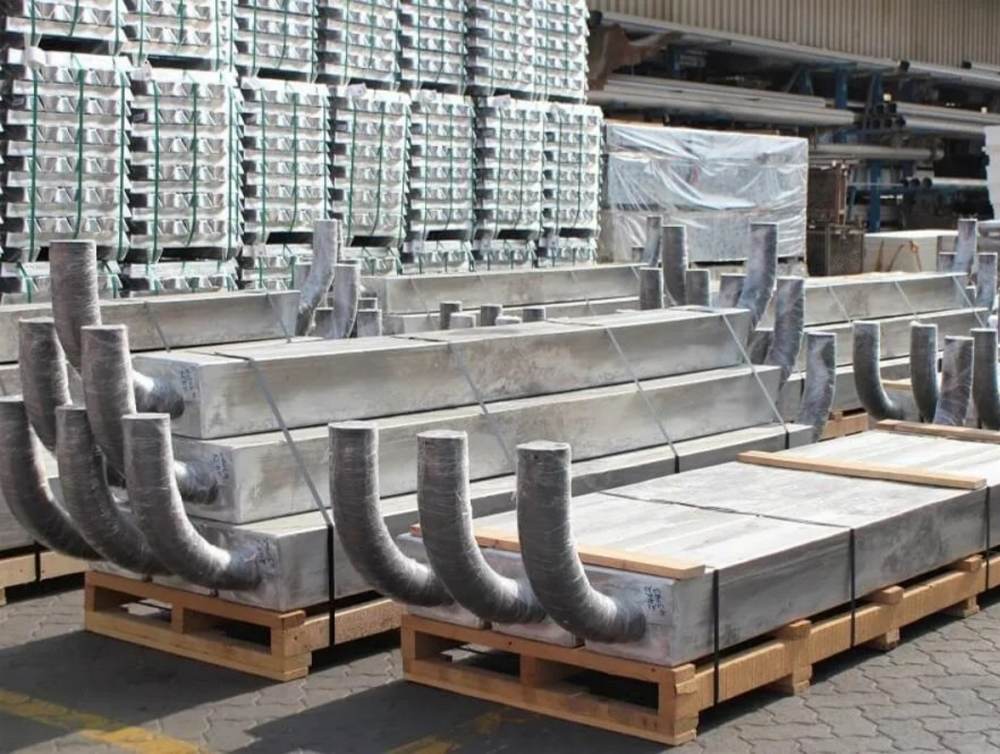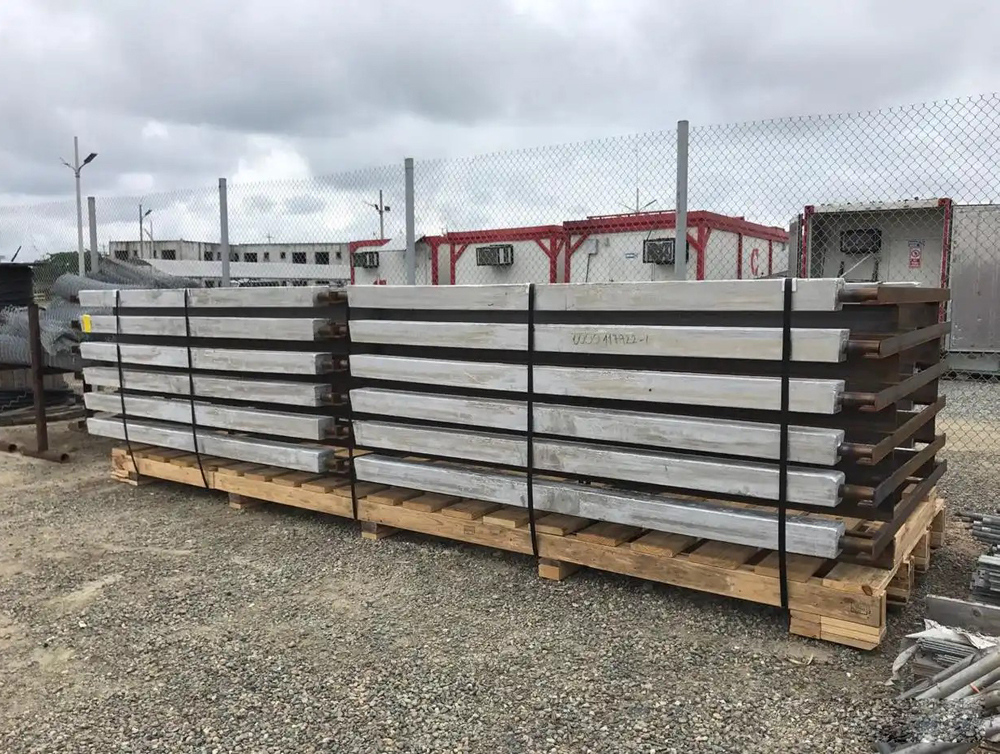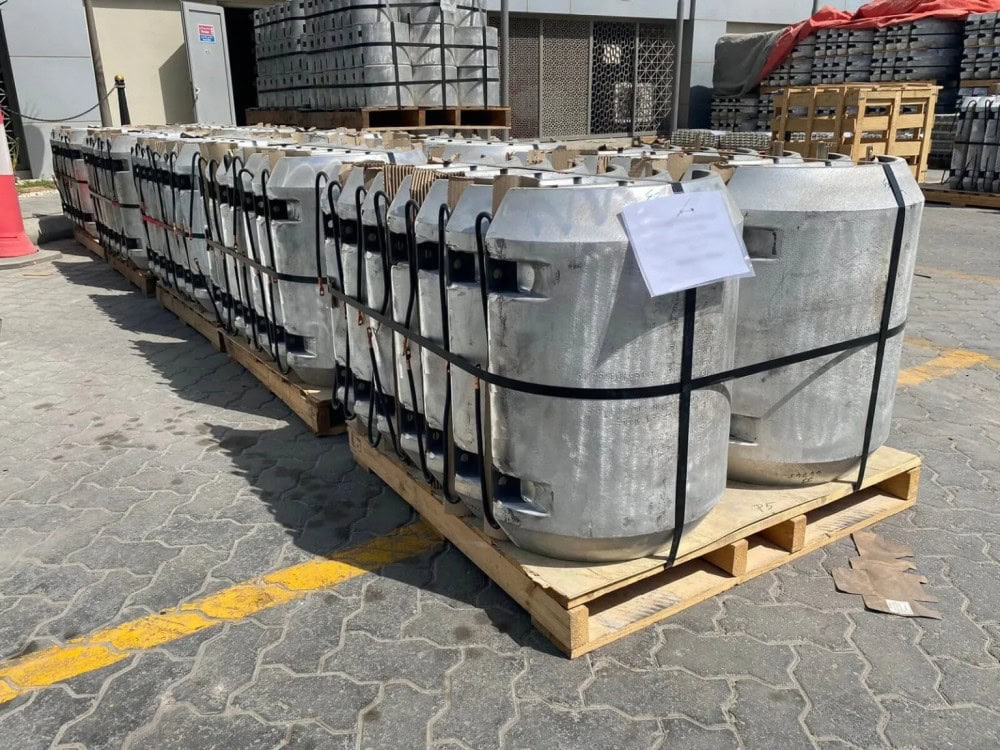

Your Reliable Manufacturer of Aluminum Zinc Indium sacrificial anodes
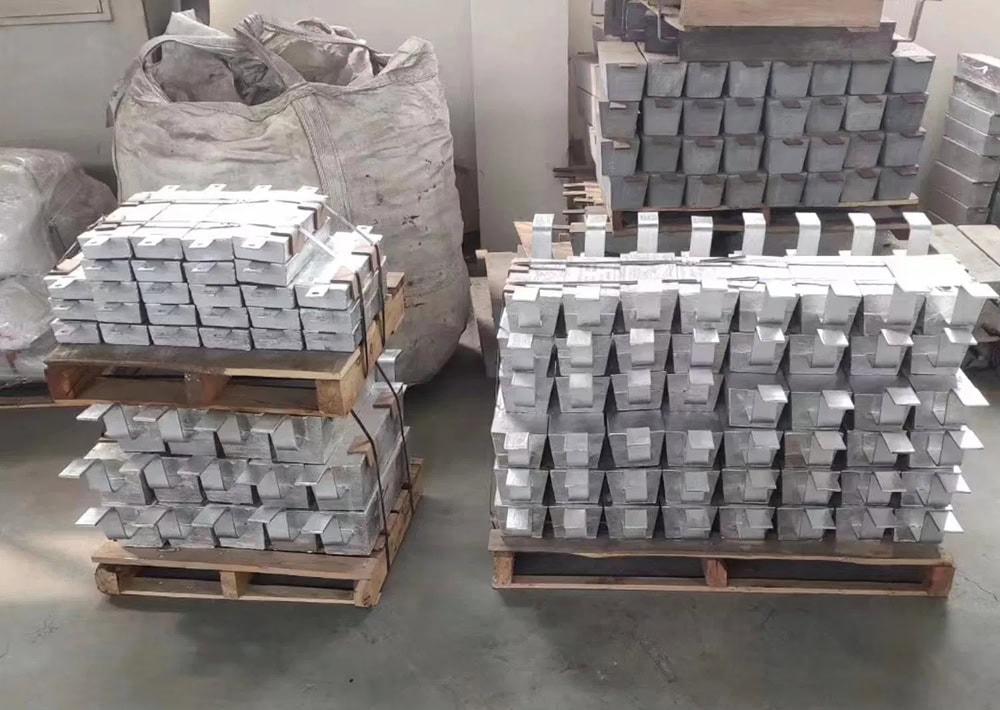
Wstitanium is a trusted manufacturer and supplier of Aluminum Zinc Indium (Al-Zn-In) sacrificial anodes in China. Aluminum Zinc Indium (Al-Zn-In) sacrificial anodes have become the most widely used material in marine engineering. They combine high current capacity, stable operating potential, and excellent corrosion resistance. Compared to traditional magnesium or zinc anodes, Al-Zn-In sacrificial anodes offer numerous significant advantages. These advantages are not only reflected in their superior electrochemical performance but also include good environmental adaptability, longer service life, and convenient installation and maintenance. Wstitanium manufactures custom Al-Zn-In sacrificial anodes according to your drawings (STP or PDF format). The alloying elements of the aluminum anodes comply with Galvalum III and are DNV Certified.
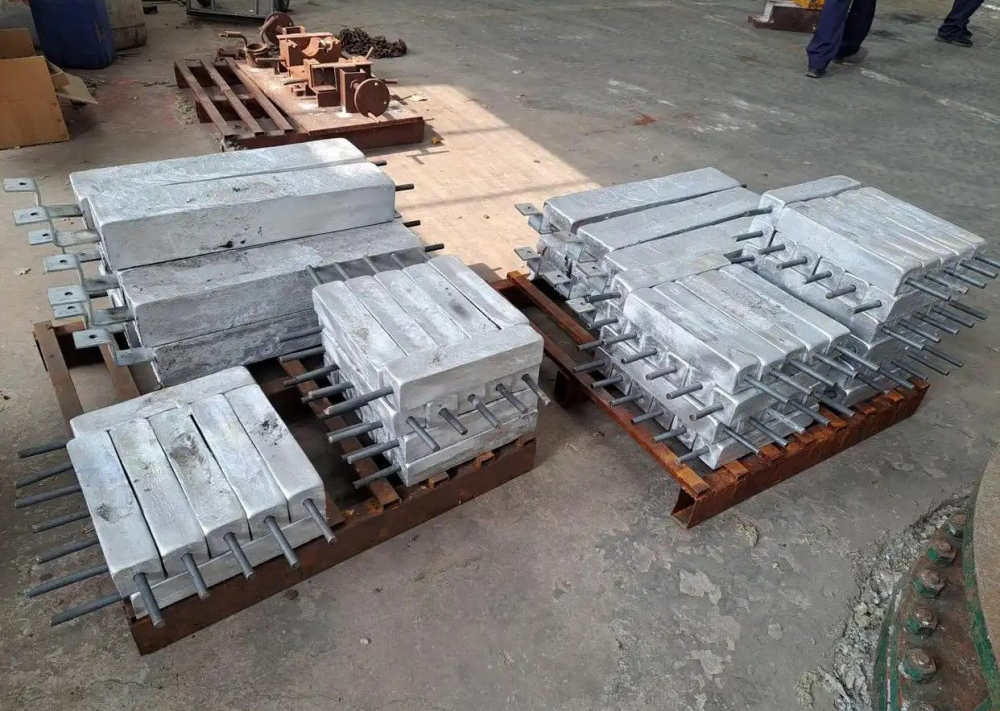
Al-Zn-In Block Anode
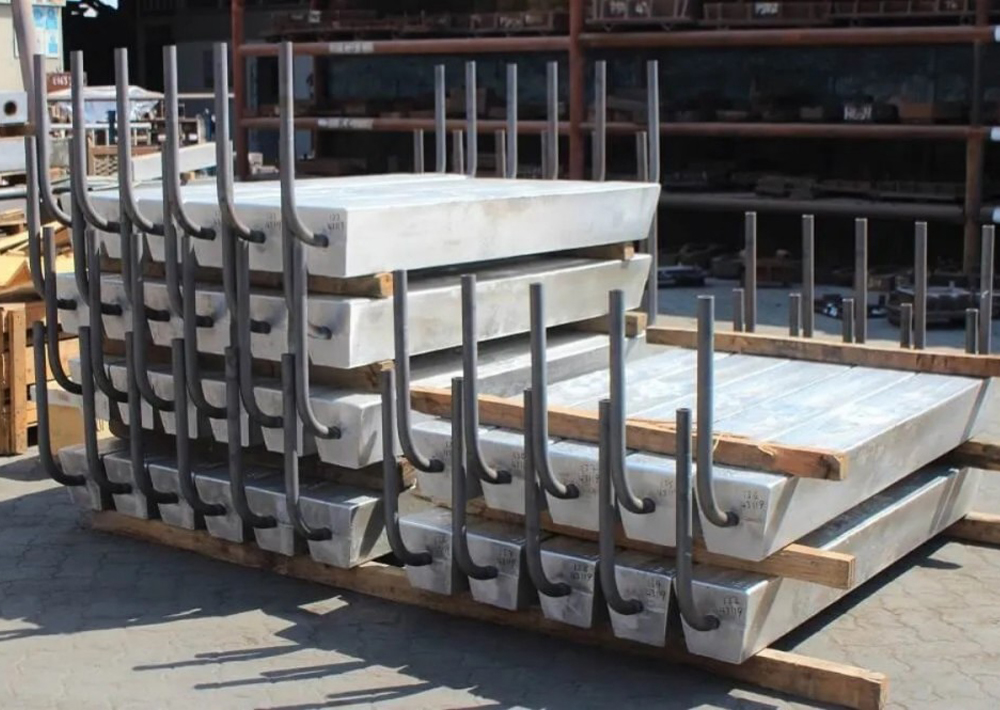
Rectangular or trapezoidal. Typical dimensions: 300×150×50 mm, 200×100×40 mm. Welded (single/double iron feet), bolted installation; suitable for flat/curved surfaces.
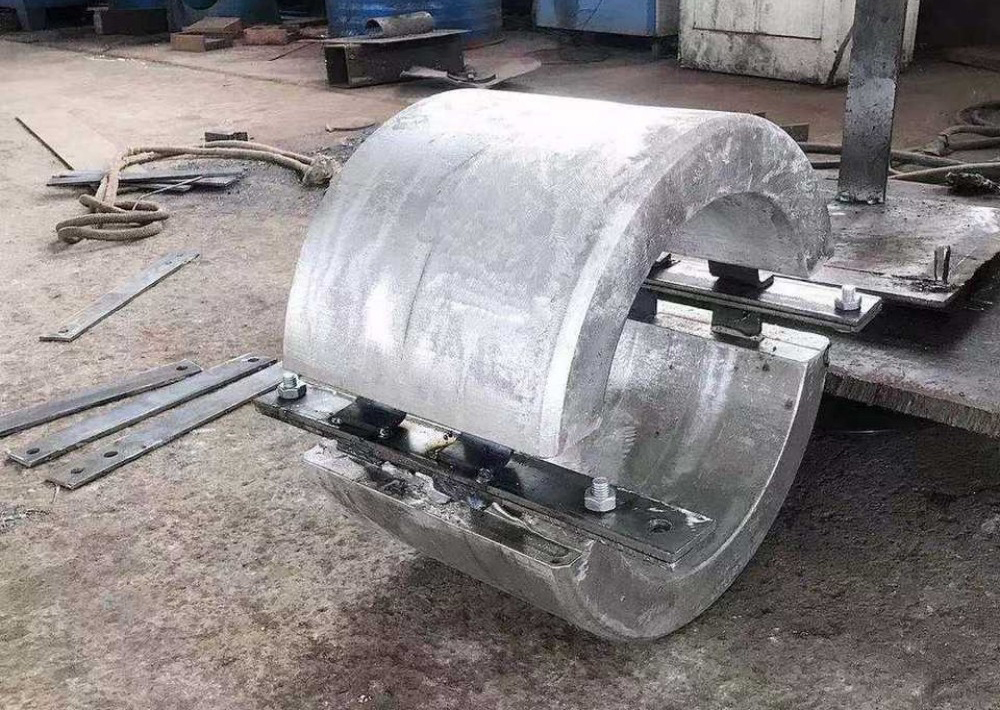
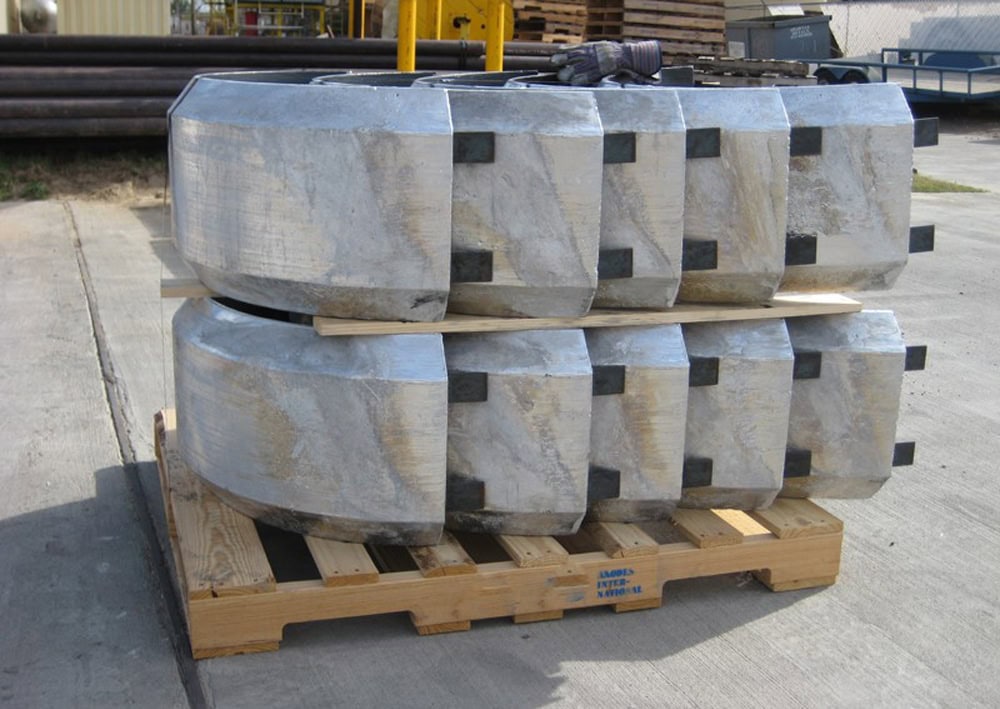
Al-Zn-In Bracelet (Ring) Anode
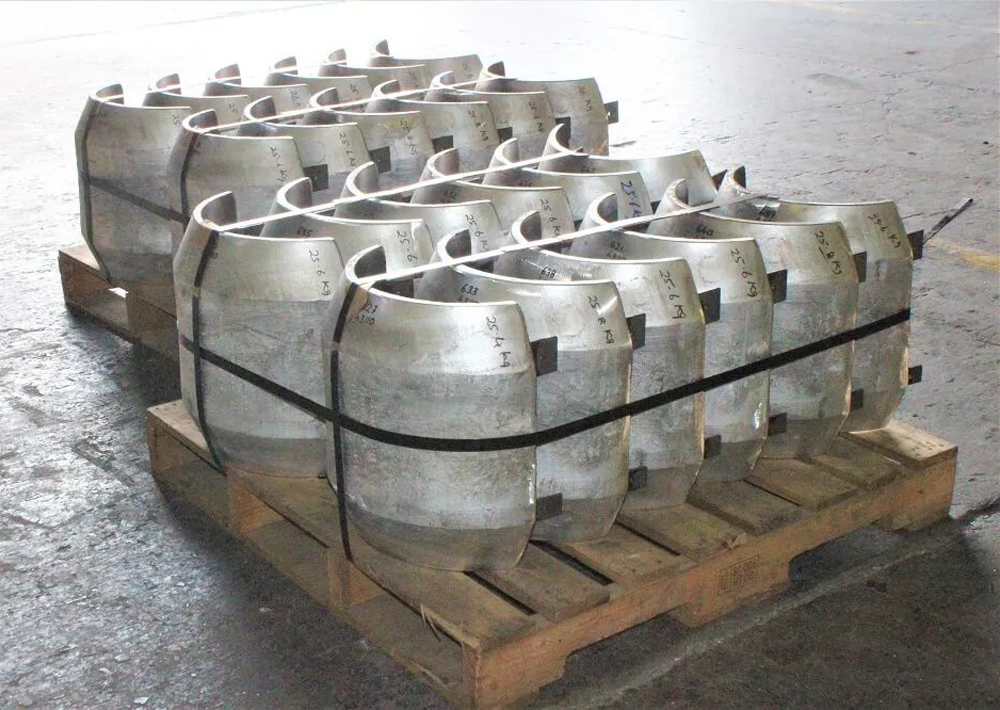
Ring/Semi-ring. Inner diameter matches the outer diameter of the pipe/steel post (Φ150–Φ2000mm). Internal steel mandrel. Bolted connection for easy installation.
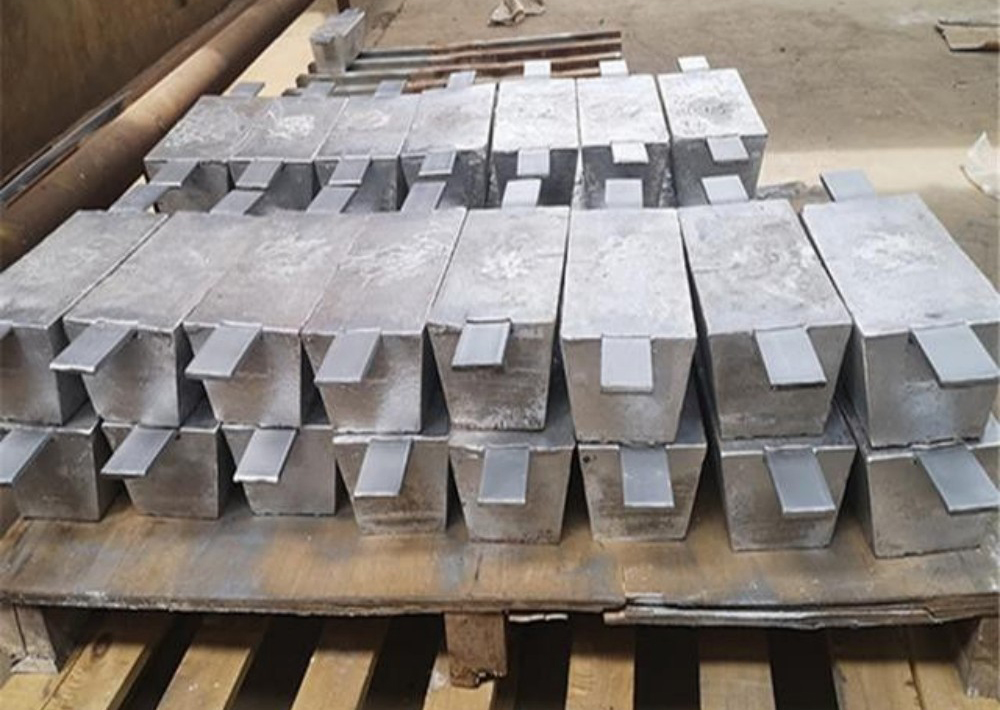
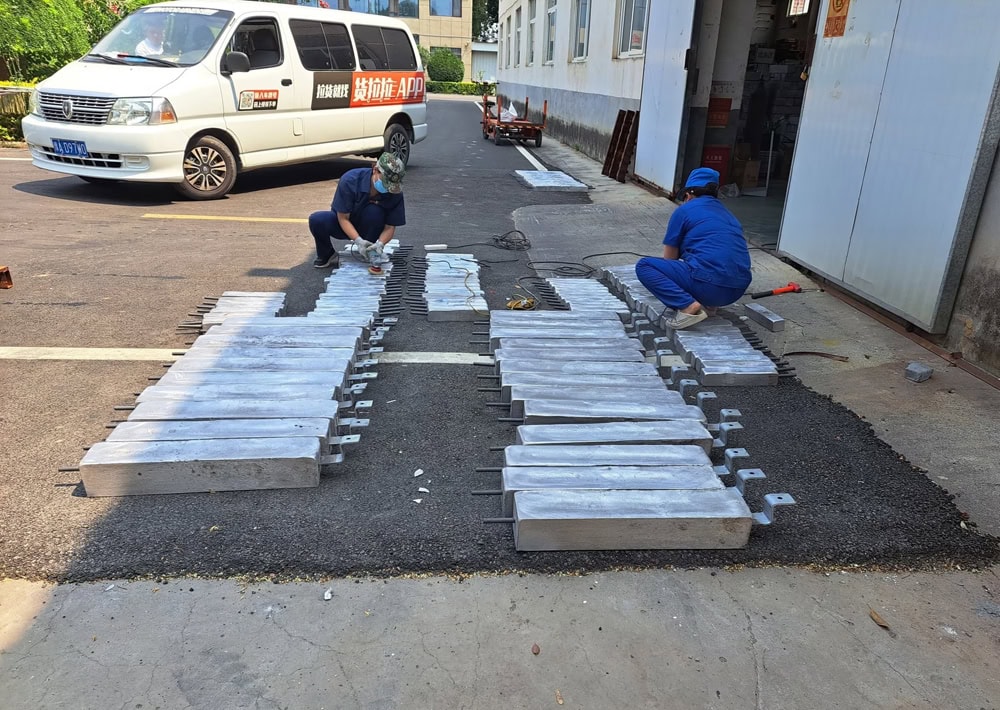
Al-Zn-In Welded Anode
Rectangular/trapezoidal. An internal steel core (iron feet) extends from the anode body for direct welding fixation. The core is made of Q235 steel with a galvanized surface. Current efficiency ≥92.5%.
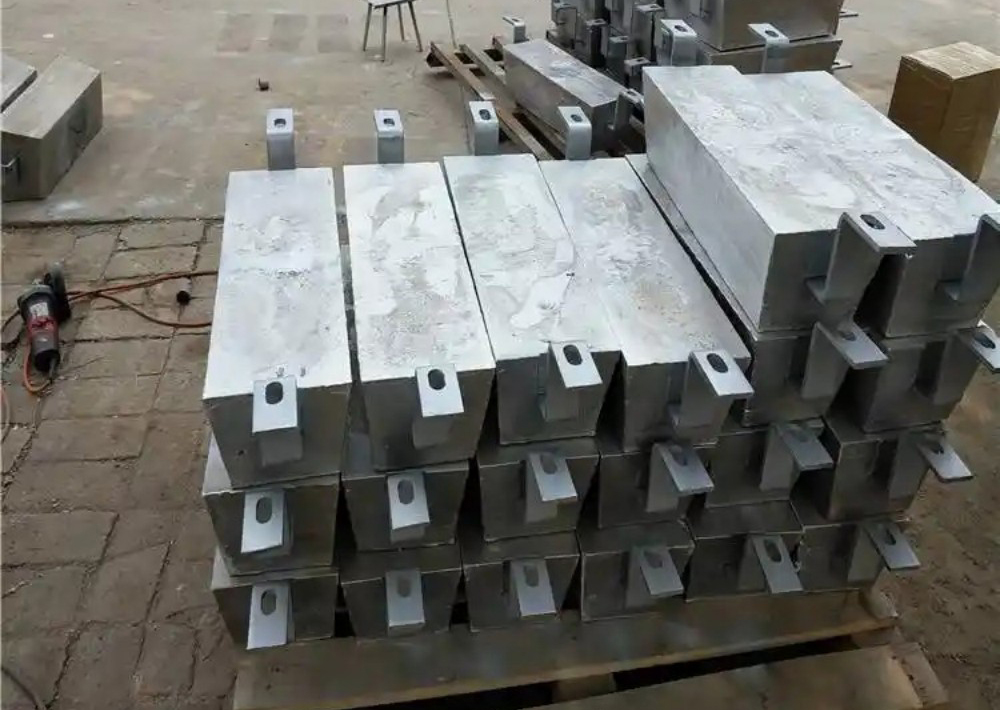
Al-Zn-In Bolt Anode
Rectangular/Arc-shaped. Pre-drilled bolt holes (M12–M20) with built-in stainless steel/galvanized bolt sleeves. Weld-free. Suitable for confined spaces and complex curved surfaces.
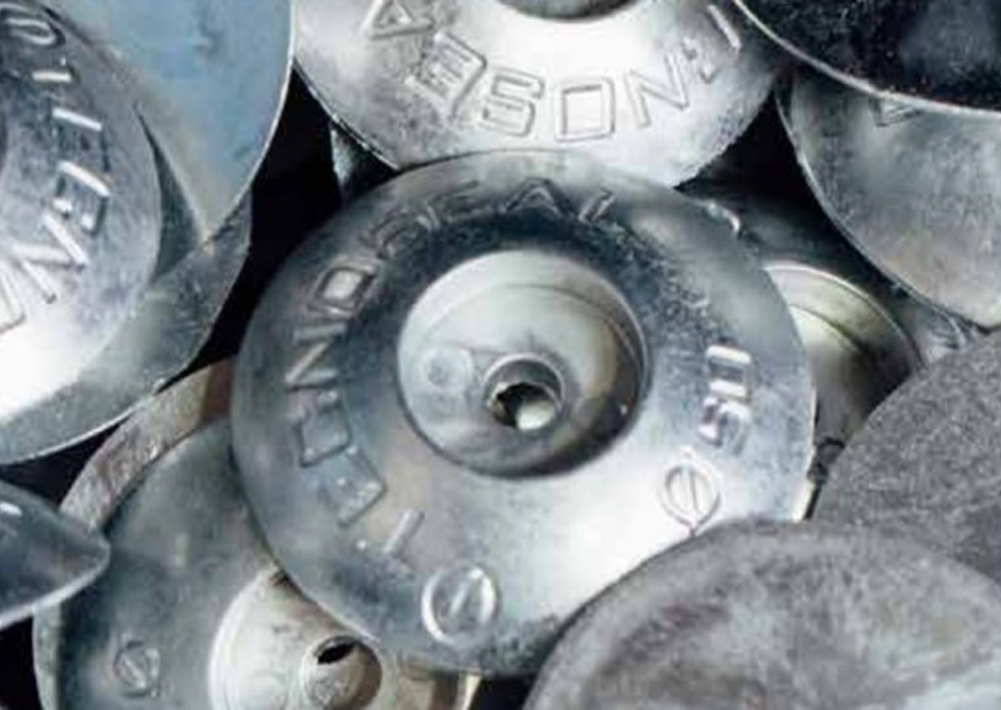
Al-Zn-In Disc Anodes
Pre-drilled bolt hole in the center. Suitable for seawater cooling systems, temperature resistance ≤60℃. Current efficiency ≥92% in seawater/industrial cooling water.
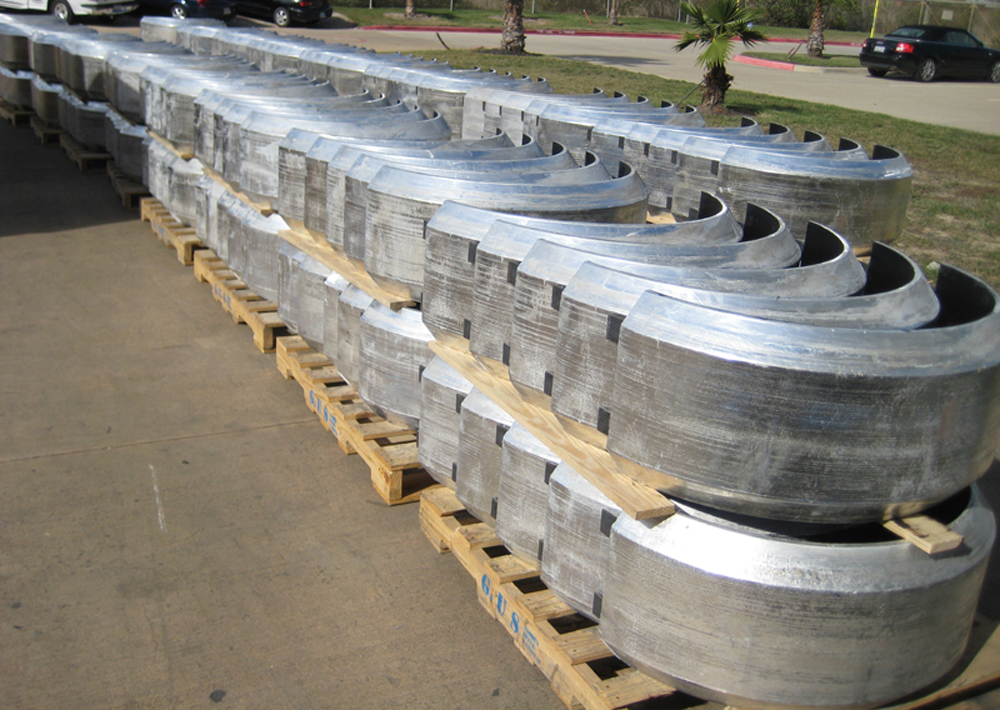
Custom Manufacturing Anodes
Wstitanium custom manufactures arc-shaped, fan-shaped, grid-like, and reinforced anodes to adapt to complex structures such as arcs and curved surfaces (e.g., propellers, rudder blades).
Full Range of Al-Zn-In Sacrificial Anodes
Wstitanium manufactures a full range of Al-Zn-In sacrificial anodes for applications in marine, shipbuilding, port, cross-sea bridges, petrochemical, and oil and gas storage tanks. Al-Zn-In sacrificial anodes significantly improve the lifespan and safety of engineering metal structures due to their core advantages, including high current efficiency (≥92.5%), high capacitance (2600~2800 Ah/kg), low density (2.7 g/cm³), environmental friendliness, non-toxicity, and strong environmental adaptability.
Al-Zn-In Sacrificial Anodes for Marine
Ships and marine engineering structures are immersed in seawater (salinity 3.0%~3.5%, chloride ion ≈19000 mg/L) for extended periods, creating a harsh corrosive environment. Al-Zn-In has become the mainstream sacrificial anode material in this field.
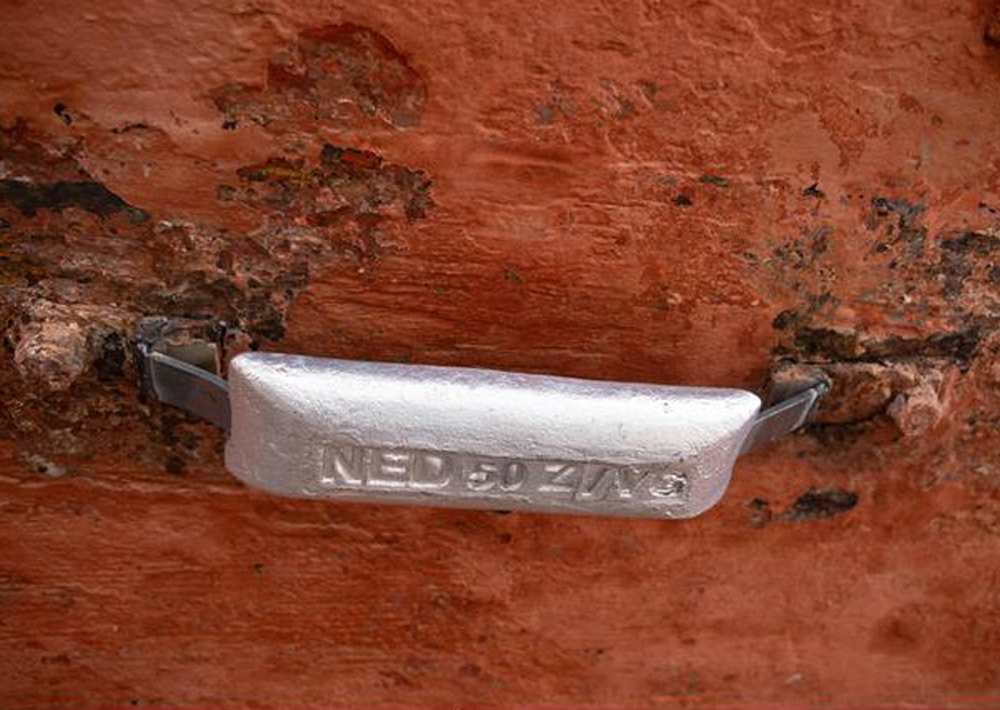
Al-Zn-In Hull Anodes
Al-Zn-In hull anodes protect the hull side, bottom, and outer plating below the waterline. Block welded anodes (single/double iron feet), weighing 10~30 kg, evenly spaced at 2~3 m intervals. Current density 0.1~0.2 A/m², design life 10~20 years.
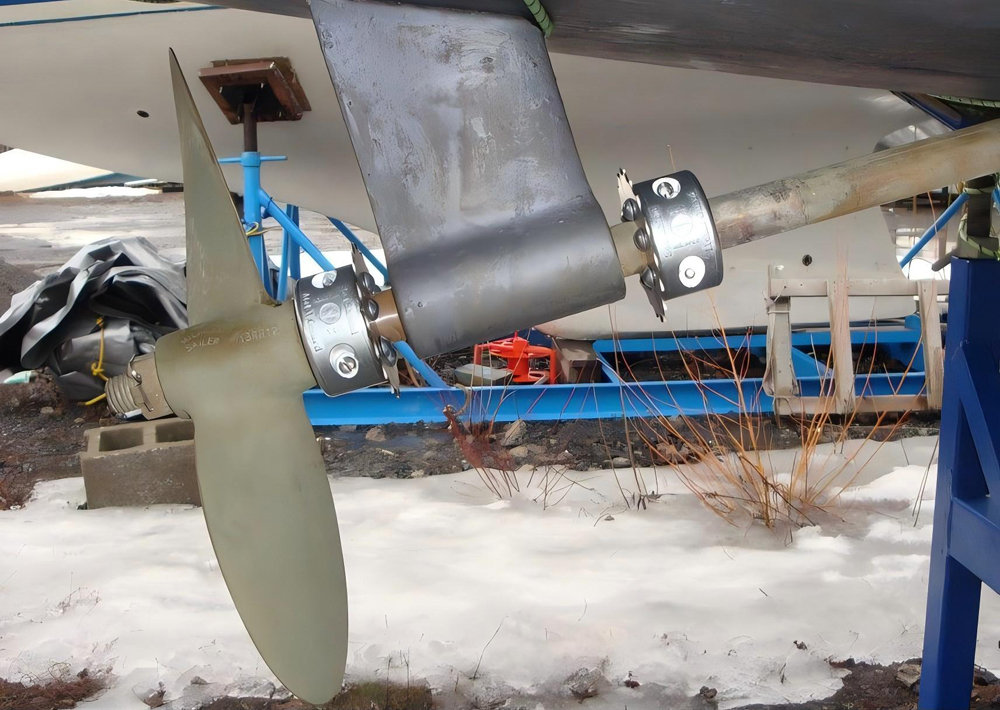
Al-Zn-In Anodes for Propellers
Al-Zn-In anodes are used for propeller blades, blade backs, rudder plates, and rudder stock. Custom-designed curved/block anodes are available. Bolted connections eliminate the need for welding. Resistant to high-speed water flow (velocity ≥ 5 m/s).
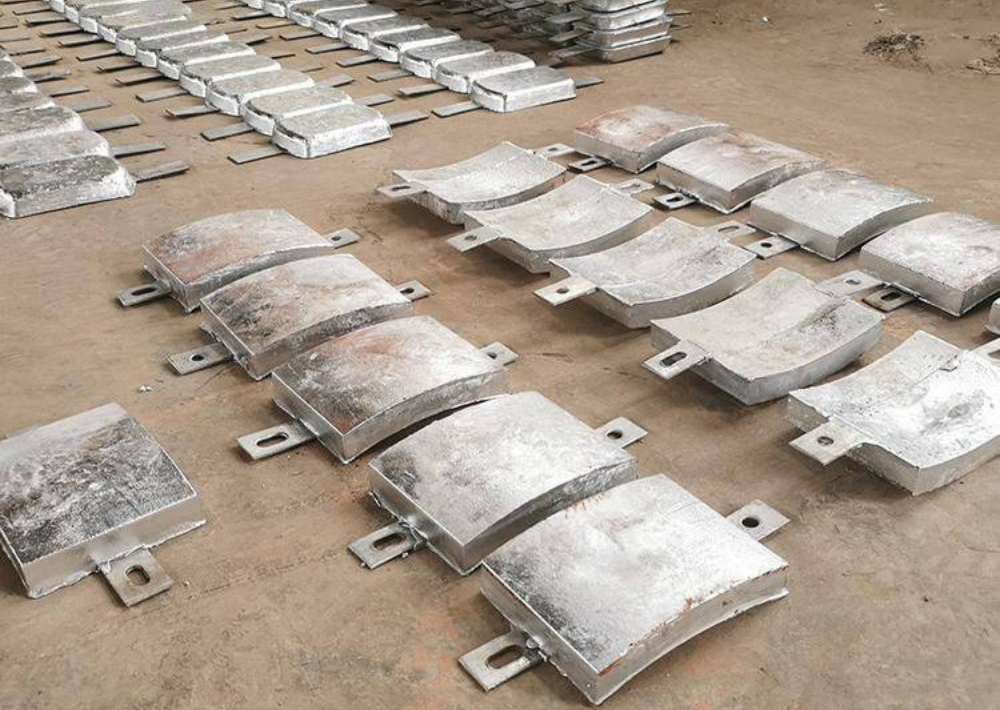
Al-Zn-In Anodes for Ballast Water Tanks
Al-Zn-In anodes for ballast water tank walls, bottoms, and tops (wet/dry cycle environment). Curved/block anodes, adaptable to curved surfaces within the tank. Current efficiency >90%. Tank wall corrosion rate ≤0.01 mm/a.
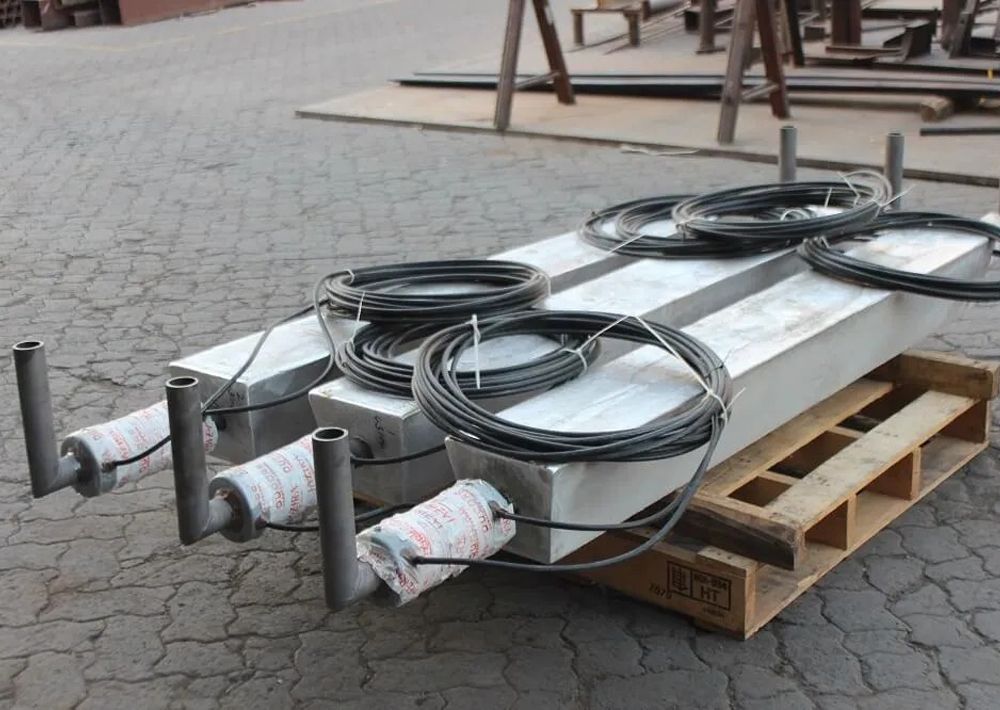
Al-Zn-In Anodes for Offshore Platforms
Al-Zn-In anodes are used for jackets, legs, etc., on offshore platforms. Bracelet-type anodes (legs) and block anodes (jackets) are available, installed by welding. The working environment is deep sea (0~3000 m), low temperature (2~4℃), low oxygen, and high water pressure. Corrosion rate ≤0.005 mm/a.
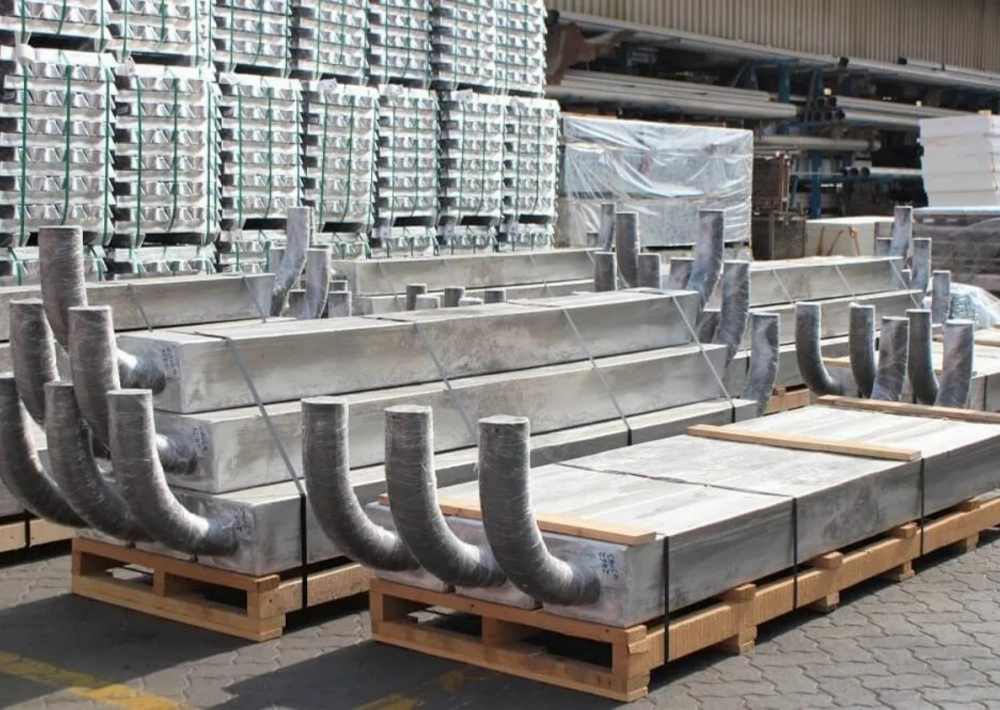
For Coastal Protection Facilities
Al-Zn-In Anodes are the most mainstream and economical long-term corrosion protection solution for marine breakwaters and guardrail steel structures, resisting salt spray, tides, and seawater erosion. They exhibit stable performance in high-salt, high-chlorine, and tidal/splash zones, with a current efficiency ≥90%.
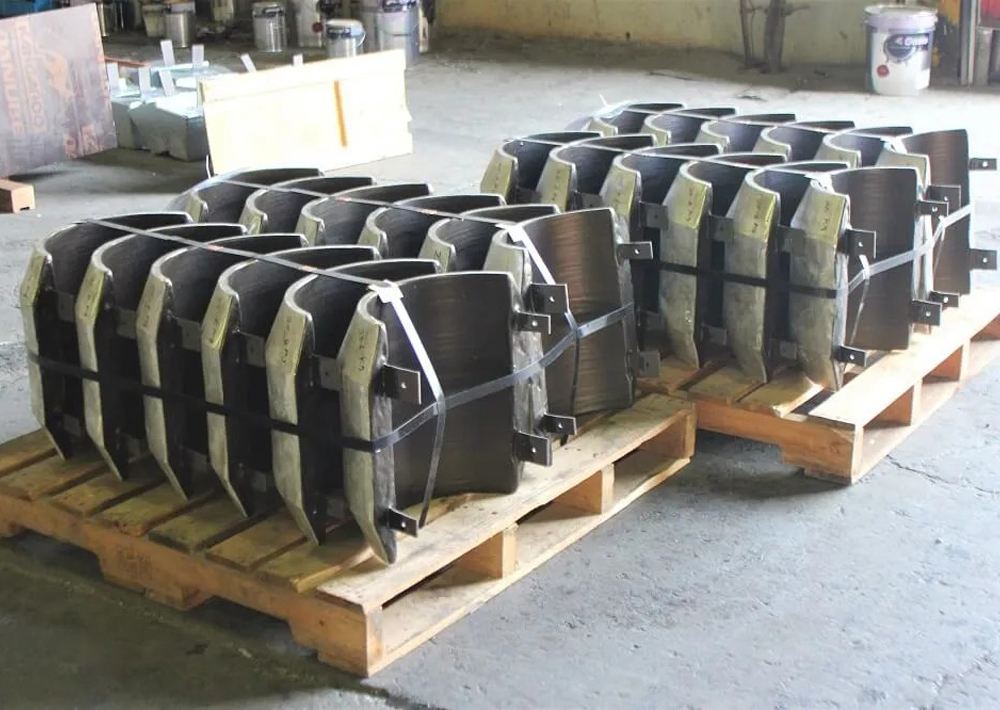
Al-Zn-In Anodes for Pipelines
Al-Zn-In anodes are used for pipeline outer walls, marine mud areas, and shallow sea sections. Bracelet anodes (pipelines) and rod anodes (marine mud areas) are used, spaced 50~100 m apart. Resistant to marine mud corrosion and displacement, with a service life >15 years.
For Ports and Cross-Sea Bridges
Port terminals, cross-sea bridges, and undersea tunnels are located in complex environments involving seawater, tidal zones, splash zones, and marine mud. Chloride ion corrosion is severe, necessitating a balance between structural safety, durability, and environmental protection requirements. Al-Zn-In anodes are well-suited for high-salt, wet-dry cycling, and high-scouring environments, making them the mainstream choice.
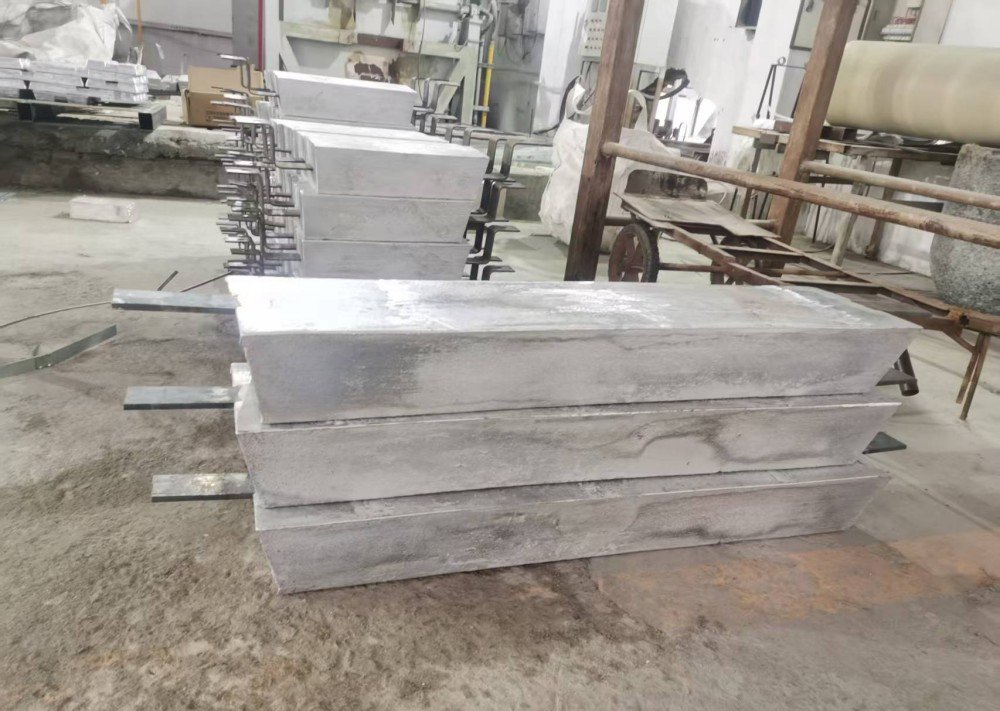
Al-Zn-In Anodes for Wharves
Bracelet anodes (pile body) and block anodes (foundation). The working environment includes tidal zones, splash zones (high-speed scouring), and marine mud zones (low oxygen). The current efficiency is ≥85%, which is much higher than that of zinc anodes (≈70%).
For Cross-Sea Bridges
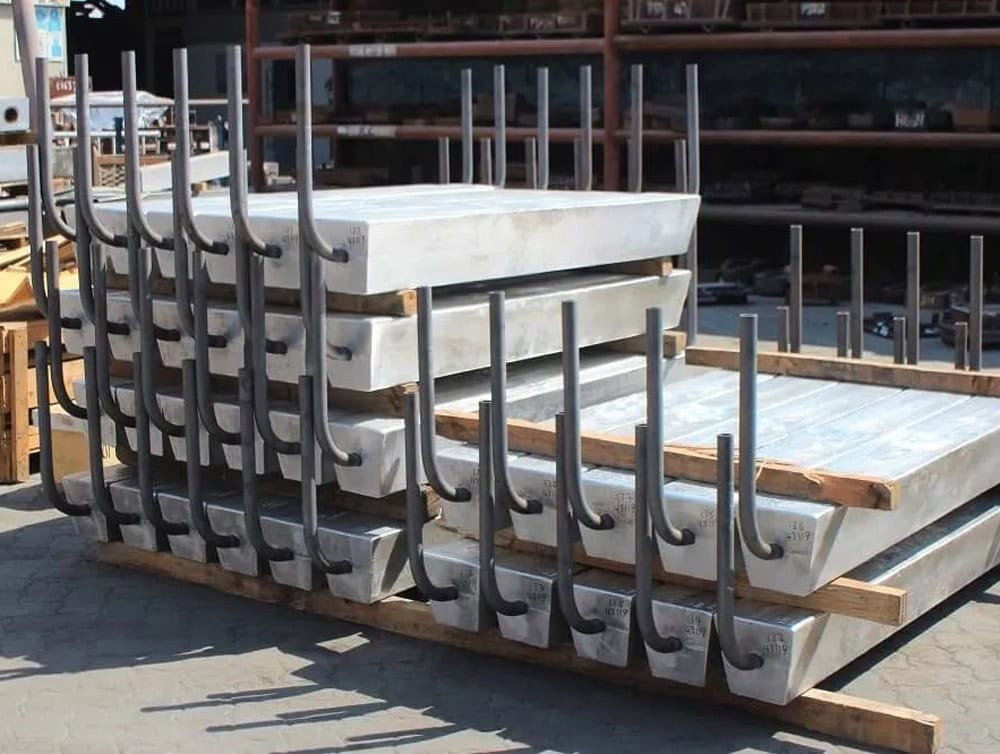
Bracelet (pile foundation) and plate aluminum-zinc-indium sacrificial anodes protect the underwater structures of cross-sea bridges, including piers, pile foundations, abutments, and the outer walls of immersed tunnels. Suitable for concrete/steel composite structures, with a design life of 100 years.
For Port Storage Tanks
Aluminum anodes are used to protect the inner walls of crude oil storage tanks, refined oil storage tanks, and seawater storage tanks. Generally, block anodes (inner walls) and rod anodes (tank bottom) are selected. Suitable for environments with high-salt sediment water, acidic media, and wet/dry cycles. Service life exceeds 20 years.
Environment For Aluminum-Zinc-Indium Sacrificial Anodes
- Preferred for: Seawater, freshwater, marine mud, high-salinity soil (resistivity ≤ 50 Ω・m), industrial cooling water (chloride ion ≥ 500 mg/L).
- Suitable for: Low-salinity environments (chloride ion 500~5000 mg/L), wet-dry cycle environments, temperatures -40℃~60℃.
Not suitable for: Freshwater (chloride ion < 500 mg/L), high-resistivity soil (> 100 Ω・m), strongly acidic media (pH < 4), high temperatures (> 60℃). Magnesium anodes should be used in freshwater.
Quality Inspection
Wstitanium conducts rigorous quality testing on its Al-Zn-In sacrificial anodes. Only qualified products can guarantee the long-term stability and safety of the cathodic protection system. Quality testing covers the anode’s chemical composition, physical properties, electrochemical properties, and microstructure. Wstitanium provides a quality test report for each batch of anodes.
Chemical Element Analysis
Ensuring that the content of each element is within the standard range guarantees the cathodic protection potential and discharge capacity. Wstitanium employs ICP (Inductively Coupled Plasma) analysis to accurately determine the content of Al, Zn, In, Mg, and trace impurities (Fe, Cu, Si, Cd). It complies with DNV-RP-B401-2011 and GS EP COR 201 standards.
DNV-RP-B401-2011 (Al-Zn-In)
| Element | Content (%) |
|---|---|
| Zinc (Zn) | 2.500 ~ 5.750 |
| Indium (In) | 0.015 ~ 0.040 |
| Silicon (Si) | 0.120 max. |
| Iron (Fe) | 0.090 max. |
| Copper (Cu) | 0.003 max. |
| Cadmium (Cd) | 0.002 max. |
| Other Impurities | 0.100 max. |
| Aluminum (Al) | Remainder |
GS EP COR 201 (Al-Zn-In)
| Element | Content (%) |
|---|---|
| Zinc (Zn) | 4.750 ~ 5.750 |
| Indium (In) | 0.015 ~ 0.020 |
| Silicon (Si) | 0.060 ~ 0.120 |
| Iron (Fe) | 0.120 max. |
| Copper (Cu) | 0.003 max. |
| Cadmium (Cd) | 0.002 max. |
| Other Impurities | 0.100 max. |
| Aluminum (Al) | Remainder |
Electrochemical Performance
Verify the protective capability and efficiency of the anode in the working environment. Polarization curve testing: Evaluate the cathodic protection current and uniform solubility. Current capacity and efficiency testing: Measure current output and consumption using constant current discharge or a zero-impedance ammeter (ZRA).
| Technical Measurement | Performance |
|---|---|
| Open Circuit Voltage (min.) | -1.10 Volts |
| Closed Circuit Voltage (min.) | -1.05 Volts |
| Current Capacity | 2600 A.h/kg (1135 A.h/lbs) |
| Current Efficiency (min.) | 90% |
| Consumption Rate | 3.4 kg/A.y (7.6 lbs/A.y) |
* The open/closed circuit voltage is with respect to a Ag/AgCl reference electrode.
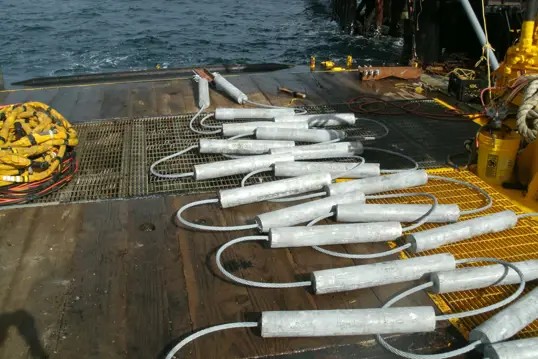
Aluminum-zinc-indium (Al-Zn-In) sacrificial anodes, with their core advantages such as high current efficiency (≥90%), high capacitance (2600~2800 Ah/kg), low density (2.7 g/cm³), environmental friendliness, non-toxicity, and strong environmental adaptability, have become the preferred cathodic protection material for six major sub-sectors: marine engineering, shipbuilding, ports, seawater cooling, oil and gas storage and transportation, and chemical and municipal engineering. They are widely used in critical facilities such as ship hulls, offshore platforms, subsea pipelines, wharf steel piles, condensers, storage tanks, and buried pipelines. They effectively solve the problem of metal corrosion in high-salt and highly corrosive environments.