
A Range of Marine Aluminum Sacrificial Anodes solutions
Wstitanium, a professional aluminum sacrificial anode manufacturer in China, has been deeply involved in the marine corrosion protection field for over 10 years. We specialize in the research, development, manufacturing, and customization of a full range of marine aluminum sacrificial anodes. Our products cover all shapes, alloy systems, and sizes, providing long-lasting, reliable, and economical cathodic protection solutions for marine engineering projects. Offer a Competitive Quotation Within 3 Hours.
- Protected objects (hull/platform/pipeline/steel piles, etc.)
- Operating environment (seawater/brackish water/marine mud/deep sea)
Various Aluminum Sacrificial Anodes
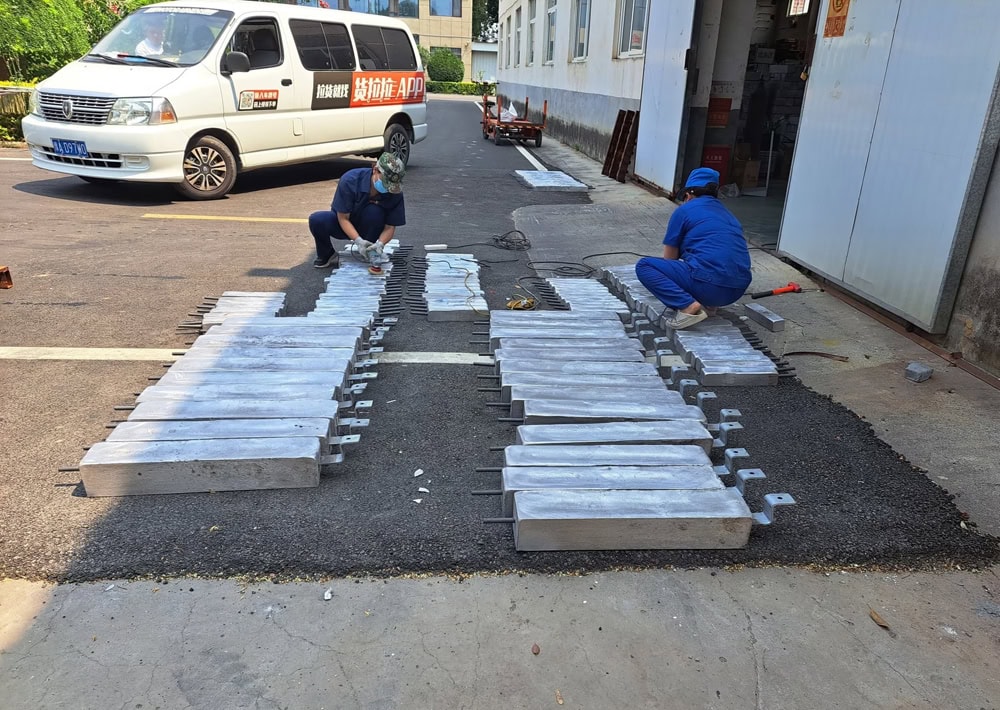
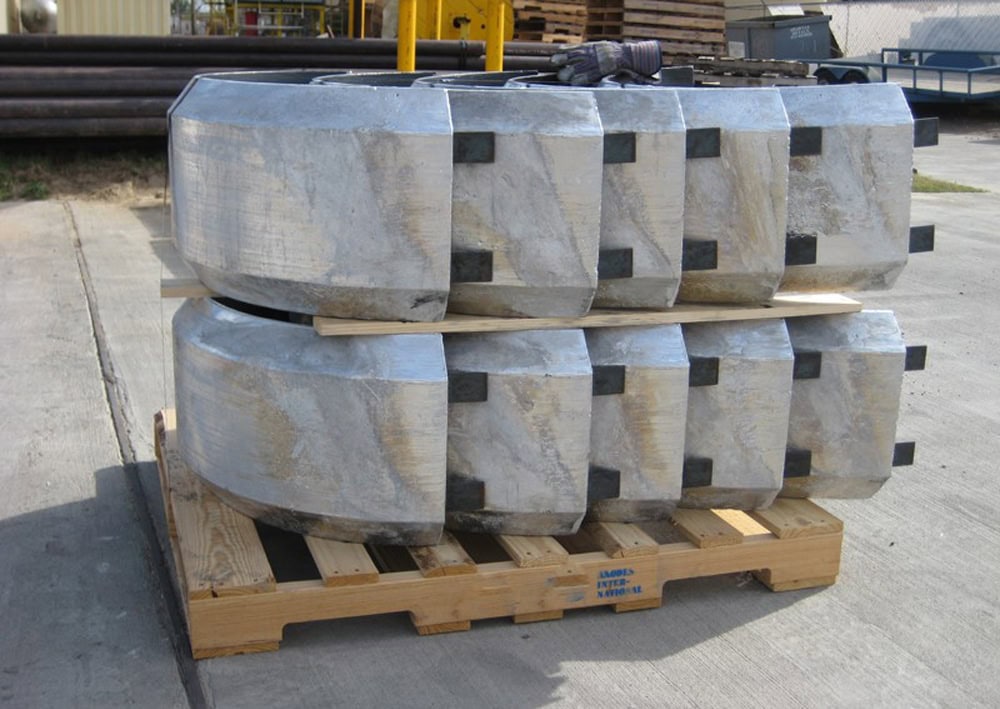
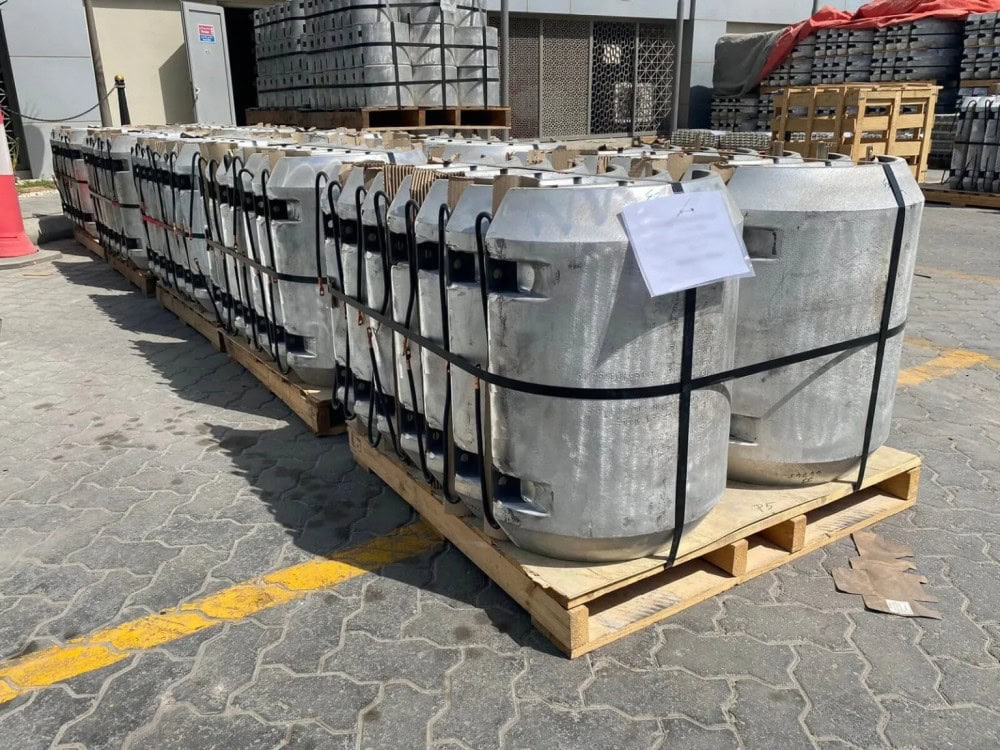
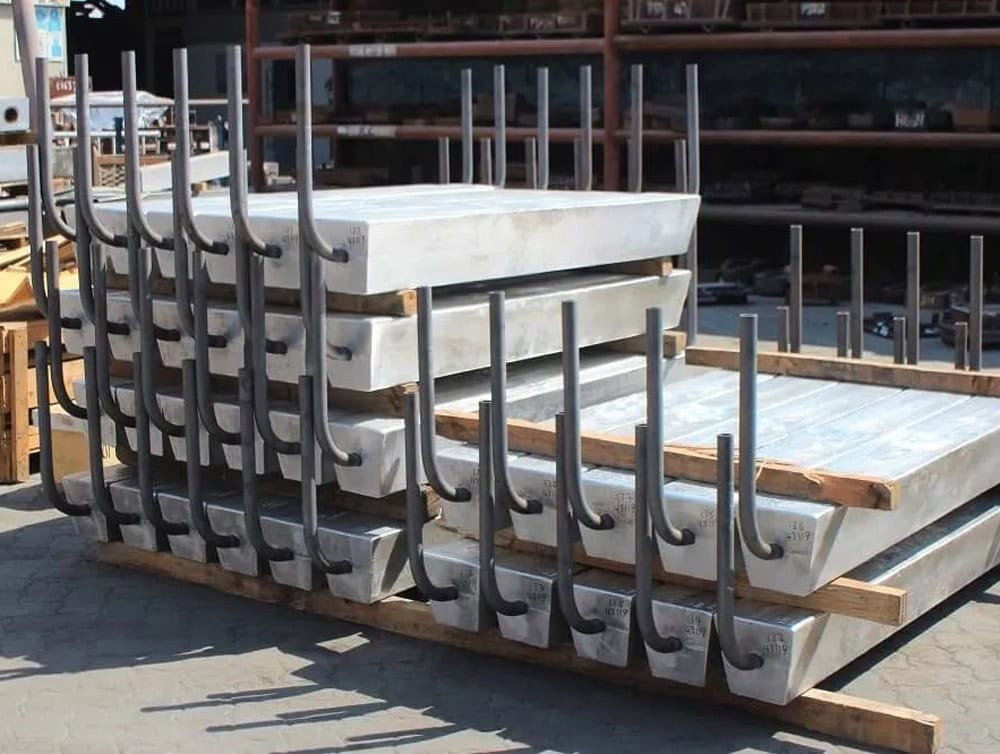
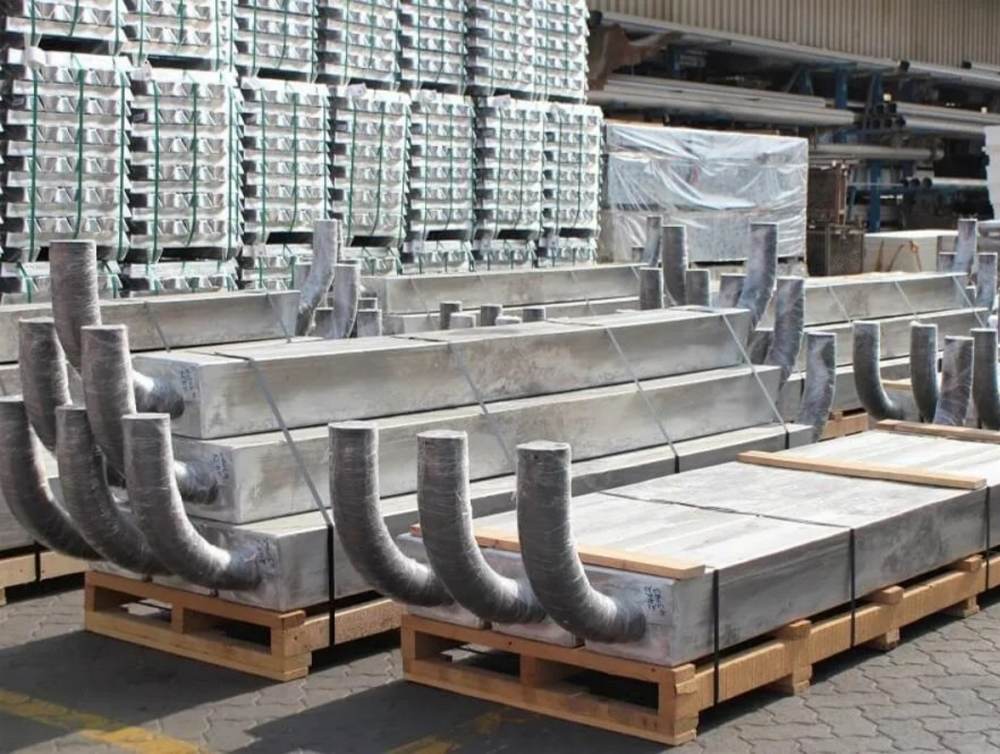
Wstitanium manufactures marine aluminum sacrificial anodes, available in various forms including bracelets, plates, blocks, and discs. Multiple aluminum alloy element systems are available. Custom sizes, weights, steel cores, and welding or bolting options are offered. Suitable for marine applications, offshore platforms, offshore wind power, Ships, cross-sea bridges, and port terminals, and subsea pipelines etc.. Marine aluminum sacrificial anodes comply with DNV/EN/ISO/GB standards. Chemical element and electrochemical performance quality testing reports are provided. Our clients are located in 30+ countries worldwide (mostly Europe and the United States), with over 500 projects.
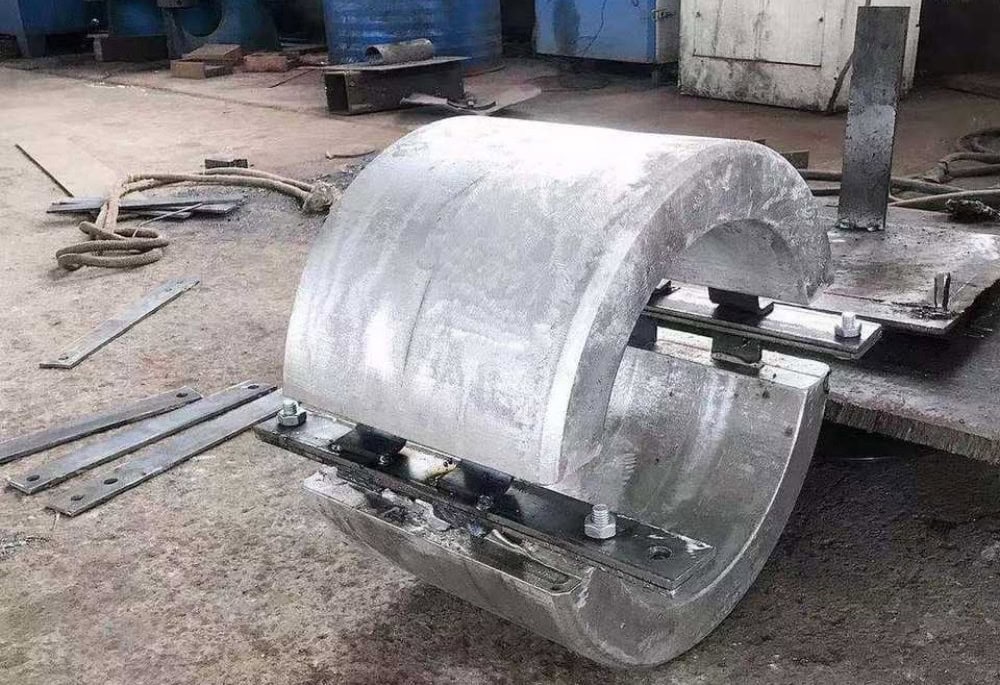
Bracelet/Ring Anode
Welding, bolting, and clamping installation options are available. Inner diameter: Φ20mm~Φ2440mm (full range). It provides complete cathodic protection for subsea oil and gas pipelines, marine risers, jacket supports, and cross-sea pipelines. Complies with DNV-RP-F103 Subsea Pipeline Cathodic Protection Standard.
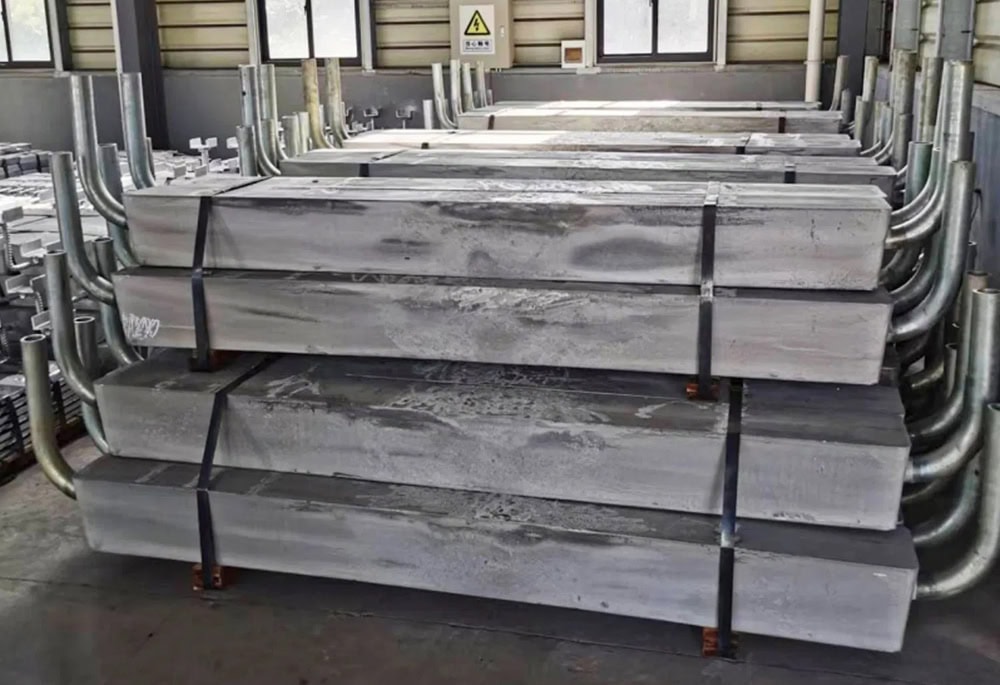
Block Anode
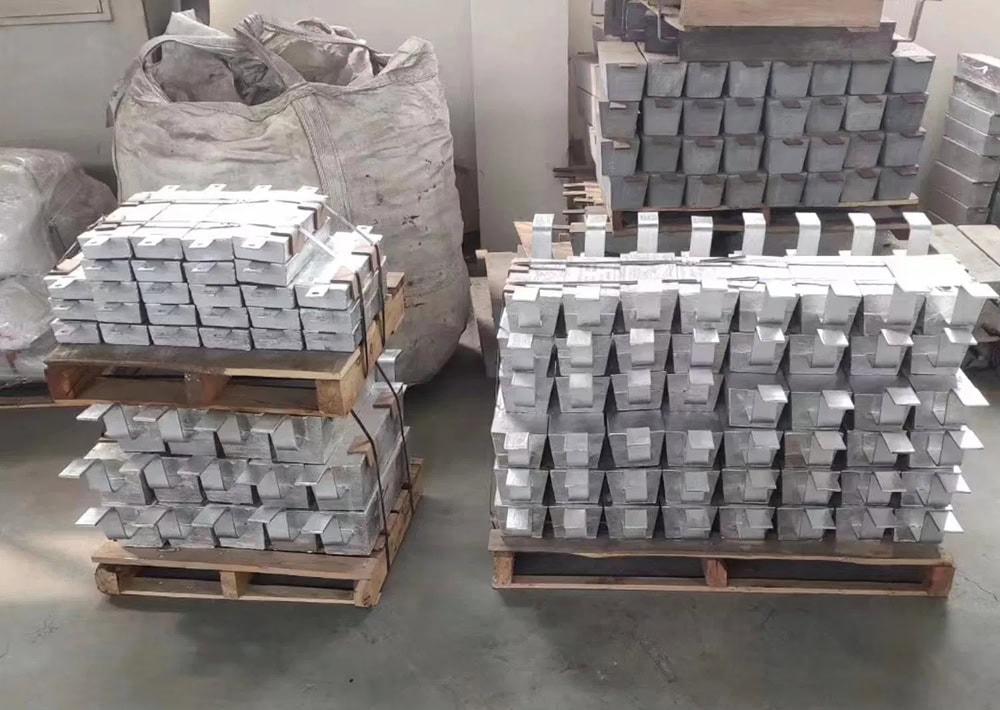
The most popular design, weighing from 1kg to 2500kg, with a matching steel core (Q235 or stainless steel), supporting both welded and bolted installation. It provides cathodic protection for large-area steel structures such as offshore platform jackets, dock piles, ship hulls, breakwaters, and tank inner walls.
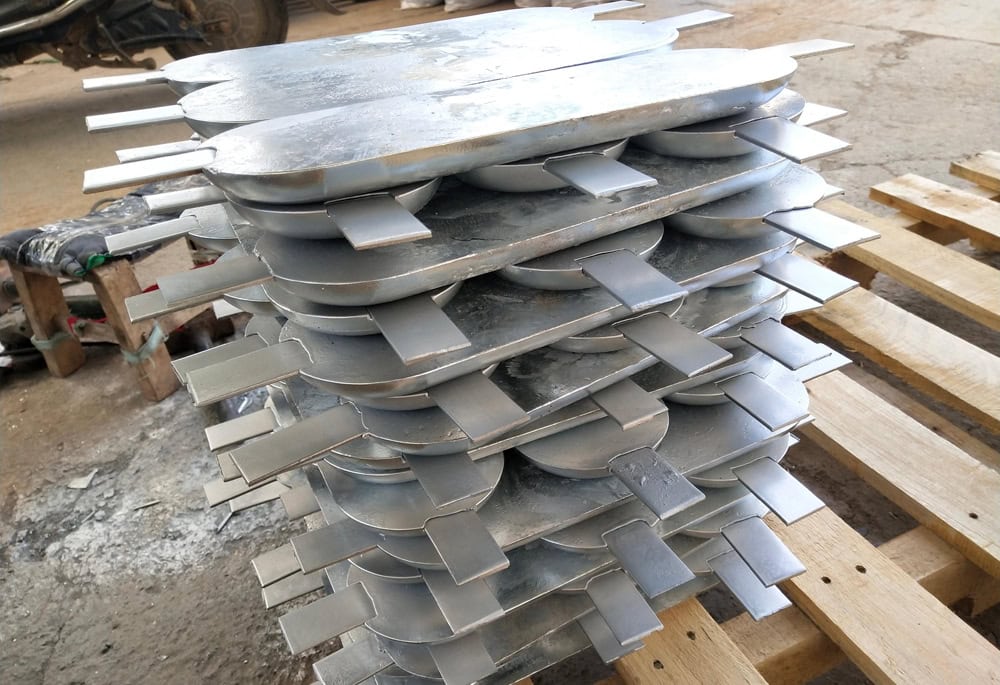
Slab/Plate Anode
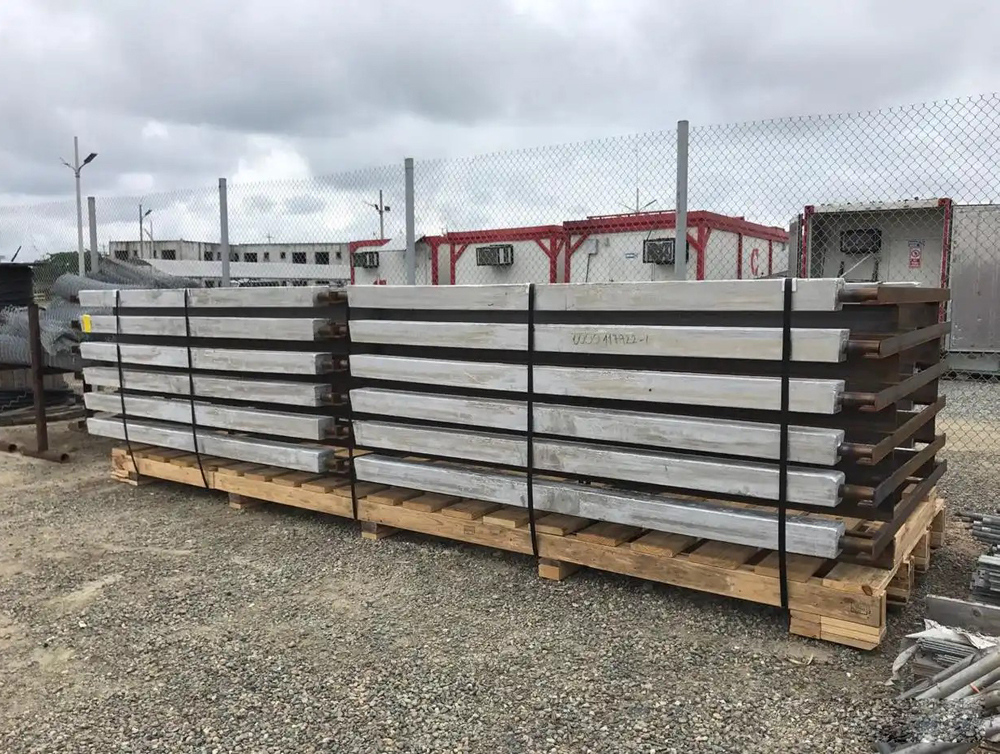
Thin and flat design, 10mm to 500mm thick, with uniform current distribution, conforming to MIL-DTL-24779D military marine anode standard. It provides cathodic protection for ship ballast tanks, seawater coolers, tank inner walls, platform panels, freshwater tanks, seawater tanks, and platform decks.
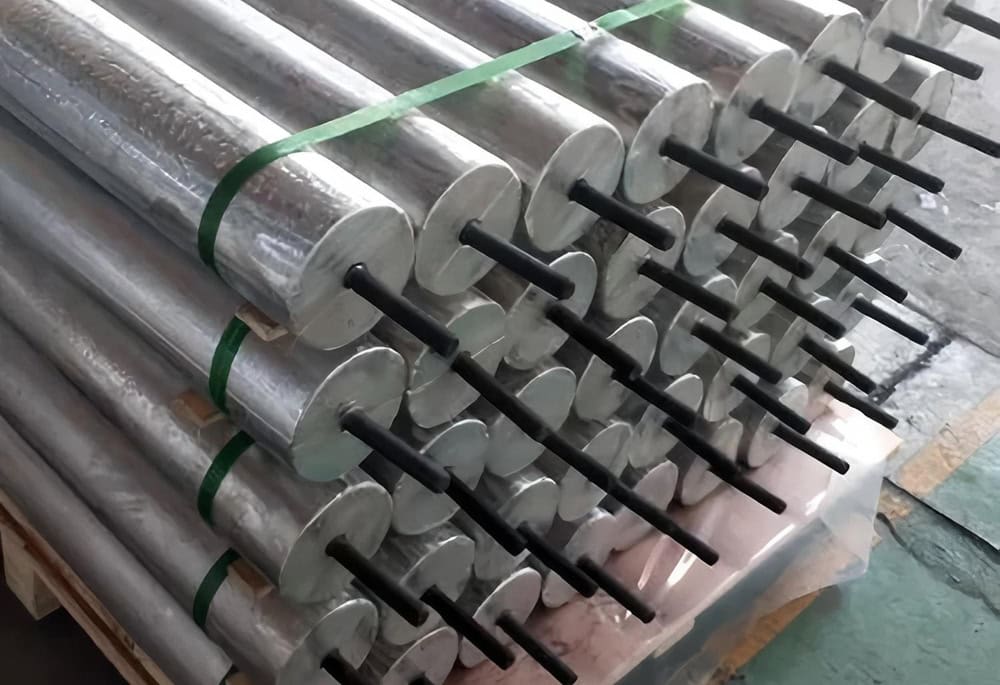
Rod/Bar Anode
Slender cylindrical design. Diameter Φ10mm~Φ300mm. Length 300mm~6000mm. Flexible placement in confined spaces and inside pipelines, suitable for localized protection of irregularly shaped structures, such as condensers and seawater cooling pipelines.
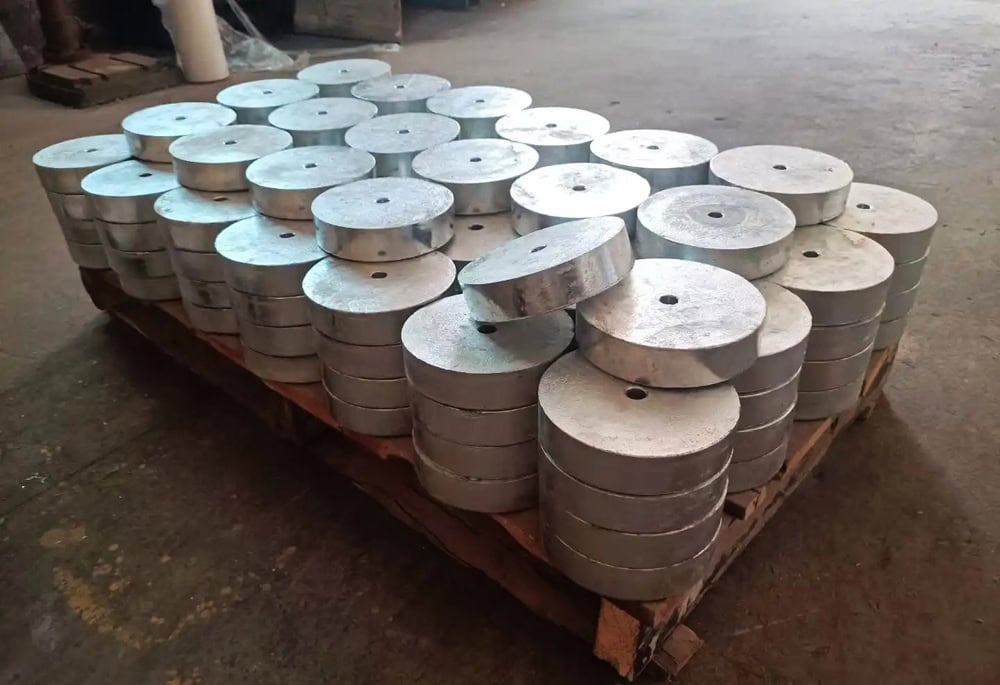
Disc/Wafer Anode
Circular flat design. Diameter 50mm~800mm. Uniformly arranged on planar structures, suitable for large-area uniform cathodic protection, such as ship decks, platform panels, flange faces, and tank bottoms.
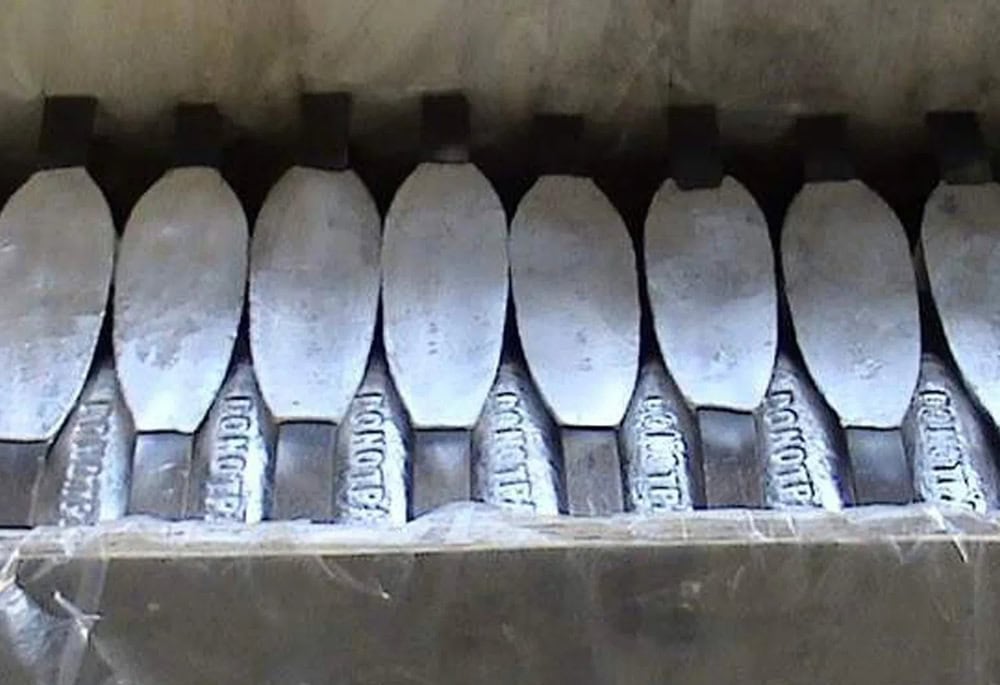
Teardrop/Streamlined Anode
Streamlined teardrop design significantly reduces seawater fluid resistance. Strong erosion resistance; will not detach due to high-speed water flow. It is used in high-speed ship hulls, underwater vehicles, propeller fairings, etc.
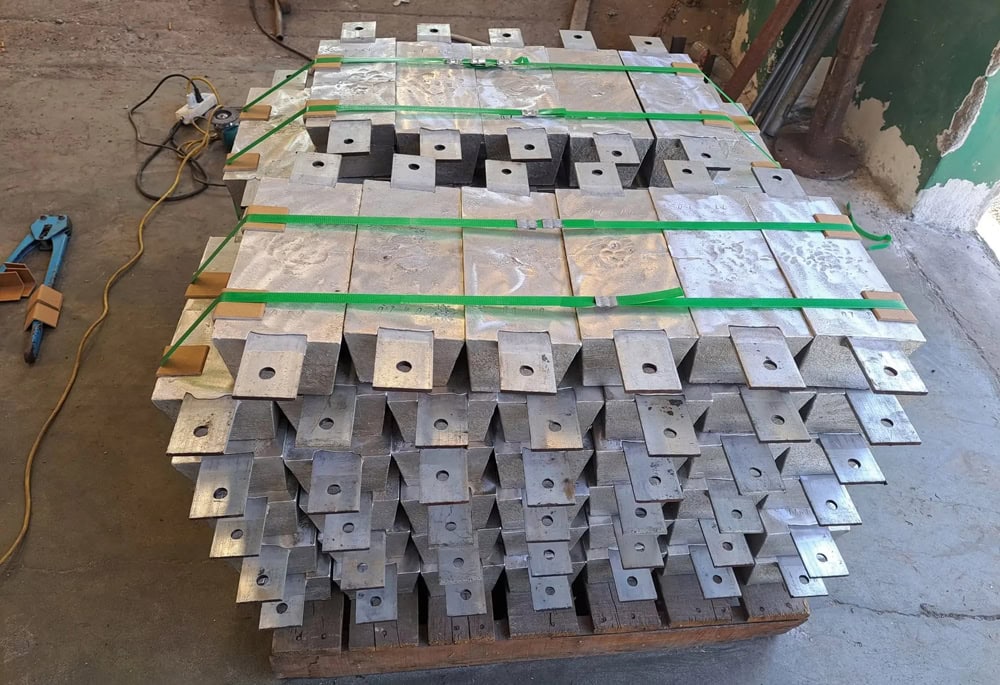
Stud/Bolt-on Anode
Features pre-embedded high-strength bolts/studs for easy removal and replacement. Strong bonding force ensures it won’t fall off. Suitable for components requiring regular maintenance and replacement, such as ship propellers, rudder blades, stern shafts, etc.
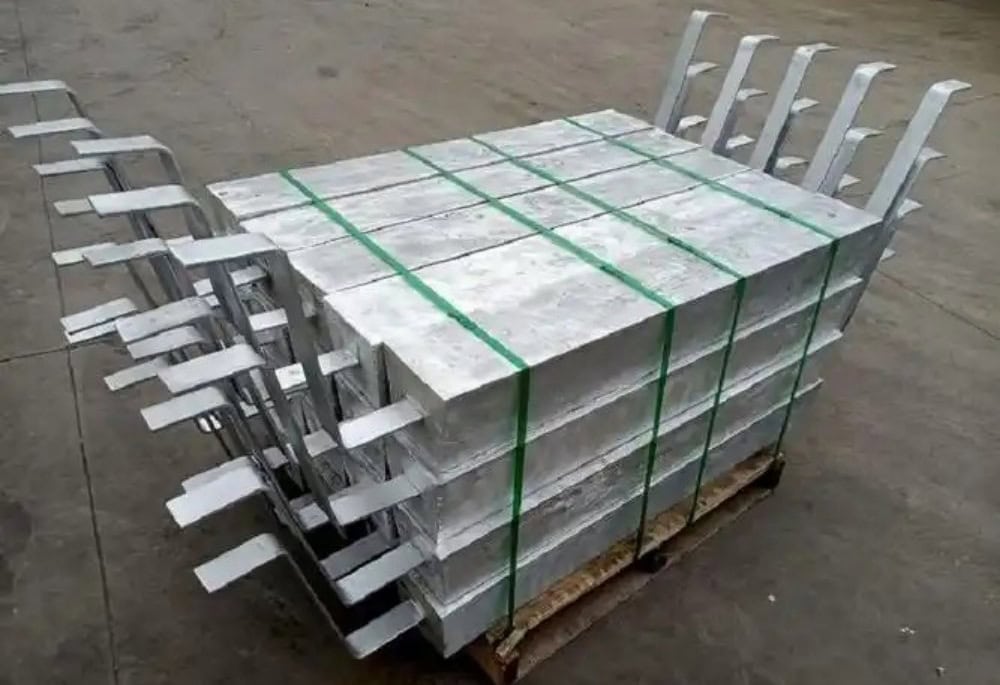
Weld-on Anode
Comes with a welded steel core/welded base plate, directly welded to the steel structure surface. Excellent electrical conductivity, no risk of loosening or detachment. Suitable for long-term service fixed marine facilities, such as offshore platform jackets, wharf steel piles, etc.
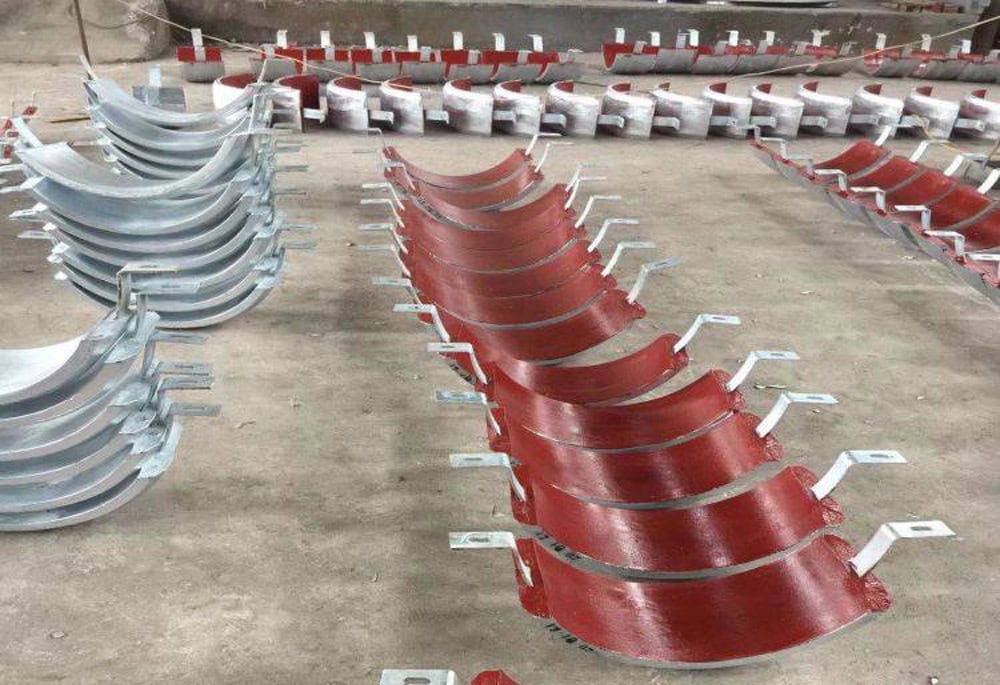
Clamp-on Anode
Features a built-in stainless steel clamp structure, eliminating the need for welding and allowing for on-site installation. Suitable for cathodic protection upgrades and reinforcement of existing facilities without damaging the original steel structure coating.
Marine Aluminum Sacrificial Anode Alloy System
Wstitanium has developed 6 core marine-specific aluminum alloy anode systems based on authoritative standards such as GB/T 4948-2025, EN 12496:2013, DNV-RP-B401, and ISO 9351. The formulations are optimized for different marine operating conditions, and all alloy systems have passed third-party electrochemical performance testing. Key indicators such as current efficiency and electrochemical capacity exceed standard requirements.
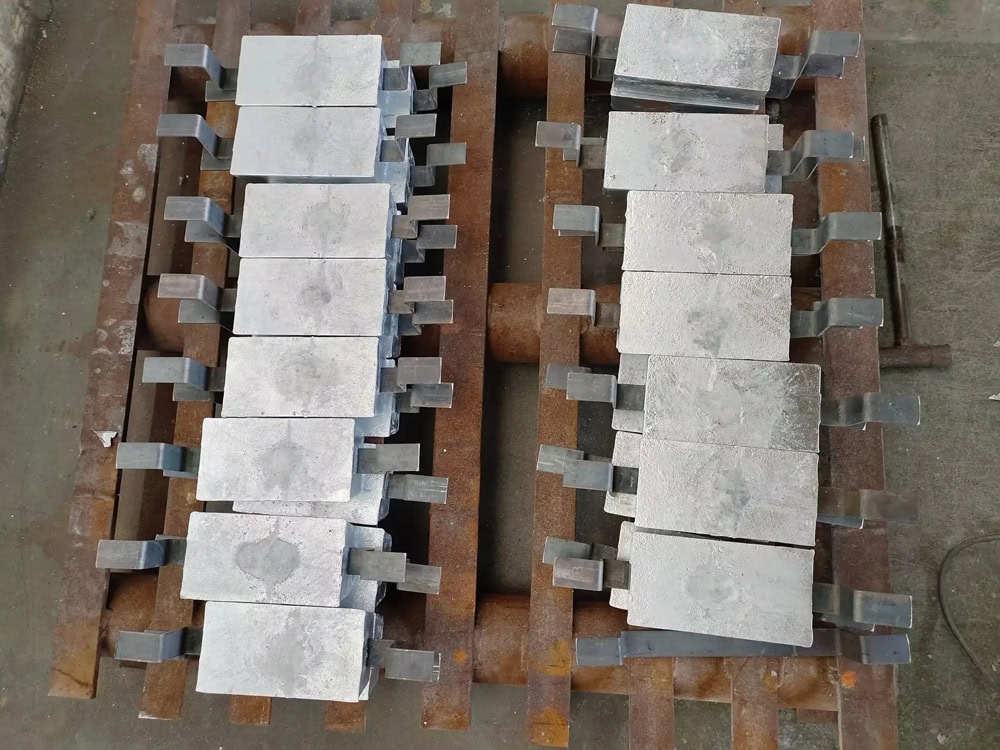
Al-Zn-In
Al–Zn–In is one of the most popular aluminum anode systems in marine cathodic protection. It follows the elemental composition of the US Navy MIL-DTL-24779D: Zn 4.0–6.5%, In 0.014–0.020%, Si 0.08–0.20% (with strict control over impurities such as Fe and Cu).
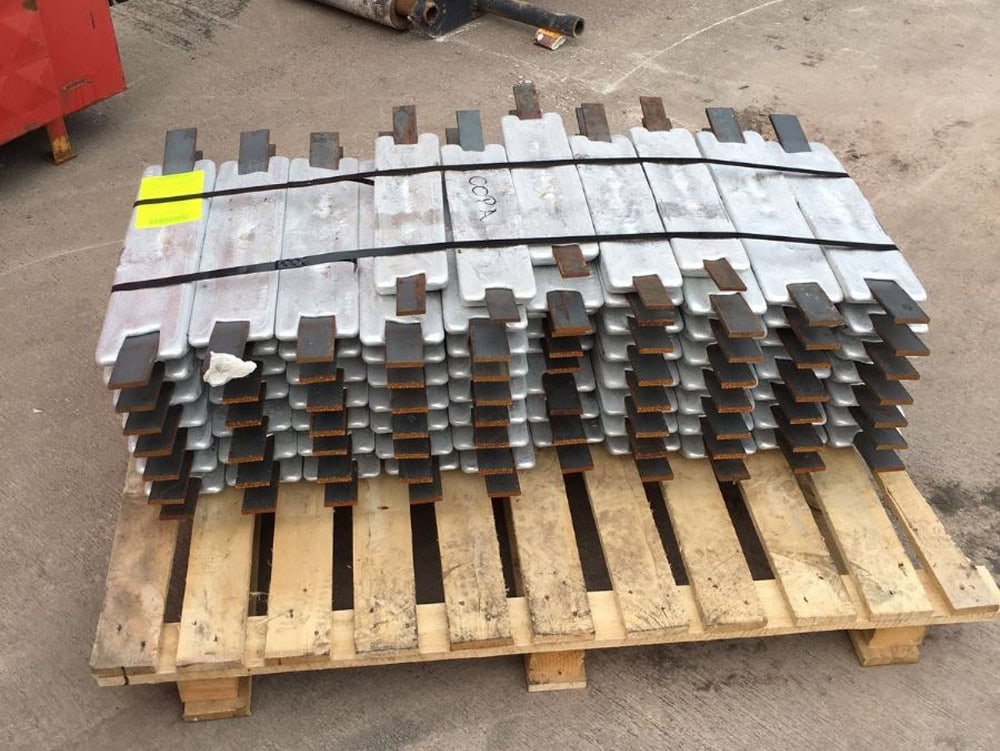
Al-Zn-In-Sn
Wstitanium conforms to the DNV-RP-B401 standard: Zn: 3.0%~5.0% | In: 0.02%~0.05% | Sn: 0.05%~0.15% | Fe: ≤0.10% | Si: ≤0.12% | Al: balance. Suitable for deep-sea environments up to 1000m deep, characterized by low temperature, high pressure, and low oxygen.
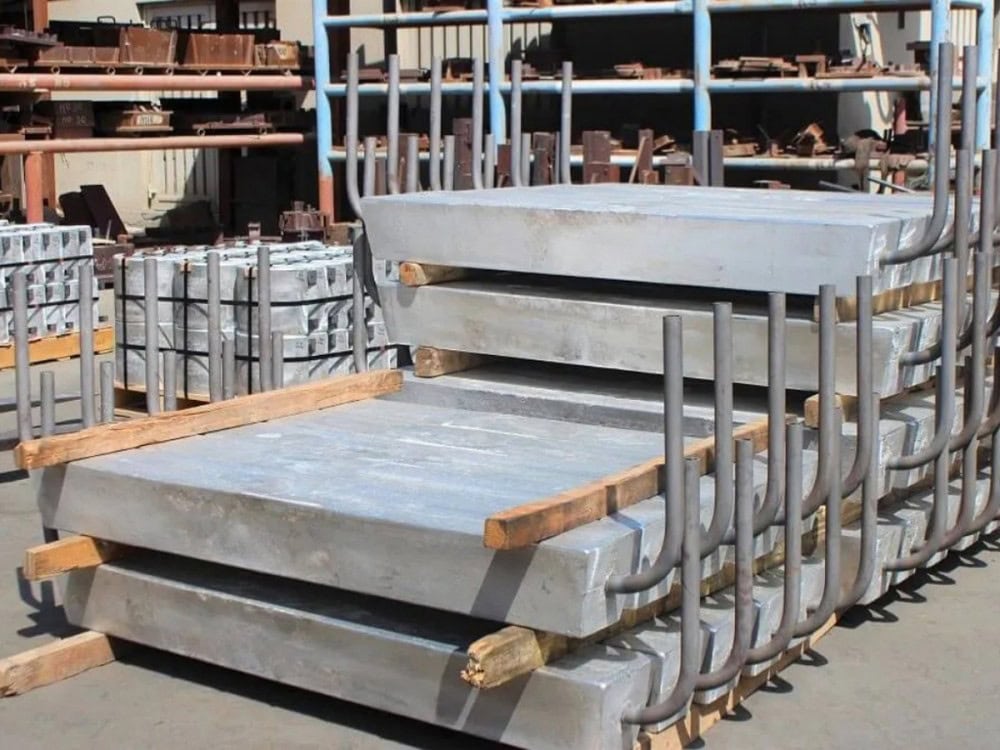
Al-Zn-In-Mg-Ti
For use in marine mud/brackish water environments. Mg and Ti influence the microstructure of the anode (e.g., grains, precipitates, grain boundary enrichment), improving “high capacity + stable discharge + more controllable dissolution morphology”.
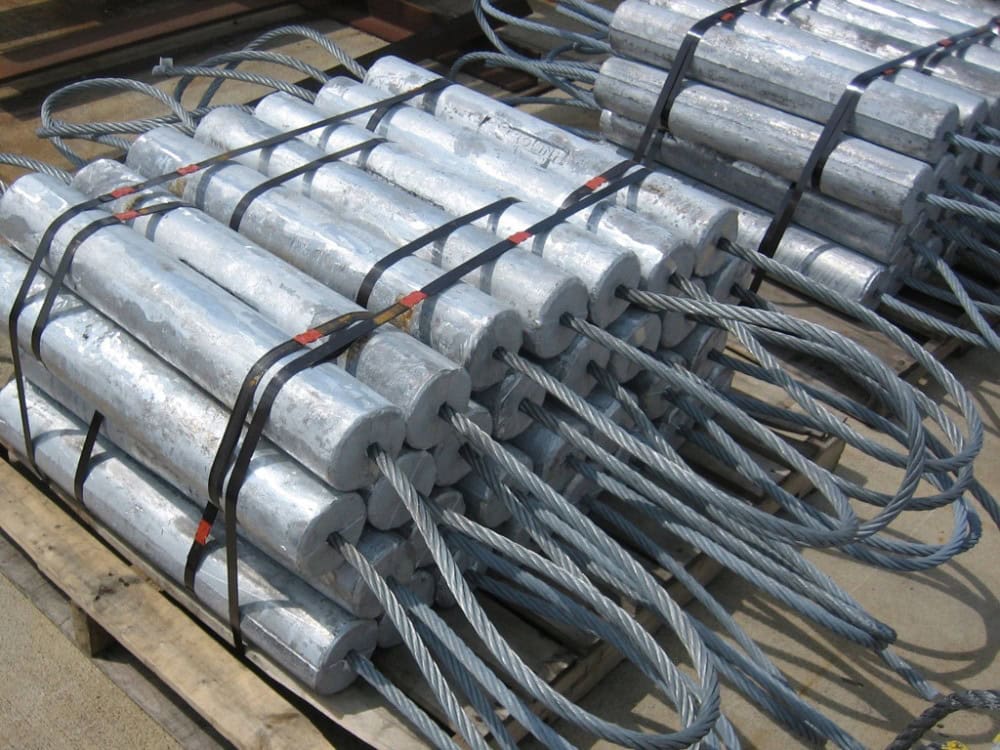
Al–Zn–In–Si
Wstitanium recommends an optimal formulation of Al-5.5%Zn-0.02%In-0.11%Si. This formulation exhibits excellent electrochemical stability. Si significantly mitigates the negative impact of Fe impurities on current efficiency. It complies with EU REACH regulations.
Al–Zn–Ga
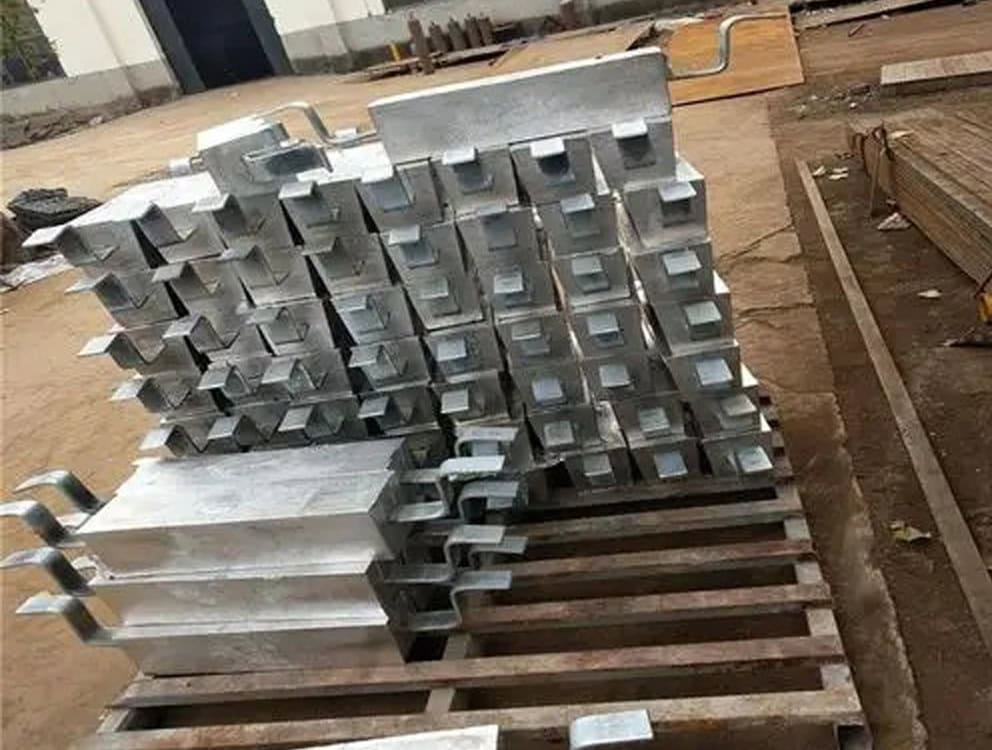
Wstitanium recommends the following composition for cathodic protection of conventional steel structures: Zn 2.0%–5.0%, Ga 0.05%–0.20%, with the balance being Al. For high-strength steel, the optimal formulation is Al-0.25Zn-0.05Ga.
Al–Zn–In–Sn–Mg
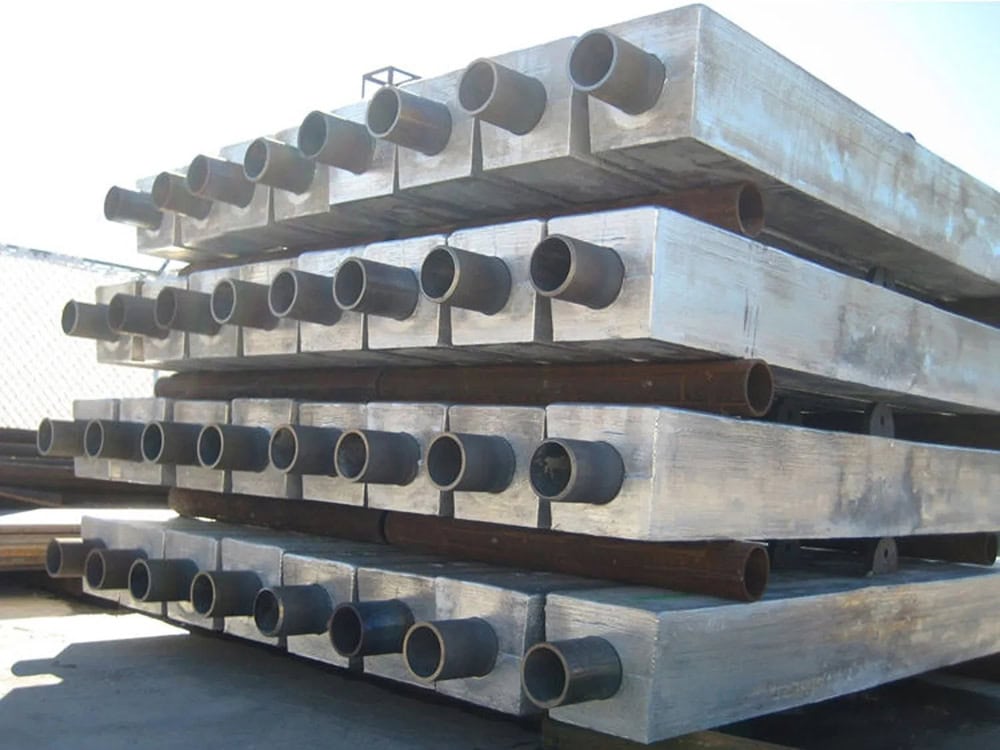
Al–Zn–In–Sn–Mg anodes are developed for extreme environments such as low temperature and low oxygen, high temperature and high pressure in deep oil and sea environments. Wstitanium recommends an alloy formulation of Al-5Zn-0.02In-0.1Sn-1Mg.
Marine Applications of Aluminum Sacrificial Anodes
Wstitanium marine-grade aluminum sacrificial anodes have been widely used in 12 core engineering scenarios. These applications cover all corrosion protection needs of marine steel structures. For each scenario, we offer tailored selection design, element optimization, customization, and technical support to perfectly solve the corrosion challenges of different applications.
For Steel Ship Hulls
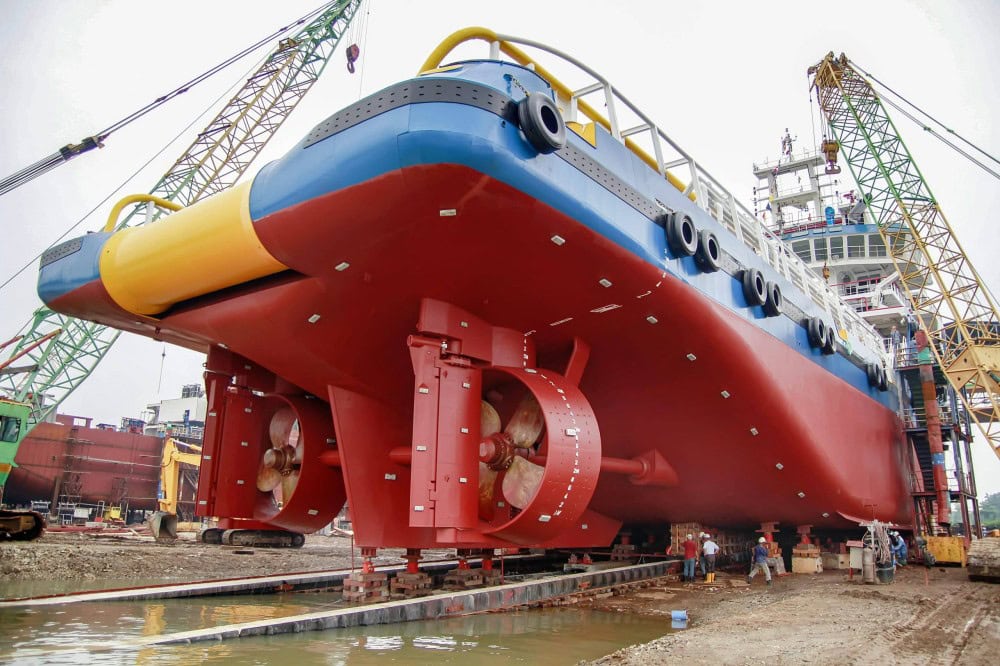
Steel ship hulls are one of the most classic and widely used applications of aluminum sacrificial anodes in marine environments. Over 90% of ocean-going merchant ships, engineering vessels, and naval vessels worldwide use aluminum sacrificial anodes as the core anti-corrosion method for their hulls.
For Offshore Platforms
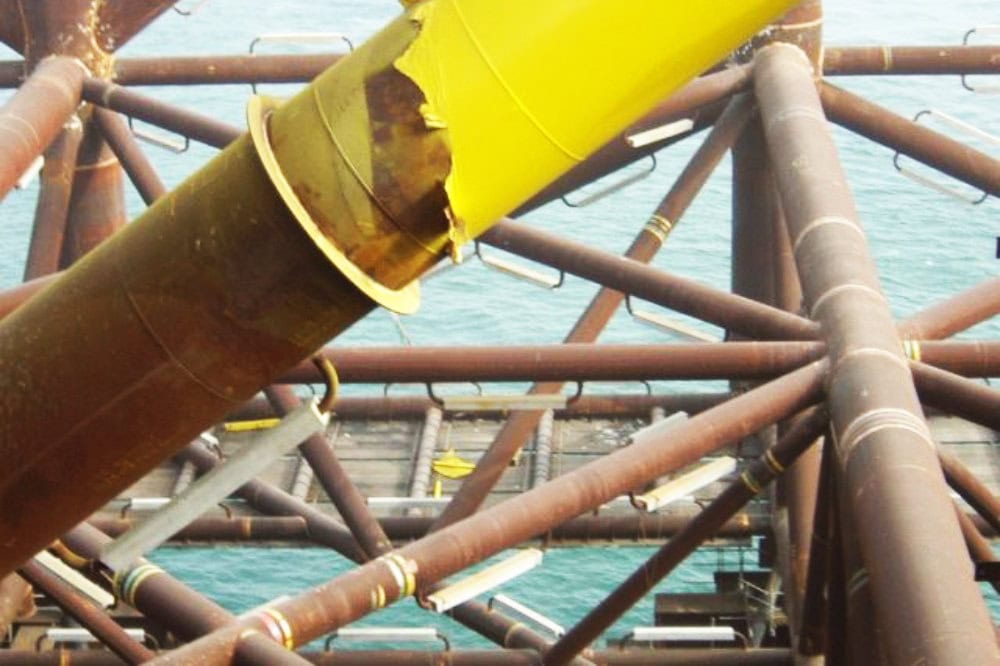
Offshore oil and gas platforms are constantly exposed to seawater, tidal zones, and submerged areas, facing high corrosion risks. Aluminum sacrificial anodes are evenly distributed along the jacket and legs, paired with bracelet-type anode protection risers. The design life is 20-30 years.
For Ships
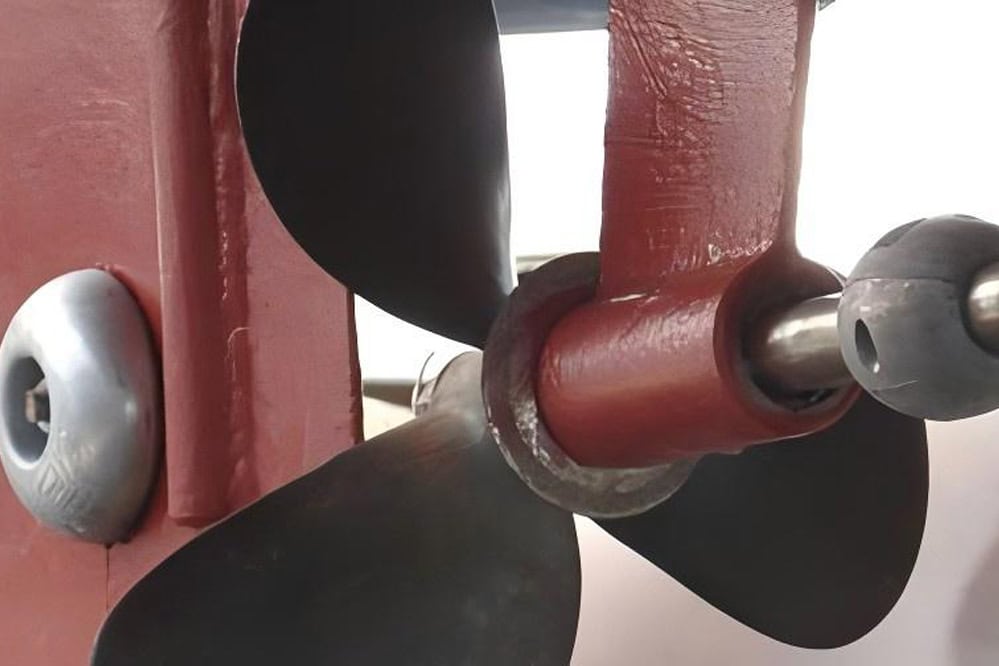
The hull utilizes plate-type, block-welded aluminum anodes. Propellers and rudders employ bolt-type anodes. Ballast tanks utilize plate-type, embedded anodes. The lightweight design does not increase the ship’s load, making it suitable for various merchant ships, fishing vessels, warships, and engineering vessels.
For Ports and Docks
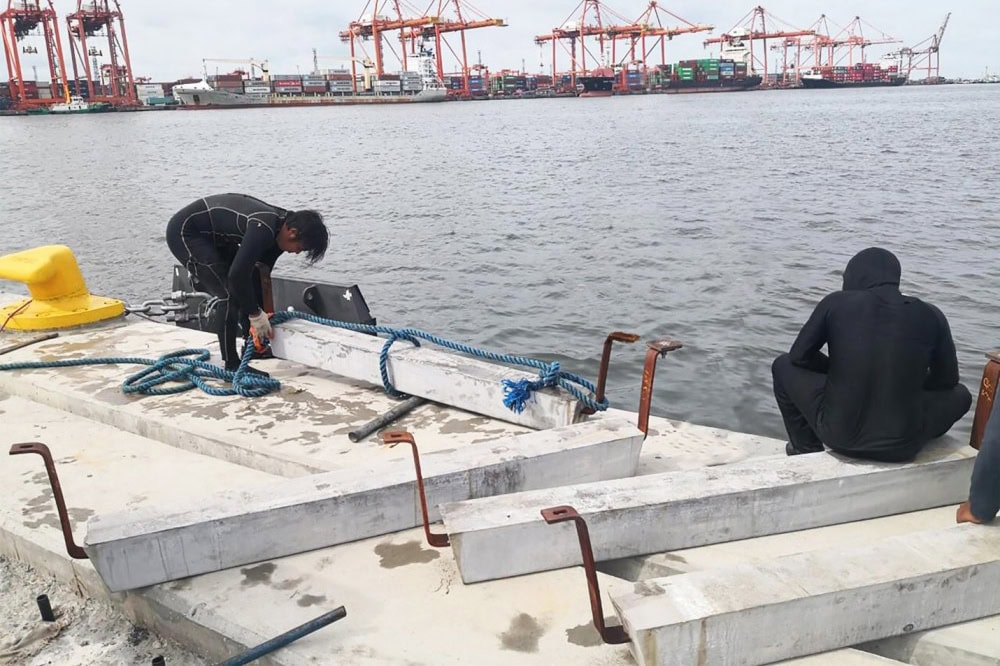
Pile-type, welded, and bracelet-type aluminum sacrificial anodes are arranged along the entire length of the steel piles. A high-activation alloy system is used in tidal zones. The annual corrosion rate can be controlled about 0.01mm.
For Cross-Sea Bridges
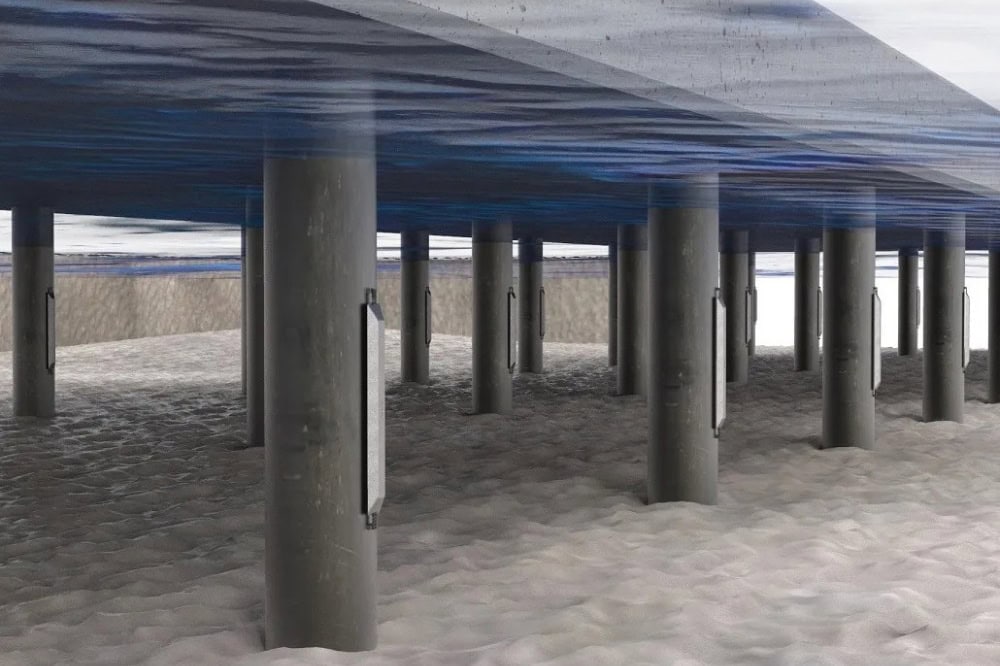
Pile-type, block-type, and welded aluminum sacrificial anodes are evenly arranged along the piers and pile foundations. Immersed tunnel sections use plate-type and embedded anodes. A long-life, high-stability alloy system is selected.
For Offshore Wind Power
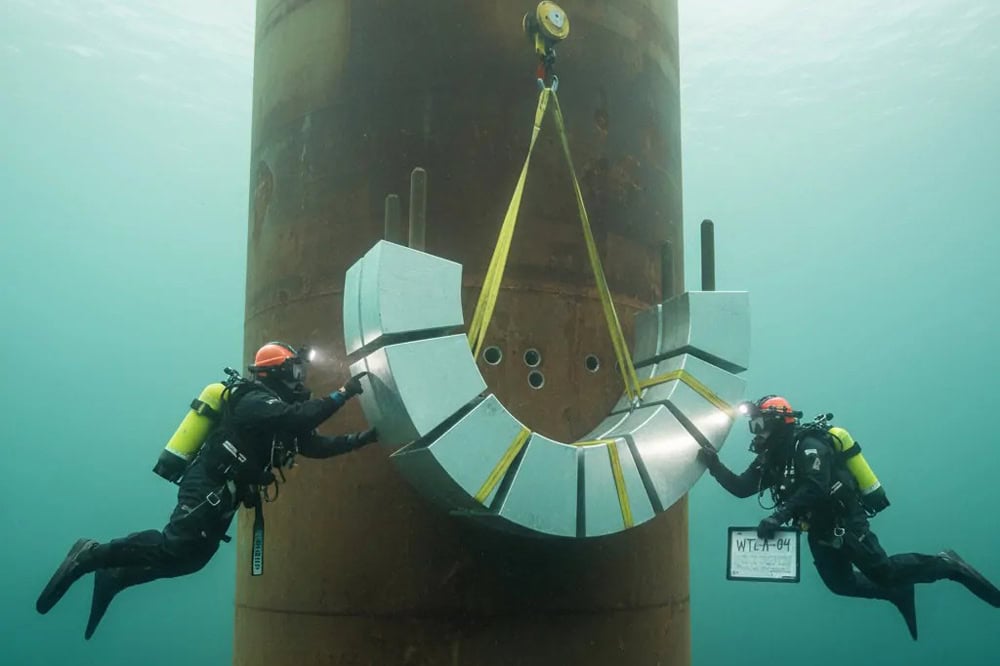
Offshore wind turbine monopiles and jackets are located in the tidal zone, splash zone, fully submerged zone, and submerged mud zone. Pile-type, bracelet-type, and welded aluminum sacrificial anodes are arranged along the entire length of the single pile and jacket.
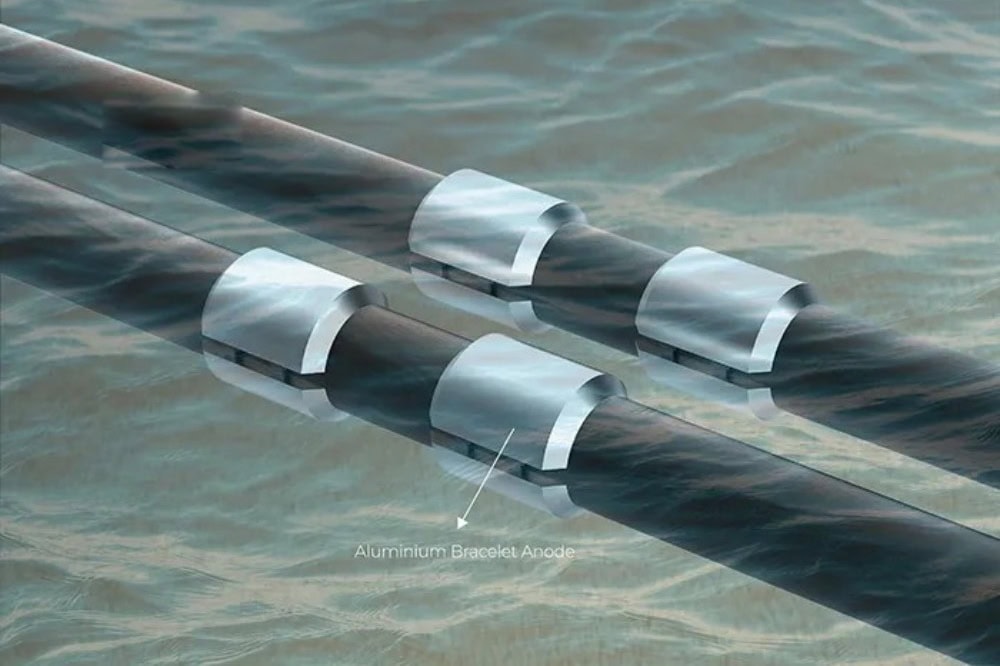
For Subsea Oil Pipelines
Subsea pipelines are constantly exposed to seawater and sea mud environments, facing the risk of corrosion and perforation. Bracelet-type and semi-circular aluminum sacrificial anodes are uniformly welded/clamped along the pipeline. Compliant with ISO 15589-2:2024 standard.
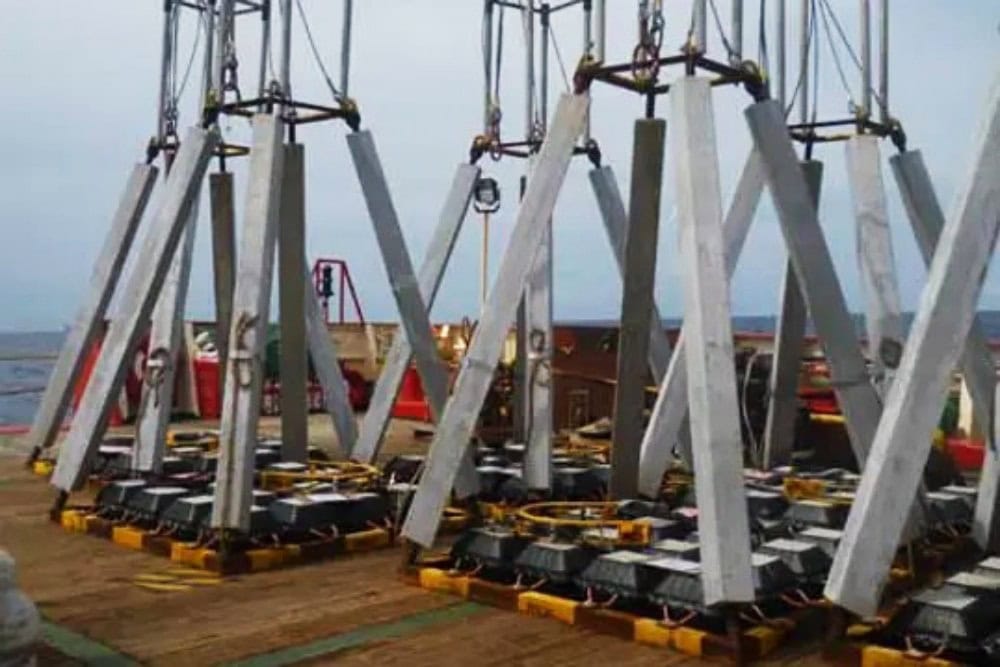
For Marine Buoys
Single-point mooring systems and marine buoys are constantly exposed to fully submerged zones and tidal zones. Block-shaped, bracelet-type, and sleeve-type aluminum sacrificial anodes are used. The float body uses welded anodes. The anchor chain uses sleeve-type anodes.
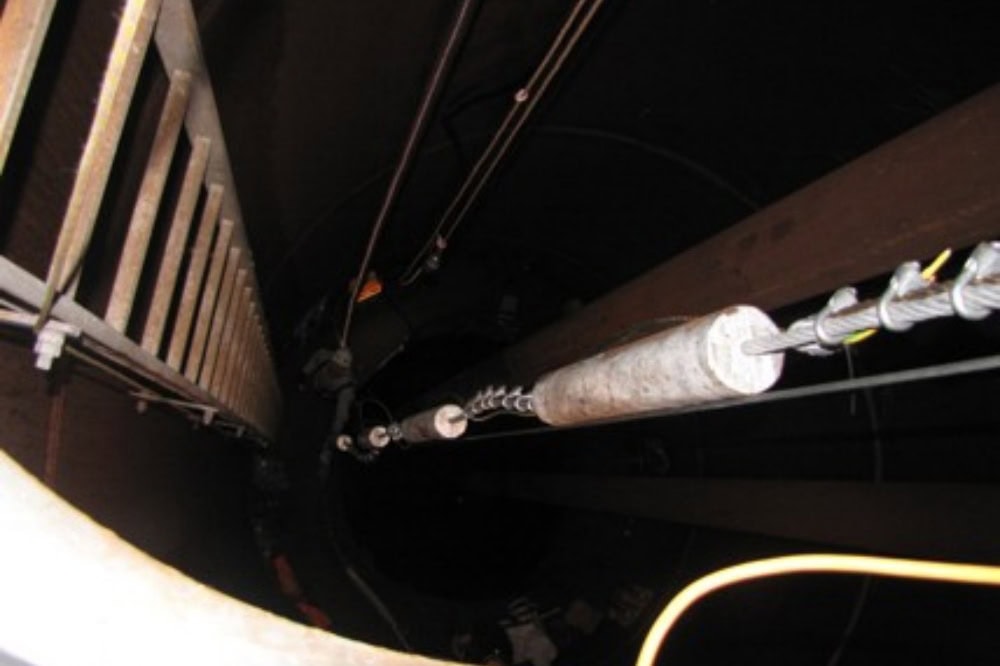
For Seawater Cooling Systems
Seawater cooling water systems in power plants and chemical plants are susceptible to chloride ion corrosion. Pipelines use rod-shaped or strip-shaped anodes. Heat exchangers use plate-type or disc-type anodes. Pump houses use block-shaped anodes.
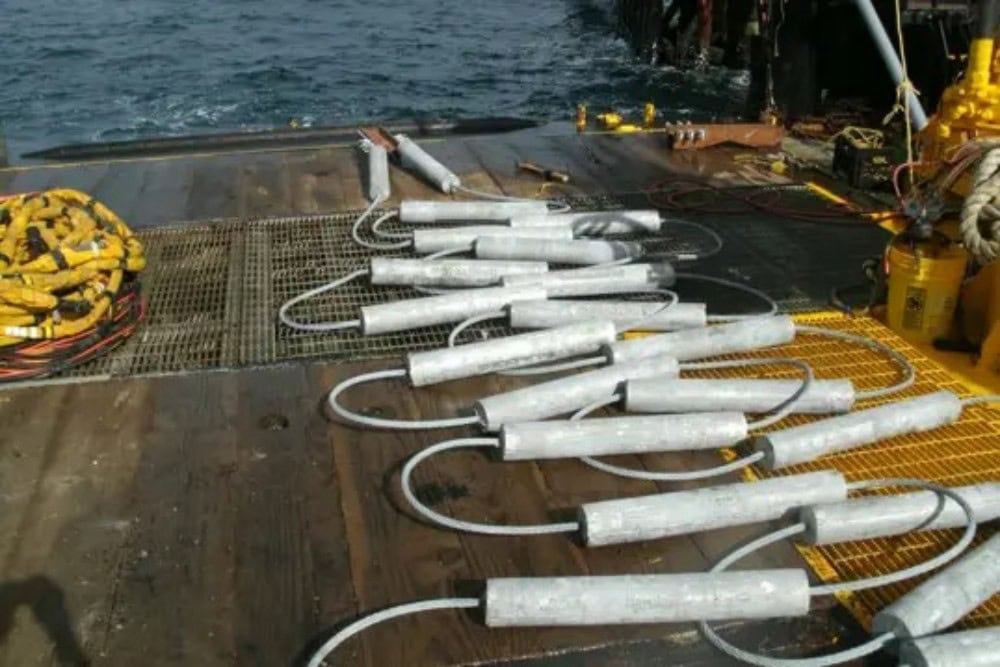
For Marine Ranching
Marine aquaculture cage steel frames use block-shaped and welded anodes. Floating platforms use plate-type and bolted anodes. Rare earth alloy aluminum anodes are environmentally friendly and non-toxic.
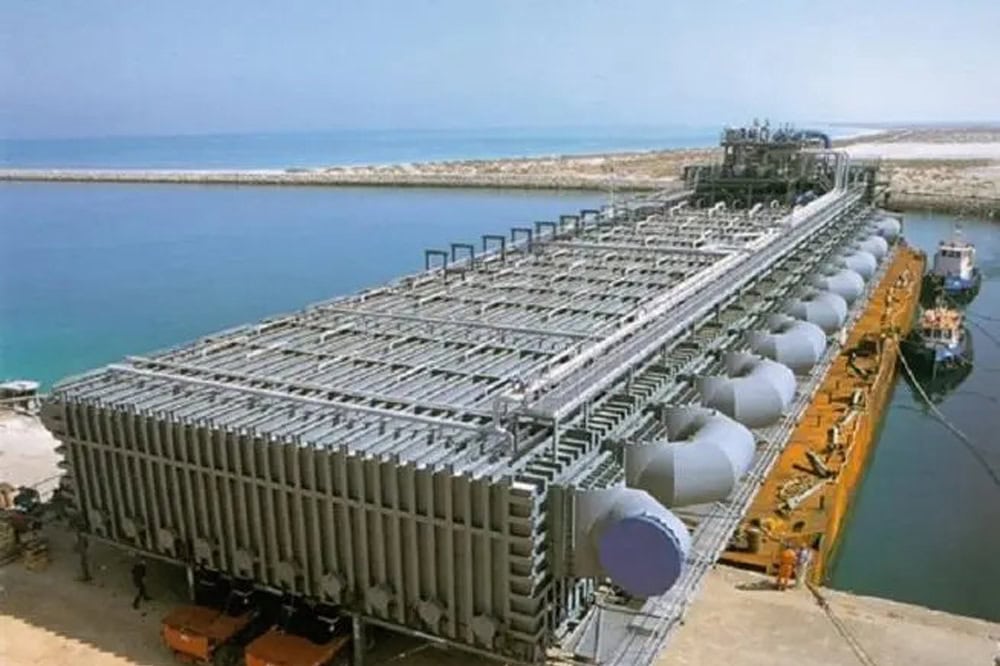
For Seawater Desalination
Cadmium-free, mercury-free rare-earth alloy aluminum anodes meet drinking water safety standards. Evaporators and condensers use rod-shaped and plate-type anodes. Water intake tunnels use block-shaped and pile-type anodes.
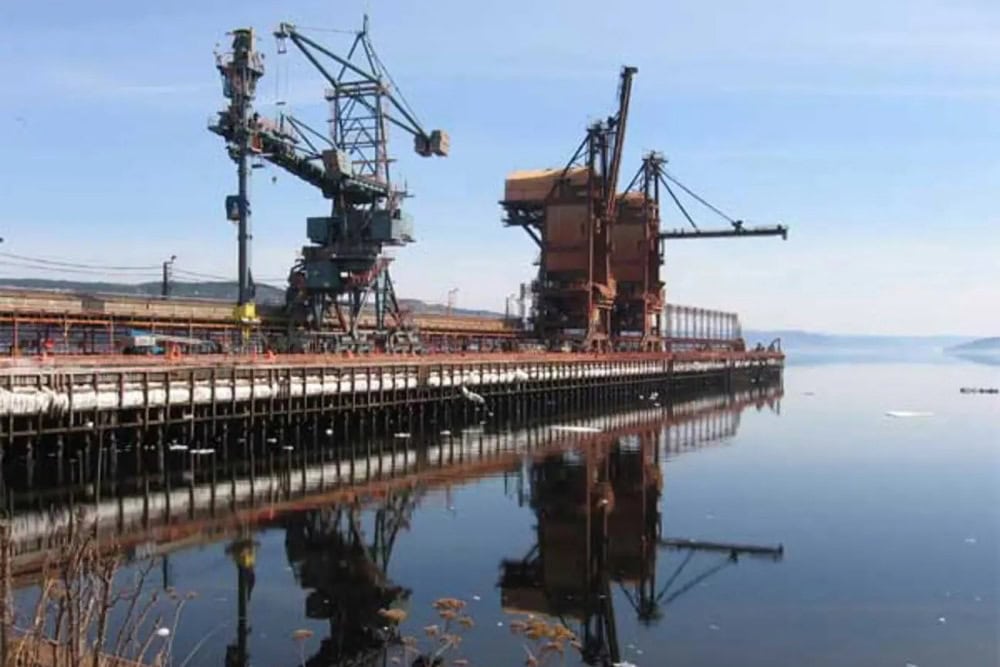
For Coastal Breakwaters
For steel sheet pile and steel pipe pile main structures, bracelet-type aluminum alloy anodes are preferred. For caisson steel embedded parts, fender steel bases, mooring bollards, etc., block-shaped and trapezoidal aluminum anodes are used.
Marine Aluminum Sacrificial Anode Standards
Wstitanium marine aluminum sacrificial anodes strictly adhere to mainstream global marine engineering cathodic protection standards. We provide corresponding standard compliance declarations, test reports, and certification documents. Our manufactured aluminum sacrificial anodes are suitable for the bidding, design, construction, and acceptance requirements of various marine engineering projects.
DNV-RP-B401
Det Norske Veritas (DNV) “Design Code for Cathodic Protection of Ships and Marine Steel Structures”. The most mainstream design and manufacturing standard for global marine engineering projects.
MIL-DTL-24779D
US Military Standard “Marine Aluminum Alloy Sacrificial Anodes”. It specifies the shape, dimensions, performance, and inspection requirements for aluminum anodes used in military vessels.
EN 12496:2013
EU Standard “Cast Sacrificial Anodes for Cathodic Protection in Seawater and Saltwater Slurries”, specifies the chemical composition and electrochemical performance requirements for aluminum, zinc, and magnesium sacrificial anodes.
ISO 15589-2:2024
International Organization for Standardization (ISO) “Oil and Gas Industry – Pipeline Cathodic Protection – Part 2: Offshore Pipelines”, the latest version of the standard for cathodic protection of subsea pipelines.
DNV-RP-F103
Det Norske Veritas (DNV) “Subsea Pipeline Cathodic Protection Specification,” the core design and manufacturing standard for bracelet-type aluminum anodes for subsea pipelines.
ISO 9351:2025
International Organization for Standardization, “Sacrificial Anodes for Cathodic Protection in Seawater and Saltwater Slurries,” a globally recognized standard for sacrificial anode products.
Standards for Al-Zn-In Anodes.
Al-Zn-In anodes are the most popular product in marine applications. Wstitanium manufactures Al-Zn-In anodes that meet the requirements of GALVALUM III, DNV-RP-B401-2011, and GS EP COR 201 standards.
GALVALUM III (Al-Zn-In-Si)
| Element | Content (%) |
|---|---|
| Zinc (Zn) | 2.000 ~ 6.000 |
| Indium (In) | 0.010 ~ 0.020 |
| Silicon (Si) | 0.080 ~ 0.200 |
| Iron (Fe) | 0.130 max. |
| Copper (Cu) | 0.006 max. |
| Cadmium (Cd) | — |
| Other Impurities | 0.100 max. |
| Aluminum (Al) | Remainder |
DNV-RP-B401-2011 (Al-Zn-In)
| Element | Content (%) |
|---|---|
| Zinc (Zn) | 2.500 ~ 5.750 |
| Indium (In) | 0.015 ~ 0.040 |
| Silicon (Si) | 0.120 max. |
| Iron (Fe) | 0.090 max. |
| Copper (Cu) | 0.003 max. |
| Cadmium (Cd) | 0.002 max. |
| Other Impurities | 0.100 max. |
| Aluminum (Al) | Remainder |
GS EP COR 201 (Al-Zn-In)
| Element | Content (%) |
|---|---|
| Zinc (Zn) | 4.750 ~ 5.750 |
| Indium (In) | 0.015 ~ 0.020 |
| Silicon (Si) | 0.060 ~ 0.120 |
| Iron (Fe) | 0.120 max. |
| Copper (Cu) | 0.003 max. |
| Cadmium (Cd) | 0.002 max. |
| Other Impurities | 0.100 max. |
| Aluminum (Al) | Remainder |
Wstitanium Manufacturing Capacity
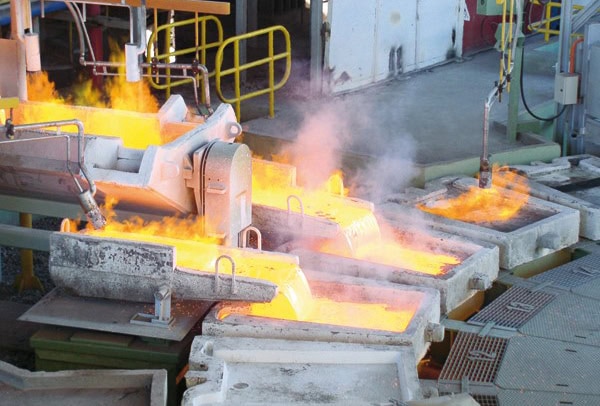
Wstitanium has invested in an in-house automated precision casting factory and standardized testing laboratory, enabling it to fully customize and manufacture marine-grade aluminum sacrificial anodes of all sizes and configurations. Whether standard products or custom-made products based on drawings, rapid delivery is possible (Leading Time = 15-25 days, depending on quantity and manufacturing complexity). Dimensional and weight tolerances strictly comply with EN 12496 and DNV-RP-B401 standards.
- Standard unit weight: 1kg~500kg
- Extra-large custom sizes: Maximum unit weight up to 2000kg
- Unit weight < 50kg, tolerance ±5%;
- Unit weight ≥ 50kg, tolerance ±3%
- Annual production capacity: 12,000 tons
- Custom anode leading time: 15~25 days
- Free Technical Support
- Free Installation Design
- Free Anode Usage Calculation
- Free Anode Lifetime Calculation
- Free Anode Selection and Design
- Free Alloy System Recommendation
| Custom Anode | Custom Dimensions | Maximum Customization Capability | Dimensional Tolerance |
|---|---|---|---|
| Bracelet Anode | Inner Diameter Φ20mm~Φ2000mm, Width 50mm~500mm, Thickness 30mm~200mm | Maximum Inner Diameter Φ3000mm | Inner Diameter Tolerance: Φ ≤300mm (0~+4mm), Φ >610mm (0~+1%), in compliance with EN 12496 Standard. |
| Block Anode | Length 100mm~2000mm, Width 50mm~1000mm, Thickness 30mm~300mm | Maximum Length 6000mm, Maximum Single Block Weight 2000kg | Length ±3% or ±25mm, Width ±5%, Thickness ±10%, in compliance with DNV. |
| Plate / Strip Anode | Length 200mm~3000mm, Width 100mm~1500mm, Thickness 10mm~80mm | Maximum Length 6000mm, Minimum Thickness 5mm | Length ±2%, Width ±3%, Thickness ±5%. |
| Bolt / Stud Anode | Diameter 50mm~300mm, Length 100mm~1000mm, Bolt Size M8~M36 | Maximum Bolt Size M64, Maximum Length 2000mm | Thread Accuracy 6g, in compliance with GB/T 196 Standard. |
| Welded Anode | Length 100mm~2000mm, Width 50mm~800mm, Thickness 30mm~300mm | Maximum Length 5000mm | Dimensional Tolerance of Welded Steel Core ±2mm. |
| Round Bar / Rod Anode | Diameter Φ10mm~Φ300mm, Length 300mm~6000mm | Maximum Diameter Φ500mm, Maximum Length 12000mm | Diameter Tolerance ±0.5mm, Length ±1%. |
| Pile / Long Strip Anode | Cross-section 100×100mm~800×800mm, Length 1000mm~10000mm | Maximum Cross-section 1200×1200mm, Maximum Length 15000mm | Cross-section Dimensional Tolerance ±3%, Length ±2%. |
| Disc Anode | Diameter 50mm~800mm, Thickness 10mm~100mm | Maximum Diameter 1500mm | Diameter Tolerance ±2%, Thickness ±5%. |
Electrochemical Performance
The electrochemical performance of Wstitanium’s marine aluminum sacrificial anodes is rigorously tested according to GB/T 17848-2025 “Test Methods for Electrochemical Performance of Sacrificial Anodes” and Appendix B of DNV-RP-B401. All data are supported by verification from authoritative third-party institutions, and complete test reports are provided. The following table shows the electrochemical performance of our marine aluminum sacrificial anodes (Al-Zn-In in standard seawater environment, 3.5% NaCl solution, 25℃).
| Performance | Standard (DNV/EN/GB) | Measured Value | Indicator Significance |
|---|---|---|---|
| Open Circuit Potential (OCP) | -0.85V ~ -1.10V (vs Ag/AgCl) | -1.05V ~ -1.10V (vs Ag/AgCl) | Reflects the activation state of the anode. A sufficiently negative potential is required to provide effective protection for steel structures. |
| Closed Circuit Potential (CCP) | ≤ -1.05V (vs Ag/AgCl) | -1.05V ~ -1.08V (vs Ag/AgCl) | The actual output potential of the anode during operation, which determines the driving voltage with the steel structure and ensures the stable output of the protection current. |
| Actual Electrochemical Capacity | ≥2500Ah/kg (DNV acceptance threshold) | ≥2600Ah/kg, high-performance type ≥2800Ah/kg | The total electric charge output per unit weight of the anode, which directly determines the service life of the anode; the higher the value, the longer the service life. |
| Current Efficiency | ≥85% (seawater environment) | General type ≥88%, high-performance type ≥92% | The ratio of the actual output charge to the theoretical charge of the anode, reflecting the anode's energy utilization rate; the higher the value, the less the waste. |
| Actual Consumption Rate | ≤3.8kg/(A·a) | 3.2~3.5kg/(A·a) | The consumption of the anode per year for outputting 1A current, which directly determines the design dosage and service life of the anode; the lower the value, the less the dosage. |
| Driving Voltage | ≥0.20V | 0.20V ~ 0.25V | The potential difference between the anode and the steel structure, which is the driving force for the flow of the protection current and ensures that the current can be transmitted to the remote steel structure. |
| Dissolution Uniformity | No local pitting or spalling | No pitting, no spalling | The uniformity of anode dissolution, which determines whether the anode can stably output current throughout its entire life cycle and avoids premature failure. |
FAQ
A: Aluminum sacrificial anodes are the preferred choice for marine environments. The theoretical electrochemical capacity of aluminum anodes is 3.6 times that of zinc anodes. They also provide higher output power per unit weight. For the same design life, aluminum anodes require only 1/3 the amount of zinc anodes. Furthermore, aluminum anodes have only 1/3 the density of zinc anodes, making installation easier and suitable for all marine environments, including deep sea, high temperature, and brackish water. Zinc anodes are only suitable for shallow sea, small-scale, and low-resistivity environments. Major global marine engineering standards such as DNV-RP-B401 recommend aluminum anodes as the preferred material for cathodic protection in marine environments.
A: Yes, they can. Ordinary aluminum anodes are prone to passivation in marine mud/saline slurry environments due to their high resistivity and low dissolved oxygen, leading to a significant decrease in current efficiency. WSTITANIUM has specifically developed an Al-Zn-In-Mg-Ti pentaceous alloy system for marine mud/brackish water environments. Mg and Ti elements enhance activation performance, achieving a current efficiency ≥75% in marine mud/saline slurry environments. Electrochemical capacity ≥1800Ah/kg, providing stable output protection current. It is fully suitable for scenarios such as submerged sections of subsea pipelines and submerged areas of wharf steel piles. It meets the requirements of ISO 9351:2020 sacrificial anode standard for marine mud.
A: The design life of aluminum sacrificial anodes can be calculated using the industry-standard formula: Design Life (Years) = Net Anode Mass (kg) × Actual Electrochemical Capacity (Ah/kg) × Current Efficiency / (Protective Current (A) × 8760h/Year).
Where the protective current is calculated, it needs to be based on the surface area of the steel structure, coating damage rate, and current density in the seawater environment. The actual electrochemical capacity needs to be determined based on the anode’s alloy system and operating environment. WSTITANIUM’s professional engineering team can provide you with accurate life calculations, usage calculations, and selection design free of charge, ensuring that the anode’s lifespan perfectly matches project requirements.
A: Aluminum sacrificial anodes used in marine environments do not require packing material. Packing material is only suitable for sacrificial anodes in soil environments. Its function is to reduce the contact resistance between the anode and the soil and activate the anode surface. Seawater itself is an electrolyte with excellent conductivity, and the aluminum anode can maintain a stable activated state simply by being in direct contact with seawater. Only in marine mud environments, in some special scenarios, can special packing materials be used according to design requirements.
A: Ordinary aluminum anodes are prone to passivation in the low-temperature, high-pressure, and low-dissolved-oxygen environments of the deep sea. Current efficiency will decrease significantly, with a degradation rate exceeding 30%. WSTITANIUM’s deep-sea-specific Al-Zn-In-Sn quaternary alloy system, with Sn element optimizing anode activation performance, achieves a current efficiency ≥82%, electrochemical capacity ≥2400Ah/kg in a 1000m deep-sea simulated environment, with a performance degradation rate controlled within 18%. It meets DNV-RP-B401 deep-sea operating condition requirements.
A: Yes. WSTITANIUM marine-grade aluminum sacrificial anodes are manufactured strictly according to DNV-RP-B401 standards. This includes: chemical elements, electrochemical performance, dimensional tolerances, and inspection requirements all fully complying with DNV specifications. We provide type test reports and batch test reports issued by DNV-accredited third-party laboratories. We also cooperate with major global classification societies such as DNV, CCS, and BV for product inspection. We issue product inspection certificates recognized by these classification societies.
A: There are four main installation methods for marine-grade aluminum sacrificial anodes: 1. Welding: Directly welding the anode steel core/base plate to the steel structure surface, resulting in high bonding strength and suitability for fixed facilities; 2. Bolts: Fixing the anode to the steel structure using pre-embedded bolts, allowing for disassembly and replacement, suitable for parts requiring maintenance; 3. Clamping/Modifier: Fixing the anode to pipes or steel piles using stainless steel clamps, eliminating the need for welding, suitable for maintenance of existing facilities; 4. Embedded: Embedding the anode into a pre-reserved groove in the steel structure, suitable for scenarios with limited space or requiring a flat surface.
Key precautions for on-site installation: Before installation, remove rust, oil, and coatings from the steel structure surface to ensure good conductivity. Maintain good electrical continuity between the anode and the steel structure; insulation is strictly prohibited. Avoid high-temperature welding that could damage the anode substrate during installation. After installation, check that the anode is not loose or damaged to ensure effective protection.
A: Yes. WSTITANIUM has professional customized manufacturing capabilities and can fully customize and produce aluminum sacrificial anodes of all shapes and sizes according to customer-provided drawings, parameters, and operating conditions. This includes products with irregular structures, special sizes, and special alloy systems. We do not have a mandatory minimum order quantity. Whether it’s a single sample, small-batch customization, or large-scale project supply, we can undertake it and do our best to meet all kinds of customer needs.
A: Aluminum anodes containing mercury or cadmium can cause some pollution to the marine environment. WSTITANIUM’s environmentally friendly cadmium-free and mercury-free Al-Zn-In-RE rare earth alloy system does not contain toxic and harmful heavy metals such as mercury, cadmium, and lead. Its corrosion products are non-toxic and harmless aluminum hydroxide, which does not pollute the marine environment, does not affect the safety of aquaculture, and complies with EU RoHS standards and marine aquaculture environmental protection requirements. They are widely used in marine ranches, aquaculture cages, and aquaculture vessels, and are safely used in marine aquaculture environments.
A: Passivation of aluminum sacrificial anodes refers to the formation of a dense oxide film on the anode surface, leading to decreased activation performance, a positive potential shift, and an inability to output effective protective current. There are three main reasons: 1. The alloy composition does not meet standards, with insufficient content of activating elements such as In and Zn. 2. The operating environment is unsuitable; ordinary aluminum anodes are prone to passivation in low-salt brackish water and deep-sea low-oxygen environments. 3. The anode surface has oil, coatings, or insulation, preventing effective contact with seawater.
Solutions: 1. Choose aluminum anodes manufactured by reputable manufacturers that meet standards, ensuring the alloy composition is up to standard. 2. Select a suitable alloy system based on the operating environment; choose a dedicated activation alloy for low-salt/deep-sea/marine mud environments. 3. Remove oil and protective films from the anode surface before installation to ensure full contact between the anode and seawater. 4. For anodes that have been passivated, the passivation film on the surface can be removed by grinding, or a special anode suitable for the operating conditions can be replaced.