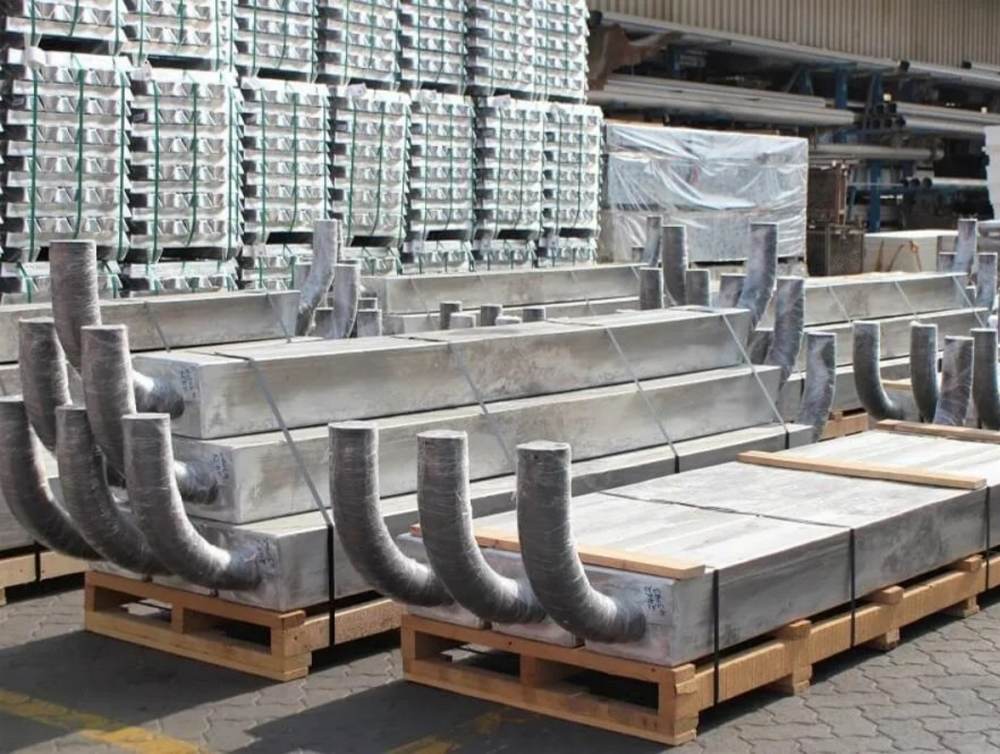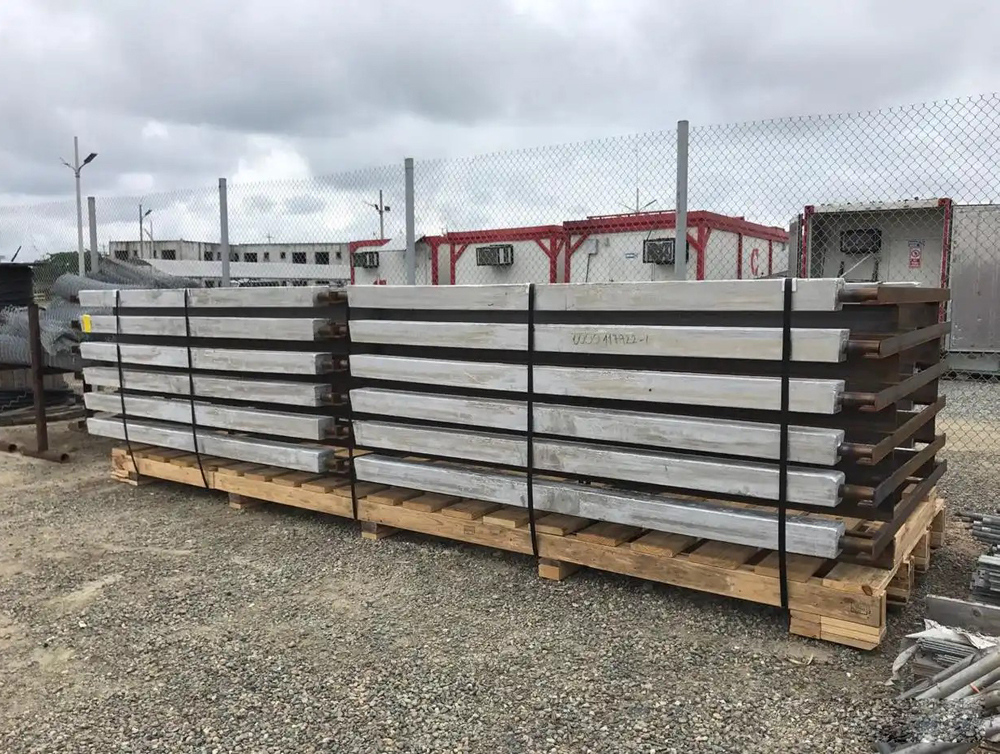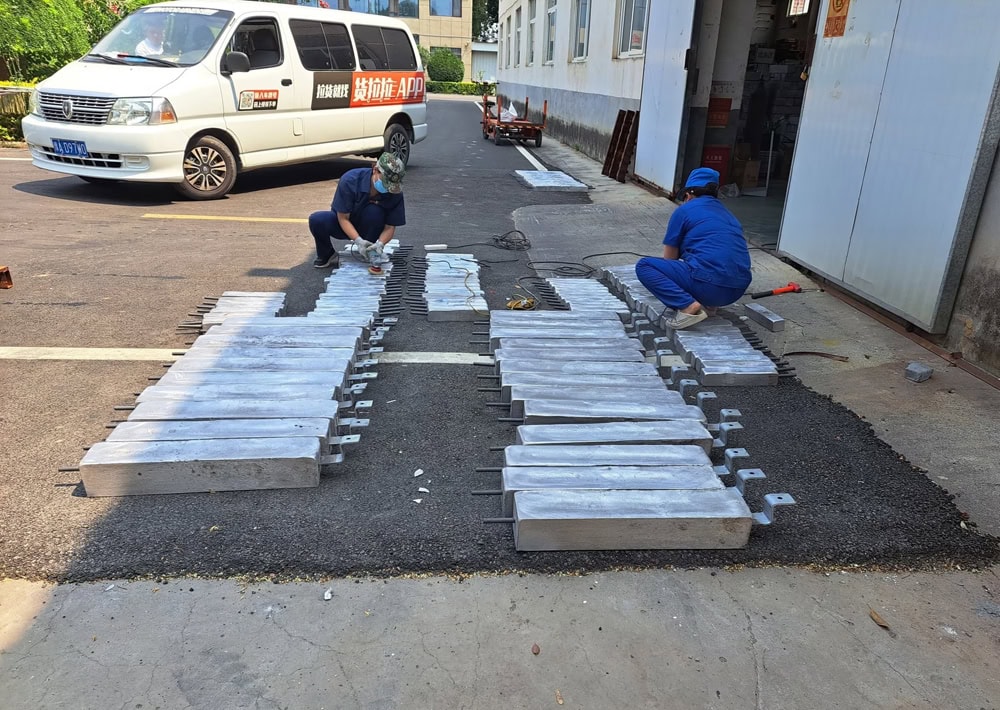

Custom Manufacturing Aluminum Sacrificial Anodes For Boats
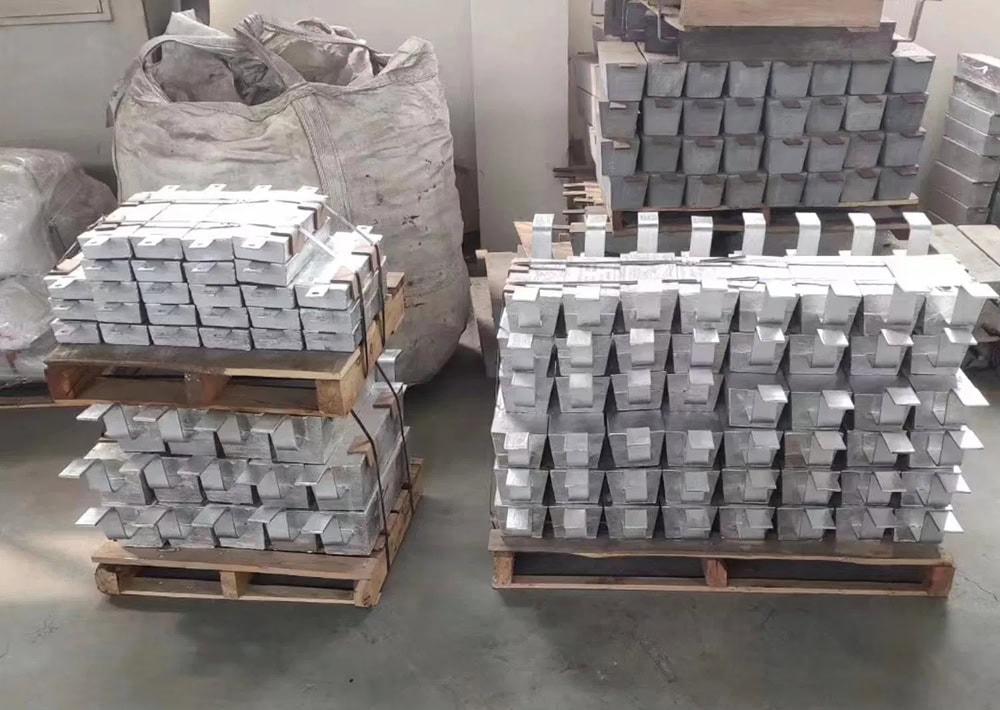
Wstitanium manufactures aluminum sacrificial anodes for boats: available in bracelet, plate, and block forms, suitable for hulls, stern drives, rudders, shafts, propellers, and other components. Custom manufacturing is supported. Compliant with EN 12496, DNV-RP-B401, and MIL-DTL-24779 standards, and provides quality inspection reports.
Why "aluminum sacrificial anode"?
Boats, yachts, speedboats, and other vessels are constantly immersed in electrolyte environments (seawater, brackish water, etc.). The potential difference and electrochemical reactions between metallic materials can lead to corrosion. Cathodic protection (CP), such as aluminum sacrificial anodes, is typically used as a supplement to coatings to protect the hull surface and submerged components.
Aluminum anodes have an actual current capacity of 2400~2980 Ah/kg, which is three times that of zinc anodes (~820 Ah/kg) and twice that of magnesium anodes. Their density is only 2.7 g/cm³, one-third that of zinc anodes. They are stably activated in seawater and brackish water areas with salinity of 10‰~35‰, with no risk of passivation. The protective life of aluminum anodes is 2.5~3 times that of zinc anodes. The corrosion product is aluminum hydroxide, which is non-toxic and non-polluting, meeting IMO environmental protection requirements for ships.
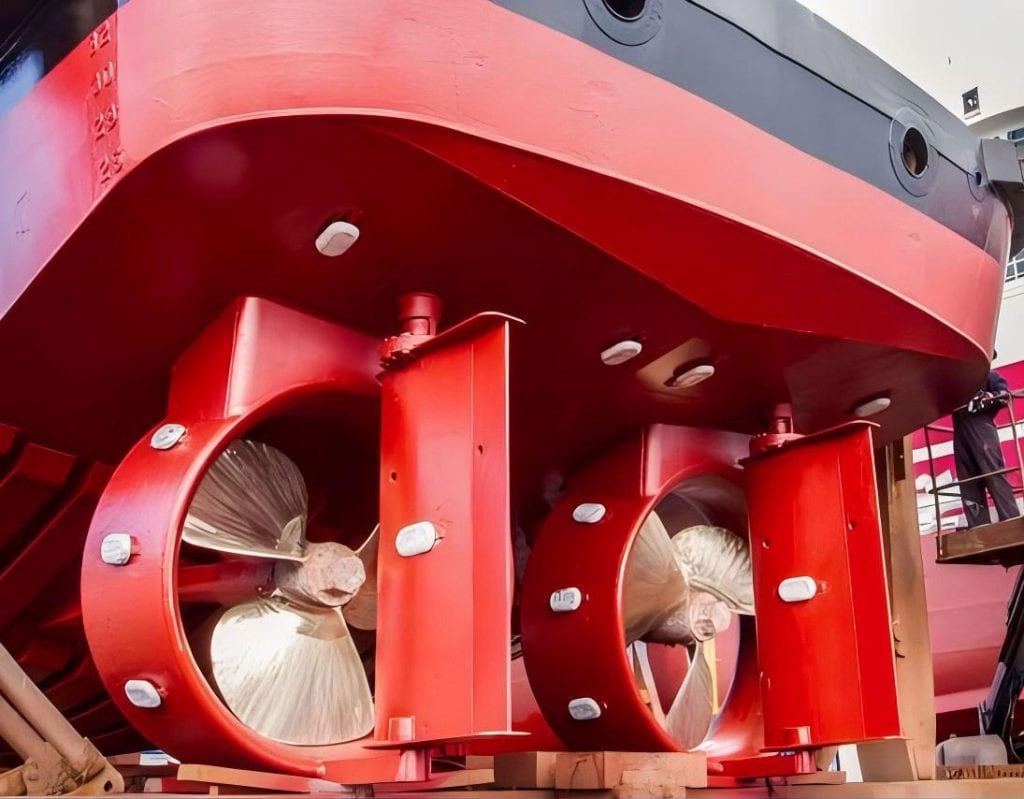
Wstitanium aluminum sacrificial anodes for Boats
Wstitanium manufactures a full range of aluminum anodes, including bracelets, blocks, plates, rods, discs, and flowing anodes. These are suitable for all types of vessels, including fiberglass yachts, steel fishing boats, high-speed service boats, outboard motorboats, stern-drive yachts, engineering vessels, and workboats.
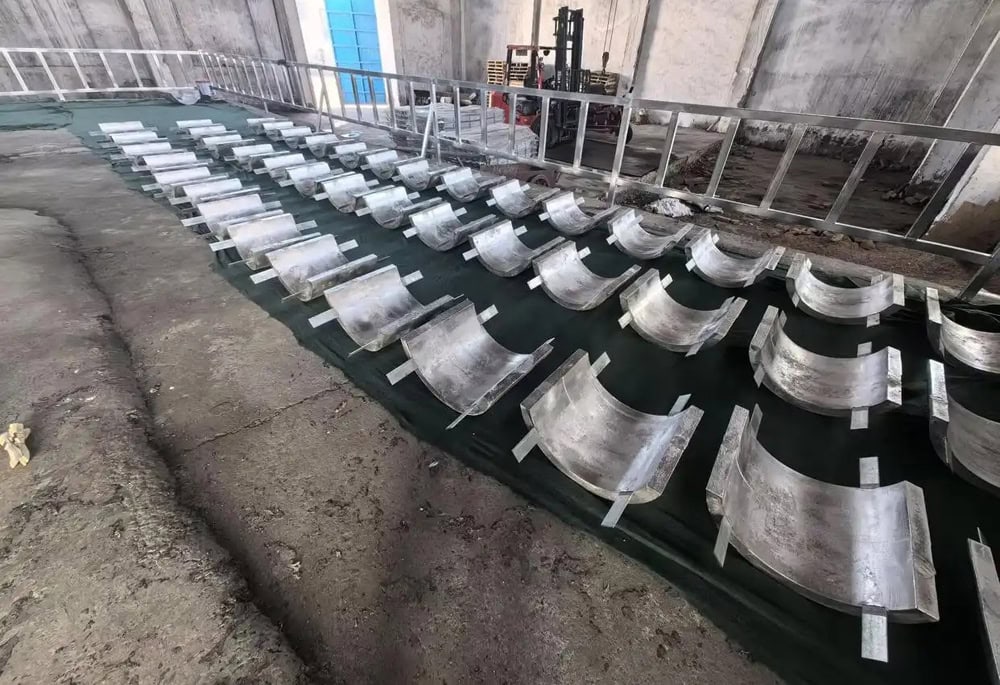
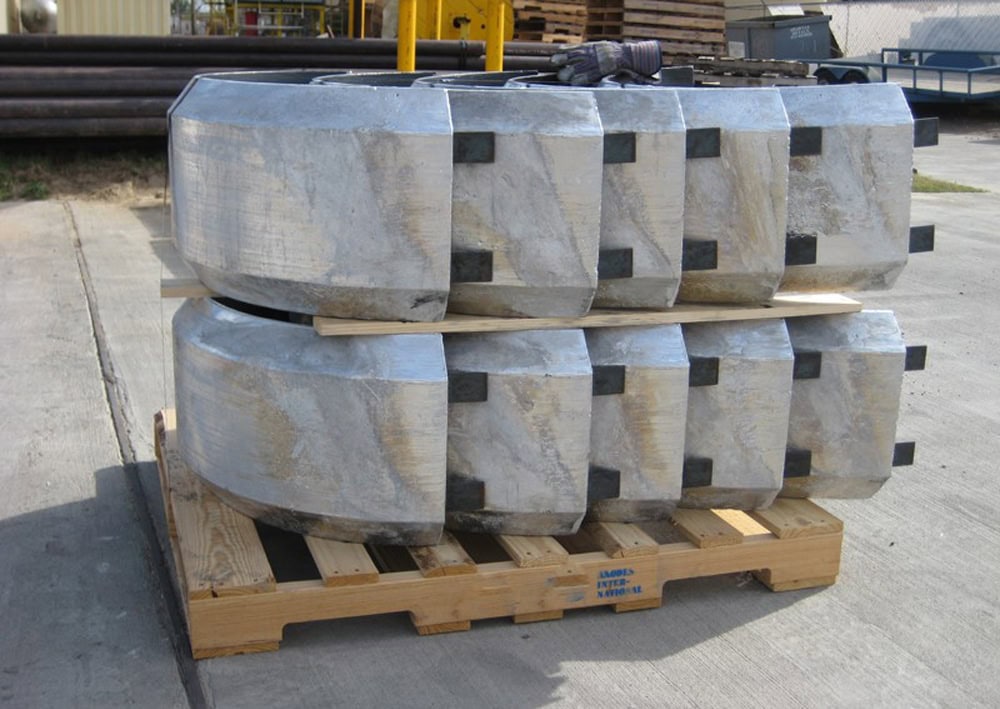
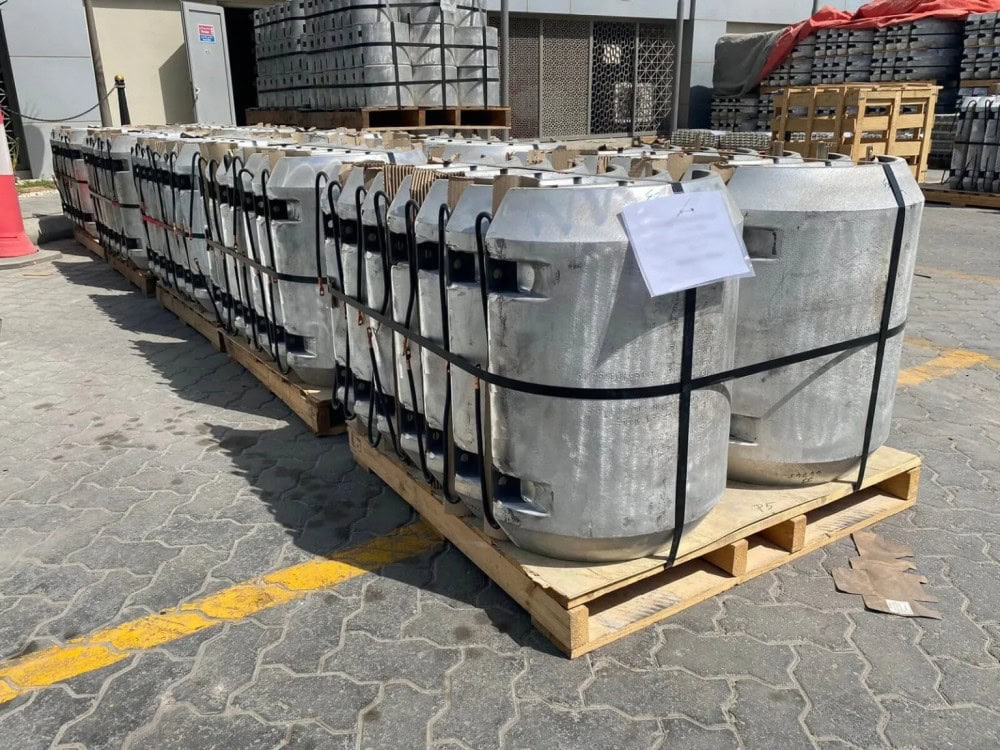
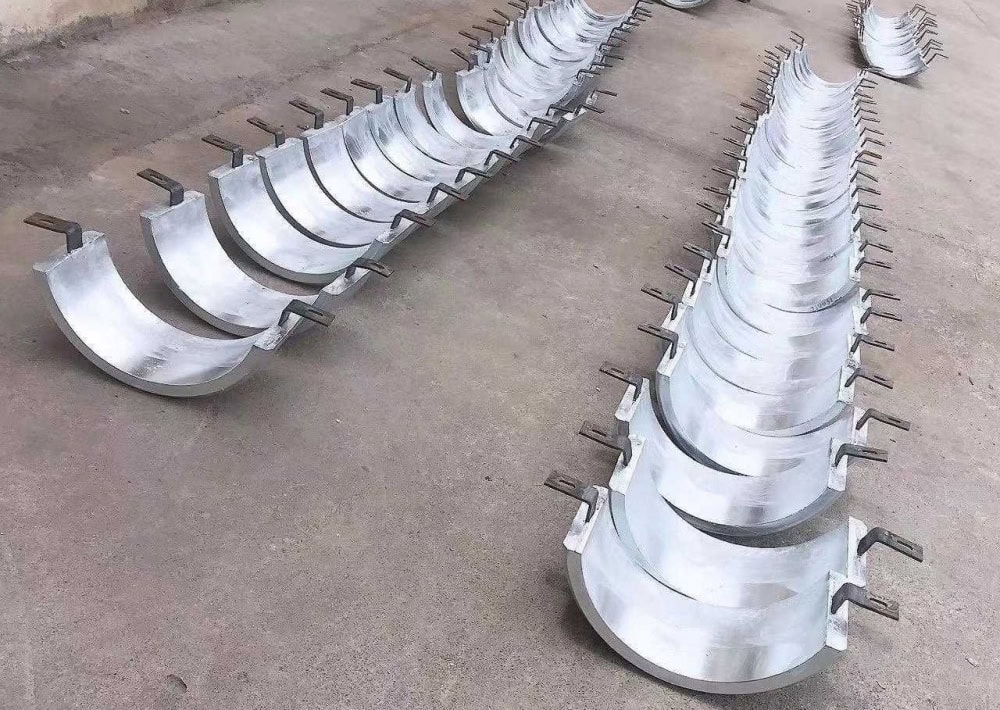
Bracelet Aluminum Anode
Bracelet-type aluminum sacrificial anodes are the most popular product for boat shafting systems, available in two main structures: Half-shell and Segmented.
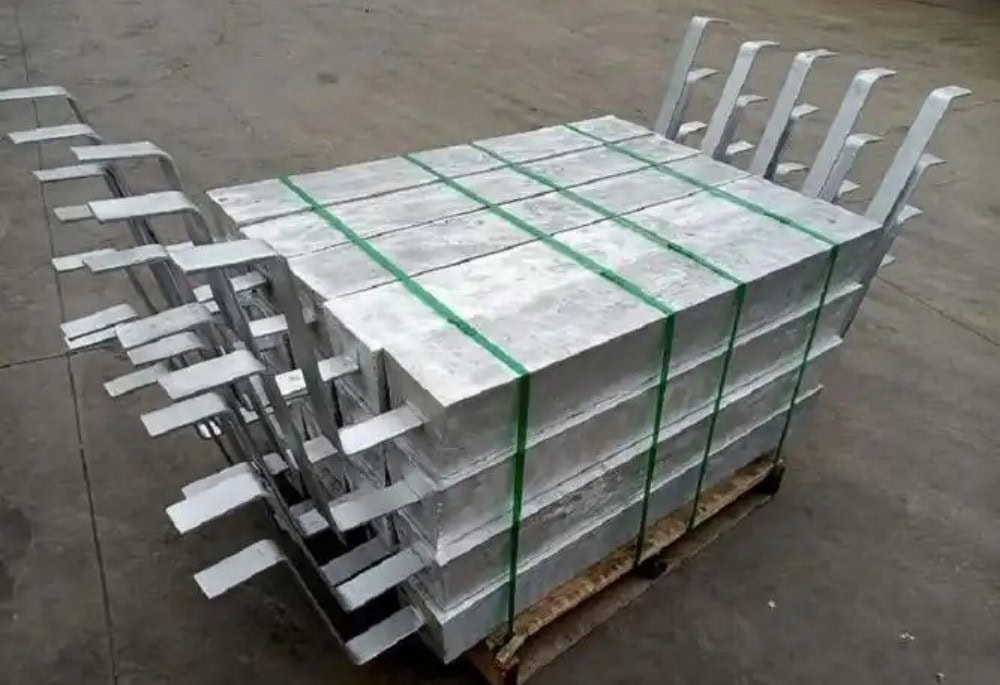
Block Aluminum Anode
The main body is a solid cast rectangular or cubic shape. It has an internally embedded Q235 or A36 carbon steel core or stainless steel bolt base. Welding and bolt fixing are supported.
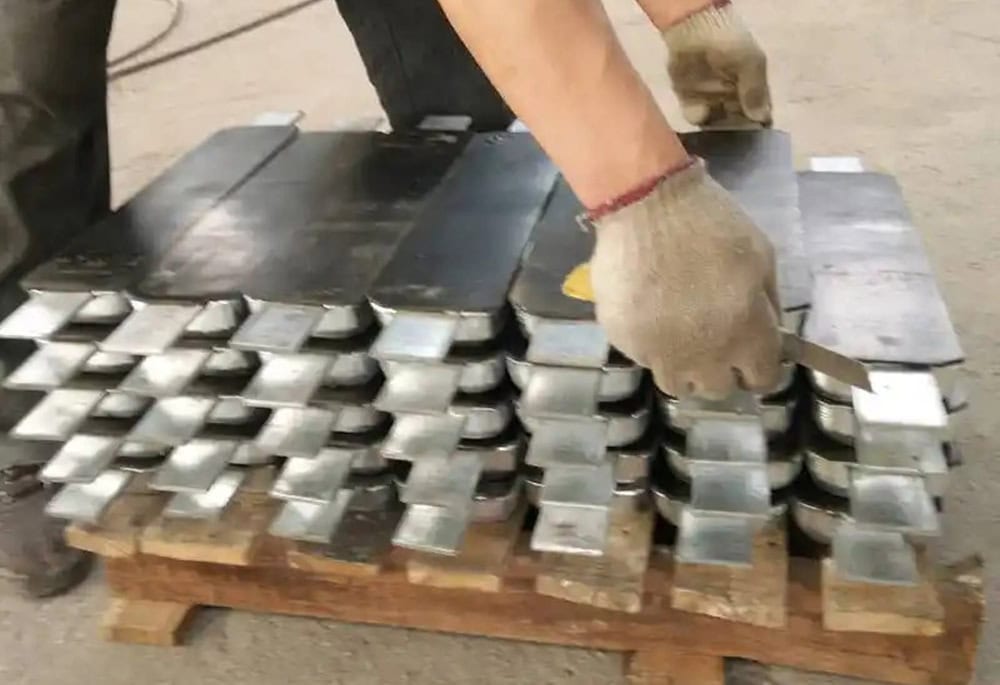
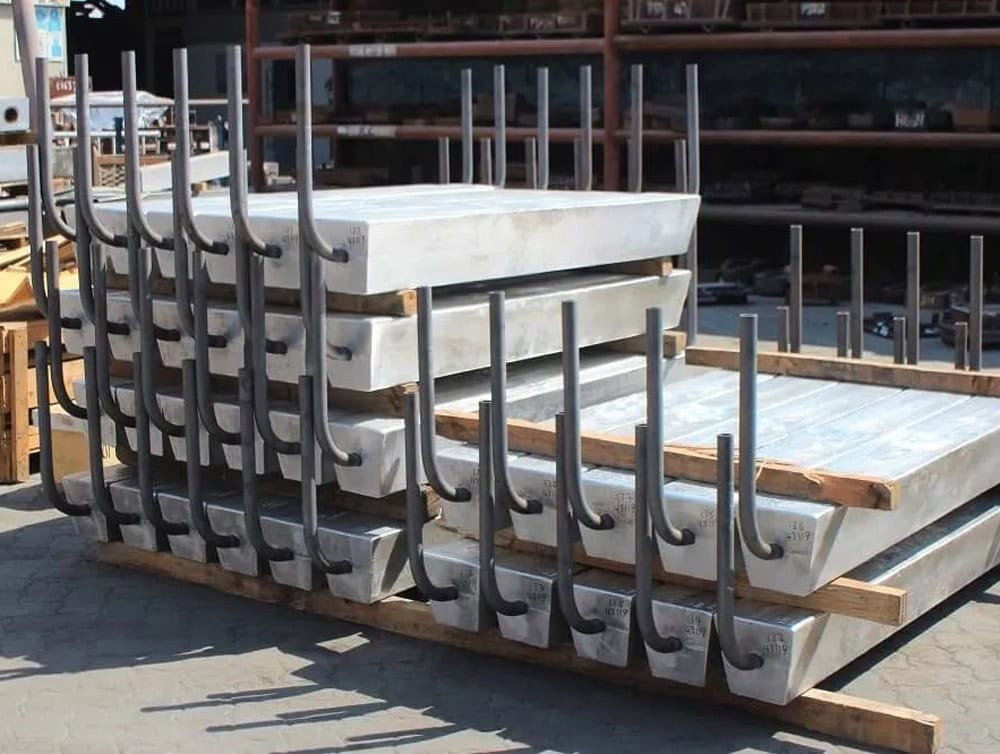
Plate Aluminum Anode
Designed for large-area planar structures on ships, such as hull plating, ballast tanks, and bulkheads. Supports countersunk holes and positioning slots.
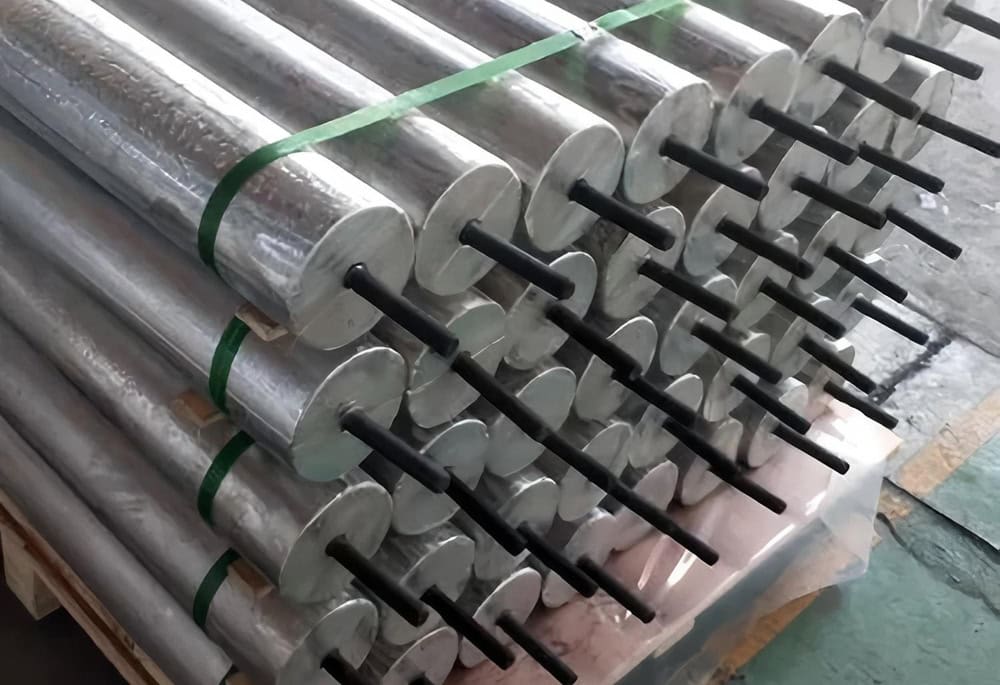
Rod/Bar Aluminum Anode
Designed for use in confined spaces on ships, such as narrow compartments, sonar wells, and pipe gaps, this anode is available in two structures: cylindrical rods and rectangular strips.
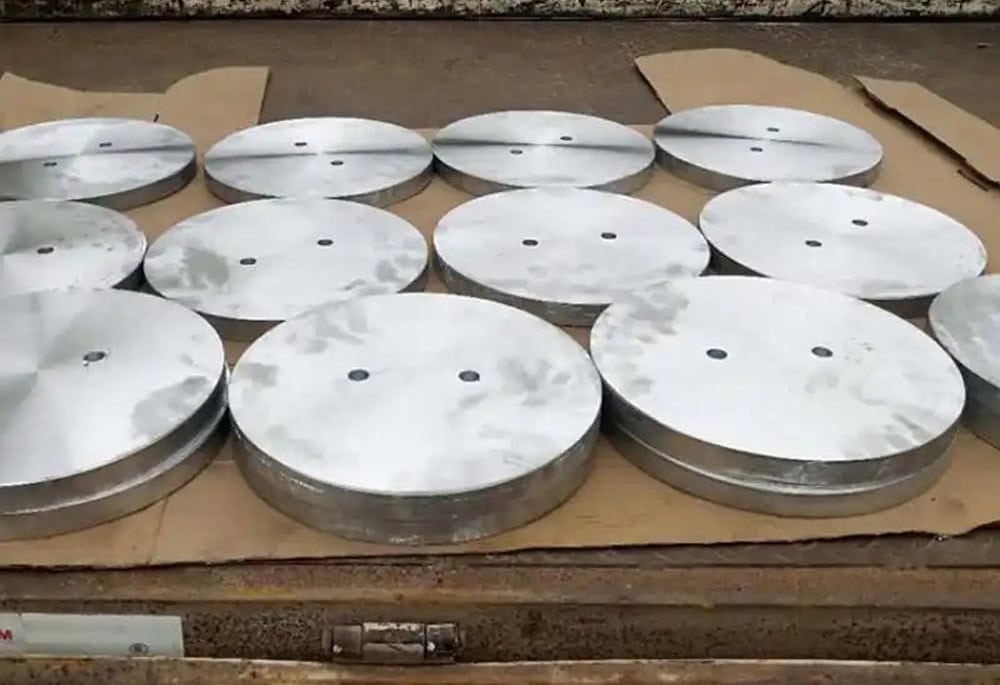
Disc/Puck Aluminum Anode
Specifically designed for precision components of ships, such as propellers, rudder blades, and heat exchangers. Features a pre-drilled mounting hole in the center.
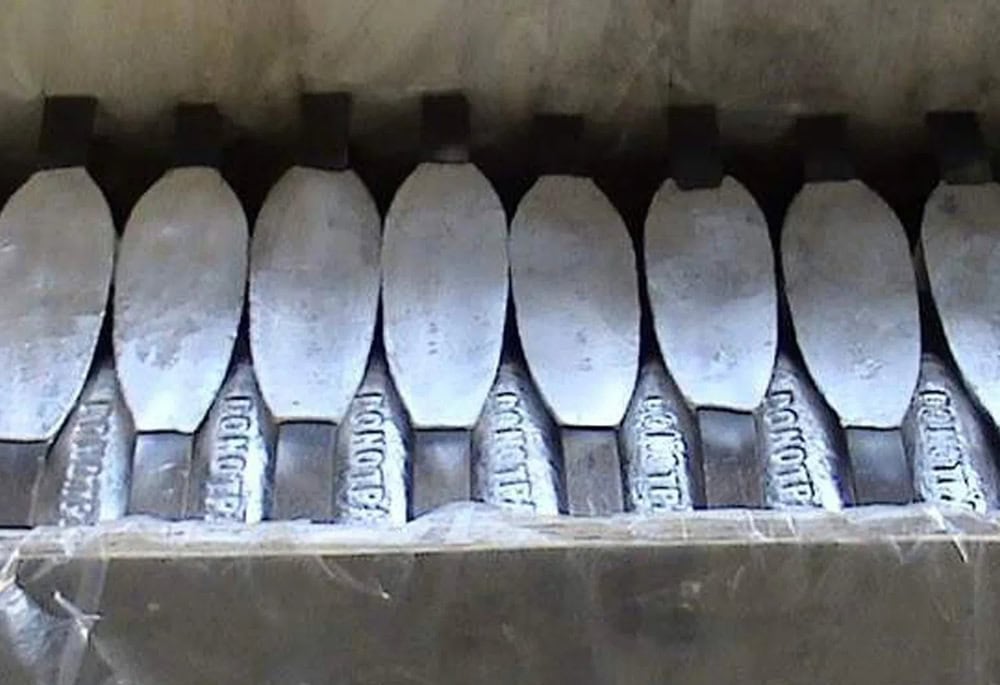
Teardrop Aluminum Anode
Wstitanium’s streamlined anodes are designed for high-speed yachts, racing boats, and speedboats. Optimized for hydrodynamics, they reduce drag by over 40%.
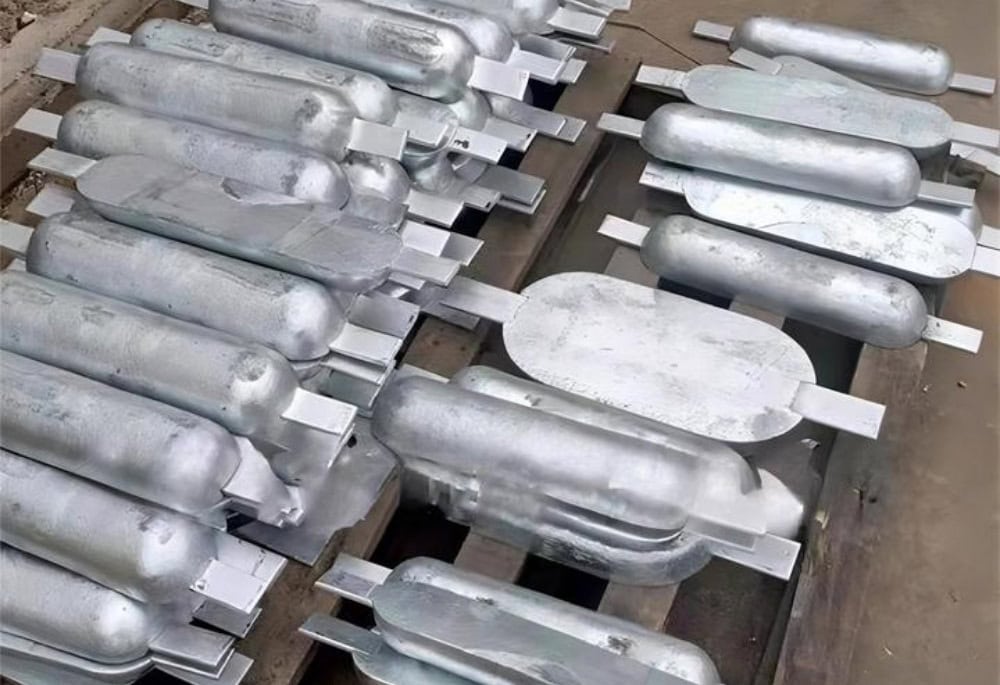
Weld-on Aluminum Anode
Permanently fixed. Carbon steel welding feet are pre-embedded inside the anode body and welded to the steel hull. The welding feet are primarily made of Q235 carbon steel or A36.
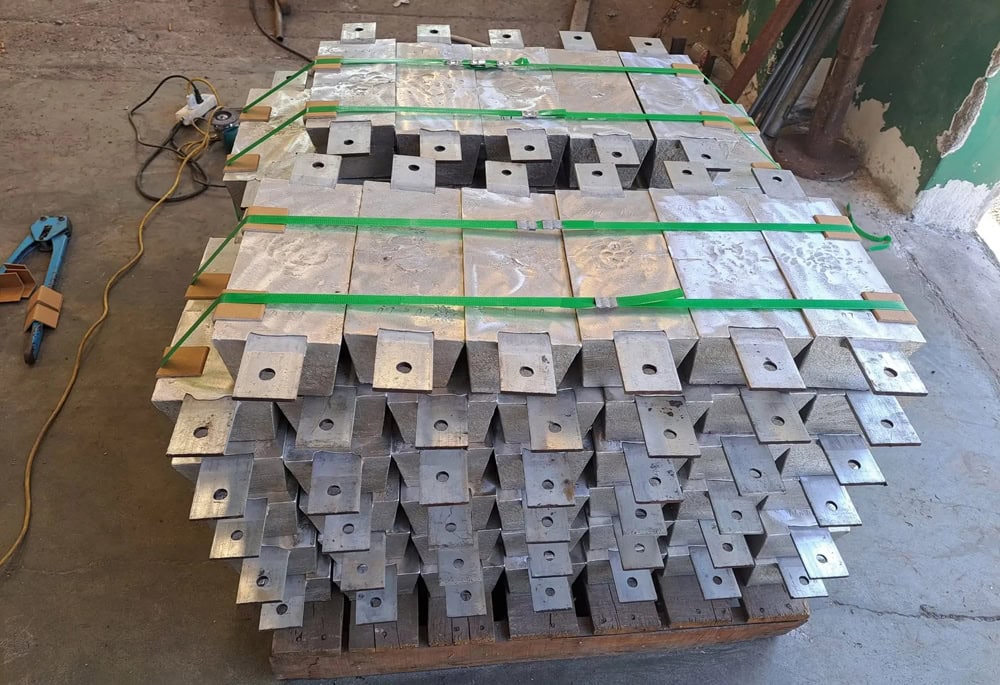
Bolted Aluminum Anode
Bolted aluminum sacrificial anodes are suitable for applications requiring frequent maintenance or non-welded installations. Each anode is secured with at least two bolts. Stainless steel bolts + lock nuts.
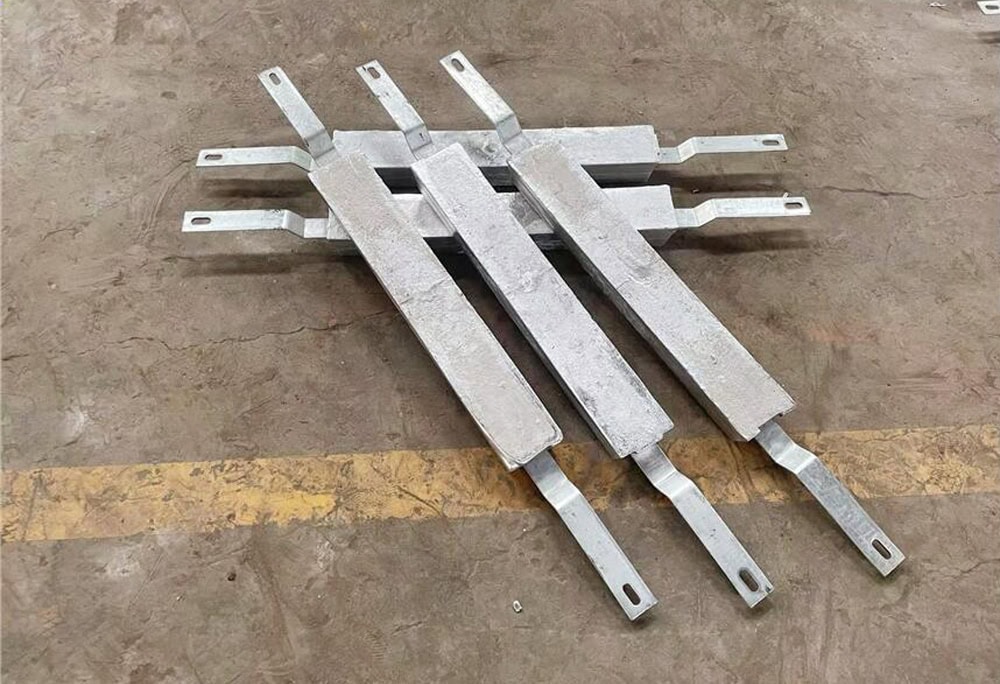
Customized Aluminum Anode
Customization based on drawings/samples, including hole spacing, mounting surface curvature, lifespan (replacement cycle), and alloy elements. Hole and steel core designs are supported.
Wstitanium Aluminum Anode Alloy Element Systems
Wstitanium supports customized manufacturing of various aluminum anode alloy element systems for boats, including Al-Zn-In, Al-Zn-In-Sn, Al-Zn-Ga, Al-Zn-In-Si, Al-Zn-In-Mg, Al-Zn-In-Mg-Ti, and low-potential aluminum sacrificial anodes.
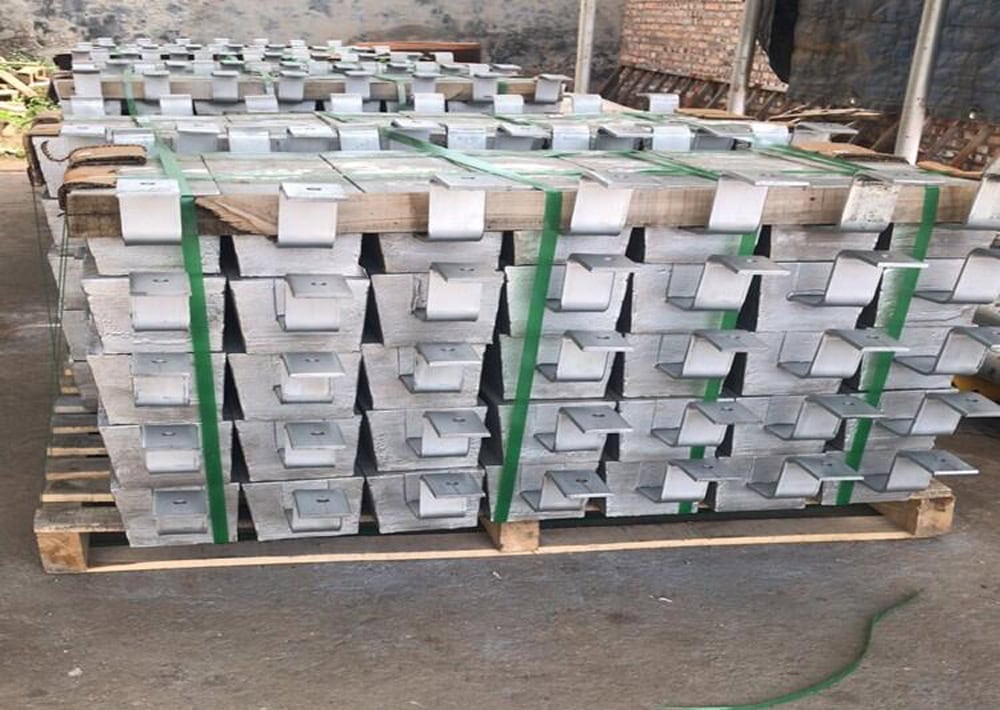
Al-Zn-In
Zn lowers the potential of the aluminum matrix, providing the necessary potential difference with the steel structure. In, as a key activating element, disrupts the Al₂O₃ passivation film, causing continuous anode dissolution. Current efficiency ≥90%, capacitance ≥2600 Ah/kg.
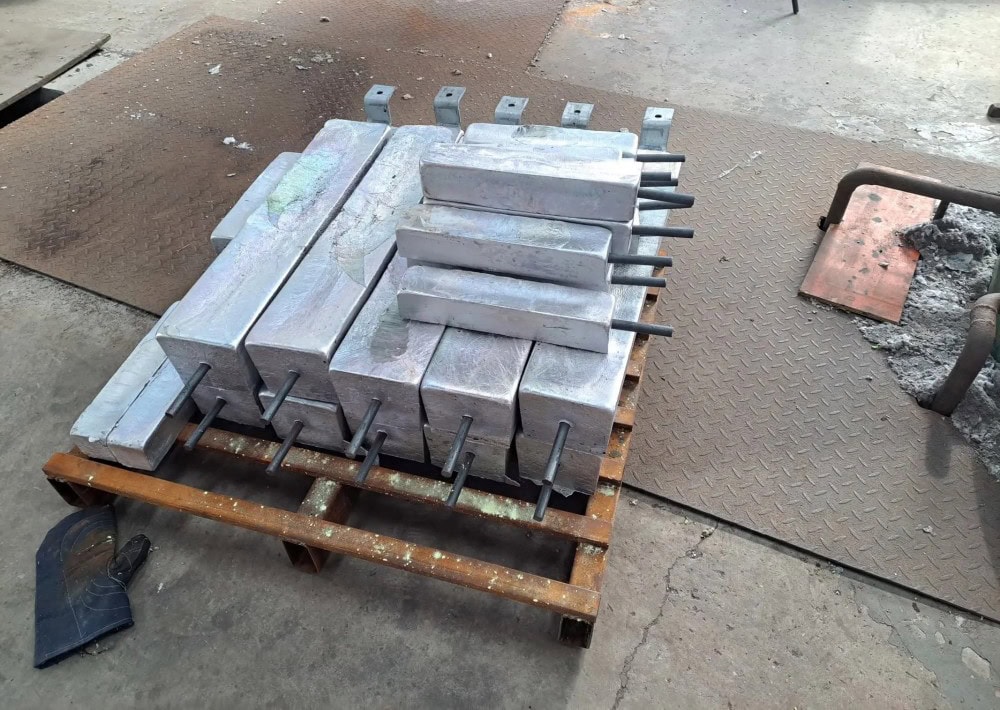
Al-Zn-In-Si
Si improves the high-temperature stability of the anode. Si forms the Zn₂Si phase with Zn, promoting continuous current release and preventing passivation. Temperature range: -20℃ to 120℃. At ≥80℃, current efficiency ≥85%, capacity ≥2500 Ah/kg.
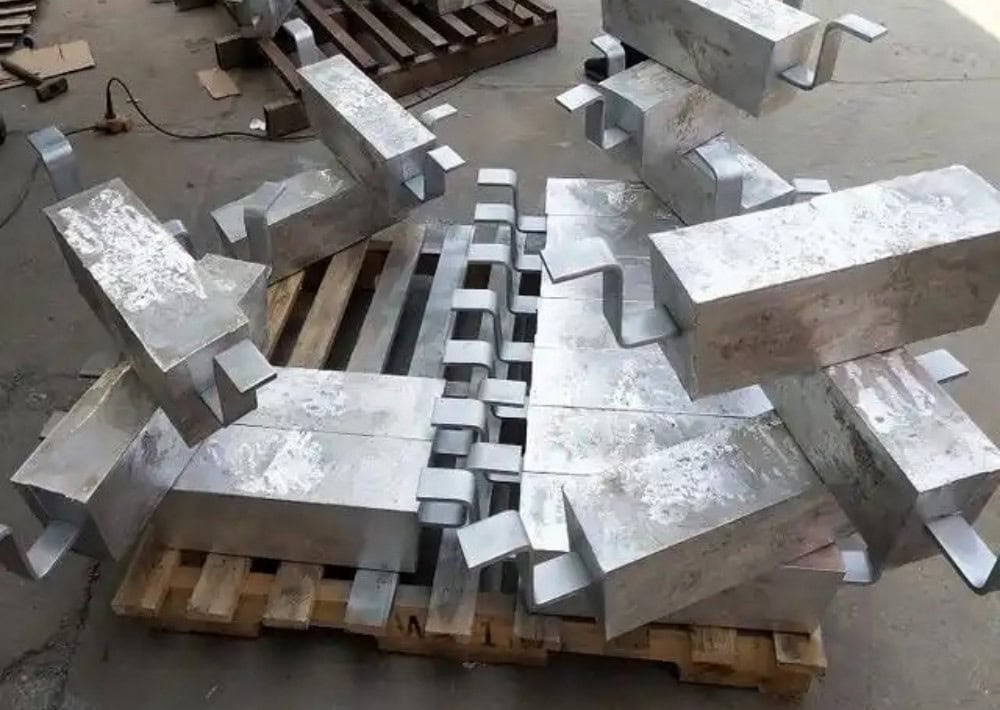
Al-Zn-In-Sn
The “Zn-In-Sn” triple activation mechanism further refines the anode grains and reduces the corrosion rate. It complies with MIL-DTL-24779D. Current efficiency ≥92%, capacitance ≥2700Ah/kg, and operating potential fluctuation range ≤±0.03V.
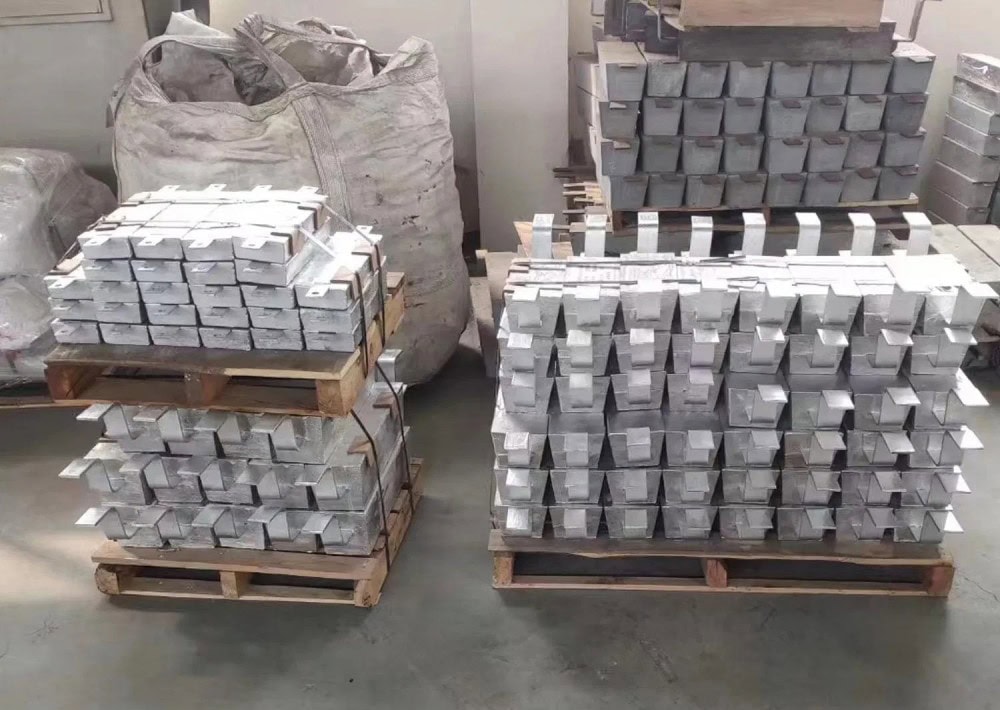
Al-Zn-Ga
Ga replaces traditional In and Cd. Ga³⁺ ions continuously disrupt the oxide film, maintaining stable performance of the anode within a pH range of 4-9. Current efficiency ≥90%, capacitance ≥2700 Ah/kg, meeting EU REACH environmental standards.
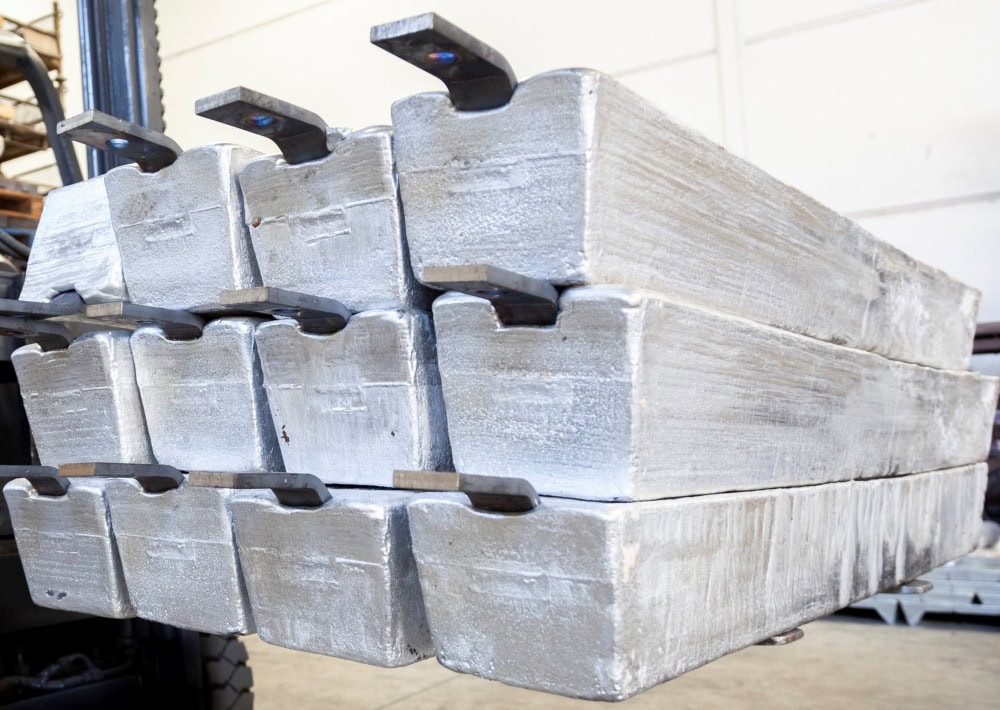
Al-Zn-In-Mg
Mg (Mg) enhances the tensile strength, yield strength, and vibration and impact resistance of aluminum anodes, specifically developed for large steel engineering vessels, ocean-going fishing vessels, and ships operating in harsh sea conditions year-round.
Al-Zn-In-Mg-Ti
Ti refines grain size and inhibits recrystallization, improving the casting performance and dissolution uniformity of the anode. Tensile strength ≥120MPa, Brinell hardness ≥35HB, current efficiency ≥91%, and capacitance ≥2650Ah/kg.
Wstitanium Aluminum Sacrificial Anode Application For Boats
Wstitanium manufactures custom aluminum sacrificial anodes for over 500 clients in more than 30 countries worldwide (mostly Europe and the United States). These vessels include yachts, fishing boats, high-speed government boats, speedboats, stern-drive yachts, engineering vessels, workboats, research vessels, transport ships, and large commercial vessels. The aluminum sacrificial anodes protect all metal components of the hull, propeller, rudder, shaft, stern-drive, outboard motor, heat exchangers, and other parts from corrosion.
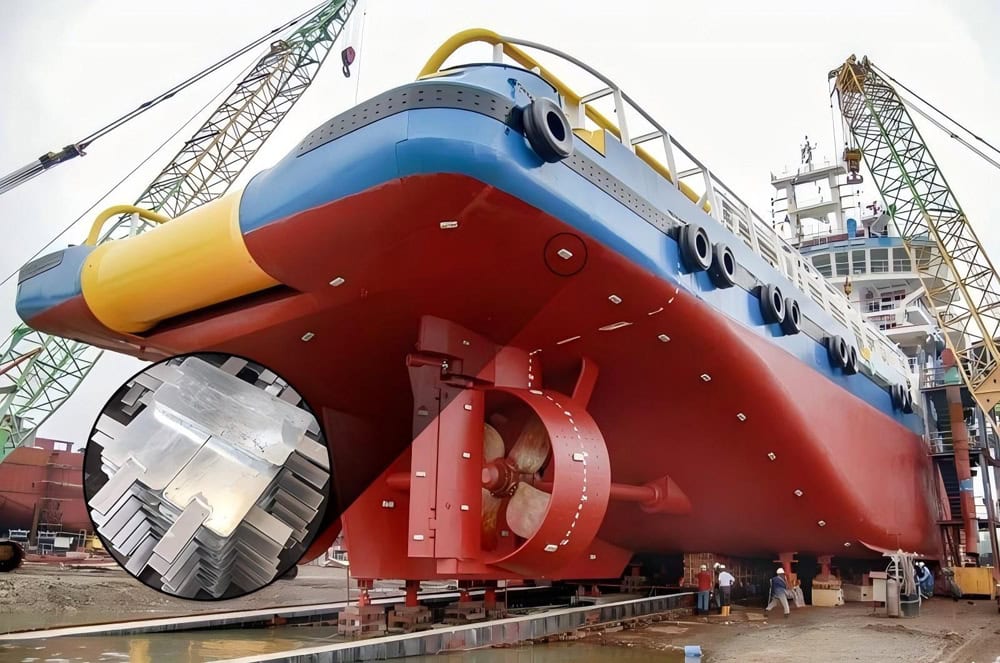
Aluminum Anodes for Hull
For steel hulls, Al-Zn-In alloy anodes are preferred. Hull anodes weigh 0.5~350kg and have a lifespan of 5~8 years. Wstitanium supports custom curved surfaces, streamlined shapes, batch numbers, classification society markings, etc.
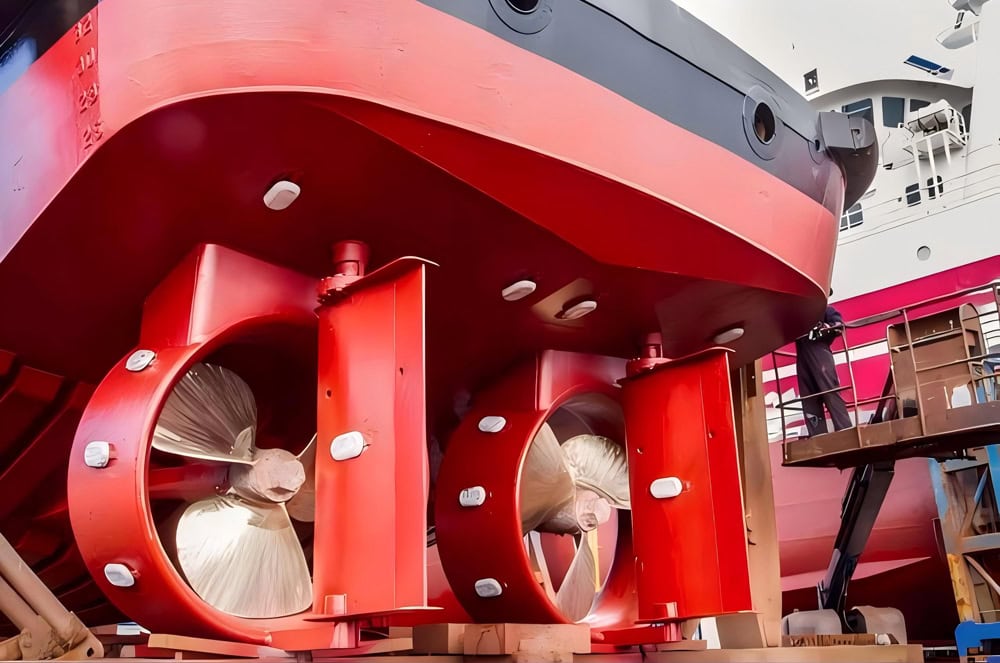
Aluminum Anodes for Propeller
For propellers, disc/pie-shaped or sheet-type anodes are preferred. Contact resistance must be ≤0.01Ω. Teardrop-shaped low-resistance aluminum anodes are used for high-speed boat propellers. Typical lifespan is 3~5 years.
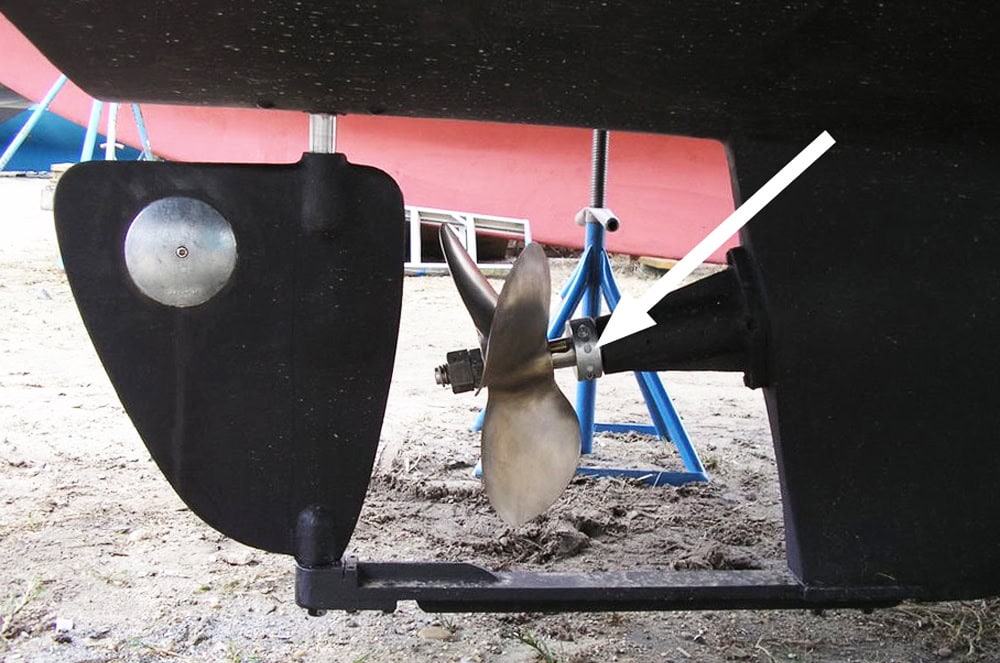
Aluminum Anode for Prop Shaft
The only compatible anode is the bracelet aluminum anode. Complies with EN 12496:2013 dimensional tolerance requirements, with an inner diameter covering Φ20mm~Φ300mm, 360° wrapping around the shaft to prevent crevice corrosion.
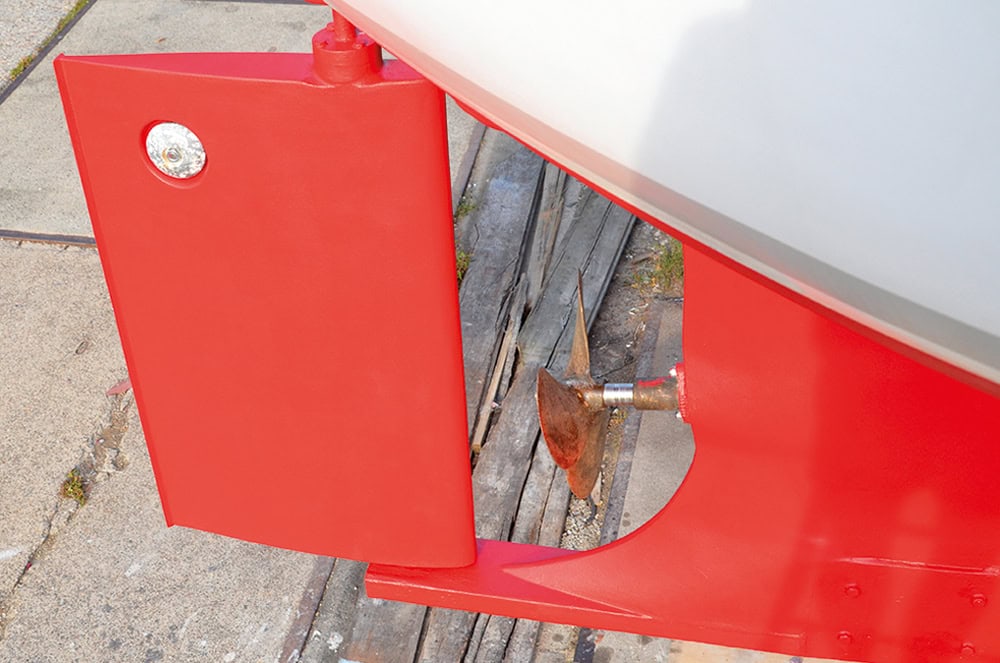
Aluminum Anodes for Rudder
Preferred anodes are block-shaped or disc-shaped anodes specifically designed for rudders. Each rudder requires 2-4 aluminum anodes, evenly distributed at the top and bottom of the rudder blade, and fixed by welding or bolting. The typical service life is 2-3 years.
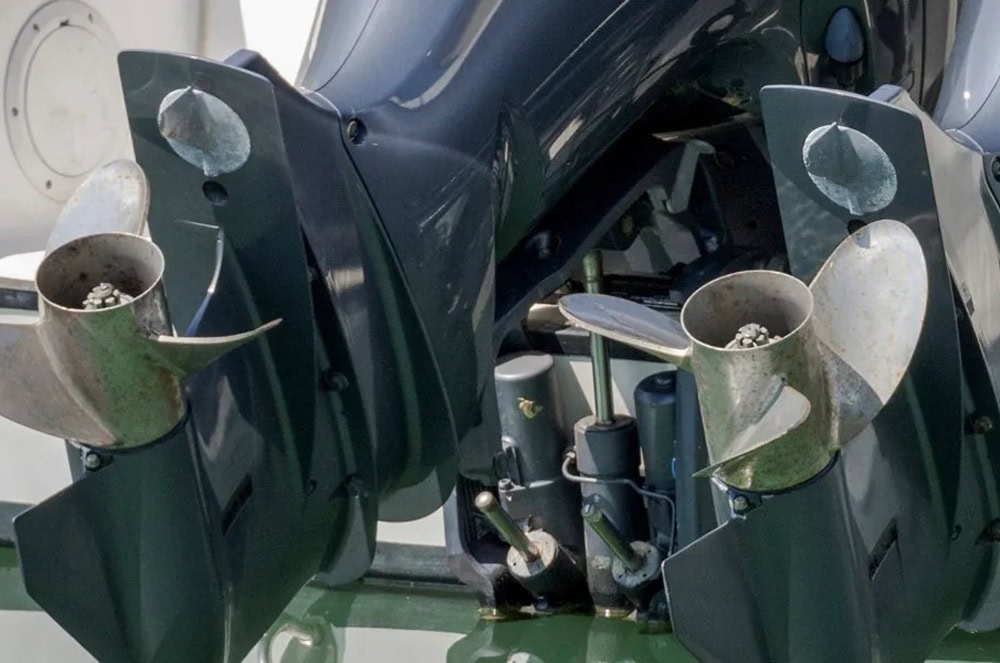
Anode for Outboard Motor
These locations use specialized lamination/thin sheet aluminum anodes or small disc anodes, weighing only 0.05-0.3 kg. Contact resistance is ≤0.01Ω. Wstitanium aluminum anodes are compatible with mainstream outboard engines from brands such as Yamaha, Suzuki, and Honda.
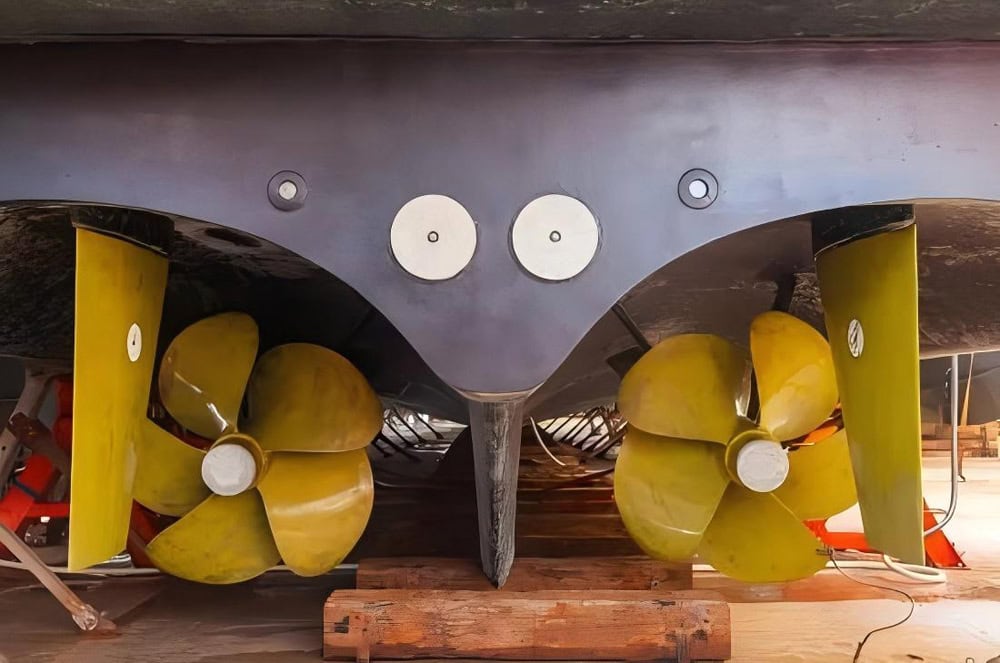
Anode for Ballast Water Tank
Plate aluminum anodes and large block anodes are also available. Ballast tank anodes weigh 1-150 kg each, with a typical service life of 3-5 years. Wstitanium has passed ballast tank corrosion protection acceptance tests by classification societies such as DNV and BV.
Wstitanium Aluminum Anode Standard
Wstitanium manufactures aluminum anodes using low-iron, high-purity alloy castings that meet NACE, DNV, and ISO standards.
GALVALUM III (Al-Zn-In-Si)
| Element | Content (%) |
|---|---|
| Zinc (Zn) | 2.000 ~ 6.000 |
| Indium (In) | 0.010 ~ 0.020 |
| Silicon (Si) | 0.080 ~ 0.200 |
| Iron (Fe) | 0.130 max. |
| Copper (Cu) | 0.006 max. |
| Cadmium (Cd) | — |
| Other Impurities | 0.100 max. |
| Aluminum (Al) | Remainder |
DNV-RP-B401-2011 (Al-Zn-In)
| Element | Content (%) |
|---|---|
| Zinc (Zn) | 2.500 ~ 5.750 |
| Indium (In) | 0.015 ~ 0.040 |
| Silicon (Si) | 0.120 max. |
| Iron (Fe) | 0.090 max. |
| Copper (Cu) | 0.003 max. |
| Cadmium (Cd) | 0.002 max. |
| Other Impurities | 0.100 max. |
| Aluminum (Al) | Remainder |
GS EP COR 201 (Al-Zn-In)
| Element | Content (%) |
|---|---|
| Zinc (Zn) | 4.750 ~ 5.750 |
| Indium (In) | 0.015 ~ 0.020 |
| Silicon (Si) | 0.060 ~ 0.120 |
| Iron (Fe) | 0.120 max. |
| Copper (Cu) | 0.003 max. |
| Cadmium (Cd) | 0.002 max. |
| Other Impurities | 0.100 max. |
| Aluminum (Al) | Remainder |
Wstitanium Capabilities
Wstitanium supports standard aluminum anodes + full-size custom manufacturing, covering all needs from small yachts to large ocean-going vessels:
Bracelet Anode
- Inner diameter: Φ20mm ~ Φ1220mm
- Outer diameter: Φ40mm ~ Φ2440mm
- Length: 50mm ~ 1500mm
- Single weight: 0.5kg ~ 2000kg
Block Anode
- Dimensions: ~ 1000×500×300mm
- Single weight: 0.5kg ~ 800kg
- Q235/A36 Carbon Steel Feet
- Stainless Steel Bolts & Flanges
Plate anode
- Thickness: 5mm ~ 1000mm
- Width: 50mm ~ 2000mm
- Length: 100mm ~ 2000mm
- Single weight: 0.5kg ~ 2000kg
Rod anode
- Diameter: Φ10mm ~ Φ300mm
- Length: 100mm ~ 1500mm
- Single weight: 0.5kg ~ 200kg
Disc/ Ring / Tubular / Wing
- Following The Drawings
- Precision Casting
- Strictly Control Impurities
Customized Anode
- MOQ=1
- Leading Time=7-15 days
- Production Capacity: 3000 Pieces/day
Quality Inspection Checklist
Wstitanium performs 9 full-process quality inspections. Each batch has an inspection record and a complete report.
Chemical Elements
- Equipment: Direct-reading spectrometer
- Content: Al, Zn, In, etc.
- Standard: Complies with EN 12496:2013
- Frequency: 2 random samples
Open Circuit/Closed Circuit
- Equipment: Electrochemical workstation
- Environment: Simulated seawater 25°C;
- Standard: -1.05~-1.10V (vs Ag/AgCl);
- Frequency: Random sampling 5%.
Current Capacity
- Equipment: Constant current testing system;
- Standard: ≥2500 Ah/kg, efficiency ≥90%;
- Basis: EN 12496:2013, Clause 7.4.
Appearance
- Content: Porosity, cracks, inclusions, deformation
- Standard: No visible defects, smooth surface;
- Frequency: 100% inspection.
Dimensional Tolerances
- Equipment: Calipers, Measuring Tape;
- Standard: Dimensions ±0.5mm, Weight ±2%;
- Inspection Frequency: 100% full inspection.
Steel Core
- Content: Steel core bonding strength;
- Standard: No loosening, no separation;
- Basis: CB/T 3855-2013, Clause 6.3.
Contact Resistance
- Equipment: Milliohmmeter;
- Standard: ≤0.01Ω;
- Meaning: Smooth current flow.
Packaging
- Packaging box: Wooden packaging
- Contents: Moisture-proof, impact-proof;
- Standard: No deformation, no moisture, no damage.
Other Inspection (Optional)
- Supported by: SGS, BV, CCS, DNV
- Performance and composition reports.
- Cost: Based on actual cost.
FAQ
Aluminum anodes have three times the capacitance of zinc anodes and are 60% lighter. Their lifespan is 2-3 times that of zinc anodes. Aluminum anodes have the best compatibility with seawater/brackish water and are currently the preferred material for ship corrosion protection.
Seawater/brackish water: Aluminum anode (Al-Zn-In system);
Freshwater: Magnesium anode;
Alternating fresh and brackish water: Aluminum anode (Al-Zn-In-Sn system);
According to Clause 7.3 of CB/T 3855-2013, aluminum anodes must be replaced when the remaining thickness is <1/3, the remaining weight is <20%, the hull potential deviates, or corrosion occurs.
No. According to DNV-RP-B401:2021, the anode must match the protection current requirements and design life. An oversized aluminum anode wastes cost and increases resistance. An undersized anode provides insufficient protection. We can help you accurately calculate the required anode size free of charge.
OEM/ODM/Customization based on provided drawings are supported. Samples and low-volume manufacturing are supported. Sample lead time is 7-10 days, and bulk lead time is 15-25 days.
Manufactured according to EN 12496, DNV-RP-B401, MIL-DTL-24779, GB/T 4948-2025; we can provide composition reports, potential and capacitance reports, COA, MTC, and third-party reports.
A: Calculated based on the ship’s length, hull material, and navigation area. Wstitanium offers free selection calculation services. Please provide the ship’s length, width, and hull material, and Wstitanium will calculate the required amount of aluminum for you free of charge.
A: Yes. Free samples are available (freight collect). Bulk purchases will be made after your samples pass testing.
A: Wstitanium’s products are exported to over 30 countries worldwide. We possess customs declarations, inspection reports, classification society certificates, ISO certifications, etc. All export qualifications are complete.