
ICCP Cathodic Protection For Buildings
Certified: CE & SGS & ROHS
Shape: Requested
Diameter: Customized
Drawings: STEP, IGS , X_T, PDF
Shipping: DHL, Fedex, or UPS & Ocean Freight

20+ YEARS EXPERIENCE SENIOR BUSINESS MANAGER
Ask Michin For What You Want?
Reinforced concrete structures, with their high strength, durability, and economy, have become the most widely used building form globally. They are extensively used in bridges, tunnels, high-rise buildings, ports, and docks. However, steel corrosion is a core hidden danger threatening the long-term service life of concrete structures. Impressed Current Cathodic Protection (ICCP), with its advantages of broad protection range and applicability to highly corrosive environments, has become the preferred solution for long-term corrosion protection of large and complex concrete structures.
| Category | Specific Item | Information |
| Anode Type | MMO Anode | Titanium substrate + mixed metal oxide active layer (IrO₂, Ta₂O₅, etc.); Forms: Linear (3–8 mm diameter), mesh (1–2 mm thick), tubular (10–20 mm outer diameter); Advantages: 20–30-year service life, ≥95% current efficiency; Application: Most structures (high-demand anti-corrosion projects). |
| Flexible Anode | Structure: Conductive core + metal wire + active coating + outer sheath; Types: Polymer (low-cost), carbon fiber (high conductivity/strength); Advantages: Flexible, easy to install, uniform current; Application: Complex-shaped structures, existing building renovation. | |
| Graphite Anode | Material: High-purity graphite (fixed carbon ≥99%); Forms: Rod/block/plate; Advantages: Low cost, good conductivity, high strength; Disadvantages: 5–10-year service life, uneven current, harmful deposits; Application: Low-demand, low-cost projects. | |
| Silicon-Iron Anode | Composition: Fe ≥85%, Si 10%–14% + alloy elements; Advantages: ≥350 MPa strength, ≤200℃ temperature resistance, moderate cost; Disadvantages: Poor conductivity; Application: Underground structures, mechanically impacted scenarios. | |
| Working Principle | Electrochemical Essence | External DC power supply: Anode (positive) connected to steel bar (negative); Anode undergoes oxygen evolution (2H₂O – 4e⁻ → O₂↑ + 4H⁺); Steel bar polarizes (potential ≤–0.85 V SCE) to inhibit iron oxidation. |
| System Synergy | Power supply provides low-voltage DC → Anode transmits current → Reference electrode monitors potential → Control system dynamically adjusts parameters to maintain steel bar potential at –0.85 V to –1.20 V (SCE). | |
| Evaluation Environment | Key Parameters | Protection current density: 10–20 mA/m² (general), 30–50 mA/m² (marine), 50–80 mA/m² (de-icing salt); Anode spacing: 500–1000 mm (linear/flexible, 300–500 mm for extreme environments); Anode–steel bar spacing ≥50 mm. |
| Installation | Installation Process | Linear anode: 500–800 mm clip spacing, ≥50 mm sealed joints; Mesh anode: Flattened/tightened, ≥100 mm conductive overlaps; Flexible anode: ≥50 mm bending radius, sealed ends. |
| Cable & Protection | Copper core cable (≥2.5 mm²): Crimped/welded joints + heat-shrink tube sealing; Anode surface protective coating thickness ≥1.5 mm. | |
| Application | Coastal Buildings | Select MMO tubular/precious metal anode; 300–500 mm spacing; Strengthen splash zone protection; Waterproof joint sealing. |
| Tunnels/Subway Stations | Select linear MMO/carbon fiber flexible anode; Install drainage channels; Low-voltage, high-current configuration. | |
| High-Temperature Scenarios | Select silicon-iron/high-temperature MMO anode; Install heat insulation pads; Increase reference electrode density. |
The anodes of building ICCP systems must meet core requirements such as excellent conductivity, strong corrosion resistance, uniform output current, good compatibility with concrete, and convenient installation. Based on differences in material, structural form, and installation, mainstream anodes can currently be divided into the following four categories:
(I) Mixed Metal Oxide Titanium Anodes (MMO Anodes)
Mixed metal oxide titanium anodes are currently the most widely used anode type in building ICCP systems. Their core structure consists of a titanium substrate and a surface-coated mixed metal oxide active layer. The titanium substrate is characterized by high strength, lightweight, and strong corrosion resistance. The active layer is typically composed of a specific ratio of iridium oxide (IrO₂), tantalum oxide (Ta₂O₅), and niobium oxide (Nb₂O₅). These materials exhibit extremely low oxygen evolution overpotentials and excellent electrochemical stability.
Based on their morphology, MMO anodes can be further divided into:
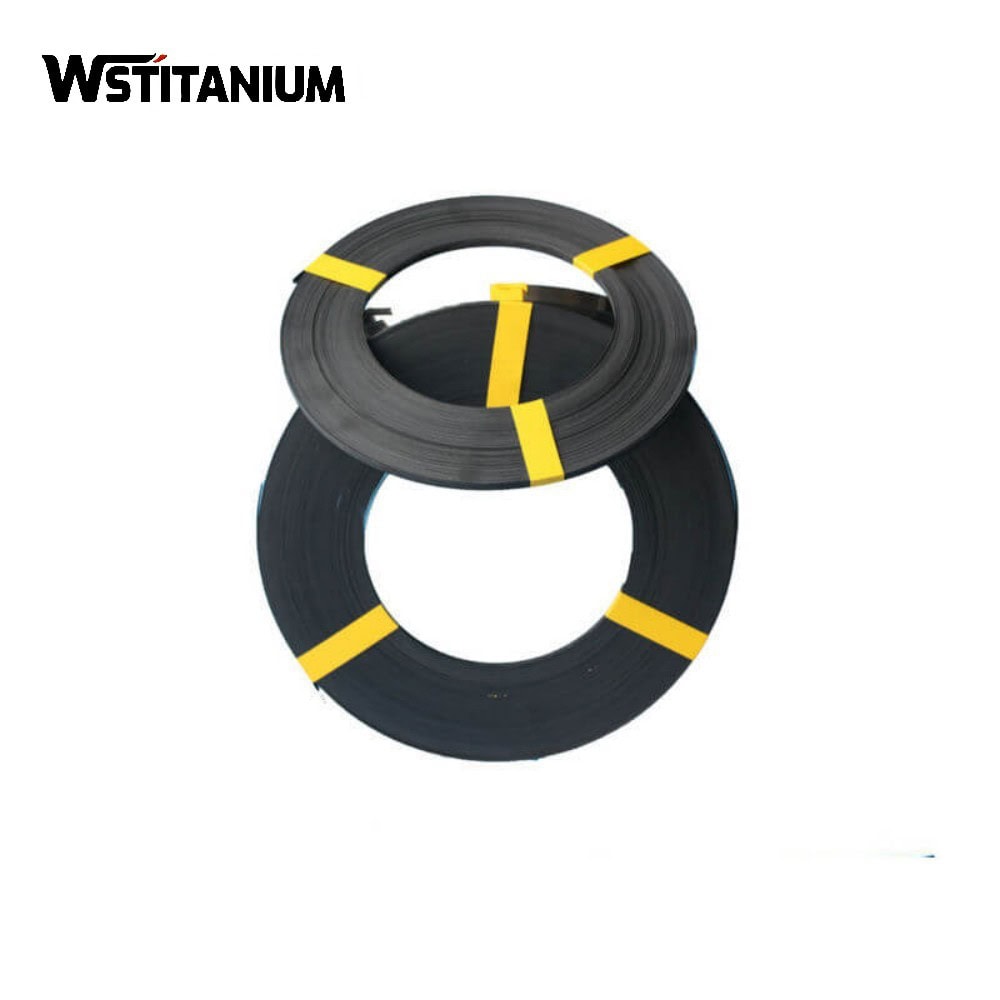
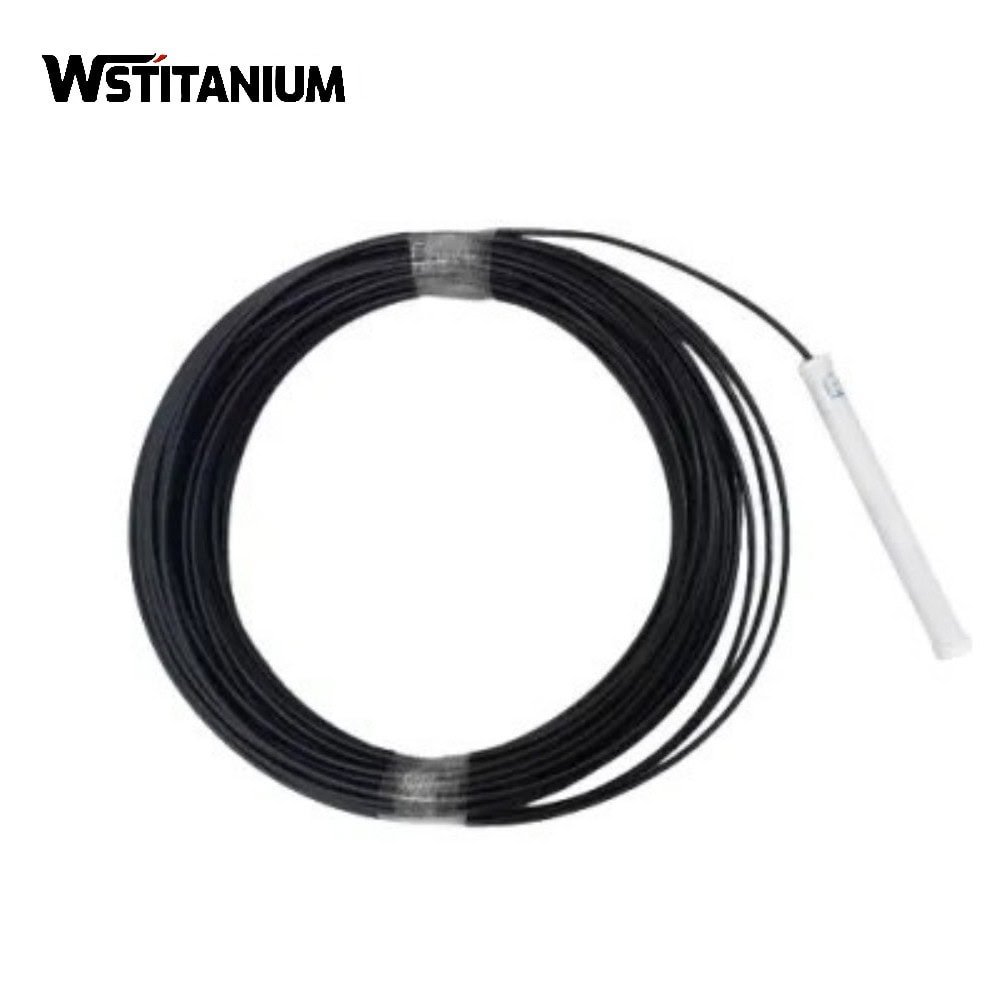
* Linear anodes: Typically 3-8mm in diameter, with lengths customizable to engineering needs (1-6m/piece). They are uniformly coated with an active layer and encased in an alkali-resistant woven mesh sheath, facilitating placement inside or on the surface of concrete. They offer good current distribution uniformity and are suitable for large-area structural protection (e.g., bridge decks, tunnel linings).
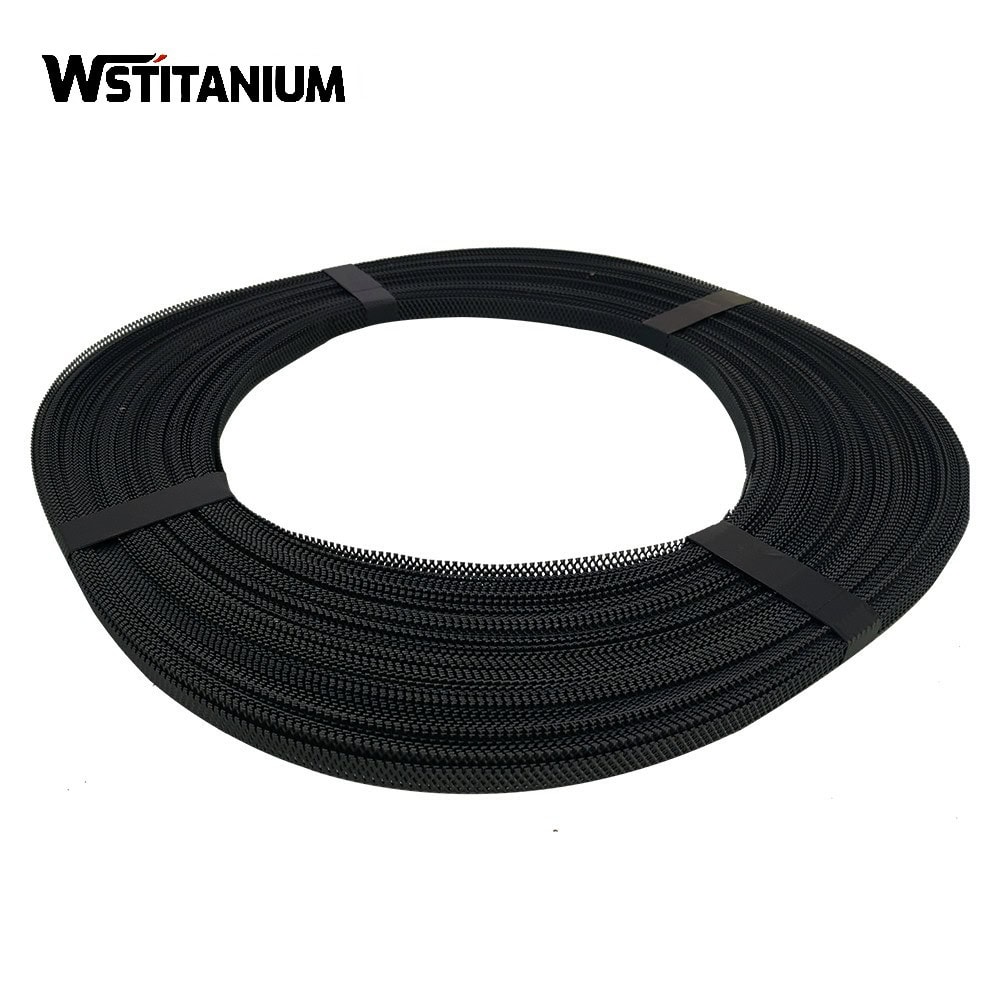
* Mesh anodes: Made of titanium wire woven into a mesh (50-100mm aperture), coated with an active layer. They are thin (1-2mm) and can be directly laid on concrete surfaces or between reinforcing steel layers, suitable for complex structures (e.g., irregularly shaped components, beam-column joints) and localized reinforcement protection.
* Tubular anodes: Titanium tubes with an outer diameter of 10-20mm. The inner or outer wall is coated with an active layer, and the interior can be filled with conductive filler. Suitable for buried concrete structures (e.g., diaphragm walls, pile foundations) or underwater structures (e.g., port caissons).
The core advantages of MMO anodes lie in their long service life (20-30 years under normal operating conditions), high current efficiency (≥95%), no harmful substance release, and excellent compatibility with concrete. They do not trigger alkali-aggregate reactions or accelerate concrete carbonation, making them the preferred anode type for high-requirement building structure corrosion protection.
(II) Flexible Anodes
Flexible anodes are a new type of composite anode, mainly composed of a conductive polymer core, metal conductive wires (copper or titanium wire), an active coating, and an outer sheath. Their core characteristics are high flexibility, allowing for arbitrary bending and cutting to fit closely to complex concrete surfaces. They are also lightweight (approximately 0.5-1.0 kg/m), easy to install, and particularly suitable for reinforcement and renovation projects of existing buildings.
Based on the core material, flexible anodes can be divided into polymer flexible anodes and carbon fiber flexible anodes: the former uses conductive plastic as the core material, has a lower cost, and is suitable for general corrosive environments; the latter uses carbon fiber bundles as the core material, has stronger conductivity (resistivity ≤0.01Ω・m) and high tensile strength (≥3000MPa), and is suitable for high current requirements or scenarios with tensile stress (such as cable-stayed bridge cable sheath protection).
Flexible anodes are wear-resistant and impact-resistant, and have strong adaptability in humid and dusty construction sites. They are currently widely used in anti-corrosion projects for structures such as tunnels, subway stations, and industrial plants.
(III) Graphite Anodes
Graphite anodes are a traditional type of ICCP anode. They are made from high-purity graphite (fixed carbon content ≥99%) as the base material, through pressing and calcination, and are commonly found in rod, block, or plate shapes. Their advantages include low cost, good conductivity (resistivity ≤10Ω・m), and high strength, making them suitable for buried concrete structures (such as pile foundations and basement slabs) or scenarios with low current requirements.
However, graphite anodes have significant drawbacks: firstly, they have poor corrosion resistance, easily undergoing oxidation and spalling in highly oxidizing environments, resulting in a short service life (typically 5-10 years); secondly, the current distribution is uneven, easily leading to localized current concentrations; and thirdly, they release products such as carbon dioxide and sulfates, potentially causing a decrease in the local pH value of concrete, affecting structural durability. Therefore, graphite anodes are currently only used in ordinary construction projects with lower requirements for corrosion resistance and cost sensitivity.
(IV) High-Silicon Cast Iron Anodes
High-silicon cast iron anodes (also known as high-silicon cast iron anodes) are alloy anodes. Their main components include iron (Fe≥85%), silicon (Si 10%-14%), and small amounts of chromium and molybdenum, manufactured through casting and annealing. Their advantages include high strength (tensile strength ≥350MPa), high temperature resistance (can be used in conditions below 200℃), and moderate cost, making them suitable for underground concrete structures or scenarios subject to mechanical impact (such as roads, bridges, and mine tunnels).
The disadvantages of ferrosilicon anodes are poor conductivity (resistivity of about 50-100 Ω·m), which requires increasing the surface area (such as making them into tubular or mesh shapes) to improve current output capacity; and they are easily corroded in acidic environments, so they are not suitable for structures that come into contact with acid rain in areas or industrial acidic wastewater.
Working Principle
The core principle of the ICCP system is to apply a cathodic current to the protected reinforcing steel through an external DC power supply. This causes cathodic polarization on the surface of the steel, thereby inhibiting the electrochemical corrosion reaction.
The corrosion of reinforcing steel in concrete is essentially a spontaneous electrochemical galvanic cell reaction: In the anodic region, iron oxidation occurs (Fe – 2e⁻ → Fe²⁺). Fe²⁺ combines with OH⁻ in the concrete pore fluid to form ferrous hydroxide (Fe(OH)₂), which is further oxidized to ferric hydroxide (Fe(OH)₃), eventually forming rust (Fe₂O₃・nH₂O); in the cathodic region, oxygen reduction occurs (O₂ + 2H₂O + 4e⁻ → 4OH⁻), providing electrons for the anodic reaction and accelerating corrosion.
When the ICCP system is started, the positive terminal of the external DC power supply is connected to the anode, and the negative terminal is connected to the reinforcing steel (the protected material), forming a closed circuit. At this point, the anode, acting as the anode of the electrolytic cell, undergoes an oxidation reaction (mainly the oxygen evolution reaction: 2H₂O – 4e⁻ → O₂↑ + 4H⁺), providing electrons to the circuit. The steel bar, acting as the cathode of the electrolytic cell, receives external current, and its surface polarization potential shifts in the negative direction. When the potential drops below -0.85V (relative to the saturated calomel electrode, SCE), the iron oxidation reaction in the anode region is suppressed, while the hydrogen evolution reaction in the cathode region (2H₂O + 2e⁻ → H₂↑ + 2OH⁻) replaces the oxygen absorption reaction, forming a stable passivation film on the surface of the steel bar, thus achieving corrosion protection.
As a core functional component of the impressed current cathodic protection (ICCP) system, the performance of the anode directly determines the corrosion protection effect and life-cycle cost of reinforced concrete structures. Titanium-based mixed metal oxide (MMO) anodes have become the preferred choice for most building structures due to their advantages of long life, high stability, and good compatibility; flexible anodes are suitable for complex-shaped structures and the renovation of existing buildings; graphite anodes and ferrosilicon anodes are still used in cost-sensitive and low-requirement scenarios.



Related products
-
 Impressed Current Cathodic Protection
ICCP MMO Disk Anode
-
 Impressed Current Cathodic Protection
ICCP Cathodic Protection For Ships
-
 Marine Growth Prevention Systems
MGPS Anodes for Offshore Platforms
-
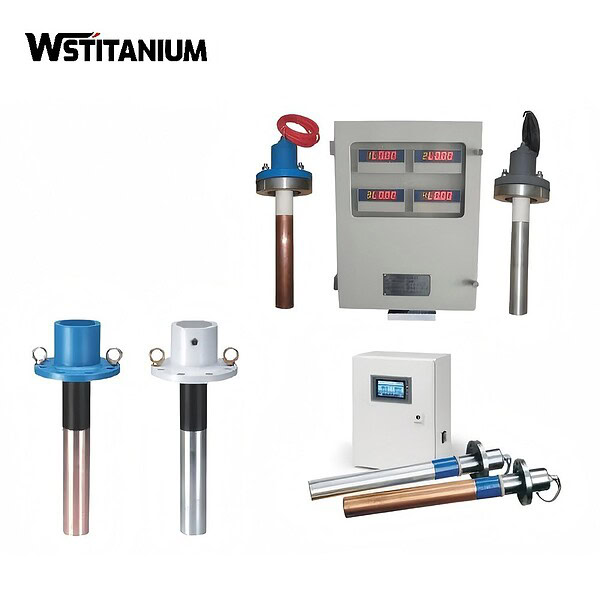 Marine Growth Prevention Systems
Marine Growth Prevention Systems Anode
-
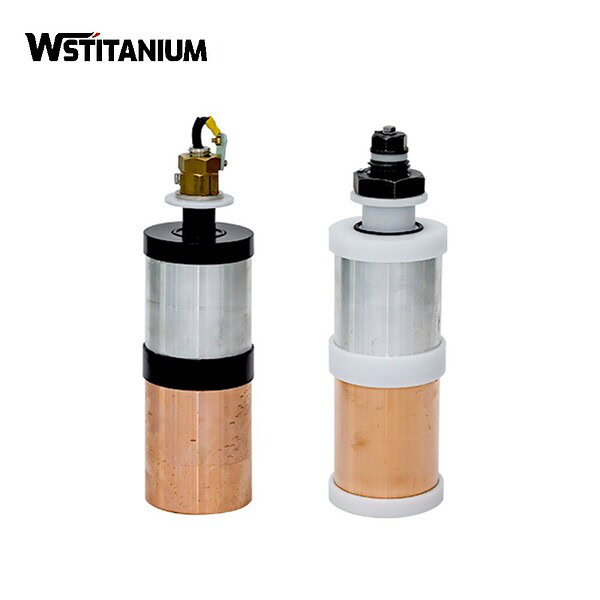 Marine Growth Prevention Systems
MGPS Anode for Yachts
-
 Impressed Current Cathodic Protection
ICCP Ruthenium-Iridium MMO Anode
-
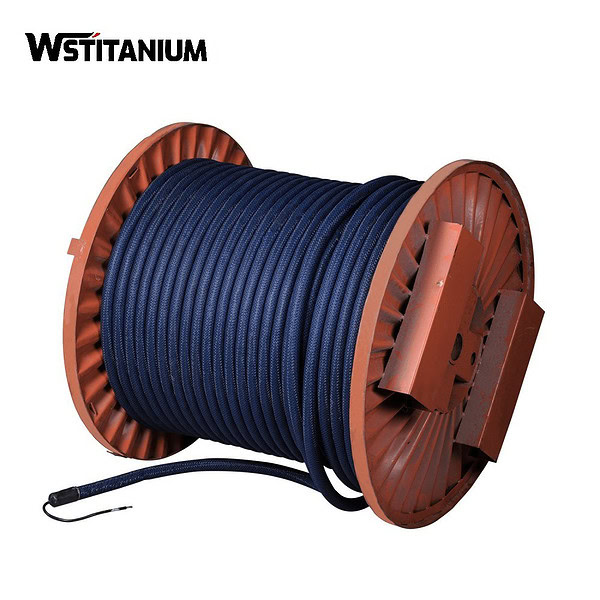 Impressed Current Cathodic Protection
ICCP MMO Flexible Anode
-
 Impressed Current Cathodic Protection
ICCP Cathodic Protection For Bridges