
ICCP Cathodic Protection For Pipelines
Certified: CE & SGS & ROHS
Shape: Requested
Diameter: Customized
Drawings: STEP, IGS , X_T, PDF
Shipping: DHL, Fedex, or UPS & Ocean Freight

20+ YEARS EXPERIENCE SENIOR BUSINESS MANAGER
Ask Michin For What You Want?
Metal pipelines are highly susceptible to electrochemical corrosion in complex service environments such as soil, groundwater, and oceans. Cathodic protection technology is one of the most effective means of inhibiting metal corrosion. Among them, impressed current cathodic protection (ICCP) is widely used in long-distance oil and gas pipelines, subsea pipelines, and large industrial pipeline networks.
| Category | Key Information |
| Core Function | As the current output terminal of the ICCP system, it provides stable current through oxidation reactions (oxygen evolution / chlorine evolution) to cathodically polarize the pipeline and inhibit electrochemical corrosion. |
| Anode Types | 1. High-silicon cast iron anode: Low cost, high strength. (For neutral/mild corrosion environments: 1-3A/m², service life ≥20 years; for high-silicon chromium cast iron in severe corrosion environments: 3-5A/m², service life ≥30 years). Brittle. |
| 2. MMO anode: Inert anode (Ti substrate + metal oxide coating), current efficiency ≥90%, ultra-low consumption rate (0.001-0.01kg/A·a), service life 30-50 years, suitable for all environments. High cost. | |
| 3. Graphite anode: Low cost, simple process, current output 5-10A/m², service life 10-15 years. Low mechanical strength, easy to consume. | |
| 4. Polymer-based composite anode: Good flexibility, light weight, current output 8-15A/m², service life 15-25 years. Poor high-temperature resistance, suitable for special terrain/local protection. | |
| Working Principle | 1. System level: The rectifier converts AC to DC; the anode is connected to the positive pole, and the pipeline to the negative pole. Forced current flows through the electrolyte to the pipeline, inhibiting the anodic reaction of the pipeline. |
| 2. Anode level: Inert anodes rely on stable reactions of the passivation film/catalytic coating; active anodes (e.g., graphite) release current through self-oxidation. | |
| 3. Reactions: Oxygen evolution in neutral/alkaline environments (2H₂O-4e⁻=O₂↑+4H⁺); chlorine evolution in acidic/chloride-containing environments (2Cl⁻-2e⁻=Cl₂↑) | |
| Applications | 1. Long-distance oil & gas transmission pipelines: Distributed MMO anodes or centralized groundbed of high-silicon cast iron anodes. |
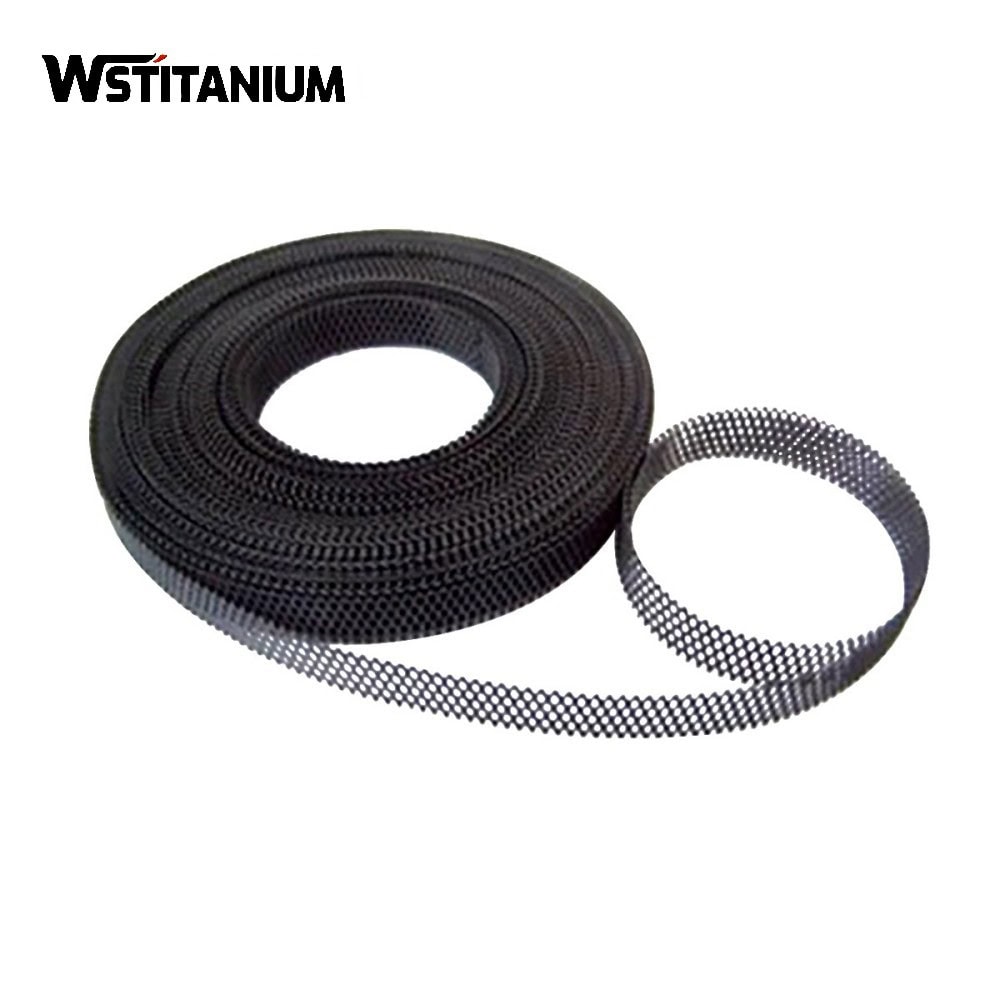
| 2. Subsea pipelines: IrO₂-based MMO anodes (strip/sleeve type). | |
| 3. Industrial pipe networks/tank farms: MMO anodes for severe corrosion environments; high-silicon cast iron/graphite anodes for neutral environments. | |
| 4. Aged pipeline rehabilitation: Externally mounted MMO anodes or high-silicon cast iron anodes (with backfill materials) | |
| Design Parameters | 1. Protection current demand: I=I₀×S (I₀: 0.1-5A/m²; S=π×D×L); |
| 2. Anode quantity: N=I×K/Iₐₘₐₓ (K=1.2-1.5); | |
| 3. Service life: T=(M×η)/(k×Iₐᵥₑ) (η: ~95% for MMO, ~85% for high-silicon cast iron, ~70% for graphite); | |
| 4. Protection potential: -0.85~-1.20V (relative to saturated calomel electrode) for steel pipelines | |
| Installation Notes | 1. Groundbed types: Vertical (3-10m depth, uniform current); Horizontal (1-2m depth, easy construction); Deep well (>20m depth, space-constrained scenarios); |
| 2. Accessories: Coke backfill materials to reduce contact resistance; anode-pipeline distance ≥5m; | |
| 3. Power supply: Rectifier output voltage 5-30V; 20%-30% current margin. |
In impressed current cathodic protection systems, the core function of the anode is to stably release current under energized conditions. It also possesses excellent oxidation and corrosion resistance, preventing system failure due to rapid consumption. Based on material properties, structural form, and application scenarios, pipeline ICCP anodes are mainly classified into the following five categories:
(I) High-Silicon Cast Iron Anodes
High-silicon cast iron anodes are the most widely used traditional anode material in pipeline ICCP systems. Their main components are iron and silicon (content 14%-17%), with added chromium, molybdenum, etc. This type of anode forms a dense SiO₂ passivation film on its surface through the Fe₃Si phase formed by silicon and iron. This passivation film effectively prevents further corrosion of the anode substrate, giving it excellent corrosion resistance and stability.
High-silicon cast iron anodes are divided into two types: ordinary high-silicon cast iron anodes and high-silicon ferrochrome anodes. Ordinary high-silicon cast iron anodes are suitable for neutral or weakly corrosive environments such as soil and freshwater, with a current output density of approximately 1-3 A/m² and a service life of over 20 years. High-silicon chromium iron anodes, due to the addition of chromium, have a more stable passivation film and are suitable for highly corrosive environments such as seawater and saline soil. The current output density can be increased to 3-5 A/m², and the service life is extended to approximately 30 years.
The advantages of high-silicon cast iron anodes are their low cost and ability to be manufactured in various structures such as rods, tubes, and plates to suit different installation scenarios. Their disadvantages are their greater brittleness, making them prone to breakage during transportation and installation, and the passivation film is easily damaged in low pH (strong acid) environments, leading to faster anode consumption.
(II) Mixed Metal Oxide Titanium Anodes (MMO Anodes)
Mixed metal oxide titanium anodes use pure titanium as the substrate. Their surface is coated with a mixed metal oxide coating (such as RuO₂-IrO₂, IrO₂-Ta₂O₅, etc.). Titanium substrates possess excellent electrical conductivity and mechanical properties. Mixed metal oxide coatings exhibit high electrocatalytic activity, strong oxidation resistance, and excellent stability. When energized, only oxygen or chlorine evolution reactions occur, with almost no consumption of the anode substrate, thus classifying them as “inert anodes.”
Based on coating formulation and structure, MMO anodes can be divided into RuO₂-based coated anodes for freshwater/soil environments and IrO₂-based coated anodes for seawater environments. RuO₂-based coated anodes can achieve current output densities of 10-20 A/m². IrO₂-based coated anodes, due to their superior resistance to chlorine corrosion, can achieve current output densities as high as 50-100 A/m², with a service life generally exceeding 30 years.
The core advantages of MMO anodes are high current efficiency (up to 90% or more), extremely low consumption rate (approximately 0.001-0.01 kg/A·a), small size, light weight, easy installation, and suitability for various corrosive environments, including strong acids, strong alkalis, and high-salt media. Its disadvantages include high cost and the coating’s susceptibility to mechanical damage or overcurrent surges.
(III) Graphite Anodes
Graphite anodes are made from natural or artificial graphite through pressing and calcination. They possess good conductivity, high-temperature resistance, and chemical stability. The working principle of graphite anodes is to release current through their own oxidation reaction (C + O₂ = CO₂). Their current output density is approximately 5-10 A/m², and their service life is approximately 10-15 years. They are suitable for neutral corrosive environments such as soil and freshwater. The advantages of graphite anodes are their low cost and ability to be manufactured in various shapes, including blocks, columns, and plates.
(IV) Polymer-Based Composite Anodes
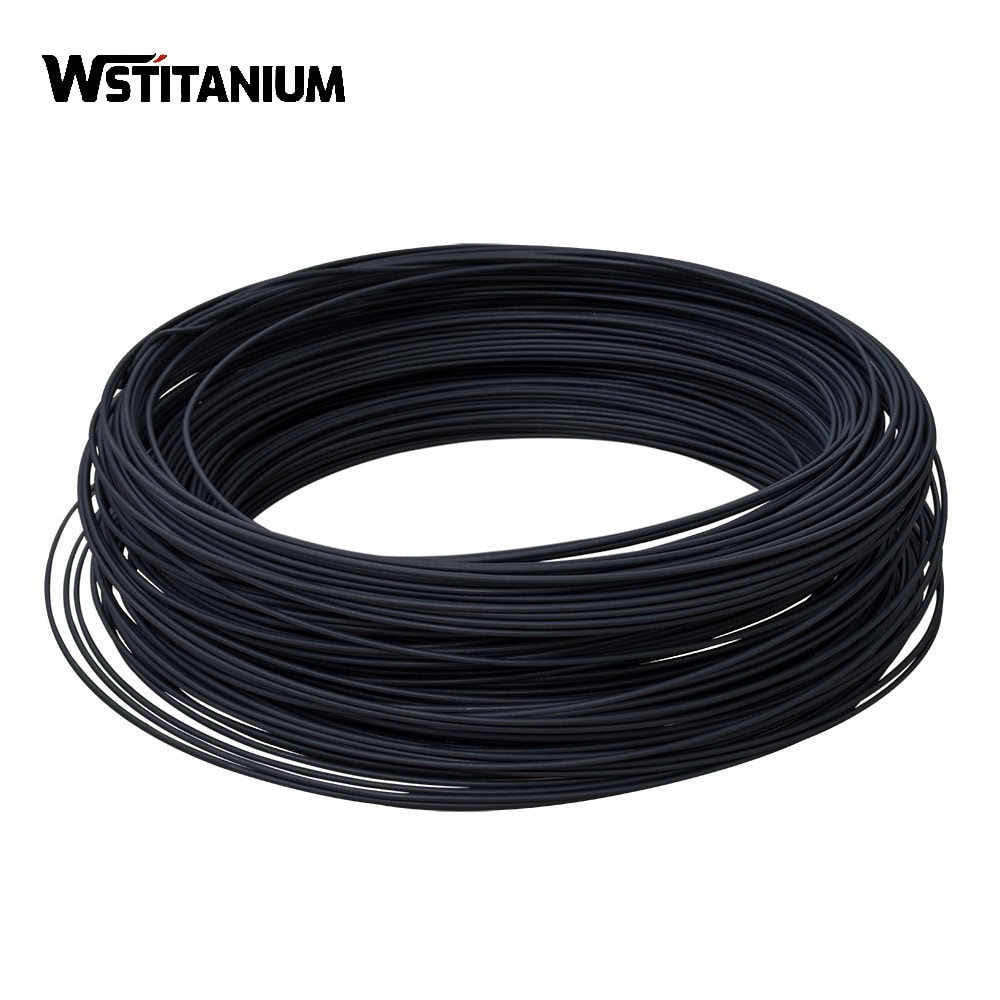
Polymer-based composite anodes are a new type of anode material developed in recent years. They are made using conductive polymers (such as polypyrrole and polyaniline) as the matrix, combined with conductive fillers such as carbon fiber and graphene. This type of anode combines the flexibility and corrosion resistance of polymers with the high conductivity of conductive fillers. Its current output density is approximately 8-15 A/m², and its service life is approximately 15-25 years.
The outstanding advantage of polymer-based composite anodes is their good flexibility; they can be bent and wound, adapting to irregularly shaped pipes or complex terrain. Their disadvantages include higher cost, poor high-temperature stability (applicable temperature is typically below 80℃), and performance degradation in strong oxidizing environments. Currently, they are mainly used for localized protection of small and medium-sized pipelines or special scenarios.
(V) Sacrificial Anodes
It is important to note that sacrificial anodes (such as zinc anodes, aluminum anodes, and magnesium anodes) also exist in cathodic protection technology. However, their working principle is based on releasing current through self-corrosion, requiring no external power source, which is fundamentally different from impressed current anodes. Impressed current anodes require the use of external power sources such as rectifiers, and their current output can be flexibly adjusted, providing a wider protection range. Sacrificial anodes are suitable for short-distance, low-corrosion-rate pipeline protection.
Working Principle
The core of the pipeline ICCP impressed current cathodic protection system is to force current to flow to the protected pipeline through an external power source. The current causes cathodic polarization on the pipeline surface, thereby inhibiting electrochemical corrosion reactions. The anode, as the current output terminal of the system, involves knowledge from multiple disciplines such as electrochemistry and electrocatalysis in its working principle.
Pipeline corrosion is essentially an electrochemical oxidation reaction of metals (taking steel as an example, whose main component is Fe) in an electrolyte environment (soil, water, etc.). The anodic reaction of the corrosion galvanic cell is: Fe – 2e⁻ = Fe²⁺ (iron atoms lose electrons to become iron ions, which dissolve in the electrolyte). The cathodic reaction is: O₂ + 2H₂O + 4e⁻ = 4OH⁻ (oxygen gains electrons and combines with water to form hydroxide ions). These two reactions continue, leading to the continuous corrosion and wear of steel pipelines.
In an impressed current cathodic protection system, the anode’s role is to receive electrons from an external power source, undergoing an oxidation reaction on its surface to provide a continuous and stable current to the system. The type of oxidation reaction at the anode depends on the electrolyte environment: in neutral or alkaline environments (such as soil and fresh water), the main reaction is oxygen evolution: 2H₂O – 4e⁻ = O₂↑ + 4H⁺; in acidic environments or chlorine-containing media (such as seawater and saline soil), the main reaction is chloride evolution: 2Cl⁻ – 2e⁻ = Cl₂↑. These reactions consume only water molecules or chloride ions from the electrolyte. The anode substrate (such as MMO anodes and high-silicon cast iron anodes) itself is almost uncorroded or has an extremely low corrosion rate, thus ensuring long-term stable operation of the system.
The anode in an ICCP impressed current cathodic protection system is a core component for suppressing electrochemical corrosion in pipelines. Its performance directly determines the protective effect, stability, and service life of the cathodic protection system. The appropriate anode must be selected based on the corrosion environment, installation conditions, and cost budget: MMO anodes are suitable for high-corrosion, long-life applications. High-silicon cast iron anodes balance cost and performance. Graphite anodes are suitable for medium- to low-requirement projects. Polymer-based composite anodes are suitable for special terrains and localized protection. Their applications cover long-distance oil and gas pipelines, subsea pipelines, industrial pipeline networks, and the repair of aging pipelines.



Related products
-
 Impressed Current Cathodic Protection
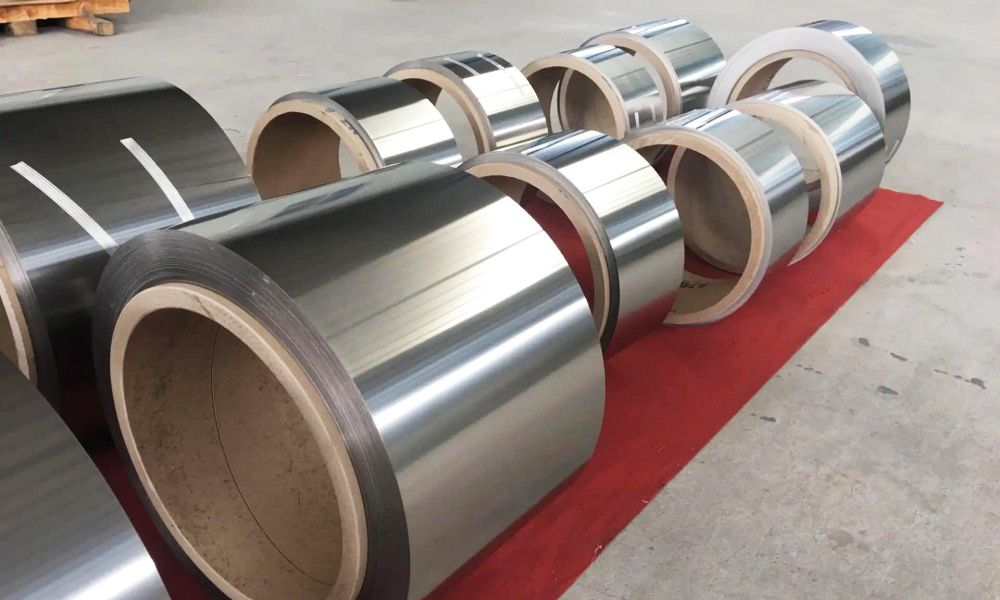
ICCP MMO Strip Anode
-
 Cathodic Protection System
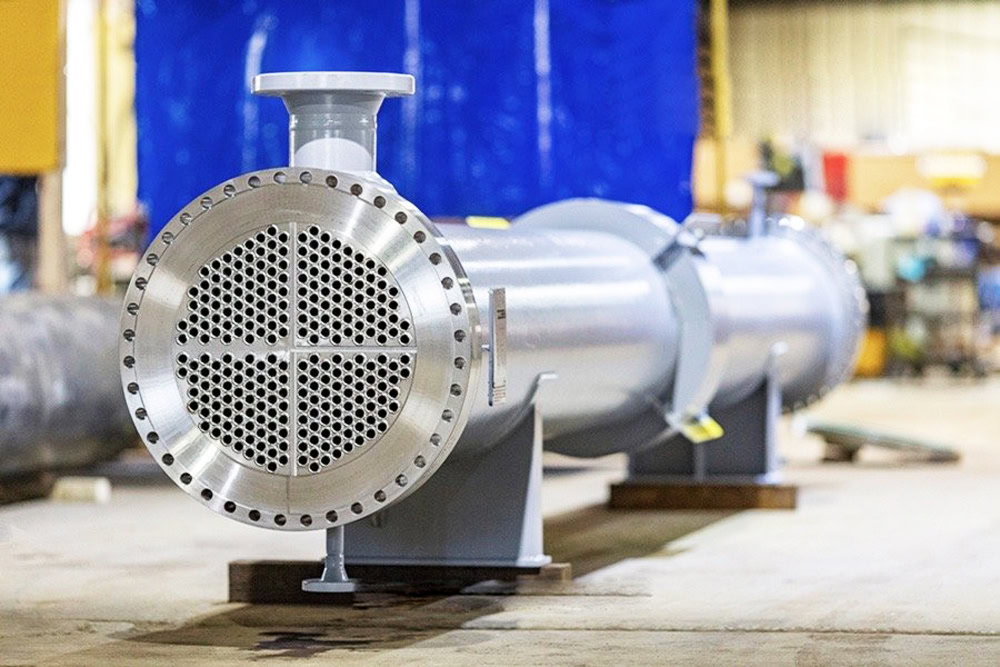
ICCP Cathodic Protection For Petrochemical
-
 Impressed Current Cathodic Protection
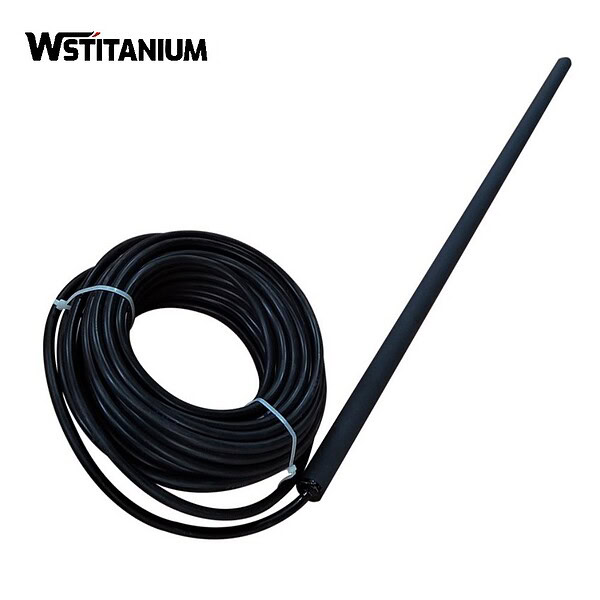
ICCP MMO Tubular Anode
-
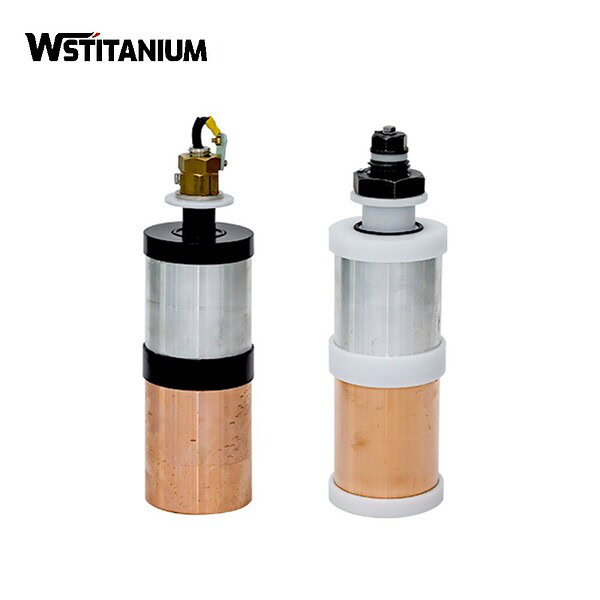 Marine Growth Prevention Systems
MGPS Anode for Yachts
-
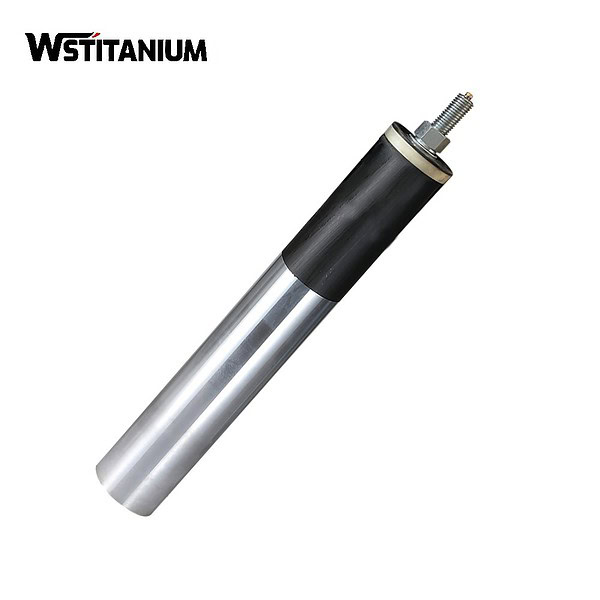 Marine Growth Prevention Systems
Aluminum Marine Growth Prevention Anode
-
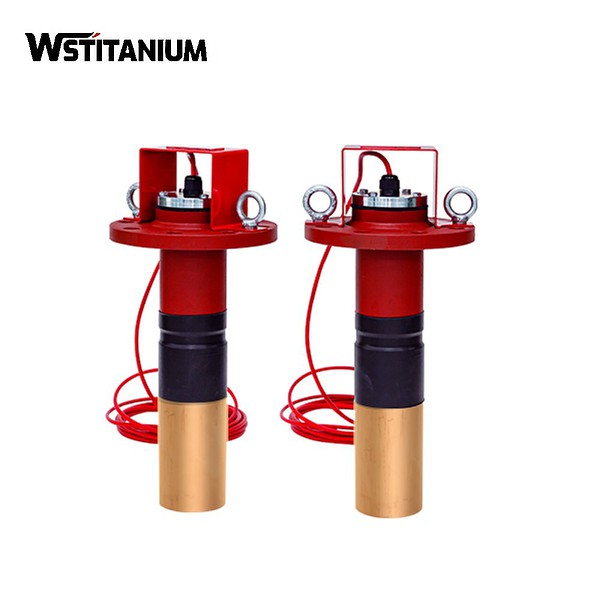 Marine Growth Prevention Systems
MGPS Anode for Merchant Ships
-
 Impressed Current Cathodic Protection
ICCP Cathodic Protection For Marine
-
 Impressed Current Cathodic Protection
ICCP MMO Disk Anode