
ICCP Cathodic Protection For Water Conservancy
Certified: CE & SGS & ROHS
Shape: Requested
Diameter: Customized
Drawings: STEP, IGS , X_T, PDF
Shipping: DHL, Fedex, or UPS & Ocean Freight

20+ YEARS EXPERIENCE SENIOR BUSINESS MANAGER
Ask Michin For What You Want?
Hydraulic engineering projects encompass critical structures such as reservoir dams, water diversion pipelines, cross-sea bridge foundations, port terminals, and hydropower plant buildings. These structures operate for extended periods in complex corrosive environments including freshwater, seawater, and moist soil, making them highly susceptible to corrosion damage.
Impressed current cathodic protection (ICCP) has become the preferred corrosion protection solution for large-scale hydraulic engineering projects. The auxiliary anode, as the core actuator of the ICCP system, plays a crucial role in transmitting the impressed current through the electrolyte to the protected structure. Its performance directly determines the uniformity of the protective current distribution, the system’s operational stability, and the overall protection lifespan.
| Core Category | Key Information |
| Core Function | Enables cathodic polarization of metallic structures in water conservancy projects, inhibits corrosion, and extends service life (from 10–15 years to 30+ years). |
| Main Anode Types | 1. MMO Anode: Titanium substrate with mixed metal oxide coating; features ≥95% current efficiency, 0.001–0.01 kg/A·a consumption rate, and 20+ year service life. Available as mesh/tubular/flexible; ideal for seawater/extreme environments. |
| 2. High Silicon Cast Iron Anode: 14–17% Si content (Cr-modified grade for saline-alkali resistance); high mechanical strength; suited for freshwater/soil environments. | |
| 3. Graphite Anode: High conductivity, low cost; requires coke backfill; compatible with low-resistivity freshwater, but brittle and fracture-prone. | |
| 4. Flexible Polymer Anode: Lightweight, continuous lay capability, uniform current distribution; designed for complex pipe networks. | |
| 5. Scrap Steel Anode: Ultra-low cost, no gas blocking; 9–12 kg/A·a consumption rate; limited to temporary/emergency protection. | |
| Working Principle | 1. Forms a closed circuit: Potentiostat → Auxiliary Anode → Protected Structure → Reference Electrode → Electrolyte. |
| 2. Anode undergoes oxidation (oxygen evolution for insoluble anodes; metal dissolution for soluble anodes) to deliver protective current. | |
| 3. Protected structure is cathodically polarized; potential controlled at –0.85 V to –1.05 V (vs Ag/AgCl) to suppress corrosion reactions. | |
| Selection Principles | 1. Environment Compatibility: MMO anodes for seawater; high silicon cast iron/graphite for freshwater. |
| 2. Current Matching: Calculate total current using protection area and density (100–200 μA/m² for seawater; 50–100 μA/m² for freshwater); configure anode quantity accordingly. | |
| 3. Performance Prioritization: Prefer anodes with low consumption, high mechanical strength, and low polarization. | |
| 4. Economic Suitability: Long-life anodes for permanent projects; low-cost options for temporary applications. | |
| 5. Standard Compliance: Adhere to specifications (e.g., GB/T 4948, NACE TM0179-2007). | |
| Typical Applications | 1. Ports/Cross-sea Bridges: MMO mesh + tubular anodes. |
| 2. Reservoirs/Hydropower Stations: High silicon cast iron anode deep-well beds (dam foundations); MMO tubular anodes (water transmission steel pipes). | |
| 3. Underground Pipelines: Graphite anodes (low-resistivity soil); Cr-modified high silicon cast iron (saline soil); flexible anodes (complex networks). | |
| 4. Offshore Platforms/Wind Farms: MMO anode combinations + intelligent monitoring; zoned deployment with remote current adjustment. | |
| Performance Metrics | Current efficiency (50–100%), consumption rate, mechanical strength, polarization rate, grounding resistance; post-protection corrosion rate ≤ 0.075 mm/a. |
Auxiliary anodes must meet core requirements such as excellent conductivity, strong corrosion resistance, low consumption rate, and reliable mechanical strength. Considering the characteristics of the media (freshwater, seawater, soil) and structural features of hydraulic engineering projects, commonly used anode types are mainly divided into the following categories:
(I) Mixed Metal Oxide (MMO) Anodes
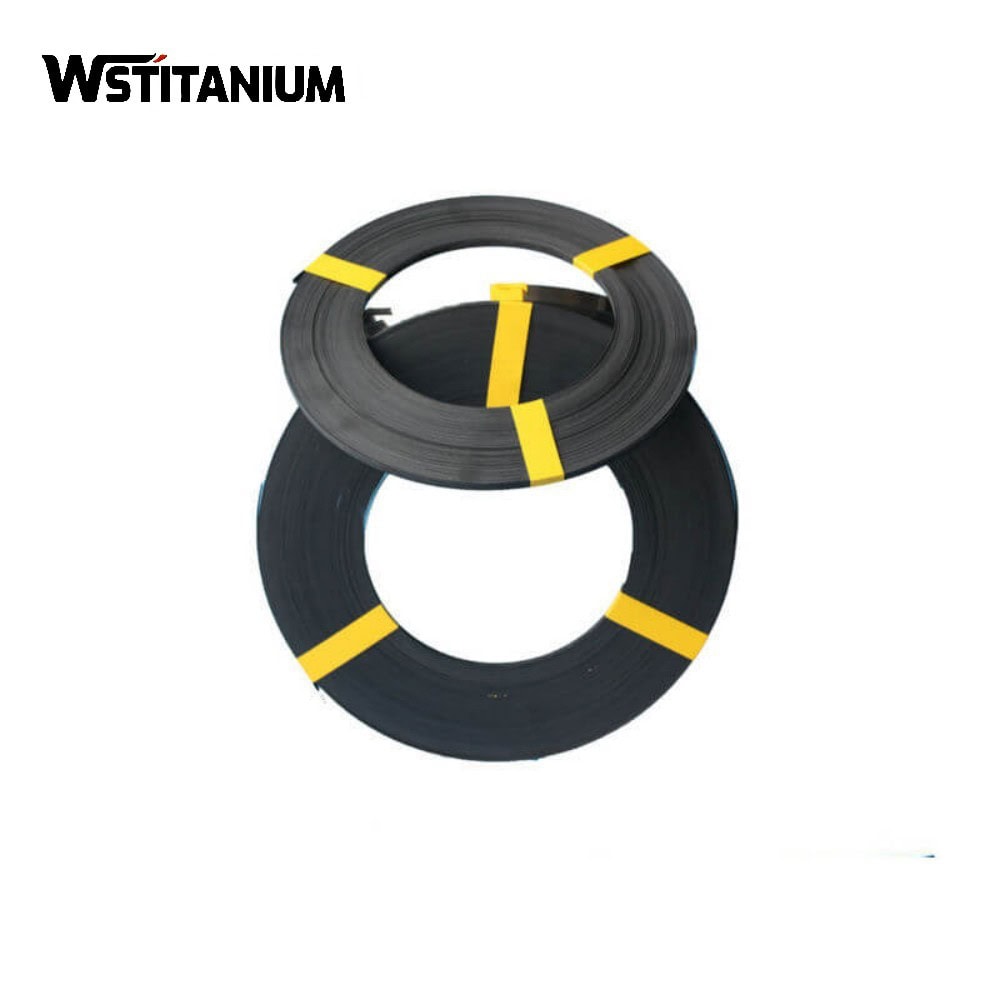
MMO titanium anodes are currently the most widely used high-performance anodes in hydraulic engineering. They use titanium as the substrate and are coated with mixed metal oxide coatings such as ruthenium-iridium and iridium-tantalum, combining high current efficiency with ultra-long lifespan. Their core advantages lie in their high operating current density (up to 100-200 A/m²), low polarization, and a consumption rate of only 0.001-0.01 kg/A・a in seawater and freshwater media, with a service life exceeding 20 years.
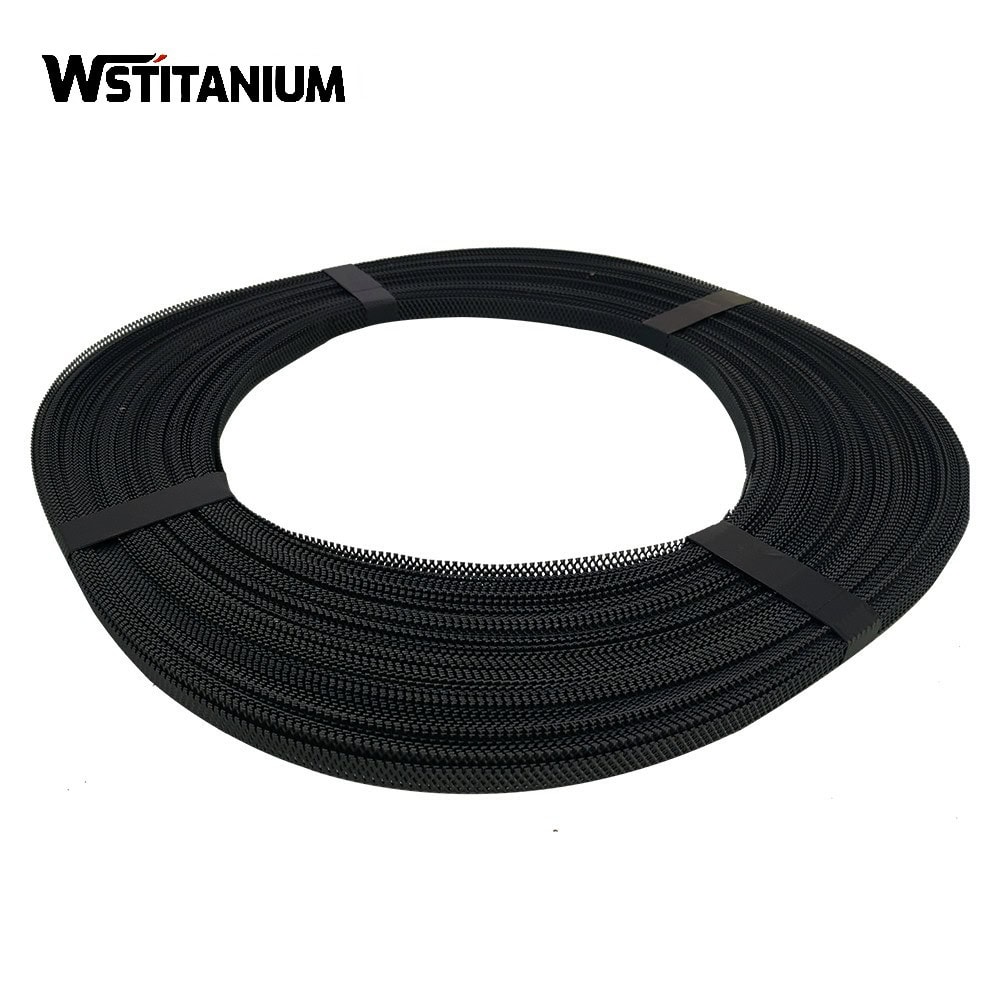
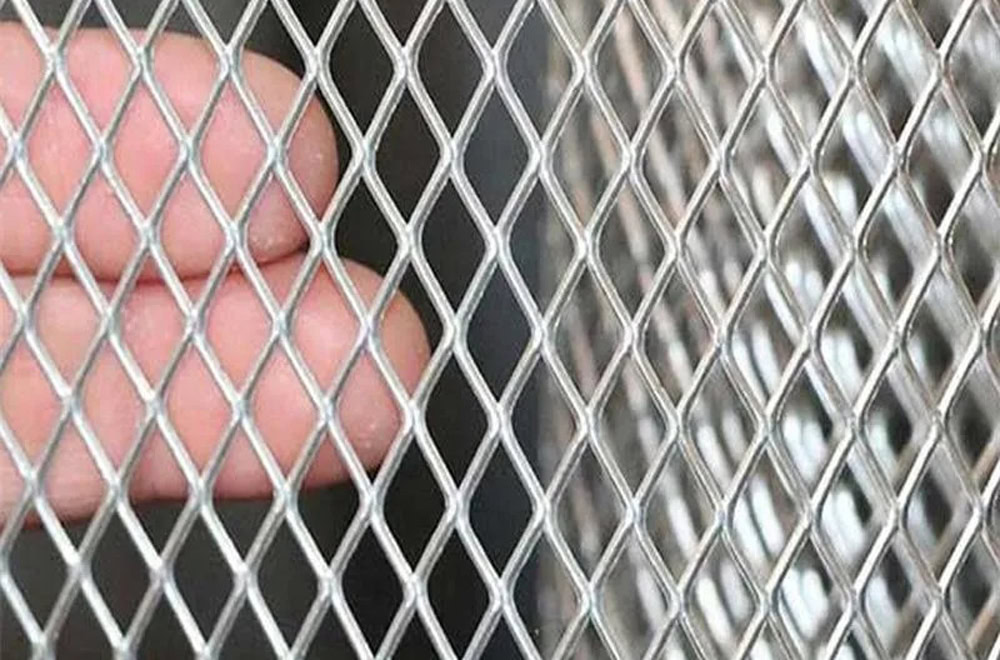
Mesh Anodes: These are formed by cross-welding MMO strip anodes with titanium metal connecting pieces. They provide uniform current distribution, require no backfill, and are suitable for the protection of large-area structures such as tank bottom plates, dam concrete reinforcement, and guide frames.
Tubular anodes: Suitable for deep well anode beds or underwater distributed deployment. In high resistivity soils or deep-sea environments, multiple anodes can be connected in series to increase current output.
Flexible anodes: Use titanium wire as the conductive core, coated with MMO and insulated. They can be bent and arranged to fit complex irregular structures, such as localized protection for cross-sea bridge pile foundations and submarine cable conduits.
(II) High-silicon cast iron anodes
High-silicon cast iron anodes (silicon content 14%-17%) are representative of traditional high-performance anodes. They possess good conductivity and corrosion resistance, allowing current densities of 5-80 A/m². They are stable in freshwater, soil, and weakly acidic media. A derivative type, the chromium-containing high-silicon cast iron anode, enhances resistance to sulfate ion corrosion due to the addition of chromium, making it particularly suitable for harsh environments such as saline soils and coastal soils. This type of anode has high mechanical strength and is not easily damaged by water flow erosion or construction collisions, but it is heavy and requires a support frame for fixed installation. It is often used in the anode bed layout of reservoir dam foundations and underground water pipelines.
(III) Graphite Anodes
Graphite anodes use natural or artificial graphite as raw materials. They have excellent conductivity and are inexpensive, making them suitable for freshwater environments with low soil resistivity. Their advantages include low polarization and stable current output, but they have poor mechanical strength and are brittle and easily cracked, requiring extra protection during strong water flow impacts or construction. Graphite anodes need to be used in conjunction with coke backfill to form an anode bed to reduce grounding resistance and extend service life. They are commonly used in pipeline protection systems for small and medium-sized water conservancy projects.
(IV) Flexible Polymer Anodes
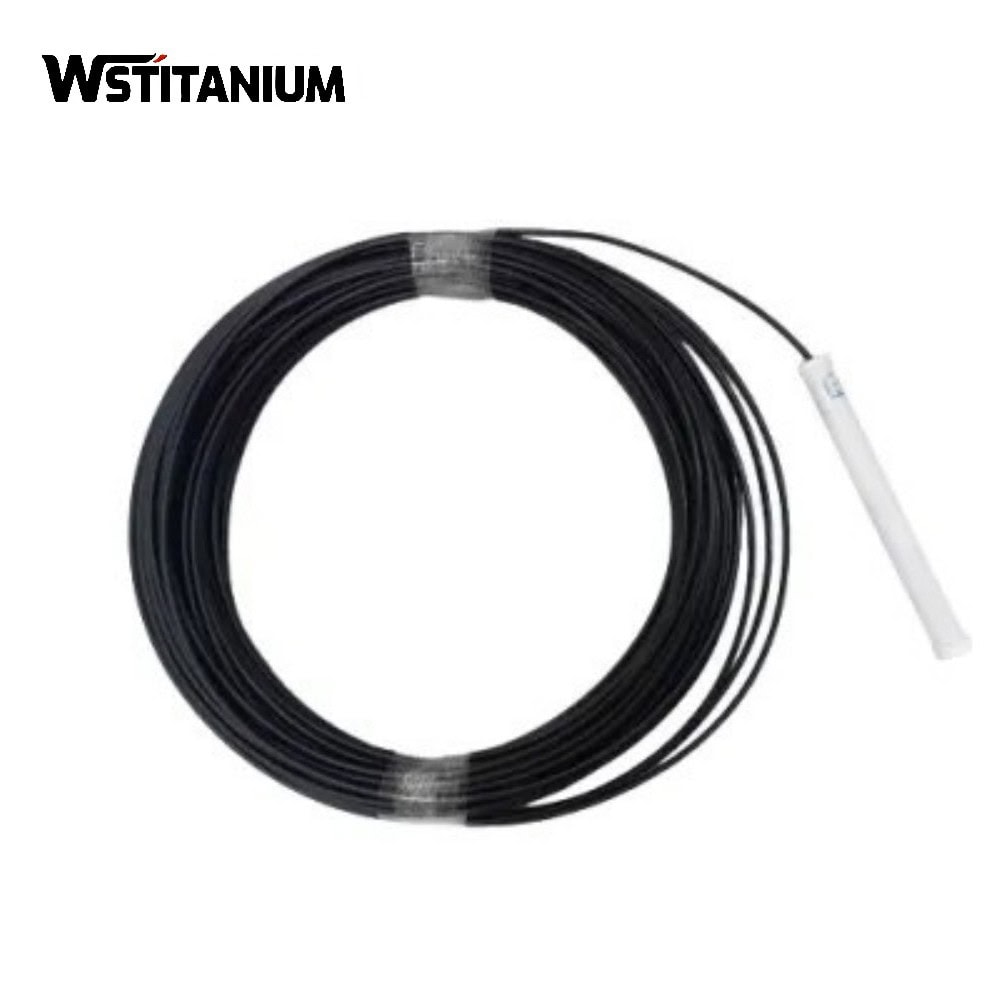
Flexible polymer anodes consist of a copper core conductor, a conductive polymer coating (with added carbon powder), and an outer sheath, also known as cable anodes. They are lightweight, can be continuously laid, provide uniform protective current distribution, and effectively avoid stray current interference. Its operating current density is relatively low, but it can be placed close to the protected structure, making it suitable for water conservancy projects with complex pipe networks and multiple metal structures, such as the dense steel pipe pile protection of port terminals. It should be noted that this type of anode is not suitable for use in sewage or high-salt media, as this may accelerate the aging of the conductive polymer coating.
(V) Scrap Steel Anodes
Scrap steel anodes are made from scrap angle steel, channel steel, and other steel products. They are widely available and extremely low in cost. They are soluble anodes, and the surface does not easily release gas, eliminating gas lock issues. However, their consumption rate is high (approximately 9-12 kg/A・a), and their service life is short. They are only suitable for temporary protection or short-term emergency protection in high-resistivity soils, such as temporary corrosion protection during emergency repairs of water conservancy projects.
Anode Selection Guidelines
Anode selection requires comprehensive consideration of the dielectric environment, structural characteristics, protection requirements, and economics, following the principles of “environmental suitability, current compatibility, extended lifespan, and cost control.” Specific steps and key factors are as follows.
(I) Defining the Environmental Corrosion Level
The corrosion intensity varies significantly across different hydrological environments. Anode corrosion resistance requirements must be determined primarily based on the medium type:
Seawater Environment (Ports, Offshore Platforms): High salt spray, strong ocean currents, and high chloride ion concentrations necessitate the use of MMO anodes (mesh or tubular), which exhibit excellent chloride corrosion resistance. For example, the “Guanhai No. 1” offshore platform utilizes MMO anode kits to adapt to high salt spray environments.
Freshwater Environment (Reservoirs, Inland Waterways): Corrosion is relatively weak. High-silicon cast iron anodes or graphite anodes can be selected, balancing performance and cost.
Tidal Zones and Splash Zones: Alternating wet and dry conditions result in severe corrosion. High-strength, erosion-resistant MMO mesh anodes or long, strip-shaped high-silicon cast iron anodes are required to reduce anode wear from water flow.
Soil/Submarine Zones: Selection is based on resistivity. Graphite anodes can be used for low-resistivity soils, while chromium-containing high-silicon cast iron anodes or MMO anode beds are preferred for high-resistivity or saline soil environments.
(II) Calculation of Current Requirements
The current requirement is determined based on the protected material and environment. For carbon steel, the requirement is 100-200 μA/m² in seawater and 50-100 μA/m² in freshwater. For structures with intact coatings, this can be reduced to 20-50 μA/m².
Total Protection Current: Calculated by multiplying the total surface area of the protected structure by the current density. A 10%-20% margin should be reserved to accommodate environmental changes.
Anode Output Current: The output current of a single anode must match the total current requirement. The number of anodes is combined in series or parallel to ensure uniform current distribution. For example, large jacket structures can be protected by arranging multiple anodes in different areas to achieve precise protection.
(III) Evaluation of Anode Core Performance
Prioritize low-consumption anodes (such as MMO anodes) to reduce replacement frequency, especially suitable for projects with difficult operation and maintenance, such as deep-sea and remote areas;
Mechanical Strength: In areas with strong water flow impact (such as hydropower station spillways and cross-sea bridge pile foundations), impact-resistant and fracture-resistant anodes (high-silicon cast iron anodes, MMO tubular anodes) should be selected;
Polarization Characteristics: Low-polarization anodes (such as MMO, graphite) can ensure long-term stable output current and avoid protection failure due to polarization;
Installation Compatibility: Flexible anodes are preferred for complex irregular structures (such as ladders, anti-settlement boxes), while mesh anodes are suitable for large-area planar structures (such as tank bottom plates).
(IV) Compatibility and Economy
In environments with multiple metal structures (such as dense port pipe networks), flexible or mesh anodes should be preferred to reduce current interference to surrounding structures.
Operation and Maintenance Costs: For large-scale projects with long-term operation (such as cross-sea bridges and offshore wind farms), long-life anodes (MMO anodes) should be selected to reduce later replacement costs; for temporary projects, scrap steel anodes or graphite anodes can be used to control initial investment.
Power Supply Matching: The anode type must match the output characteristics of the potentiostat. In high-resistance environments, low-grounding-resistance anodes (such as deep-well anode beds) should be selected to ensure efficient power output.
(V) Compliance with Industry Standards and Specifications
Anode selection must comply with standards such as GB/T 4948 “Aluminum-Zinc-Indium Alloy Sacrificial Anodes” and NACE TM0179-2007 “Catholic Protection of Underground or Underwater Metal Structures” to ensure that material performance, potential control, current density, and other parameters meet the standards. For marine water conservancy projects, certification by authoritative institutions such as classification societies is also required to ensure system reliability.


Related products
-
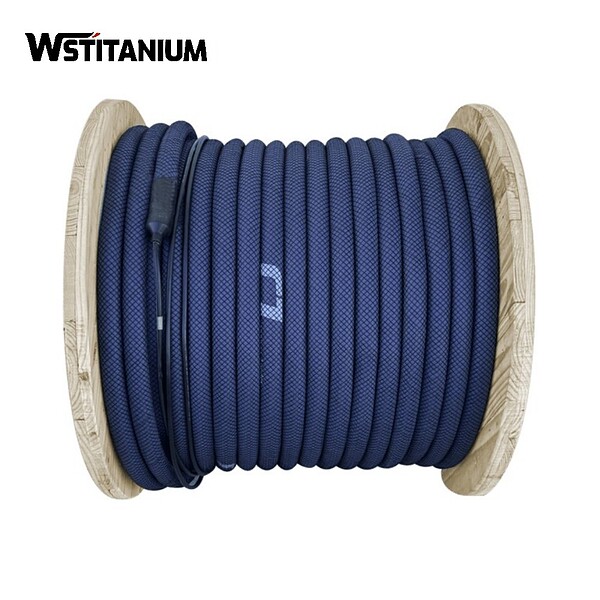 Impressed Current Cathodic Protection
ICCP MMO Linear Anodes
-
 Cathodic Protection System
ICCP Cathodic Protection For Petrochemical
-
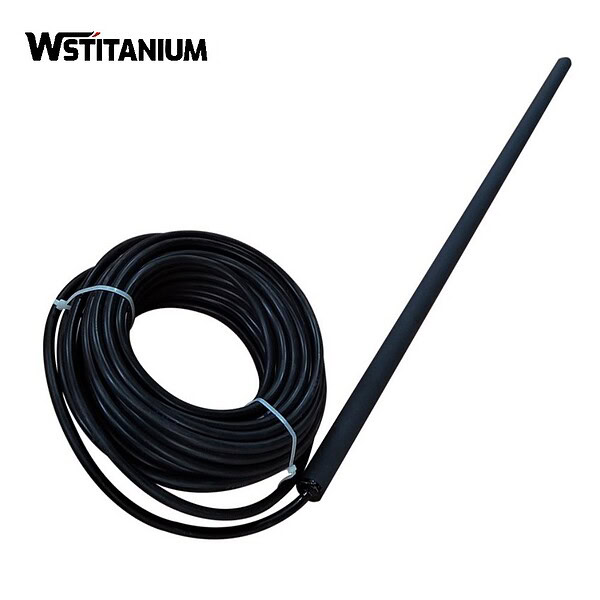 Impressed Current Cathodic Protection
ICCP MMO Tubular Anode
-
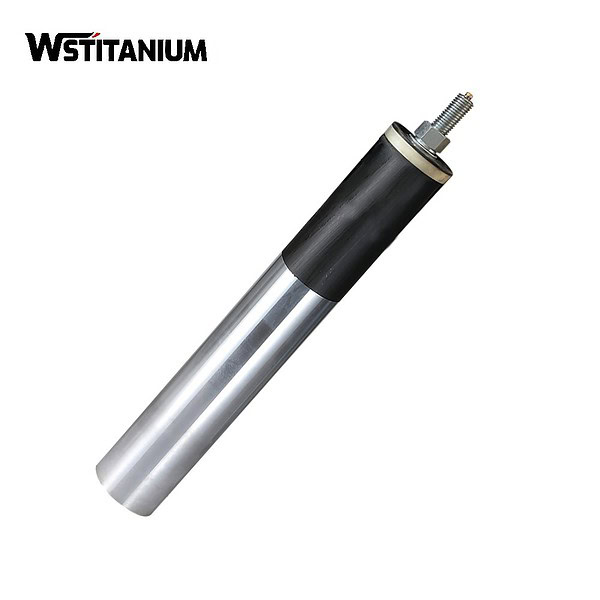 Marine Growth Prevention Systems
Aluminum Marine Growth Prevention Anode
-
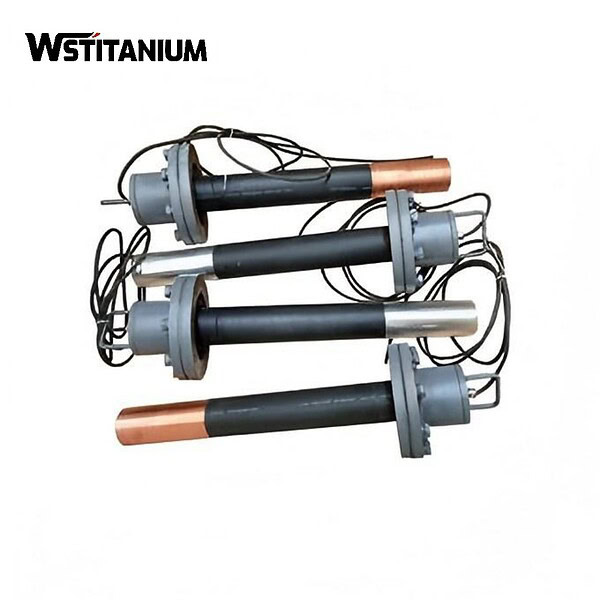 Marine Growth Prevention Systems
MGPS Anode for Cruise Ships
-
 Marine Growth Prevention Systems
MGPS anode for Subsea Pipelines
-
 Impressed Current Cathodic Protection
ICCP Silicon Iron Anode
-
 Marine Growth Prevention Systems
MGPS Anode for Merchant Ships