
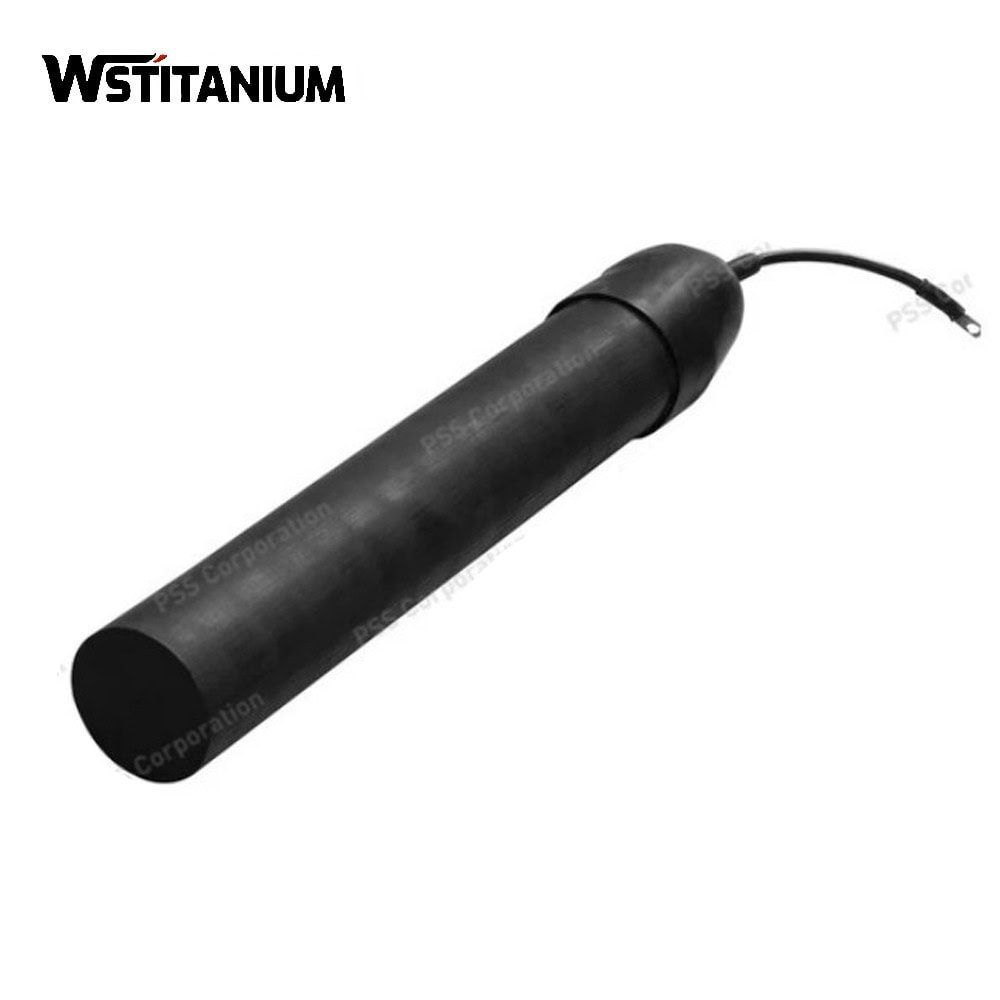
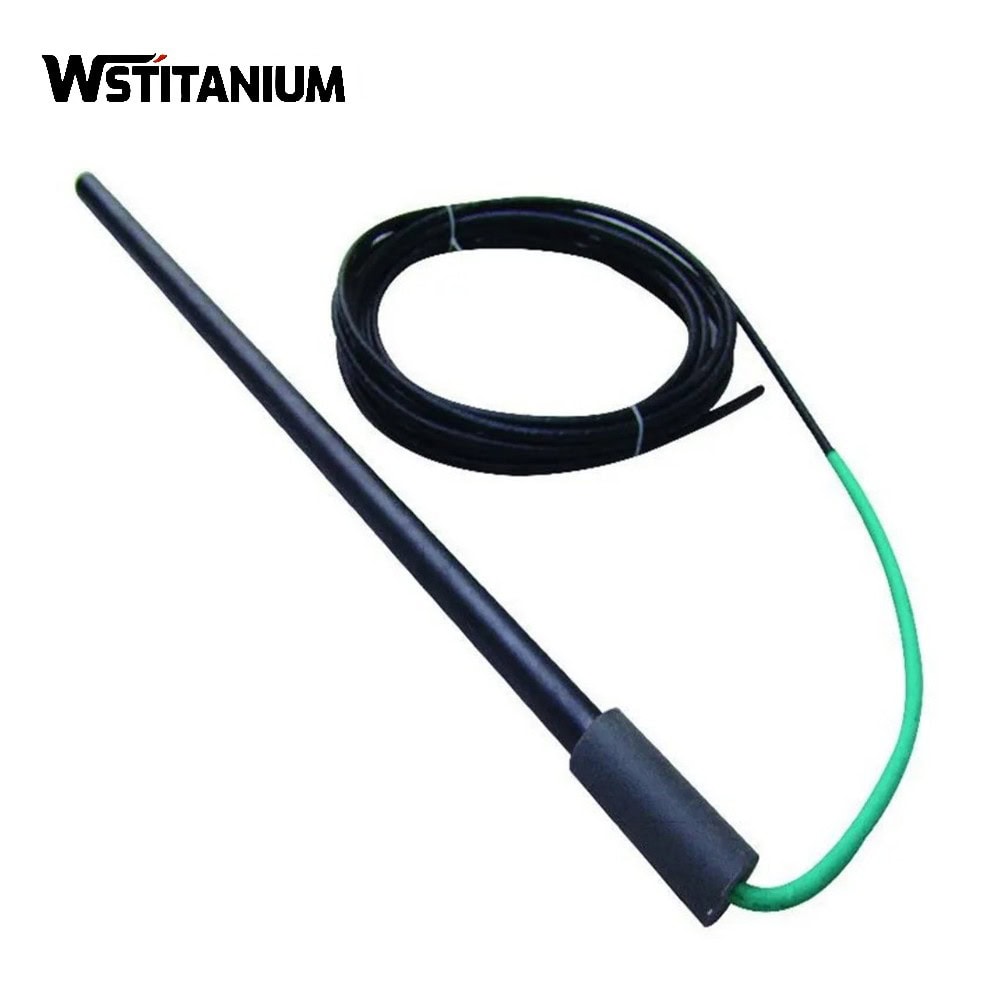
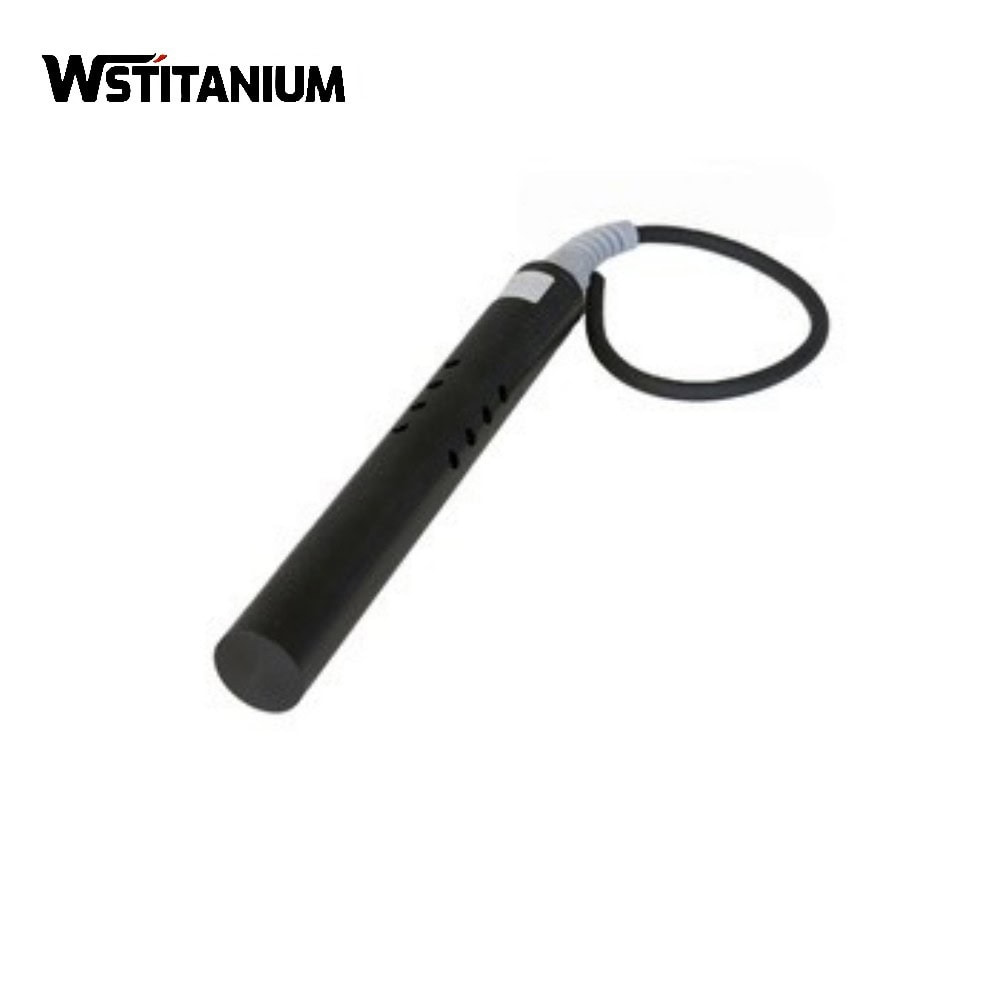
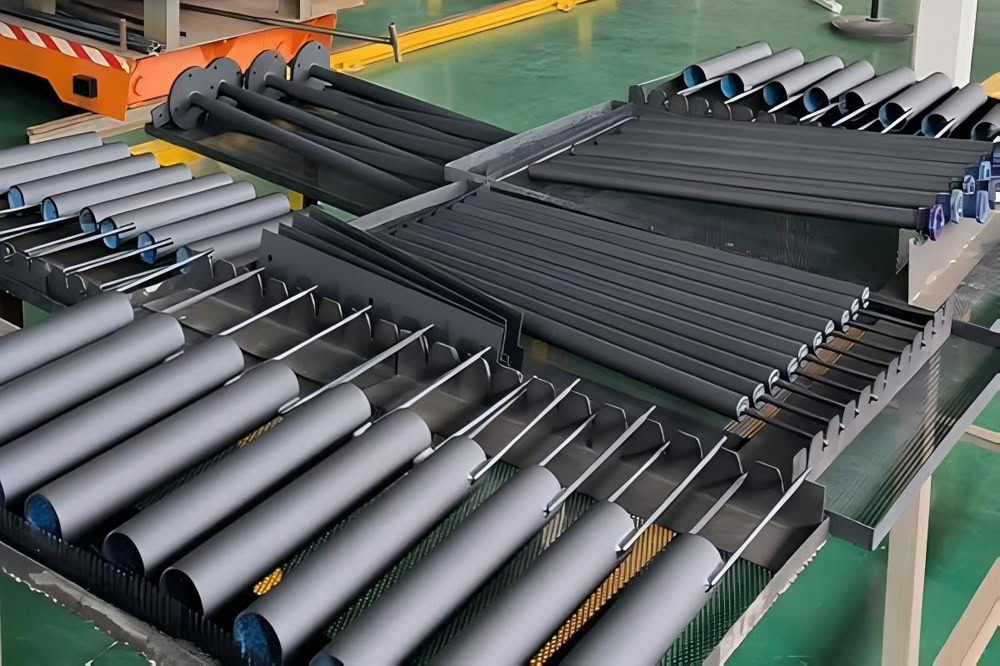
ICCP MMO Rod Anode
Certified: CE & SGS & ROHS
Shape: Requested
Diameter: Customized
Drawings: STEP, IGS , X_T, PDF
Shipping: DHL, Fedex, or UPS & Ocean Freight

20+ YEARS EXPERIENCE SENIOR BUSINESS MANAGER
Ask Michin For What You Want?
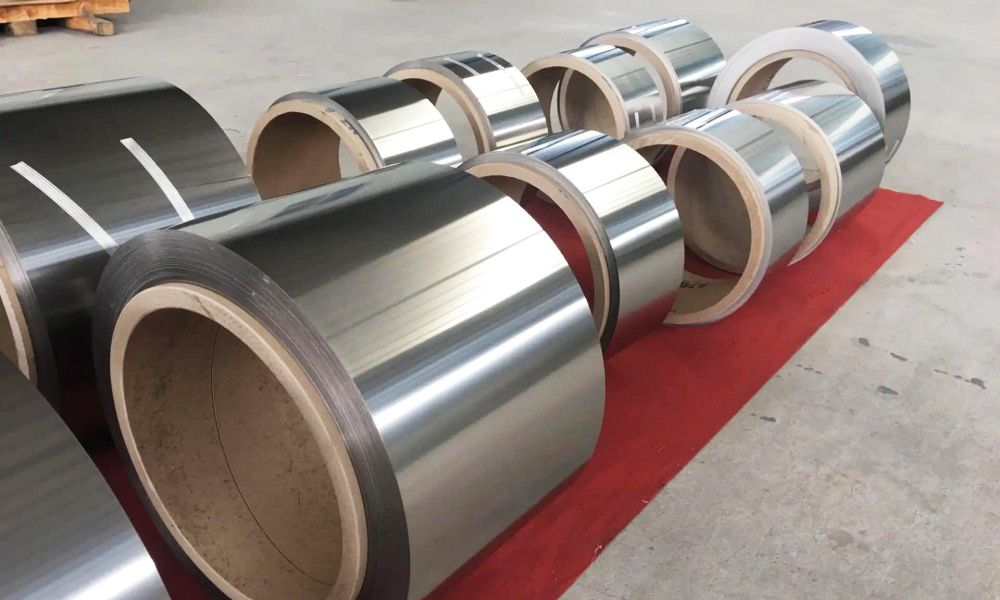
Impressed current cathodic protection (ICCP) systems, as one of the most efficient and reliable corrosion protection solutions currently available, have become the preferred protection technology for large metal structures. In ICCP systems, the auxiliary anode is a core component, playing a crucial role in releasing the protective current and replacing the protected metal in the corrosion process. Hybrid metal oxide (MMO) anodes, due to their composite structure of titanium substrate and noble metal oxide coating, possess outstanding characteristics such as low consumption rate, low polarization, and long lifespan. Plate-shaped MMO anodes, as an important member of the MMO anode family, demonstrate unique advantages in protecting large-area planar or regularly curved metal structures.
| Core Category | Content | Description |
| Core Position | ICCP Auxiliary Anode | A core component for electrochemical corrosion protection of metal structures; serves as the sacrificial electrode (instead of the protected metal) and is suited for large-area/regular structure protection. |
| Coating Type | Iridium MMO Coating | Core formulation: IrO₂ (10%-30%) + Ta₂O₅; low oxygen evolution overpotential, stable in neutral/alkaline media; consumption rate: 2-6 mg/A·yr. |
| Ruthenium Coating | Core formulation: RuO₂ + TiO₂; excellent chlorine evolution catalytic activity, suitable for high-chloride acidic environments; cost-effective vs. iridium-based coatings. | |
| Dimension | Standard | Common sizes: 300mm×500mm, 500mm×1000mm; thickness: 2-5mm; compatible with standardized facilities. |
| Customized | Tailored irregular dimensions with pre-reserved mounting holes/weld points; compatible with complex irregular structures. | |
| Composite Structure | Single-layer | Titanium substrate + MMO coating; simple structure and low cost; requires pairing with conductive mortar for application. |
| Integrated | Integrated with grid-patterned titanium current-carrying strips + sealed terminals; minimizes current loss; suitable for humid/submerged environments. | |
| Working Principle | System Synergy Mechanism | Forms a closed circuit with potentiostat and reference electrode; the potentiostat regulates potential (-0.85V~-1.1V vs Ag/AgCl) to polarize the protected metal as cathode via anode-released current. |
| Electrode Reaction | Neutral media: 2H₂O → O₂↑ + 4H⁺ + 4e⁻ (oxygen evolution); High-chloride media: 2Cl⁻ → Cl₂↑ + 2e⁻ (chlorine evolution). | |
| Structural Advantage | Planar design enables uniform current distribution; current density fluctuation ≤±10% at anode spacing ≥3m, avoiding local under/over-protection. | |
| Application | Reinforced Concrete Structures | Bridges, tunnels, ports, nuclear power plant containments; protects rebar from chloride-induced corrosion; extends service life by over 50 years. |
| Petrochemical Storage Tanks | Bottom plates of crude oil/chemical storage tanks; high compressive strength (withstands heavy loads); O&M cost reduced by 60% vs. traditional solutions. | |
| Marine Engineering Facilities | Ship decks, offshore platforms; seawater impact-resistant, coating is peel-resistant; service life ≥15 years. | |
| Buried Pipelines & Utility Corridors | High-resistivity soil segments of long-distance pipelines, metal brackets in urban utility corridors; increases protection potential compliance rate to >98%. |
Types of MMO Anodes
The classification of plate-shaped MMO anodes is mainly based on coating formulation, size specifications, and composite structure design. Different types of products have different focuses in terms of electrochemical performance and applicable scenarios. The following is an introduction to the mainstream classifications and characteristics in the current industrial field:
Coatings
This is the core classification that determines the electrocatalytic activity and media adaptability of plate-shaped MMO anodes. One type is the iridium-based coated plate-shaped MMO anode, with IrO₂ as the core active component and Ta₂O₅ as a stabilizing component. Its typical formulation contains 10%-30% IrO₂. This type of anode has a low oxygen evolution overpotential and is stable in neutral and alkaline environments. Its consumption rate is only 2-6 mg/A·year, suitable for seawater, freshwater, and concrete media, and is a common choice for applications such as cross-sea bridges and ship decks. Another type is the ruthenium-based coated plate-shaped MMO anode, with RuO₂ as the active component and composite stabilizing components such as TiO₂. It has excellent chlorine evolution catalytic activity and is more suitable for acidic environments with high chloride ion concentrations. Its advantage lies in its lower cost compared to iridium-based anodes, making it commonly used in chemical storage tanks and pipeline protection in acidic soils. However, its stability is slightly weaker in strongly alkaline environments.
Size
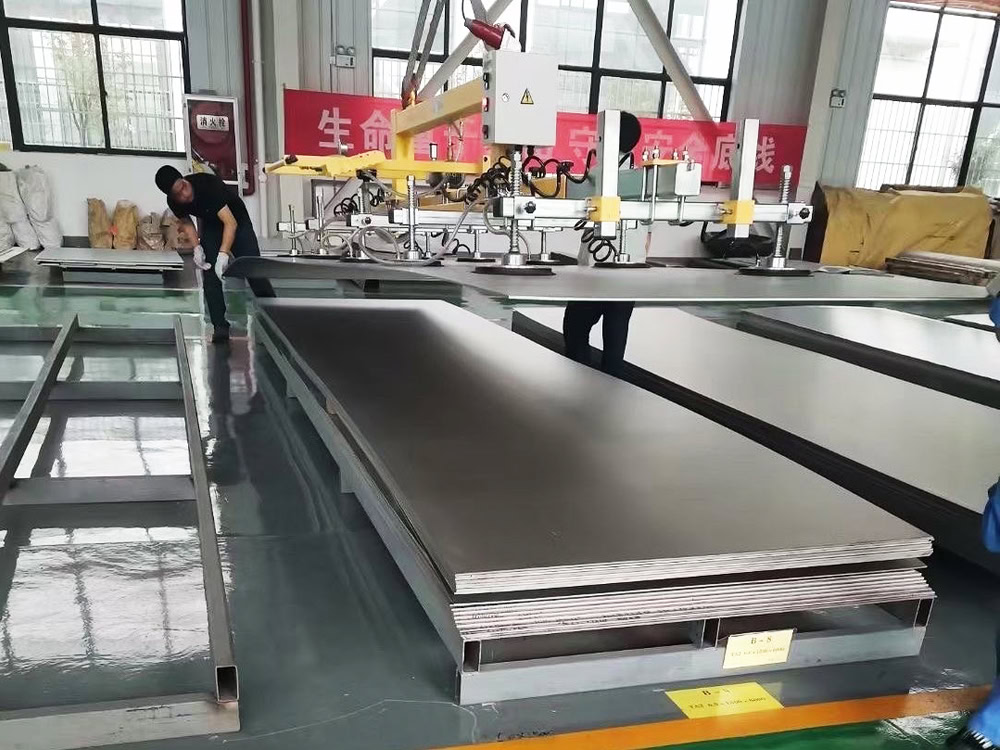
Plate-shaped MMO anodes can be divided into standard and custom types. Common specifications for standard plate-shaped MMO anodes are 300mm×500mm and 500mm×1000mm, with a thickness typically between 2-5mm. The titanium matrix accounts for over 80% of the thickness, making them suitable for standardized facilities such as conventional storage tanks and ordinary steel structures in factories. Custom-made plate-shaped MMO anodes can be cut to irregular sizes according to engineering needs, such as narrow plates to fit bridge expansion joints or curved plates to conform to the walls of curved storage tanks. Some products also have pre-drilled mounting holes or welding points to accommodate the protection needs of complex irregular structures.
Composite Structures
Plate-shaped MMO anodes have evolved into two composite structures: single-type and integrated-type. Single-type plate-shaped MMO anodes consist only of a titanium substrate and an MMO coating, featuring a simple structure and low cost, and are often used for reinforcing steel protection within concrete. Integrated plate-shaped MMO anodes integrate titanium conductive electrode strips and terminals onto a titanium substrate. The electrode strips are arranged in a grid pattern to reduce current transmission loss. The terminals are heat-shrink sealed, providing waterproof and corrosion-resistant capabilities, and are commonly used in humid environments or underwater structures, such as subsea tunnels and sewage treatment plants.
Working Principle
The working mechanism of plate-shaped MMO anodes combines the overall electrochemical cycle of the ICCP system with their own material properties. Its core principle is to release current through the catalytic reaction of the coating, forcing the protected metal to remain in a cathode state.
As the anode end of the ICCP system, the plate-shaped MMO anode, together with the potentiostat, reference electrode, and the protected metal structure, forms a closed loop. The potentiostat, acting as the system’s “brain,” dynamically adjusts the output current based on the potential signal fed back from the reference electrode, precisely controlling the potential of the protected metal within the safe range of -0.85V to -1.1V (relative to the Ag/AgCl electrode). The plate-shaped MMO anode is connected to the positive terminal of the potentiostat. The protected metal is connected to the negative terminal. When the system starts, the DC current released from the anode flows through the electrolyte (soil, seawater, conductive mortar, etc.) to the surface of the protected metal. This process forces electrons to be continuously injected into the protected metal, making it a cathode and completely inhibiting the corrosion reaction of steel oxidizing to iron ions.
The titanium substrate only serves to conduct current. Because titanium forms a dense TiO₂ passivation film in an oxidizing environment, it effectively prevents the substrate from corroding. The oxidation reaction on the coating surface differs in different electrolyte environments: in neutral media such as seawater and freshwater, the main reaction is oxygen evolution reaction, with the reaction formula 2H₂O → O₂↑ + 4H⁺ + 4e⁻; in soil or chemical media containing high concentrations of chloride ions, a chloride evolution reaction occurs, with the reaction formula 2Cl⁻ → Cl₂↑ + 2e⁻. Both reactions stably release electrons, providing a continuous protective current for the ICCP system.
The principle behind the current distribution advantage of plate-shaped structures: Compared to tubular and rod-shaped anodes, the biggest advantage of plate-shaped structures lies in the planar uniformity of current output. The coating surface of plate-shaped MMO anodes is flat, and the contact distance with the protected structure is consistent, which can avoid current concentration.
Applications of ICCP MMO Anodes
Plate-shaped MMO anodes, with their advantages of good current uniformity and flexible installation, have been widely used in various fields such as civil engineering, petrochemicals, and marine engineering. They have become a core component for long-term corrosion protection of large metal structures.
Reinforced Concrete
The reinforcing steel in reinforced concrete is susceptible to chloride ion corrosion and carbonization, leading to rust and subsequent concrete spalling. Plate-shaped MMO anodes are particularly suitable for the protection of concrete structures such as bridges, tunnels, and port terminals. Taking a cross-sea bridge as an example, its piers and pavement layers are exposed to salt spray for extended periods, where chloride ions easily penetrate to the surface of the reinforcing steel, damaging the passivation film. During construction, plate-shaped MMO anodes are laid on the concrete surface or embedded in pre-set channels, combined with Ag/AgCl reference electrodes and an intelligent potentiostat, and the current is conducted through conductive mortar.
Petrochemical Storage Tank Protection
The bottom plates and tank walls of large crude oil storage tanks and chemical raw material storage tanks are high-risk areas for corrosion. Moisture in the soil and leakage of chemical media accelerate metal corrosion. Plate-shaped MMO anodes are an ideal choice for tank bottom plate protection. During construction, they are evenly laid in the sand cushion layer beneath the tank bottom plate, with multiple anodes spliced together to form a complete protective net. Current conduction is achieved through titanium connecting plates. Compared to flexible anodes, plate-shaped anodes have stronger compressive strength, capable of withstanding the heavy load pressure after the tank is filled with liquid, and maintenance requires no excavation; performance can be assessed simply through potential monitoring.
Marine Engineering Facility Protection
The high salinity and high humidity conditions of the marine environment accelerate metal corrosion. Plate-shaped MMO anodes are widely used in ship decks, offshore platform decks, and near-shore structures. In ship deck protection, plate-shaped anodes can be installed flush with the deck surface, and sealing treatment prevents seawater from seeping into the wiring points. Combined with the potentiostat of the marine ICCP system, the deck potential is controlled within a safe range. Plate-shaped MMO anodes can also be welded to the base of the pile legs and horizontal support structures of offshore platforms, forming a synergistic protection system with other types of anodes. In this application scenario, plate anodes exhibit strong resistance to seawater impact, their coatings are not easily peeled off, and their service life can reach over 15 years, far exceeding that of traditional anodes.
Buried Pipelines
Straight sections of long-distance pipelines and metal supports in integrated pipe racks often face protection challenges due to uneven soil resistivity. Plate MMO anodes can be installed above or on both sides of the pipeline using shallow burial methods, forming a parallel current field. For pipeline sections traversing high-resistivity soils, multiple plate anodes can be arranged into an array, increasing the current output area and reducing polarization losses.
Impressed Current Circuits (ICCP): Plate MMO anodes, as a highly efficient and long-lasting core component for corrosion protection, represent a significant achievement in the development of electrochemical corrosion protection technology. Based on a composite structure of titanium matrix and noble metal oxide coating, they possess low consumption rate, high stability, and uniform current output characteristics, perfectly adapting to the protection needs of large-area, regularly shaped metal structures. Through differentiation in coating formulations and structural designs, plate MMO anodes have been developed into different types of products, such as iridium-based and ruthenium-based anodes, to specifically meet the usage requirements of different media environments and engineering scenarios.



Related products
-
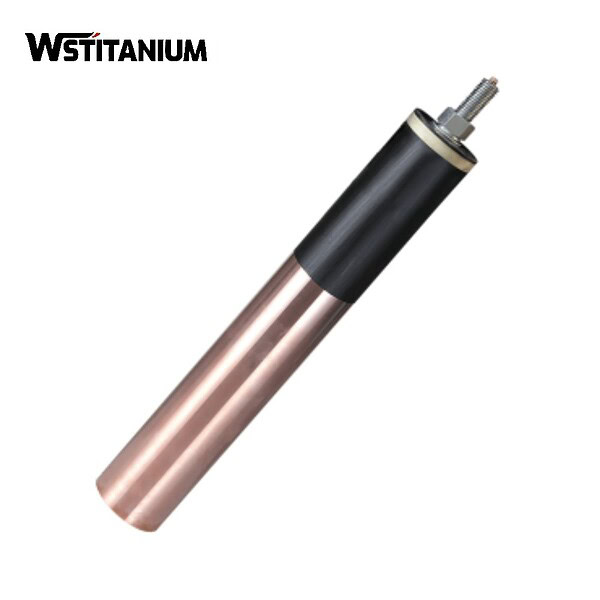 Marine Growth Prevention Systems
Copper Marine Growth Prevention Systems
-
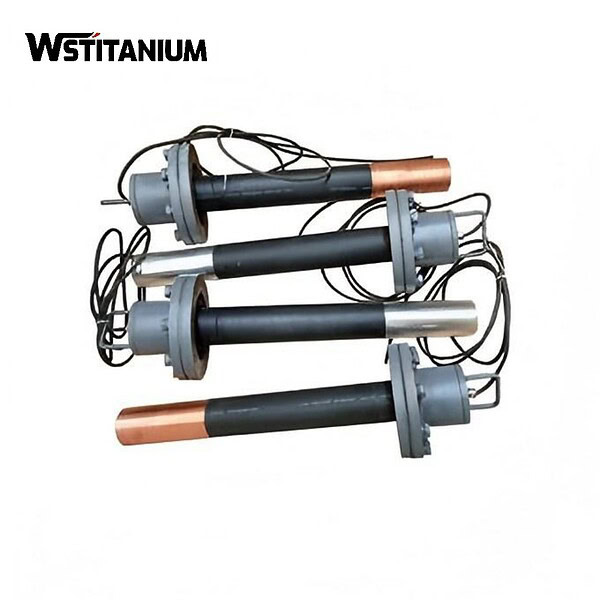 Marine Growth Prevention Systems
MGPS Anode for Cruise Ships
-
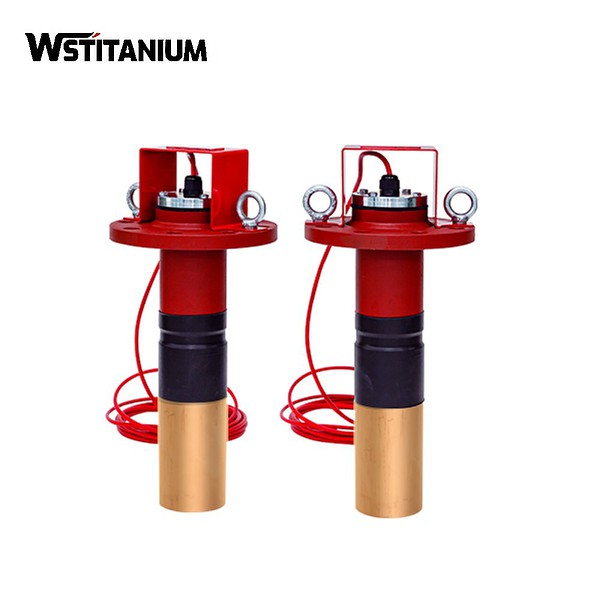 Marine Growth Prevention Systems
MGPS Anode for Merchant Ships
-
 Impressed Current Cathodic Protection
ICCP Cathodic Protection For Marine
-
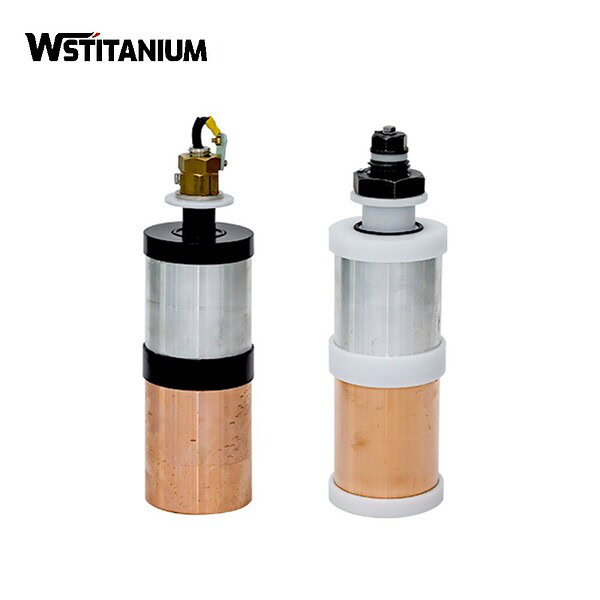 Marine Growth Prevention Systems
MGPS Anode for Yachts
-
 Impressed Current Cathodic Protection
ICCP Cathodic Protection For Buildings
-
 Cathodic Protection System
ICCP Cathodic Protection For Petrochemical
-
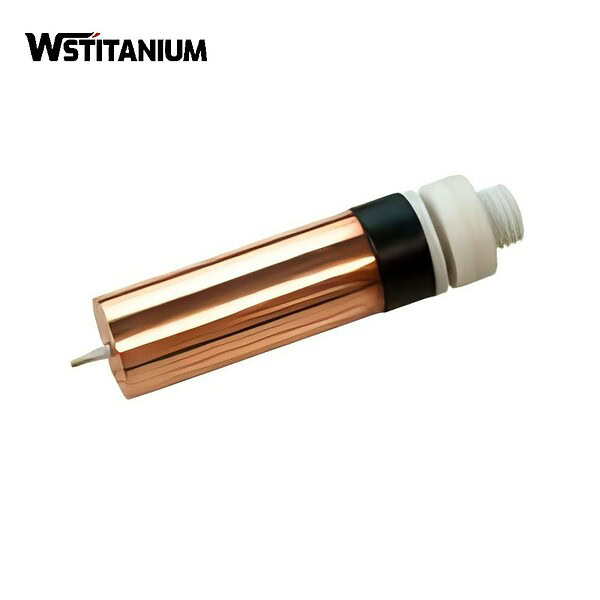 Cathodic Protection System
MGPS Anode For Port Terminals