
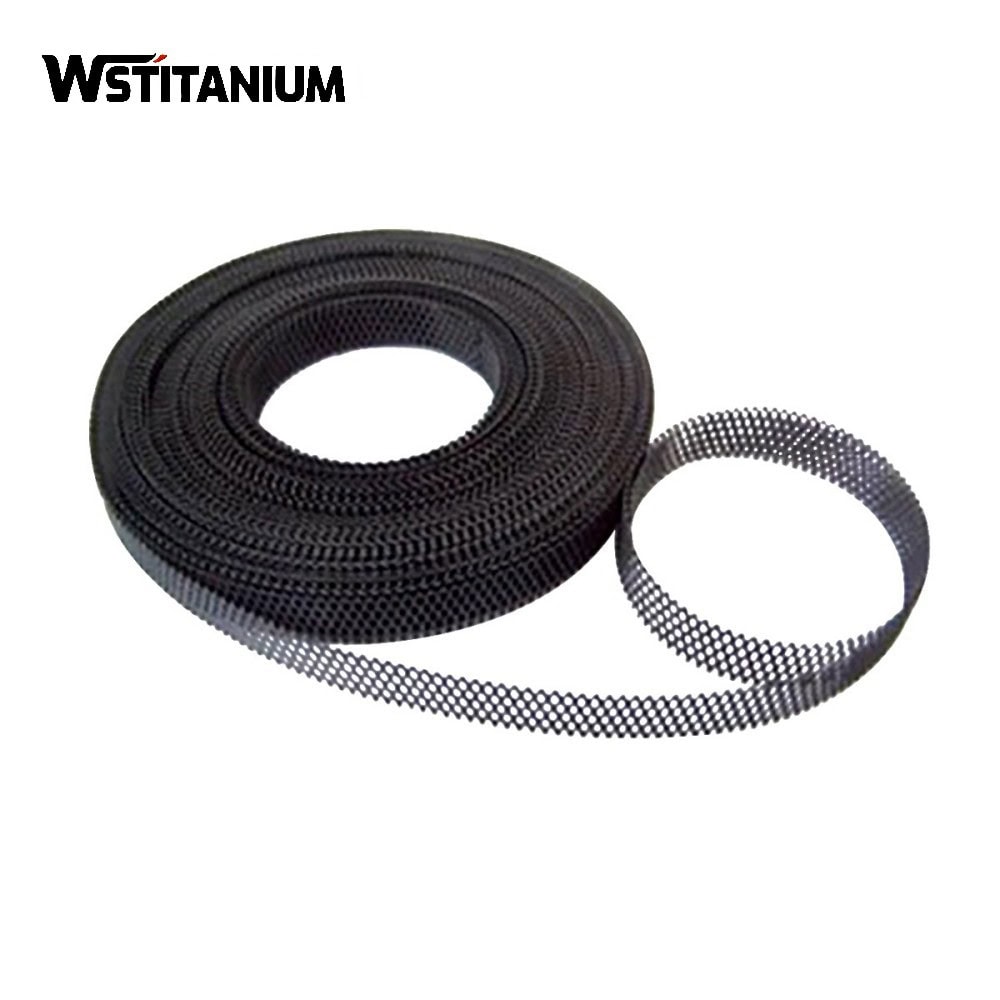
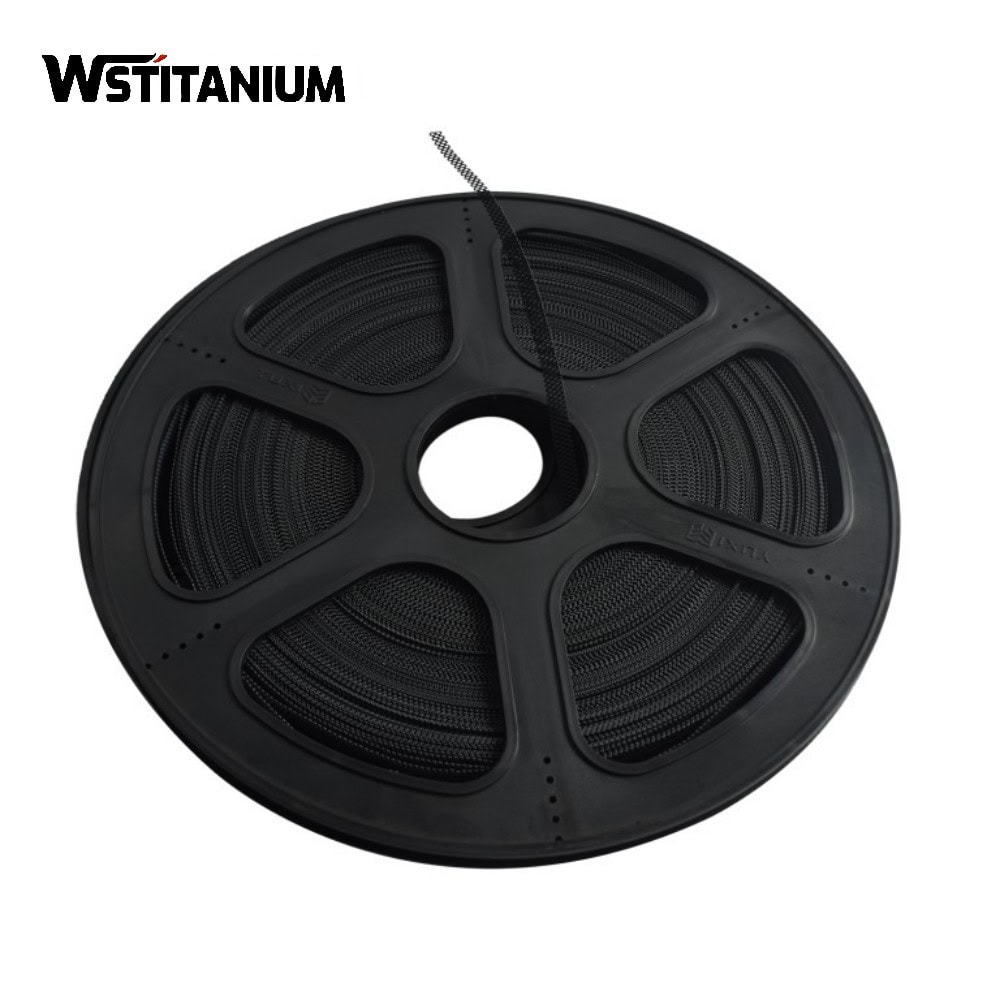
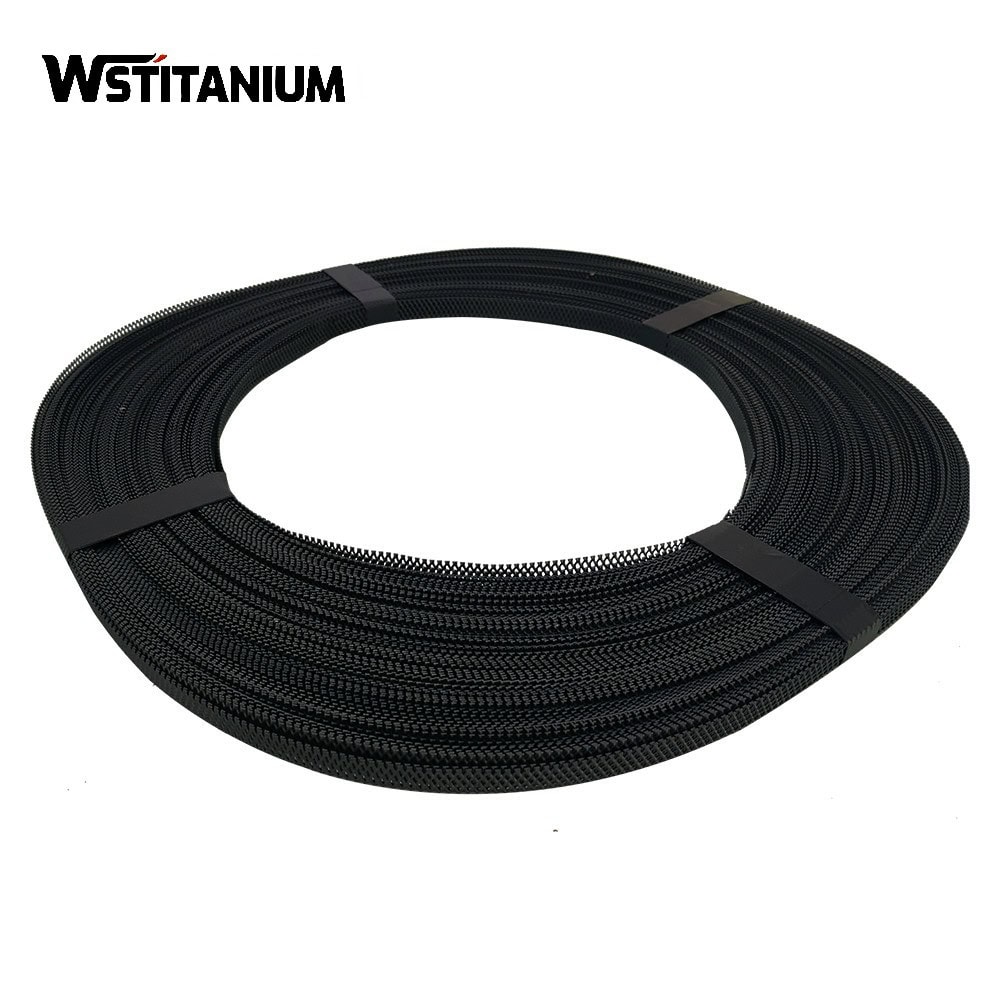
ICCP MMO Strip Anode
Certified: CE & SGS & ROHS
Shape: Requested
Diameter: Customized
Drawings: STEP, IGS , X_T, PDF
Shipping: DHL, Fedex, or UPS & Ocean Freight

20+ YEARS EXPERIENCE SENIOR BUSINESS MANAGER
Ask Michin For What You Want?
Impressed current cathodic protection (ICCP) technology is a core solution in the field of metal corrosion protection. It provides a protective current through an external power source, making the protected metal structure the cathode in the electrochemical system, fundamentally inhibiting corrosion reactions. MMO (mixed metal oxide) strip anodes, with their superior electrochemical performance, have become the preferred solution for many corrosion protection projects.
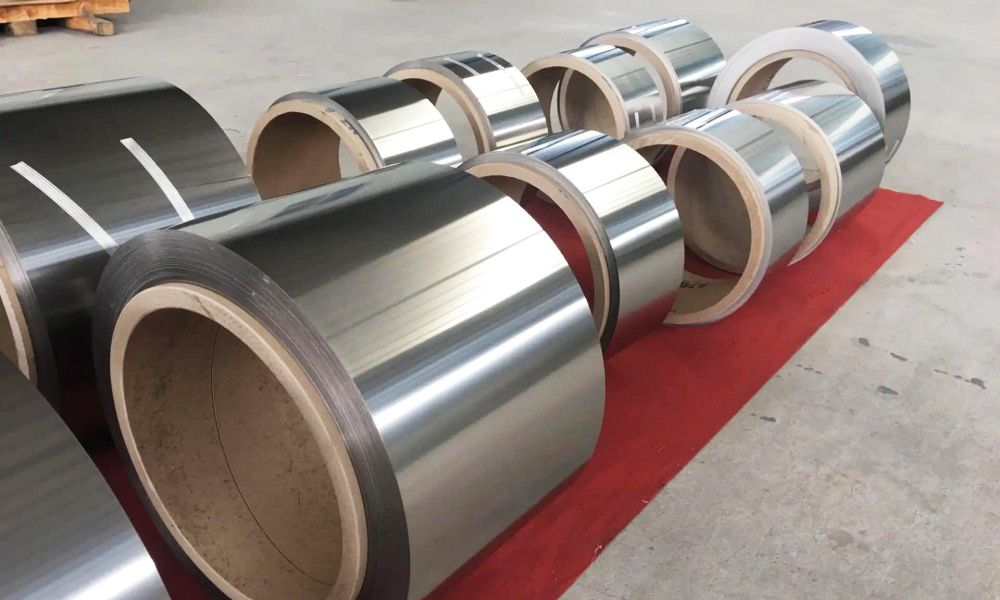
MMO strip anodes use high-purity titanium as the substrate. Their surface is coated with an active coating of mixed metal oxides such as iridium and ruthenium. The core advantage lies in combining the corrosion resistance of the titanium substrate with the high catalytic activity of the MMO coating, along with the flexible design of the strip structure, allowing it to adapt to complex metal structures and harsh working environments.
| Core Definition | Based on purity titanium as substrate, the surface is coated with an active coating of iridium-based/ruthenium-based mixed metal oxide (MMO), in a flexible strip shape. |
| Advantages | 1. Uniform current distribution (protection potential -0.85V~-1.15V, fluctuation ±0.02V); 2. High electrochemical activity (power conversion efficiency 95-98%, long-term allowable current density 20-50A/m²); 3. Long service life (30-50 years, annual coating consumption rate 0.001-0.003mm); 4. Flexible design, easy installation (can be bent to a diameter of 100mm, installation time reduced by more than 50%); 5. Strong environmental adaptability (-40℃~120℃, resistant to soil, seawater, acid-alkali media). |
| Manufacturing | 1. Raw materials: Gr1/Gr2 grade titanium substrate (titanium content ≥99.6%), iridium-based/ruthenium-based MMO coating raw materials; 2. Pretreatment: Mechanical grinding + sandblasting roughening (Ra=3.2-6.3μm) + pickling; 3. Coating: Sol-gel method + thermal decomposition (drying 120-150℃→thermal decomposition 300-400℃→sintering 450-550℃); 4. Finishing: Cutting, welding, sealing (insulation resistance ≥100MΩ); 5. Testing: Coating adhesion, electrochemical performance, physical performance, corrosion resistance testing. |
| Applications | 1. Petrochemical industry: Buried oil and gas pipelines, tank bottom plates; 2. Marine engineering: Subsea pipelines, offshore platforms/wharf steel piles; 3. Municipal construction: Urban underground pipe networks, subway tunnels/bridge structures; 4. Shipbuilding industry: Underwater parts of ship hulls. |
Advantages of ICCP MMO Strip Anodes
Compared to auxiliary anodes, ICCP MMO strip anodes exhibit significant advantages in electrochemical performance, structural design, and environmental adaptability.
(I) Uniform Current Distribution
The MMO strip anode employs a linear, flexible structural design, closely conforming to complex metal structures such as pipe bends, achieving a high degree of adhesion (≥95%) to the protected surface. The strip anode forms a uniform current field, ensuring the protection potential is stably controlled within the ideal range of -0.85V to -1.15V (CSE). In long-distance pipeline protection, a single MMO strip anode can achieve uniform protection coverage of 1-3km, with current distribution uniformity improved by more than 60% compared to traditional anodes.
(II) Superior Electrochemical Performance
The unique formulation and microstructure of the MMO coating endow the anode with excellent electrochemical activity: the coating surface exhibits a honeycomb-like porous structure with a porosity of 35-45%, increasing the effective reaction area by 5-8 times compared to smooth electrodes; the high catalytic activity of metal oxides such as iridium and tantalum results in an energy conversion efficiency of 95-98%, with a long-term allowable current density of 20-50 A/m².
(III) Long Lifespan
The titanium substrate itself possesses extremely strong corrosion resistance. During electrolysis, a 5-8 nm thick TiO₂ passivation film is generated, forming a “physical + chemical” dual protection system with the artificially coated MMO coating, capable of resisting the corrosion of chloride ions at a concentration of 10 g/L. The MMO coating exhibits extremely high chemical stability, with an annual consumption rate of only 0.001-0.003 mm in environments such as soil, seawater, and acidic/alkaline media, far lower than that of traditional anodes. Laboratory tests and engineering practice show that the design service life of ICCP MMO strip anodes can reach 30-50 years, which is 3-5 times that of silicon cast iron anodes and 5-8 times that of graphite anodes.
(IV) Convenient Installation
MMO strip anodes have excellent flexibility, and can be bent into arcs with a diameter of 100mm without damage, adapting to confined spaces and irregular terrains. Their standard specifications are typically 6.35-100mm wide and 0.635-8mm thick, with roll lengths ranging from 50-152.4 meters. MMO strip anodes do not require complex support structures or strict positioning requirements. Their flexibility is even more pronounced when installed in narrow spaces such as the bottom of storage tanks and inside casing pipes.
(V) Wide Range of Applications
MMO strip anodes possess extremely strong environmental tolerance, with an operating temperature range covering -40℃ to 120℃, adapting to extreme climatic conditions such as polar cold and tropical heat. Its chemical properties are stable, and it can maintain excellent working performance in various media such as seawater, fresh water, soil, and acid and alkali solutions. It can withstand complex working conditions such as seawater erosion, acid and alkali corrosion, and stray current interference.
Manufacturing of ICCP MMO Strip Anodes
The manufacturing of ICCP MMO strip anodes is a systematic engineering project integrating materials science, electrochemical technology, and precision machining. Quality control is maintained throughout the entire process, from raw material selection to finished product testing.
(I) Raw Materials
High-purity titanium of Gr1 or Gr2 grade is selected as the matrix material. The titanium content is ≥99.6%, and the thickness is controlled between 0.5-3 mm. Titanium has excellent corrosion resistance and good mechanical strength, providing a stable support structure for the coating. To enhance the adhesion between the coating and the substrate, the titanium strip requires multiple pretreatments: first, mechanical grinding removes the surface oxide scale; then, sandblasting roughens the surface to form a uniform roughness (roughness Ra=3.2-6.3μm); finally, acid washing (a mixed solution of hydrochloric acid and hydrofluoric acid) removes surface impurities and oxide film, and the strip is dried before use.
MMO Coating Raw Material Ratio: The coating uses high-purity noble metal oxide powders, with mainstream formulations falling into two main categories: iridium-based (IrO₂-Ta₂O₅) and ruthenium-based (RuO₂-TiO₂). Iridium-based coatings exhibit higher catalytic activity and corrosion resistance, making them suitable for harsh environments such as seawater and strong acids. Ruthenium-based coatings have relatively lower costs and are suitable for conventional environments such as soil and freshwater. The raw material ratio must be strictly controlled; for example, the molar ratio of Ir to Ta in IrO₂-Ta₂O₅ coatings is typically 1:1-1:3 to ensure the coating possesses both high catalytic activity and good mechanical stability.
(II) Coating
The preparation of the MMO coating is a core step determining the anode performance. Currently, the mainstream technology combines the sol-gel method with thermal decomposition.
Sol Preparation: Noble metal salts (such as chloroiridic acid and tantalum pentachloride) are dissolved in anhydrous ethanol or other organic solvents. A binder such as tetrabutyl titanate is added, and the mixture is reacted for 2-4 hours under constant temperature stirring (temperature 25-30℃, rotation speed 300-500 r/min) to form a homogeneous and stable sol system.
Coating: The sol is uniformly coated onto the pretreated titanium strip using dip coating or spray coating. The coating speed (5-10 mm/s) and coating thickness must be controlled during coating. To ensure coating thickness (20-50 μm) and uniformity, three coating stages are typically used.
(III)Thermal Decomposition Treatment
The coated titanium strip is then subjected to segmented heat treatment in a tunnel sintering furnace. The first stage is the drying stage (120-150℃, 10-15 minutes), which removes organic solvents from the coating; the second stage is the thermal decomposition stage (300-400℃, 15-20 minutes), which decomposes the metal salt into oxides; the third stage is the sintering stage (450-550℃, 20-30 minutes), which forms a dense, porous coating. The entire heat treatment process requires control of the heating rate (5-10℃/min) and the atmosphere (air or oxygen) to ensure a strong metallurgical bond between the coating and the substrate.
Applications of ICCP MMO Strip Anodes
Due to their excellent comprehensive performance, ICCP MMO strip anodes have been widely used in various fields such as petrochemicals, marine engineering, municipal construction, and shipbuilding. They have become the preferred solution for cathodic protection of various metal structures.
(I) Petrochemicals
Buried Oil and Gas Pipelines: Long-distance oil and gas pipelines traverse complex terrains such as soil, rivers, and mountains, facing problems such as large variations in soil resistivity and stray current interference. MMO strip anodes can be laid parallel below the pipeline, and contact resistance can be reduced through coke powder backfilling, achieving uniform protection over long distances of 1-3 km.
Storage Tank Bottom Plates: Storage tank bottom plates are constantly exposed to moist soil or liquid environments, making them prone to localized corrosion and pitting. Using ring-shaped or grid-shaped MMO strip anodes allows for close contact with the tank bottom structure, ensuring uniform distribution of the protective current across the entire tank bottom surface, extending the life of the tank bottom coating by more than two times.
(II) Marine Engineering
Submarine Pipelines: Submarine pipelines operate in high-salt, high-pressure, and strong-current scouring environments. High chloride ion concentrations pose an extremely high risk of corrosion. MMO strip anodes are resistant to seawater corrosion, adaptable to dynamic environmental changes in tidal zones and fully submerged areas, and can be fixed to the pipe surface by winding, providing precise potential control from -0.85V to -1.1V (vs. Ag/AgCl).
Offshore Platforms and Dock Steel Piles: Underwater support structures of offshore platforms and dock steel piles are constantly immersed in seawater, facing severe electrochemical corrosion and marine biofouling corrosion. MMO strip anodes can be laid vertically or arranged in a ring along the steel pile surface to resist chloride ion erosion and water flow impact, achieving a protection efficiency of over 98%.
(III) Municipal Construction
Urban Underground Pipelines: Urban gas pipelines and water supply and drainage pipelines are densely interwoven, and the soil environment is complex, making them susceptible to interference from stray currents (such as those from subways and high-voltage lines). The flexible design of MMO strip anodes can adapt to the complex routing of pipelines, solving the shielding problem of dense pipelines and improving the protection efficiency to 98%.
Subway Tunnels and Bridge Structures: Reinforcing steel in subway tunnel concrete and steel structures in bridges are prone to corrosion in humid environments. MMO strip anodes can be embedded in concrete structures or laid along the surface of steel structures, providing a stable protective current to the reinforcing steel through an ICCP system, extending the structural lifespan by more than 30 years.
(IV) Shipbuilding Industry
The underwater parts of ship hulls are constantly immersed in seawater, facing problems such as seawater corrosion and marine organism adhesion. Traditional anti-corrosion coatings are easily worn away and fail. MMO strip anodes can be wrapped around the underwater parts of the hull, working in conjunction with an ICCP system to achieve dynamic protection, reducing seawater erosion damage and corrosion, and increasing the ship’s service life by more than 20%.
As a high-end product in the field of cathodic protection technology, ICCP MMO strip anodes provide reliable corrosion protection for various infrastructures, significantly reducing corrosion losses.


Related products
-
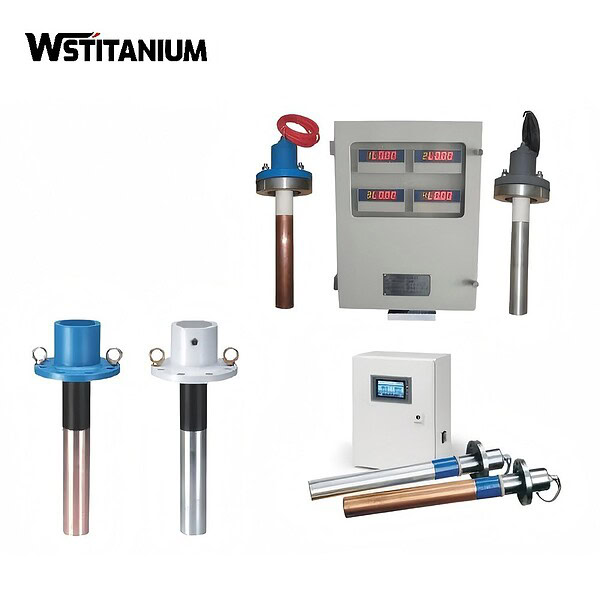 Marine Growth Prevention Systems
Marine Growth Prevention Systems Anode
-
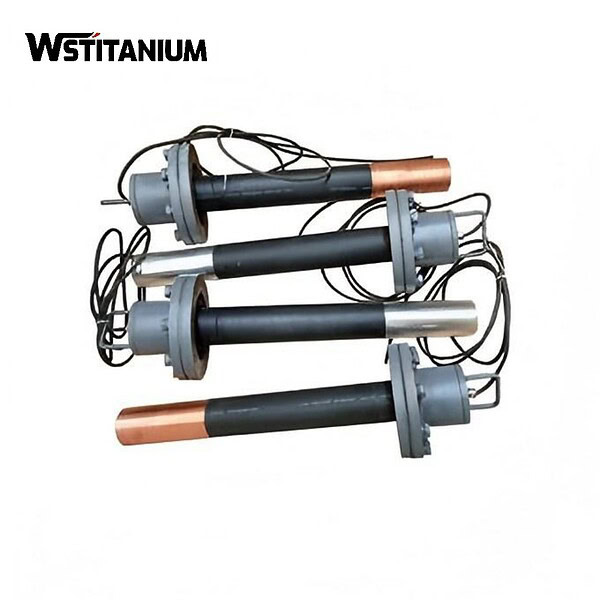 Marine Growth Prevention Systems
MGPS Anode for Cruise Ships
-
 Impressed Current Cathodic Protection
ICCP Iridium-Tantalum MMO Anode
-
 Impressed Current Cathodic Protection
ICCP Cathodic Protection For Bridges
-
 Impressed Current Cathodic Protection
Impressed Current Cathodic Protection For Mechanical
-
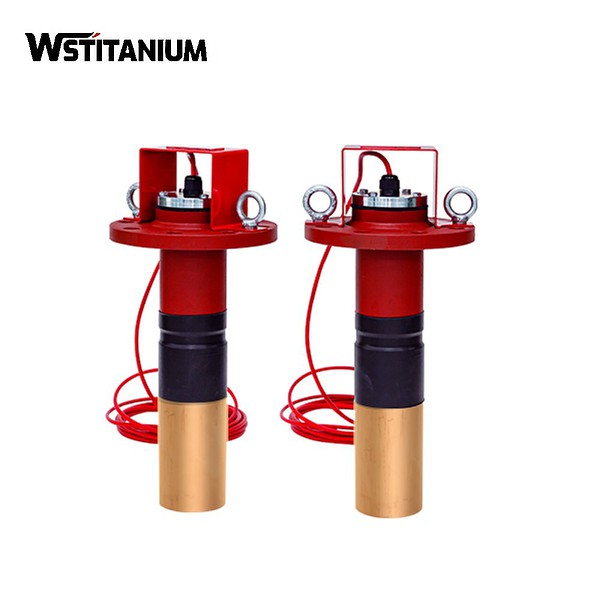 Marine Growth Prevention Systems
MGPS Anode for Merchant Ships
-
 Impressed Current Cathodic Protection
ICCP Cathodic Protection For Pipelines
-
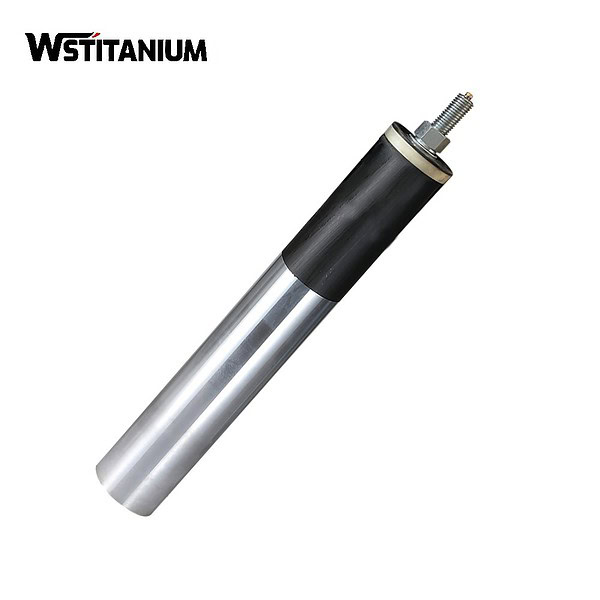 Marine Growth Prevention Systems
Aluminum Marine Growth Prevention Anode