| Category |
Parameters |
Technical Indicators |
Applications |
| Indicators |
Protection Potential (vs. SCE) |
– Carbon Steel/Low Alloy Steel (Soil/Fresh Water): -0.85V~-1.10V |
Avoid over-protection (< -1.20V) to prevent hydrogen embrittlement and coating detachment |
| – Carbon Steel/Low Alloy Steel (Seawater): -0.80V~-1.05V |
| – Stainless Steel (Seawater): -0.70V~-0.90V |
|
Current Density |
– Uncoated (Soil): 0.1~0.5mA/m² |
Calculate based on 5%~10% coating damage rate; higher coating quality reduces current density requirement |
| – Uncoated (Fresh Water): 0.5~1.0mA/m² |
| – Uncoated (Seawater): 1.0~3.0mA/m² |
| – Coated: 1/10~1/5 of uncoated |
|
System Lifespan |
Usually 8~20 years, depending on anode material, current density and environmental corrosivity |
MMO anodes have the longest lifespan (15~20 years), while graphite anodes have the shortest (8~12 years) |
| Types |
Power Supply Type |
1. Potentiostatic Type: Automatically adjusts current to maintain stable potential (mainstream type) |
Potentiostatic type is suitable for complex environments; solar-powered type for remote areas |
| 2. Constant Current Type: Constant output current, simple structure |
| 3. Solar-Powered Type: Grid-independent, energy-saving and environmentally friendly |
|
Anode Arrangement |
1. Distributed Type: Anodes evenly distributed for uniform current coverage |
Distributed type for complex structures (e.g., storage tanks, ship hulls); concentrated type for long-distance pipelines and large-area structures |
| 2. Concentrated Type: Anodes centrally arranged for convenient construction |
|
Application Environment |
1. Soil Environment: For buried structures (pipelines, storage tanks) |
Seawater environment requires high-salt corrosion-resistant anodes (e.g., MMO, platinum-niobium alloy) |
| 2. Water Environment: Fresh water (gates, bridge piers)/Seawater (platforms, ship hulls) |
| 3. Atmospheric Environment: Protect exposed structures with coatings |
| Components |
DC Power Supply |
– Potentiostat: High precision, wide range (0-5A/0-10A/0-20A), supporting remote control and fault alarm |
Intelligent potentiostats with data recording function are preferred |
| – Constant Current Power Supply: Suitable for simple scenarios |
| – Solar Power Supply: Including photovoltaic panels, storage batteries, charge-discharge controller |
|
Auxiliary Anodes |
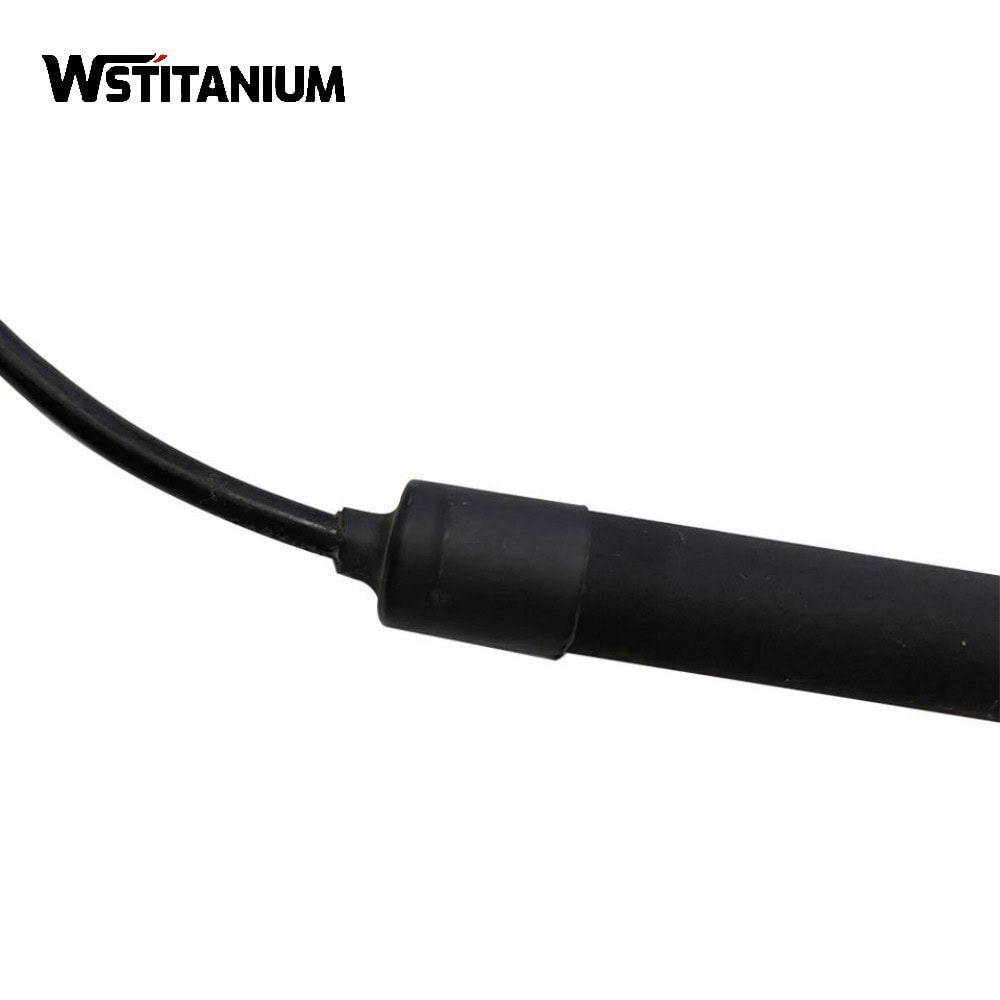
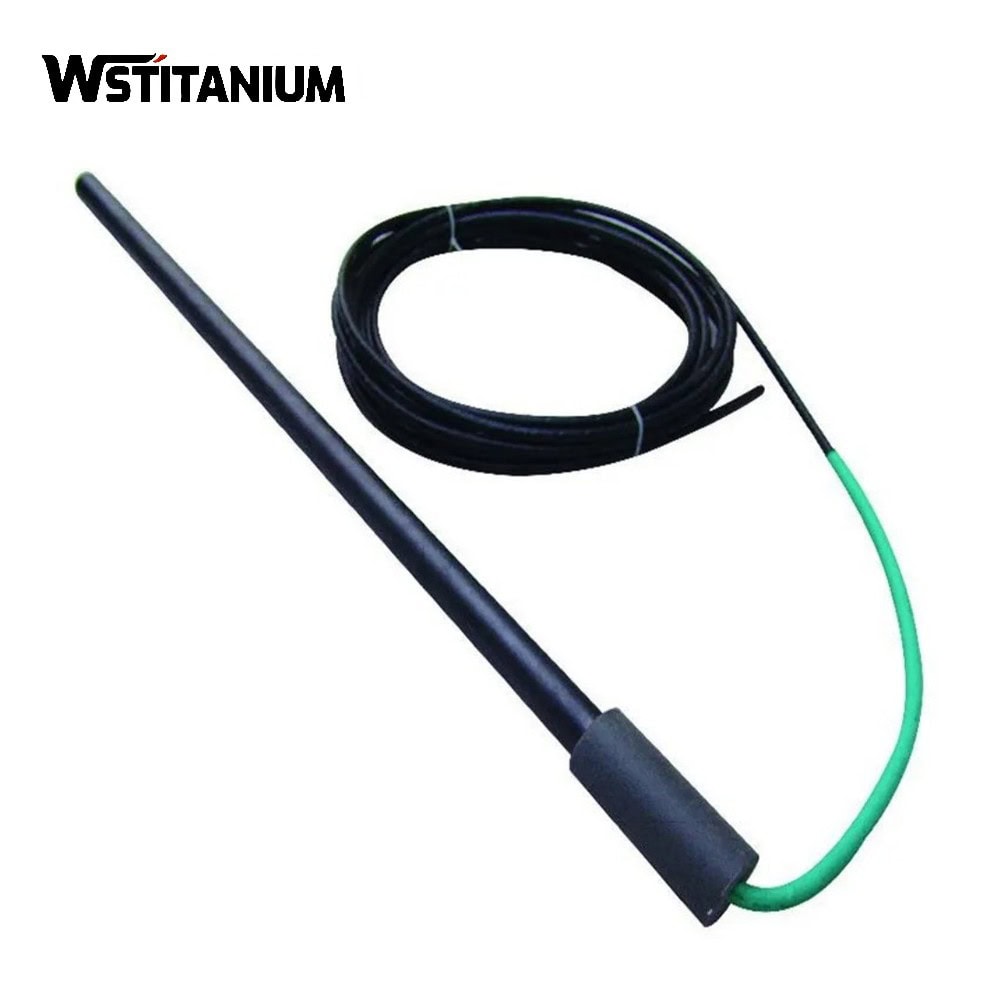
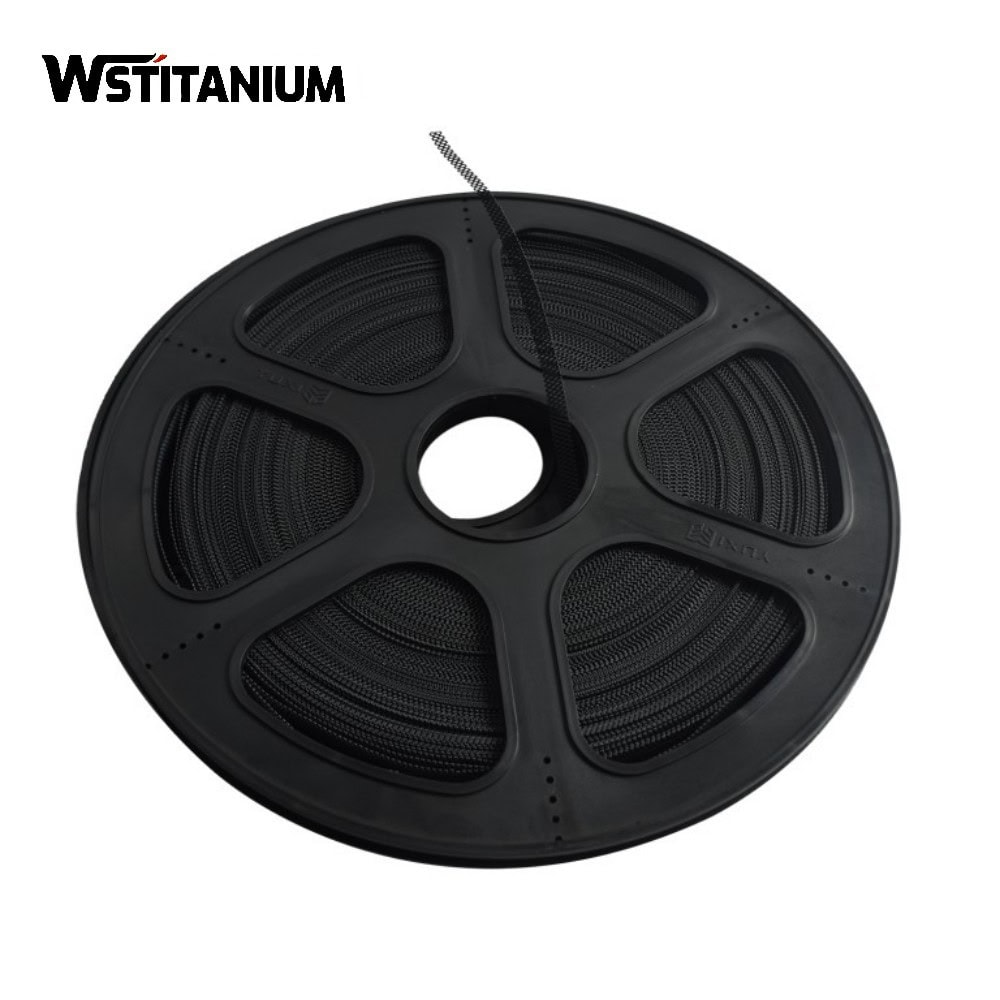
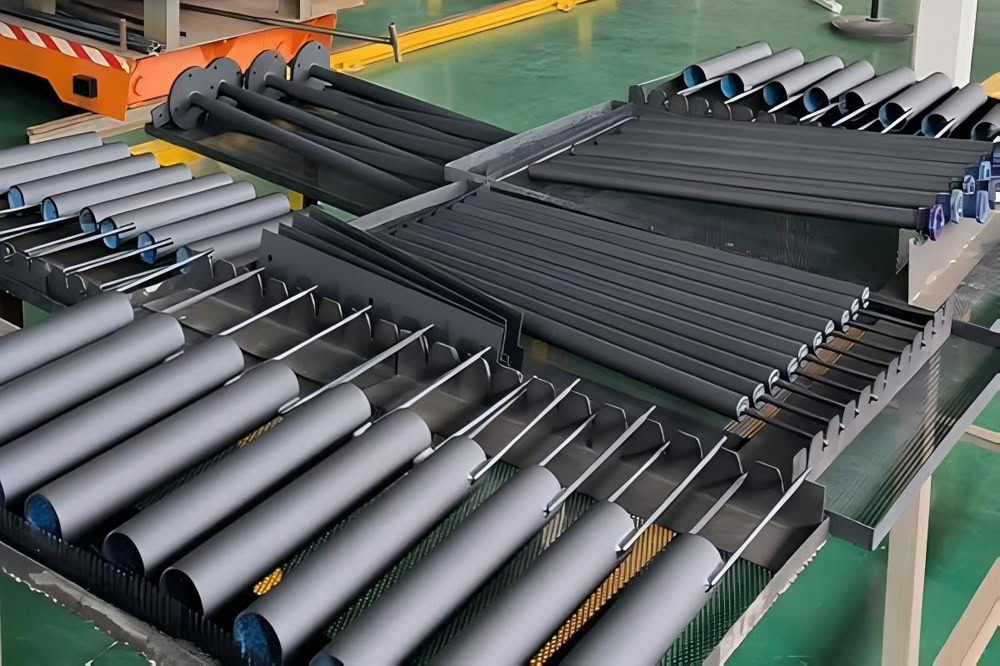
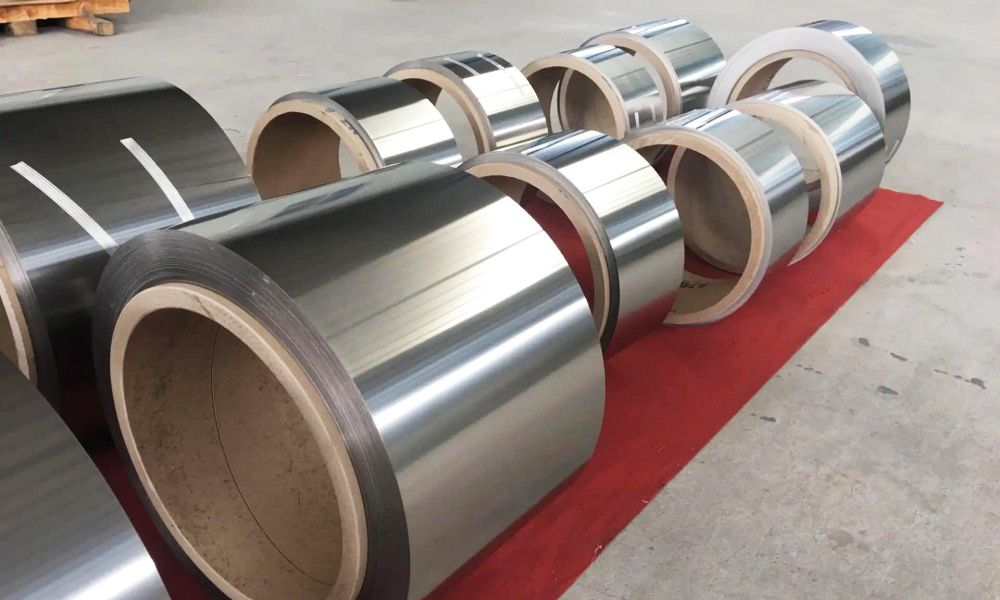
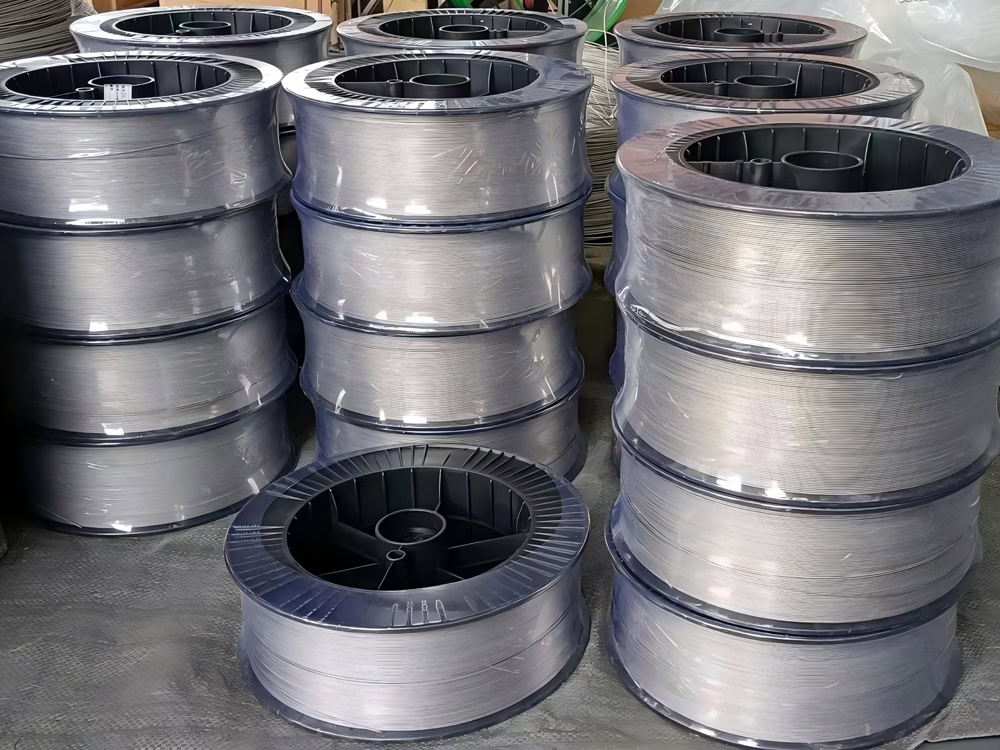
1. MMO Anodes: Titanium-based mixed metal oxide, high current density and corrosion resistance (mainstream choice) |
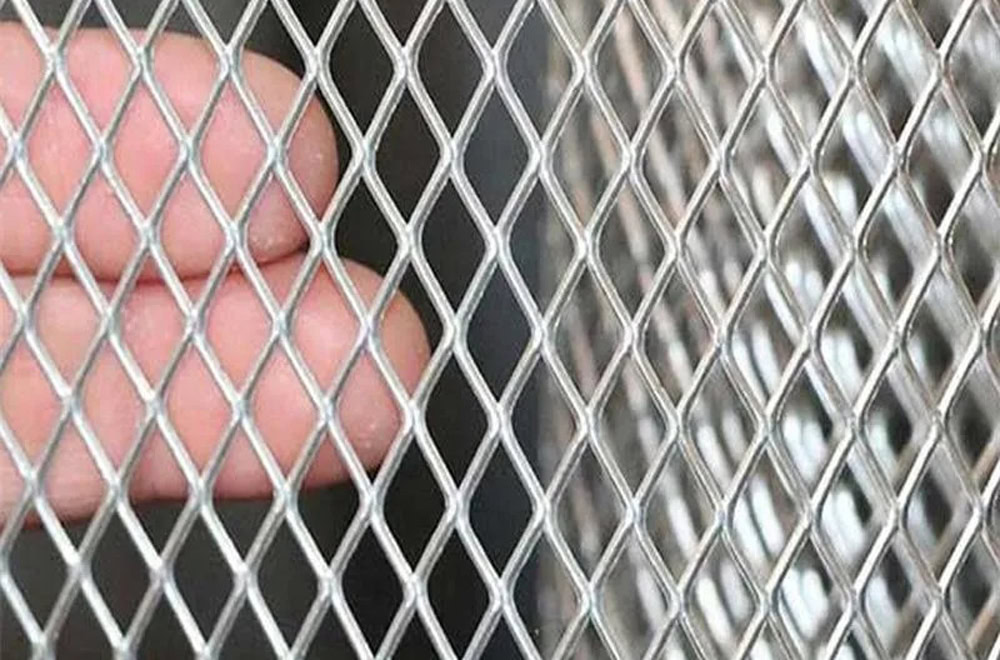
MMO anodes can be made into strip, tubular or mesh shapes to fit various scenarios |
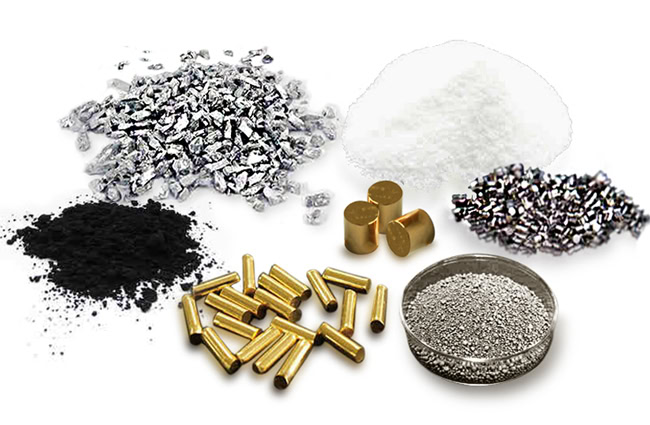
| 2. Platinum-Niobium Alloy Anodes: Precious metal, suitable for highly corrosive environments |
| 3. Graphite Anodes: Low cost, suitable for soil environment |
| 4. High-Silicon Cast Iron Anodes: Good corrosion resistance, suitable for soil/fresh water |
|
Reference Electrodes |
1. Saturated Copper Sulfate Electrode (SCE): Soil/fresh water, low cost and stable potential |
Install 0.5~1m away from the protected structure to ensure good contact |
| 2. Silver-Silver Chloride Electrode (Ag/AgCl): Seawater environment |
| 3. Metal Oxide Electrode: High temperature/highly corrosive environments |
|
Connecting Wires and Accessories |
– Wires: PVC/XLPE insulated cables; armored cables for soil environment |
Joints need crimping/welding + corrosion protection to avoid short circuits and corrosion |
| – Junction Boxes/Terminals: Waterproof, corrosion-resistant and explosion-proof |
| – Anode Supports: High strength and corrosion resistance |
| Design |
Anode Arrangement Parameters |
– Distributed Anode Spacing: 3~10m |
Deep well anodes are required for high-resistivity soil (>1000Ω・m) |
| – Distance between Concentrated Anodes and Protected Structure: 5~20m |
| – Burial Depth of Soil Anodes: 1~3m (horizontal), 10~50m (deep well) |
|
Medium Resistivity Adaptation |
– Low Resistivity (Seawater/Saline Soil): Control output current to avoid over-protection |
Resistivity directly affects current transmission efficiency and must be measured on-site |
| – High Resistivity (>1000Ω・m): Use conductive backfill or deep well anodes |
| Installation |
Key Construction Steps |
1. Surface Preparation: Derusting, degreasing, applying anti-corrosion coating |
Conduct insulation test and continuity test to ensure no short circuit/open circuit |
| 2. Anode Installation: Backfill conductive material for soil anodes; fix with brackets in water environment |
| 3. Commissioning: Stable operation for 24~48 hours, calibrate potential |
|
Routine Monitoring Frequency |
– Protection Potential: Weekly (increased frequency in special environments) |
Remote monitoring system improves operation and maintenance efficiency |
| – Current/Voltage: Weekly |
| – Anode Status: Quarterly |
| – Coating Status: Semi-annually |
|
Common Faults and Troubleshooting |
1. Under-protection: Increase output current, repair coating, optimize anode arrangement |
Continuous monitoring for 24 hours to ensure stable parameters |
| 2. Over-protection: Reduce output current, adjust anode position |
| 3. Potential Fluctuation: Calibrate reference electrode, inspect power supply |
| Applications |
Long-Distance Pipelines/Oil and Gas Storage and Transportation |
Distributed MMO anodes + potentiostats, evenly arranged along pipelines with remote centralized management |
Strengthen anode arrangement for sections crossing high-resistivity soil/rivers |
|
Bridges/Civil Engineering |
Cross-sea Bridges: Seawater ICCP + sacrificial anode combined protection; Urban Bridges: Atmospheric ICCP + coating |
Anode installation does not affect bridge bearing capacity |
|
Marine Engineering/Ships |
Offshore Platforms: MMO tubular anodes; Ship Hulls: Distributed MMO anodes covering hull and propeller |
Adapt to high-salt, highly corrosive marine environment |
|
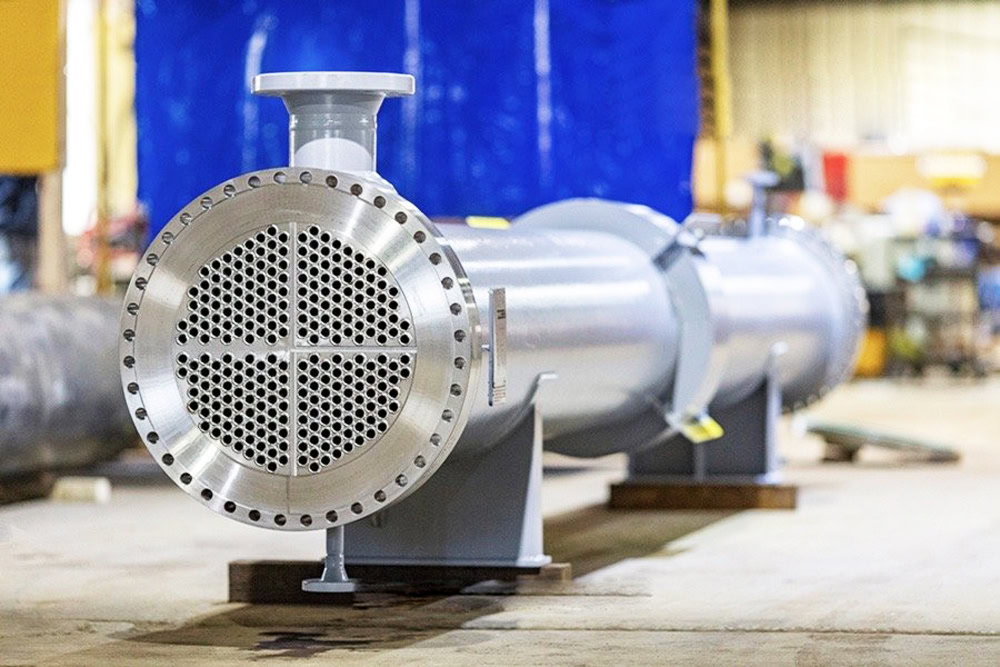
Industrial Equipment/Storage Tanks |
Chemical Equipment: MMO/platinum-niobium alloy anodes; Large Storage Tanks: MMO mesh anodes (tank bottom/wall) |
Combined with the inner anti-corrosion lining, it reduces electrical conductivity. |




 Impressed Current Cathodic Protection
 Impressed Current Cathodic Protection
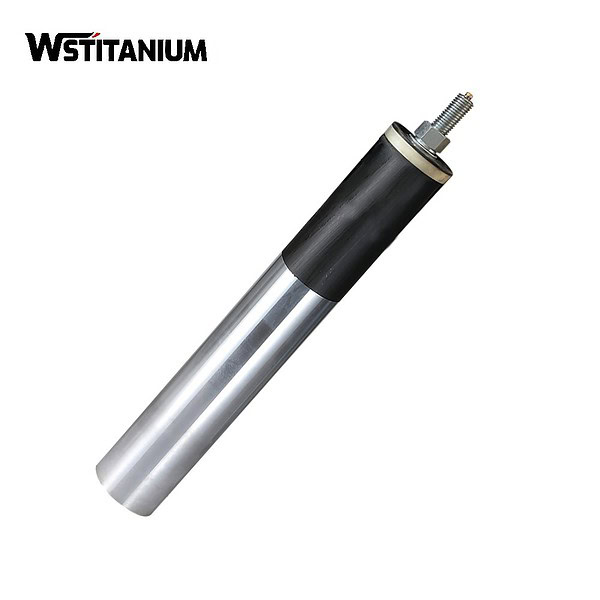 Marine Growth Prevention Systems
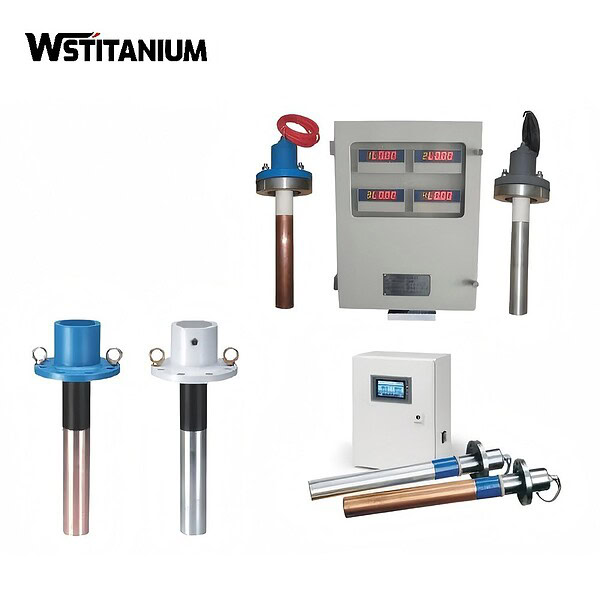 Marine Growth Prevention Systems
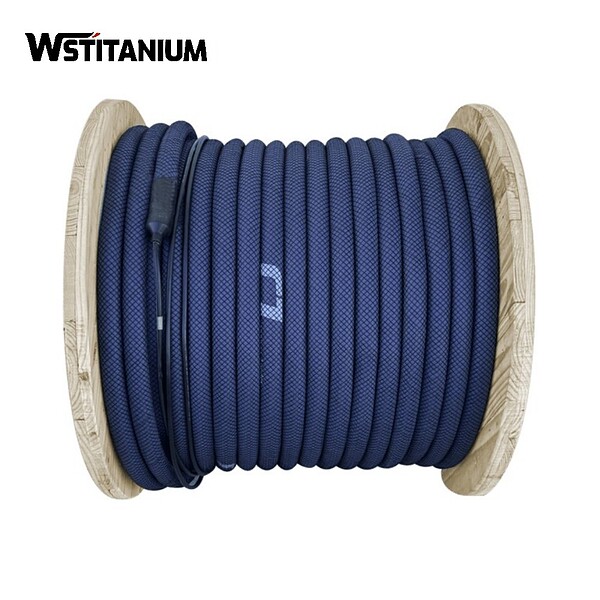 Impressed Current Cathodic Protection
 Impressed Current Cathodic Protection
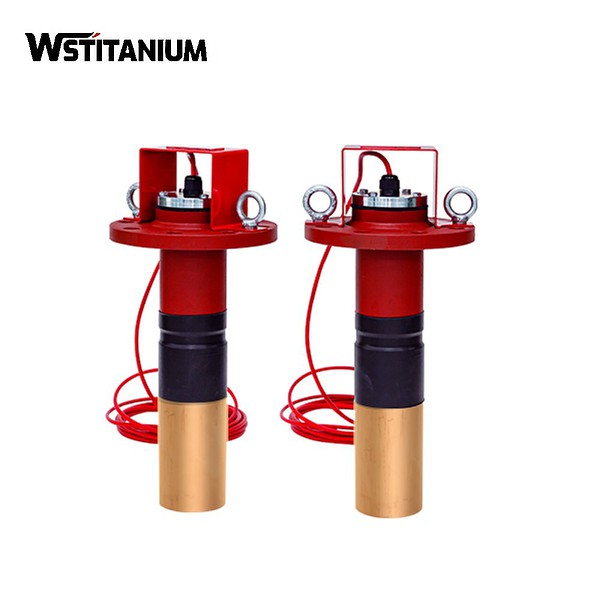 Marine Growth Prevention Systems
 Impressed Current Cathodic Protection