
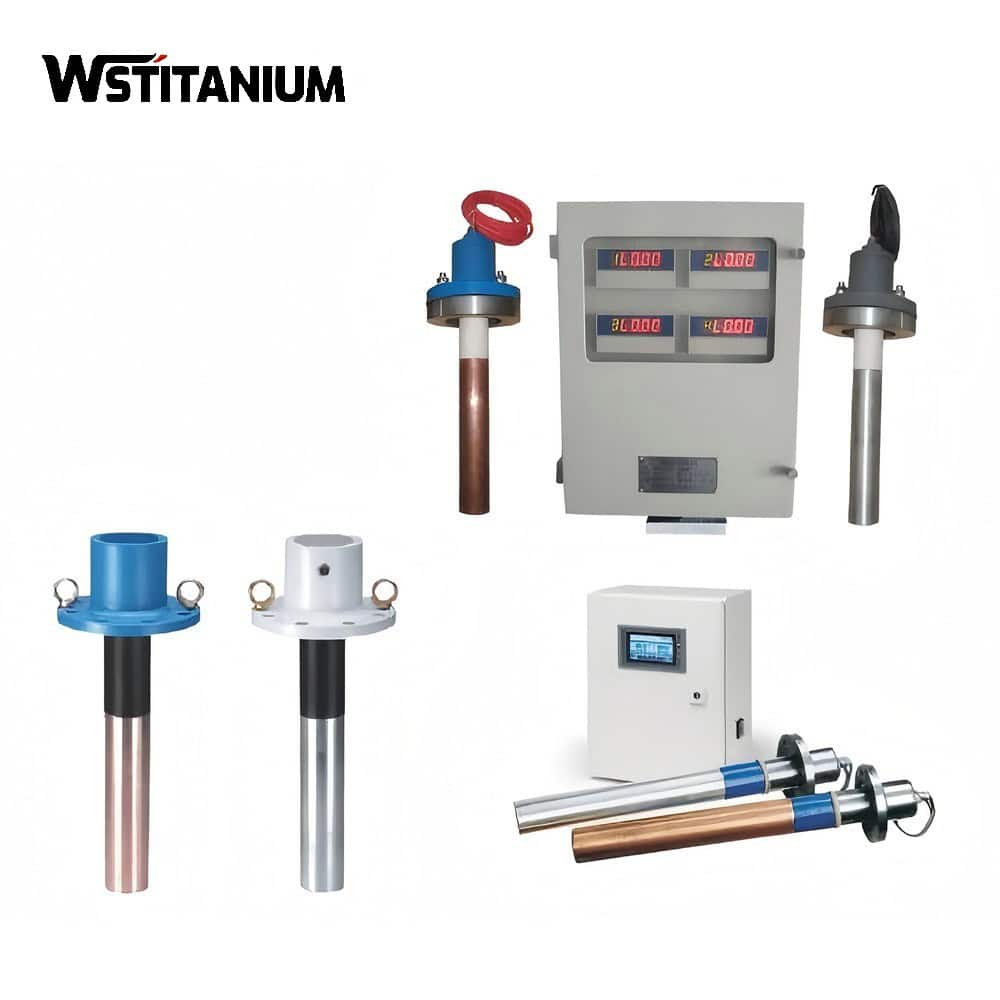
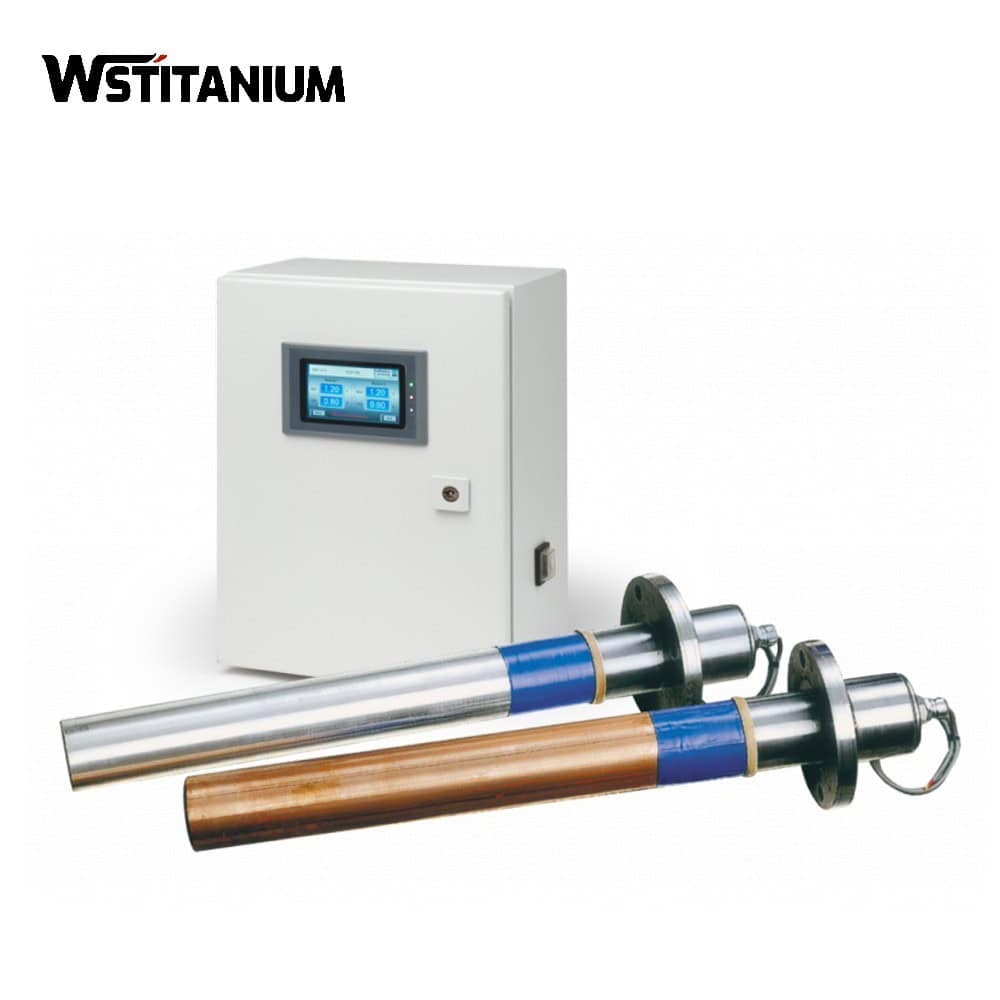
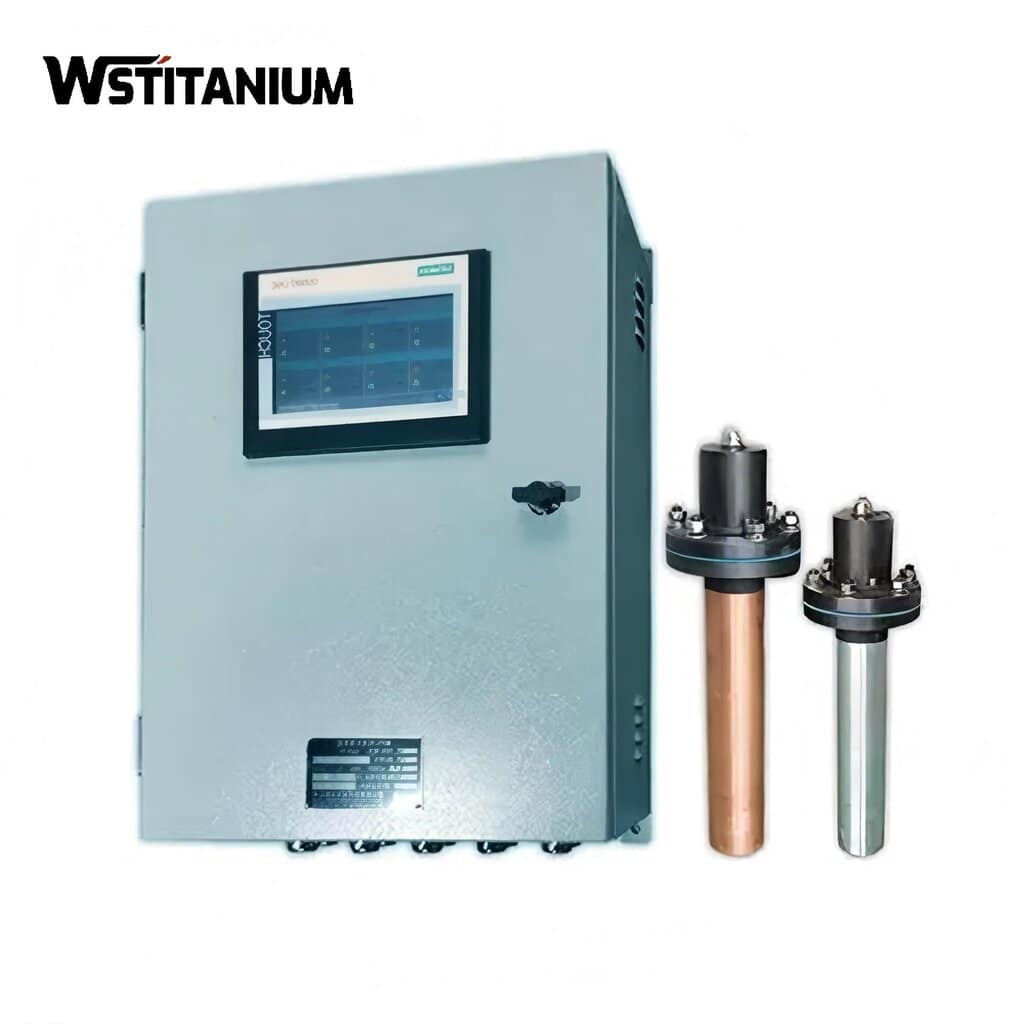

Marine Growth Prevention Systems (MGPS) are core protective equipment in marine engineering and shipbuilding industries. Their core function is to inhibit or kill algae, barnacles, shellfish, and other marine organisms that attach to and reproduce on underwater structures. In an MGPS system, the anode is the key component that achieves both antifouling and anti-corrosion functions. Its material selection, design, and efficiency directly determine the overall protective effect, operating cost, and service life of the system.
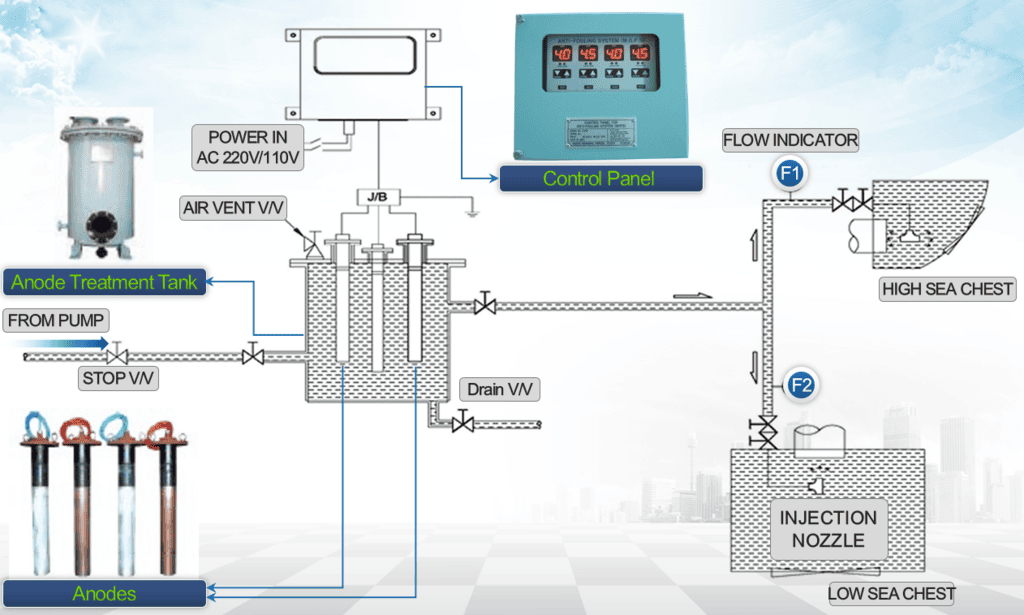
MGPS Anode Core Types
Depending on system operating mode, material properties, and installation scenario, different types of anodes differ significantly in antifouling mechanism, applicable environment, and service life. They are mainly composed of copper and aluminum anodes, with iron electrodes used in some scenarios. Suitable for temperate and subtropical marine areas with low to medium biological activity. Their core advantages are ease of operation and maintenance, low current requirement (typically below 1.5A), and the ability to simultaneously achieve antifouling and anti-corrosion effects, making them the preferred anode type for small and medium-sized vessels and offshore platforms.
Copper Anode: The core material is high-purity copper or copper alloy. After electrolysis, it releases Cu²⁺. A concentration of 2μg/L (2mg/m³) is sufficient to effectively inhibit the attachment and reproduction of crustaceans, shellfish, and other marine organisms. Its toxicity is mild and long-lasting.
Aluminum Anode: Made of aluminum alloy, it generates Al³⁺ after electrolysis, which combines with OH⁻ in seawater to form aluminum hydroxide (Al(OH)₃) flocculent matter. On the one hand, it absorbs and kills marine larvae attached to it; on the other hand, it forms a dense protective film on the inner wall of its pipes, controlling the corrosion rate to below 0.03 mm/year.
Working Principle
The core working logic of the MGPS anode is “electrolysis.” Through an external low-voltage DC power supply, oxidation occurs at the anode and reduction occurs at the cathode, forming a complete electrolytic circuit. This ultimately produces an antifouling medium (copper ions, hypochlorous acid, etc.) and an anti-corrosion protective film, achieving dual protection against fouling and corrosion. While the reaction mechanisms of different anode types vary, they all follow the basic principles of an electrolytic cell.
Anodic Oxidation Reaction
Copper Anode: Under DC power, copper atoms lose electrons and undergo oxidation, dissolving and releasing copper ions. The reaction formula is: Cu → Cu²⁺ + 2e⁻. These copper ions flow with seawater through the pipes, covering the inner walls and creating a toxic environment that prevents marine larvae from attaching, settling, and deforming, thus inhibiting biological growth.
Aluminum Anode: Aluminum atoms lose electrons to generate aluminum ions. The reaction formula is: Al → Al³⁺ + 3e⁻. Aluminum ions combine with hydroxide ions in seawater (generated by the cathode reaction) to form aluminum hydroxide flocculents, the reaction being: Al³⁺ + 3OH⁻ → Al(OH)₃↓.
Cathode reduction reaction
The system is usually equipped with an iron cathode, forming a current loop with the anode to allow electrolysis to continue. Water molecules on the surface of the iron cathode gain electrons and undergo a reduction reaction, generating hydrogen gas and hydroxide ions, the reaction being: 3H₂O + 2e⁻ → H₂↑ + 2OH⁻. Hydroxide ions not only provide the conditions for aluminum ions to form aluminum hydroxide, but also make the solution near the cathode alkaline, further inhibiting metal corrosion.
MGPS Anode Applications
MGPS anodes are used in all marine facilities that come into direct contact with seawater. The core requirements are “preventing biofouling” and “reducing seawater corrosion.” Anode selection for different scenarios must be based on the marine environment, equipment type, and operational requirements.
(I) Shipbuilding Industry
Shipbuilding is the largest application area for MGPS anodes. Whether it’s merchant ships, fishing vessels, yachts, or military vessels, key equipment such as their seawater cooling systems, ballast tanks, subsea valve boxes, and condensers all require the installation of MGPS systems. The selection of anodes needs to be adjusted according to the ship’s tonnage and the sea area it navigates:
Small and medium-sized vessels (tonnage < 10,000 tons): Primarily navigating temperate waters, copper-aluminum sacrificial anode combinations are preferred due to their ease of operation and maintenance, lower cost, and ability to meet basic antifouling and anti-corrosion requirements.
Large vessels (tonnage ≥ 10,000 tons): Such as container ships and oil tankers, with wide navigation ranges (potentially involving tropical waters) and high seawater demand, prioritize platinum-plated titanium or MMO titanium permanent anodes. These offer high antifouling efficiency, long service life, and reduced downtime from frequent anode replacements.
Specialty vessels: Such as oil drilling vessels and LNG carriers, with extremely high equipment reliability requirements, typically employ a composite anode system combining electrolytic metal type and electrolytic seawater type, balancing long-term protection with high-efficiency antifouling to ensure continuous and stable operation of critical equipment.
(II) Power Facilities
Power facilities such as thermal power plants, nuclear power plants, and offshore wind power platforms rely on seawater as a cooling medium. Biofouling of their intakes, cooling pipes, heat exchangers, and other equipment can lead to decreased cooling efficiency, affecting power generation efficiency and even causing equipment failure.
Nuclear Power Plants/LNG Receiving Terminals: These are high-safety-level facilities with stringent requirements for antifouling effectiveness and stability. MMO titanium permanent anodes are preferred, using hypochlorous acid produced by electrolyzing seawater for highly efficient sterilization. The system must also comply with international standards such as NFPA 99 (US standard) and ISO (European standard) to ensure safe operation.
Offshore Wind Power Platforms: Underwater foundation structures (such as jackets) are susceptible to shellfish and algae adhesion, accelerating corrosion. Aluminum-based sacrificial anodes are typically used to inhibit biofouling and provide cathodic protection for the platform foundation, extending the structural lifespan.
(III) Seawater Desalination
Chemical facilities such as seawater desalination plants, oil refineries, and fertilizer plants require large quantities of seawater for production cooling or raw material processing. If their seawater pipelines, filters, and reactors become clogged with organisms, it can lead to decreased production efficiency and even equipment corrosion and leaks.
Seawater Desalination Plants: The intake and reverse osmosis membrane modules are the core protection points. Electrolytic seawater-type platinum-titanium anodes are used to generate hypochlorous acid, killing marine organisms and preventing reverse osmosis membrane clogging. Simultaneously, the anodes must possess resistance to high salinity and high temperatures to ensure long-term stable operation.
Oil Refineries/Chemical Plants: Seawater cooling pipelines are mostly made of steel. Copper-aluminum anode combinations are preferred. The aluminum hydroxide protective film generated by the aluminum anode effectively prevents pipeline corrosion, while the copper ions released by the copper anode inhibit biofouling, reducing equipment maintenance costs.
(iv) Coastal Engineering
Nearshore engineering projects such as ports, breakwaters, and subsea tunnels have underwater structures (e.g., pile foundations, fenders) that are constantly submerged in seawater, making them susceptible to biofouling and corrosion, which can affect the structural safety of the project.
Port and Wharf Pile Foundations: Magnesium-based or aluminum-based sacrificial anodes are commonly used, installed in the underwater portion of the pile. These anodes release ions through corrosion, inhibiting biofouling and providing cathodic protection to the pile, thus reducing seawater corrosion.
Subsea Tunnels: Drainage systems and ventilation ducts require the installation of MGPS anodes. Built-in copper anodes are preferred due to their small size, ease of installation, and ability to effectively prevent clogging by algae and shellfish, ensuring smooth drainage and ventilation in the tunnel.
MGPS Anode Parameters
The performance of MGPS anodes needs to be judged through quantified technical parameters. These parameters are not only the core basis for selection but also key indicators for industry standards and quality testing. The parameters differ significantly among different types of anodes. The following are the industry-standard core technical parameters and qualification standards, all formulated with reference to international standards such as ISO 15589 (Marine Cathodic Protection Standard) and ASTM G97 (Metal Anode Performance Testing Standard):
Material Purity: Copper anodes must have a purity ≥99.9%, with impurity content (such as lead and zinc) ≤0.1%. Insufficient purity will lead to decreased electrolysis efficiency and unstable copper ion release. Aluminum anodes require high-purity aluminum (≥99.5%) combined with zinc and magnesium alloying elements (zinc 5%-8%, magnesium 2%-3%). Alloying treatment can improve the corrosion uniformity of the anode and avoid localized excessively rapid consumption.
Electrolysis Efficiency: Copper anode electrolysis efficiency ≥95%, meaning that for an input of 100 A·h of electricity, the actual amount of copper ions released is not less than 95% of the theoretical value; aluminum anode electrolysis efficiency ≥90%, ensuring that the amount of aluminum hydroxide flocculent material generated meets the requirements for antifouling and anti-corrosion.
Ion Release Rate: The ion release rate of copper anodes needs to be controlled between 0.02-0.05 g/(A·h). A rate that is too low cannot inhibit biofouling, while a rate that is too high will lead to excessive copper ion levels, polluting the marine environment (international environmental standards require a copper ion concentration in seawater ≤5 μg/L); the ion release rate of aluminum anodes ≥0.08 g/(A·h) ensures rapid formation of a dense protective film.
Corrosion Rate: The corrosion rate of aluminum-based sacrificial anodes needs to be ≤0.1 mm/year. Corrosion uniformity deviation ≤10% avoids localized corrosion perforation leading to premature anode failure; the corrosion rate of copper anodes ≤0.05 mm/year ensures stable release of copper ions within a 1-3 year service life.
Current density: The rated operating current density is 0.5-2A/m², which is suitable for the normal flow rate (100-500m³/h) of marine seawater pipelines. The current density can be adjusted by an external power supply to adapt to the biological activity of different sea areas.



Related products
-
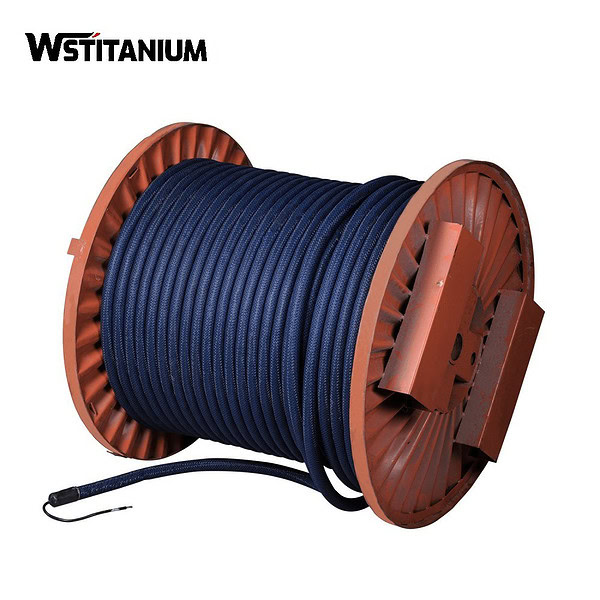 Impressed Current Cathodic Protection
ICCP MMO Flexible Anode
-
 Impressed Current Cathodic Protection
ICCP Cathodic Protection For Ships
-
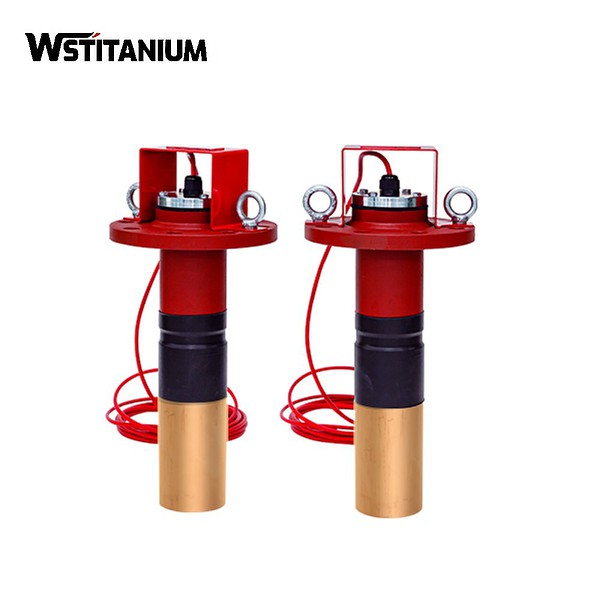 Marine Growth Prevention Systems
MGPS Anode for Merchant Ships
-
 Impressed Current Cathodic Protection
ICCP Cathodic Protection For Bridges
-
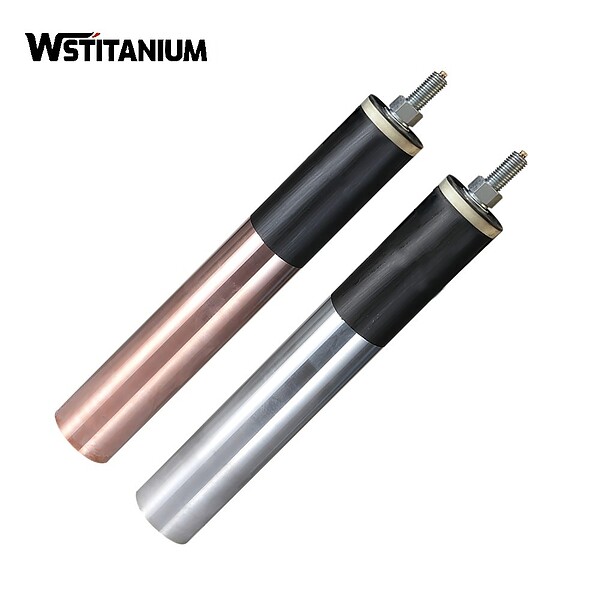 Marine Growth Prevention Systems
MGPS anode for Subsea Pipelines
-
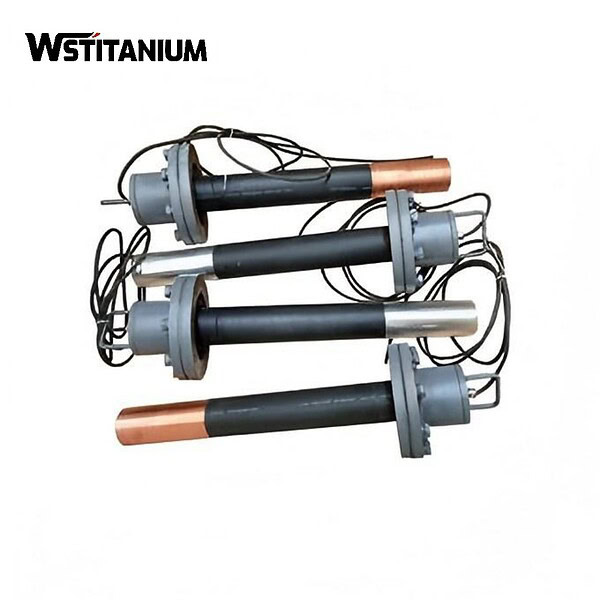 Marine Growth Prevention Systems
MGPS Anode for Cruise Ships
-
 Impressed Current Cathodic Protection
ICCP Silicon Iron Anode
-
 Impressed Current Cathodic Protection
Impressed Current Cathodic Protection System