

Commercial ships are the core carriers of global trade. In the long-term marine environment, their seawater cooling systems, ballast water systems, and various underwater pipelines are subject to biofouling as marine organisms such as barnacles and mussels quickly attach to the inner walls of the pipelines.
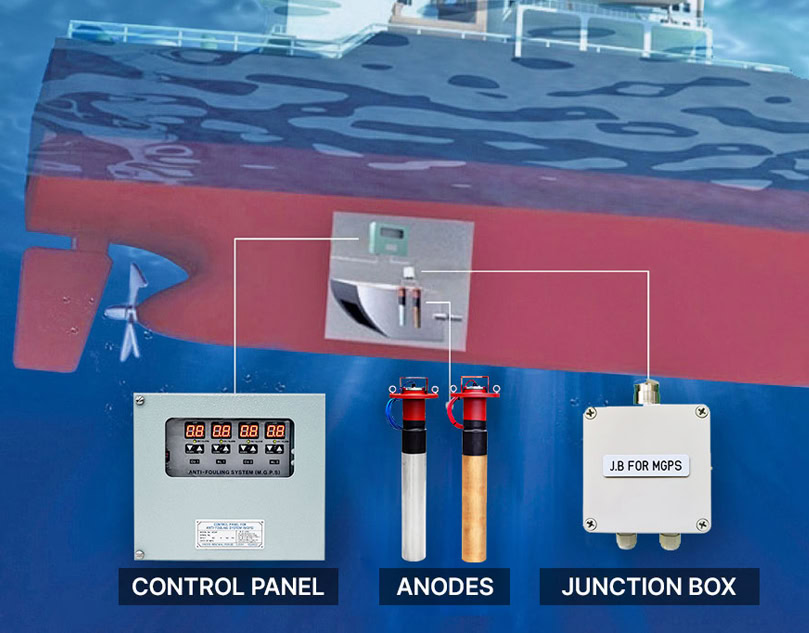
Traditional antifouling methods, such as chemical chlorination, while temporarily inhibiting marine organism growth, accelerate hull corrosion and cause severe marine pollution due to chemical emissions, failing to meet environmental requirements such as the International Maritime Organization (IMO) MEPC.279 (70) Convention. Marine Growth Prevention Systems (MGPS) are becoming increasingly popular. The anode, as the core component of MGPS, directly determines the system’s antifouling and anti-corrosion effectiveness through its performance, type selection, and installation and maintenance.
MGPS anodes release specific ions or oxidants through electrolysis, effectively inhibiting marine organism attachment and forming a protective layer on the inner wall of pipes, achieving a dual function of “antifouling + anti-corrosion.” This system has become standard equipment on various commercial vessels such as container ships, oil tankers, bulk carriers, and research vessels, and is widely used in ship fleets, as well as special vessels such as Antarctic research vessels.
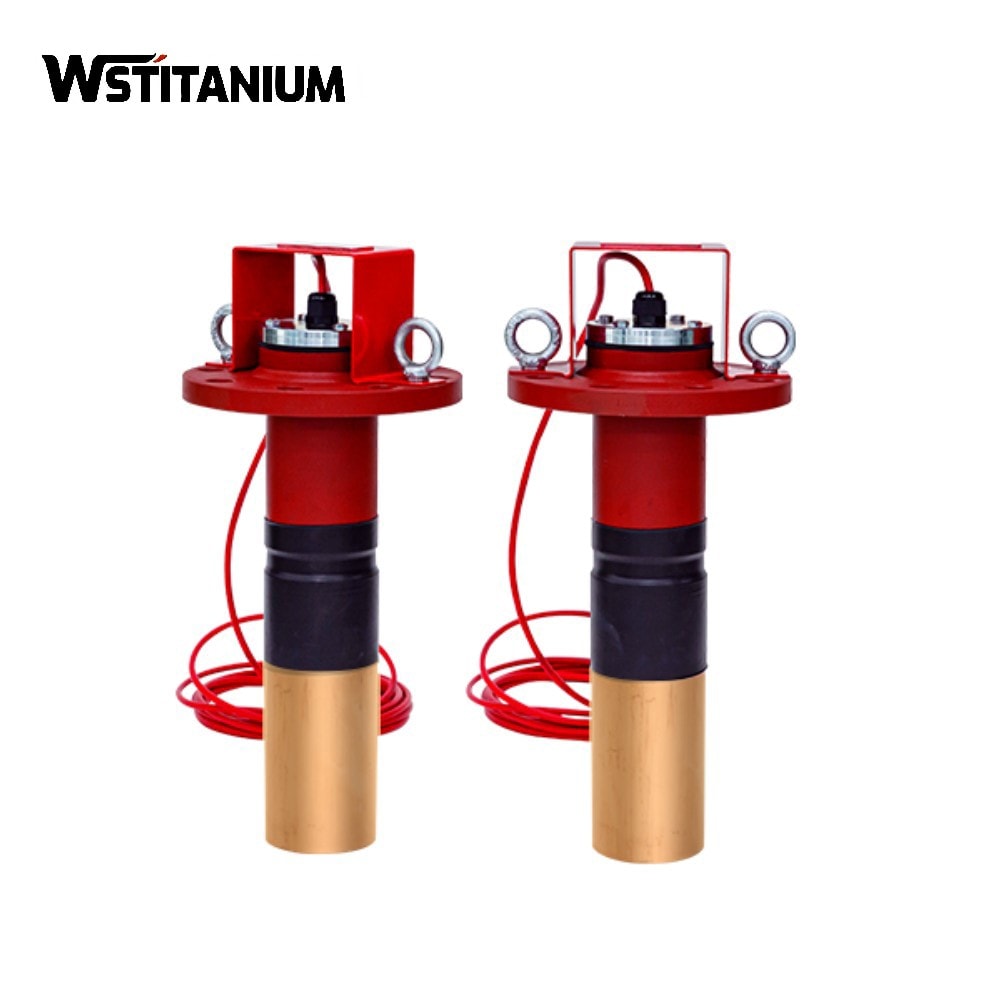
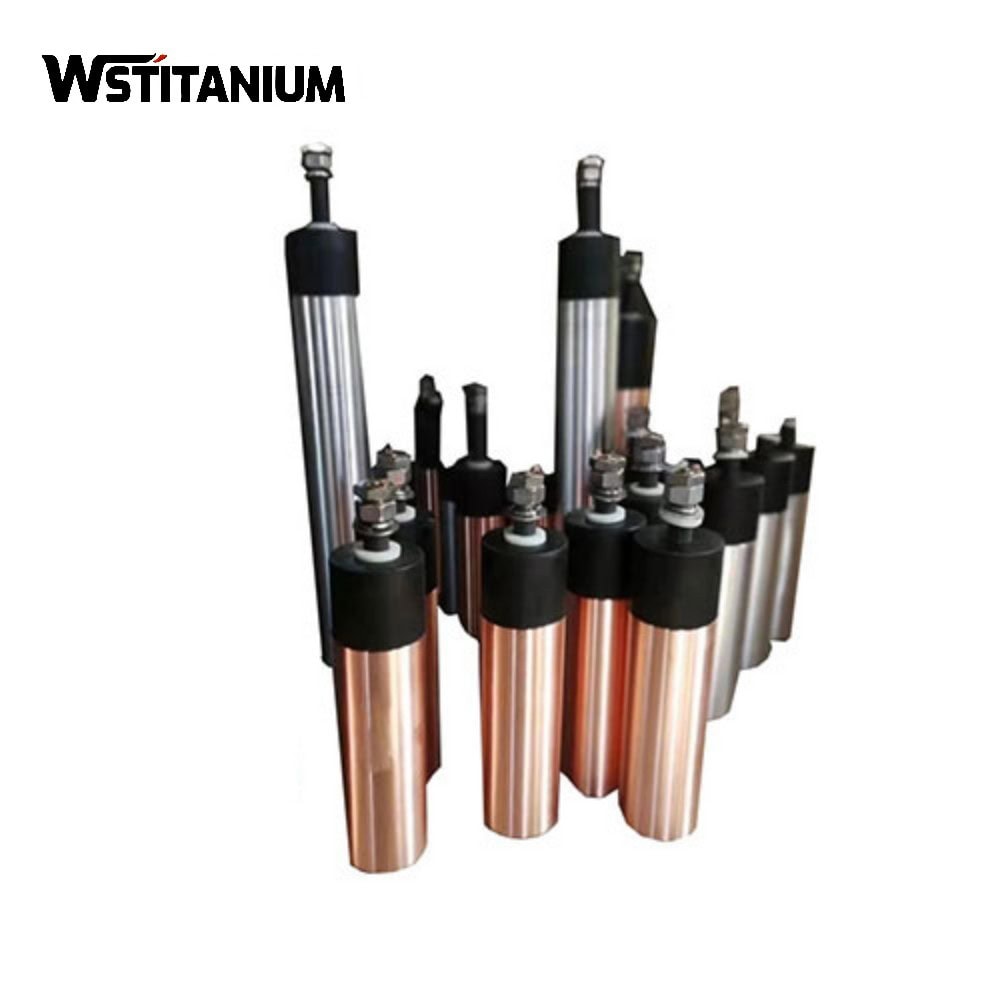
MGPS Anodes
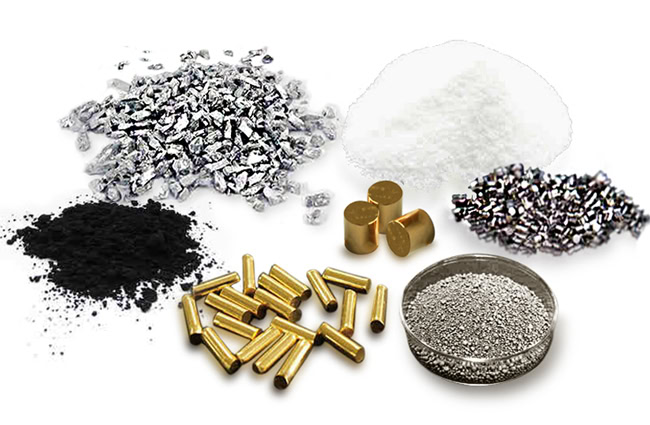
The type of MGPS anode needs to be precisely selected based on the ship’s navigation area, pipeline materials, and antifouling requirements. Different types of anodes have significant differences in material, structure, and functional emphasis. Currently, the mainstream MGPS anodes for commercial ships are mainly divided into four categories.
(I) Electrolytic Metal Anodes
Electrolytic metal anodes are the most commonly used type of MGPS anode for commercial ships. They achieve antifouling and anti-corrosion by electrolyzing and dissolving metal ions. The core materials include copper, aluminum, and iron.
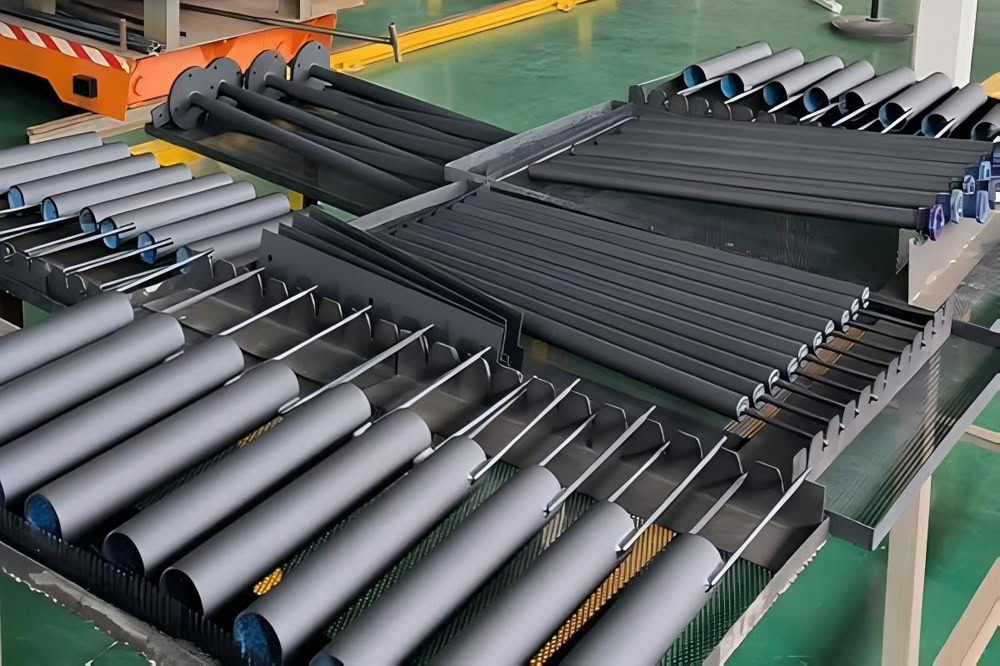
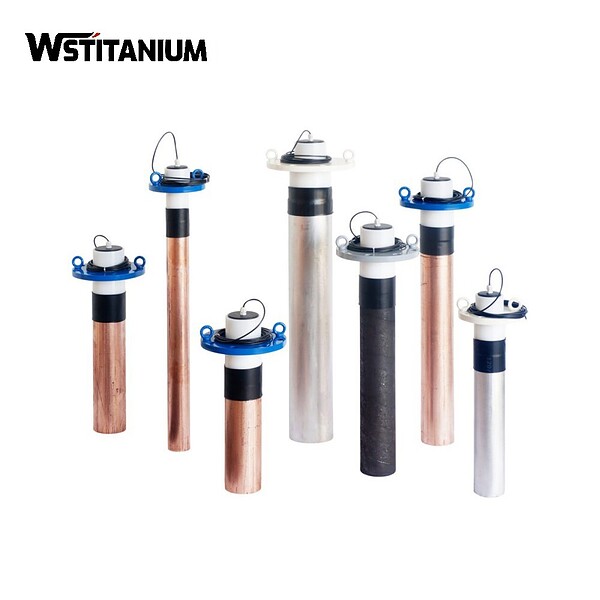
Copper Anodes: The core function is to prevent marine organism attachment, making them the core antifouling component of the MGPS anode. They are typically made of high-purity electrolytic copper, with standard sizes covering diameters of 3.5 inches, 4 inches, and 5 inches, and lengths ranging from 12 inches to 36 inches. Non-standard sizes can be customized according to the ship’s pipeline diameter. The copper anode releases copper ions (Cu²⁺) during electrolysis, which are highly biotoxic. When the concentration of copper ions in seawater reaches 2 mg/m³, it can effectively inhibit the growth and attachment of marine larvae such as algae, barnacles, and mussels, preventing biofouling at its source. This anode is compatible with mainstream marine piping materials such as steel and cast iron, and is widely used in container ships and bulk carriers navigating in temperate and subtropical waters.
Aluminum anodes: Their core function is corrosion protection and auxiliary antifouling. They are mostly made of high-purity aluminum alloy, and their dimensions are compatible with copper anodes, allowing for installation together. During electrolysis, aluminum anodes release aluminum ions (Al³⁺), which combine with hydroxide ions in seawater to form aluminum hydroxide (Al(OH)₃) flocs. These flocs adsorb and kill marine larvae, enhancing antifouling performance. Furthermore, the flocs deposit on the inner wall of the pipe, forming a dense protective film that isolates the metal pipe from seawater, keeping the corrosion rate below 0.03 mm/y and significantly extending pipe life. Aluminum anodes are only suitable for steel pipes and should not be used on aluminum or copper pipes to avoid secondary corrosion.
Iron anodes, also known as “soft iron anodes,” are primarily used for corrosion protection in special pipe systems, mainly in copper-nickel alloy pipes (common in naval vessels and high-end commercial ships). During electrolysis, they release ferrous ions (Fe²⁺), which maintain a stable oxide protective layer on the inner wall of copper-nickel pipes, inhibiting pipe corrosion and preventing chemical reactions with copper ions that could lead to impurity deposition. Iron anodes are typically equipped with safety cap flanges and require matching with a dedicated cathode during installation to ensure a stable electrolysis circuit. They are not suitable for conventional steel pipelines.
(II) Seawater Electrolysis Anodes
Seawater electrolysis anodes are suitable for tropical, highly bioactive sea areas (such as the Red Sea). They achieve strong antifouling by generating oxidants through seawater electrolysis. The core material is a platinum-plated titanium alloy or mixed metal oxide (MMO) inert anode. This type of anode does not consume its own material; it only serves as an electrolysis carrier. By applying external direct current to electrolyze seawater, it generates strong oxidants such as sodium hypochlorite (NaClO) and hypochlorous acid (HClO), which quickly kill marine larvae and spores in the seawater, achieving an antifouling effect of over 96%.
Their structure is usually plate-shaped or tubular, installed in a dedicated electrolysis cell, and must be insulated from the hull to prevent current interference with the hull structure. The advantages of seawater electrolysis anodes are high antifouling efficiency, suitability for high-biodensity sea areas, and no metal ion emissions, making them more environmentally friendly; however, their disadvantage is sensitivity to seawater salinity. It is currently widely used on commercial vessels such as oil tankers and LNG carriers that sail long distances in tropical waters.
(III) Spirax Anode
The composite anode is an integrated anode designed for space-constrained environments. It employs a copper-aluminum or copper-iron composite structure, integrating both antifouling and anti-corrosion functions, eliminating the need for separate installation of two types of anodes. Its core advantage lies in its compact structure, making it suitable for vessels with narrow pipelines and limited installation space (such as small bulk carriers and government vessels), or scenarios with PVC or CPVC pipelines (without a natural cathode).
The composite anode optimizes the internal material ratio to ensure a stable release ratio of copper ions to aluminum/iron ions during electrolysis, guaranteeing both antifouling effectiveness and the formation of an effective protective layer. During installation, it can be directly embedded into the bottom of the filter or pump body, facilitating easy replacement without the need for dry-docking, significantly reducing maintenance costs.
Applications of MGPS Anodes
The installation location of MGPS anodes directly determines their antifouling and anti-corrosion coverage. A comprehensive plan considering the ship’s piping layout, equipment structure, and ease of maintenance is implemented, with core installation areas concentrated at the seawater inlet and critical equipment locations to ensure inhibition of marine organism attachment at the source.
(I) Seawater Chest
The seawater chest is the inlet to the ship’s seawater system. Marine organisms first enter the piping through this point, making it the core installation location for MGPS anodes. Anodes are typically installed in a sleeve-type configuration, embedded inside the chest during dry-docking, parallel to the seawater flow direction, ensuring that the ions or oxidants generated by electrolysis can quickly diffuse throughout the entire piping system.
The advantage of this location is its wide coverage, protecting all subsequent seawater piping, coolers, condensers, and other equipment. The disadvantage is that anode replacement requires the ship to be docked, thus necessitating the selection of anodes with a longer service life (typically 2-3 years). Currently, the main MGPS anodes on the vast majority of commercial ships are installed here, with copper-aluminum anode combinations adapted to steel piping being the mainstream choice.
(II) Strainer
The strainer is a crucial pretreatment device for seawater pipelines. It is prone to clogging due to marine organisms, therefore some anodes are installed inside the strainer, secured with flanges. The advantage of this location is that anode replacement does not require docking; simply closing the inlet and outlet valves of the strainer and removing the flanges completes the replacement, making maintenance convenient and suitable for vessels in tropical waters requiring frequent anode replacements.
Usually, composite anodes or small copper anodes are installed inside the strainer, primarily to provide auxiliary protection for the strainer body and subsequent short-distance pipelines. They must be used in conjunction with the main anode in the seawater valve box.
(III) Pump Bottom
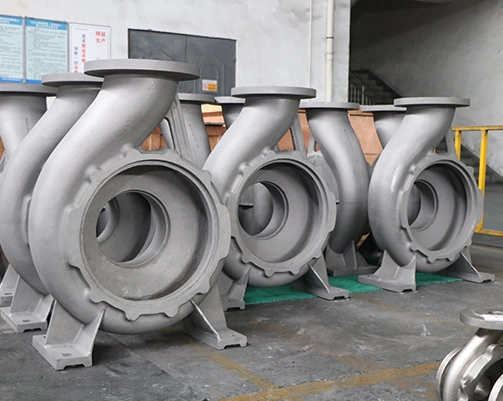
For critical equipment such as seawater lift pumps and cooling pumps, pump-mounted anodes are installed at the bottom of the pump body, typically embedded in the flow stabilizer pipe or caisson, near the impeller. This location directly protects the pump impeller, pump casing, and inlet pipeline, preventing marine organism buildup that could lead to reduced flow, increased vibration, or impeller damage. It is suitable for vessels with extremely high pump reliability requirements, such as oil tankers and LNG carriers.
During installation, ensure the anode is insulated from the pump body to prevent electrolytic current from corroding precision components such as the pump shaft and bearings. The anode frame must also be securely fixed to withstand vibrations and impacts during pump operation.
(IV) Reaction Tank
The reaction tank is suitable for indirect MGPS systems, primarily used in large commercial vessels (such as oil tankers and container ships) with ample engine room space. The anode is installed in a dedicated reaction tank. Seawater first enters the tank for treatment before being transported to the pipeline system. This location offers advantages such as convenient anode maintenance and replacement (simply close the reaction tank valves), and improved electrolysis efficiency through optimized tank structure. It is suitable for seawater electrolysis anodes or composite anodes.
The reaction tank is typically equipped with a flushing device to periodically clean internal scale and debris, preventing impact on anode electrolysis performance. The tank also has an exhaust port to release hydrogen gas generated during electrolysis, preventing gas accumulation and potential safety hazards.
(V) Precautions
Material Matching: For steel pipelines, use copper-aluminum anode combinations; for copper-nickel pipelines, use copper-iron anode combinations; for PVC pipelines, use composite anodes. Avoid material incompatibility that could lead to electrochemical corrosion.
Spacing Control: The installation distance between the anode and cathode should be controlled between 0.5 and 1.5 meters to ensure uniform distribution of electrolytic current and prevent excessive anode consumption due to localized excessive current.
Insulation Protection: The anode mounting frame must be insulated from the hull and equipment using dedicated insulating pads or bolts to prevent current interference with the hull structure or precision equipment.
Water Flow Direction: The anode installation must be aligned with the direction of seawater flow to ensure that the generated ions or oxidant can diffuse rapidly with the water flow, avoiding excessively high or low local concentrations.



Related products
-
 Marine Growth Prevention Systems
MGPS Anodes for Offshore Platforms
-
 Impressed Current Cathodic Protection
ICCP Cathodic Protection For Buildings
-
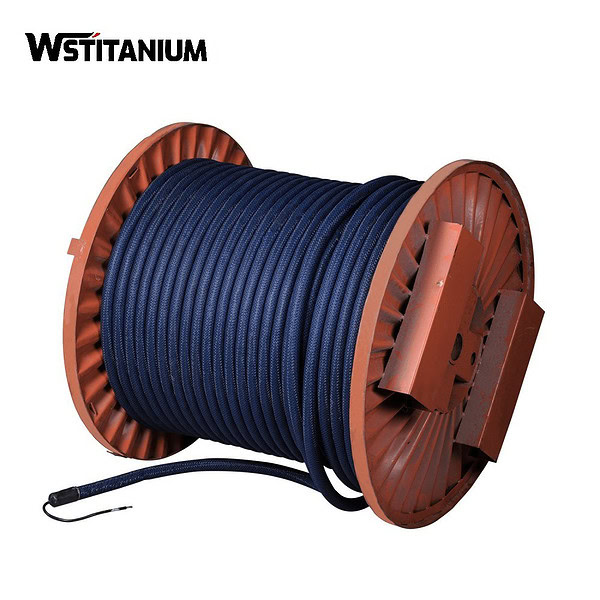 Impressed Current Cathodic Protection
ICCP MMO Flexible Anode
-
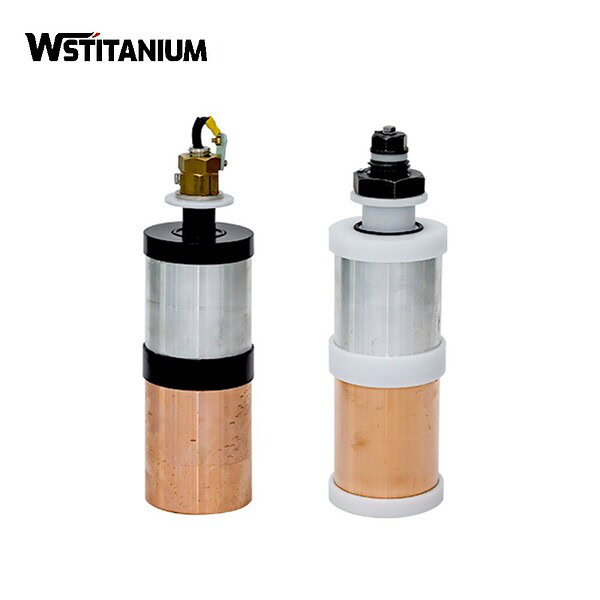 Marine Growth Prevention Systems
MGPS Anode for Yachts
-
 Impressed Current Cathodic Protection
ICCP MMO Disk Anode
-
 Impressed Current Cathodic Protection
ICCP Silicon Iron Anode
-
 Impressed Current Cathodic Protection
ICCP Iridium-Tantalum MMO Anode
-
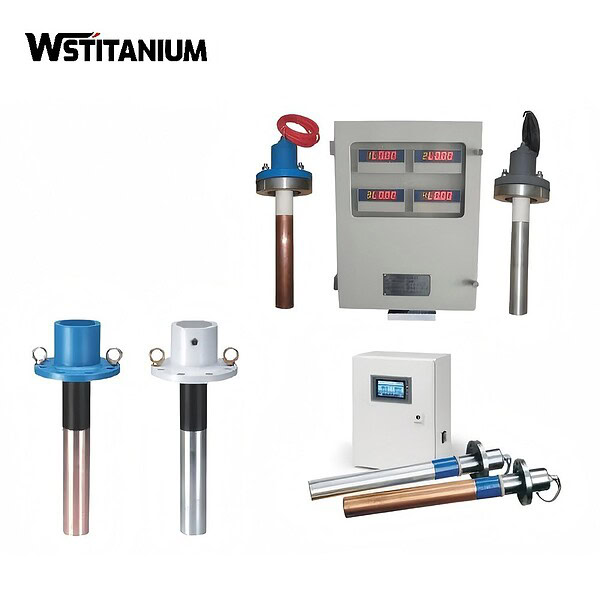 Marine Growth Prevention Systems
Marine Growth Prevention Systems Anode