
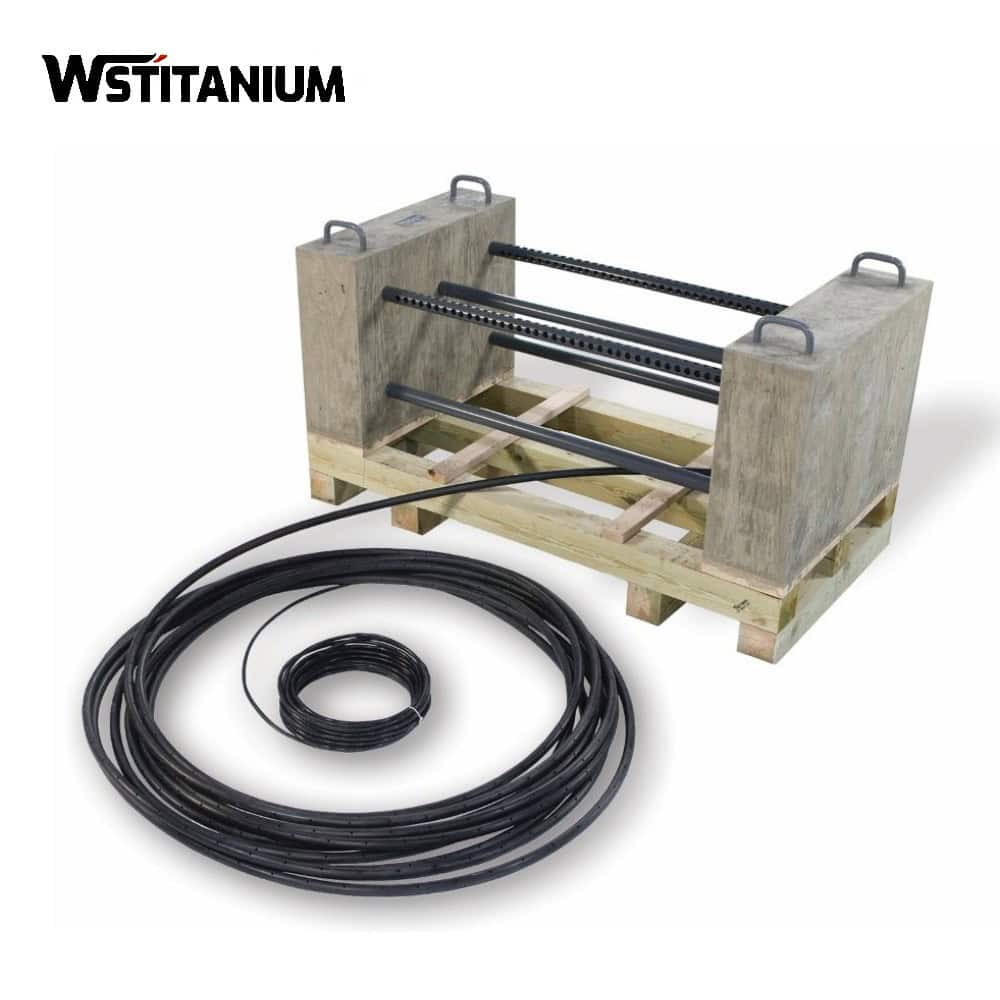
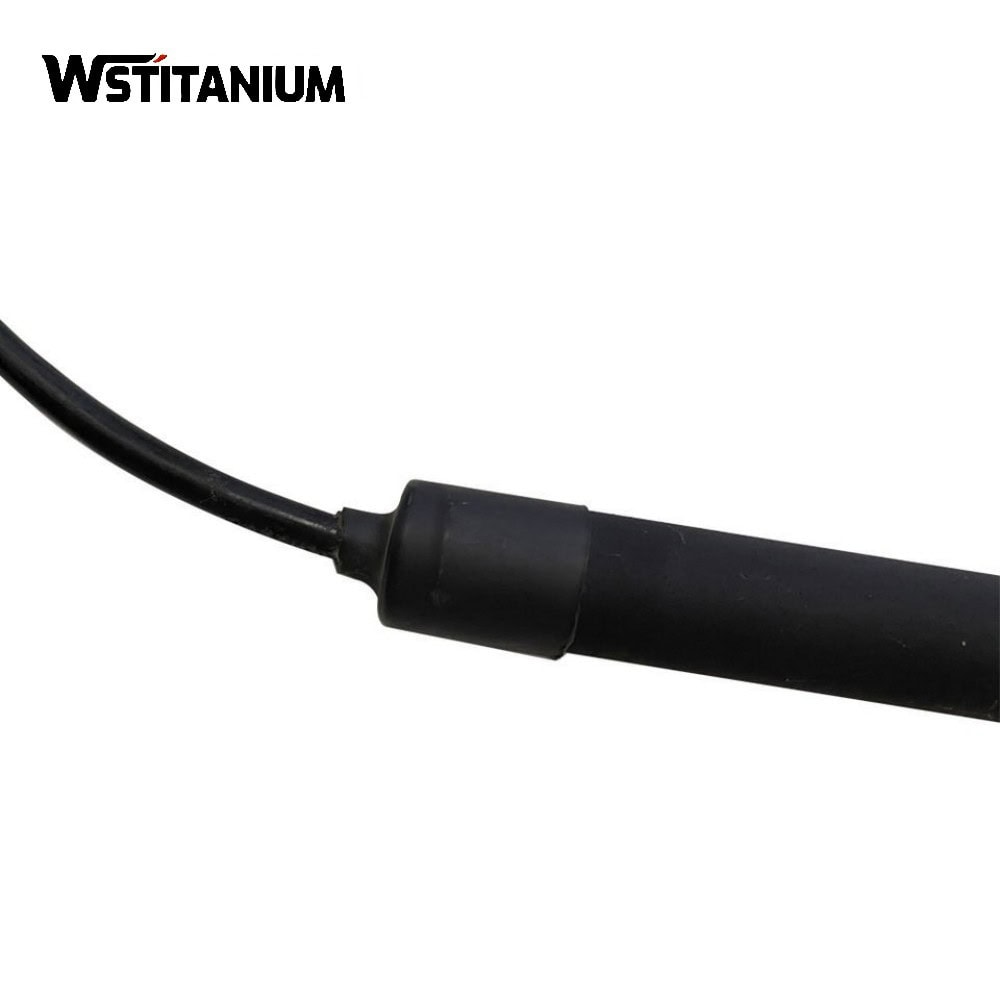
ICCP Iridium-Tantalum MMO Anode
Certified: CE & SGS & ROHS
Shape: Requested
Diameter: Customized
Drawings: STEP, IGS , X_T, PDF
Shipping: DHL, Fedex, or UPS & Ocean Freight

20+ YEARS EXPERIENCE SENIOR BUSINESS MANAGER
Ask Michin For What You Want?
From petrochemical pipelines and offshore platforms to urban water supply systems and power transmission towers, metallic materials are highly susceptible to oxidation-reduction reactions in complex environments such as humidity, acidity, alkali, and salt spray, leading to corrosion of metal structures. Impressed current cathodic protection technology is one of the mainstream forms of cathodic protection. Among them, the iridium-tantalum mixed metal oxide (IMO) anode has become the “preferred solution” for impressed current cathodic protection systems.
| Category | Key Information |
| Core Definition | An auxiliary anode featuring a titanium/tantalum/niobium substrate coated with an iridium-tantalum mixed metal oxide (MMO) active layer. As the core component of an impressed current cathodic protection (ICCP) system, it delivers protective current via catalytic oxidation reactions to mitigate corrosion of the protected metallic structure. |
| Main Types | 1. By substrate: |
| – Titanium-based (general-purpose, most prevalent); | |
| – Tantalum-based (for extreme corrosive environments); | |
| – Niobium-based (for mid-to-high-end corrosion-resistant applications); | |
| 2. By structure: | |
| – Plate anode (easy installation); | |
| – Mesh anode (uniform current distribution); | |
| – Rod/tube anode (concentrated current output); | |
| – Strip anode (flexible deployment); | |
| 3. By service environment: Soil-duty, aqueous-duty, high-temperature/high-corrosivity-duty. | |
| Working Principle | 1. System configuration: Anode (connected to positive terminal of DC power supply) + Protected metal (cathode) + DC power supply (potentiostat/galvanostat) + Reference electrode; |
| 2. Anodic reactions: | |
| – Oxygen evolution (neutral/alkaline media): 2H₂O → O₂↑ + 4H⁺ + 4e⁻; | |
| – Chlorine evolution (chloride-containing media): 2Cl⁻ → Cl₂↑ + 2e⁻; | |
| 3. Core functions: The MMO active layer catalyzes reactions, conducts current, and protects the substrate; the reference electrode enables potential regulation (target range: -0.85V to -1.20V vs. Cu/CuSO₄ electrode). | |
| Core Advantages | 1. Electrochemical performance: Current efficiency ≥95%, operating current density 100–1000 A/m², low overpotential for O₂/Cl₂ evolution; |
| 2. Service life: 20–30 years (titanium-based), far exceeding graphite (3–5 years) and lead alloy (5–8 years); | |
| 3. Environmental adaptability: Resistant to soil, seawater, strong acids/alkalis, and high temperatures (≤200°C); | |
| 4. Operational benefits: Uniform current distribution, compact & lightweight design, easy installation, pollution-free operation, high long-term cost-effectiveness. | |
| Application Fields | 1. Petrochemical sector: Oil/gas transmission pipelines, storage tanks, process reactors; |
| 2. Marine engineering: Offshore platforms, marine vessels, subsea pipelines; | |
| 3. Municipal infrastructure: Water/gas distribution pipelines, wastewater treatment facilities, bridges & tunnels; | |
| 4. Power industry: Thermal/nuclear power equipment, transmission towers, substation structures; | |
| 5. Specialized sectors: Nuclear industry, electroplating systems, geothermal exploitation facilities. |
The core characteristic of iridium-tantalum MMO anodes is the coating of an iridium-tantalum composite oxide active layer on the surface of a metal substrate. Their classification is primarily based on the substrate material, structural morphology, and application scenario.
(I) Classification by Substrate Material
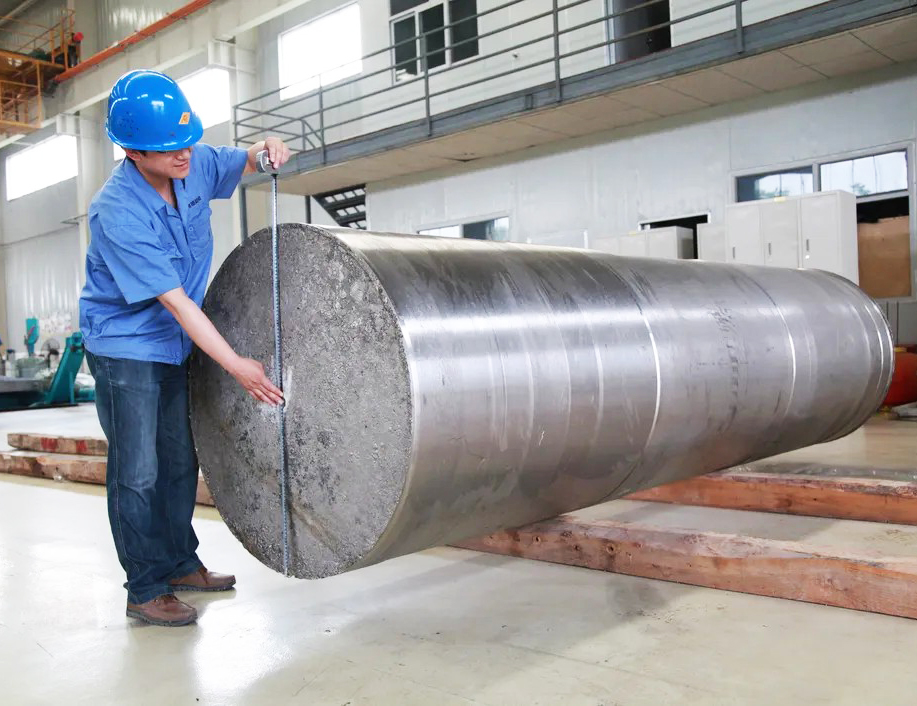
* Titanium-based Iridium-tantalum MMO Anodes: This is currently the most widely used type, using pure titanium plates, titanium mesh, titanium rods, or titanium tubes as the substrate material. Titanium possesses excellent corrosion resistance, good electrical conductivity, and mechanical strength, forming a strong metallurgical bond with the iridium-tantalum MMO active layer, effectively preventing active layer detachment. The active layer coating thickness of titanium-based anodes is typically 10-20 μm. This type of anode is suitable for most soil, freshwater, seawater, and acid/alkali electrolyte environments, making it a “general-purpose choice” for industrial corrosion protection.
* Tantalum-based Iridium-tantalum MMO Anodes: Using tantalum as the substrate, tantalum exhibits superior corrosion resistance compared to titanium, especially in high-temperature, strongly oxidizing electrolytes. However, tantalum is more expensive and has relatively poor machinability, therefore it is only suitable for extremely harsh corrosive environments (such as high-temperature strong acid solutions and special media in the nuclear industry).
Niobium-based Iridium-Tantalum MMO Anode: Niobium has similar corrosion resistance to tantalum, but at a lower cost and with moderate mechanical strength. This type of anode is mainly used in scenarios where high corrosion resistance of the substrate is required but the budget is limited, such as corrosion protection of certain high-temperature chemical reactors. Its application range is between titanium-based and tantalum-based anodes.
(II) Classification by Structural Form
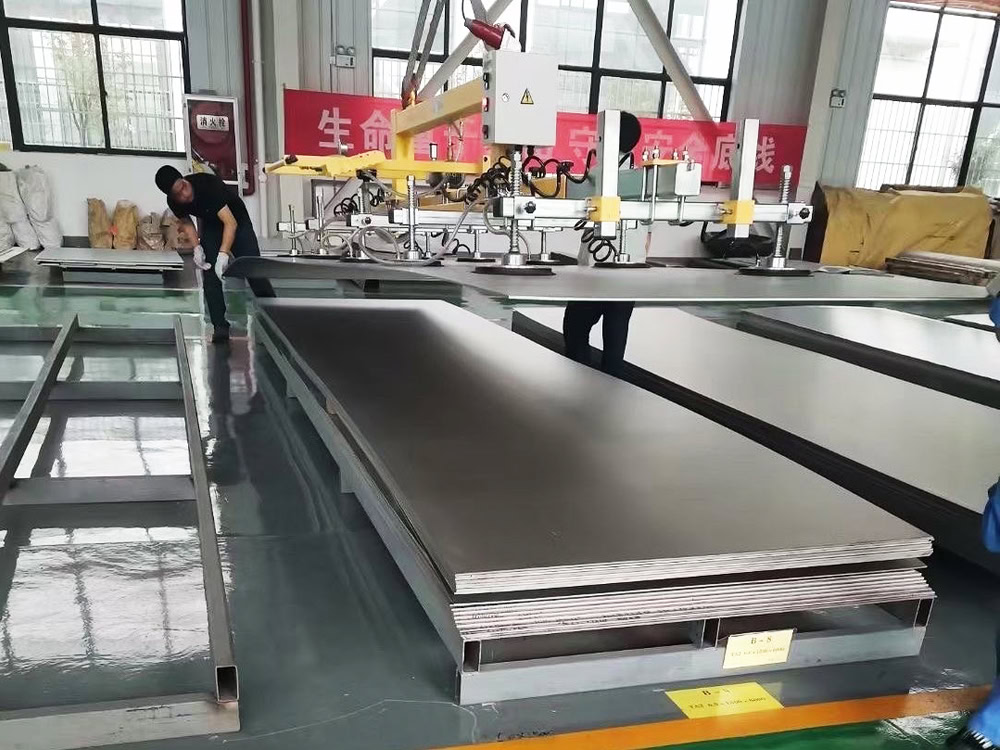
Plate-type Iridium-Tantalum MMO Anode: The substrate is a titanium plate with a uniformly coated iridium-tantalum MMO active layer. The shape is mostly rectangular or circular, and the size can be customized according to actual needs (common specifications are 300mm×500mm, 500mm×1000mm, etc.). Plate-type anodes are characterized by simple structure, convenient installation, and uniform current distribution. They are suitable for pipeline protection in soil, corrosion protection of tank bottom plates, and protection of underground structures.
Mesh-type Iridium-Tantalum MMO Anode: The substrate is a titanium mesh, with the active layer coated on the mesh surface. The mesh size is typically 5mm×5mm to 20mm×20mm. The advantages of mesh anodes include a large specific surface area, uniform current output, light weight, and adaptability to complex terrain, making them particularly suitable for the inner side of storage tank bottoms and underground tunnels.
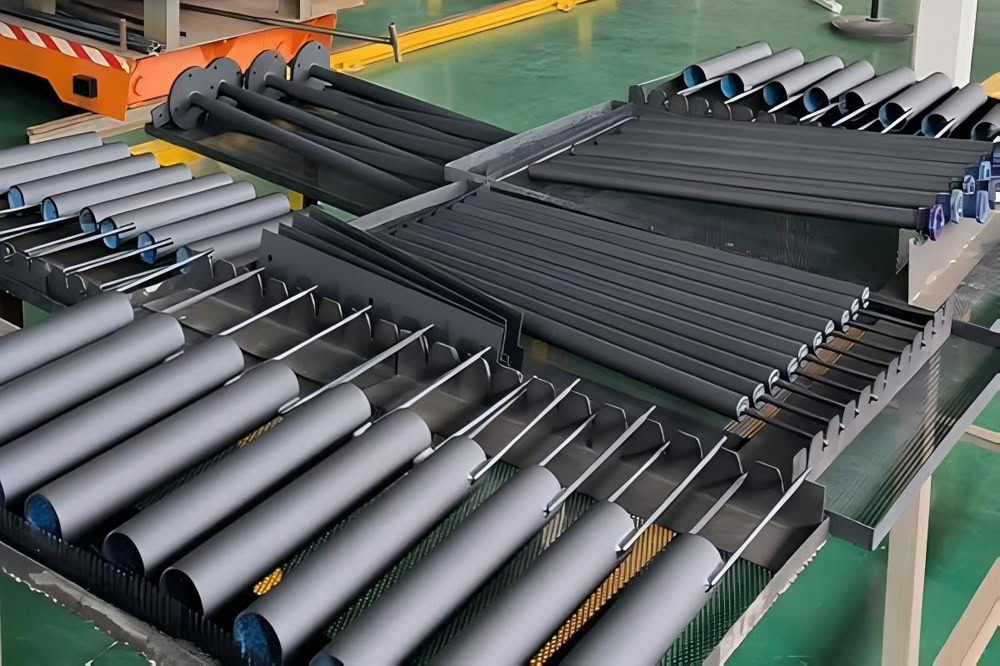
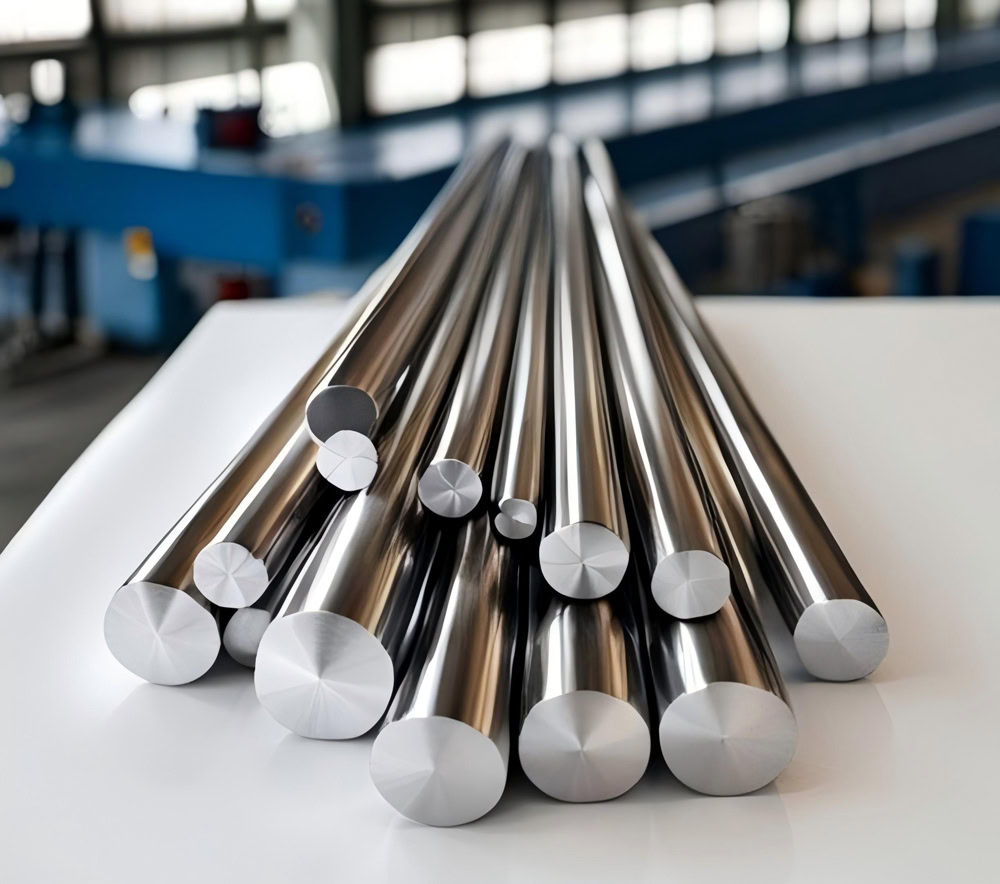
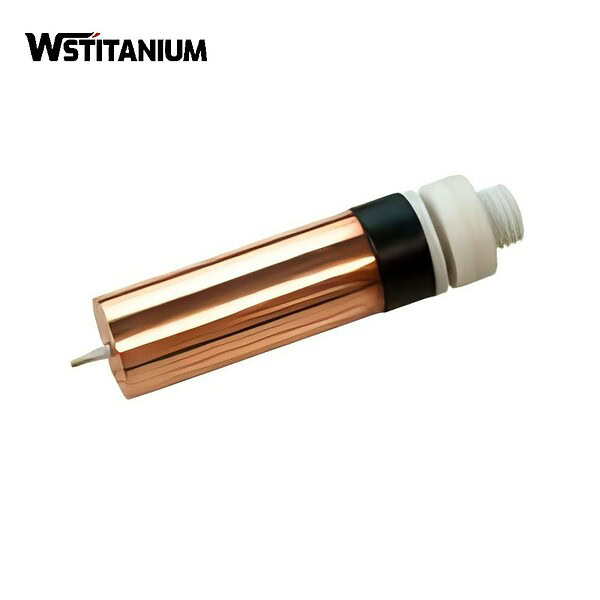
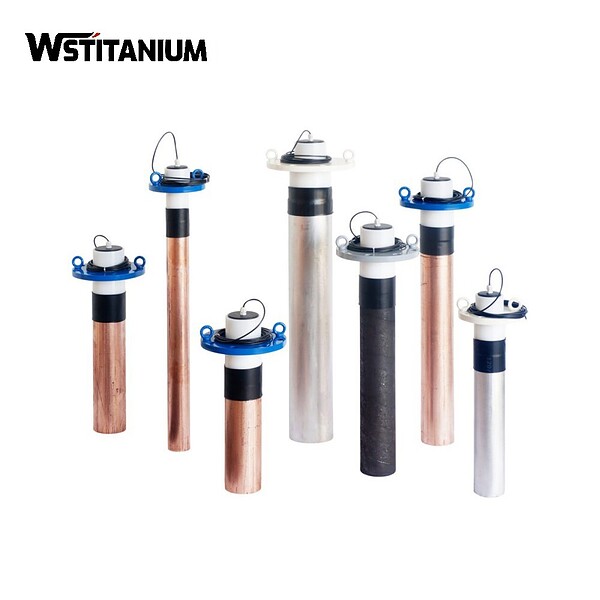
Rod/Tube Iridium-Tantalum MMO Anodes: The substrate is a titanium rod or tube, typically 10-25mm in diameter and 500-3000mm in length. Rod/tubular anodes feature concentrated current density and strong penetration, making them suitable for deep well anode beds, offshore platform pile foundation protection, and localized corrosion protection inside large equipment.
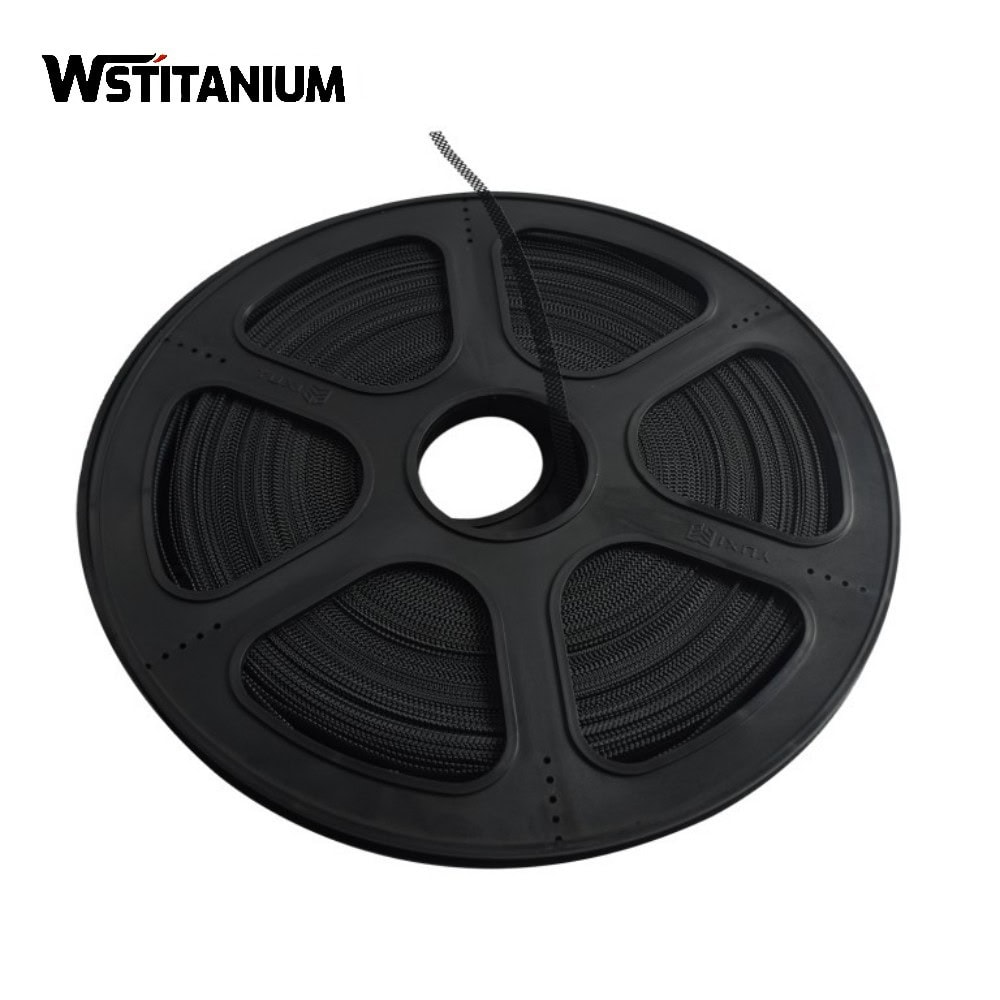
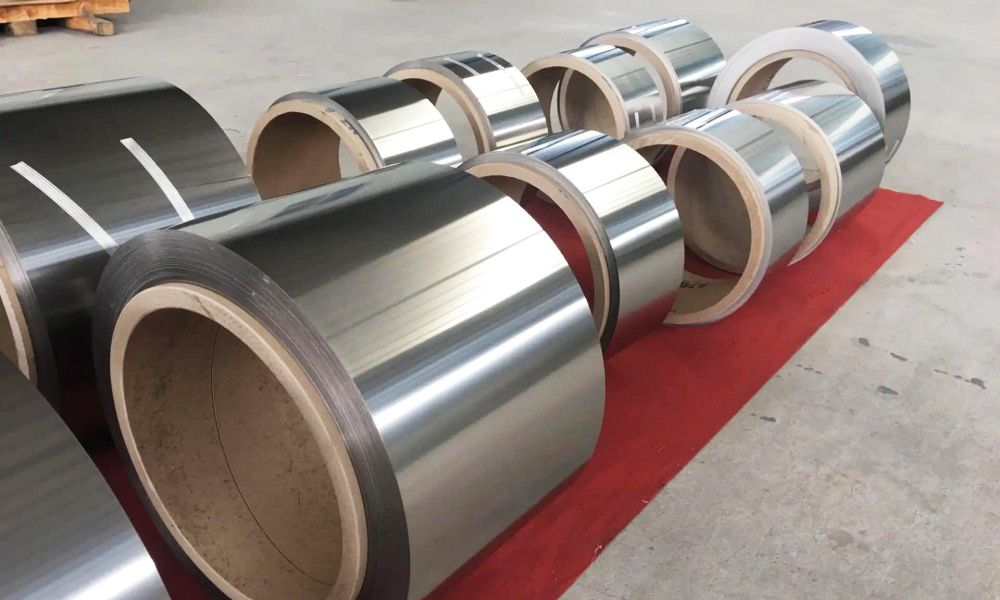
Strip Iridium-Tantalum MMO Anodes: The substrate is a titanium strip (10-50mm wide, 0.5-2mm thick), with an active layer coated on the strip surface. Their length can be customized according to project requirements (up to several hundred meters). Strip anodes offer good flexibility and easy installation, making them suitable for continuous protection of irregularly shaped structures (such as curved pipes and irregularly shaped equipment) and long-distance pipelines in soil. They can also be directly laid on the surface of the protected metal or in the nearby soil.
(III) Classification by Application Scenarios
Iridium-Tantalum MMO Anodes for Soil Environments: Designed for the corrosion characteristics of soils (especially acidic, alkaline, or high-salinity soils), typically employing plate, mesh, or strip structures. Their surface active layer is optimized to withstand microbial corrosion and chemical erosion in the soil.
Iridium-Tantalum MMO Anodes for Aquatic Environments: Includes anodes specifically designed for freshwater (rivers, lakes, groundwater) and seawater (offshore platforms, ships, port facilities) environments. Aquatic environment anodes require excellent corrosion resistance. Seawater environment anodes also need to consider the influence of chloride ions, typically employing rod, tubular, or plate structures. Some products include an anti-biofouling coating to prevent marine organisms (such as shellfish and algae) from adhering and affecting current output.
Iridium-Tantalum MMO Anodes for High-Temperature/Highly Corrosive Environments: Designed for extreme environments such as high temperatures (100-200℃), strong acids (sulfuric acid, hydrochloric acid), and strong alkalis (sodium hydroxide). The substrate is mostly tantalum-based or niobium-based. The active layer thickness is increased to 10-20 μm, and the iridium content is increased (typically ≥30%) to enhance the stability and corrosion resistance of the anode. It is suitable for chemical reactors, high-temperature pipelines, nuclear industry equipment, etc.
Applications of Iridium-Tantalum MMO Anodes
Due to their superior performance, iridium-tantalum MMO anodes have been widely used in various fields such as petrochemicals, marine engineering, municipal construction, power industry, and nuclear industry. They have become a core component for corrosion protection of various metal structures.
(I) Petrochemicals
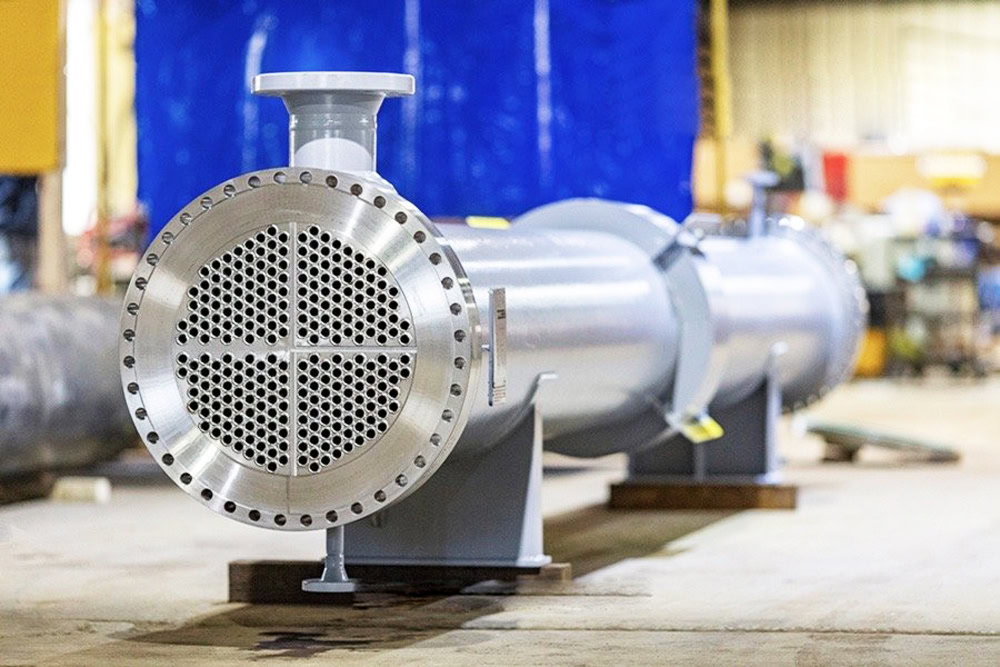
Metal structures (pipelines, tanks, reactors, heat exchangers, etc.) in the petrochemical industry are subjected to harsh environments such as high temperature, high pressure, acid and alkali media, and oil-gas mixtures for extended periods, making corrosion a particularly prominent issue. Using iridium-tantalum MMO anodes (plate, strip, or rod) as auxiliary anodes, in conjunction with a potentiostat and reference electrode, can achieve full cathodic protection for pipelines.
(II) Marine Engineering
The pile foundations, jacket structures, and deck structures of fixed platforms and floating platforms are constantly immersed in seawater, facing problems such as seawater corrosion and corrosion from marine organisms. Using iridium-tantalum MMO tubular anodes installed around the pile foundations, or strip anodes laid under the deck, can achieve comprehensive protection of the platform structure.
(III) Municipal Construction Industry
Municipal infrastructure (water supply pipelines, gas pipelines, sewage treatment facilities, bridges, etc.) is closely related to people’s livelihoods, and its corrosion and damage directly affect the normal operation of cities. Iridium-tantalum MMO anodes, with their advantages of convenient installation and environmental friendliness, are increasingly widely used in the municipal sector. Laying iridium-tantalum MMO strip anodes or mesh anodes along pipelines can achieve continuous pipeline protection.
(IV) Power Industry
Thermal/Nuclear Power Equipment: Boilers, turbines, and condensers in thermal power plants, and reactor cooling systems and steam generators in nuclear power plants, are exposed to high temperature, high pressure, and water vapor environments for extended periods, making them prone to corrosion and scaling. Installing iridium-tantalum MMO tubular or rod anodes inside the equipment can inhibit corrosion through cathodic protection and reduce scaling.


Related products
-
 Impressed Current Cathodic Protection
ICCP Cathodic Protection For Bridges
-
 Impressed Current Cathodic Protection
ICCP Cathodic Protection Deep Well
-
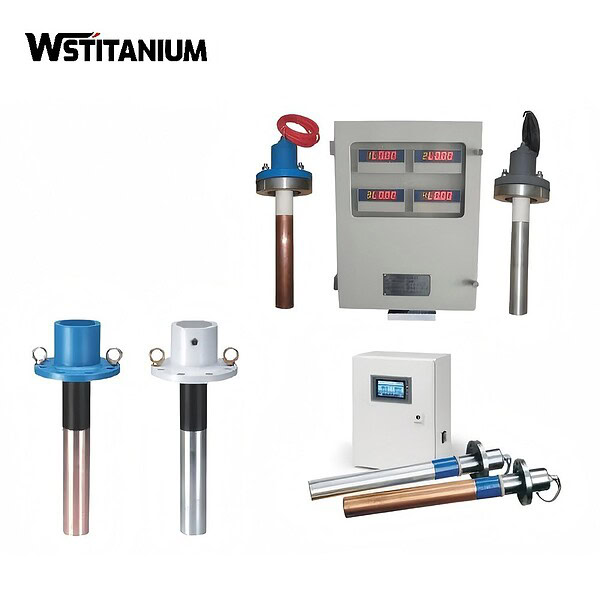 Marine Growth Prevention Systems
Marine Growth Prevention Systems Anode
-
 Impressed Current Cathodic Protection
ICCP MMO Strip Anode
-
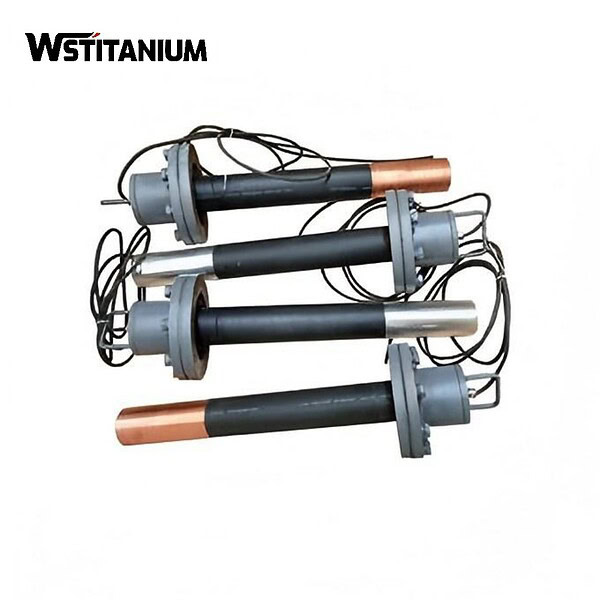 Marine Growth Prevention Systems
MGPS Anode for Cruise Ships
-
 Impressed Current Cathodic Protection
ICCP Cathodic Protection For Buildings
-
 Cathodic Protection System
MGPS Anode For Port Terminals
-
 Marine Growth Prevention Systems
MGPS Anodes for Offshore Platforms