
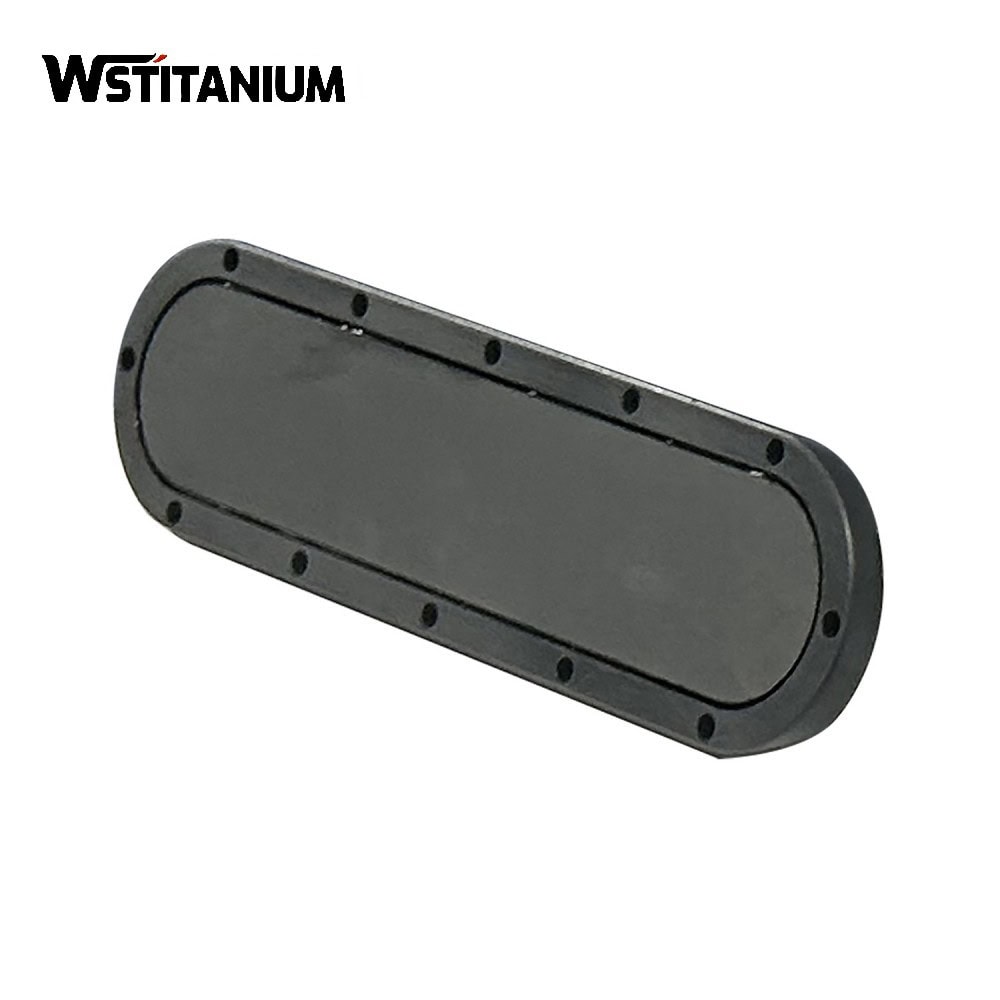
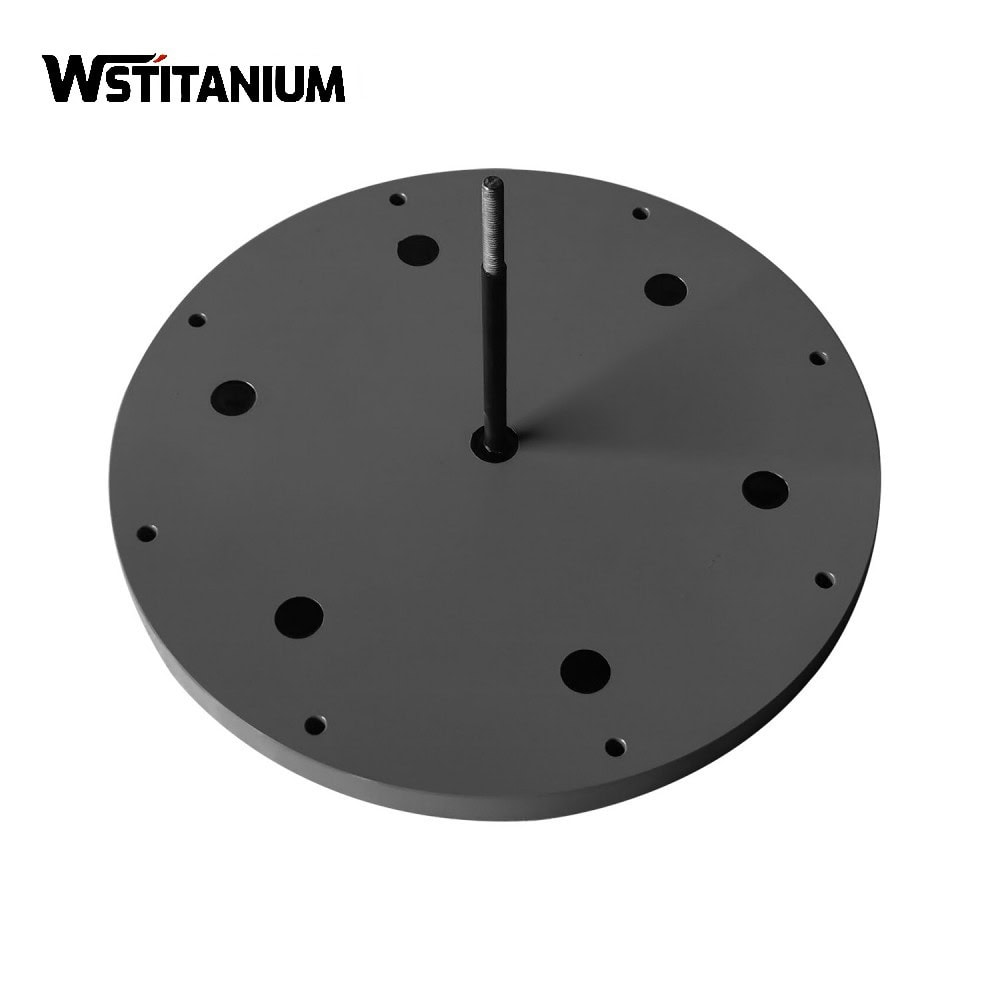
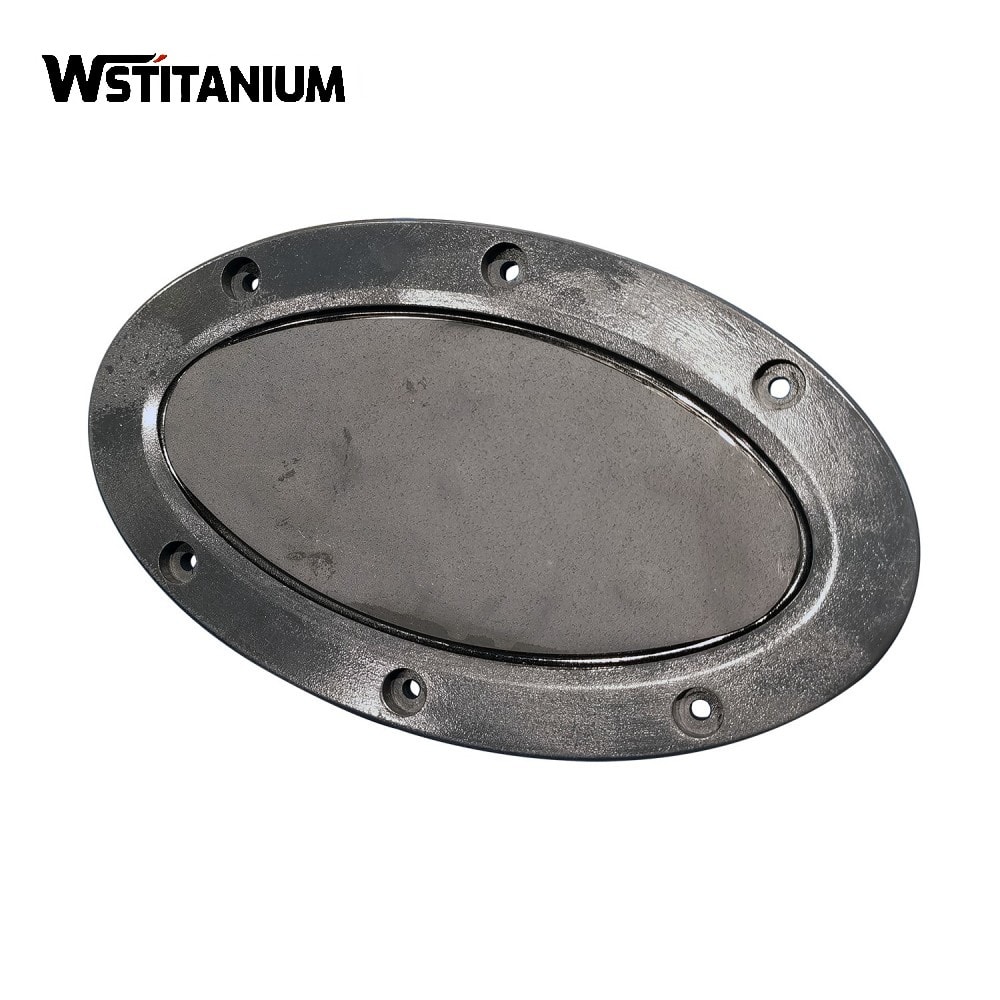
ICCP Cathodic Protection For Ships
Certified: CE & SGS & ROHS
Shape: Requested
Diameter: Customized
Drawings: STEP, IGS , X_T, PDF
Shipping: DHL, Fedex, or UPS & Ocean Freight

20+ YEARS EXPERIENCE SENIOR BUSINESS MANAGER
Ask Michin For What You Want?
Ships constantly face the severe challenges of the highly corrosive marine environment. In the ship corrosion protection technology system, cathodic protection is one of the most core and effective methods. It is mainly divided into two categories: sacrificial anodes and impressed current cathodic protection (ICCP). Sacrificial anodes provide protection by dissolving a more negatively charged metal (such as zinc or aluminum alloys). While sacrificial anodes are inexpensive and easy to install, they have drawbacks such as limited current output, short lifespan (2-3 years), and the need for periodic replacement, making them unsuitable for the long-term protection needs of large ships (over 50,000 tons).
Impressed current cathodic protection systems actively regulate the protective current through an external DC power supply. They offer advantages such as high output power, wide protection range, long lifespan (15-20 years), and dynamic adaptability to changes in the marine environment, making them the mainstream protection solution for modern large and high-end ships.
| Comparison | Platinized Anode | Mixed Metal Oxide Anode | Platinum/Niobium Anode |
| Core Material | Pure titanium substrate + electroplated platinum layer (≥5 μm) | Pure titanium substrate + Ru/Ir/Ta mixed oxide coating (20–50 μm) | Niobium substrate + electroplated platinum layer (≥8 μm) |
| Polarization Overpotential | ≤0.3 V (at 100 A/m² current density) | 0.2–0.4 V (at 100 A/m² current density) | ≤0.25 V (at 100 A/m² current density) |
| Consumption Rate | ≤1 g/A·a | 0.3–0.7 g/A·a (lower for high-Ir type) | ≤0.8 g/A·a |
| Design Lifespan | 15–20 years | 12–18 years (up to 20 years for high-Ir type) | ≥20 years |
| Max Current Density | 30–40 A/m² | 20–35 A/m² (up to 40 A/m² for high-Ru type) | 50 A/m² |
| Mechanical Strength | Titanium substrate: tensile strength ≥450 MPa; vibration/impact resistant | Titanium substrate: tensile strength ≥450 MPa; coating hardness ≥HV400 | Niobium substrate: tensile strength ≥500 MPa; better high-temperature stability than titanium |
| Initial Investment Cost | High (due to platinum premium) | Medium (30%–50% lower than Pt/Ti anode) | Extremely high (high niobium processing difficulty + thicker Pt layer) |
| Life Cycle Cost | Low (minimal replacement & maintenance costs) | Medium (balances initial cost and replacement cycle) | Medium–High (longest lifespan but high initial investment) |
| Suitable Vessel Types | Large container ships, oil tankers, LNG carriers (≥50,000 DWT) | Small/medium bulk carriers, workboats, offshore service vessels (<50,000 DWT) | FPSOs, offshore platform supply vessels, special extreme-environment vessels |
| Suitable Environments | Universal global waters; ideal for low-salinity, large-area protection | Tropical/temperate oceans; high-salinity/high-temperature environments require high-Ir type | High-temperature (≤120°C), high-salinity fluctuation, strong turbulence extreme environments |
| Installation Form | Plate, tube, strip (fits hull bottom, bow, stern, etc.) | Plate, strip, flexible (fits ballast tanks, irregular structures) | Tube, small plate (fits shafting, critical protection areas) |
| Key Advantages | Low polarization, long lifespan, uniform current distribution; excellent long-term economy | High cost-effectiveness, chlorine-corrosion-resistant coating, flexible form; wide adaptability | Strong extreme-environment stability, high current capacity, ultra-high reliability |
| Precautions | Avoid close placement to MGPS anodes (spacing ≥10 m) | Select type for high-temperature environments to prevent coating oxidation/peeling | High cost; only recommended for critical areas or extreme conditions |
Notes:
1. Potential parameters are based on the Ag/AgCl reference electrode.
2.Cost comparison is calculated based on initial investment for the same protection area (100 m²).
3.Environmental adaptability should be adjusted according to actual parameters (temperature, salinity, flow velocity) of the vessel’s operating area. It is recommended to use this with the adaptive regulation function of a potentiostat.
The core requirements for auxiliary anodes in marine ICCP systems are: high conductivity, low polarization overpotential, resistance to seawater corrosion, high mechanical strength, and long service life, while also being able to withstand harsh operating conditions such as water flow impact and vibration during ship navigation. Currently, mainstream marine ICCP auxiliary anodes are mainly divided into the following three categories:
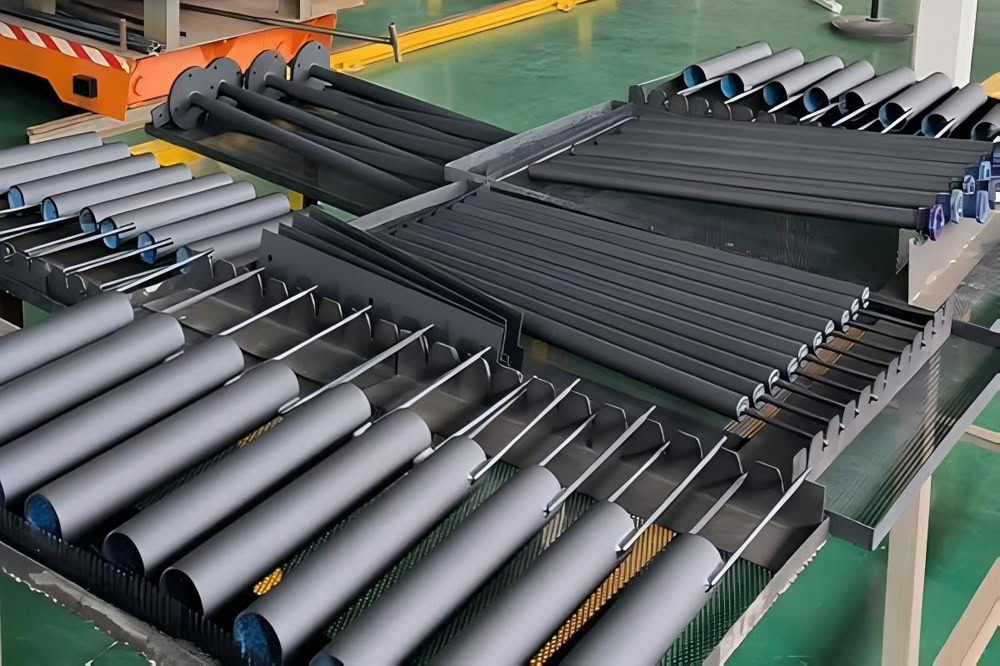
(I) Platinum-plated titanium anodes (Pt/Ti anodes)
Titanium-based platinum-plated anodes are the most widely used high-end anode type in marine ICCP systems. They consist of a pure titanium substrate (providing mechanical support) and a platinum layer electroplated on the surface (catalytic conductive layer). Their core advantage lies in the high electrochemical stability and low polarization characteristics of platinum—in seawater environments, the platinum layer will not dissolve or corrode, serving only as a medium for electron transfer, with a polarization overpotential ≤0.3V (at a current density of 100A/m²).
The platinum layer thickness of titanium-based platinum-plated anodes for marine applications needs to be ≥5μm, with an extremely low consumption rate (≤1g/A・a), and a design life of 15-20 years. Titanium-based platinum-plated anodes for marine applications can be processed into various shapes such as plates, tubes, and strips to suit different installation locations such as the hull, bow, and stern.
This type of anode is suitable for large container ships, tankers, LNG carriers, and other vessels with high protection requirements and long service lives, especially suitable for large-area hull protection scenarios requiring uniform current distribution. However, due to the high price of platinum, the initial investment cost of titanium-based platinum-plated anodes is relatively high.
(II) Mixed Metal Oxide Titanium Anodes (MMO Anodes)
Mixed metal oxide anodes use titanium as the substrate, coated with a mixed coating of metal oxides such as ruthenium, iridium, and tantalum. It is a rapidly developing high-performance anode type in recent years, balancing high stability and economy. The oxide coating has platinum-like catalytic activity, a low polarization overpotential (0.2-0.4V), and strong resistance to chlorine corrosion—in seawater electrolysis, the anode surface mainly undergoes a chlorine evolution reaction (2Cl⁻→Cl₂+2e⁻), avoiding substrate corrosion.
The coating thickness of MMO anodes is typically 20-50 μm. Special coating technology ensures a tight bond with the titanium substrate, resulting in high mechanical strength, wear resistance, and a consumption rate only 1/3-1/2 that of titanium-based platinum-plated anodes, with a design life of 12-18 years. Compared to titanium-based platinum-plated anodes, MMO anodes reduce manufacturing costs by 30%-50%, while maintaining similar performance at medium current densities (10-30 A/m²), making them the preferred anode type for small and medium-sized vessels and offshore operations.
Depending on the coating formulation, MMO anodes can be divided into high-ruthenium type (suitable for high current density scenarios) and high-iridium type (suitable for long-life requirements), flexibly adapting to the protection needs of different vessels.
(III) Platinum/Niobium Anodes (Pt/Nb Anodes)
Platinum/niobium anodes use niobium as the substrate with a platinum layer electroplated on the surface, and are a special anode type designed for extreme operating conditions. Niobium, as a substrate, exhibits superior high-temperature stability and corrosion resistance compared to titanium. Even when ships enter high-temperature sea areas or experience localized high temperatures at the anode, it maintains structural stability and prevents substrate oxidation failure.
This type of anode typically has a platinum layer thickness ≥8μm, a polarization overpotential ≤0.25V, and strong current carrying capacity (withstanding current densities up to 50A/m²). It is suitable for large FPSOs, offshore platform support vessels, and other special vessels requiring long-term berthing and high protection, and is particularly well-suited for use in marine environments with large salinity fluctuations and drastic temperature changes. However, due to the high processing difficulty and cost of niobium substrates, the application range of platinum/niobium anodes is relatively limited, primarily used in critical protective components with extremely high reliability requirements.
Applications
The application of ICCP impressed current cathodic protection anodes in ships spans the entire lifecycle of ship design, construction, installation, and operation.
Ship Bottom Structure
The hull is the largest underwater protection area of a ship. Anodes are typically arranged symmetrically along the longitudinal direction of the hull, with 2-4 plate-shaped anodes each at the bow and stern, and one anode every 15-20 meters in the midship area to ensure uniform coverage of the protective current. For large oil tankers and container ships, a combination of “main anode + auxiliary anode” can be used. The main anode provides overall protective current. The auxiliary anodes provide enhanced protection for high-corrosion areas such as near the waterline and at the bow and stern.
Shafting and Propeller
Components such as propellers and stern shafts are mostly made of copper alloys, which have a potential difference with the hull steel, making them prone to galvanic corrosion. Small tubular anodes (such as titanium-based platinum-plated anodes) are installed near the propeller hub. These anodes are then isolated from the hull via insulating flanges (insulation resistance ≥1MΩ) to prevent ICCP current interference with the shaft grounding system and ensure the shaft potential is controlled between -0.85V and -1.0V.
Ballast Tanks and Subsea Valve Boxes
Ballast tanks are prone to microbial corrosion due to alternating wet and dry conditions and oxygen-deficient environments. Strip-shaped MMO anodes can be installed inside the tanks, combined with an epoxy coating to form a composite protection. Subsea valve boxes, due to the high risk of turbulent corrosion, require a dense arrangement of high-purity anodes (such as titanium-based platinum-plated anodes), with a designed current density of 150-200A/m², to enhance localized protection.
Installation Specifications
The anodes must be installed on the sandblasted metal surface of the hull, ensuring an electrical contact resistance of < 0.01Ω. Welding is preferred for fixing (conductive gaskets must be added for bolt fixing). The anodes should be kept away from precision equipment such as sonar and depth sounders to avoid electromagnetic interference. The spacing between anodes should be determined based on the current coverage range, typically 15-20m, ensuring no blind spots. The distance from the reference electrode should be ≥2m to avoid interference with potential measurement from the anode electric field. The distance from the MGPS anode should be ≥10m to prevent galvanic corrosion. The anode cables must be seawater-resistant insulated cables (such as neoprene rubber-sheathed cables), and cable joints must be waterproof and sealed, with an insulation resistance ≥10MΩ. Cable routing should avoid sharp parts of the hull to prevent wear during navigation.



Related products
-
 Impressed Current Cathodic Protection
ICCP Ruthenium-Iridium MMO Anode
-
 Marine Growth Prevention Systems
MGPS Anode for Yachts
-
 Marine Growth Prevention Systems
MGPS Anode for Merchant Ships
-
 Impressed Current Cathodic Protection
ICCP Cathodic Protection For Pipelines
-
 Impressed Current Cathodic Protection
ICCP Cathodic Protection For Water Conservancy
-
 Impressed Current Cathodic Protection
ICCP MMO Rod Anode
-
 Marine Growth Prevention Systems
MGPS Anodes for Offshore Platforms
-
 Impressed Current Cathodic Protection
ICCP Silicon Iron Anode