
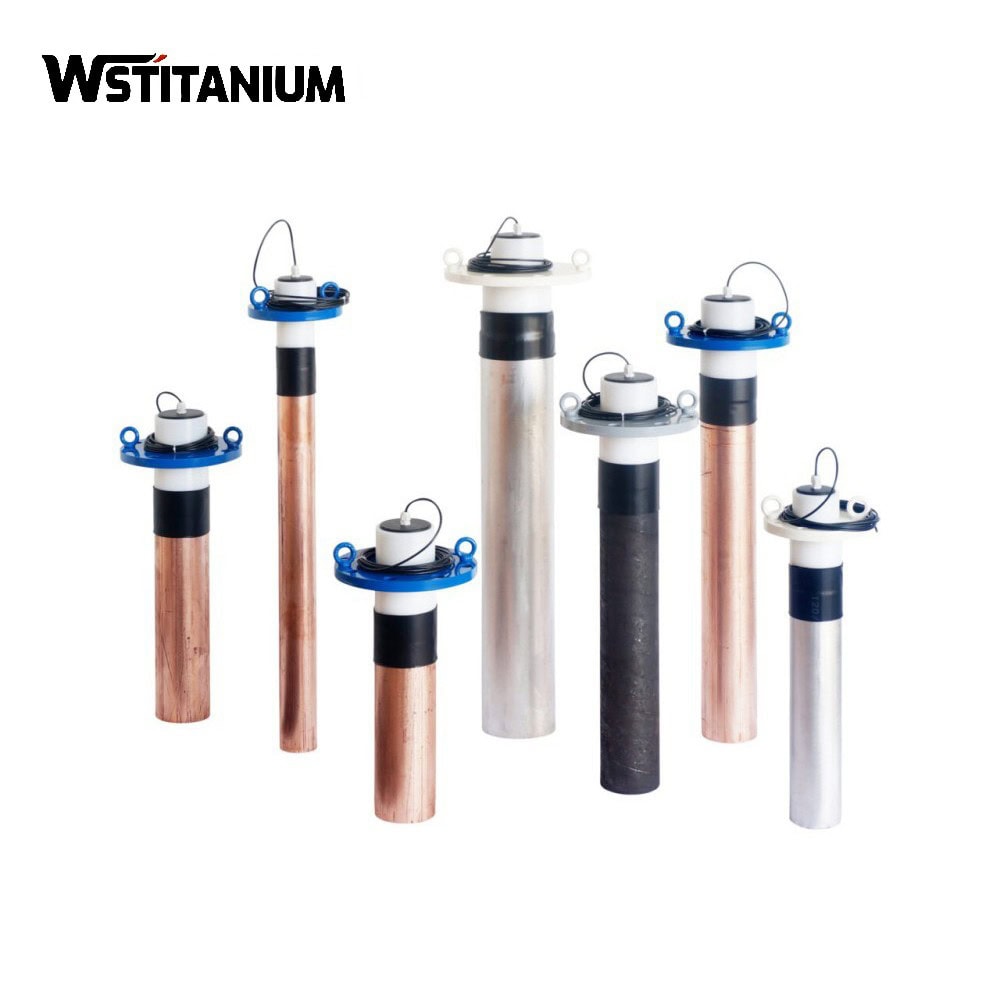
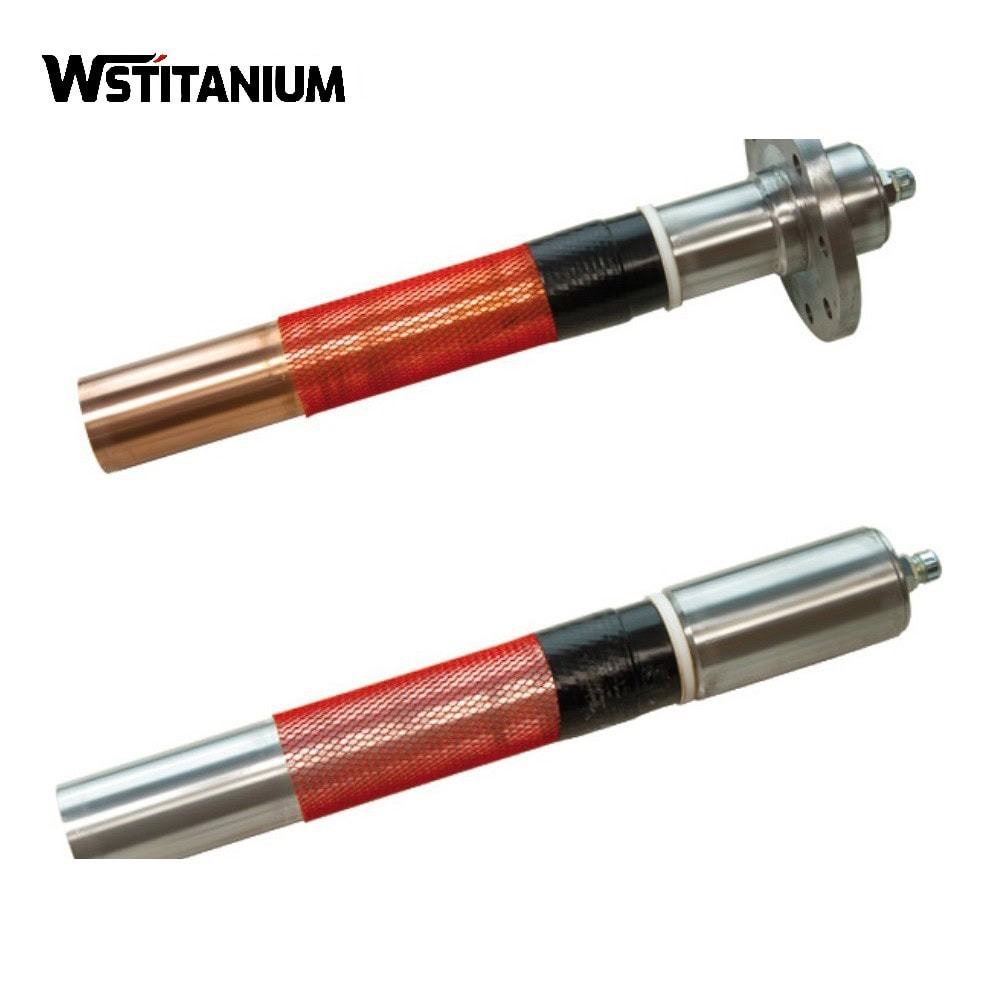
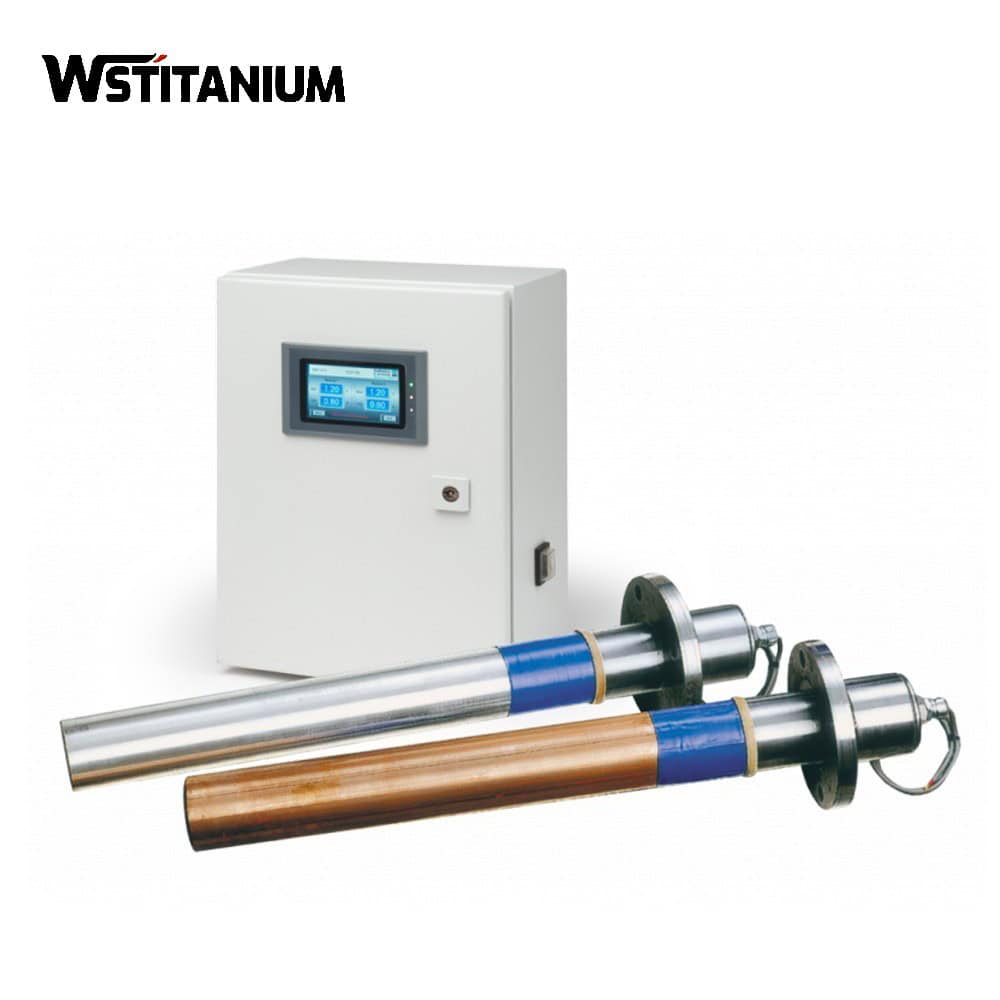
MGPS Anodes for Offshore Platforms
Certified: CE & SGS & ROHS
Shape: Requested
Diameter: Customized
Drawings: STEP, IGS , X_T, PDF
Shipping: DHL, Fedex, or UPS & Ocean Freight

20+ YEARS EXPERIENCE SENIOR BUSINESS MANAGER
Ask Michin For What You Want?
Offshore platforms serve as core infrastructure for marine engineering projects such as offshore oil and gas development, wind power utilization, and seawater desalination. They are constantly immersed in complex marine environments and face severe challenges from marine biofouling. Marine organisms such as barnacles, shellfish, and algae attach and reproduce on the surfaces of critical equipment such as seawater cooling pipes, seawater lift pumps, condensers, and subsea valve boxes, forming stubborn biofouling layers that pose multiple threats to the safe operation of offshore platforms. Furthermore, the remains of dead marine organisms can migrate with water currents and accumulate in narrow passages such as valves and heat exchangers, leading to system blockages and even major safety accidents.
Marine Growth Prevention System (MGPS) was developed to address this problem. Through scientific physical or chemical methods, it inhibits or kills marine organism larvae and spores at the source, effectively solving the biofouling problem. Data from the International Maritime Organization (IMO) shows that offshore equipment equipped with MGPS has an average lifespan extension of 7 years and a 45% reduction in maintenance costs, making it one of the core technologies for ensuring the stable operation of offshore platforms.
Main Types of MGPS
Based on differences in technical principles and electrode materials, the MGPS systems commonly used on offshore platforms can be divided into the following three main categories. Each type of system has its own characteristics in terms of applicable scenarios, anti-fouling effects, and environmental performance, allowing for flexible selection based on the operating area and equipment requirements of the offshore platform.
Electrolytic Metal Ion Type MGPS
This is the most widely used type on offshore platforms. Its core function is to achieve both anti-fouling and anti-corrosion effects by releasing ions through the electrolysis of metal electrodes such as copper, aluminum, and iron. Depending on the electrode combination, it can be further subdivided into copper-aluminum electrode type and copper-iron electrode type. The copper-aluminum electrode type is suitable for temperate low-bioactivity sea areas; the copper ions released from the copper anode inhibit the growth of marine organisms, while the aluminum hydroxide flocculants generated by the aluminum anode form a protective anti-corrosion film. The copper-iron electrode type enhances the anti-corrosion effect through copper ion anti-fouling and the cathodic protection effect of the iron electrode, making it suitable for sea areas with more complex corrosive environments. This type of system features low energy consumption, low ion dosage, and minimal impact on the marine environment. Routine maintenance only requires checking voltage and current parameters, making it easy to operate.
Electrolytic Seawater Chlorination Type MGPS
This type utilizes the abundant sodium chloride in seawater, electrolyzing the seawater using special electrodes such as platinum-plated titanium to produce strong oxidizing substances such as chlorine gas, hypochlorous acid, and sodium hypochlorite, which quickly kill marine biological larvae and spores in the seawater. This type is suitable for tropical high-bioactivity sea areas, providing thorough anti-fouling effects and capable of handling the challenges of high-density marine biological environments. An effective chlorine concentration of 0.2ppm-0.5ppm is sufficient for efficient anti-fouling; exceeding 0.5ppm may cause pipeline corrosion, therefore requiring precise control of the system.
Physical Anti-fouling Type MGPS
This type creates an environment unfavorable for marine organism attachment through physical means, without the use of chemical substances, thus offering outstanding environmental protection. Common technologies include ultrasonic anti-fouling and magnetic field anti-fouling. Ultrasonic technology uses high-frequency sound waves to vibrate and disrupt the attachment structures of marine organisms, while magnetic field technology affects the metabolic processes of biological cells by changing the magnetic environment of the seawater. This type of system is suitable for sea areas sensitive to chemical substances or platforms with extremely high environmental requirements, but its anti-fouling range and sustained effect are relatively limited, and it is often used in combination with other types of MGPS.
How MGPS Works
The core working principle of MGPS is to generate anti-fouling and anti-corrosion active substances in the seawater system through specific technical means, disrupting the survival environment or physiological mechanisms of marine organisms, while simultaneously protecting the platform’s metal structure from corrosion. Its operation involves multiple aspects, including electrolytic reactions, the action of active substances, and system closed-loop control.
(I) Working Principle of the Electrolytic Metal System
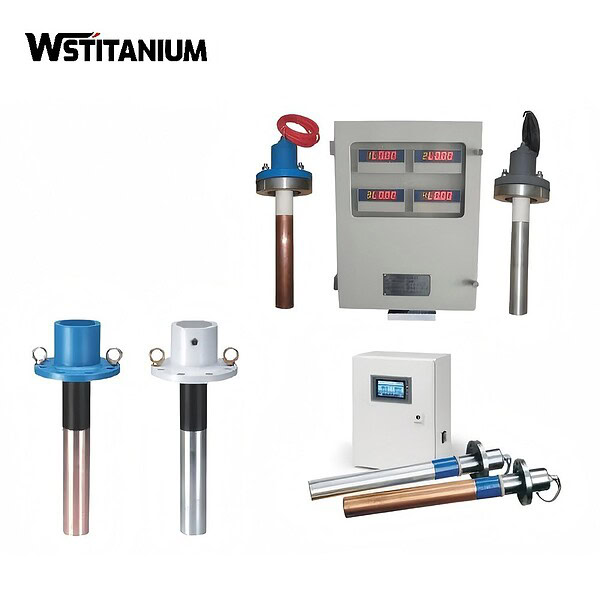
The system consists of components such as a control box, metal electrodes (copper anode, aluminum/iron anode/cathode), and cables. The control box uses multiple sets of multi-channel independent constant current control modules to provide stable DC power to the electrodes. Under the action of the DC power supply, oxidation reactions occur at the anode: the copper anode dissolves and releases copper ions (Cu→Cu²⁺+2e⁻), and the aluminum anode dissolves to generate aluminum ions (Al→Al³⁺+3e⁻); the iron cathode undergoes a reduction reaction, where water molecules gain electrons to produce hydrogen gas and hydroxide ions (3H₂O+2e⁻→H₂↑+2OH⁻), making the solution near the cathode alkaline.
Copper ions are toxic, and at a concentration of 2 ppm, they can effectively inhibit the attachment and reproduction of marine organisms such as algae and shellfish; aluminum ions combine with hydroxide ions in seawater to form aluminum hydroxide (Al³⁺+3OH⁻→Al(OH)₃↓) flocculent. This highly viscous substance adheres to the inner wall of the pipe, forming a protective film that both hinders the adsorption of marine organisms and slows down the corrosion of the metal by seawater. The iron cathode, on the one hand, forms a complete electrolytic circuit, ensuring the continuous progress of the electrolytic reaction, and on the other hand, through the principle of cathodic protection, makes the surrounding metal structure the cathode, avoiding electrochemical corrosion and achieving both anti-fouling and anti-corrosion effects.
(II) Working Principle of the Electrolytic Seawater Chlorination System
This system uses seawater as a raw material, and through special electrodes in the electrolytic cell, converts the sodium chloride in the seawater into strong oxidizing anti-fouling substances. During the electrolysis process, chloride ions undergo oxidation at the anode (2Cl⁻-2e⁻→Cl₂↑), and hydrogen ions undergo reduction at the cathode (2H⁺+2e⁻→H₂↑); chlorine reacts with seawater to produce hypochlorous acid (Cl₂+H₂O→HClO+HCl), while sodium ions combine with hydroxide ions to form sodium hydroxide, which then reacts with chlorine to produce sodium hypochlorite (2NaOH+Cl₂→NaClO+NaCl+H₂O). The overall reaction is NaCl+H₂O→NaClO+H₂↑.
Hypochlorous acid and sodium hypochlorite, the active chlorine components, can damage the cell membrane structure of marine organisms, killing larvae and spores, thus achieving the purpose of antifouling. The system controls the amount of active chlorine generated by adjusting the electrolysis current intensity, ensuring that the residual chlorine concentration in seawater is maintained within a safe and effective range of 0.01-0.02 ppm, guaranteeing antifouling effectiveness while avoiding excessive impact on the marine environment. At the same time, the system needs to carefully manage the hydrogen gas produced during electrolysis. By maintaining a seawater flow rate of ≥1.5 m/s, the hydrogen gas is retained in the pressurized pipeline, and its concentration during discharge is below 25% of the lower flammability limit (LFL), complying with SOLAS safety standards.
MGPS Application on Offshore Platforms
MGPS is widely used in seawater systems and critical equipment on various types of offshore platforms, including offshore oil and gas platforms, offshore wind power platforms, and desalination platforms, becoming a core supporting system to ensure the safe and efficient operation of the platform.
Seawater Cooling System
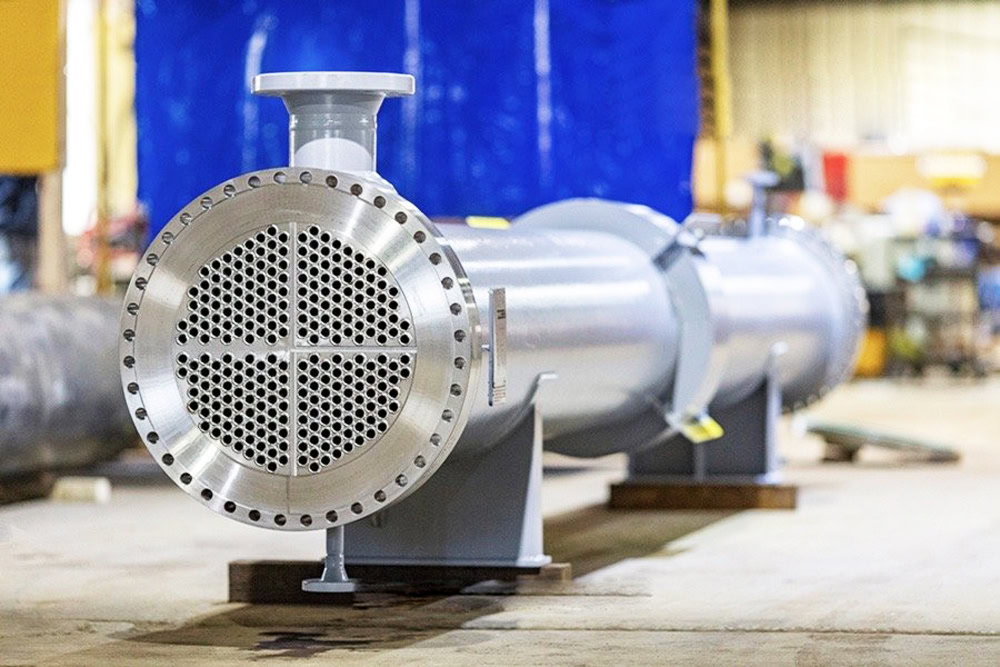
The main engines, generators, heat exchangers, and other equipment on offshore platforms all rely on seawater cooling. Biofouling on the inner walls of the cooling pipes can lead to reduced heat exchange efficiency, increased energy consumption, and even equipment overheating and shutdown. MGPS installs electrodes or electrolytic cells at key points such as cooling water pipelines and condenser inlets to continuously release antifouling substances, preventing the attachment of algae and shellfish, ensuring stable cooling system flow and heat exchange efficiency, and reducing the risk of equipment failure.
Seawater Lifting and Treatment System
Seawater lifting pumps are the “heart” of offshore platforms, responsible for transporting seawater to various treatment facilities. Biofouling on their impellers, pump casings, and suction pipes can lead to decreased pump efficiency and a sharp increase in energy consumption. MGPS is deployed in locations such as subsea valve boxes, seawater filters, and lifting pump inlets to inhibit the growth of marine organisms in pump bodies and pipelines, preventing impeller blockage and wear, extending pump service life, and reducing maintenance costs.
Fire Fighting and Ballast Water Systems
The fire fighting systems of offshore platforms often use seawater as a fire extinguishing agent, and ballast water systems are used to adjust platform stability. The pipelines of these two systems are constantly wet, making them highly susceptible to marine biofouling. The application of MGPS prevents pipeline blockage and corrosion, ensuring that the fire fighting system is unobstructed in the event of a fire, and that the ballast water system is accurate and reliable.
Deep-Sea Oil and Gas Extraction Equipment
Equipment such as blowout preventers and underwater production systems on deep-sea oil and gas platforms are constantly immersed in the deep-sea environment. Biofouling not only affects equipment performance but can also lead to safety hazards such as seal failure and pipeline blockage. Dedicated deep-sea MGPS uses high-pressure and corrosion-resistant electrode materials, achieving anti-fouling and anti-corrosion through remote control, ensuring the long-term stable operation of underwater equipment.
Application Considerations
Sea Area Adaptability Selection: Select the appropriate type of MGPS based on environmental parameters such as biological activity, water temperature, and salinity of the operating sea area. Electrolytic seawater chlorination type is preferred for tropical high-biological activity sea areas, electrolytic metal ion type can be selected for temperate low-biological activity sea areas, and physical anti-fouling type or combination systems can be used in environmentally sensitive sea areas.
Installation and Layout Optimization: The electrode installation position must ensure uniform distribution of anti-fouling substances to avoid dead zones; the electrolytic cell should be installed in an easily accessible area for maintenance, with space reserved for acid cleaning and electrode replacement; pipeline design must ensure that the seawater flow rate meets system requirements and prevents hydrogen accumulation.
Daily Maintenance Management: Regularly check the electrode status and replace severely worn electrodes in a timely manner; perform acid cleaning and descaling of the electrolytic cell and electrodes according to the operating cycle to prevent scaling from affecting electrolysis efficiency; regularly calibrate sensors and control systems to ensure accurate and reliable parameter monitoring.
Environmental Compliance Control: Strictly control the amount of anti-fouling substances added to avoid exceeding discharge limits and impacting the marine ecological environment; record system operating parameters and discharge data to comply with International Maritime Organization and local environmental regulations; select environmentally friendly electrode materials to reduce pollution of the marine environment from waste. MGPS, as a core technology for addressing biofouling challenges on offshore platforms, achieves the dual objectives of preventing marine organism attachment and protecting metal structures from corrosion through principles such as electrolytic metal ion generation, electrolytic chlorine production from seawater, or physical antifouling methods. This provides crucial protection for the safe and efficient operation of offshore platforms.
In terms of technical characteristics, MGPS boasts significant antifouling effects, controllable operating costs, and excellent environmental performance. Through intelligent closed-loop control, it achieves precise dosing, safe operation, and efficient energy saving. Data from the International Maritime Organization shows that it can extend the lifespan of marine equipment by 7 years and reduce maintenance costs by 45%. In terms of application scenarios, MGPS has been widely adopted in critical systems of various offshore platforms, including offshore oil and gas, offshore wind power, and seawater desalination, becoming an indispensable supporting facility for modern marine engineering.


Related products
-
 Cathodic Protection System
MGPS Anode For Port Terminals
-
 Cathodic Protection System
ICCP Cathodic Protection For Petrochemical
-
 Impressed Current Cathodic Protection
ICCP MMO Disk Anode
-
 Impressed Current Cathodic Protection
ICCP Iridium-Tantalum MMO Anode
-
 Impressed Current Cathodic Protection
ICCP Cathodic Protection For Buildings
-
 Impressed Current Cathodic Protection
ICCP Cathodic Protection Deep Well
-
 Marine Growth Prevention Systems
Marine Growth Prevention Systems Anode
-
 Impressed Current Cathodic Protection
Impressed Current Cathodic Protection System