
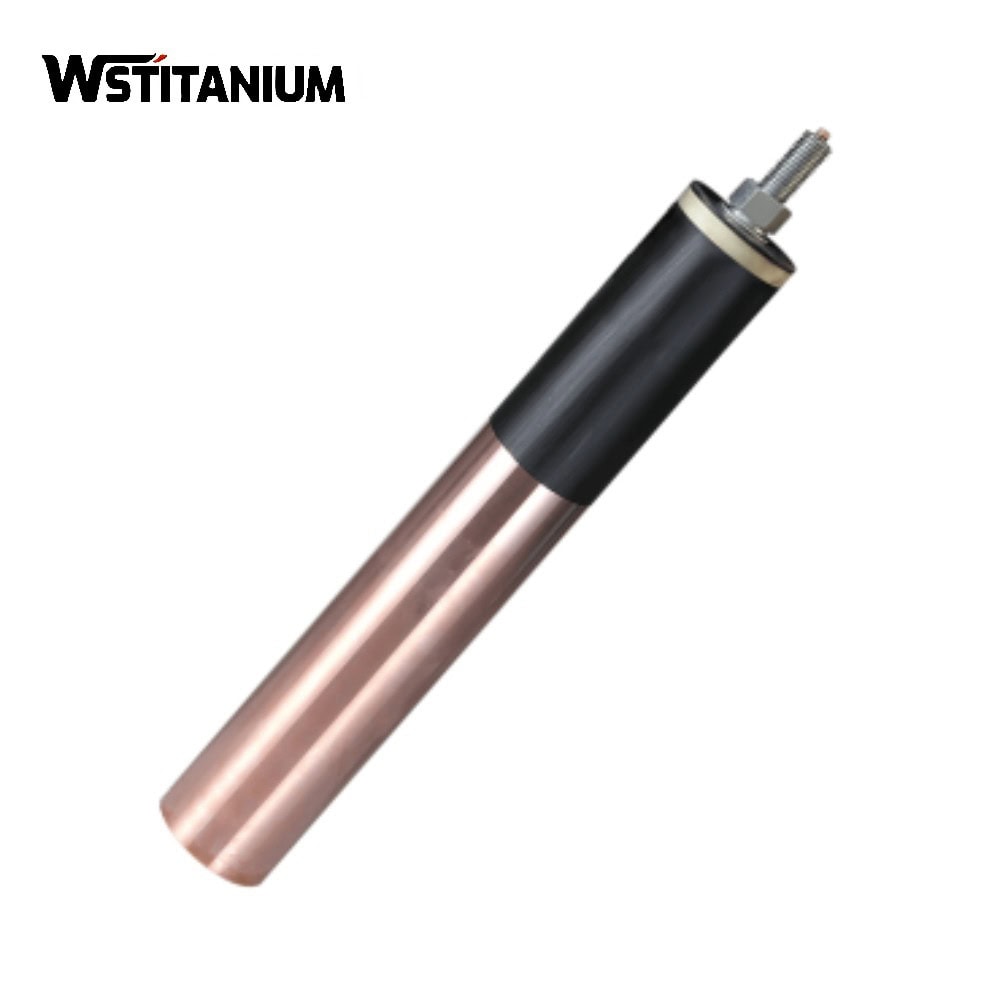
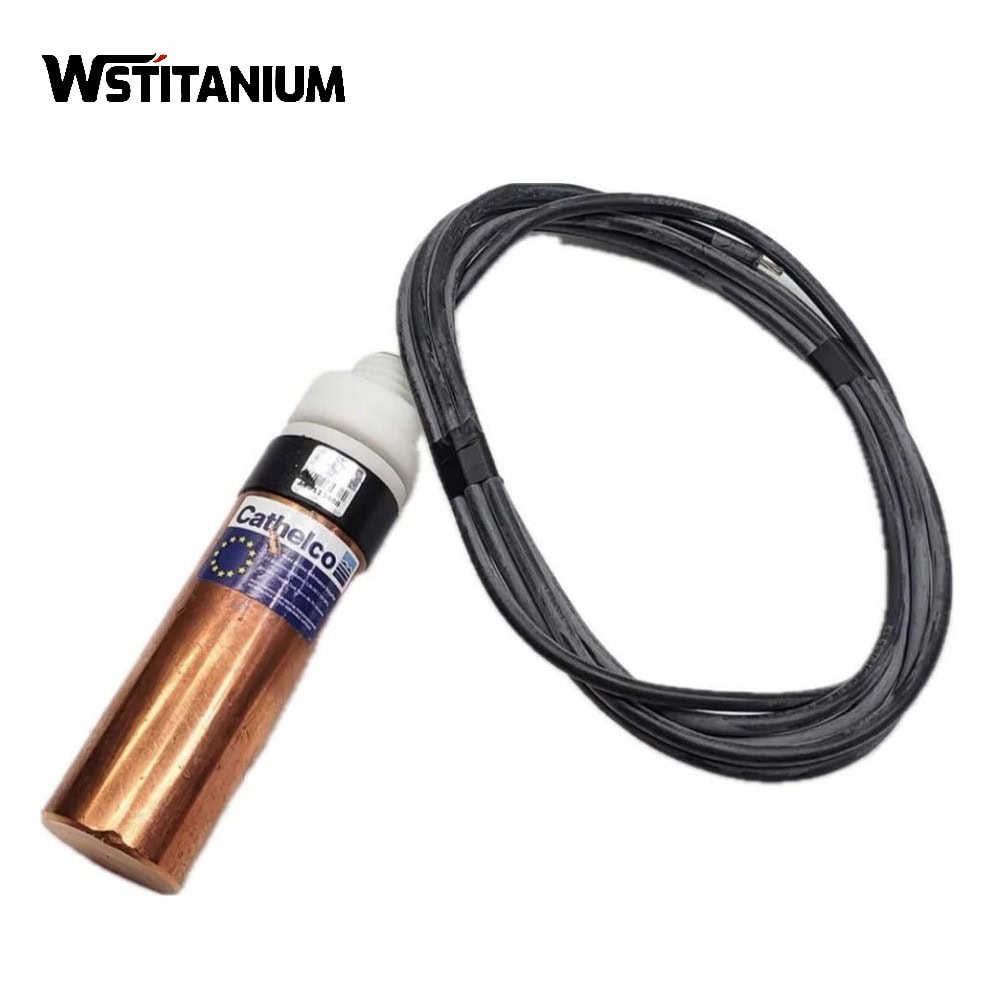
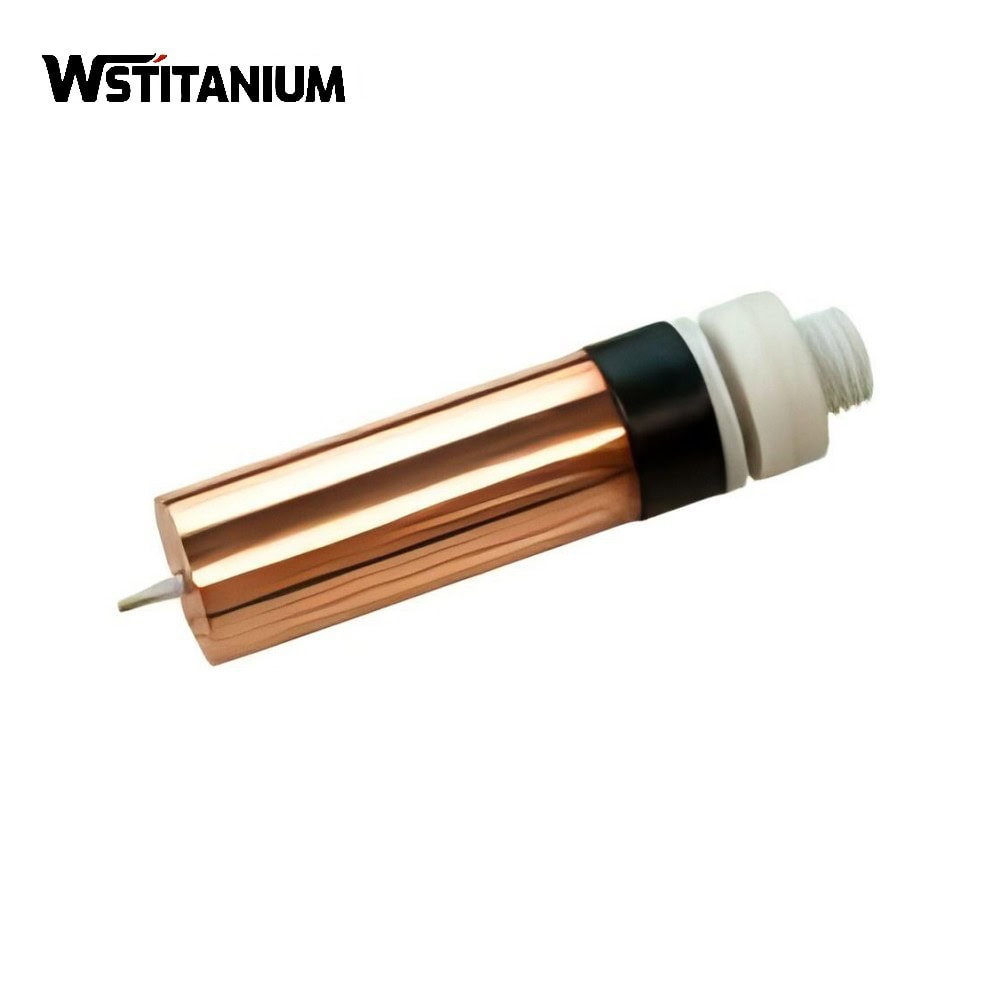
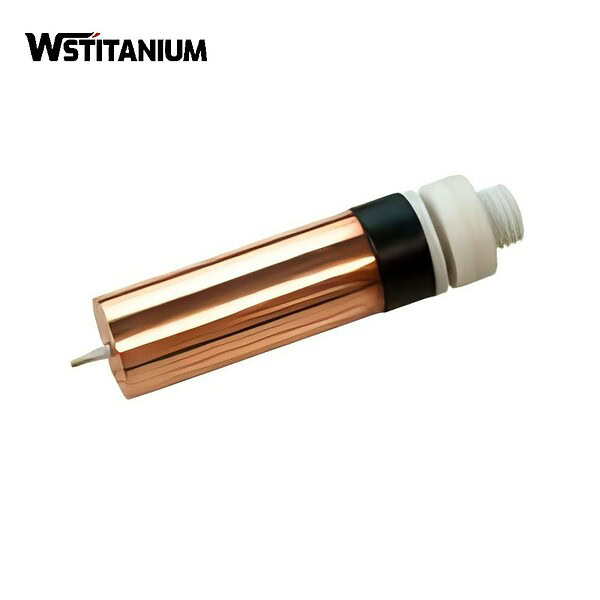
Copper Marine Growth Prevention Systems
Certified: CE & SGS & ROHS
Shape: Requested
Diameter: Customized
Drawings: STEP, IGS , X_T, PDF
Shipping: DHL, Fedex, or UPS & Ocean Freight

20+ YEARS EXPERIENCE SENIOR BUSINESS MANAGER
Ask Michin For What You Want?
The proliferation of marine organisms (such as barnacles, oysters, shellfish, and algae) on the surfaces of marine structures like ship hulls, drilling platforms, subsea pipelines, and seawater cooling systems is known as “marine biofouling.” Biofouling accelerates the corrosion of metal structures, leading to malfunctions or safety incidents.
Marine Growth Prevention Systems (MGPS) have become one of the most widely used antifouling technologies in modern marine engineering due to their high efficiency, environmental friendliness, and continuous stability. The copper anode, as the core functional component of MGPS, directly determines the system’s antifouling effectiveness, operational stability, and service life.
| Category | Core Content |
| Core Principle | The copper anode undergoes an oxidation reaction (Cu – 2e⁻ → Cu²⁺) and releases Cu²⁺ at an effective concentration of 0.01-0.1mg/L. It prevents attachment by damaging the cell membranes of marine organisms and inhibiting enzyme activity. |
| Core Characteristics | 1. High electrical conductivity (resistivity of pure copper: 1.72×10⁻⁸Ω·m); 2. Strong electrolytic stability with uniform Cu²⁺ release; 3. Good corrosion resistance (copper alloys form dense oxide films); 4. Excellent environmental compatibility, complying with IMO environmental standards. |
| Key Technical Parameters | – Shape & Size: Plate (300mm×200mm×20mm), rod, tube, etc. (adapted to different scenarios); – Current Density: 0.5-5A/m²; – Electrolytic Efficiency: ≥90%; – Service Life: 2-5 years; – Implementation Standards: ISO 15589, ASTM B152, GB/T 5231, etc. |
| Main Application Scenarios | 1. Shipbuilding Industry: Hull outer shell, seawater cooling system, propellers / rudders; 2. Offshore Oil & Gas Industry: Drilling / production platforms, subsea pipelines, FPSO units; 3. Power Industry: Seawater cooling systems of coastal thermal power plants / nuclear power plants (condensers, filters); 4. Others: Marine aquaculture cages, cross-sea bridge piers, seawater desalination plants. |
| Selection Principles | 1. Match protection area (0.1-0.5m² anode required per 1m² protection area); 2. Adapt to environment (copper alloy anodes for high-temperature / high-corrosion environments, dense arrangement in high-flow areas); 3. Meet antifouling intensity (high electrolytic efficiency anodes for bio-dense areas); 4. Balance economy and service life (copper alloy anodes preferred for hard-to-replace scenarios). |
| Common Faults | 1. Poor Antifouling Effect: Increase current, optimize anode arrangement, clean the anode; 2. Excessive Anode Consumption: Reduce current density, replace with high-quality anodes; 3. Abnormal Current / Voltage: Tighten connections, replace reference electrode / controller; 4. Anode Shedding/Deformation: Re-fix, replace with high-strength anodes. |
Working Principle
MGPS is an active antifouling system based on the principle of electrolytic antifouling. It consists of a copper anode, an auxiliary anode (optional), a reference electrode, a controller, a power module, and connecting cables. The copper anode is the core functional component, responsible for releasing antifouling ions during electrolysis. The reference electrode monitors potential changes in the seawater medium in real time, providing feedback signals to the controller. The controller adjusts the output current/voltage of the power module based on preset parameters and feedback from the reference electrode, ensuring a stable and controllable electrolysis process at the copper anode. Depending on the application scenario and installation method, MGPS can be divided into external (e.g., ship hull antifouling) and internal (e.g., seawater cooling systems, pipeline antifouling), but the working principle of the copper anode remains consistent regardless of the type.
The antifouling effect of the MGPS copper anode is based on the core principle of generating active copper ions through electrolysis.
Electrolysis: Under the control of the controller, the power module applies a specific DC current to the copper anode, causing the copper anode, acting as the anode of the electrolytic cell, to undergo an oxidation reaction.
Ion Release: Copper atoms (Cu) on the copper anode surface lose electrons and are oxidized to divalent copper ions (Cu²⁺), which are released into seawater through an electrolytic reaction. The electrochemical equation is: Cu – 2e⁻ → Cu²⁺.
Antifouling: Cu²⁺ in seawater is extremely biotoxic. When the Cu²⁺ concentration reaches the effective threshold of 0.01-0.1 mg/L, it significantly inhibits and kills marine organisms at various life stages, including larvae and spores.
It disrupts the cell membrane structure of biological cells, leading to cell fluid leakage and ultimately causing the organism’s death; it inhibits enzyme activity within the organism, interfering with key physiological processes such as metabolism and reproduction, and preventing marine organisms from attaching and growing on metal surfaces.
Advantages of Copper Anodes
Compared to other antifouling technologies, MGPS copper anode electrolytic antifouling has the following core advantages, the essential difference of which lies in the fundamental difference in its mechanism of action.
Compared to chemical antifouling coatings: Chemical coatings achieve antifouling by releasing toxic chemicals (such as organotin and copper oxides), but these coatings gradually wear down, their antifouling effect diminishes over time, and the uncontrolled release of toxic substances can easily cause marine pollution. In contrast, MGPS copper anodes release copper ions through a precisely controlled electrolysis process, resulting in a consistently stable antifouling effect. Furthermore, the copper ion concentration can be controlled within environmental standards, significantly reducing the impact on the marine ecosystem compared to traditional chemical coatings.
Compared to mechanical cleaning: Mechanical cleaning (such as high-pressure water jet washing and scraping) is a passive protection method, requiring regular operation. It not only consumes manpower and resources but can also damage the metal structure surface, accelerating corrosion. MGPS copper anodes, on the other hand, provide active protection, requiring no human intervention and providing continuous 24-hour antifouling, preventing biofouling at its source.
Compared with other electrolytic antifouling anodes (such as aluminum anodes and iron anodes): aluminum anodes and iron anodes mainly increase the pH value of seawater by releasing hydroxide ions, indirectly inhibiting biofouling, and their antifouling effect is limited; while the Cu²⁺ released by copper anodes has direct biotoxicity, higher antifouling efficiency, and a wider range of applications, especially suitable for marine environments with severe biofouling.
Applications of MGPS Copper Anodes
MGPS copper anodes, with their efficient and stable antifouling performance, are widely used in various marine engineering equipment and structures, covering multiple fields such as shipping, offshore oil, power, and aquaculture.
Ships
Ships are a major area of marine biofouling. The hull, propellers, rudders, seawater cooling systems, and sea valves are all prone to biofouling. MGPS copper anodes are most commonly used on ships.
Hull Antifouling: Plate-shaped copper anodes are installed below the waterline of the hull. Through electrolysis, Cu²⁺ is released, forming an antifouling ion field that prevents barnacles, oysters, and other shellfish and algae from attaching. Large cargo ships typically require dozens to hundreds of copper anodes, distributed in key areas such as the bow, stern, and sides of the hull.
Seawater Cooling Systems: The seawater cooling systems (including coolers, condensers, pipes, and filters) of ship main engines, generators, and other equipment are high-risk areas for biofouling. Installing tubular or rod-shaped copper anodes inside cooling system pipes effectively prevents biofouling and ensures the normal operation of the cooling system.
Propeller and Rudder Antifouling: Biofouling on the surfaces of propellers and rudders affects propulsion efficiency, increases energy consumption, and can even lead to propeller corrosion. Installing small copper anodes near the propeller hub or rudder can achieve localized antifouling and protect critical power components.
Offshore Oil
Offshore oil drilling platforms, subsea pipelines, FPSOs (Floating Production Storage and Offloading) and other equipment are exposed to the marine environment for extended periods. Biofouling can lead to accelerated structural corrosion, pipeline blockage, and equipment failure.
Drilling Platforms and Production Platforms: MGPS copper anodes must be installed on the platform’s legs, jackets, seawater cooling systems, and fire protection systems to prevent corrosion and blockage caused by biofouling.
Subsea Pipelines: Subsea pipelines (especially oil pipelines and water injection pipelines) are prone to biofouling on both their inner and outer walls. Installing copper anodes distributed along the pipeline’s interior or on the outer wall in conjunction with a cathodic protection system provides comprehensive antifouling protection.
FPSO Units: MGPS copper anodes are required for the hull, deck equipment, seawater treatment system, and oil storage tanks of FPSOs to ensure the unit is protected from biofouling during long-term service.
Other Applications
The inner walls of aquaculture cages and ponds are prone to biofouling, affecting the aquaculture environment and the quality of aquatic products. Installing small copper anodes on the cage frames or pond walls can achieve eco-friendly antifouling and reduce the use of chemical pesticides.
Cross-Sea Bridges and Port Facilities: Biofouling on the surfaces of cross-sea bridge piers, port pier piles, breakwaters, and other structures accelerates the corrosion of concrete or metal. Installing MGPS copper anodes can effectively slow down biofouling and corrosion processes, extending the service life of the facilities.
Seawater Desalination Units: The pretreatment system and reverse osmosis membrane modules of seawater desalination units are susceptible to biofouling, leading to membrane blockage and reduced treatment efficiency. Installing copper anodes at the inlet of the pretreatment pipes and membrane modules can prevent biofouling and protect the reverse osmosis membrane.
Key Technical Parameters
The technical parameters of the MGPS copper anode directly determine its adaptability and antifouling effect.
Anode Size and Shape: Depending on the application scenario (e.g., ship hull, pipeline, cooling system), copper anodes can be designed in various shapes such as plate, rod, tube, and block. The size needs to be calculated and determined based on factors such as the protected area, seawater flow velocity, and current density. For example, plate anodes are commonly used for ship hulls, with dimensions typically 300mm × 200mm × 20mm; tubular anodes are commonly used for seawater cooling pipelines, with a diameter matching the pipeline’s inner diameter.
Current Density: This refers to the current passing through a unit area of copper anode and is a key parameter determining the amount of Cu²⁺ released. The typical range is 0.5-5 A/m². If the current density is too low, the Cu²⁺ concentration will be insufficient, resulting in poor antifouling effect; if the current density is too high, it will not only lead to excessive consumption of the copper anode but may also generate excessive copper ions, causing environmental pollution.
Electrolysis efficiency: This refers to the ratio of the actual Cu²⁺ released by the copper anode to the theoretically calculated value. It reflects the utilization rate of the anode material. High-quality copper anodes typically have an electrolysis efficiency ≥90%.
Service life: This refers to the time it takes for a copper anode to wear down and fail to meet antifouling requirements under rated operating conditions, typically 2-5 years, depending on environmental factors such as current density, seawater temperature, and salinity.
Polarization resistance: This refers to the copper anode’s ability to resist polarization during electrolysis. Polarization leads to increased anode potential and decreased current efficiency. High-quality copper anodes should possess excellent polarization resistance to ensure long-term stable operation.
Quality control standards
As a key marine engineering component, MGPS copper anodes must meet stringent industry standards and quality control requirements. These include ISO 15589 (Cathodecotic protection and antifouling systems for ships and marine structures), ASTM B152 (Standard for copper and copper alloy plates, strips, and bars), and ASTM B163 (Standard for seamless copper-nickel alloy tubes).
The core of quality control includes ensuring that the chemical composition of the materials meets the standards, the dimensional accuracy meets the design requirements, the surface is free of defects (such as cracks, pores, and inclusions), the electrical conductivity is stable, and the electrolysis efficiency meets the standards.



Related products
-
 Impressed Current Cathodic Protection
ICCP Cathodic Protection For Pipelines
-
 Impressed Current Cathodic Protection
ICCP Ruthenium-Iridium MMO Anode
-
 Impressed Current Cathodic Protection
ICCP Cathodic Protection For Bridges
-
 Impressed Current Cathodic Protection
Impressed Current Cathodic Protection For Mechanical
-
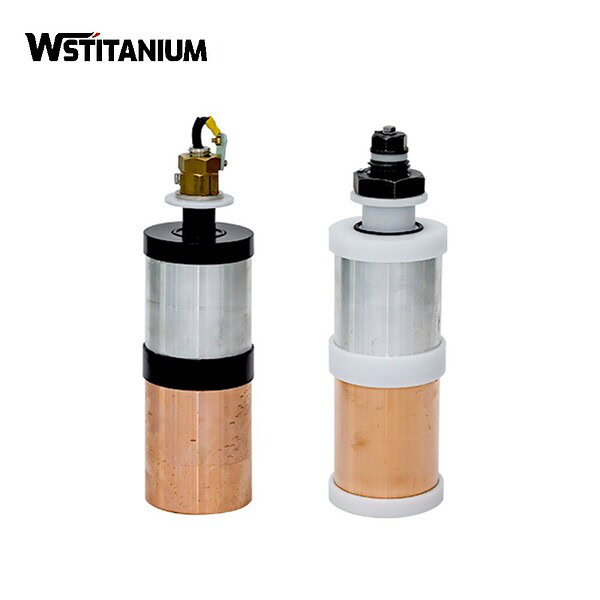 Marine Growth Prevention Systems
MGPS Anode for Yachts
-
 Cathodic Protection System
MGPS Anode For Port Terminals
-
 Cathodic Protection System
ICCP Cathodic Protection For Petrochemical
-
 Impressed Current Cathodic Protection
ICCP Cathodic Protection Deep Well