
ICCP Cathodic Protection For Bridges
Certified: CE & SGS & ROHS
Shape: Requested
Diameter: Customized
Drawings: STEP, IGS , X_T, PDF
Shipping: DHL, Fedex, or UPS & Ocean Freight

20+ YEARS EXPERIENCE SENIOR BUSINESS MANAGER
Ask Michin For What You Want?
Bridges are exposed to the natural environment for extended periods, facing severe corrosion threats—salt spray and chloride ions from the marine environment, de-icing agents, acid and alkali pollutants, and oxygen and moisture from the atmosphere. Cathodic protection is widely recognized as one of the most effective methods for inhibiting corrosion of metal structures, and it is divided into two main categories: sacrificial anode protection and impressed current protection (ICCP). Among these, the impressed current cathodic protection (ICCP) system actively regulates the current output through an external power source, offering significant advantages such as a wide protection range, adjustable current intensity, adaptability to complex environments, and a long design life (up to 50 years or more). It has become the preferred corrosion protection solution for cross-sea bridges, large urban bridges, and coastal bridges.
| Core Category | Key Information |
| Core Function | Establish an electrochemical circuit, force the polarization of bridge steel bars to the protection potential (-850mV vs CSE or meet the 100mV polarization decay criterion), and inhibit the electrochemical corrosion of steel bars. |
| Anode Types | 1. Mixed Metal Oxide (MMO) Anode: Titanium substrate + metal mixed oxide coating, service life 30-50 years, current density 100A/m². Forms include mesh (large-area protection), rod (pier/pile foundation), tube/wire (complex curvature structure), suitable for high-corrosion environments. |
| 2. High Silicon Cast Iron Anode: Silicon content 14%-18%, service life 20-30 years, high strength, requires matching coke backfill, applicable to buried/underwater scenarios. | |
| 3. Carbon-based Anode: Includes graphite (service life 15-25 years, high current demand) and flexible carbon fiber anode (flexible, suitable for narrow/irregular areas), low cost, graphite anode has high brittleness. | |
| 4. Precious Metal Anode: Platinum/palladium/rhodium/tantalum, long service life, resistant to extreme environments, extremely high initial cost, only applicable to key core parts. | |
| Working Principle | The potentiostat provides adjustable DC power. The anode undergoes oxidation reaction to release current, which is transmitted to the steel bars through the medium. The steel bars absorb the current for polarization (inhibiting Fe electron loss), and the current flows back to form a circuit. The reference electrode monitors the potential to dynamically adjust the anode current output and maintain potential stability. |
| Selection Criteria | 1. Environmental corrosion grade (MMO/high silicon cast iron for marine/saline soil; carbon-based for inland dry areas); |
| 2. Structural part (mesh for flat surfaces, rod for buried parts, wire/flexible for complex curvature); | |
| 3. Design service life (MMO for ≥30 years; high silicon cast iron for 20-30 years); | |
| 4. Construction conditions (flexible anode for narrow spaces). | |
| Design Parameters | Protection current density 10-50mA/m² (higher value for marine environments); anode spacing 0.3-2.0m (adjusted by type); grounding resistance ≤10Ω; need to verify the effective area and size of the anode to match the design service life. |
| Installation | Surface pretreatment (cleaning and rust removal); anode arrangement (mesh fixed at 5-10mm spacing, rod filled with conductive mortar, flexible laid along contours); corrosion-resistant and waterproof cables, heat-shrink sealed joints; post-installation sealing protection (wear-resistant coating/concrete sealing). |
| Monitoring & Maintenance | Regular monitoring of steel bar potential; real-time recording of current/voltage; 3-5 year inspection of anode appearance; 2-3 year calibration of reference electrodes; regular inspection of stray current interference. |
| Application | MMO mesh anode for bridge deck/box girder; MMO rod anode for pier/pile foundation; current density 40mA/m², grounding resistance ≤5Ω; after operation, rust rate ≤0.001mm/a, service life extended by ≥50 years. |
In bridge ICCP systems, auxiliary anodes must meet requirements such as low consumption rate, high conductivity, resistance to harsh environments (e.g., high alkali, high salt, alternating wet and dry conditions), mechanical strength compatibility, and strong compatibility with the bridge structure. Anodes are mainly divided into the following four categories:
(I) Mixed Metal Oxide (MMO) Anodes
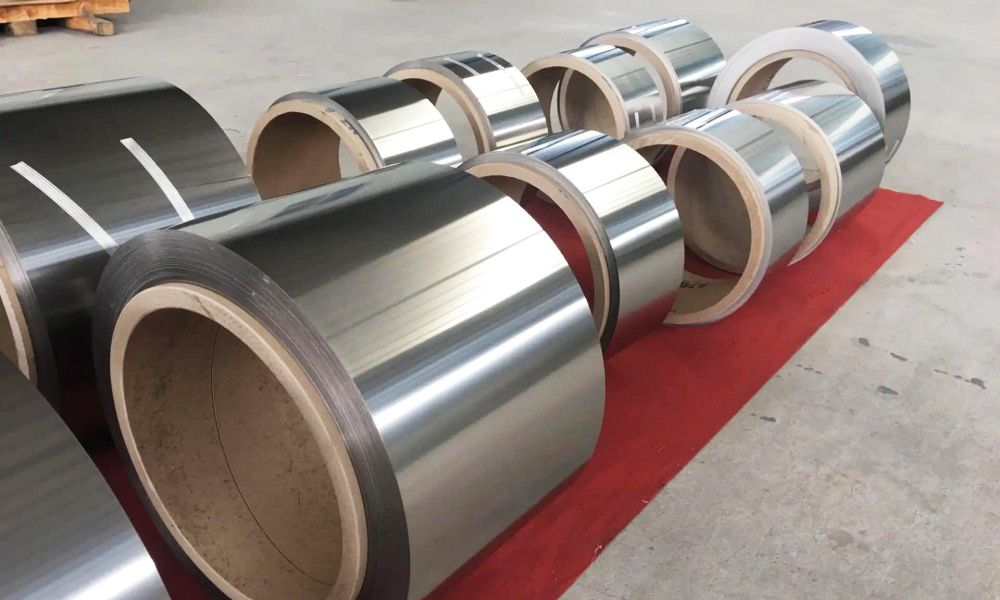
Mixed metal oxide anodes are currently the most widely used anode type in bridge ICCP systems. Their core structure consists of a titanium substrate coated with precious metal oxides such as iridium, tantalum, and rhodium, offering significant advantages in high conductivity, strong corrosion resistance, and long lifespan.
MMO anodes exhibit outstanding key performance parameters: operating current density can reach 100 A/m², far exceeding that of traditional anode materials; consumption rate is extremely low in environments such as concrete, seawater, and saline soil; and design life typically exceeds 30 years. This closely matches the bridge’s design life.
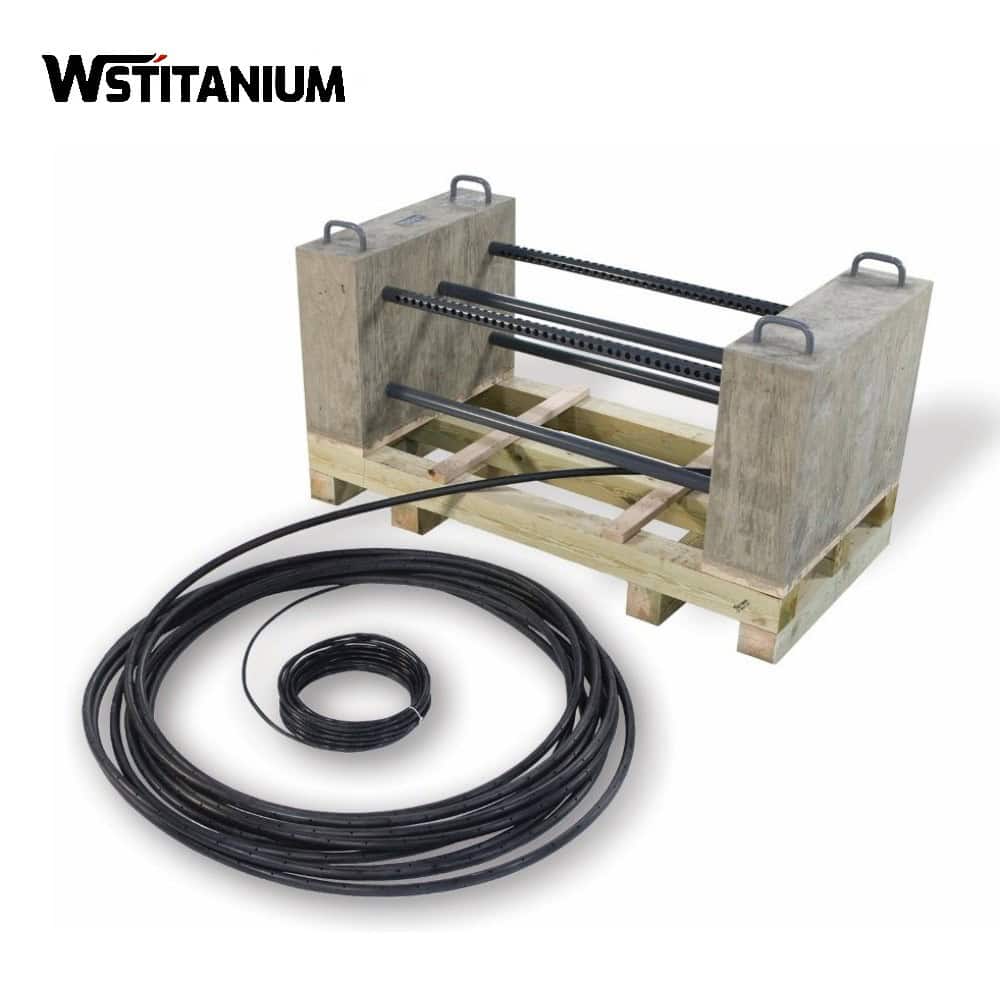
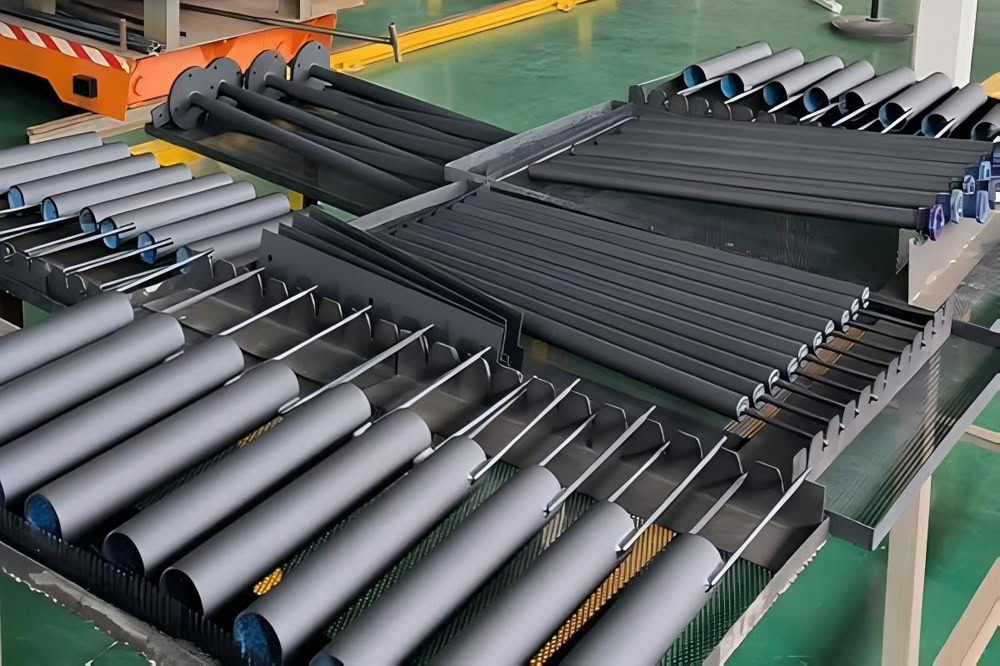
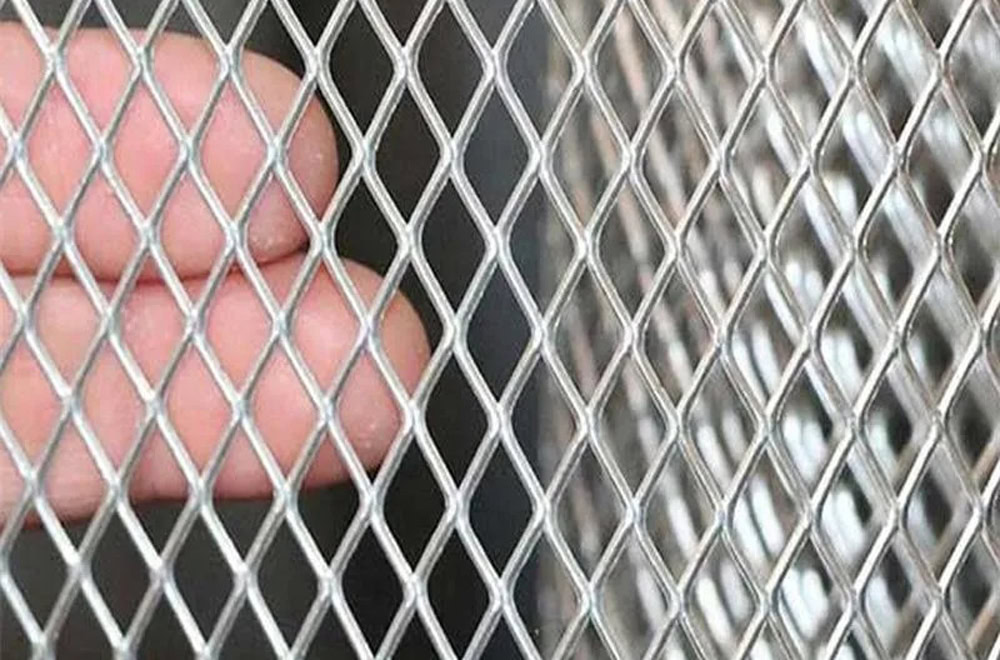
Mesh Anodes: Employing MMO-coated titanium mesh, these can be laid over large areas on bridge decks, box girder inner walls, etc. Its uniform current release effectively overcomes the current shielding effect caused by dense reinforcement, making it particularly suitable for the overall protection of large-area reinforced concrete structures;
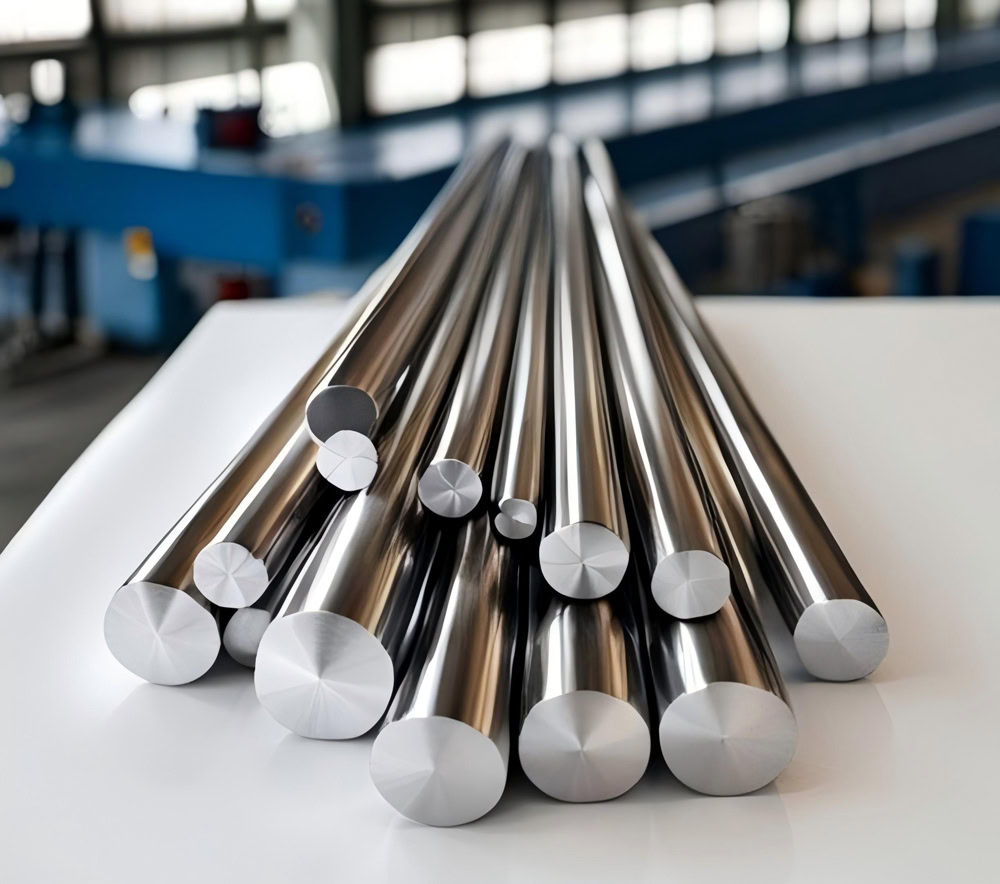
Rod-shaped anodes: typically 10-20mm in diameter and 1-3m in length, they can be embedded in pre-reserved concrete grooves or drilled into the structure. They specifically protect critical load-bearing components such as bridge piers and pile foundations;
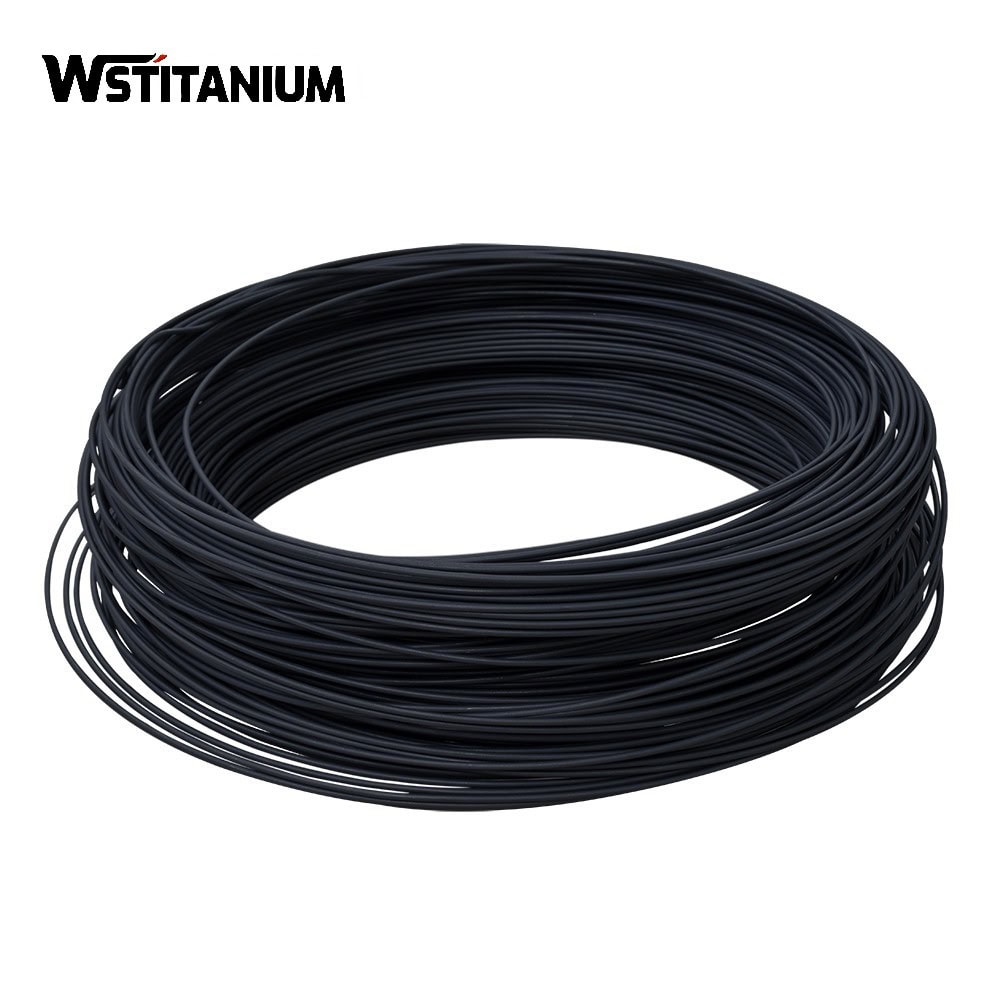
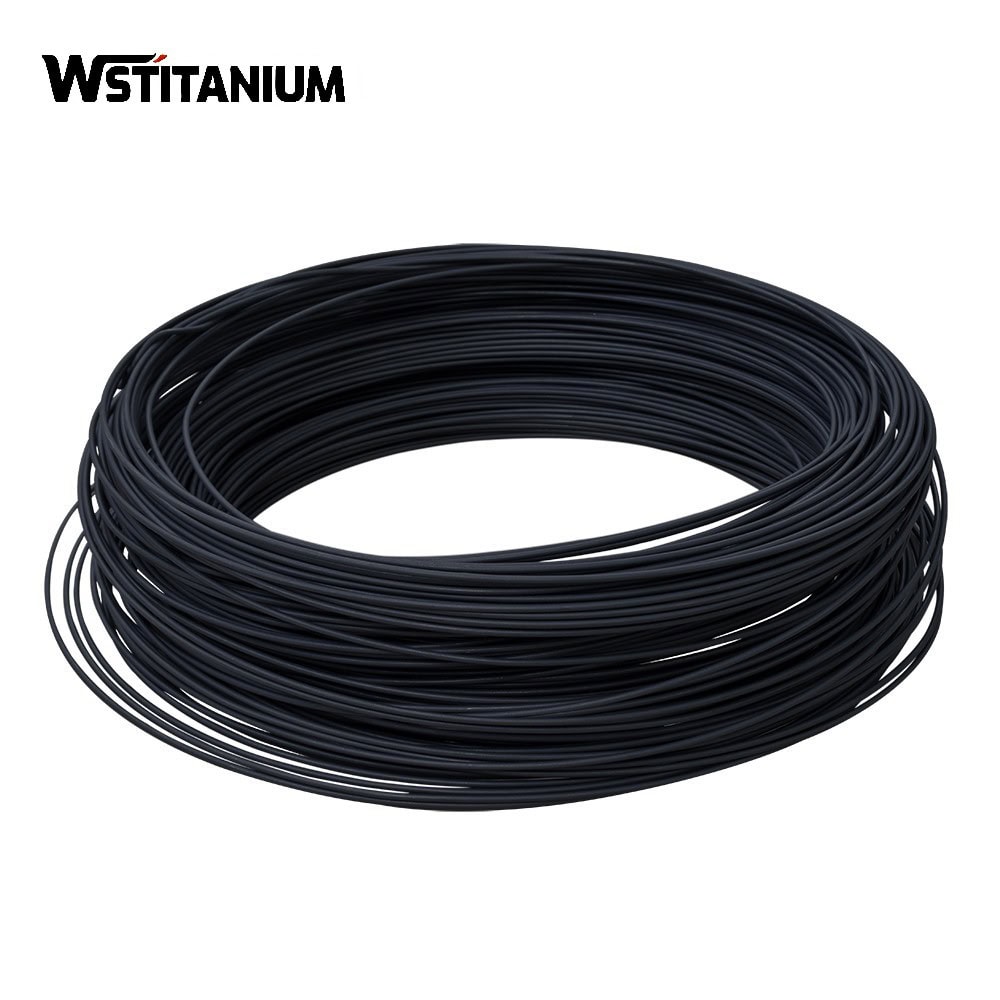
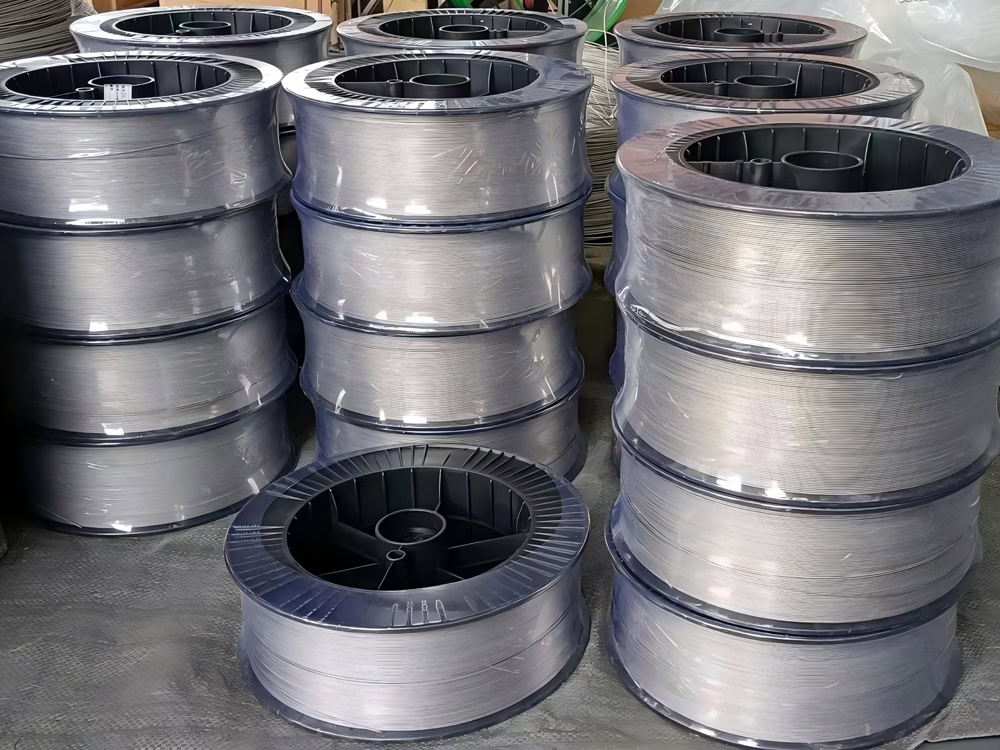
Tubular/linear anodes: possessing good flexibility, they can be laid along the contours of bridge components, suitable for structures with complex curvature (such as bridge towers and arch ribs).
The core advantage of MMO anodes lies in their extremely strong environmental adaptability. They maintain stable performance in highly alkaline concrete environments, high-salt-spray marine environments, and tidal zones with alternating wet and dry conditions. It is currently the preferred anode type for long-term corrosion protection of bridges. Its main limitation is its relatively high initial cost.
(II) High-silicon cast iron anodes
High-silicon cast iron anodes are a mature anode material used in traditional impressed current cathodic protection systems. Its main components are iron and silicon (content 14%-18%), with some models adding alloying elements such as chromium and molybdenum to enhance corrosion resistance. It features moderate cost, high strength, and good temperature resistance.
The corrosion resistance of high-silicon cast iron anodes stems from the dense oxide film formed by silicon and iron. It can operate stably in soil, fresh water, and seawater environments, and is particularly suitable for environments with high chloride ion concentrations (such as underwater foundations of cross-sea bridges). Its operating voltage range is wide (typically ≤50V).
In bridge applications, high-silicon cast iron anodes are often used in rod or tubular form, usually requiring coke backfill to form an anode ground bed to reduce grounding resistance. Typical applications include the protection of buried or underwater structures such as bridge pile foundations and diaphragm walls, but prolonged use in dry environments should be avoided (as passivation failure is likely). The lifespan of high-silicon cast iron anodes is typically 20-30 years, and their cost is lower than that of MMO anodes, making them an important choice balancing performance and economy. However, they are heavier and require certain installation space and construction techniques.
(III) Carbon-based Anodes
Carbon-based anodes use carbon materials such as graphite and coke as their core components, mainly including graphite anodes and flexible carbon fiber anodes. Their core advantages lie in their good conductivity and low cost.
Graphite anodes are the most widely used type of carbon-based anode, possessing high conductivity and chemical stability, making them suitable for high-current applications (such as large bridge cluster protection). Graphite anodes are typically manufactured in block, rod, or plate shapes and need to be used in conjunction with coke backfill to reduce grounding resistance and mechanical wear. They have relatively low mechanical strength and are brittle, making them prone to breakage during transportation and installation, and their consumption rate is relatively fast in highly oxidizing environments. Their design life is typically 15-25 years, making them suitable for non-critical bridge components or temporary protection upgrades.
Working Principle
The core of the bridge ICCP system is to forcibly change the electrochemical polarization state of the bridge structure (mainly the reinforcing steel) by applying an external DC power supply. The DC current makes it the cathode in the electrochemical circuit, thereby inhibiting the occurrence of anodic reactions (metal corrosion). The anode, as the current release end, is key to realizing this circuit.
(I) Electrochemical Corrosion Inhibition
The corrosion of bridge reinforcing steel is essentially electrochemical: In a humid environment, the reinforcing steel (mainly iron) forms countless tiny galvanic cells with impurities (such as carbon), moisture, and oxygen in the concrete. The reinforcing steel acts as the anode and undergoes an oxidation reaction. Iron atoms lose electrons to generate Fe²⁺, which then combines with oxygen and water in the environment to form rust (FeO・nH₂O), causing the reinforcing steel to expand and the concrete to peel off. The electrochemical reactions are as follows:
Anode (steel reinforcement corrosion): Fe – 2e⁻ → Fe²⁺
Cathode (corrosion promotion): 2H₂O + O₂ + 4e⁻ → 4OH⁻
Rust formation: Fe²⁺ + 2OH⁻ → Fe(OH)₂; 4Fe(OH)₂ + 2H₂O + O₂ → 4Fe(OH)₃; 2Fe(OH)₃ → Fe₂O₃・nH₂O (rust) + (3-n)H₂O
The ICCP system provides DC power through an external potentiostat, connecting the anode to the positive terminal of the power supply and the bridge steel reinforcement to the negative terminal, thus forcibly establishing a reverse electrochemical circuit. At this point, the potentiostat continuously supplies electrons to the reinforcing steel, polarizing its surface potential to a stable state below the corrosion potential (typically requiring -850mV vs CSE or meeting a 100mV polarization decay criterion). Fe oxidation (anodic reaction) no longer occurs on the steel surface, thus completely inhibiting the corrosion process.
Anode Selection Criteria
Anode selection requires comprehensive consideration of bridge structure type, service environment, protection requirements, design life, and economic efficiency. Specific decision-making criteria are as follows:
Corrosion Level: For marine environments (cross-sea bridges, coastal bridges) and saline soil areas, MMO anodes or chromium-containing high-silicon cast iron anodes are preferred due to their strong resistance to chloride ion corrosion. For arid inland areas, graphite anodes or flexible carbon fiber anodes can be selected to balance cost and performance.
Structure: For large-area planar structures such as bridge decks and box girders, MMO mesh anodes are preferred. For buried/underwater structures such as bridge piers and pile foundations, MMO rod anodes or high-silicon cast iron anodes can be used. For complex curvature structures such as bridge towers and arch ribs, MMO linear anodes or flexible carbon fiber anodes are suitable.
Current Requirements and Lifespan: For large bridges with a design life ≥ 30 years (such as cross-sea bridges and urban main bridges), MMO anodes are preferred. For medium-life (20-30 years) bridges, MMO anodes are preferred. For bridges with medium current requirements (e.g., annual current), high-silicon cast iron anodes can be selected; for temporary protection or local repairs, graphite anodes can be used.
Construction limitations: For areas with confined spaces or complex structures, flexible anodes or modular MMO anodes that are easy to install should be prioritized; for bridge deck areas that need to withstand vehicle loads, the anodes need to have high mechanical strength, and thickened MMO mesh anodes with a wear-resistant protective layer can be selected.


Related products
-
 Impressed Current Cathodic Protection
ICCP Cathodic Protection For Buildings
-
 Impressed Current Cathodic Protection
ICCP Cathodic Protection For Ships
-
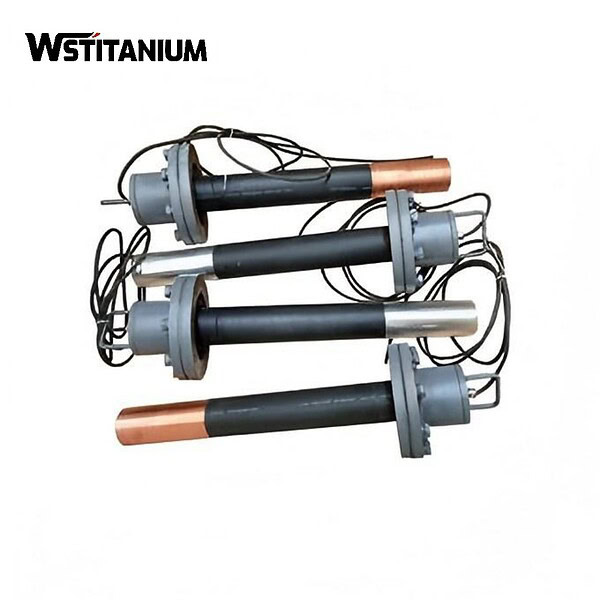 Marine Growth Prevention Systems
MGPS Anode for Cruise Ships
-
 Impressed Current Cathodic Protection
Impressed Current Cathodic Protection System
-
 Impressed Current Cathodic Protection
ICCP Cathodic Protection Deep Well
-
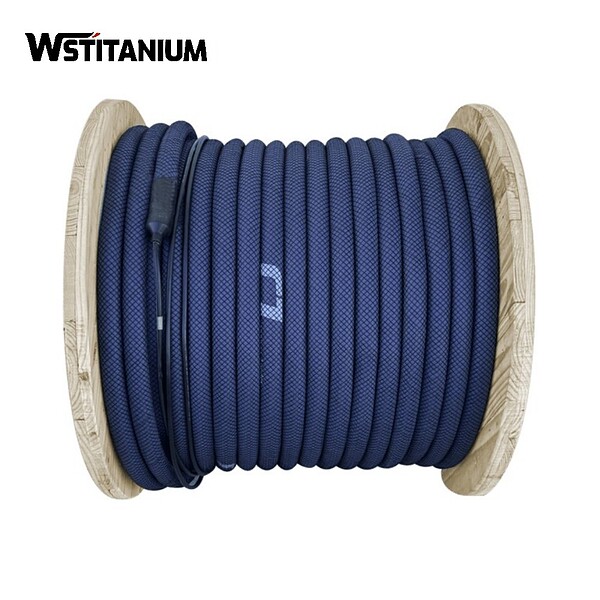 Impressed Current Cathodic Protection
ICCP MMO Linear Anodes
-
 Impressed Current Cathodic Protection
Impressed Current Cathodic Protection For Mechanical
-
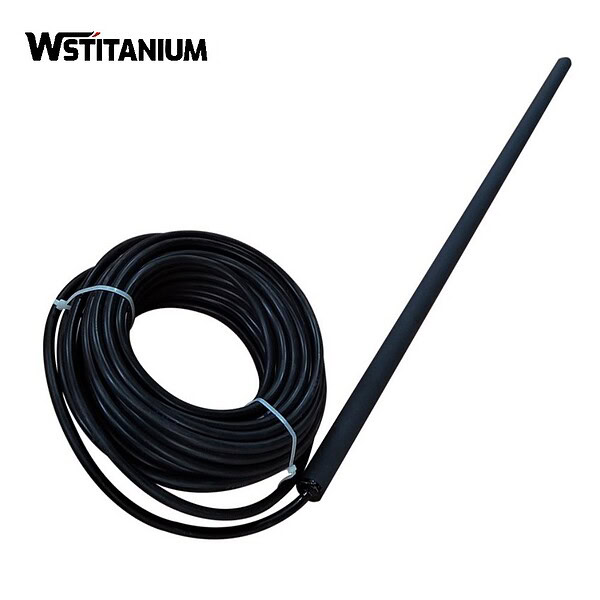 Impressed Current Cathodic Protection
ICCP MMO Tubular Anode