

In environments constantly immersed in seawater, port and terminal cooling systems, circulating water pipes, subsea locks, berth foundations, and various marine equipment all face severe challenges from marine biofouling—barnacles, shellfish, algae, and other marine organisms continuously adhere to the surfaces of equipment and the inner walls of pipes, forming a layer of biofouling that is difficult to remove.
Marine Growth Prevention System (MGPS) is a core technology for solving the problems of biofouling and corrosion in port and terminal facilities. Through a scientific electrolysis principle, it achieves dual protection against both fouling and corrosion, and has become an essential system for the construction, operation, and maintenance of modern port and terminal infrastructure.
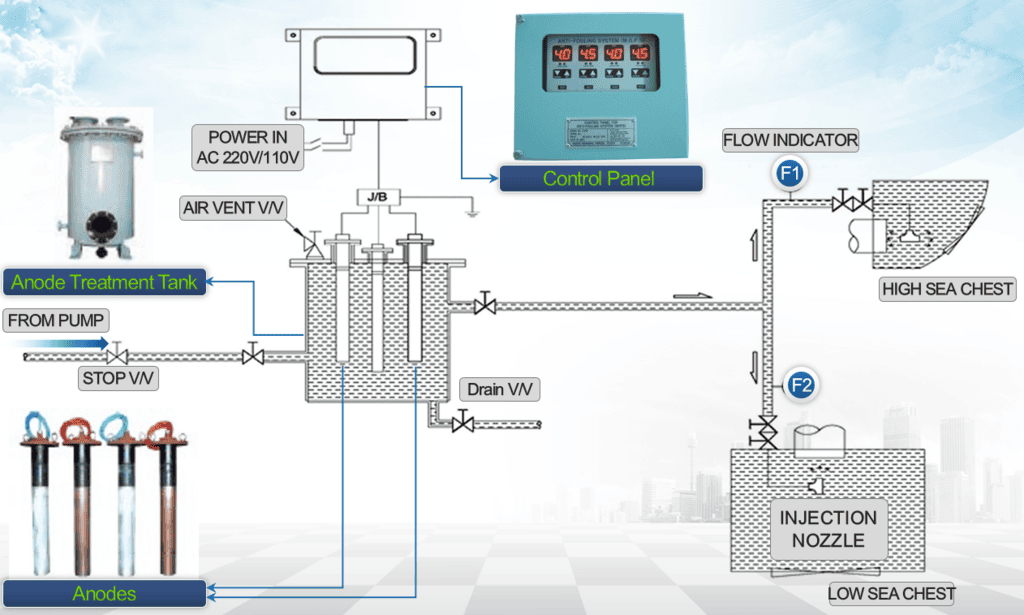
Types of MGPS Systems
Based on the marine environment of port terminals (e.g., seawater temperature, biological activity), equipment materials (steel, aluminum, etc.), and protection requirements, MGPS systems are mainly divided into two core types. Each type differs significantly in electrode materials, operating modes, and applicable scenarios, requiring precise selection based on actual needs.
(I) Electrolytic Metal Ion Type MGPS
The electrolytic metal ion type is currently the most widely used MGPS type in ports, accounting for over 70% of the port protection market share. Its core advantages lie in its simple structure, stable operation, wide protection range, and simultaneous antifouling and anti-corrosion functions. This type of system uses copper, aluminum, and iron as core electrode materials, driving an electrolytic reaction through a DC power supply to release metal ions and hydroxide flocculents, forming a double protective layer.
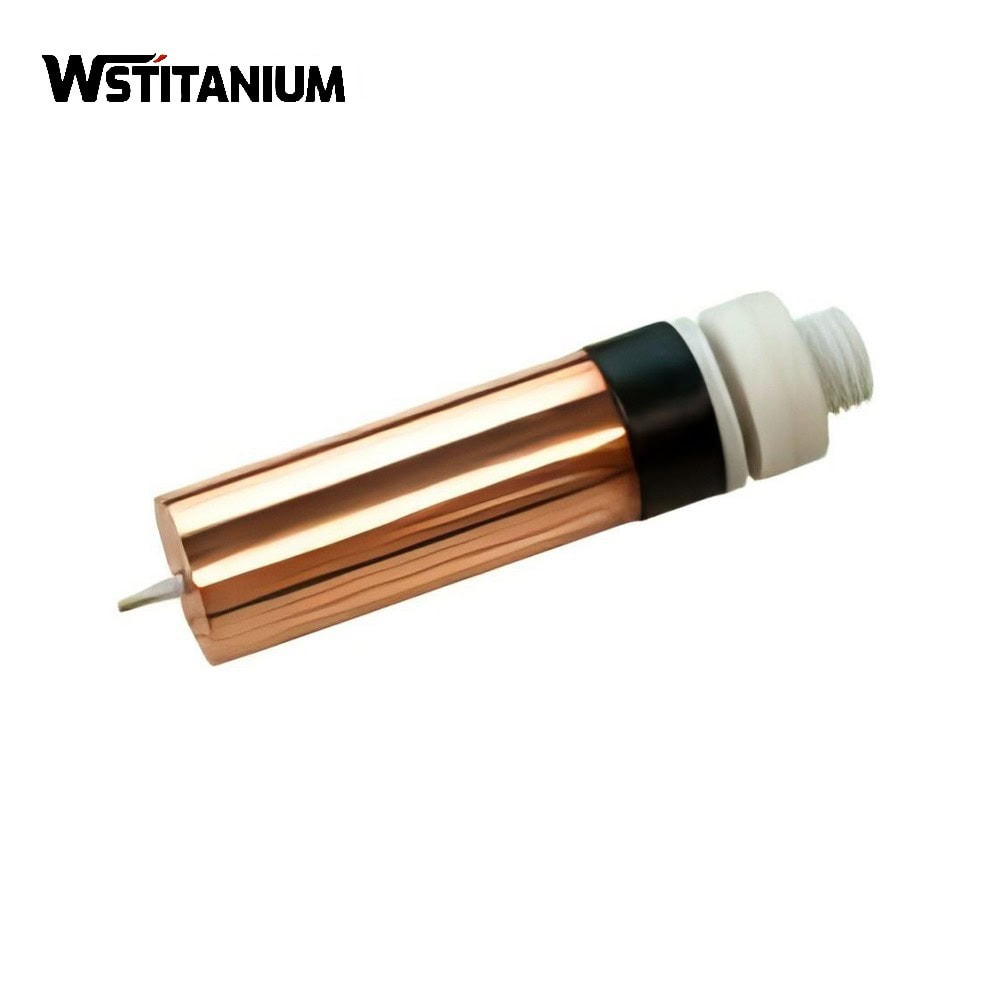
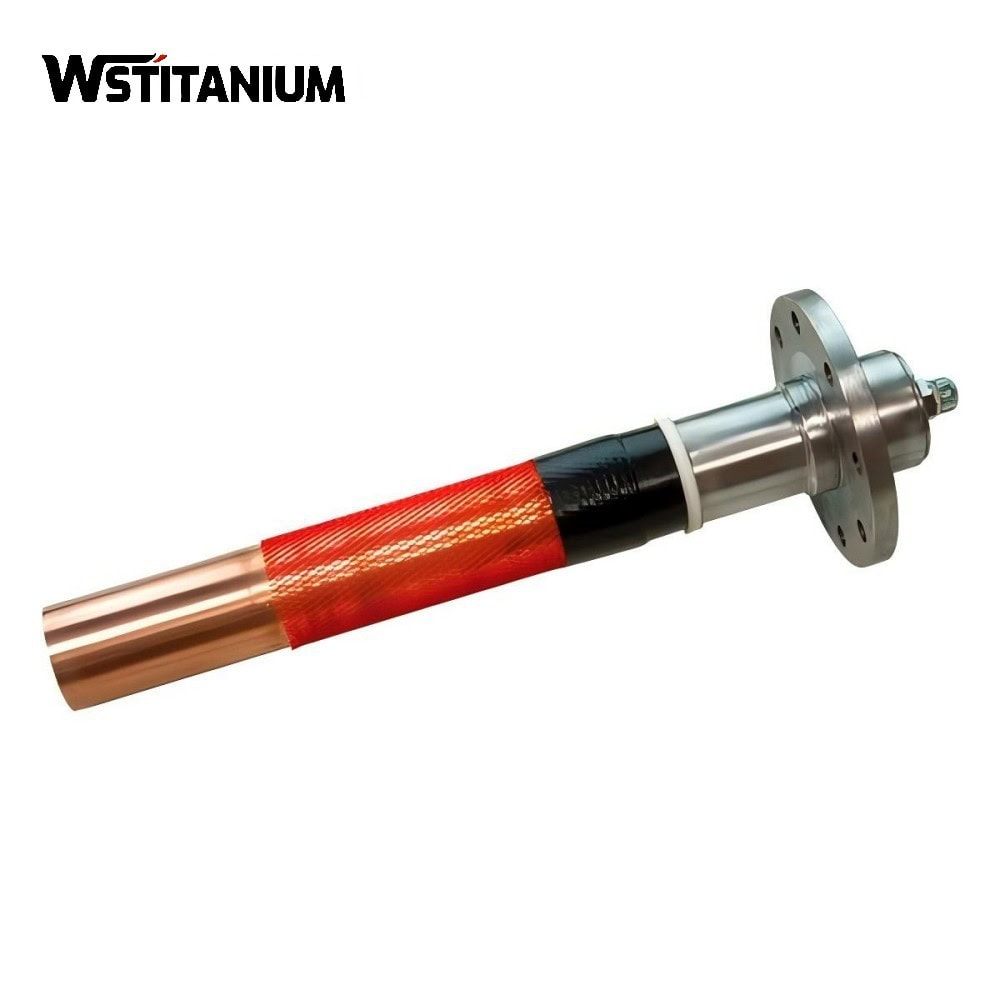
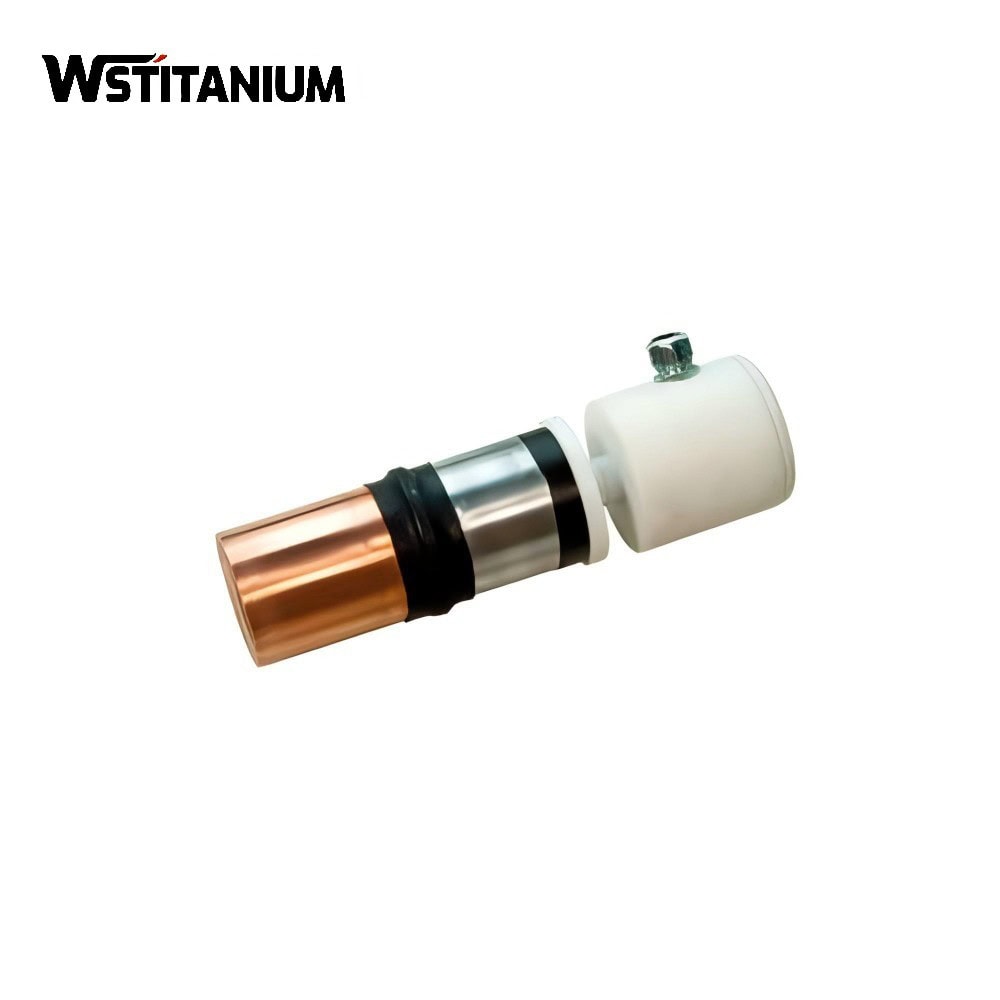
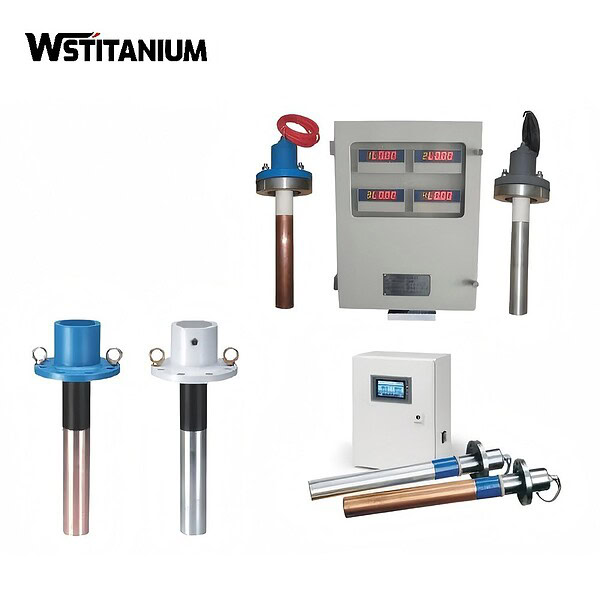
Core Components: Mainly includes a copper anode, aluminum/iron anode, DC control unit, current monitoring module, and mounting bracket. Electrodes are typically installed at seawater inlets, subsea gates, or pipeline tips to ensure that metal ions can rapidly diffuse throughout the system with the seawater.
Applicable Scenarios: Ports and wharves in temperate and subtropical sea areas with low to medium biological activity, especially suitable for steel-constructed seawater cooling pipes, circulating water systems, and berth pile foundation protection. For example, ports and wharves in East and North China often use this type of system due to the moderate seawater temperature and slow growth rate of marine organisms.
Key Selection Criteria: Electrode material must match the equipment substrate – If the port pipes are made of steel, aluminum anodes are preferred (generating aluminum hydroxide flocculents, providing better protection); if the pipes are made of aluminum or copper, iron anodes must be used to avoid electrochemical reactions between the electrode and the substrate, which could exacerbate corrosion.
(II) Seawater Electrolysis Type
MGPS Seawater electrolysis type MGPS, also known as “chlorine electrolysis type,” works by electrolyzing seawater to generate a strong oxidant that directly kills marine larvae and spores, resulting in higher antifouling efficiency and suitability for highly biologically active sea areas. This type of system has higher requirements for electrode materials, requiring them to be resistant to strong corrosion and have high electrolysis efficiency.
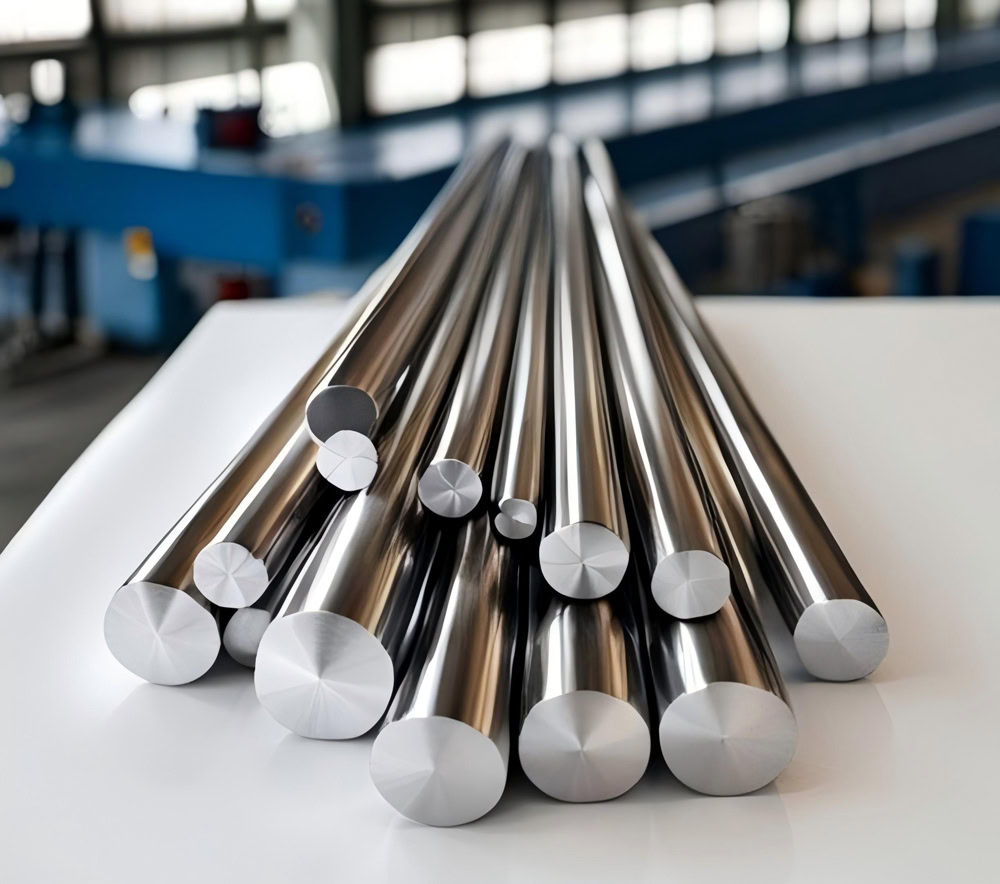
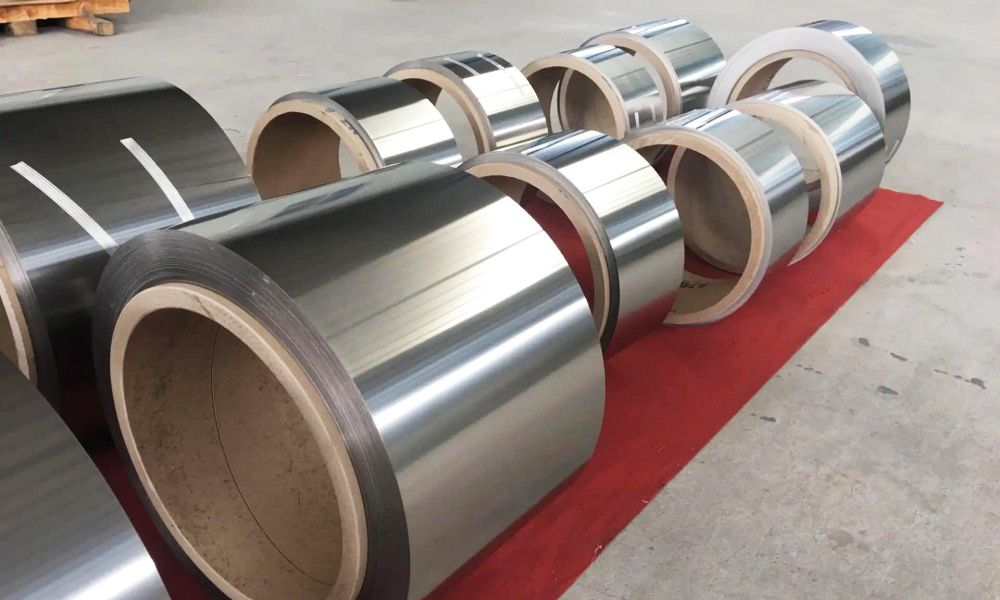
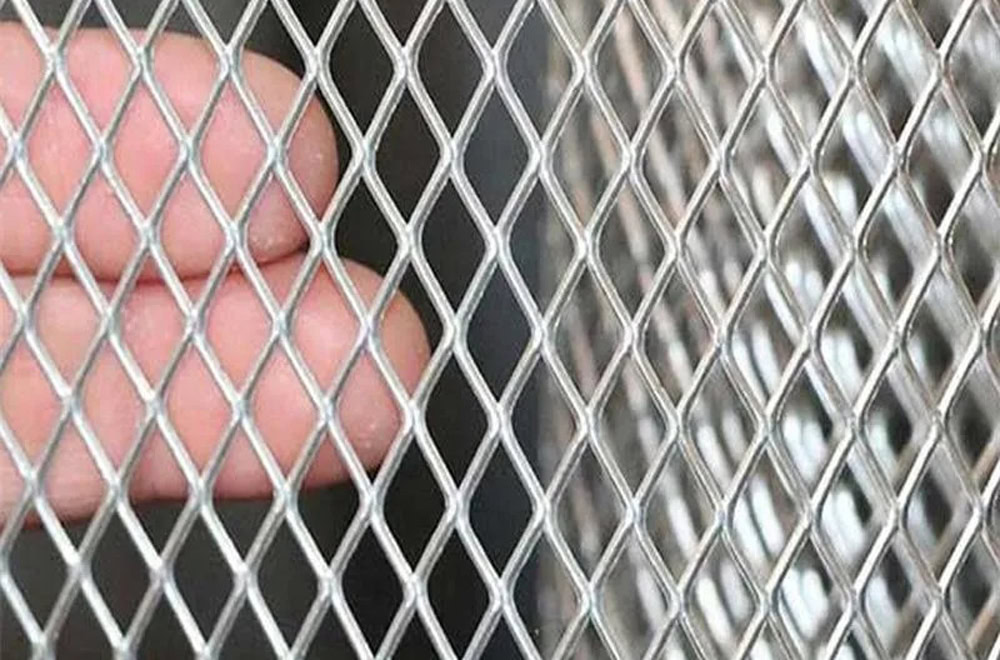
Core Components: Composed of platinum-plated titanium electrodes (or specially designed corrosion-resistant electrodes), an electrolytic reaction tank, a DC power supply, and an oxidant concentration monitoring module. The reaction tank is the core component, ensuring complete electrolysis of seawater to generate a stable concentration of oxidant.
Operating Characteristics: Electrolysis of seawater produces strong oxidants such as chlorine (Cl₂) and hypochlorous acid (HClO). These substances have strong bactericidal properties, capable of killing algae and shellfish larvae in a short time, achieving an antifouling efficiency of over 95%. No periodic replenishment of the metal electrodes is required (only maintenance of the platinum plating layer is needed).
Applicable Scenarios: Ports and wharves in tropical, highly bioactive seas, such as those in South China, Southeast Asia, and the Middle East. Due to high water temperatures, abundant sunlight, and vigorous marine life growth, biofouling occurs rapidly, necessitating this type of system to meet high-intensity antifouling requirements.
Precautions: Oxidant concentration must be monitored in real time to avoid excessive concentrations that could corrode equipment or pollute the marine environment after discharge. Some countries have established clear standards for oxidant discharge concentrations of seawater electrolysis type MGPS (e.g., single discharge concentration not exceeding 0.5 mg/L).
(III) Composite MGPS
The composite MGPS is an upgraded product combining the advantages of the two types mentioned above. Through a dual mode of “electrolysis of metal ions + electrolysis of seawater,” it can both inhibit marine biological growth and enhance the equipment’s corrosion resistance. It is suitable for large port terminals with large fluctuations in biological activity and complex equipment types.
Core Advantages: The operating mode can be adjusted according to seasonal changes and marine biological activity—switching to seawater electrolysis mode during the summer when biological growth is vigorous to improve sterilization efficiency; switching to metal ion electrolysis mode during the winter when biological growth is slow to reduce energy consumption and extend electrode life.
Application Cases: Major global hub ports, such as the Port of Singapore and the Port of Dubai, often employ composite MGPS systems to achieve all-scenario, all-season protection due to the diverse types of port equipment (including cooling systems, seawater desalination devices, and container terminal equipment) and the significant seasonal fluctuations in marine biological activity.
Working Principle of MGPS Systems
The core working principle of MGPS systems is “electrolysis.” A stable direct current is applied to the electrodes, using seawater as the electrolyte, causing a redox reaction that generates substances with antifouling and anti-corrosion functions. Different types of MGPS systems have different electrolysis processes, as detailed below:
(I) Working Principle of Electrolytic Metal Ion Type MGPS
This type of system achieves protection through a dual mechanism of “metal ion antifouling + hydroxide flocculent anti-corrosion.” The reaction process can be divided into three core stages:
Copper Anodic Oxidation Reaction (Core of Antifouling): Under the action of a direct current power supply, the copper anode undergoes an oxidation reaction. Copper atoms lose electrons and dissolve in seawater, generating copper ions (Cu²⁺). The reaction formula is: Cu → Cu²⁺ + 2e⁻. When the concentration of copper ions in seawater reaches 2 μg/L (2 mg/m³), it can effectively inhibit the cell division and growth of algae and shellfish larvae, preventing them from adhering to the inner wall of pipes or the surface of equipment, thus cutting off the formation path of biofouling at its source. Copper ions exhibit targeted toxicity, effective only against marine larvae, with minimal impact on the marine ecosystem, thus meeting green protection requirements.
Aluminum/Iron Anodizing Reaction (Core of Corrosion Prevention): The aluminum anode (or iron anode) undergoes an oxidation reaction simultaneously, with aluminum atoms losing electrons to generate aluminum ions (Al³⁺). The reaction formula is: Al → Al³⁺ + 3e⁻. These aluminum ions combine with hydroxide ions (OH⁻) in seawater to form aluminum hydroxide (Al(OH)₃) flocculents. These flocculents are highly viscous and adhere to the inner walls of pipes, subsea gates, and pile foundations with the flow of seawater, forming a dense protective film approximately 0.1-0.3 mm thick.
Cathodic reduction reaction: The iron cathode in the system acts as the cathode, undergoing a reduction reaction. Water molecules gain electrons on the cathode surface, generating hydrogen gas (H₂) and hydroxide ions (OH⁻). The reaction equation is: 3H₂O + 2e⁻ → H₂↑ + 2OH⁻. This reaction not only maintains the stable operation of the electrolysis circuit but also, through the cathodic protection principle, reduces the potential of surrounding metal equipment, increases the electron density on the equipment surface, and further inhibits seawater corrosion of the equipment, achieving a synergistic effect of “anti-fouling + anti-corrosion”.
(II) Working Principle of Seawater Electrolysis Type MGPS
The core of this type of system is “electrolysis of seawater to generate a strong oxidant, killing marine organisms.” The reaction process is concentrated within the electrolysis reaction tank, offering greater controllability:
Seawater electrolysis reaction: Driven by a DC power supply, a platinum-plated titanium electrode (anode) and cathode form an electrolysis circuit. Seawater (containing sodium chloride) undergoes an electrolysis reaction on the electrode surface. Chlorine gas (Cl₂) is generated at the anode, with the reaction formula: 2Cl⁻ – 2e⁻ → Cl₂↑; hydrogen gas (H₂) and hydroxide ions (OH⁻) are generated at the cathode, with the reaction formula: 2H₂O + 2e⁻ → H₂↑ + 2OH⁻.
Oxidant Generation: Chlorine gas generated at the anode reacts with seawater to further produce hypochlorous acid (HClO) and sodium hypochlorite (NaClO), with the following reaction equations: Cl₂ + H₂O → HClO + HCl, Cl₂ + 2NaOH → NaClO + NaCl + H₂O. Both hypochlorous acid and sodium hypochlorite are strong oxidants that can destroy the cell membranes of marine larvae and inhibit their respiratory enzyme activity, killing algae and shellfish larvae within 10-20 seconds. This antifouling speed is far faster than that of electrolytic metal ion systems.
Concentration Control: The DC control unit automatically adjusts the electrolysis current based on seawater flow and biological activity data to ensure the oxidant concentration is maintained within a safe range of 0.2-0.5 mg/L. Too low a concentration will not achieve the desired antifouling effect, while too high a concentration will corrode the metal substrate of the pipe inner wall and may also lead to marine pollution after seawater discharge.
MGPS System Core Applications
The application scenarios of MGPS systems in port terminals cover the entire chain of “seawater treatment – equipment protection – ecological compliance”. Their core revolves around three main categories: seawater cooling systems, subsea infrastructure, and special operation equipment.
(I) Seawater Cooling System Protection
Seawater cooling systems are core energy-consuming equipment in port terminals, mainly used for cooling container cranes, generator sets, and refrigerated containers. MGPS systems are the core protection method in this scenario, accounting for 45% of the total MGPS demand in ports.
Installation Location: Electrodes are installed at the inlet pipe or front end of the cooling tower of the seawater cooling system, ensuring that metal ions or oxidants can enter the cooling pipes and heat exchangers with the seawater, covering the entire cooling loop.
System Configuration: Electrolytic metal ion type (copper + aluminum anode) is used for temperate ports, and electrolytic seawater type (platinum-plated titanium electrodes) is used for tropical ports; for large cooling systems (such as generator set cooling), multiple sets of electrodes are required to ensure full coverage of the protection range.
(II) Protection of Submarine Locks and Pipelines
Submarine locks (used to control seawater inflow and outflow) and seawater pipelines at port terminals are major areas of biofouling. Shellfish and algae adhering to the gaps in the locks and the inner walls of the pipelines can cause lock opening and closing difficulties and pipeline blockages. In severe cases, this can lead to seawater backflow, affecting normal port operations.
Installation Method: Electrodes for submarine locks are installed on both sides and the bottom of the locks using an embedded installation method to avoid interfering with the lock opening and closing. Electrodes for seawater pipelines are installed at the pipeline inlet in a ring arrangement to ensure uniform diffusion of metal ions to the inner wall of the pipeline.
Key Protection Points: In addition to antifouling, corrosion protection needs to be strengthened. Submarine locks are mostly made of steel and are highly susceptible to corrosion due to long-term immersion in seawater (containing salt and chloride ions). Therefore, aluminum anodes must be used. The generated aluminum hydroxide flocculents can form a dense protective film on the lock surface. Combined with cathodic protection, this reduces the corrosion rate.
(III) Protection of Berth Pile
Foundations and Wharf Structures Berth pile foundations and wharf fenders in port terminals are constantly immersed in seawater, facing not only biofouling but also structural strength degradation due to seawater corrosion and tidal erosion, affecting wharf safety. The MGPS system extends the service life of pile foundations and wharf structures through dual protection of “antifouling + anticorrosion”.
System Configuration: Utilizing electrolytic metal ion-type MGPS, copper anodes are used for antifouling, and aluminum anodes for anticorrosion. Electrodes are installed at the bottom and middle of the pile foundation (in the tidal-affected area) to ensure protective coverage of critical corrosion-prone areas.
Protective Effect: After installing the MGPS system, the biofouling rate on the pile foundation surface can be controlled to below 10%, the corrosion rate decreases from 0.2 mm/year to below 0.05 mm/year, and the service life of the pile foundation is extended from 20 years to 30-35 years. For example, in the container berth pile foundations of Dubai Port, after installing the MGPS system, no significant corrosion or biofouling occurred within 10 years, and the structural strength remained good.
Maintenance Key Points: Regularly check electrode wear. The lifespan of copper anodes is approximately 3-5 years, and aluminum anodes are approximately 2-3 years. Electrodes with wear exceeding 70% should be replaced promptly to ensure stable protection.
(IV) Protection of Seawater Desalination
Some large port terminals are equipped with seawater desalination units (for port domestic water and equipment cleaning), as well as fire-fighting seawater systems and oilfield water injection pipelines (in port industrial areas). These devices have high water quality requirements, and biofouling can lead to equipment failure and water quality degradation, requiring targeted protection from the MGPS system.
Seawater Desalination Unit: An electrolytic seawater type MGPS is selected and installed in the seawater pretreatment stage of the desalination unit. It generates a strong oxidant to kill marine organisms, preventing them from entering the reverse osmosis membrane and causing membrane blockage and damage (replacement costs for reverse osmosis membranes are extremely high, reaching millions of yuan per replacement).
Fire-fighting Seawater System: An electrolytic metal ion type MGPS is used. Electrodes are installed at the inlet of the fire-fighting seawater storage tank to ensure no biological adhesion on the inner wall of the tank, preventing the normal delivery of fire-fighting seawater due to pipeline blockage during a fire.
Water injection pipelines in the Lingang Industrial Zone: The appropriate system type is selected based on the marine biological activity, with a focus on protecting the inner wall of the pipeline to prevent biofouling that could reduce water flow and impact the production efficiency of the Lingang factories.


Related products
-
 Impressed Current Cathodic Protection
ICCP Cathodic Protection For Pipelines
-
 Marine Growth Prevention Systems
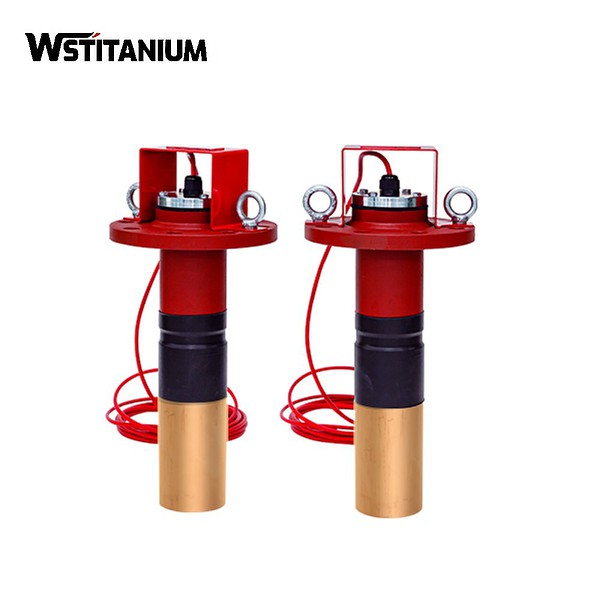
MGPS Anode for Merchant Ships
-
 Marine Growth Prevention Systems
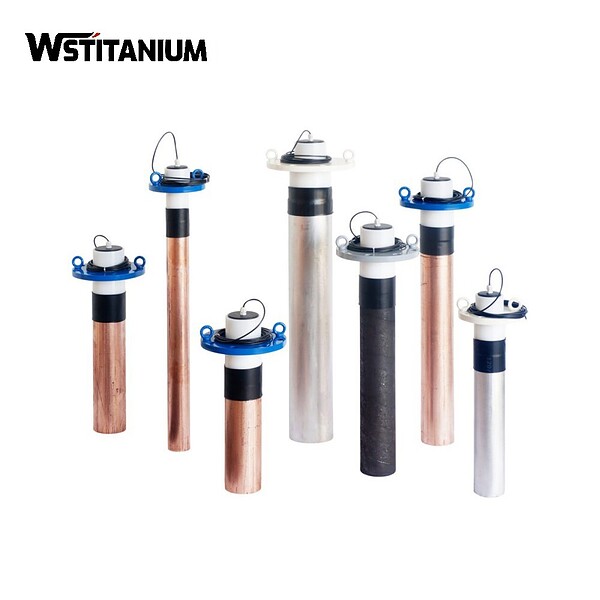
MGPS Anodes for Offshore Platforms
-
 Cathodic Protection System
ICCP Cathodic Protection For Petrochemical
-
 Impressed Current Cathodic Protection
ICCP MMO Linear Anodes
-
 Impressed Current Cathodic Protection
ICCP Cathodic Protection Deep Well
-
 Marine Growth Prevention Systems
Marine Growth Prevention Systems Anode
-
 Impressed Current Cathodic Protection
ICCP Cathodic Protection For Water Conservancy