
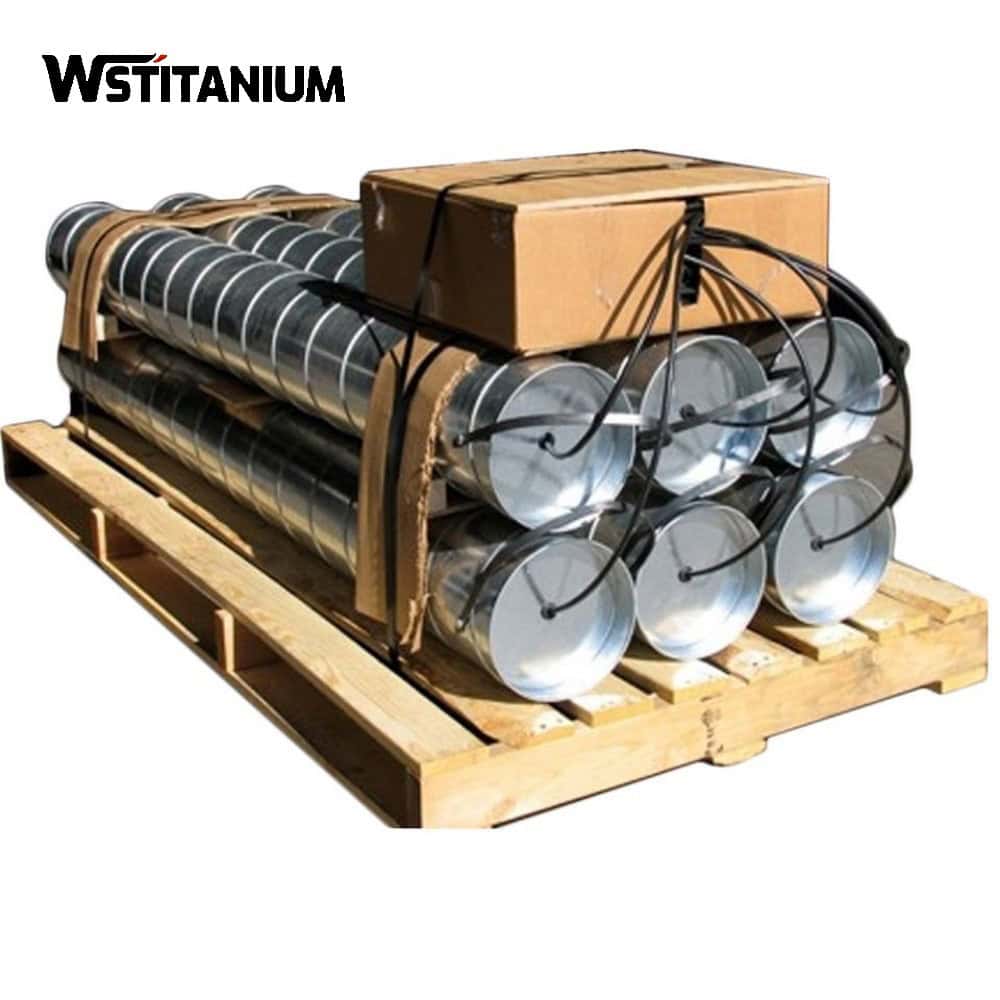
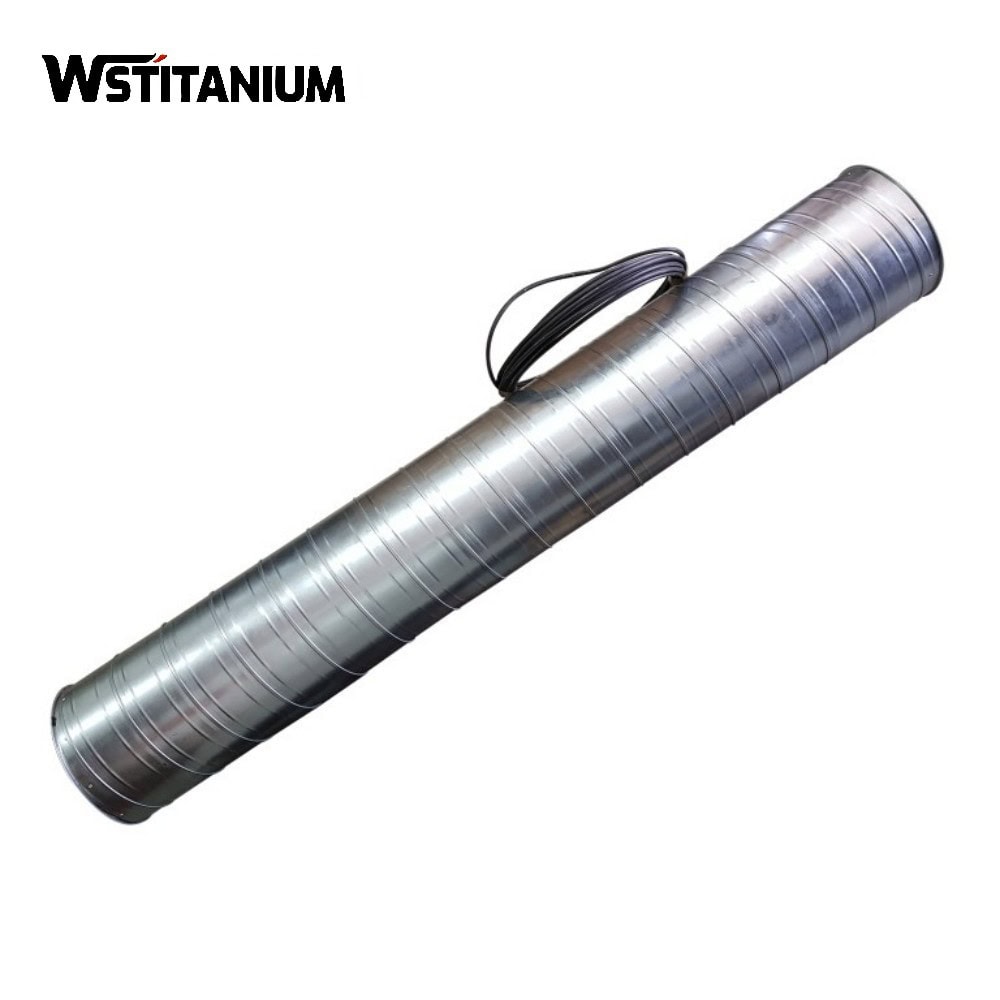
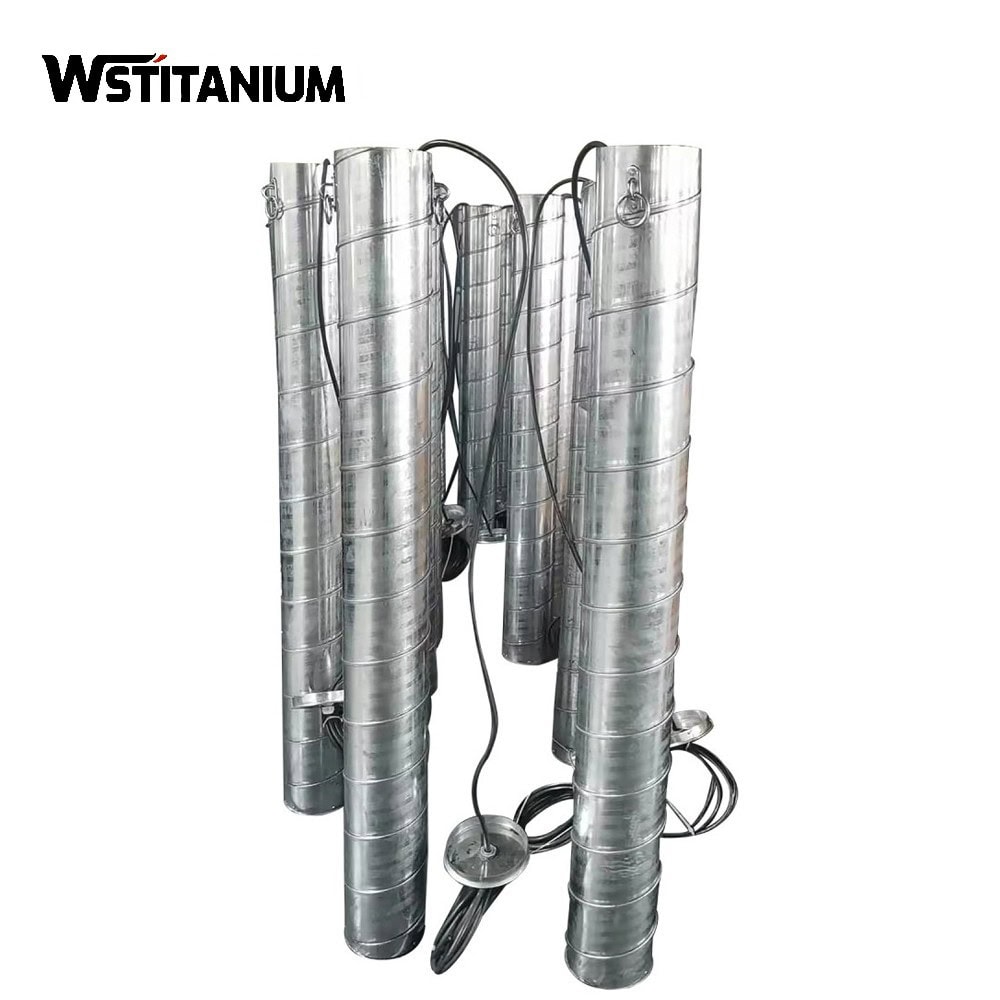
ICCP Silicon Iron Anode
Certified: CE & SGS & ROHS
Shape: Requested
Diameter: Customized
Drawings: STEP, IGS , X_T, PDF
Shipping: DHL, Fedex, or UPS & Ocean Freight

20+ YEARS EXPERIENCE SENIOR BUSINESS MANAGER
Ask Michin For What You Want?
Impressed current cathodic protection (ICCP) systems are the core guarantee for corrosion protection of critical infrastructure in harsh environments, and are widely used in oil and gas pipelines, marine engineering, nuclear power plants, municipal waterworks, and other fields. As the core component of this system, the anode needs to continuously output protective current under extreme electrochemical and mechanical stress; its performance directly determines the corrosion protection effect and the service life of the infrastructure. Among many anode materials, high-silicon cast iron (HSCI) anodes, with over half a century of engineering verification, have become recognized as the “reliable cornerstone” of ICCP systems due to their excellent corrosion resistance, stable electrochemical performance, and extremely high cost-effectiveness.
The core characteristic of high-silicon cast iron anodes lies in their unique chemical composition: iron as the matrix, containing 14%–18% silicon, 3%–5% chromium, and trace amounts of manganese, carbon, phosphorus, and other elements. This formulation gives the anode three core advantages: silicon and chromium form a dense SiO₂-Cr₂O₃ passivation film, achieving superior corrosion protection; stable electrochemical activity ensures uniform and sustained current output; and excellent mechanical strength adapts to complex installation environments. Unlike sacrificial anodes (such as zinc and aluminum anodes) that rely on their own corrosion for protection, high-silicon cast iron anodes convert external electrical energy provided by a rectifier into electrochemical energy, enabling long-term, low-maintenance corrosion protection for large structures and long-distance pipelines.
| Core Category | Key Information |
| Product Definition | Core component of ICCP (Impressed Current Cathodic Protection) systems; iron-based, containing 14%–18% silicon and 3%–5% chromium, forming a self-repairing SiO₂-Cr₂O₃ passivation film for long-term corrosion protection. |
| Classification Methods | 1. Structural form: Rod/Bar, Tubular, Plate/Sheet, Mesh/Grid; 2. Chemical composition: Standard type (14%–16% Si), High-silicon high-chromium type (16%–18% Si + 4%–5% Cr), Modified type (contains Mo/Ni/Ti); 3. Application scenario: Deep-well anode, Submerged anode. |
| Working Principle | The rectifier provides a positive potential; the anode undergoes oxidation reactions (high-chlorine environment: 2Cl⁻→Cl₂↑+2e⁻; neutral/alkaline environment: 2H₂O→O₂↑+4H⁺+4e⁻), forming a closed loop with the protected structure and reference electrode to turn the structure into a cathode and inhibit corrosion; Optimal protection potential: –0.85V–1.1V (vs Ag/AgCl). |
| Core Performance | Electrochemical: Strong corrosion resistance (resists Cl⁻, acids/alkalis), current density 10–100A/m², corrosion rate ≤0.1mm/year; Mechanical: Hardness 250–350HB, tensile strength 200–300MPa; Environmental: Applicable at –20°C–120°C, no heavy metal pollution; Cost: Service life 15–30 years. |
| Typical Applications | Oil and gas industry (offshore platforms, submarine pipelines, storage tanks); Marine engineering (ship hulls, port facilities, wind power foundations); Municipal engineering (water supply networks, bridges, sewage treatment plants); Power industry (nuclear power plants, thermal power plants); Industrial manufacturing (chemical, metallurgy, papermaking). |
| Installation & Maintenance | Installation: Environmental testing → Rational layout (anode-structure distance ≥10m) → Backfill conductive materials → Seal cable joints; Maintenance: Regular potential/current monitoring, backfill material replacement every 10–15 years, anode replacement when wear exceeds 50%; Common faults: Low current, potential deviation, cable corrosion. |
| Comparison Advantages | Superior to graphite anodes (corrosion resistance + mechanical strength), lead-silver anodes (environmental protection + adaptability), sacrificial anodes (protection range + service life); Higher cost-effectiveness than titanium-based MMO anodes (3–5 times lower cost). |
High-silicon cast iron anodes are classified according to their structure, chemical composition, and application scenarios. Different types have different focuses in terms of size, performance, and suitable environments, meeting diverse corrosion protection needs.
(I) Classification by Structure
1. Rod-shaped Anodes
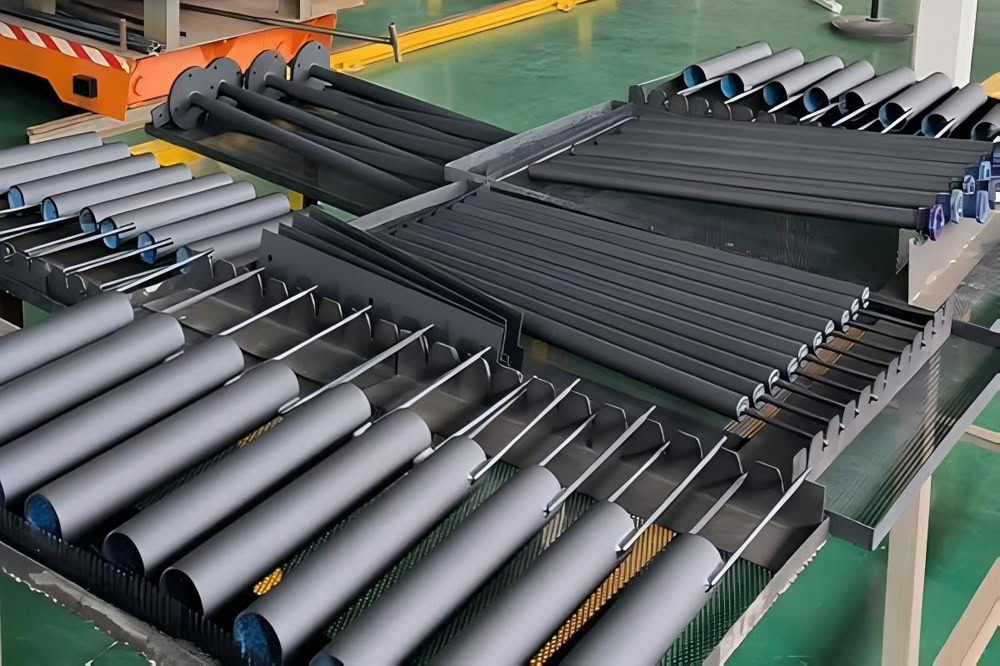
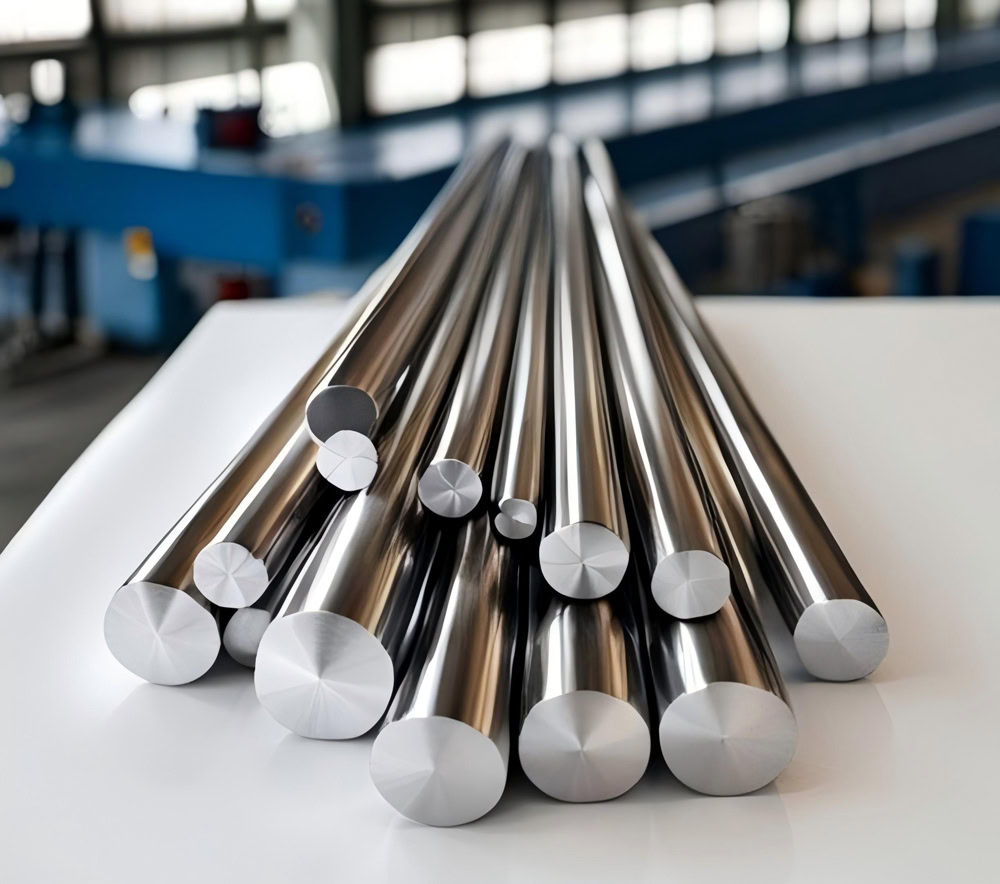
Rod-shaped anodes are the most widely used type. They are cylindrical, with a high degree of dimensional standardization. Typical lengths are 1m-3m and diameters are 25mm-50mm, with customization available. Their core advantages lie in their simple structure, convenient transportation and installation, uniform current distribution, and compatibility with soil and aquatic environments. Typical applications include long-distance pipelines, underground storage tanks, buried metal structures, and offshore platform foundations.
2. Tubular Anodes
Tubular anodes adopt a hollow cylindrical design, offering a higher surface area/volume ratio than solid rod-shaped anodes. Typical outer diameters are 50mm-100mm, wall thicknesses are 8mm-15mm, and lengths are 1m-6m.
Key advantages: Relatively lightweight, superior current distribution, high mechanical strength, hollow structure allows for internal cooling to prevent overheating during high current operation, suitable for deep well beds and confined spaces.
Installation: Primarily used in deep well beds (10m~30m deep, installed via drilling), minimizing interference with surrounding structures and improving current diffusion efficiency; can be arranged in parallel arrays for large projects.
Typical applications: Urban pipelines (in scenarios with limited surface space), high resistivity soils, industrial plant infrastructure.
3. Plate/Sheet Anodes
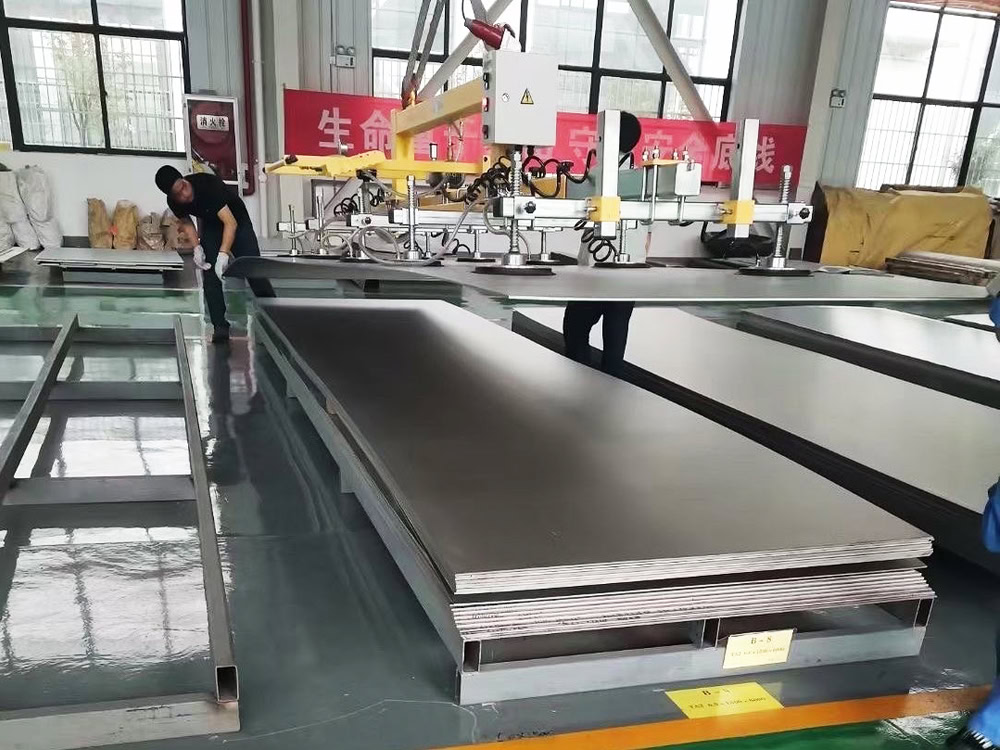
Plate anodes have a flat rectangular structure, with a thickness of 10mm~20mm, width of 300mm~600mm, and length of 500mm~1200mm, offering a large surface area.
Key advantages: Uniform current output, suitable for shallow burial and submersion scenarios, flat design facilitates installation against concrete structures or the bottom of storage tanks.
Installation: Lay horizontally in shallow trenches (0.5m~1m deep) in soil, or fix to structural surfaces (such as tank walls, bridge piers) using supports; modular arrays can be arranged to cover large areas.
Typical Applications: Tank bottoms, concrete bridge decks, ship hulls, wastewater treatment facilities.
4. Mesh/Grid Anodes
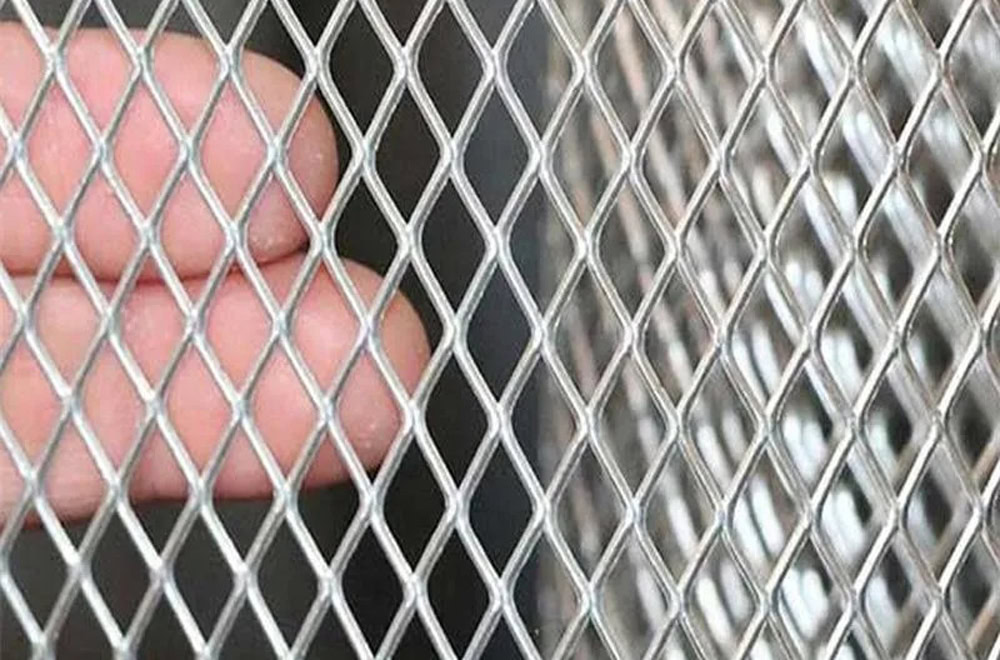
Mesh anodes are manufactured using a casting process to create a mesh structure with wire diameters of 6mm~12mm and mesh sizes of 50mm×50mm~200mm×200mm, combining flexibility and high strength.
Core Advantages: Flexible to adapt to curved surfaces, large surface area, and excellent current uniformity, making them ideal for irregularly shaped structures and large flat surfaces.
Installation: Fixed to reinforced concrete structures (such as tunnels, retaining walls) using anchors, or pre-embedded during construction; underwater, they can be directly installed against structural surfaces.
Typical Applications: Reinforced concrete structures, subway tunnels, offshore wind power foundations, ship hulls.
(II) Classification by Chemical Composition
Chemical composition is the core factor determining the performance of high-silicon cast iron anodes, with silicon (Si) and chromium (Cr) content directly affecting corrosion resistance and electrochemical activity.
1. Standard High-Silicon Cast Iron Anode (14%~16% Si)
A conventional type, containing 14%~16% silicon, 3%~4% chromium, and ≤0.8% carbon. This is the most versatile type.
Core Performance: Balance between corrosion resistance and current output. A dense SiO₂ passivation film forms on the surface, inhibiting its own corrosion while ensuring current conduction.
Typical Applications: Soil, freshwater environments, and light industrial applications (such as municipal water supply networks and underground storage tanks).
2. High-Silicon, High-Chromium Anode (16%~18% Si, 4%~5% Cr)
A highly corrosion-resistant type, with higher silicon and chromium contents than the standard type, resulting in a more stable passivation film.
Core Performance: Excellent resistance to chloride ions and acidic environments, lower corrosion rate, longer service life, suitable for highly corrosive media.
Typical Applications: Seawater, coastal soil, industrial wastewater (containing acid/salt), marine structures.
3. Modified High-Silicon Cast Iron Anode (with Additives)
Customized models optimized for extreme environments, with added trace elements such as molybdenum (Mo), nickel (Ni), and titanium (Ti).
Core Performance: Molybdenum enhances pitting corrosion resistance (suitable for high-chlorine environments); nickel strengthens mechanical strength and ductility; titanium stabilizes the passivation film at high temperatures.
Typical Applications: High-temperature industrial processes, concentrated acid solutions, high-salt brine, and other extreme scenarios.
(III) Classification by Application Scenarios
Designed specifically for deep well beds (depth > 10m), mostly tubular or long rod-shaped, with a wall thickness of 10mm~15mm, suitable for backfill materials.
Key Advantages: Resistant to installation impacts, enhanced corrosion resistance; when used with backfill materials such as petroleum coke, it can reduce anode-soil contact resistance and improve current diffusion efficiency.
Typical Applications: High resistivity soils, densely populated urban areas (limited surface space), large pipeline networks.
2. Marine/Immersed Anodes
Optimized for seawater and freshwater environments, with a smooth surface to prevent biofouling, and a robust structure to withstand wave impacts and marine organism erosion.
Key Advantages: Resistant to chloride ion corrosion, slow current density decay; some models are equipped with sacrificial sleeves to protect the anode body during transportation and installation.
Typical Applications: Offshore platforms, ship hulls, subsea pipelines, port infrastructure.
Compared to other anodes
High-silicon cast iron anodes have become the mainstream choice for ICCP systems due to their “balanced performance + controllable cost”: their corrosion resistance and mechanical strength are superior to graphite and lead-silver anodes. Their cost is far lower than titanium-based MMO anodes, and their protection range and service life far exceed those of sacrificial anodes. For most industrial, municipal, and marine corrosion protection projects, high-silicon cast iron anodes offer the best value for money, meeting performance standards while providing optimal cost. Only in extreme corrosion or ultra-high current demand scenarios should special materials such as titanium-based MMO anodes be considered.


Related products
-
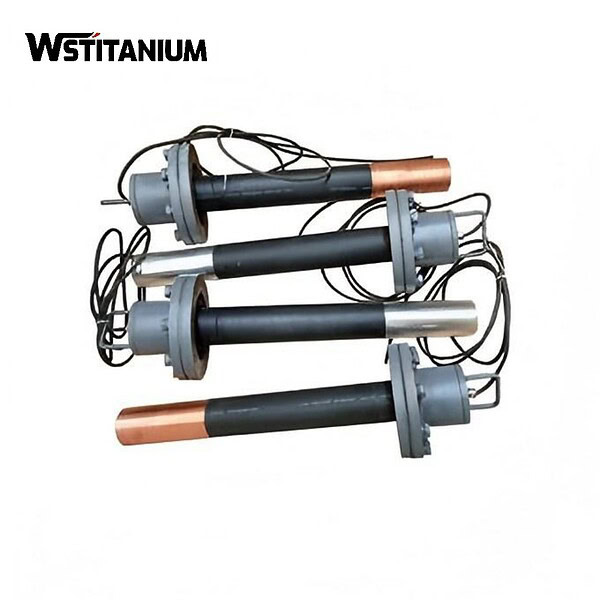 Marine Growth Prevention Systems
MGPS Anode for Cruise Ships
-
 Impressed Current Cathodic Protection
ICCP Cathodic Protection For Buildings
-
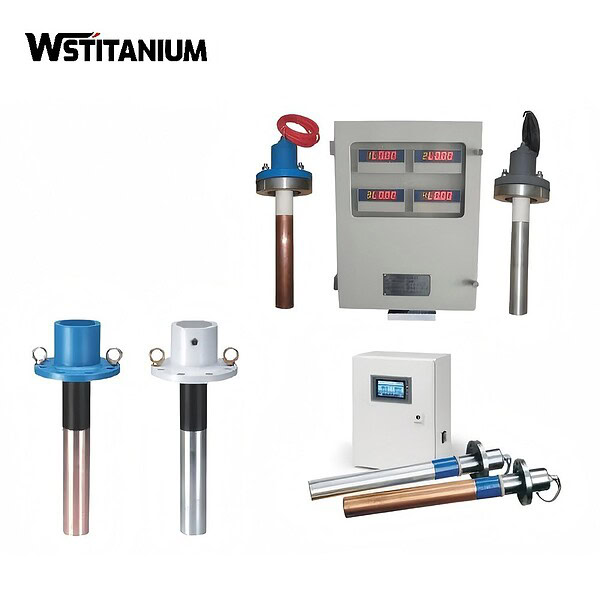 Marine Growth Prevention Systems
Marine Growth Prevention Systems Anode
-
 Impressed Current Cathodic Protection
ICCP Cathodic Protection For Bridges
-
 Impressed Current Cathodic Protection
ICCP Cathodic Protection Deep Well
-
 Impressed Current Cathodic Protection
ICCP Ruthenium-Iridium MMO Anode
-
 Impressed Current Cathodic Protection
Impressed Current Cathodic Protection System
-
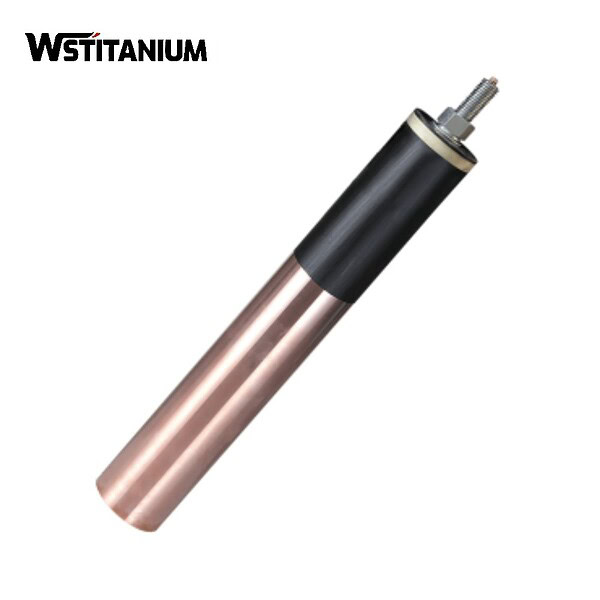 Marine Growth Prevention Systems
Copper Marine Growth Prevention Systems