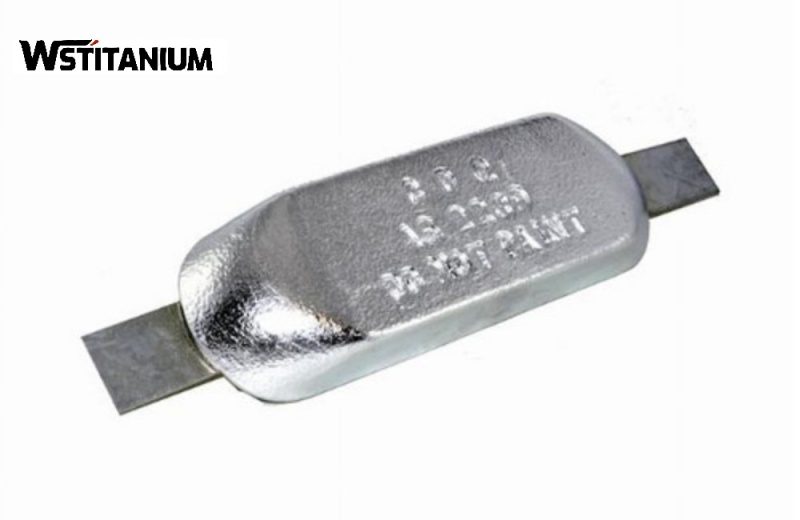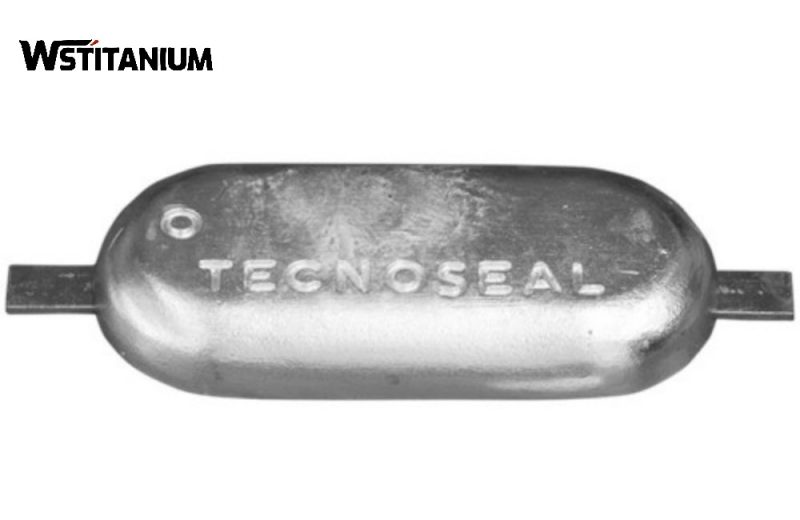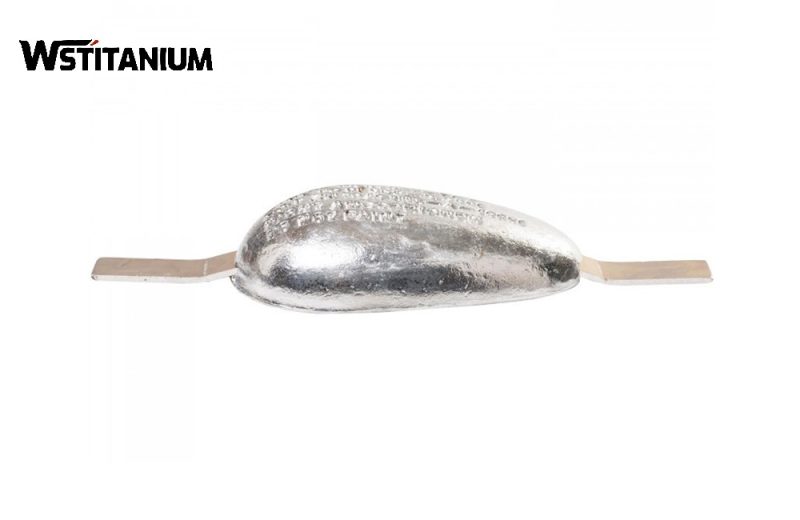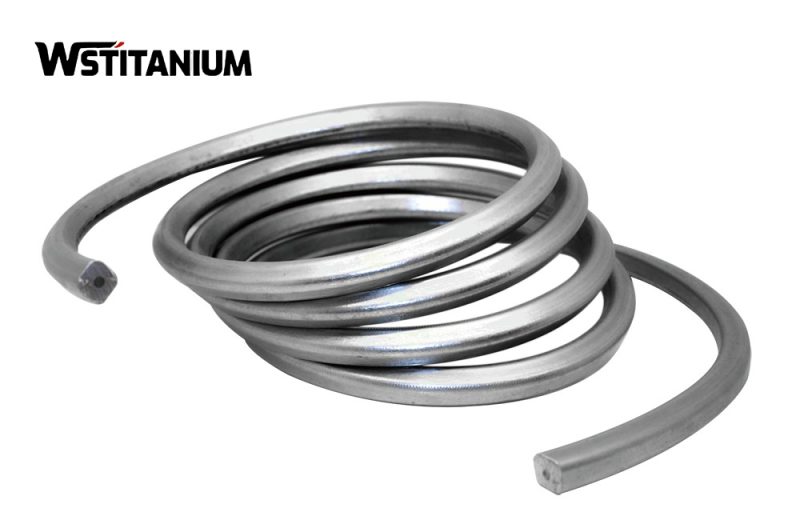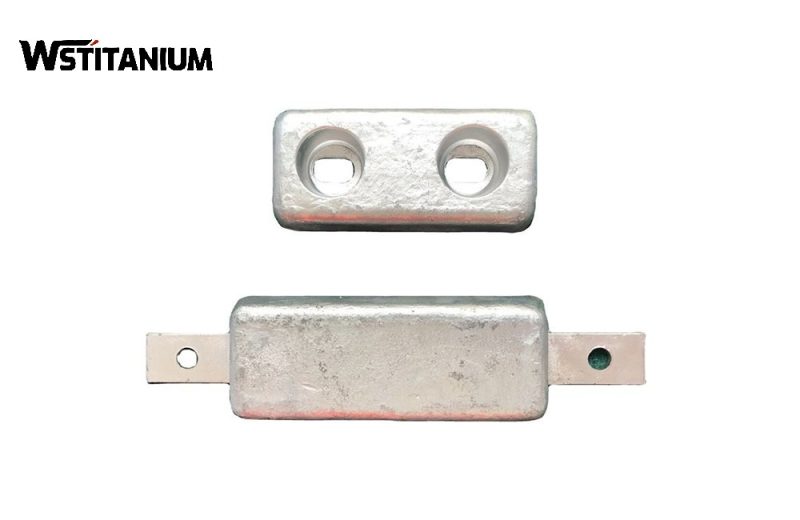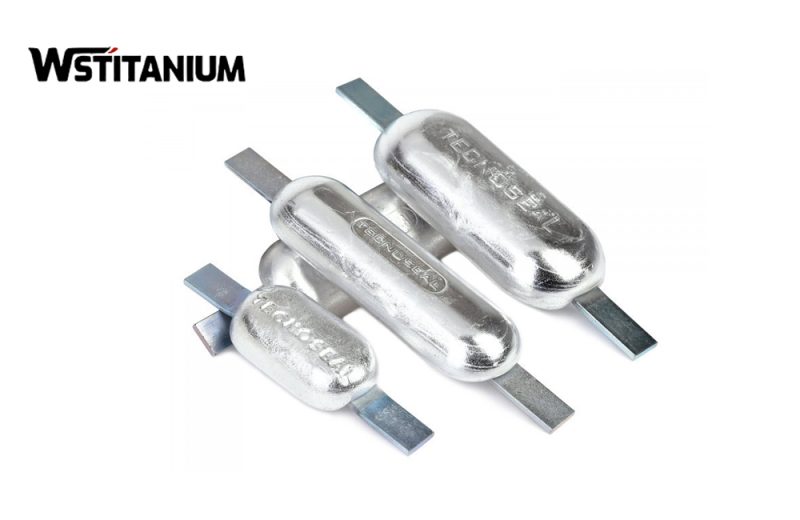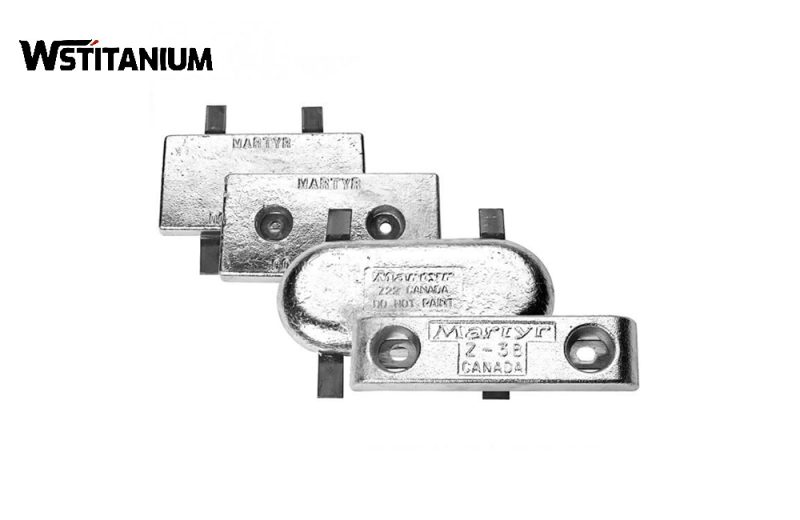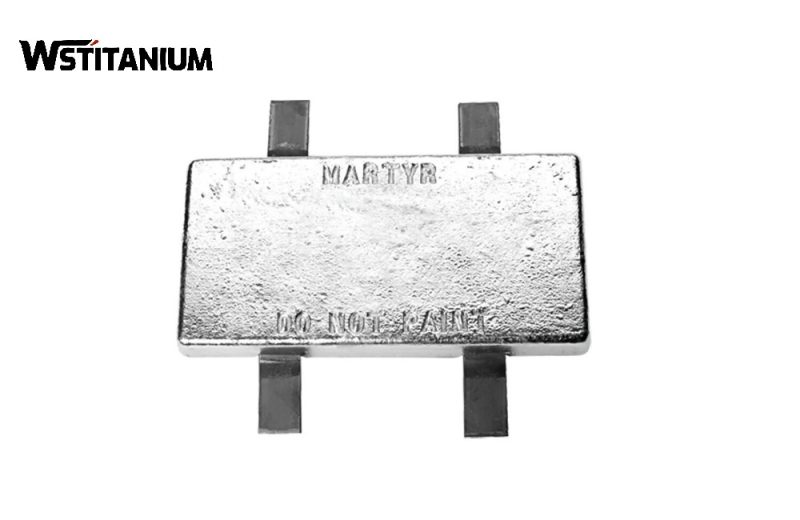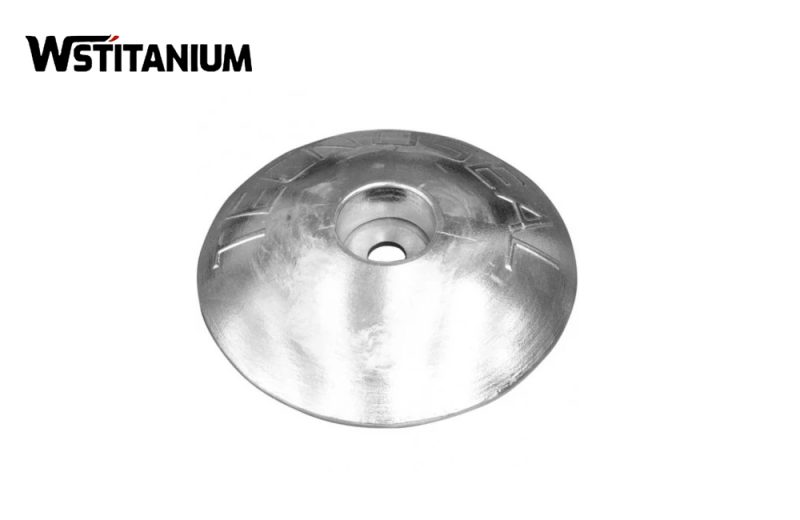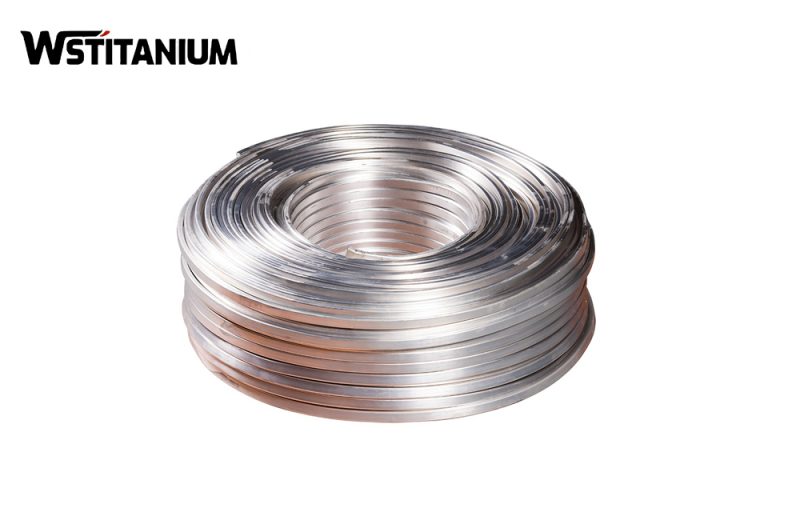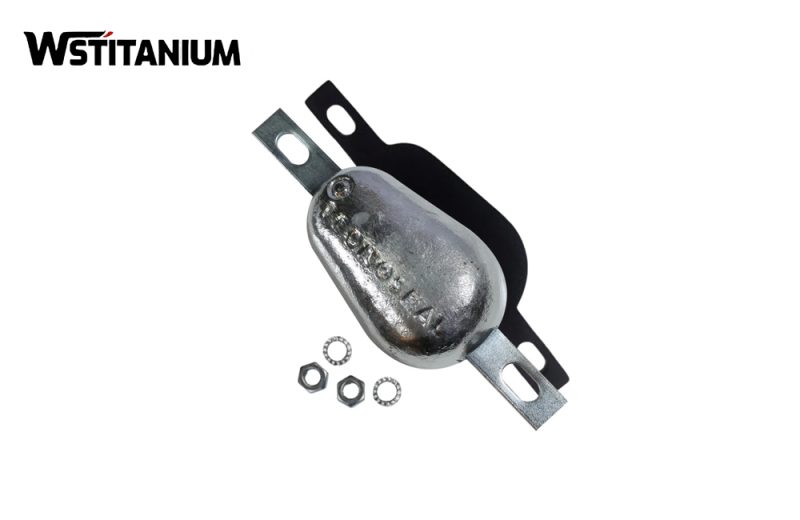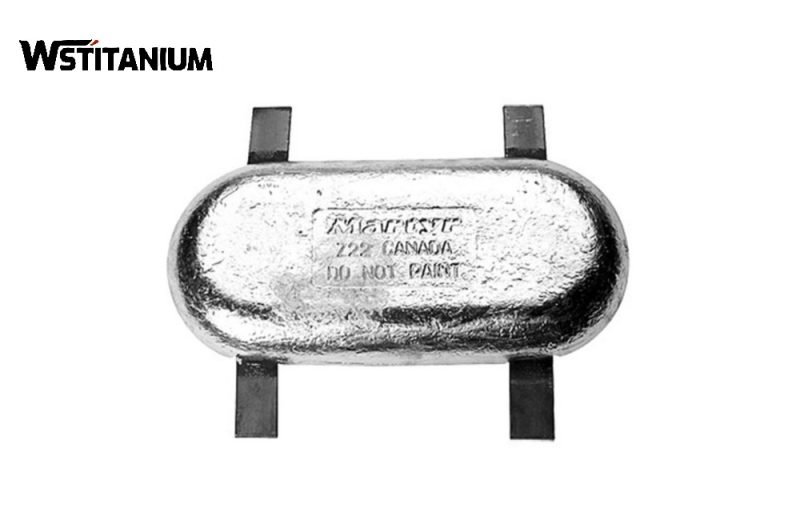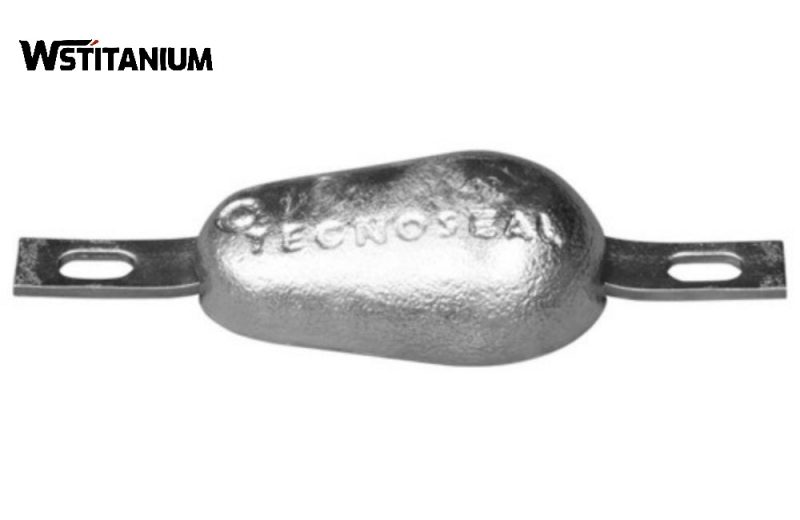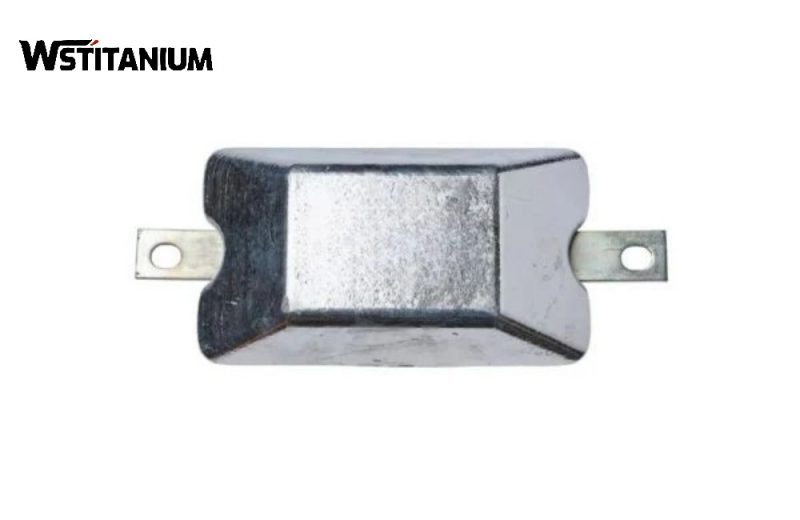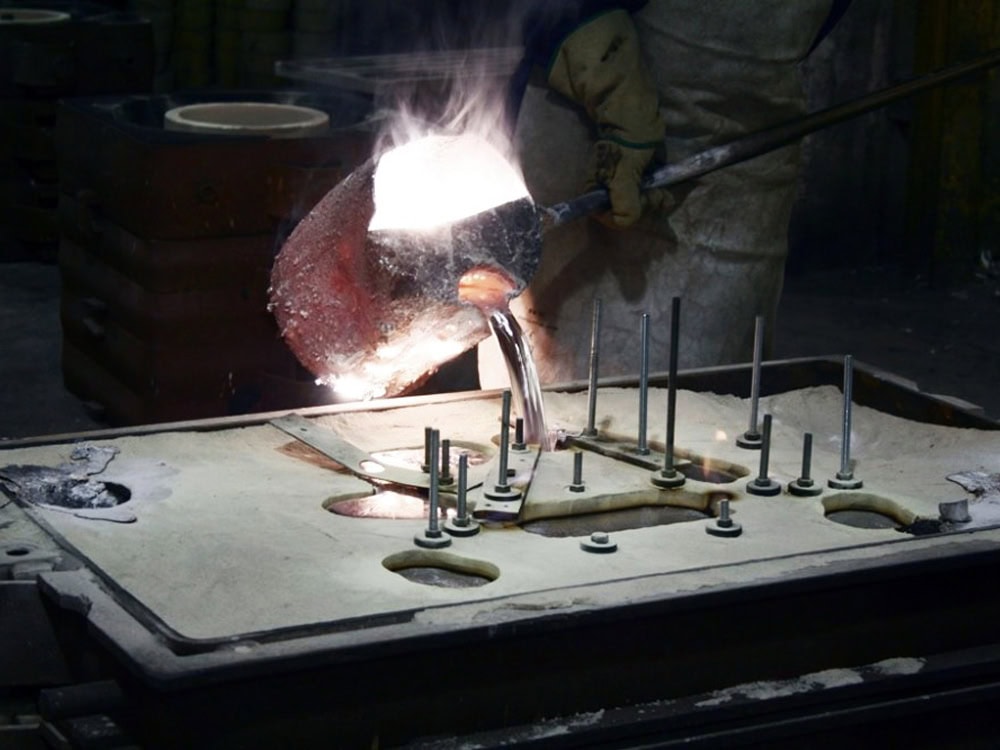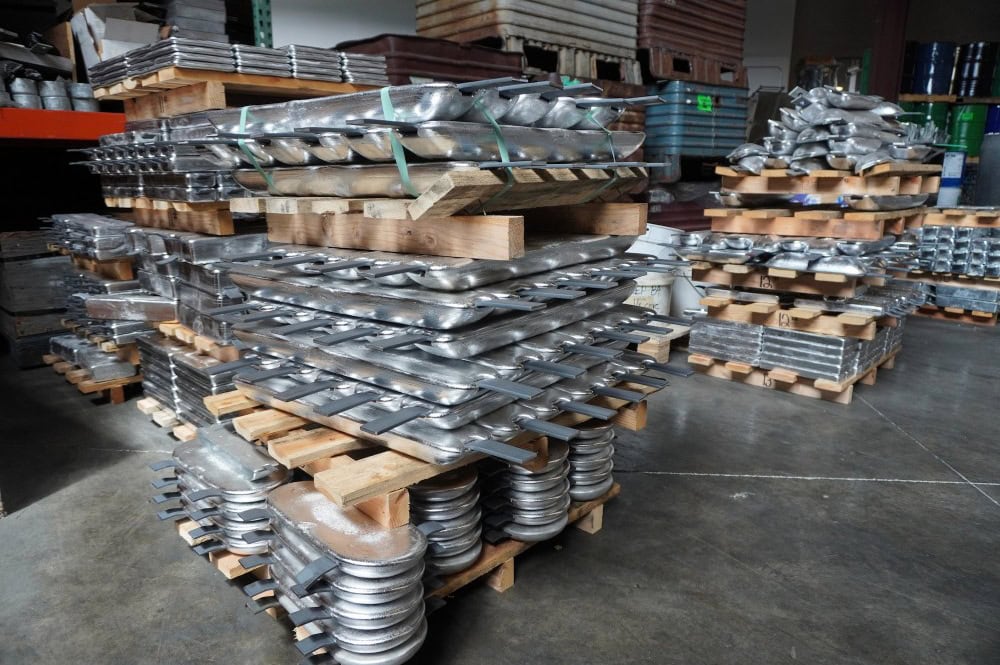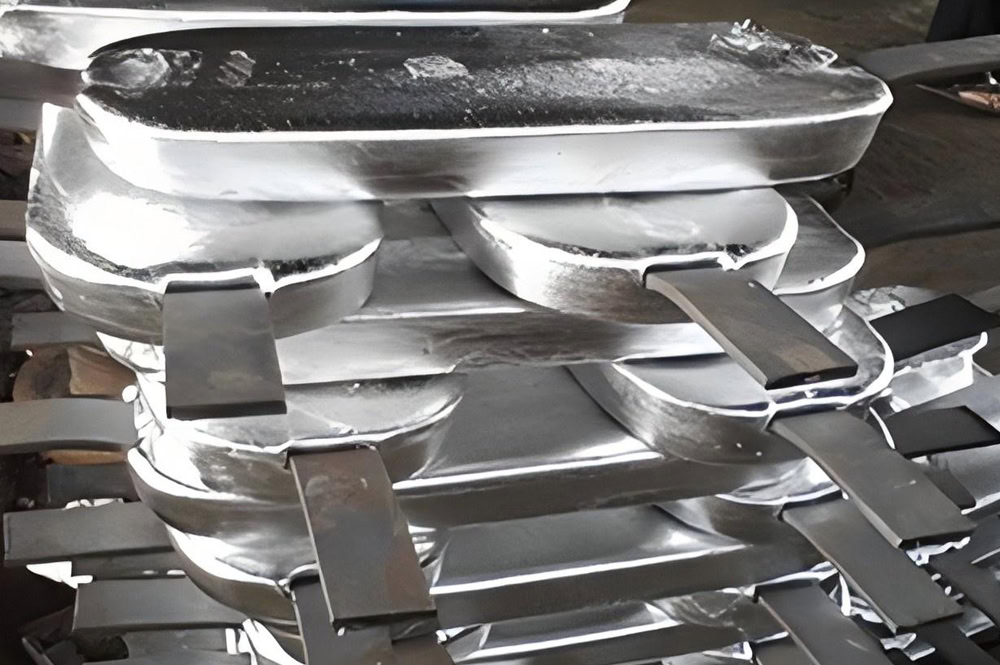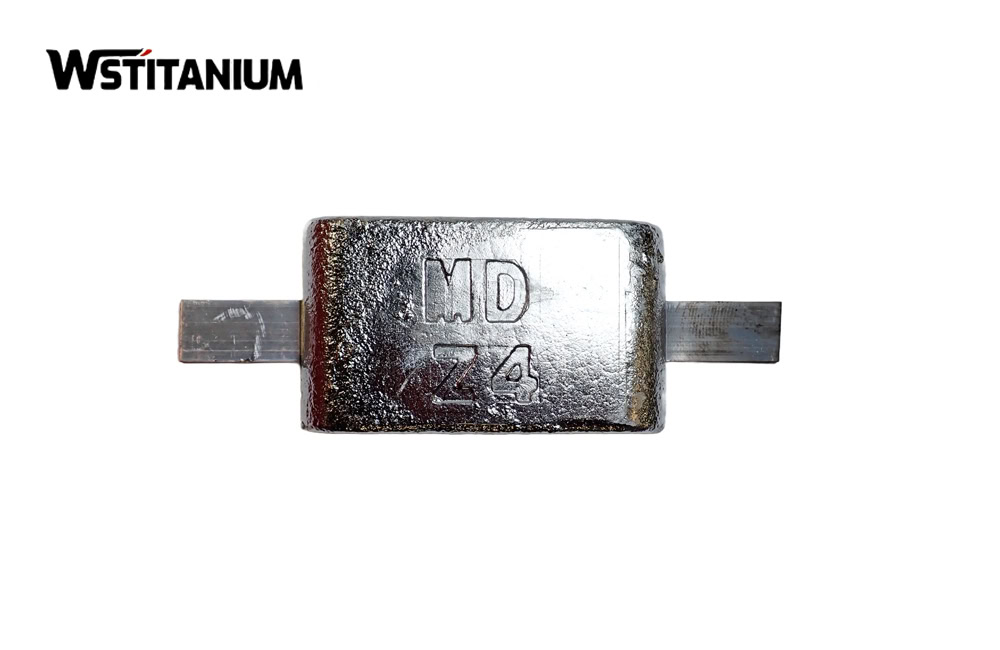

Zinc-aluminum-indium sacrificial anodes are high-performance products in the zinc sacrificial anode series. Compared to traditional zinc-aluminum-cadmium sacrificial anodes, indium replaces toxic cadmium, retaining the core advantages of zinc-based anodes such as stable potential and high current efficiency, while also achieving an environmentally friendly upgrade. Zinc-aluminum-indium sacrificial anodes have been widely used in various corrosive media such as seawater, freshwater, soil, and oil and gas fields. They have become a core anti-corrosion material in fields such as shipbuilding, marine engineering, long-distance oil and gas pipelines, urban water supply and drainage networks, and offshore wind power.

Elemental Composition
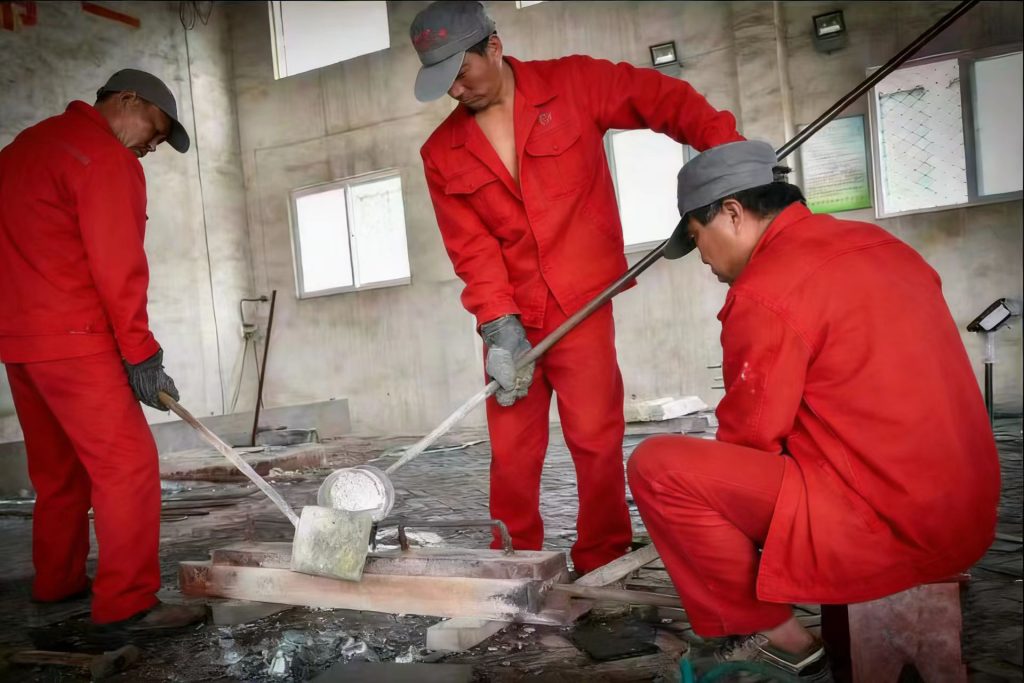
The zinc-aluminum-indium sacrificial anode uses high-purity zinc as the matrix phase, with trace amounts of aluminum and indium added as alloying elements. The content of impurity elements such as iron, copper, and lead is strictly controlled. Precise control of the alloy composition is a core prerequisite for ensuring the electrochemical performance, mechanical properties, and reliability of the anode. The various elements work synergistically in the alloy, optimizing the electrochemical activity of the anode and improving its casting performance and solubility.
Zinc (Zn)
Zinc is the core matrix element of zinc-aluminum-indium sacrificial anodes, typically with a content ≥99.90%. High-purity zinc with a zinc content ≥99.995% is preferred as raw material, meeting the quality requirements for 0# zinc in “Zinc Ingots” (GB/T 470). Zinc has an electrochemical potential of -0.763V (standard hydrogen electrode) and exhibits moderate activity in electrolytes such as seawater and soil. This provides sufficient driving voltage for the protected steel structure, achieving effective cathodic polarization, without causing excessive self-corrosion due to high activity, thus ensuring the anode’s service life.
Aluminum (Al)
Aluminum is one of the core alloying elements in zinc-aluminum-indium sacrificial anodes. The addition amount is typically 0.1%~0.5%. Aluminum plays three main roles in the alloy: first, it refines the alloy grains, reducing casting defects inside the anode, such as porosity and shrinkage. Second, it improves casting performance, ensuring the accuracy of the anode’s dimensions. Third, it forms a protective oxide film. Aluminum preferentially oxidizes on the anode surface to form a dense Al₂O₃ protective film, slowing down the anode’s self-corrosion rate.
Indium (In)
Indium is a key functional element in zinc-aluminum-indium sacrificial anodes. Its content is typically controlled at 0.018%~0.050%. Its core role is to enhance the electrochemical activity and dissolution uniformity of the anode, making it a core environmentally friendly element to replace traditional cadmium.
Indium’s role is reflected in four aspects: first, it lowers the anode’s activation potential. Indium can break through the passivation film on the zinc surface, enabling rapid activation of cathodic protection even in harsh media with low conductivity and low temperature. Second, it ensures uniform dissolution of the anode. Indium enables the anode to form a uniform corrosion product film during corrosion, preventing localized pitting and intergranular corrosion. Thirdly, it improves current efficiency. Indium inhibits hydrogen evolution at the anode, reducing ineffective self-corrosion consumption. Fourthly, it enhances the alloy’s corrosion resistance. The addition of trace amounts of indium can improve the pitting corrosion resistance of zinc alloys, especially in highly corrosive media such as seawater and high-salinity brine, effectively slowing down the corrosion rate of the anode.
Impurity
Zinc-aluminum-indium sacrificial anodes have strict limits on the content of impurity elements such as iron (Fe), copper (Cu), lead (Pb), and silicon (Si). These impurity elements are mostly inert metals or metal compounds, which can form micro-cells inside the anode, causing localized self-corrosion and reducing the anode’s current efficiency and lifespan. They can also lead to anode surface passivation, affecting the stability of current output.
**Iron (Fe):** ≤0.01%. Iron is the most significant impurity affecting the performance of zinc-based anodes. Excess iron will form Fe-Zn intermetallic compounds with zinc, becoming the cathode phase and accelerating anode self-corrosion.
**Lead (Pb):** ≤0.005%. Lead causes intergranular segregation in zinc alloys, resulting in coarse anode grains and reduced dissolution uniformity.
**Copper (Cu):** ≤0.005%. Copper has a higher potential than zinc, forming micro-cathodes inside the anode and causing localized corrosion. Copper also reduces the anode’s activation performance.
**Silicon (Si):** ≤0.01%. Excess silicon reacts with aluminum to form aluminum silicate compounds, reducing alloy fluidity, increasing casting defects, and affecting the electrochemical activity of the anode.
Cadmium (Cd): ≤0.001%, achieving a cadmium-free environmentally friendly design, complying with the EU RoHS directive and meeting environmental standards.
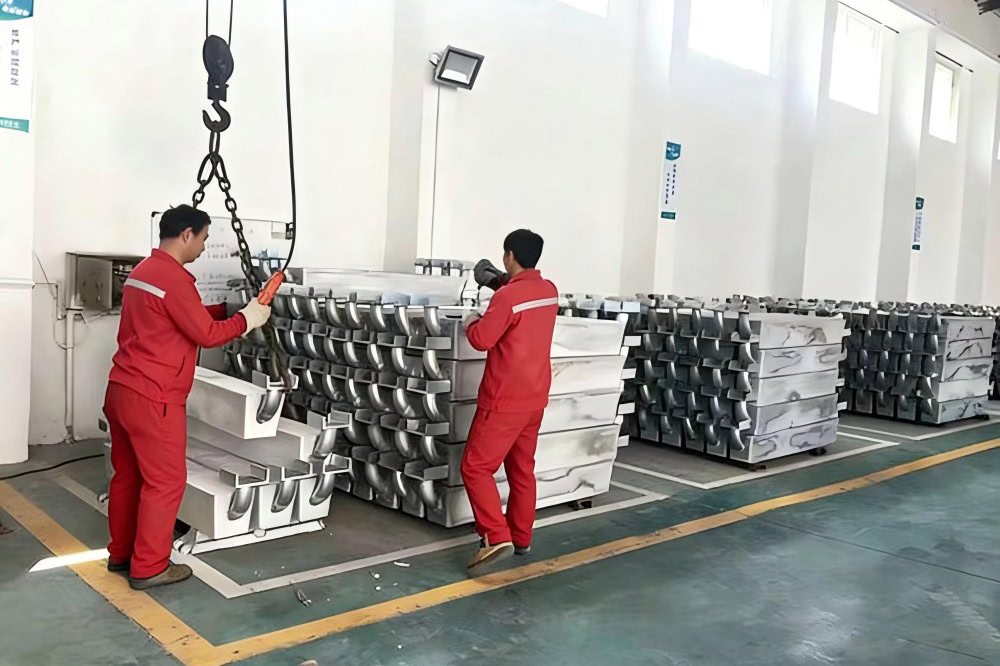
Specifications
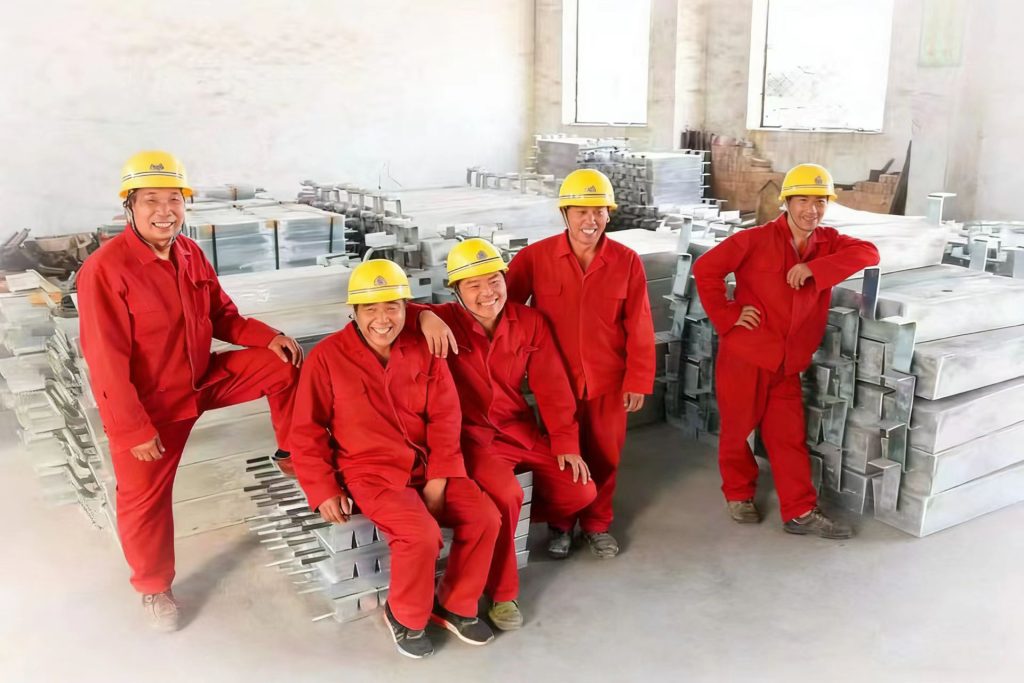
The specifications of zinc-aluminum-indium sacrificial anodes are designed based on application, structure, and installation. Their dimensions, weight, core configuration, and other parameters all meet standard requirements. Different anode specifications are suitable for different protected structures and installation spaces.
Design Principles
* **Installation Compatibility:** The anode shape is designed according to the shape of the protected structure and the available space at the installation location. For example, in the confined space of ship ballast tanks, small plate or block anodes are used. Ring-shaped anodes are used for subsea pipelines.
* **Current Matching:** The required protective current is calculated based on the protected area of the structure and the corrosion rate of the medium. The weight and dimensions of the anode are designed to ensure that the anode can provide sufficient effective current to meet the protection requirements throughout its entire life cycle.
* **Ease of Installation:** The core, bolts, welding points, and other structures are designed according to the installation requirements. For example, anodes for buried pipelines have a threaded steel core for easy integration with packing material and cable connections; anodes for ship hulls have a steel plate core for easy welding and fixing.
***Guaranteeing Strength***: The thickness and length of the anode are designed according to the mechanical conditions of the operating environment, such as seawater flow velocity and soil compression, to prevent damage or breakage during transportation, installation, and use.
Application Specifications
Zinc-aluminum-indium sacrificial anodes are mainly classified into three categories: marine/port, shipboard, and buried/freshwater facilities.
Marine.
These anodes are primarily block-shaped structures, configured with steel pipes, threaded steel bars, or steel plate cores, with a weight range of 9kg to 275kg. They are suitable for large steel structures such as offshore platforms, wharf steel piles, seawater ballast tanks, and seabed caissons.
| Model | Dimensions (mm) | Core | Weight (kg) | Fixing | Application |
|---|---|---|---|---|---|
| AZI-H1 | (220+240) * 2300 * 230 | Steel Pipe | 275 | Welding | Large offshore platforms, deep-water terminal piles. |
| AZI-H2 | (200+210) * 1600 * 220 | Steel Pipe | 165 | Welding | Medium offshore platforms, seawater ballast tanks. |
| AZI-H3 | (170+200) * 1500 * 180 | Steel Pipe | 144 | Welding | Small offshore platforms, subsea caissons. |
| AZI-H4 | (200+280) * 800 * 150 | Ribbed Steel Bar | 80 | Welding | Terminal piles, coastal defense embankments. |
| AZI-H5 | (115+135) * 1250 * 130 | Ribbed Steel Bar | 55 | Welding | Small terminal piles, seawater cooling systems. |
| AZI-H6 | (150+170) * 900 * 160 | Steel Pipe | 53 | Welding | Seawater pump bodies, offshore engineering accessories. |
| AZI-H12 | (52+58) * 1100 * 56 | Steel Plate | 9 | Welding | Small offshore engineering accessories, seawater flowmeters. |
← Swipe left/right to view full table →
Ship anodes
These anodes are primarily plate-shaped with a steel plate core. Some smaller anodes are coreless. They weigh between 0.4 kg and 9.5 kg and are suitable for use in ship hulls, bottoms, cabins, shafting, and other components. Installation is mainly by welding and screw fixing.
| Model | Dimensions (mm) | Core | Weight (kg) | Fixing | Application |
|---|---|---|---|---|---|
| AZI-C1 | 800 × 140 × 40 | Steel Plate | 9.5 | Welding | Ship hulls, large ship bottom sections. |
| AZI-C2 | 500 × 140 × 35 | Steel Plate | 5.3 | Welding | Ship sides, medium-sized ship bottom sections. |
| AZI-C3 | 500 × 100 × 40 | Steel Plate | 5 | Welding | Ship interiors, ship ballast tanks. |
| AZI-C8 | 180 × 70 × 35 | Steel Plate | 1.3 | Welding | Ship shaft systems, small ship accessories. |
| AZI-C9 | 180 × 80 × 12 | Steel Plate | 0.4 | Screwing | Ship precision components, instrument panels. |
| AZI-C12 | 180 × 60 × 30 | No Core | 0.5 | Welding | Small ship pipes, valves. |
← Swipe left/right to view full table →
Buried/Freshwater
These anodes are mainly in rod, strip, and small block structures. Rod-shaped anodes typically have a diameter of 20mm-100mm and a length of 500mm-2000mm. Strip-shaped anodes have a width of 20mm-100mm and a thickness of 2mm-10mm. Block-shaped anodes weigh 1kg-50kg and are suitable for buried steel pipelines, urban water supply and drainage networks, freshwater storage tanks, and inland waterway vessels. The core is mostly made of threaded steel for easy bonding and installation with packing material.
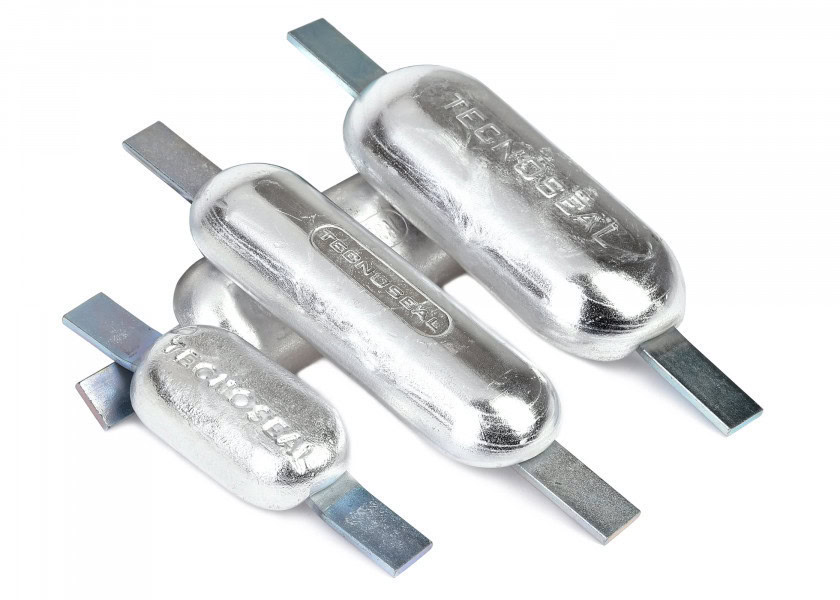
Core
The core is an important component of the zinc-aluminum-indium sacrificial anode. Its main function is to enhance the structural strength of the anode and facilitate installation, fixing, and cable connection. The material, dimensions, and processing technology of the core must meet standard requirements to prevent galvanic corrosion between the core and the anode body, which would affect anode performance.
The length of the iron core must extend 50mm to 100mm beyond both ends of the anode body. The surface of the iron core must be cleaned of rust and oil, and sandblasted to Sa2.5 grade. The connection between the iron core and the anode body must be tight, without gaps or loose connections, to ensure that the anode current can be effectively transmitted through the iron core.
Electrochemical Performance
Electrochemical performance is a core indicator for evaluating the quality of zinc-aluminum-indium sacrificial anodes. It directly determines their cathodic protection effect and service life. This includes open-circuit potential, working potential, actual capacity, current efficiency, and dissolution performance.
Indicators and Standards
The electrochemical performance indicators of zinc-aluminum-indium sacrificial anodes are all based on the saturated calomel electrode (SCE) as the reference electrode. International standards use the copper/copper sulfate electrode (CSE), and the potential conversion relationship between the two reference electrodes is: E (CSE) = E (SCE) + 0.06V.
| Performance | Test Medium | Standard Requirement | Test Method |
|---|---|---|---|
| Open Circuit Potential (V) | Artificial seawater (salinity 3.5%, 25℃) | -1.05 ~ -1.15 | Potentiometric titration, in accordance with GB/T 17848 |
| Operating Potential (V) | Artificial seawater (salinity 3.5%, 25℃) | -1.00 ~ -1.10 | Galvanostatic polarization, in accordance with GB/T 17848 |
| Actual Capacitance (Ah/kg) | Artificial seawater (salinity 3.5%, 25℃) | ≥ 700 | Galvanostatic discharge, in accordance with GB/T 4950 |
| Current Efficiency (%) | Artificial seawater (salinity 3.5%, 25℃) | ≥ 90 | Weight loss method, in accordance with GB/T 4950 |
| Self-Corrosion Rate (mm/a) | Artificial seawater (salinity 3.5%, 25℃) | ≤ 0.5 | Immersion test, in accordance with GB/T 10124 |
| Dissolution Performance | Artificial seawater (salinity 3.5%, 25℃) | Uniform dissolution, no local corrosion or intergranular corrosion. | Visual inspection + Metallographic analysis. |
← Swipe left/right to view full table →
For zinc-aluminum-indium sacrificial anodes used in freshwater and buried applications, the electrochemical performance indicators can be fine-tuned according to the medium’s resistivity. For example, freshwater anodes require an open-circuit potential of -1.00 to -1.10V (SCE), with an actual capacity of ≥680 Ah/kg and a current efficiency of ≥88%; buried anodes require an open-circuit potential of -1.02 to -1.13V (SCE), with an actual capacity of ≥690 Ah/kg and a current efficiency of ≥89%.
Open Circuit Potential
Open circuit potential refers to the electrode potential of a zinc-aluminum-indium sacrificial anode in an electrolyte after reaching electrochemical equilibrium, before being connected to the protected metal. It is a fundamental indicator for measuring the electrochemical activity of the anode. The open circuit potential of the zinc-aluminum-indium sacrificial anode is controlled at -1.05~-1.15V (SCE), which ensures sufficient driving voltage for the protected steel structure (the protection potential of the steel structure is -0.85V~-1.20V (CSE)), while avoiding hydrogen embrittlement of the protected metal caused by excessively negative potential. The synergistic effect of aluminum and indium is key to adjusting the open circuit potential. Aluminum slightly increases the anode potential, preventing excessively negative potential. Indium lowers the activation potential of the anode, enhancing its activity. The precise ratio of the two allows for precise control of the open circuit potential.
Working Potential
The working potential refers to the electrode potential of the zinc-aluminum-indium sacrificial anode after it is connected to the protected metal and is in operation. It is a key indicator for measuring the actual protective effect of the anode. The working potential of the zinc-aluminum-indium sacrificial anode is stable at -1.00~-1.10V (SCE). This potential range allows the protected steel structure to be in the optimal cathodic polarization state, effectively inhibiting the anodic dissolution reaction of the steel. Compared with traditional zinc-aluminum-cadmium sacrificial anodes, the working potential of the zinc-aluminum-indium sacrificial anode is more stable, with a potential fluctuation of ≤0.05V during long-term use, avoiding under-protection or over-protection caused by potential fluctuations.
Actual Capacity and Current Efficiency
Actual capacity refers to the effective electrical charge that a unit weight of zinc-aluminum-indium sacrificial anode can output under specified conditions. Current efficiency is the ratio of the actual effective electrical charge output by the anode to the theoretical electrical charge. These two are key indicators for measuring the energy utilization rate and service life of the anode. The theoretical capacity of zinc is 780 Ah/kg. The actual capacity of the zinc-aluminum-indium sacrificial anode is ≥700 Ah/kg, and the current efficiency is ≥90%, which is significantly higher than magnesium-based sacrificial anodes (current efficiency 50%~60%) and slightly higher than traditional zinc-aluminum-cadmium sacrificial anodes (current efficiency 85%~90%).
The addition of indium is the core factor in improving current efficiency. Indium can inhibit the hydrogen evolution reaction during anode discharge, reducing ineffective self-corrosion consumption, and ensuring that most of the anode dissolution is converted into effective current output.
Dissolution Performance
Dissolution performance refers to the corrosion and dissolution behavior of zinc-aluminum-indium sacrificial anodes in electrolytes. It is an important indicator for measuring the anode’s service life and current output stability. Zinc-aluminum-indium sacrificial anodes are required to achieve uniform dissolution, meaning that the anode surface thins uniformly during corrosion, without localized pitting, intergranular corrosion, crevice corrosion, or other non-uniform corrosion phenomena. The corrosion products should be loose and easily detached, preventing the formation of a dense passivation film on the anode surface that would affect current output.
Different Media
The electrochemical performance of zinc-aluminum-indium sacrificial anodes is affected by factors such as salinity, resistivity, temperature, and pH value of the medium. Performance varies in different media.
- Salinity
Higher salinity leads to higher electrical conductivity of the medium, stronger electrochemical activity of the anode, more negative open-circuit potential, and higher current efficiency. In seawater (salinity 3.5%), the current efficiency of the anode is ≥90%; in brackish water (salinity 0.5%~1.0%), the current efficiency is 88%~90%; in fresh water (salinity <0.5%), the current efficiency is 85%~88%.
- Resistivity
The resistivity of the medium is negatively correlated with the current output of the anode; higher resistivity results in lower current output. When the soil resistivity is ≤20Ω・m, the current output of the anode is stable; at a resistivity of 20Ω・m~50Ω・m, backfill material is needed to reduce contact resistance; at a resistivity >50Ω・m, a deep well anode ground bed is required to improve current output efficiency.
- Temperature
Increasing the temperature enhances the electrochemical activity of the anode, lowers the anode activation potential, and increases current output. At temperatures between 0℃ and 25℃, the current efficiency of the anode increases with increasing temperature; at temperatures between 25℃ and 40℃, the current efficiency remains stable; at temperatures >40℃, the hydrogen evolution reaction intensifies, and the current efficiency decreases slightly (decrease ≤5%).
- pH Value
Zinc-aluminum-indium sacrificial anodes perform best in neutral and weakly alkaline media (pH 6.5~8.5), with a current efficiency of ≥90%; in acidic media (pH <6.5), the hydrogen evolution reaction intensifies, the self-corrosion rate increases, and the current efficiency decreases; in strongly alkaline media (pH >8.5), a passivation film easily forms on the anode surface, affecting current output.
Advantages of Zinc-Aluminum-Indium Sacrificial Anodes
Zinc-aluminum-indium sacrificial anodes retain the core advantages of zinc-based anodes, such as stable potential, high current efficiency, and easy installation and maintenance, while achieving improvements in performance, environmental friendliness, and lifespan. Compared to traditional zinc-aluminum-cadmium sacrificial anodes, magnesium-based sacrificial anodes, and aluminum-based sacrificial anodes, they offer significant overall advantages and are currently the preferred material for cathodic protection of steel structures in various media such as seawater, soil, and freshwater.
Superior Electrochemical Performance
Compared to traditional zinc-aluminum-cadmium sacrificial anodes, zinc-aluminum-indium sacrificial anodes achieve comprehensive optimization of electrochemical performance through the synergistic effect of aluminum and indium: firstly, the potential is more stable, avoiding insufficient or over-protection caused by potential fluctuations; secondly, the current efficiency is higher, with a current efficiency of ≥90%, resulting in higher energy utilization; thirdly, the dissolution is more uniform, without local pitting corrosion or intergranular corrosion, and the corrosion products are easily detached.
In practical applications, the protective effect of zinc-aluminum-indium sacrificial anodes is far superior to traditional zinc-aluminum-cadmium sacrificial anodes. Taking ship corrosion protection as an example, the corrosion rate of ship hulls using zinc-aluminum-indium sacrificial anodes is ≤0.01 mm/a, which is significantly lower than that of ships using zinc-aluminum-cadmium anodes (corrosion rate 0.02 mm/a~0.03 mm/a), extending the protection life by 3-5 years.
Lower Overall Cost
Zinc-aluminum-indium sacrificial anodes have high current efficiency, low self-corrosion rate, and good dissolution uniformity. Their actual service life is far longer than traditional zinc-based and magnesium-based anodes. The self-corrosion rate of zinc-aluminum-indium sacrificial anodes is ≤0.5 mm/a. In seawater, their actual service life can reach 15-20 years; in soil, with the use of backfill material, the service life can reach 20-25 years; in freshwater, the service life can reach 10-15 years.
Compared to traditional zinc-aluminum-cadmium sacrificial anodes (service life of 10-15 years in seawater), the service life of zinc-aluminum-indium sacrificial anodes is extended by 30%-50%; compared to magnesium-based sacrificial anodes (service life of 5-8 years in soil), their service life is extended by 200%-300%.
Suitable for Various Corrosive Media
Zinc-aluminum-indium sacrificial anodes are suitable for a variety of corrosive media, including seawater, brackish water, brine, soil, freshwater, and oil and gas field produced water. They can operate stably in environments with varying temperatures, salinities, and resistivities, offering a much wider range of applications than traditional zinc-based and magnesium-based anodes.
Zinc-aluminum-indium anodes for seawater applications can operate stably in seawater with a salinity of 0.5% to 3.5% and a temperature of 0℃ to 40℃; anodes for buried applications can operate stably in soil with a resistivity of ≤50Ω・m, and with deep well anode groundbeds and backfill materials, they can be adapted to high-resistivity soils with resistivity >50Ω・m; anodes for freshwater applications can operate stably in freshwater with a pH value of 6.5 to 8.5. In addition, zinc-aluminum-indium sacrificial anodes can also be adapted to complex media such as oil and gas field produced water. In sulfur-containing and chlorine-containing oil and gas field produced water, their current efficiency can still be maintained at over 85%, which is far superior to other types of sacrificial anodes.
Standards
The research, manufacturing, testing, and application of zinc-aluminum-indium sacrificial anodes all adhere to internationally recognized standards. The standard system covers various aspects, including chemical composition, electrochemical performance, specifications, test methods, inspection rules, and installation specifications. International standards primarily include those from the American Society for Testing and Materials (ASTM), European Union standards (DIN EN), and the National Association of Corrosion Engineers (NACE). There are slight differences in the performance indicators specified by different standards.
ASTM B418-2025
“Standard Specification for Zinc and Zinc-Aluminum Alloy Anodes for Cathodic Protection”. This standard is the core specification for international zinc-based sacrificial anodes, covering cast and wrought zinc anodes, and is applicable to cathodic protection in seawater, brackish water, and soil. The standard classifies anodes into two types: Type I (zinc-aluminum-cadmium/indium system) suitable for highly corrosive seawater environments, and Type II suitable for weakly corrosive soil/freshwater environments; it clearly specifies the compositional limits for elements such as aluminum, indium, iron, copper, and lead (e.g., aluminum 0.1% – 0.5%, indium 0.02% – 0.08%, iron ≤0.01%); it also standardizes electrochemical performance testing methods (open-circuit potential, current efficiency, capacity) and dimensional tolerance requirements, serving as a core basis for international procurement and trade.
DIN EN 12473:2020
“Zinc alloy anodes for cathodic protection”. This is a European Union standard, equivalent to ISO 14600, applicable to zinc and zinc-aluminum alloy sacrificial anodes. Core requirements include: alloy composition (zinc ≥99.45%, aluminum 0.3% – 0.5%, indium 0.02% – 0.05%), electrochemical performance (current efficiency in seawater medium ≥90%, actual capacity ≥700Ah/kg), and uniform dissolution (no localized pitting); it mandates that products pass ROHS environmental certification (cadmium ≤0.001%), which is a prerequisite for market access in the EU.
NACE SP0176-2024
“Control of External Corrosion on Underground or Submerged Metallic Piping Systems”. The International Association of Corrosion Engineers (NACE) standard focuses on the design and implementation of cathodic protection systems for buried/underwater metal pipelines. It provides detailed specifications for the application of zinc-aluminum-indium anodes: buried anodes require backfill material (gypsum + bentonite + sodium sulfate) to reduce contact resistance; the distance between the anode and the pipeline must be ≥3m, and the spacing between anodes must be ≥3 times the anode length; regular monitoring of the protection potential (steel pipeline protection potential ≤-0.85V CSE) and anode consumption rate is mandatory, making it a core standard in the oil and gas pipeline industry.
ISO 14600:2021
“Cathodic protection of steel in soil or water.” This is a general standard from the International Organization for Standardization, covering the design, material selection, and construction acceptance of cathodic protection for steel structures in soil/water environments. Key requirements for zinc-aluminum-indium anodes include: chemical composition (impurity elements iron ≤0.01%, copper ≤0.005%), electrochemical performance (working potential stable at -1.00~-1.10V SCE), and service life (≥20 years in soil, ≥15 years in seawater); it also specifies the electrical connection method between the anode and the protected structure (thermite welding) and insulation protection requirements.
Conclusion
Zinc-aluminum-indium sacrificial anodes are environmentally friendly sacrificial anodes based on a zinc alloy. Using high-purity zinc as the base material, trace amounts of aluminum and indium are added to form an alloy system, replacing the toxic cadmium element in traditional zinc-aluminum-cadmium anodes, thus achieving environmental protection upgrades. Its core advantages include: superior environmental performance (cadmium-free, compliant with RoHS), stable electrochemical performance (open circuit potential -1.05~-1.15V SCE, current efficiency ≥90%), uniform dissolution (no localized pitting), long service life (15-20 years in seawater, 20-25 years in soil), and wide range of applications (seawater, freshwater, soil, oil and gas field produced water).
Wstitanium, with its six core advantages in technology research and development, raw material control, manufacturing, quality inspection, customized services, and environmental compliance, has become a high-end manufacturer of zinc-aluminum-indium sacrificial anodes. We provide a one-stop anode solution to meet the corrosion protection needs of various fields, including marine engineering, shipbuilding, oil and gas, urban pipeline networks, and new energy.