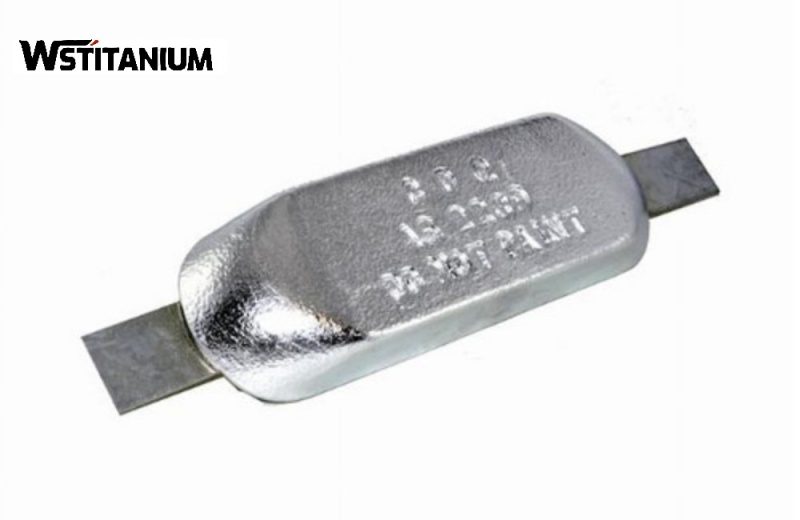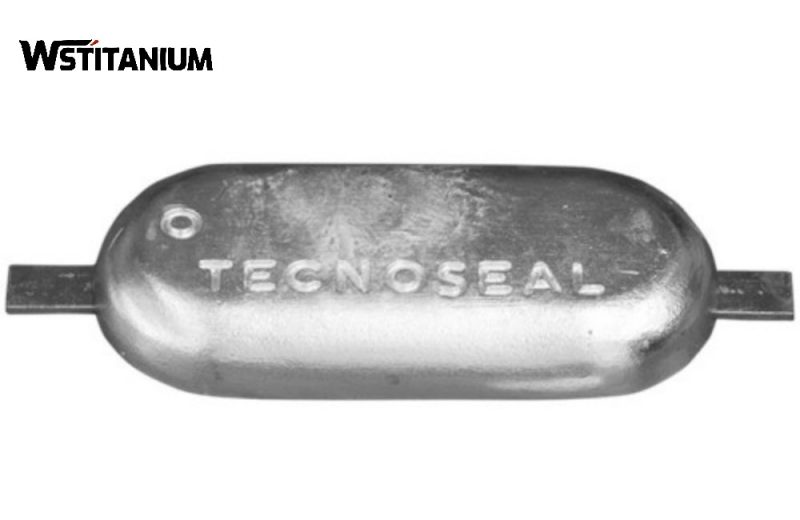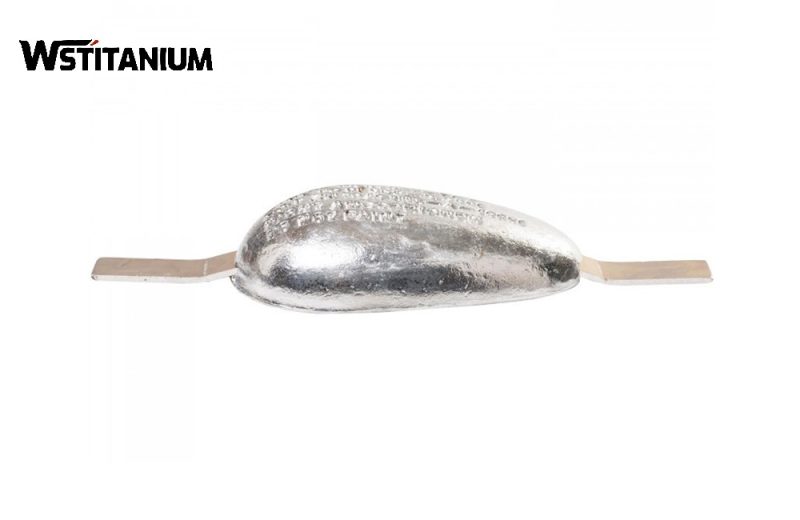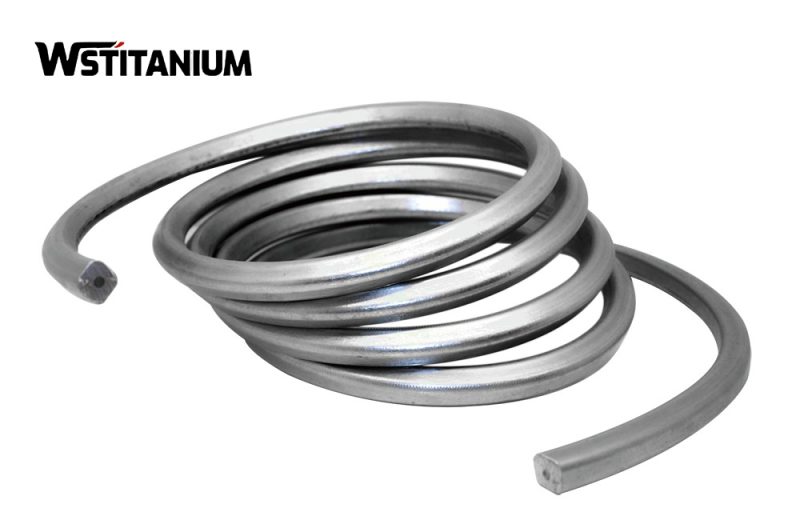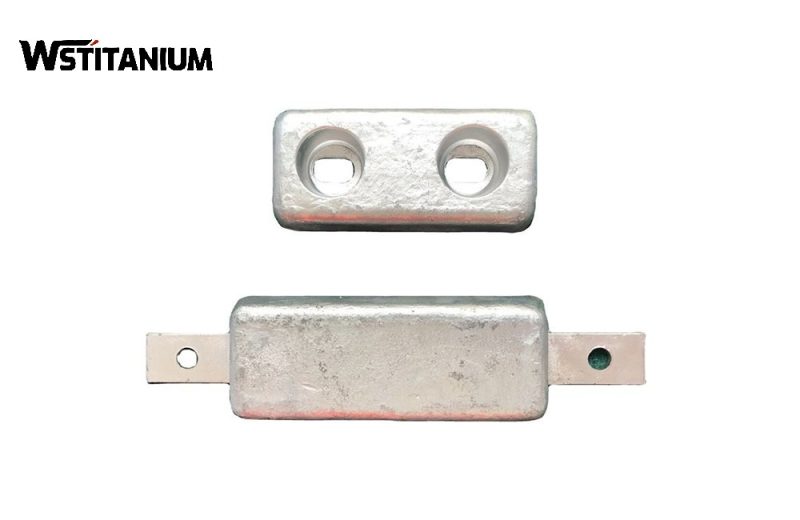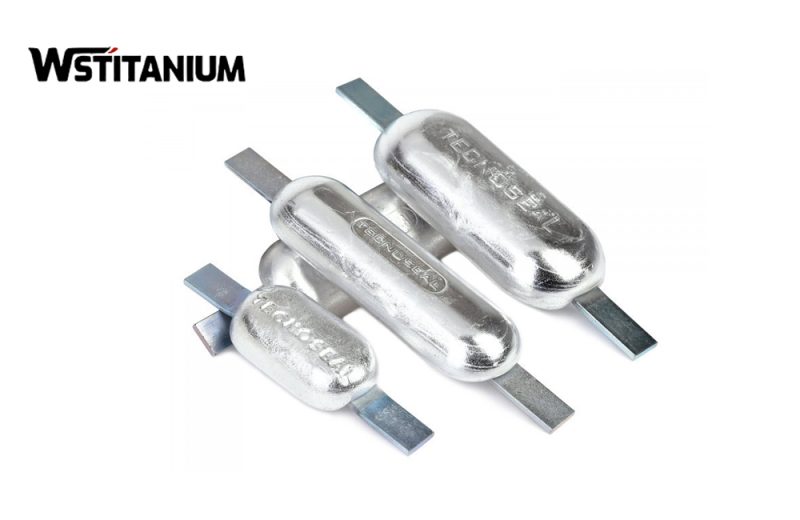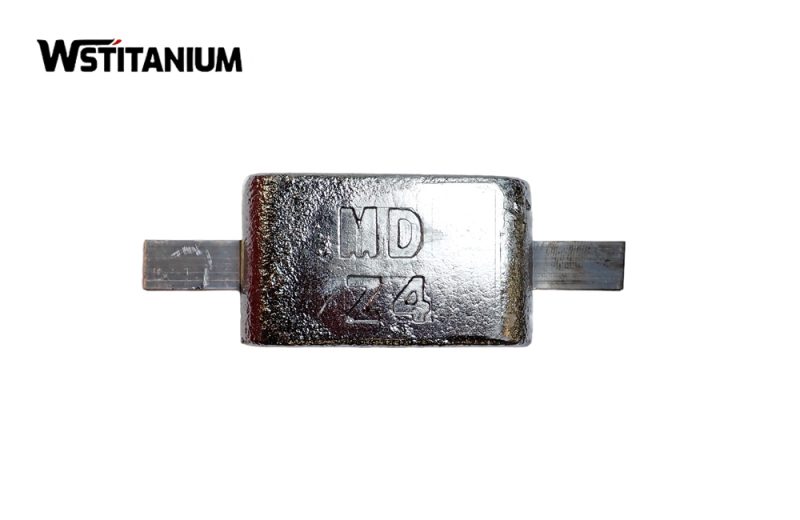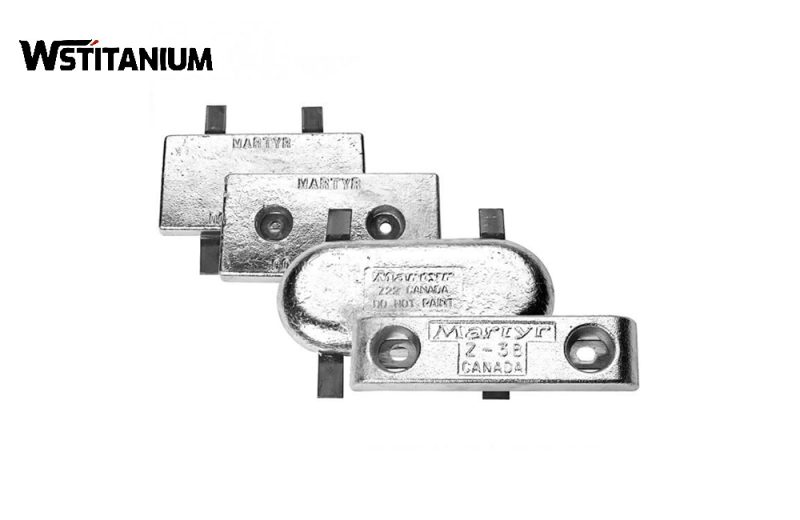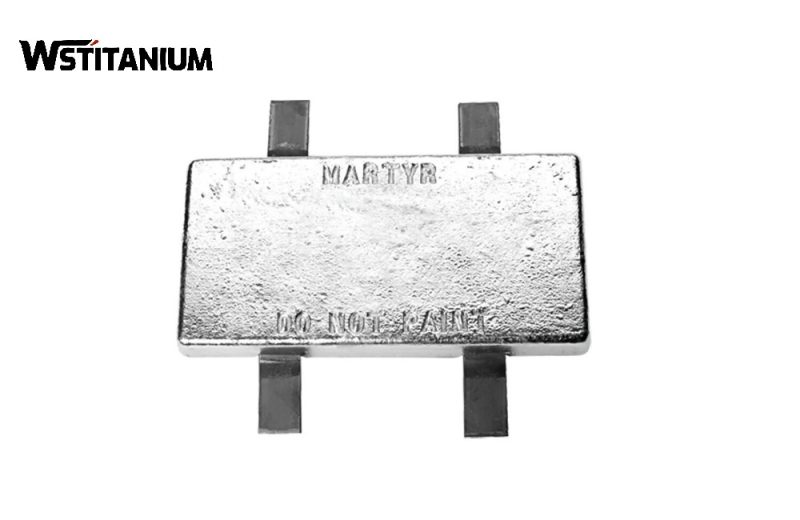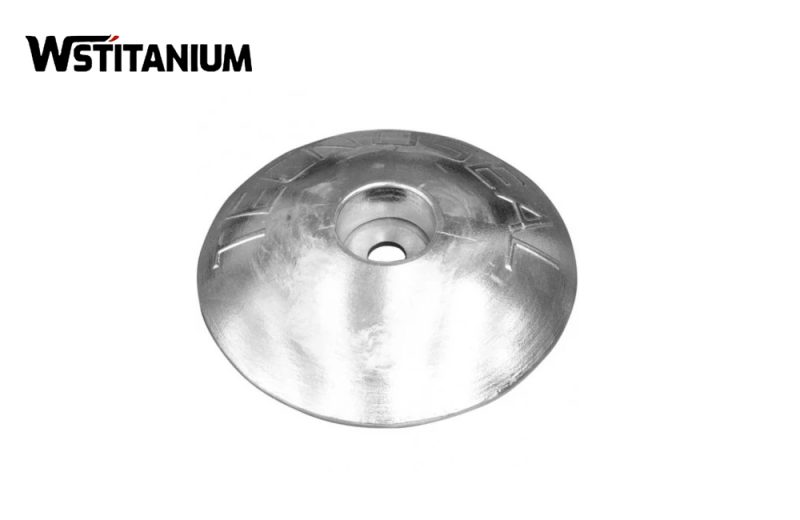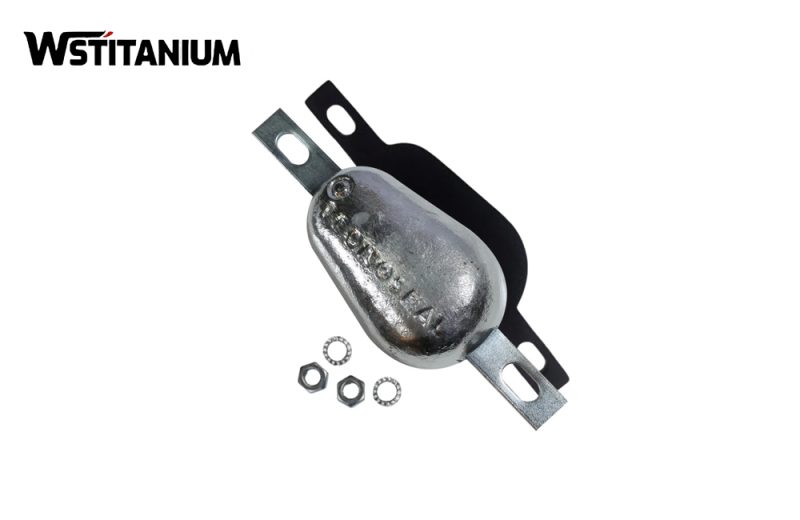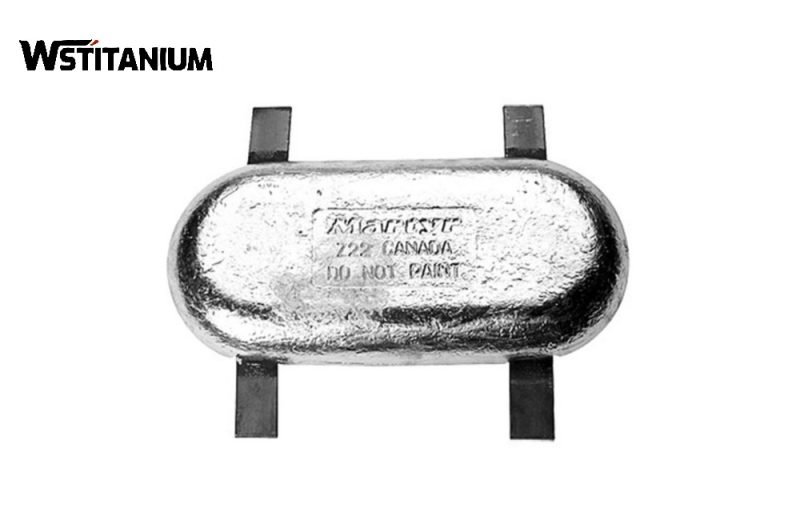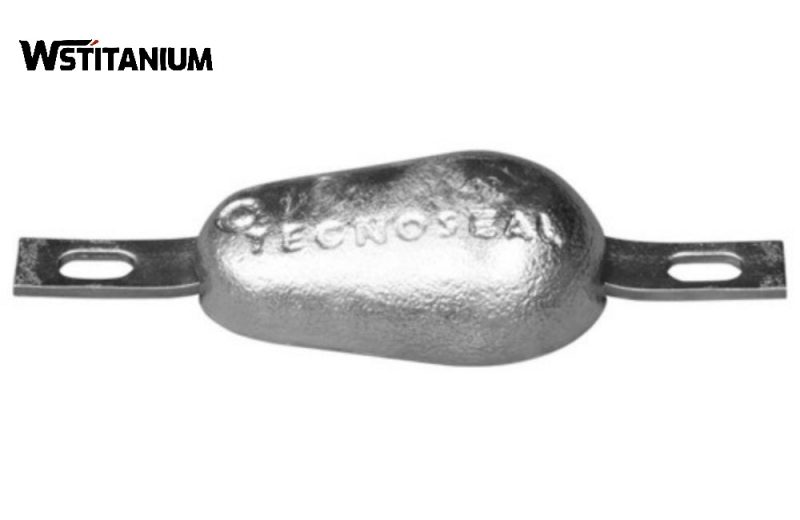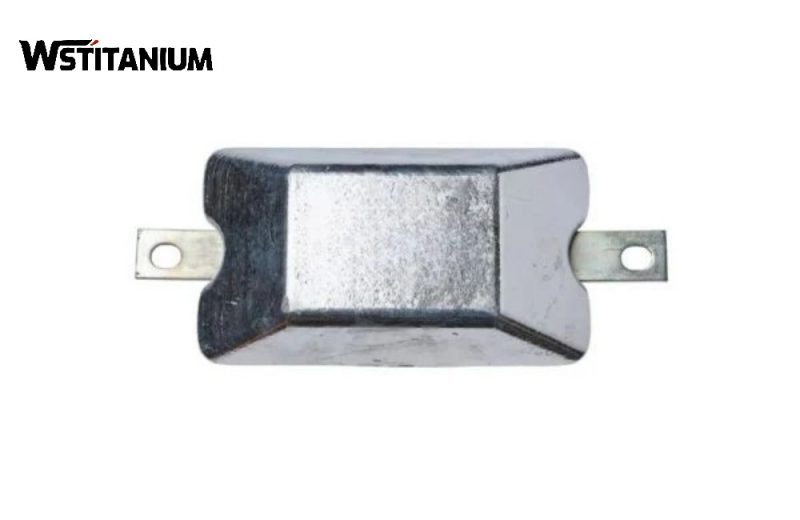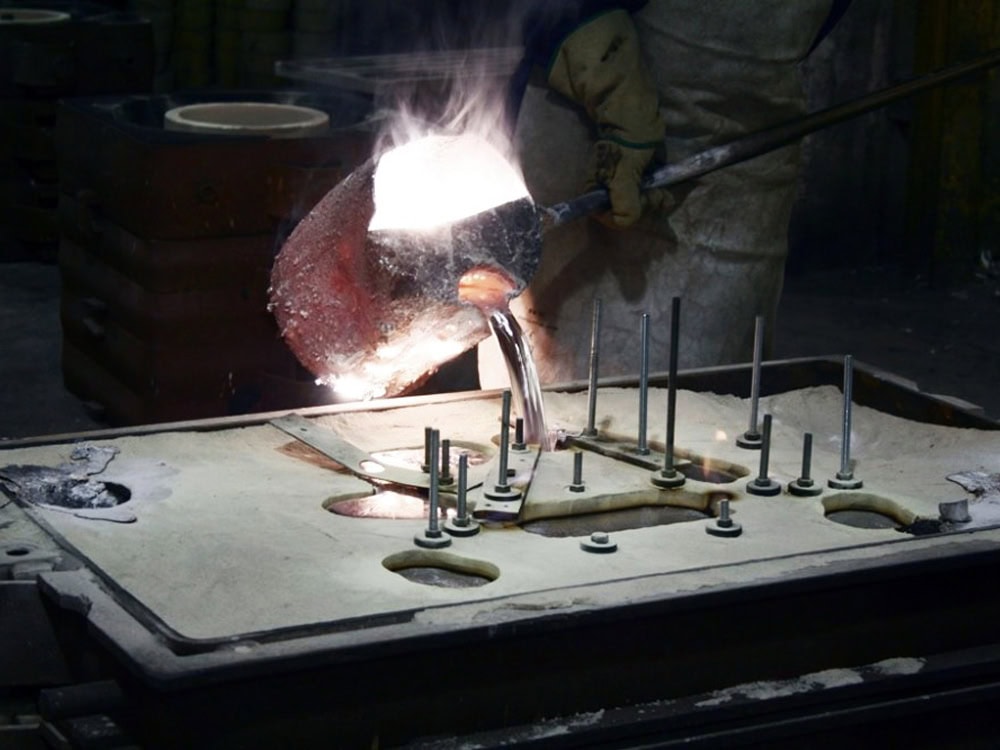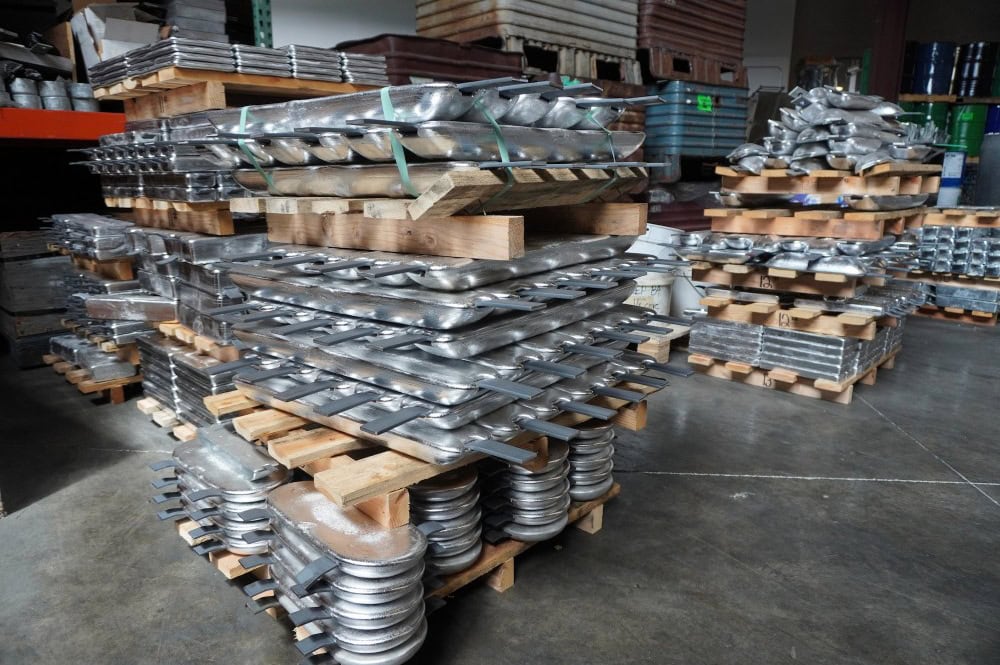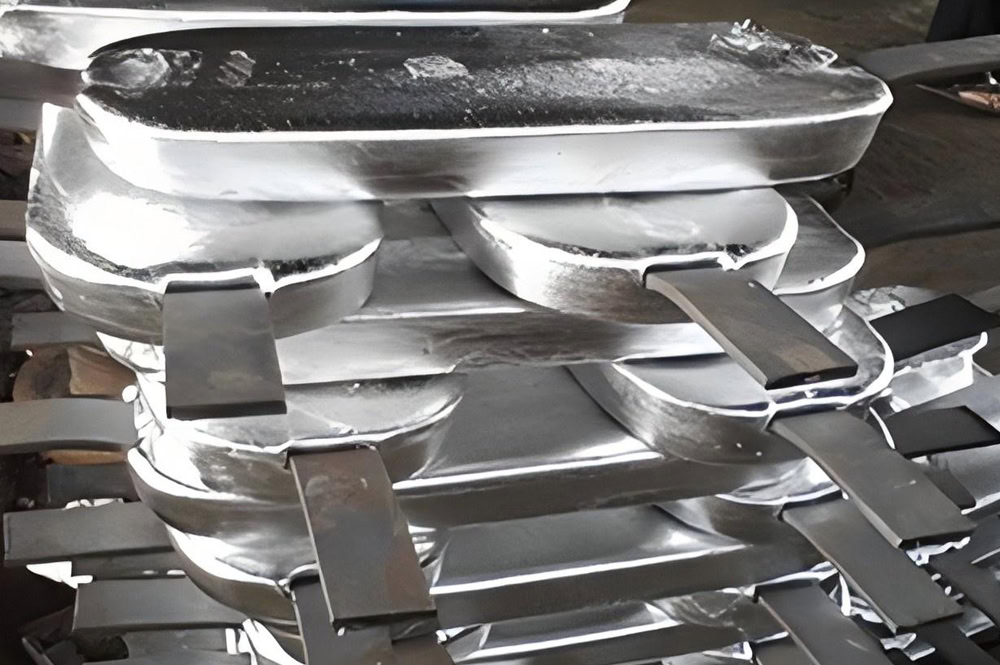
Flexible zinc sacrificial anode strips, as a specialized product within the sacrificial anode family, overcome the limitations of traditional block and bracelet-type zinc anodes in complex structures due to their excellent flexibility, wrap-around capability, and spatial adaptability. They have become the preferred solution for applications such as buried pipelines, internal facilities of casings, storage tank bottoms, and curved surfaces of ships.
What are Ribbon Zinc Sacrificial Anodes?
The ribbon-shaped flexible zinc sacrificial anode uses pure zinc or a zinc alloy as its base material, with a built-in conductive core. It utilizes the galvanic cell effect to act as the anode, undergoing oxidative dissolution to provide comprehensive and long-lasting corrosion protection for the protected metal. Compared to traditional zinc anodes, its bendable, wrap-around, and segmented installation characteristics make it perfectly suited for pipe elbows, valves, narrow casings, etc., and it is widely used in the oil and gas, urban water supply and drainage, marine engineering, and military shipbuilding industries.
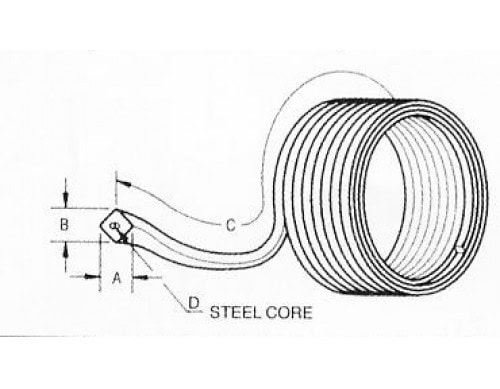
The core structure consists of an extruded zinc alloy strip body + an embedded continuous galvanized steel core. The steel core has a diameter of 4-5mm, a galvanizing layer thickness of ≥30μm, and a metallurgical bonding area with the zinc alloy body of ≥30%, preventing the core from peeling off the zinc layer. The strip body has a rectangular cross-section, a thickness of 0.5-3mm, a width of 10-200mm, and a standard roll length of 30.5-100m, with customizable lengths to reduce the number of joints. The bending radius is ≥30mm, allowing it to be wound into spiral or disc shapes, suitable for curved structures such as pipes and tanks. The core function is pure cathodic protection, suitable for conventional corrosion protection scenarios without stray current interference.
Types of Strip Zinc Sacrificial Anodes
Strip flexible zinc sacrificial anodes are classified based on material, electrochemical performance, structural design, and application scenarios. Different types of anodes have distinct differences in composition, current output capacity, flexibility, and applicable media. All types adhere to the core design principles of low impurities, high current efficiency, and uniform dissolution.
According to the American Society for Testing and Materials (ASTM) B418 standard, ribbon flexible zinc sacrificial anodes are divided into two main types: Type I (zinc-aluminum-cadmium system) and Type II (high-purity zinc system). These two types differ significantly in chemical composition and electrochemical performance, making them suitable for different corrosive media environments.
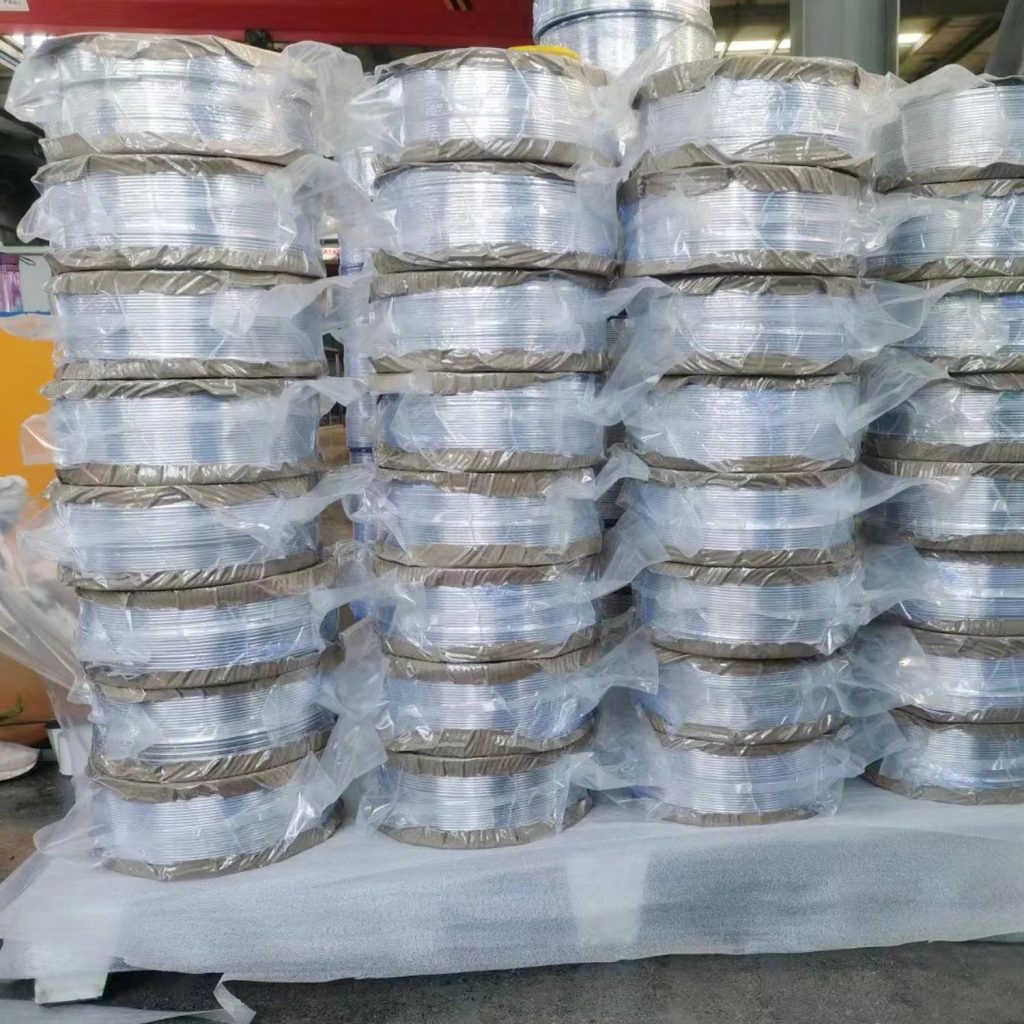
Type I Zinc-Aluminum-Cadmium
The core composition is Zn-0.1~0.5Al-0.025~0.07Cd, with strict control of impurities such as lead (Pb≤0.006%), iron (Fe≤0.005%), and copper (Cu≤0.005%), and the total amount of other impurities ≤0.1%. This type of anode has high electrochemical activity, with an open-circuit potential ≥-1.05V (relative to the saturated calomel electrode SCE), a closed-circuit potential ≥-1.00V, a theoretical capacity ≥780 A·h/kg, a current efficiency ≥95%, and a consumption rate of 11.2 kg/(A·y). It has a strong current output capacity and is suitable for low-resistivity (<50Ω·cm) media environments such as seawater and brackish water, including offshore platforms, ship hulls, and subsea pipelines.
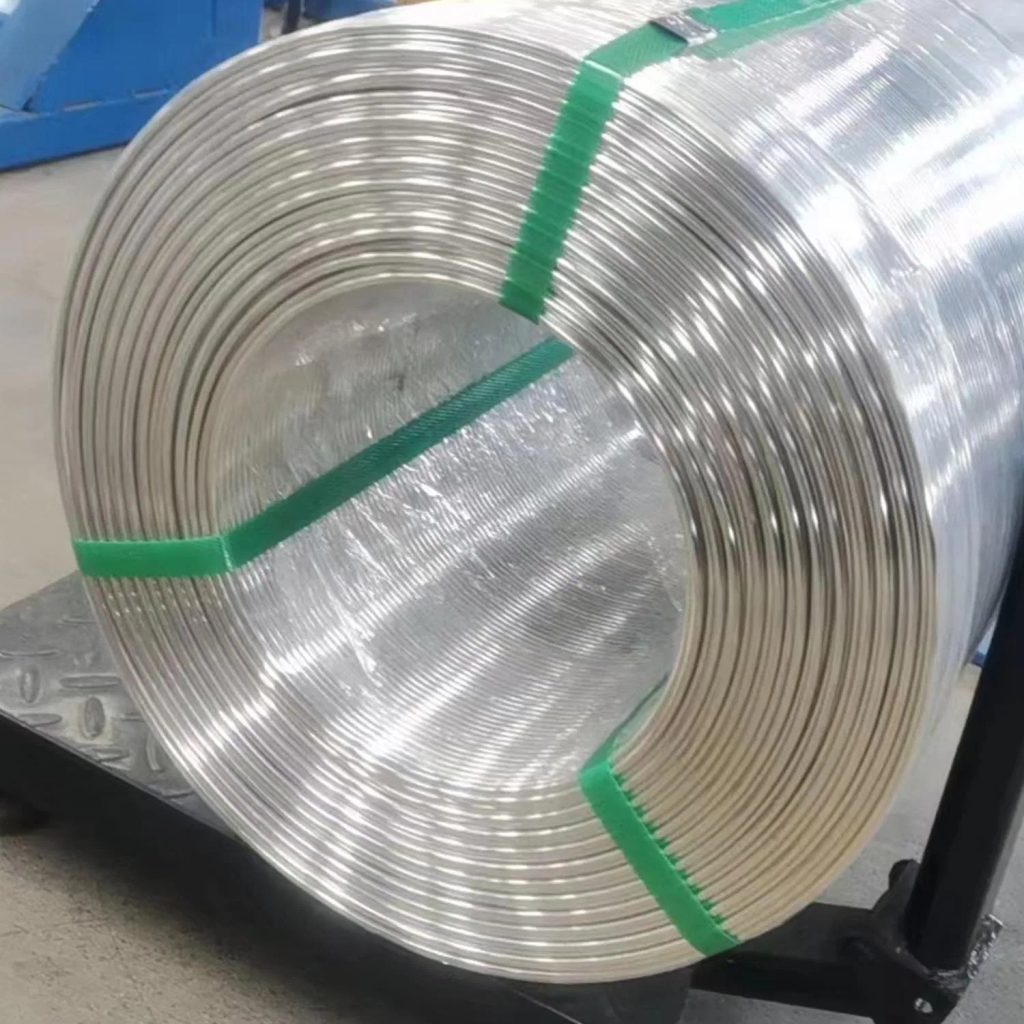
Type II (High-Purity Zinc)
Cadmium-free environmentally friendly zinc anode. The zinc matrix purity is ≥99.95%, with aluminum (Al≤0.005%), cadmium (Cd≤0.003%), iron (Fe≤0.0014%), lead (Pb≤0.003%), copper (Cu≤0.002%), and a total of other impurities ≤0.01%. Open-circuit potential ≥ -1.10V (SCE), closed-circuit potential ≥ -1.05V, theoretical capacity ≥ 820 A·h/kg, actual capacity ≥ 740 A·h/kg, current efficiency ≥ 90%, consumption rate 11.9 kg/(A·y). It complies with EU RoHS environmental standards and is suitable for low to medium resistivity (50~2000 Ω·cm) media environments such as fresh water, moist soil, and drinking water pipelines.
Specifications and Parameters
The specifications and parameters of strip-type flexible zinc sacrificial anodes are primarily based on cross-sectional dimensions, unit weight, capacitance per unit length, and core specifications. The mainstream models in China are the ZR series (ZR-1 to ZR-4), corresponding to ASTM B418 Type I/Type II. The dimensional tolerances and weight deviations for all specifications must comply with GB/T 4950-2021 and ASTM B418 standards. Dimensional deviation ≤ ±0.5mm, weight deviation ≤ ±3%.
Chinese ZR Series (GB/T 4950-2021)
The ZR series is a general-purpose strip-type flexible zinc sacrificial anode for buried engineering and water supply and drainage pipeline networks in China. It is divided into four models: ZR-1, ZR-2, ZR-3, and ZR-4. Their cross-sectional dimensions decrease sequentially from largest to smallest, adapting to different current requirements and installation spaces. The core material is Zn-0.3Al-0.1Cd zinc alloy (Type I) / high-purity zinc (Type II), with a built-in galvanized steel core.
| Model | Cross-section (mm) | Weight (g/cm) | Weight (kg/m) | Steel Core Diameter (mm) | Standard Length (m) | Open Circuit Potential (V, Cu/CuSO₄) | Current Efficiency (%) | Application |
|---|---|---|---|---|---|---|---|---|
| ZR-1 | 25.40×31.75 | 35.72 | 3.57 | 4.7 | 30.5/50 | -1.05 | ≥95 | High resistivity environments, large area protection. |
| ZR-2 | 15.88×22.23 | 17.82 | 1.785 | 3.5 | 30.5/100 | -1.1 | ≥90 | General purpose, stray current drainage. |
| ZR-3 | 12.70×14.28 | 8.93 | 0.893 | 2.8 | 50/100 | -1.1 | ≥90 | Low resistivity environments, intact coating structures. |
| ZR-4 | 8.73×10.32 | 5.32 | 0.532 | 2 | 100 | -1.05 | ≥90 | Space-constrained, weight-sensitive scenarios. |
← Swipe left/right to view full table →
International Standard (ASTM B418)
Internationally used strip-type flexible zinc sacrificial anodes are classified according to ASTM B418 Type I/Type II. Specifications are in inches. Leading manufacturers such as DNV of Norway use this specification system. The cross-section is mainly rectangular, and the core is made of galvanized steel wire.
| Type | Cross-section (in) | Metric (mm×mm) | Core Diameter (mm) | Weight (kg/m) | Capacitance (A·h/kg) | Consumption Rate (kg/(A·y)) | Suitable Medium |
|---|---|---|---|---|---|---|---|
| Type I | 1×1.25 | 25.4×31.75 | 4.7 | 3.57 | 780 | 11.2 | Seawater, brackish water |
| Type I | 0.625×0.875 | 15.88×22.23 | 3.5 | 1.785 | 780 | 11.2 | Seawater, moist soil |
| Type II | 0.5×0.57 | 12.7×14.28 | 2.8 | 0.893 | 820 | 11.9 | Freshwater, soil |
| Type II | 0.34×0.41 | 8.73×10.32 | 2 | 0.532 | 820 | 11.9 | Freshwater, small components |
← Swipe left/right to view full table →
Specification Selection Principles
The selection of specifications for strip-type flexible zinc sacrificial anodes should consider four core factors: environmental resistivity, protected surface area, coating condition, and installation space, following these principles:
1. For high resistivity environments (>2000 Ω·cm), select large cross-section models (ZR-1/ASTM Type I 1×1.25) to compensate for resistance loss with high current output;
2. For damp soil, electrified railway lines, and other areas with stray currents, select the ZR-2 type, which balances flexibility and current drainage capabilities;
3. For low-resistivity structures with intact coatings (coating adhesion ≥95%), select ZR-3/ZR-4 types to reduce material and installation costs;
4. For confined spaces such as inside casings, pipe elbows, and valves, select thin models (ZR-4) to achieve tight wrapping due to their high flexibility;
5. For drinking water and food industry applications, Type II high-purity cadmium-free anodes must be used. Cadmium content ≤0.003%.
Standards for Zinc Sacrificial Anode Ribbons
The design, manufacturing, quality inspection, installation, and acceptance of ribbon-shaped flexible zinc sacrificial anodes must comply with four categories of standards: national standards, industry standards, international standards, and military standards. Among these, the international standards are primarily based on the American ASTM series, and the military standards are based on the authoritative US military MIL-A-18001 series.
ASTM B418-21《Zinc Alloy Sacrificial Anodes》
This standard specifies the chemical composition, electrochemical performance, physical properties, testing methods, and quality assurance requirements for Type I/Type II ribbon zinc anodes. The standard stipulates that Type I anodes have an aluminum content of 0.100~0.500% and a cadmium content of 0.025~0.070%; Type II anodes have both aluminum and cadmium content ≤0.005%; electrochemical performance testing uses a saturated calomel electrode (SCE), and open-circuit potential testing must be performed after 24 hours of immersion in artificial seawater at 25℃; if sampling fails, the entire batch is rejected.
ISO 15589-1:2019
ISO 15589-1:2019 “Petroleum and natural gas industries—Cathodic protection of pipeline systems—Part 1: Sacrificial anode systems” provides design standards for sacrificial anode cathodic protection of oil and natural gas pipelines. It specifies the laying, spacing, and current density selection of ribbon-shaped zinc anodes. The standard stipulates that the laying spacing of ribbon anodes for buried pipelines is 3~5m, and the net distance from the pipeline should be ≥100mm when laid in parallel; the protective current density is determined according to the coating condition, 0.01~0.05mA/cm² for uncoated pipelines, and 0.003~0.01mA/cm² for pipelines with intact coatings.
DNV-RP-B401 "Cathodic Protection Design"
This is a cathodic protection design standard developed by DNV (Det Norske Veritas), applicable to the application of ribbon-shaped zinc anodes in the marine engineering field. Regulations: The current efficiency of the ribbon anode in a seawater environment shall be ≥95%, and the protection potential shall be controlled at -1.00~-1.05V (Cu/CuSO₄). Ribbon anodes for subsea pipelines must be installed using a winding method, with a winding spacing of 1-2m, ensuring a tight, gap-free installation.
Military Standard
Military standards are specific specifications for military equipment, naval vessels, and other national defense projects. The core standard is the US military MIL-A-18001 series (latest version MIL-A-18001K). This is the authoritative military standard for sacrificial zinc anodes used by the US military, covering all forms of zinc anodes, including plates, rods, and ribbons. It sets stringent requirements for the material, core, metallurgical bonding, defect control, and quality assurance of ribbon zinc anodes.
Core Requirements: ① High-purity zinc matrix Zn≥99.3%, Pb≤0.006%, Fe≤0.005%, Cu≤0.005%, with impurity limits far stricter than civilian standards; ② The steel core uses ASTM A36/A53 steel, with a galvanized layer thickness ≥0.0005in (12.7μm), a metallurgical bonding area with the zinc alloy body ≥30%, and no peeling under a 750lb axial thrust; ③ No cracks >3.2mm on the surface, shrinkage cavity depth ≤6.3mm, and no pores or slag inclusions in the core; ④ The product must be cast/stamped with the warning “DO NOT PAINT,” manufacturer’s logo, and furnace number, and one end must be marked with a red band; ⑤ Inspection records must be kept for 5 years to achieve full lifecycle traceability.
Strip Flexible Zinc Sacrificial Anode Applications
Strip flexible zinc sacrificial anodes are widely used in oil and gas, urban water supply and drainage, marine engineering, military equipment, chemical and metallurgical industries, covering all electrolyte environments including seawater, freshwater, and soil. The selection and installation methods of anodes vary depending on the application scenario, requiring customized design based on the specific characteristics of each scenario.
Buried Pipelines
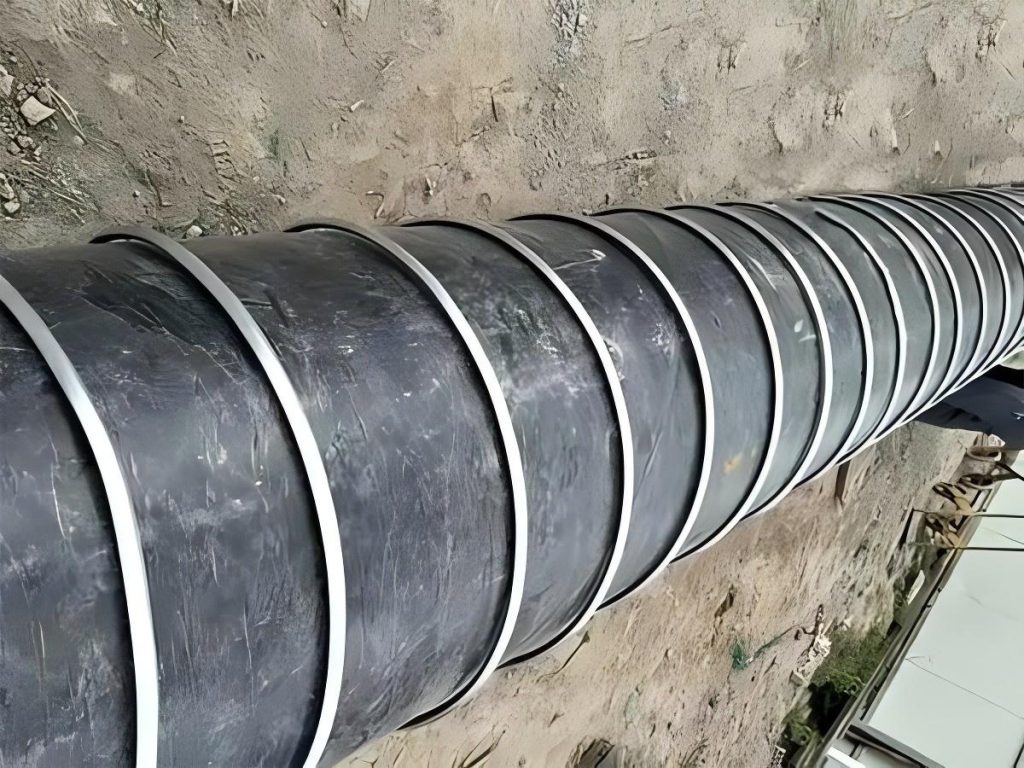
Oil and gas buried pipelines are a core application scenario for strip flexible zinc sacrificial anodes. Pipelines traverse complex terrains such as farmland, mountains, and rivers. Strip anodes provide comprehensive protection and can also address stray current interference problems.
① Selection: ZR-2 type is selected for conventional moist soil. ZR-1 type + conductive filler is selected for high-resistance desert soil. ZR-4 type is selected for inside casings;
② Installation: Parallel laying is used for straight pipe sections with a spacing of 3-5m; winding laying is used for elbows, valves, and inside casings with a spacing of 1-2m;
③ Protection Requirements: Protection potential -0.90~-1.05V (Cu/CuSO₄), protection current density 0.005~0.01mA/cm² (for pipelines with intact coating), anode design life ≥25 years.
Engineering Case Study
① Project Background: The pipeline has a total length of 200km and a diameter of DN300. Some sections are inside cement casings, with soil resistivity of 1500~3000Ω・cm, and there is casing shielding and slight stray current interference;
② Solution: ZR-4 type anodes are spirally wound inside the casings, ZR-2 type anodes are laid in parallel for straight pipe sections, and bentonite + gypsum powder + sodium chloride conductive filler is used in high-resistance areas;
③ Results: After installation, the pipeline protection potential stabilized at -0.95~-1.00V (Cu/CuSO₄), with uniform current distribution. After 5 years of monitoring, the pipeline corrosion rate decreased from 0.2mm/year to 0.03mm/year, and no corrosion leakage accidents occurred inside the casings.
Urban Water Supply and Drainage Pipeline Networks
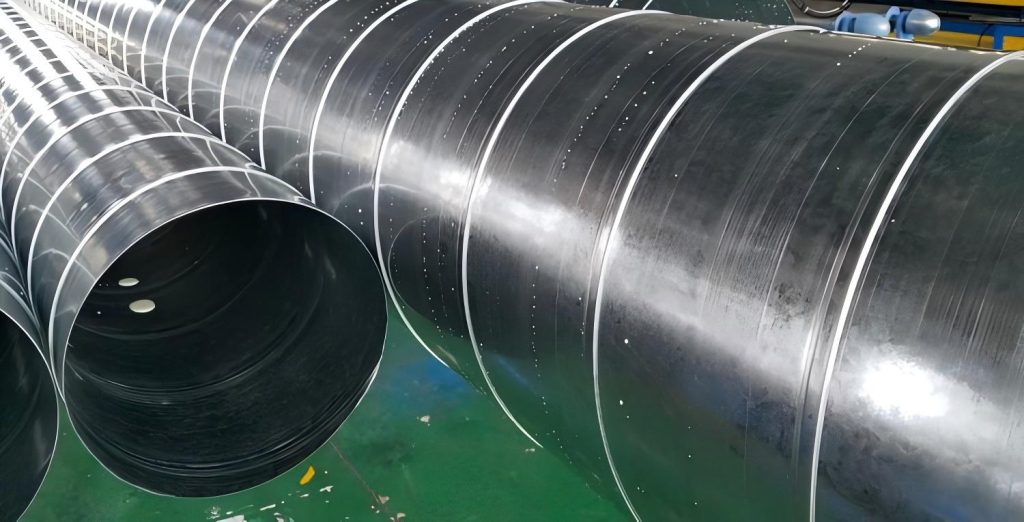
Urban water supply and drainage pipeline networks include water supply pipes and sewage pipes. Drinking water pipelines have high environmental protection requirements, while sewage pipelines carry highly corrosive media. The cadmium-free, environmentally friendly (Type II) flexible zinc sacrificial anode is perfectly suited to this scenario and can also solve the corrosion protection problems at pipeline joints and elbows.
① Selection: For drinking water pipelines, ASTM B418 Type II high-purity cadmium-free anodes must be used; for sewage pipelines, ZR-2 type anodes should be selected;
② Installation: The anodes are laid parallel to the straight sections of the pipeline network, and wrapped around joints and elbows;
③ Requirements: The protection potential for drinking water pipelines is -0.85~-1.00V (Cu/CuSO₄) to prevent over-protection leading to coating detachment; the protection potential for sewage pipelines is -0.90~-1.05V (Cu/CuSO₄), with a protection current density of 0.01~0.02mA/cm².
Engineering Case Study
① Project Background: Pipe diameter 1.2m, total length 50km, soil resistivity 15000Ω・cm, a high-resistivity clay environment, requiring cadmium-free environmental protection, and a design life of 30 years;
② Solution: Using ASTM B418 Type II high-purity cadmium-free strip anodes, one set of anodes is installed every 100 meters, combined with bentonite + gypsum powder conductive filler, and wrapped around the joints;
③ Results: The pipeline corrosion rate decreased from 0.2mm/year to 0.03mm/year, and there was no heavy metal dissolution from the anodes, meeting drinking water hygiene standards.
Marine and Shipping
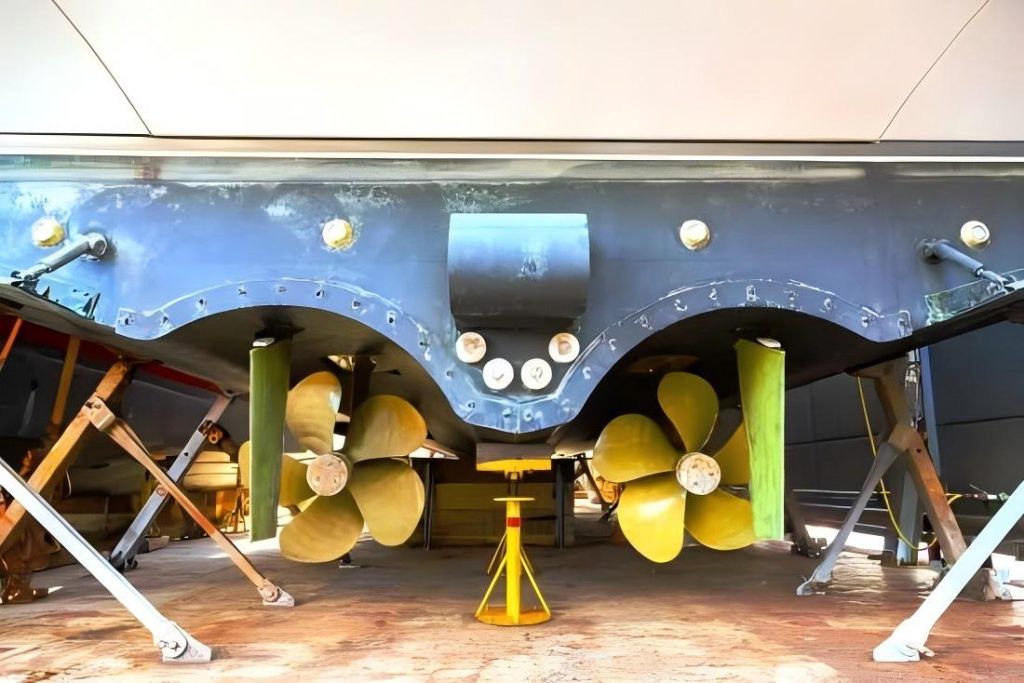
Marine engineering (subsea pipelines, offshore platforms, ports and docks) and the shipbuilding industry (ship hulls, ballast tanks, seawater cooling systems) operate in a highly corrosive seawater environment, and are also affected by tides, waves, and marine biofouling. The high current efficiency and seawater corrosion resistance of strip-type flexible zinc sacrificial anodes make them suitable for this application. The flexibility of the anodes also allows for close-fitting protection of the curved surfaces of ship hulls.
① Selection: For seawater environments, select ASTM B418 Type I zinc-aluminum-cadmium anodes (ZR-1/ZR-2); for military vessels, select military-grade anodes conforming to MIL-A-18001K standard;
② Installation: Subsea pipelines use spiral wrapping with a spacing of 1m; ship hulls use adhesive/rivet fixing with a spacing of 300~500mm; offshore platforms use annular installation;
③ Requirements: Protection potential -1.00~-1.05V (Cu/CuSO₄), current efficiency ≥95%, the anode surface needs to be coated with an anti-fouling coating.
Engineering Case Study
① Project Background: The pipeline has a total length of 10km, a diameter of DN800, and is located in the seawater splash zone and underwater zone, experiencing severe corrosion, with perforations easily occurring at the elbows;
② Solution: ASTM B418 Type I strip anodes were used to protect the entire pipeline by wrapping, with increased density at the elbows (spacing 0.5m), and the anode surface was coated with an anti-fouling coating;
③ Results: After 5 years of testing, the remaining anode thickness was ≥60%, and the corrosion depth at the pipeline elbows was only 0.02mm. The corrosion depth in unprotected areas reached 0.5mm.
Military and National Defense
Military equipment (military vessels, submarines, missile launchers) and national defense projects (military oil depots, national defense pipelines) have extremely high requirements for the reliability, durability, and anti-interference of cathodic protection. Strip-type flexible zinc sacrificial anodes comply with military standards MIL-A-18001K and GJB 1058-91, and can operate stably in environments with vibration, high pressure, and strong interference. They are an important material for corrosion protection in national defense projects.
① Selection: Military-grade strip zinc anodes conforming to MIL-A-18001K standard must be selected, with a steel core metallurgical bonding area ≥30%, free of cracks and pores;
② Installation: For military vessels, the anodes are fixed to the hull with rivets; for defense pipelines, parallel installation is used; and for missile launch pads, winding installation is employed;
③ Requirements: The protection potential must be stable at -0.95~-1.05V (Cu/CuSO₄), with no detachment or failure under vibration, salt spray, and high-pressure environments, and a design life of ≥30 years.
Other Applications
In addition to the core applications mentioned above, strip-type flexible zinc sacrificial anodes are also widely used in chemical storage tanks, bridge supports, steel structure factories, and wind power foundations.
Chemical Storage Tanks: ZR-2 type anodes are installed in a circular winding pattern on the bottom plates of vertical chemical raw material storage tanks, providing a protection potential of -0.90~-1.05V (Cu/CuSO₄) to prevent pitting corrosion and perforation of the tank bottom plate;
Bridge Supports: Due to limited space in bridge steel structure supports, thin ZR-4 type anodes are used and fixed by adhesive, achieving precise corrosion protection;
Wind Power Foundations: ASTM B418 Type I anodes are used in a winding pattern on offshore wind power foundations to resist strong seawater corrosion and ensure the structural safety of the wind power foundation;
Temporary Cathodic Protection: During pipeline repair and pressure testing of newly constructed pipelines, strip-type zinc anodes are quickly installed to provide temporary protection for 1 to 12 months, preventing secondary corrosion during construction.
Ribbon Zinc Sacrificial Anode Calculation
The selection and calculation of strip-type flexible zinc sacrificial anodes are among the core factors in ensuring effective cathodic protection. The specifications, quantity, and installation length of the required anodes are calculated based on the protected surface area, environmental parameters, and protection requirements. Lifetime prediction requires calculating the theoretical lifespan based on the anode’s electrical capacity and protection current. All calculation formulas are derived from the “Sacrificial Anode Cathodic Protection Technology Handbook” and ISO 15589-1:2019 standard, ensuring accuracy and direct applicability to engineering design.
Core Selection Calculation Formulas
The selection calculation is centered on the protective current requirement, followed by calculating the total capacitance requirement and the total length/quantity of anodes. Finally, the anode spacing is verified. All parameter values must meet the corresponding standard requirements. The environmental current density should be selected based on the actual medium resistivity and coating condition.
1. Calculation of Total Protection Current
I = S × i
Where I is the total protection current (A); S is the surface area of the protected object (m²); and i is the protection current density (A/m²). Standard values: seawater 0.01~0.05 A/m², moist soil 0.003~0.01 A/m², dry high-resistance soil 0.01~0.02 A/m². Use the lower limit for structures with intact coatings, and the upper limit for structures without coatings.
2. Calculation of Total Battery Capacity Requirement
Q = I × t × 8760
Where Q is the total battery capacity requirement (A·h); t is the designed service life (years); and 8760 is the number of hours per year.
3. Calculation of Total Anode Weight
W = Q / (C × η)
Where: W is the total anode weight (kg); C is the theoretical anode capacity (A·h/kg), taken as 780 for ASTM B418 Type I and 820 for Type II; η is the current efficiency (%), taken as 0.95 for seawater and 0.90 for soil.
4. Calculation of Total Anode Length
L = W/w
L is the total length of the anode (m); w is the weight per unit length of the anode (kg/m), which is selected from Table 1/Table 2 according to the chosen specifications.
5.Anode Spacing Calculation
D = L0 / n
Where D is the anode spacing (m); L0 is the length of the protected structure (m); and n is the number of anode groups, n = L/l (where l is the standard length of a single anode roll).
6.Example Calculation
ASTM B418 Type I anode (ZR-2, 1.785 kg/m, C=780 A·h/kg, η=0.95), designed for a 25-year protection life. The specific calculation is as follows. Known parameters: Pipe diameter DN800 (outer diameter 0.8m), total length 10km, surface area S = π × 0.8 × 10000 = 25120 m², seawater environment with current density i = 0.01 A/m²;
- Total protection current: I = 25120 × 0.01 = 251.2 A;
- Total capacitance requirement: Q = 251.2 × 25 × 8760 = 54,201,600 A·h;
- Total anode weight: W = 54,201,600 / 780 × 0.95 ≈ 72,650 kg;
- Total anode length: L = 72650 / 1.785 ≈ 40,699 m;
- Installation spacing: D = 10000 / 40699 ≈ 2.46 m.
7. Anode Theoretical Life Prediction
The actual lifespan of the anode is affected by environmental factors and installation quality. The theoretical lifespan calculation formula is taken from the “Handbook of Metal Corrosion and Protection”.
T = W × C × η × K / (I × 8760)
Where: T is the theoretical anode lifespan (years); K is the utilization rate of zinc, which is taken as 0.75 for strip anodes (due to the large surface area and rapid edge consumption); Example: ZR-2 type anode, single roll length 100m, weight 178.5kg, protection current 1A, theoretical lifespan: T = 178.5 × 780 × 0.95 × 0.75 / (1 × 8760) ≈ 11.5 years.
conclusion
Strip-type flexible zinc sacrificial anodes feature a core structure of high-purity zinc alloy + built-in conductive core. They offer the distinct advantages of flexibility, bendability, and strong spatial adaptability, making them a specialized solution for metal corrosion protection in complex structures and confined spaces. Utilizing the galvanic cell effect, the zinc alloy electrode potential is more negative (-1.05~-1.10V Cu/CuSO₄), preferentially oxidizing and dissolving to provide cathodic polarization current to the protected metal, inhibiting corrosion without the need for an external power source. ASTM B418 Type I (zinc-aluminum-cadmium system) is suitable for seawater/low-resistivity soil, with a current efficiency ≥95%; Type II (high-purity cadmium-free system) is suitable for freshwater/drinking water environments, compliant with RoHS, and has a current efficiency ≥90%; the ZR series (ZR-1~ZR-4) is adapted to different current requirements and spaces based on cross-sectional dimensions, with ZR-2 balancing protection and drainage, and ZR-4 suitable for confined spaces.
Theoretical capacity 780~820 A·h/kg, actual ≥650 A·h/kg; contact resistance ≤0.01Ω; bending radius ≥30mm, no cracks after 45° bending; operating temperature -30℃~50℃ (risk increases above 50℃). Applications: buried pipelines (straight pipe parallel laying, elbow/casing wrapping), storage tank bottom plates (annular laying), marine/ships (adhesive/rivet fixing), stray current areas (ZR-2 + solid-state decoupler).