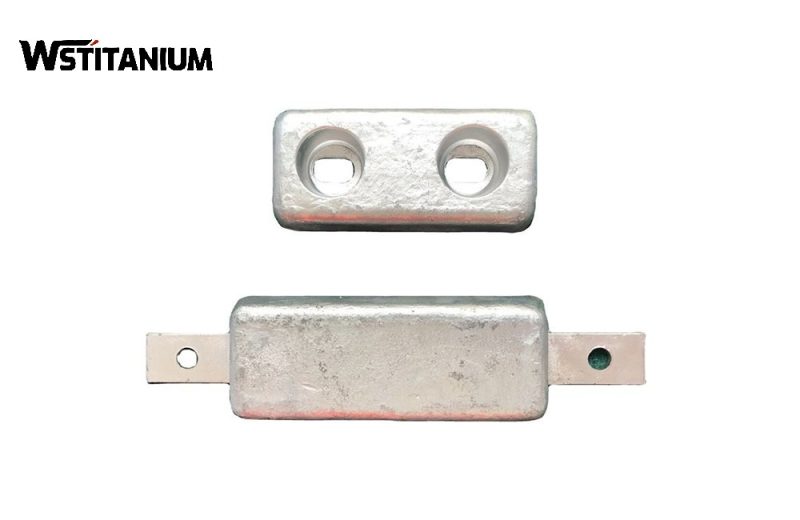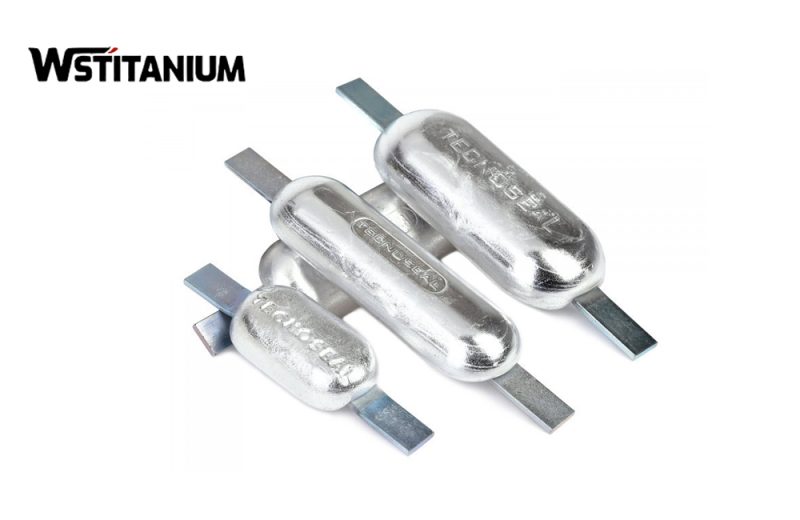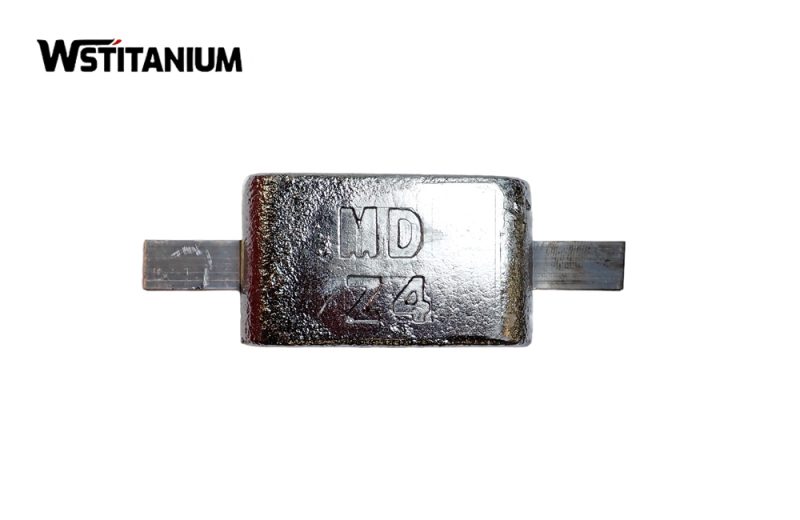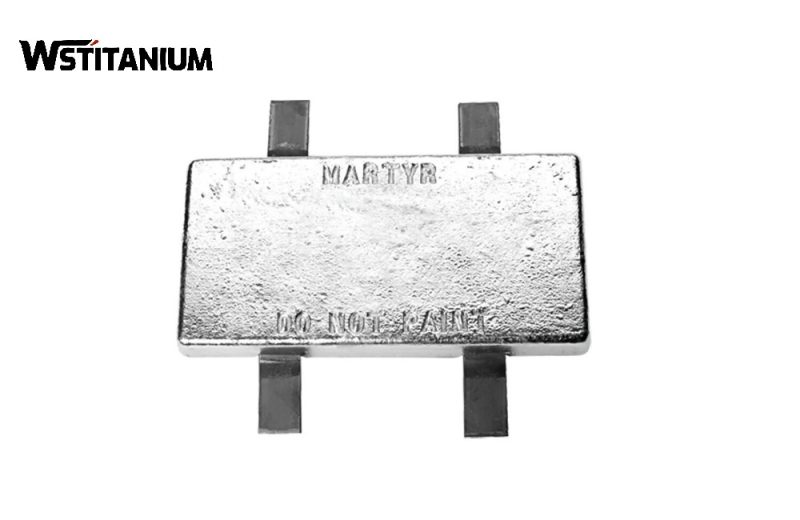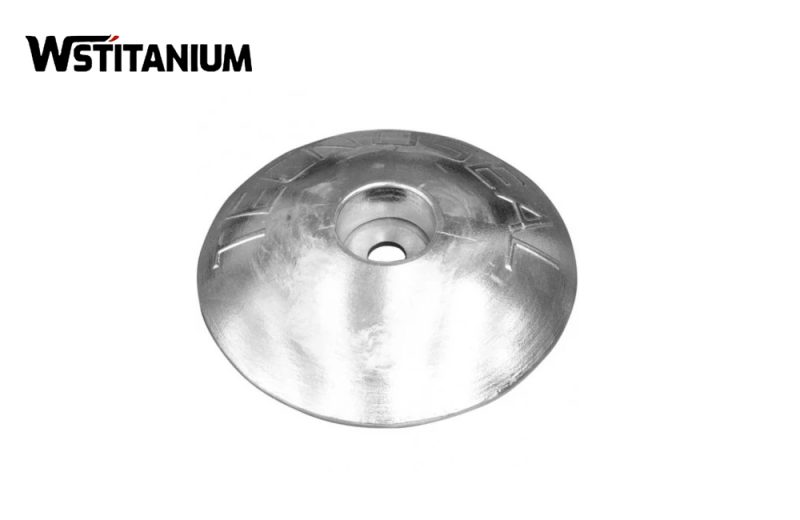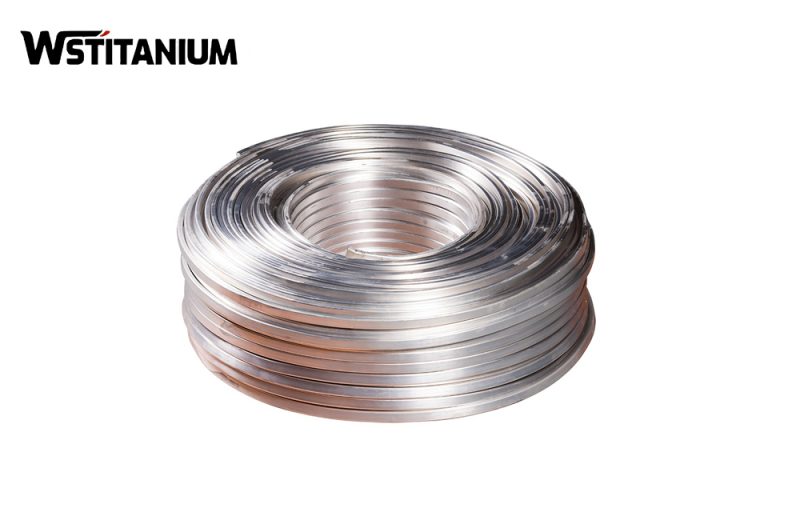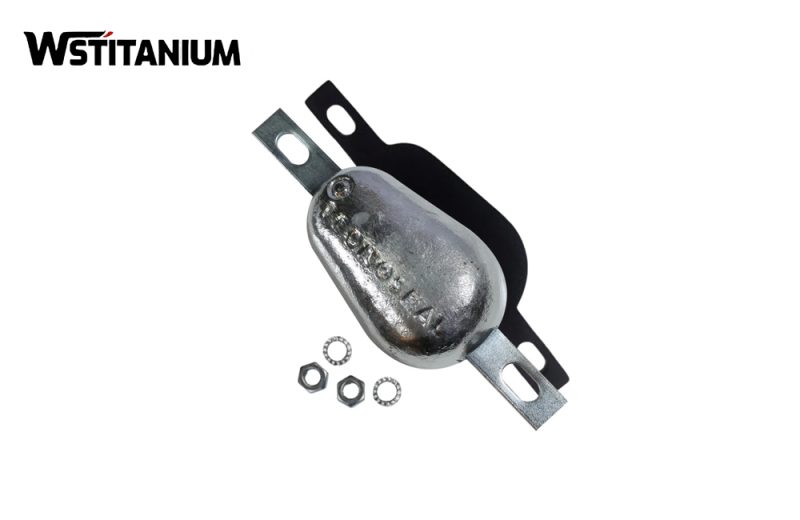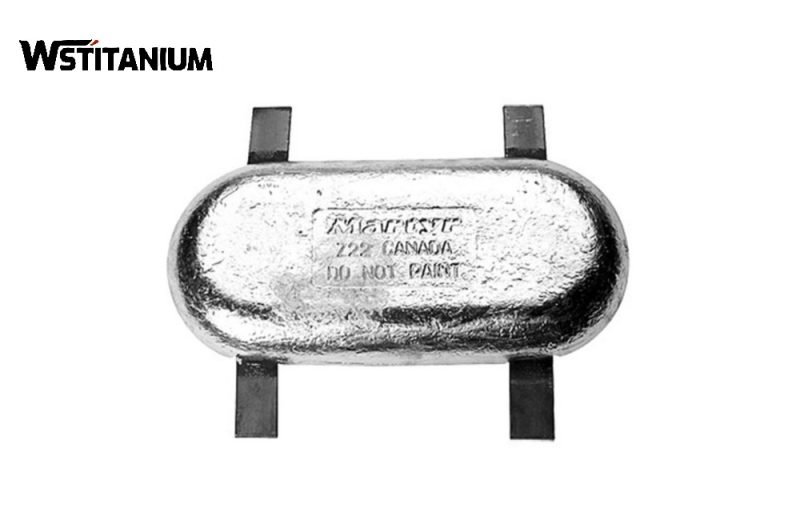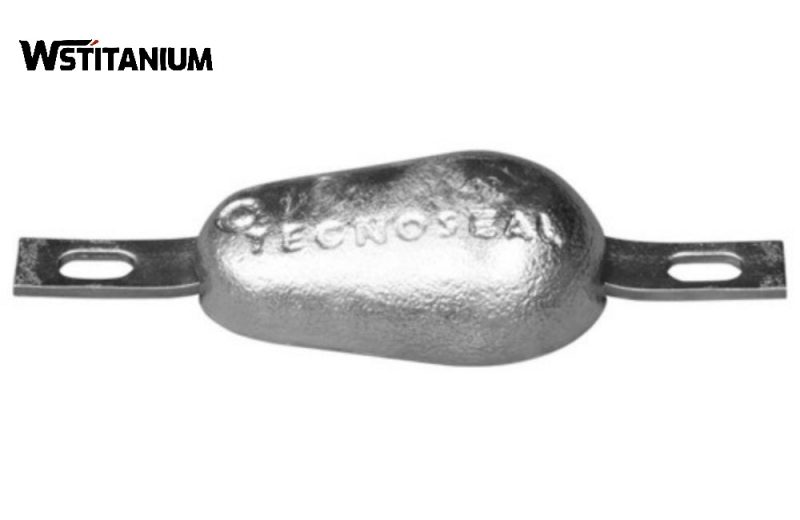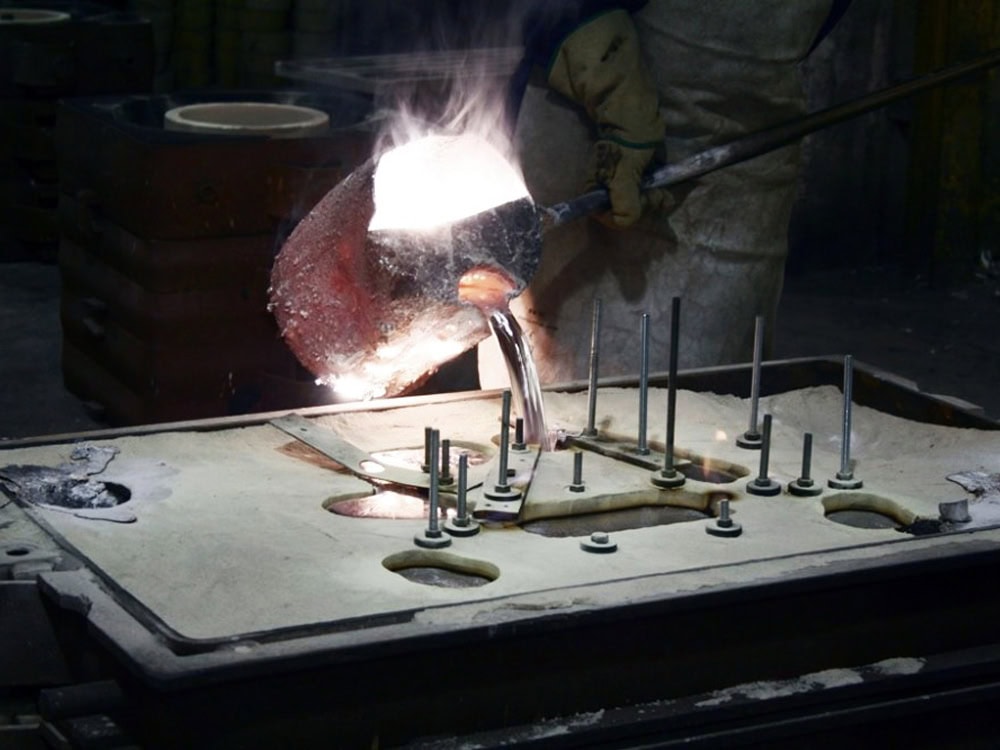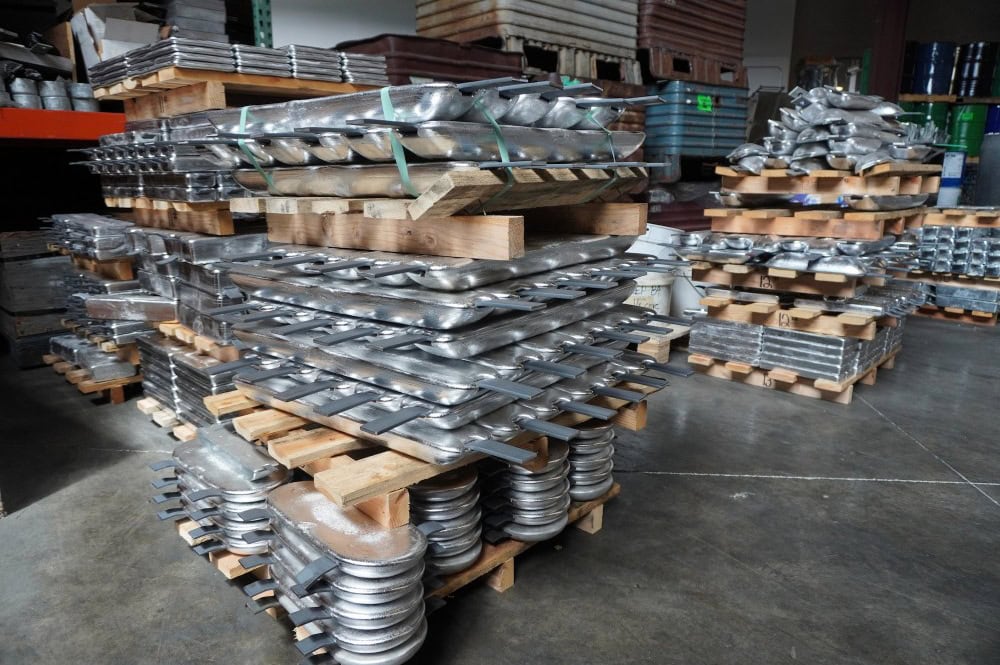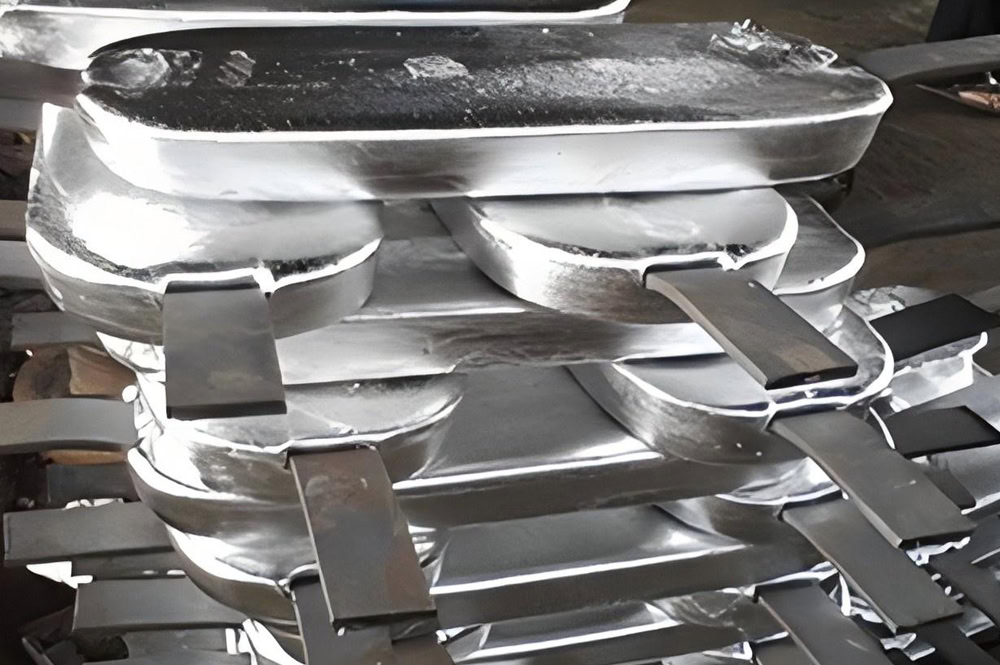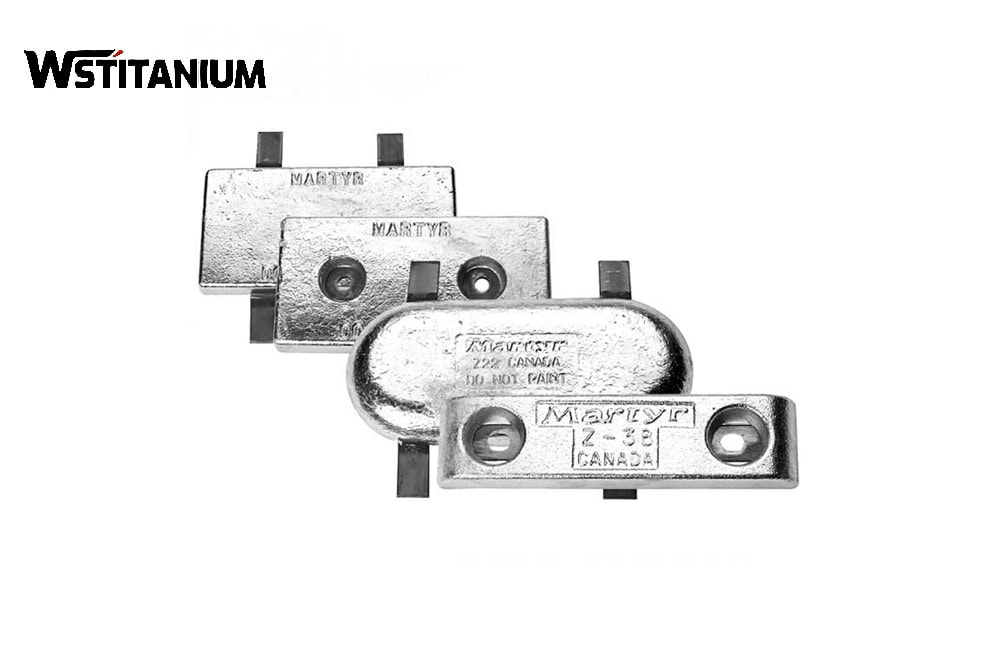

Zinc-aluminum-cadmium (Zn-Al-Cd) sacrificial anodes are the best-performing type among zinc sacrificial anodes. Thanks to their core advantages such as stable potential, high current efficiency, uniform dissolution, and strong compatibility, they have become the preferred material for cathodic protection in seawater, saline mud, and low-resistivity soil environments. The core application range of Zn-Al-Cd anodes is: ambient temperature ≤40℃ (high temperatures can easily lead to a sharp decrease in efficiency), and medium resistivity ≤1500Ω・cm. For conditions outside this range, specialized high-temperature or high-resistivity adapted anodes are required.
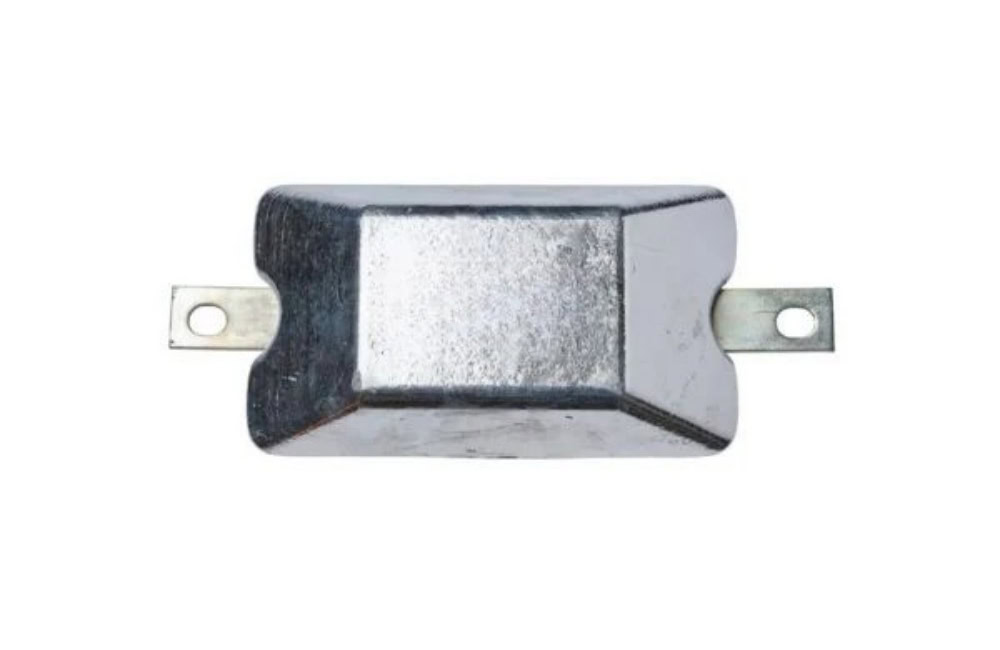
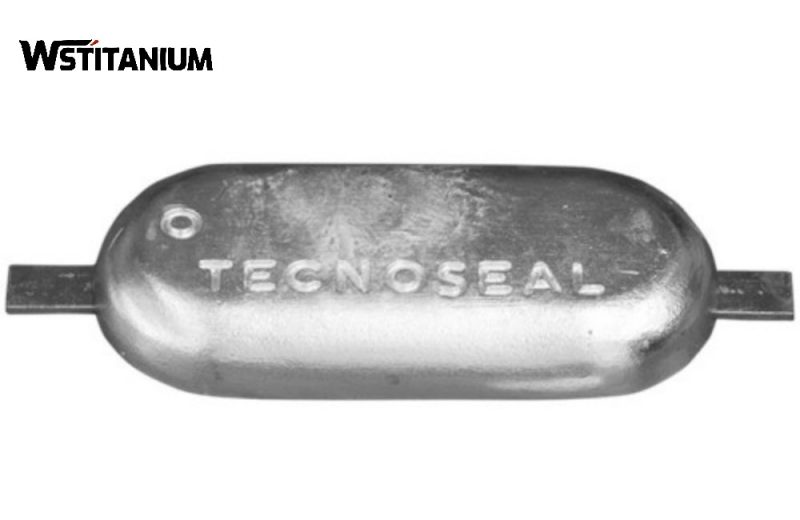
Trapezoidal Anode
The cross-section is in the shape of an isosceles trapezoid. It has an internal longitudinal steel core (the steel core material is Q235 or equivalent carbon steel, conforming to EN 10025-2). The exposed ends of the steel core have welding bevels or threads for easy connection to the protected structure. The trapezoidal design increases the contact area between the anode and the electrolyte.
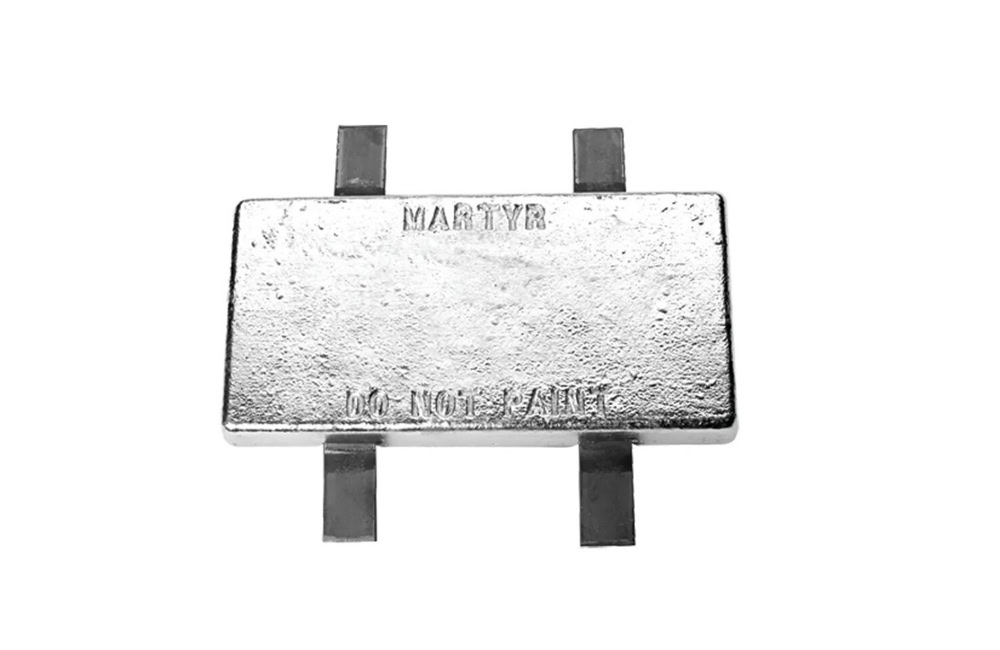
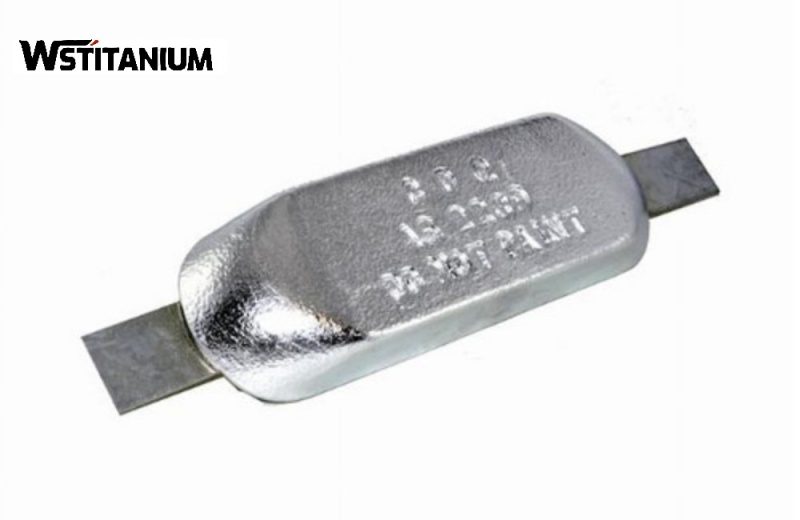
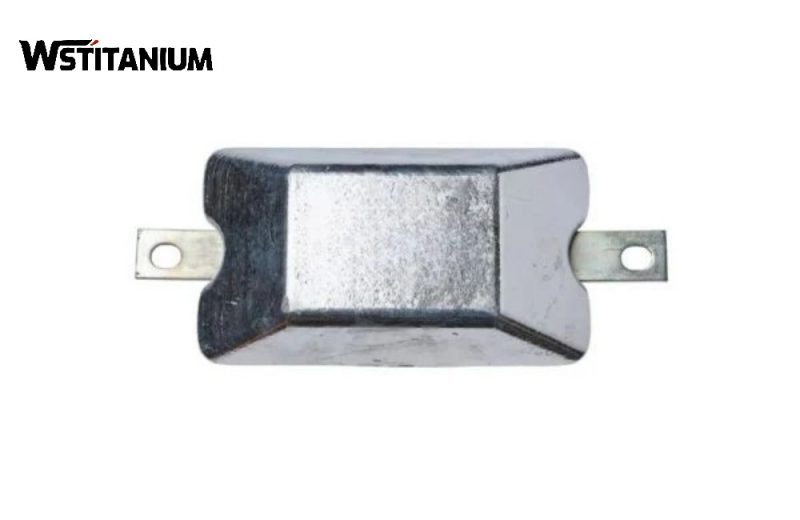
Plate Anode
The cross-section is a rectangular, thin plate shape. The thickness is typically 30-50 mm. The steel core is either embedded or surface-welded, resulting in a lightweight and thin structure. It is suitable for space-constrained applications such as ship ballast water tanks, storage tank inner walls, and seawater cooler tube bundles (ASTM B418-20, Type I Plate Series).
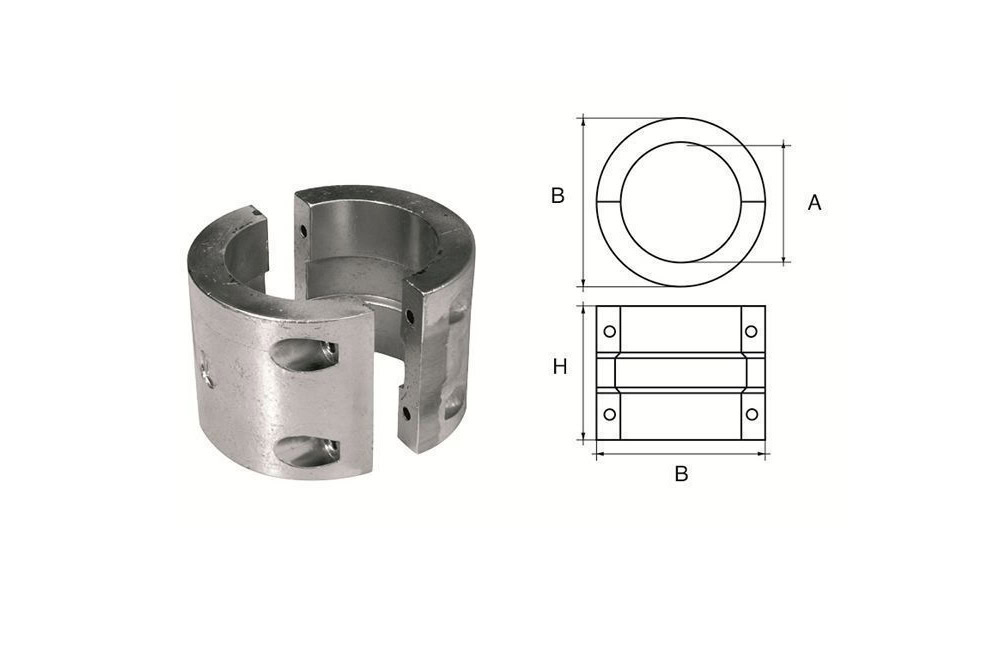
Bracelet Anode
It is semi-circular or fully circular in shape. The inner diameter precisely matches the outer diameter of the pipe, and it is specifically designed for subsea pipelines and offshore risers. During installation, it is directly fitted onto the outer wall of the pipe, providing 360° circumferential current coverage.
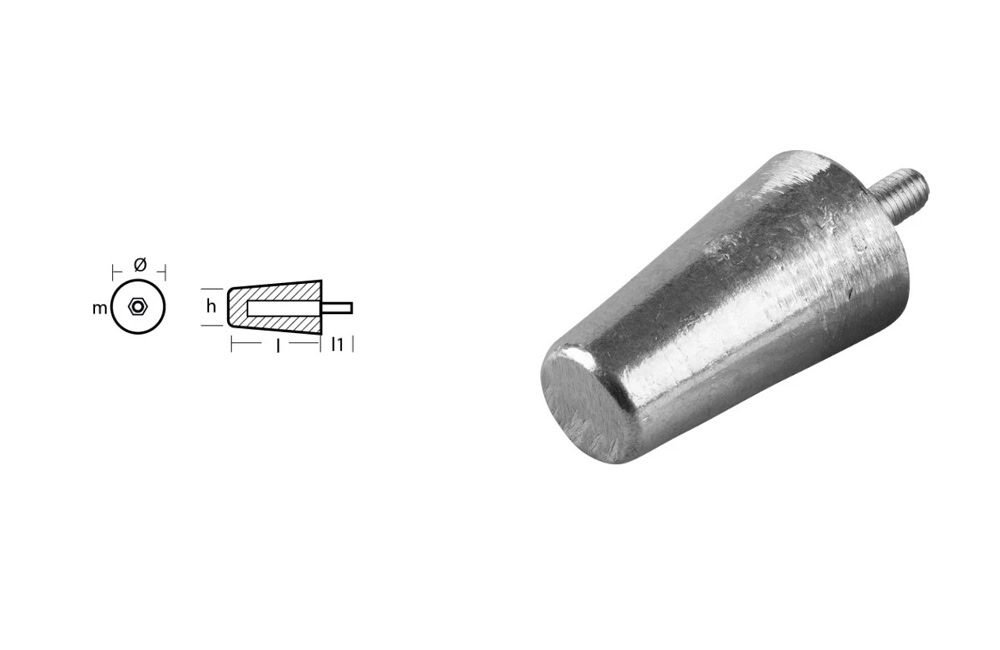
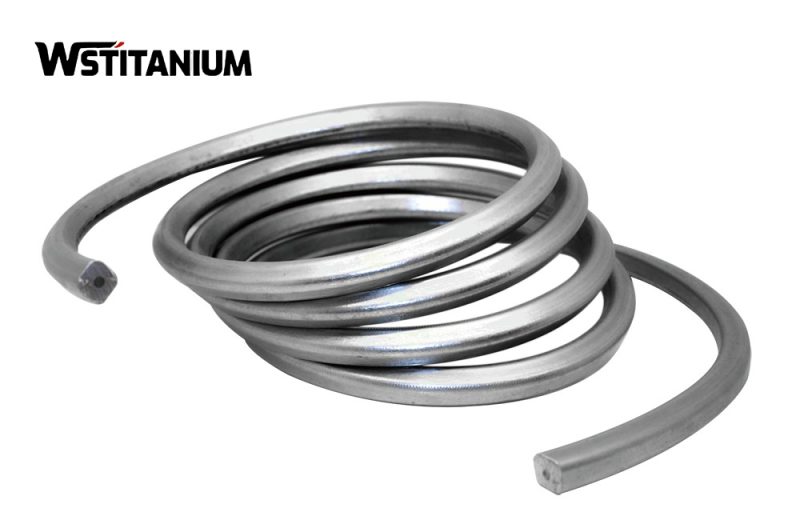
Rod Anode
It is a long cylindrical rod with a diameter of 50-150mm and a length of 500-2000mm, with a built-in central steel core. It is suitable for applications such as buried pipelines and underground cables, and is typically used in conjunction with backfill material to reduce soil contact resistance.
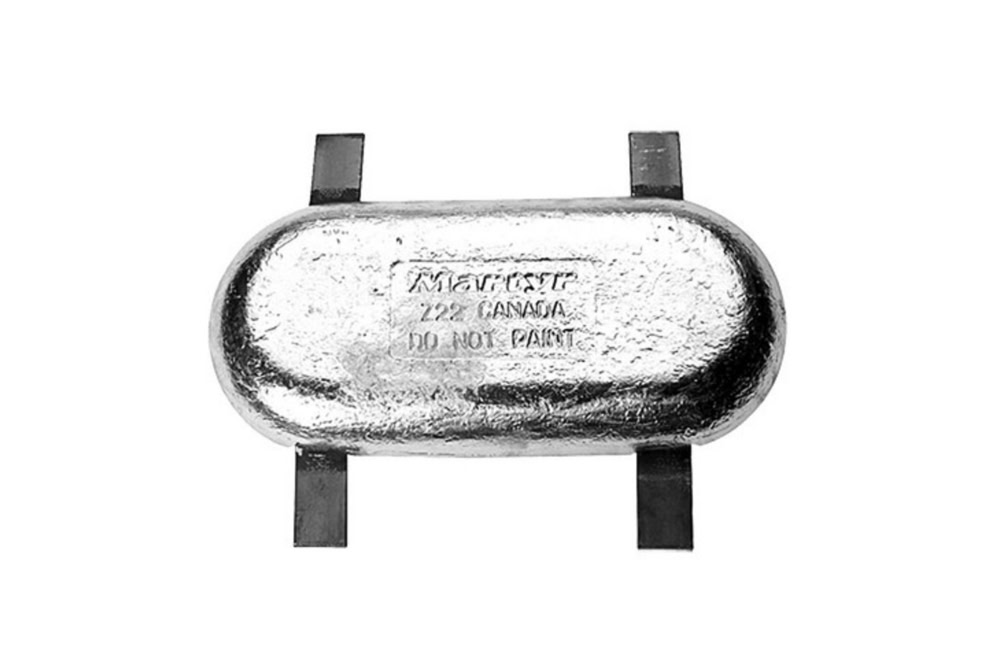
Suitable for seawater and saline mud environments, such as ships, offshore platforms, and subsea pipelines, requiring a current efficiency of ≥90% and a capacity of ≥780 Ah/kg;
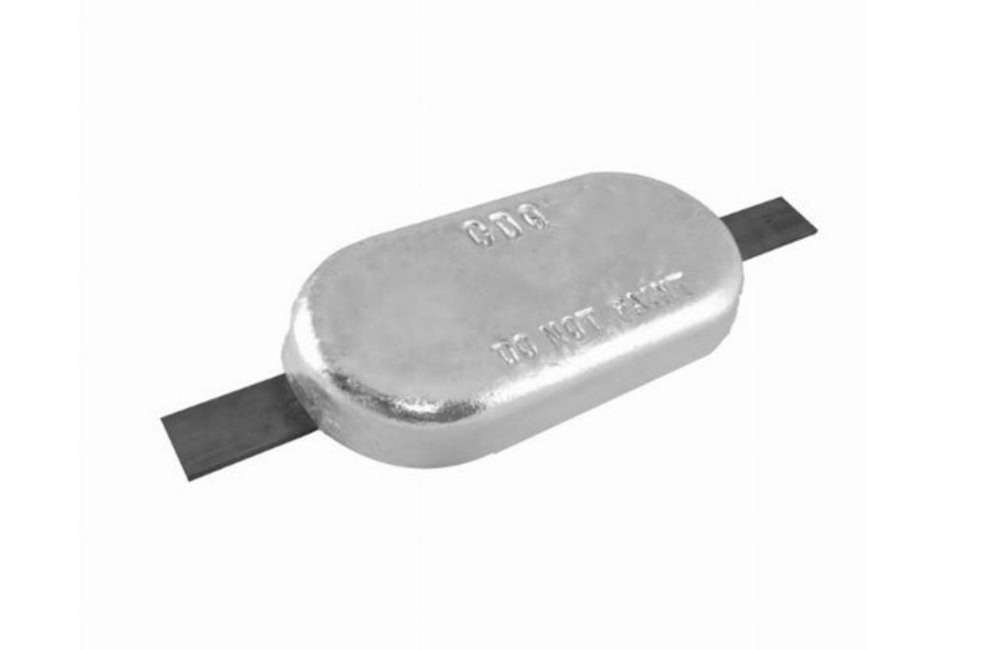
Soil Anode
Suitable for low-resistivity soils (≤1000 Ω·m), such as those surrounding buried pipelines and underground storage tanks. Requires the use of backfill material, with a required current efficiency of ≥65% and a capacity of ≥530 Ah/kg;
Elements and Impurities
The composition of Zn-Al-Cd sacrificial anodes is crucial in determining their electrochemical performance. Aluminum and cadmium are the core elements. Iron, copper, and lead are key harmful impurities, and their content ranges are strictly defined by three core standards: EN 12496:2013 (European standard), ASTM B418-20 (North American standard), and MIL-A-18001K (U.S. military standard). Although there are slight differences in some specifications among the three standards, they all share the core objectives of ensuring stable potential, improving current efficiency, and inhibiting localized corrosion. All three standards also require zinc as the balance element, with a purity of ≥99.995% (high-purity zinc raw material, conforming to ASTM B6-19, Standard Specification for Zinc).
| Standard | Aluminum (Al) | Cadmium (Cd) | Iron (Fe) ≤ | Copper (Cu) ≤ | Lead (Pb) ≤ | Total Impurities ≤ | Zinc (Zn) |
|---|---|---|---|---|---|---|---|
| EN 12496:2013 | 0.3~0.6 | 0.02~0.07 | 0.005 | 0.005 | 0.006 | 0.1 | Remainder |
| ASTM B418-20 | 0.1~0.5 | 0.025~0.07 | 0.005 | 0.005 | 0.006 | 0.3 | Remainder |
| MIL-A-18001K | 0.1~0.5 | 0.025~0.07 | 0.005 | 0.005 | 0.006 | — | Remainder |
← Swipe left/right to view full table →
Aluminum (Al)
Content range: 0.3%–0.6% (EN 12496) / 0.1%–0.5% (ASTM B418). Its core function is to refine the anode grain structure and improve current efficiency, increasing current efficiency from 75% for pure zinc to over 90% (Deen K M, et al. 2019, Corrosion Science).
Critical control: When Al content is <0.3%, the grain refinement effect is insufficient, and the current efficiency cannot meet the standard; when Al content is >0.6%, the oxide film is too thick, easily leading to passivation, causing a sudden drop in anode output current, and even loss of sacrificial protection ability (EN 12496:2013 Clause 5.2).
Cadmium (Cd)
Content range: 0.02%–0.07% (EN 12496) / 0.025%–0.07% (ASTM B418/MIL-A-18001K). Its core function is to optimize the potential characteristics and inhibit intergranular corrosion. Cd precisely controls the open-circuit potential and closed-circuit potential of the anode, stabilizing them at -1.05~-1.10V (Ag/AgCl), which not only meets the protective potential requirements of steel (≤-0.85V SCE) but also avoids hydrogen evolution and overprotection caused by excessively negative potential (ASTM B418-20 Clause 4.1).
Critical control: When the Cd content is <0.02%, the potential fluctuates significantly, and the risk of intergranular corrosion increases; when the Cd content is >0.07%, although the performance is optimal, there is a risk of environmental compliance issues (RoHS directive limits Cd content to ≤0.01%).
Harmful Impurities
Harmful impurities are the core factors leading to the degradation of anode performance. The three major international standards have completely consistent limits for Fe, Cu, and Pb, and all require the total impurity content to be ≤0.1% (EN 12496) / ≤0.3% (ASTM B418). All impurity testing must be performed according to EN ISO 15607:2008 (direct reading spectrometry) or EN ISO 15609-1:2001 (chemical analysis). At least 3 samples must be taken from each batch, and the pass rate must be 100% (NACE SP0387-2014).
Iron (Fe): ≤0.005%
Fe is the most dangerous impurity, easily forming the intermetallic compound FeZn₁₃ with Zn. This compound has a much higher potential than the Zn matrix, forming a large number of micro-batteries inside the anode, causing localized self-corrosion of the anode and a sharp drop in current efficiency (for every 0.001% increase in Fe, the efficiency decreases by 3%~5%). It also produces spongy corrosion products that block the current output channels (EN 12496:2013 Clause 5.3).
Copper (Cu): ≤0.005%
Cu easily accumulates in the Zn matrix, causing a positive shift in the overall potential of the anode, weakening the potential difference between the sacrificial anode and steel, resulting in insufficient protective current output and inability to polarize the protected structure to the corrosion-free zone; when the Cu content is >0.005%, the anode open-circuit potential may be positive at -1.00V (Ag/AgCl), completely losing its protective ability (ASTM B418-20 Clause 4.2).
Lead (Pb): ≤0.006%
Pb is a low-melting point phase in the Zn matrix and easily segregates at grain boundaries, leading to a decrease in grain boundary bonding strength. Local peeling is prone to occur during anode dissolution. At the same time, the presence of Pb reduces the mechanical strength of the anode, making it prone to fracture during installation (MIL-A-18001K Clause 3.3).
Other impurities (Sn, Ni, etc.): Total ≤ 0.02%
Although the content of these impurities is extremely low, they can synergistically exacerbate localized corrosion of the anode. Therefore, the standard explicitly requires that the total impurity content must not exceed the specified limit and must be listed separately in the test report (EN ISO 15607:2008).
Electrochemical Performance
The electrochemical performance of Zn-Al-Cd sacrificial anodes directly determines the protection effect and service life. Physical and mechanical properties, on the other hand, affect installation reliability. All indicators must be verified through specified testing standards. The testing standards are EN 12473:2000 (electrochemical testing), ASTM G83-19 (soil environment testing), and EN ISO 8044:2010 (physical property testing). The default testing environment temperature is ≤30℃, and the reference electrode is uniformly Ag/AgCl (seawater medium) or Cu/CuSO₄ (soil medium).
Electrochemical Potential
Electrochemical potential is a prerequisite for the anode to provide effective protection. Batch-to-batch variations should be ≤ ±0.02V to prevent uneven current distribution due to potential differences.
Open Circuit Potential
Open Circuit Potential (OCP): -1.05V ~ -1.10V (relative to Ag/AgCl, in seawater); ≤-1.05V (relative to Cu/CuSO₄) in soil. This potential range ensures an effective potential difference of more than 0.2V with steel, meeting the requirements for protective current output.
Closed Circuit Potential
Closed Circuit Potential (CCP): Stable at -1.03V (Ag/AgCl) in seawater, -0.98V (Ag/AgCl) in saline mud, with fluctuations ≤ ±0.03V within 28 days of continuous discharge; if the closed-circuit potential is more positive than -1.00V, it is considered substandard performance (ASTM B418-20 Clause 5.1).
Potential Shift
Potential Shift: During long-term service, the annual potential drift should be ≤0.05V. If the drift exceeds 0.1V, the anode consumption, changes in environmental resistivity, or impurity precipitation should be checked immediately (DNVGL-RP-B401:2017 Clause 7.3).
Capacitance and Current Efficiency
These two indicators determine the service life of the anode. The testing method is constant current discharge. The discharge current density is 3 mA/cm² in seawater medium and 0.03 mA/cm² in soil medium. The test period is 28 days, and the actual capacitance and efficiency are calculated by weighing.
Actual capacitance
Actual capacitance: Seawater medium ≥ 780 Ah/kg; saline mud medium ≥ 750 Ah/kg; low resistivity soil (≤ 500 Ω・m) ≥ 530 Ah/kg; high resistivity soil (500~1000 Ω・m) ≥ 480 Ah/kg, all higher than pure zinc anodes (pure zinc seawater capacitance is only 650 Ah/kg).
Current efficiency
Current efficiency: Seawater medium ≥ 90%; soil medium ≥ 65% (requires matching backfill material); an efficiency below 85% is considered unqualified, usually due to substandard Al/Cd content or excessive Fe impurities (Deen K M, et al. 2019).
Theoretical Capacitance
Based on Faraday’s law, the theoretical value of the Zn-Al-Cd anode is 820 Ah/kg. Current efficiency is essentially the ratio of actual output charge to the theoretical value, reflecting the inhibitory effect on anode self-corrosion (ASTM G102-15, Standard Practice for Calculation of Corrosion Rates and Related Information from Electrochemical Measurements).
Consumption Rate
The consumption rate is a core parameter for anode design and selection, referring to the annual consumption of the anode per unit current output. It directly determines the number of anodes to be installed and the replacement cycle: seawater medium ≤ 12 kg/(A・a); soil medium ≤ 17.25 kg/(A・a); the consumption rate is positively correlated with ambient temperature, increasing by 8%~10% for every 10℃ increase in temperature.
Dissolution Performance
The anode is required to dissolve uniformly. The surface corrosion products are a loose mixture of Zn(OH)₂ and ZnCO₃. These are easily washed away by water flow or soil erosion, without pitting or crevice corrosion. If spongy corrosion occurs, it is usually due to excessive Fe impurities (>0.005%); if a passivation layer forms, it is usually due to excessive Al content (>0.6%).
Temperature
Zn-Al-Cd anodes are sensitive to temperature, which is a key limiting factor in their application. The standard clearly specifies an applicable temperature of ≤40℃.
≤40℃: Stable performance, current efficiency maintained above 90%, and potential fluctuation ≤±0.02V;
40~49℃: Efficiency decreases by 5%~10%, capacitance reduces to 700~750 Ah/kg, and anode self-corrosion intensifies;
≥54℃: Risk of polarity reversal exists; the anode potential may become positive relative to steel, changing from a “sacrificial anode” to a “protected cathode,” thus accelerating the corrosion of the protected structure. Use in this temperature range is strictly prohibited.
Physical and Mechanical Properties
Physical properties ensure the quality of the anode’s formation, and mechanical properties ensure that it is not damaged during installation and service. All indicators must be tested batch by batch.
Physical Properties
Density: 7.14 g/cm³, density fluctuation after casting ≤ ±0.02 g/cm³, to avoid insufficient effective mass due to shrinkage cavities and pores;
Appearance: The surface is free of cracks, shrinkage cavities, pores, slag inclusions, and other defects, and the surface roughness Ra ≤ 6.3 μm (EN ISO 8044:2010);
Steel Core Bonding Strength: No gap at the interface between the steel core and the zinc alloy, tensile strength ≥ 30 MPa.
Mechanical Properties
- Tensile strength: ≥120 MPa;
- Elongation: ≥2%;
- Bending performance: No cracks after bending 45° (MIL-A-18001K Clause 4.2);
- Torsional performance: Military-grade anodized material requires torsional strength ≥12000 psi.
Common Anode Specifications
Zn-Al-Cd sacrificial anodes do not have a unified international model designation, but the dimensional tolerances strictly follow EN 12496:2013 and ASTM B418-20. Industry-standard models are classified based on structural form and weight. The following are the most commonly used specifications in international engineering projects. All dimensions are referenced from EN 12496:2013 Appendix A and ASTM B418-20 Appendix B, suitable for most applications. Custom anode tolerances must meet the core requirement of “weight > 50kg ±3%, ≤ 50kg ±5%”.
Trapezoidal Anodes
Tolerances: Length ±3% or ±25mm (whichever is stricter); Width ±5%; Thickness ±10%; Straightness ≤ 2% of length; Steel core exposed length ≥ 50mm.
| Model | Section Size (mm) | Length (mm) | Net Weight (kg) | Application |
|---|---|---|---|---|
| ZAC-T1 | 40+48×45 | 600 | 9 | Ship outer plates, dock steel piles |
| ZAC-T2 | 52+56×54 | 600 | 12.5 | Ship ballast tanks, fenders. |
| ZAC-T3 | 58+64×60 | 550 | 15 | Port mooring piles. |
| ZAC-T4 | 115+135×130 | 500 | 61 | Offshore platform pipe racks. |
| ZAC-T5 | 115+135×130 | 1000 | 122 | Wind turbine monopile foundations, offshore platforms. |
← Swipe left/right to view full table →
Plate Anode
Tolerances: Length ±2%; Width ±2%; Thickness ±1mm; Surface flatness ≤2mm/m; Steel core embedding depth ≥20mm to prevent detachment.
| Model | Size (mm) | Net Weight (kg) | Fixing | Application |
|---|---|---|---|---|
| ZAC-P1 | 180×80×12 | 5 | Bolted | Sea water pumps, small heat exchangers. |
| ZAC-P2 | 300×100×35 | 6.5 | Welded | Ship cabins, small storage tanks. |
| ZAC-P3 | 400×100×55 | 15 | Welded | Large heat exchangers, storage tank inner walls. |
| ZAC-P4 | 600×120×50 | 25 | Welded | Seawater desalination equipment, circulating water tanks. |
← Swipe left/right to view full table →
Bracelet Anode
Tolerances: Inner diameter tolerance is graded according to pipe diameter (≤300mm: 0/+4mm; 300~610mm: 0/+6mm; >610mm: 0/+1%); thickness ±3mm; butt joint gap of semi-circular anodes ≤2mm; single piece weight is matched to the pipe diameter to ensure current coverage.
| Pipe Diameter (mm) | Inner Diameter (mm) | Thickness (mm) | Weight (kg) | Installation Spacing (m) | Reference Standard |
|---|---|---|---|---|---|
| 150 | 150+4 | 50 | 12 | 8 | DNVGL-RP-F103 |
| 300 | 300+6 | 60 | 25 | 10 | DNVGL-RP-F103 |
| 610 | 610+6 | 80 | 58 | 12 | DNVGL-RP-F103 |
| 1000 | 1000+10 | 100 | 120 | 15 | DNVGL-RP-F103 |
| 1200 | 1200+12 | 120 | 180 | 15 | DNVGL-RP-F103 |
← Swipe left/right to view full table →
Rod-Anode
Tolerances: Diameter ±2%; Length ±3%; Straightness ≤1% of the length; Steel core centered with a deviation of ≤3mm, suitable for encapsulation with filler material (filler material composition: 70% gypsum + 20% bentonite + 10% sodium sulfate, ASTM G83-19).
| Model | Diameter (mm) | Length (mm) | Net Weight (kg) | Resistivity (Ω·m) |
|---|---|---|---|---|
| ZAC-R1 | 50 | 1000 | 14.5 | ≤500 |
| ZAC-R2 | 80 | 1500 | 43 | 500-800 |
| ZAC-R3 | 100 | 2000 | 112 | 800-1000 |
← Swipe left/right to view full table →
Zn-Al-Cd Sacrificial Anode Applications
Zn-Al-Cd sacrificial anodes are suitable for use in seawater, saline mud, and low-resistivity soil (≤1000 Ω·m), at ambient temperatures ≤40℃. Thanks to their stable performance and mature application solutions, they are used in marine, oil and gas, municipal, industrial, and renewable energy sectors.
Ships
Ships are the earliest application scenario for Zn-Al-Cd anodes, suitable for hulls, compartments, and pipelines. The core standards are DNVGL-RP-B401:2017 and the IMO International Convention for the Safety of Life at Sea (SOLAS), requiring a protection lifespan covering the ship’s dry-docking cycle (5-10 years).
Ship Hull
Suitable for trapezoidal anodes (ZAC-T1~T3), with an installation density of 10-15 m²/anode, current density of 3 mA/cm², and potential controlled at -1.00 to -1.05V (SCE). Avoid installing in areas with antifouling paint on the hull bottom to prevent anode corrosion products from affecting the antifouling effect;
Ballast Water Tanks / Fuel Tanks
Suitable for plate anodes (ZAC-P2~P3), fixed by welding. The number of anodes installed per compartment is calculated based on the compartment volume (1000m³ compartment volume ≥ 8 x 15kg anodes).
Seawater Cooling System
Compatible with rod-shaped or small plate-shaped anodes (ZAC-P1). Installed at the condenser inlet and tube sheet, with a spacing of 5-8m, to prevent corrosion and biofouling on the inner wall of the tubes, while also avoiding blockage of the pipelines by anode dissolution products.
Propellers and Rudders
Suitable for small trapezoidal anodes, directly welded to the propeller hub and rudder blades. 2-4 anodes are installed on each component, with potential control at -1.03V (Ag/AgCl) to prevent the synergistic effects of cavitation corrosion and electrochemical corrosion.
Marine
Zn-Al-Cd anodes are often used in combination with heavy-duty anti-corrosion coatings (coating dry film thickness ≥300μm). The core standards are EN 12496 and DNVGL-RP-B401, suitable for platforms, docks, wind power structures, etc.
Offshore Fixed Platforms (Jacket/Jack-up Platforms)
Suitable for large trapezoidal anodes (ZAC-T4~T5), weighing 50~122kg each. Welded to the jacket legs and beams. Installation spacing is 2~3m, current density 2.5mA/cm², combined with epoxy coating, design life ≥25 years.adipiscing elit. Ut elit tellus, luctus nec ullamcorper mattis, pulvinar dapibus leo.
Port and Dock Facilities
Dock steel piles, mooring posts, and fender systems are fitted with trapezoidal anodes (ZAC-T2~T3). 2 to 4 anodes are installed on each steel pile, buried 1m below the intertidal zone to prevent accelerated anode consumption due to wet-dry cycles caused by tidal changes. Subsea bridge pile foundations are fitted with rod-shaped anodes (ZAC-R2~R3), embedded with backfill material. Each pile is equipped with 4 to 6 anodes, providing a protection life of ≥15 years.
Offshore Wind Power Facilities
Large ring or trapezoidal anodes are used. Monopile foundations are fitted with 4 to 8 anodes weighing 500~1000kg each. These are welded to the underwater section of the monopile and are resistant to seawater flow rates ≤5m/s. Potential monitoring is performed quarterly, in accordance with EN ISO 24656:2022 requirements, with a design life of ≥30 years.
Tidal/Wave Energy Devices
Adapted for irregularly shaped anodes, customized according to the underwater structure of the device. Requires resistance to strong water currents. The anode surface is treated for erosion resistance. Current density of 3.5 mA/cm², suitable for complex marine dynamic environments.
Oil and Gas
Pipelines, platforms, and storage tanks in the oil and gas industry all have suitable applications for cathodic protection. The core standards are API RP 2A, API RP 651, and DNVGL-RP-F103, balancing both safety and economic efficiency.
Subsea Oil and Gas Pipelines
Bracelet-type anodes are suitable for this application and are the exclusive anode type for this scenario. Specifications are available for pipe diameters ranging from 150 to 1200 mm, with installation spacing of 10-15 meters. Each pipe uses “paired semi-circular anodes” to ensure full circumferential protection. Design life is ≥50 years (e.g., the Nord Stream natural gas pipeline uses Zn-Al-Cd bracelet anodes with a design life of 50 years);
FPSO
FPSO hulls, storage tanks, and loading arms are suitable for trapezoidal and plate-type anodes. Hull anodes follow ship standards. Storage tank inner walls follow API RP 651. Loading arms are fitted with small rod-shaped anodes to prevent alternating corrosion from seawater and crude oil;
Buried Oil and Gas Pipelines
Compatible with rod-shaped anodes (ZAC-R1~R3), suitable only for soils with resistivity ≤1000 Ω・m (such as clay and wetlands). Encapsulated with backfill material (7:2:1 gypsum – bentonite – sodium sulfate). 10-15 sets are installed per kilometer, with 3 anodes per set, used in conjunction with impressed current cathodic protection to increase the protection distance.
Precautions
Current Density: Adjust according to the environment: seawater 3mA/cm², saline mud 2.5mA/cm², soil 0.03mA/cm². For coated areas, the current density can be reduced to 0.5mA/cm²;
Backfill Material: Backfill material is mandatory for soil applications. The composition is 70% gypsum + 20% bentonite + 10% sodium sulfate. The filling thickness should be ≥100mm to reduce contact resistance, maintain moisture, and improve current efficiency to ≥70%;
Installation Spacing: Calculate the spacing based on the anode weight and current requirements to avoid protection blind spots due to excessive spacing and anode waste due to insufficient spacing;
Potential Monitoring: Monitor at least once per quarter using an Ag/AgCl (seawater) or Cu/CuSO₄ (soil) reference electrode. If the potential is more positive than -0.85V (SCE), additional anodes must be added immediately;
Temperature Control: Strictly prohibited for use in environments above 40℃. For high-temperature applications, aluminum-zinc-indium (Al-Zn-In) anodes should be used.
Challenges
The current application and development of Zn-Al-Cd anodes face two major challenges: firstly, environmental pressure, as the toxicity of Cd leads to strict restrictions under regulations such as RoHS and REACH. High-Cd formulations (0.02~0.07%) are increasingly restricted in civilian applications; secondly, insufficient suitability for high-temperature and high-resistance environments, with efficiency dropping sharply in environments above 40°C, and insufficient current output in high-resistivity soils (>1000 Ω·m).
Best Practices
While maintaining potential and efficiency, reduce the Cd content to below 0.01% (RoHS compliant), or replace Cd with environmentally friendly elements such as In and Sn. Adding trace amounts of Ti and Zr elements improves the high-temperature stability of the anode, increasing the applicable temperature limit to 60℃, making it suitable for deep-sea high-temperature oilfield scenarios.
Strictly control the composition according to EN 12496, using high-purity zinc raw materials, and avoiding Fe contamination during smelting. Perform compositional testing for each batch and comprehensive electrochemical testing for each lot; for exported sacrificial anodes, confirm the standards (European EN 12496, North American ASTM B418) and environmental requirements of the target region in advance to avoid customs clearance issues due to excessive Cd content.
Reference
- EN 12496:2013, Sacrificial anodes of zinc alloy for cathodic protection in seawater and salt-laden mud
- ASTM B418/B418M-20, Standard Specification for Zinc Alloy Sacrificial Anodes
- MIL-A-18001K, Sacrificial Zinc Anodes
- ISO 9351:2025, Sacrificial anodes for cathodic protection—General requirements
- EN 12473:2000, Cathodic protection—Vocabulary and general requirements
- ASTM G83-19, Standard Test Method for Cathodic Protection of Metallic Structures in Soil
- DNVGL-RP-B401:2017, Cathodic Protection Design
- DNVGL-RP-F103:2016, Cathodic Protection of Submarine Pipelines
- API RP 2A WSD, Recommended Practice for Planning, Designing and Constructing Fixed Offshore Platforms—Working Stress Design
- API RP 651:2014, Cathodic Protection of Aboveground Storage Tanks
- EN ISO 24656:2022, Cathodic protection of offshore wind turbine structures
- EN ISO 15607:2008, Non-destructive testing of metallic materials—Spark optical emission spectrometry—Guidelines for selection of methods
- EN ISO 15609-1:2001, Welding—Filler materials—Specification for covered electrodes, wires, rods and tubular cored electrodes for fusion welding of steels—Part 1: General
- NACE SP0387-2014, Metallurgical and Inspection Requirements for Cast Galvanic Anodes for Offshore Application
- ASTM G16-20, Standard Practice for Applying Cathodic Protection on Structures
- ASTM G102-15, Standard Practice for Calculation of Corrosion Rates and Related Information from Electrochemical Measurements
- Deen K M, et al. 2019, Evaluating the performance of zinc and aluminum sacrificial anodes in artificial seawater, Corrosion Science, 155:108-118
- AWWA D106-2016, Sacrificial Anode Cathodic Protection Systems for the Interior Submerged Surfaces of Steel Water Storage Tanks
- REACH Regulation (EC) No 1907/2006, Registration, Evaluation, Authorisation and Restriction of Chemicals
- RoHS Directive 2011/65/EU, Restriction of the use of certain hazardous substances in electrical and electronic equipment