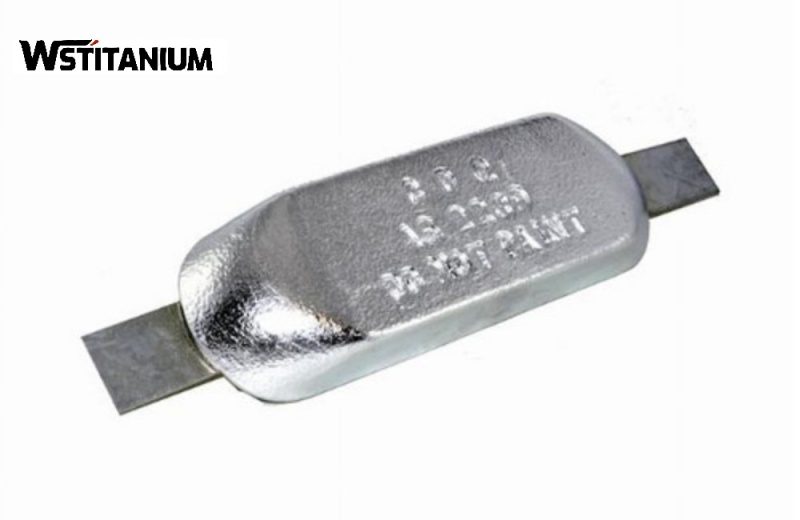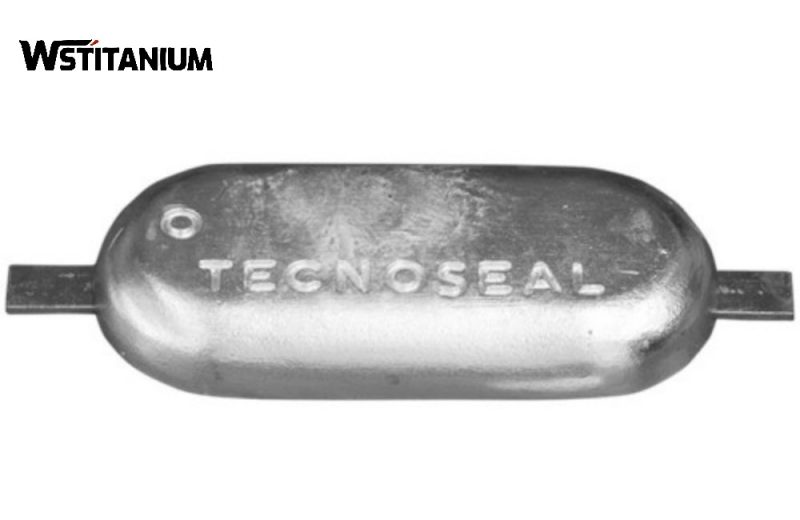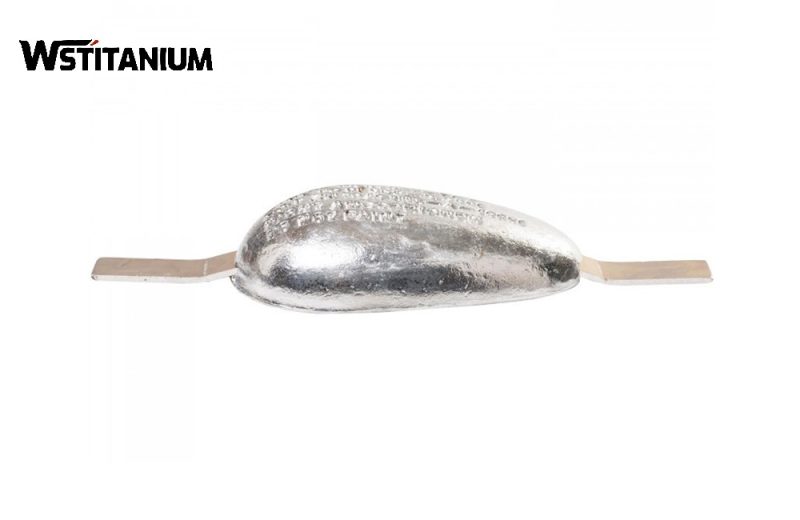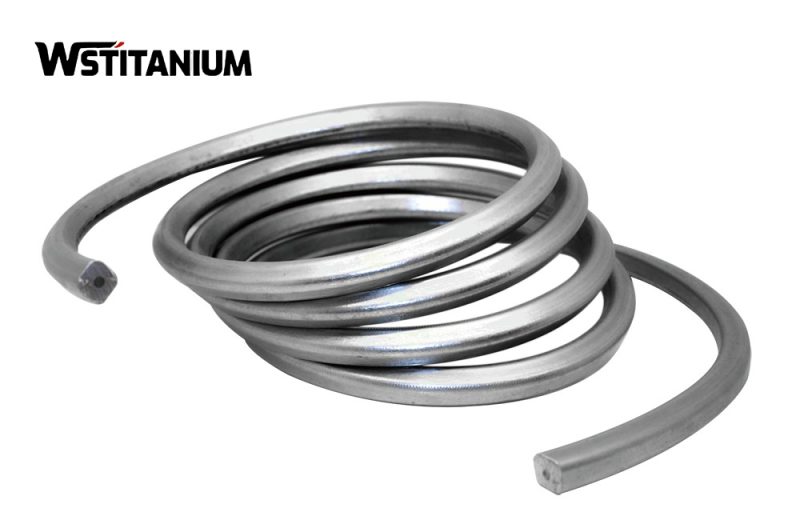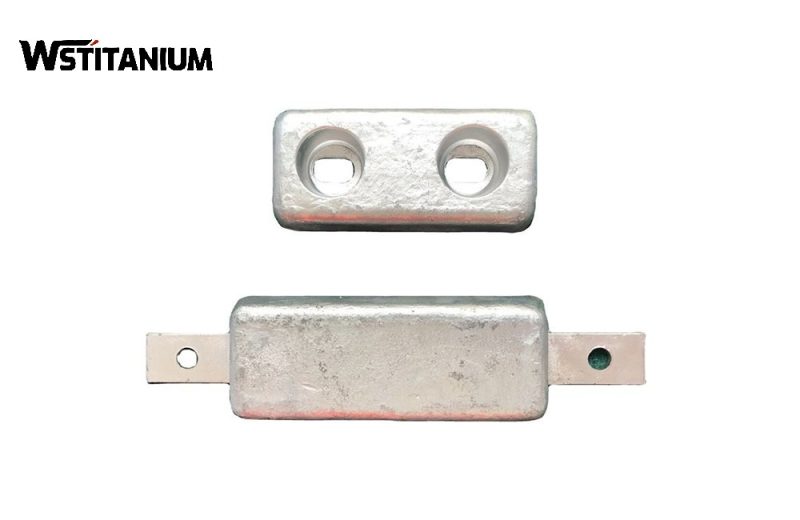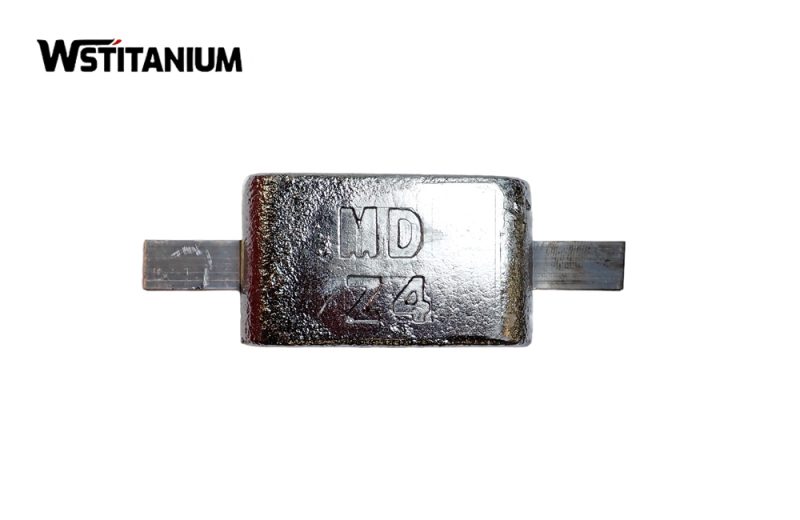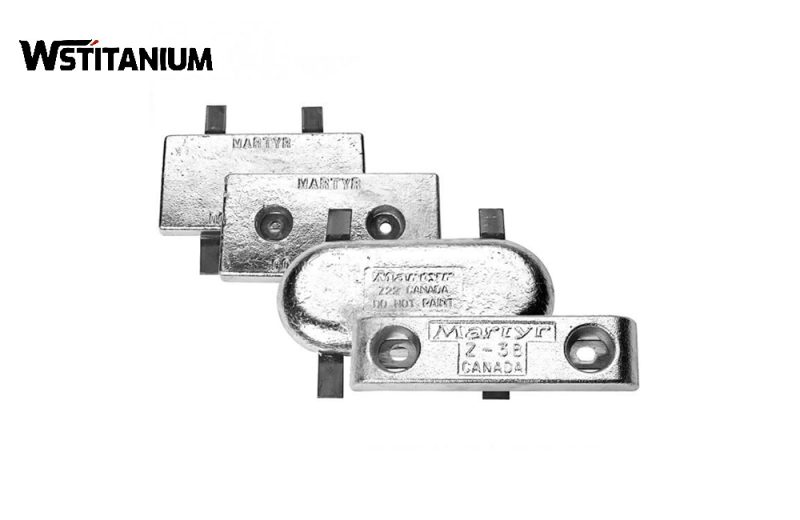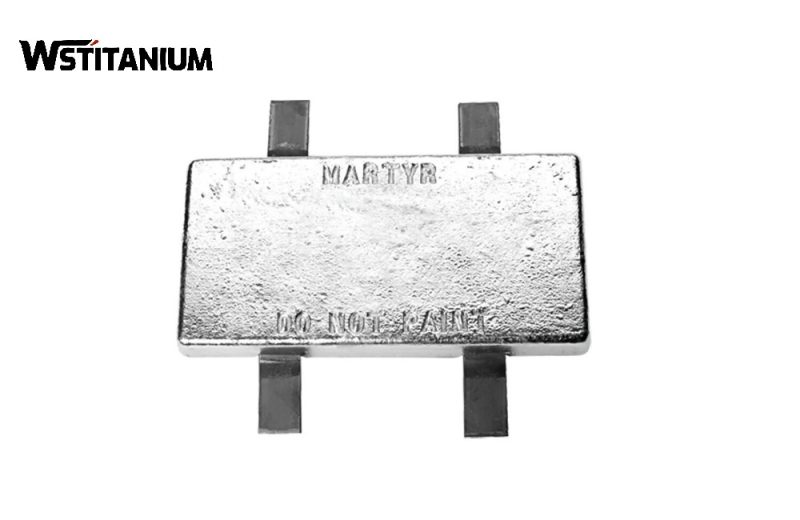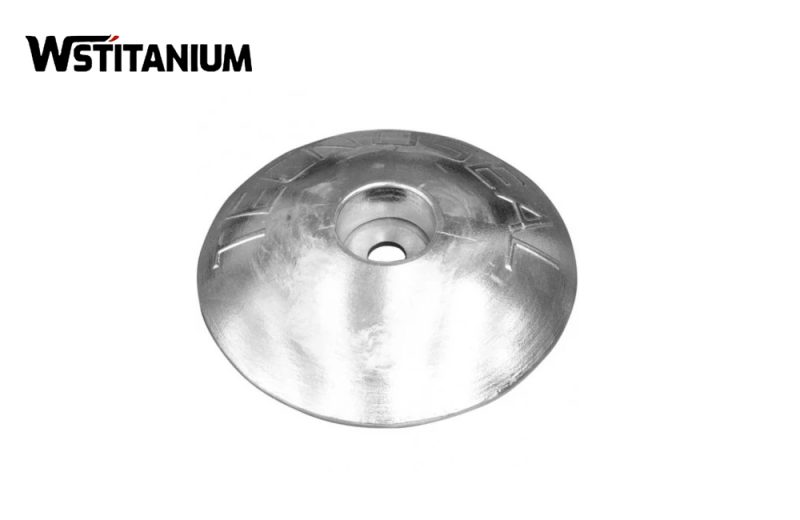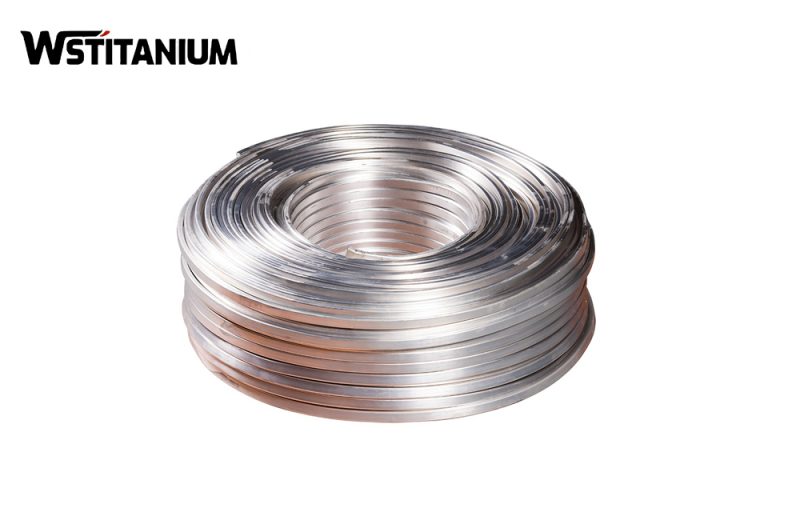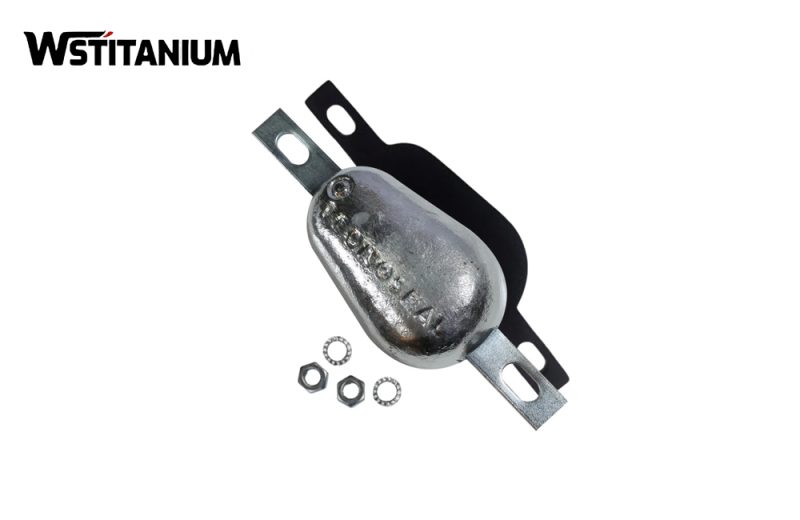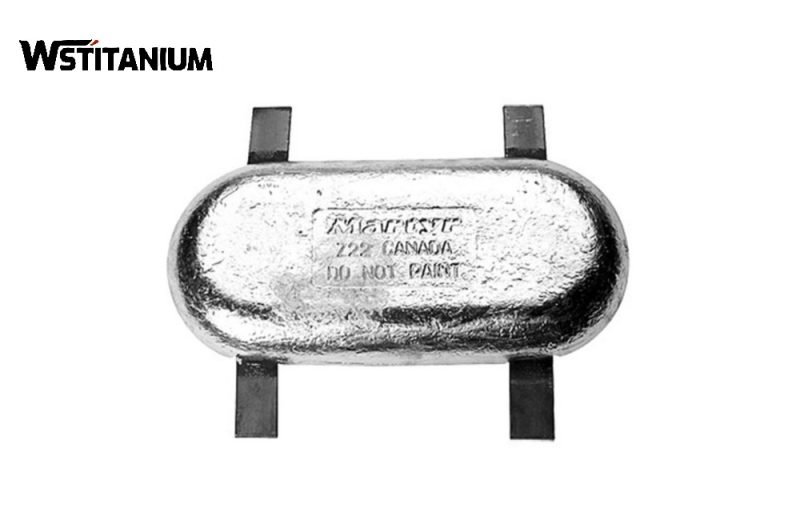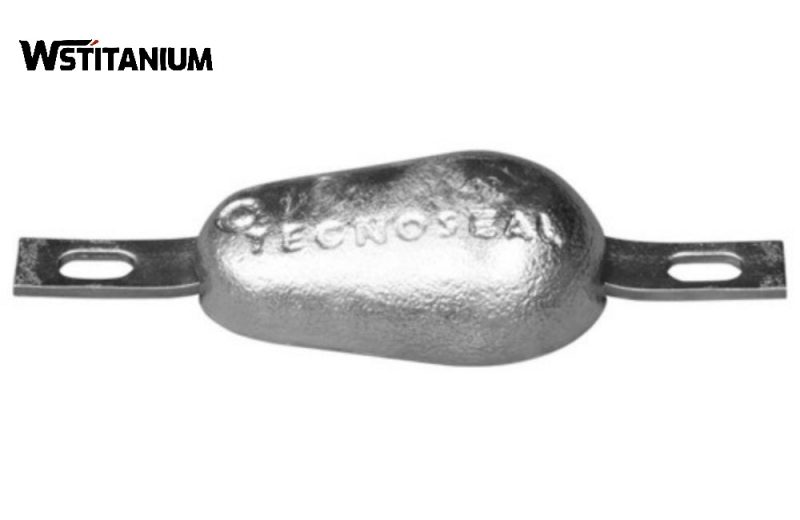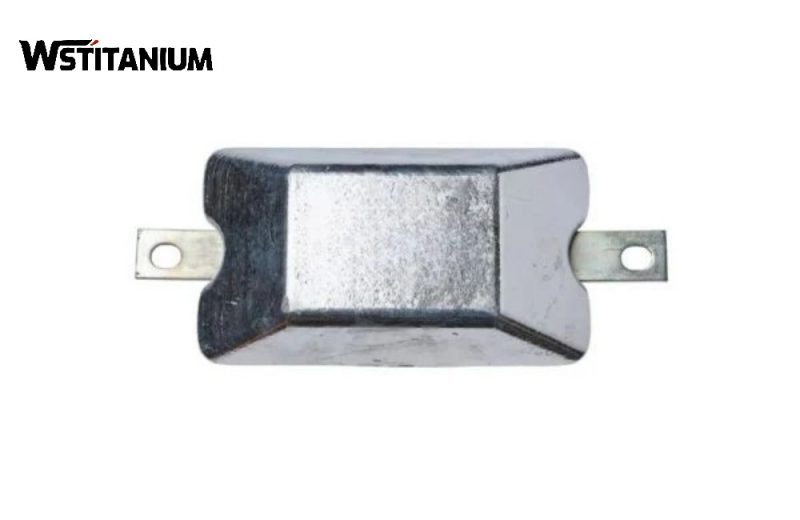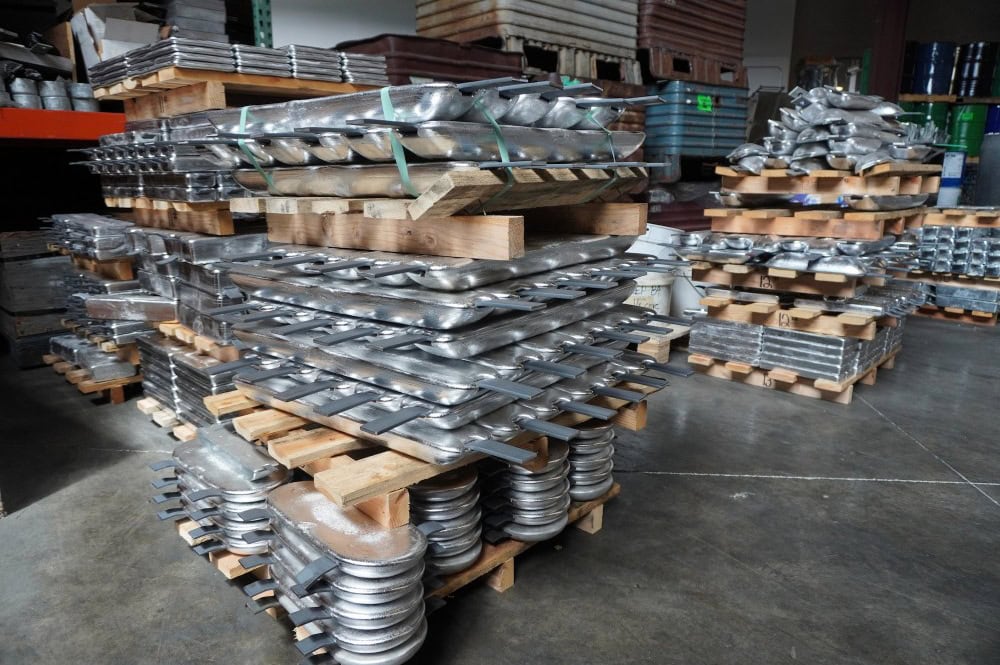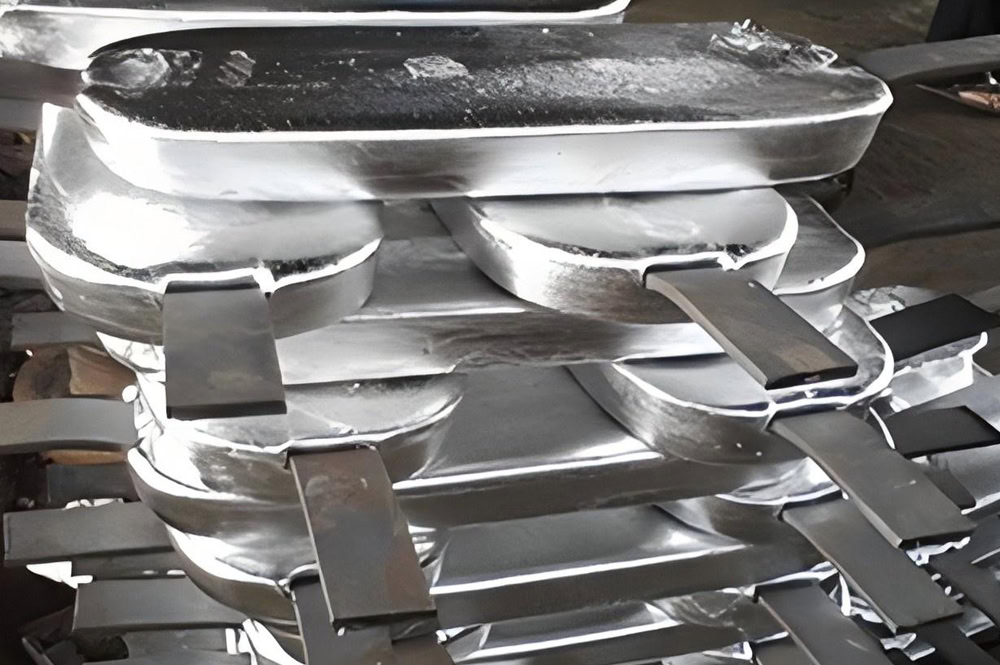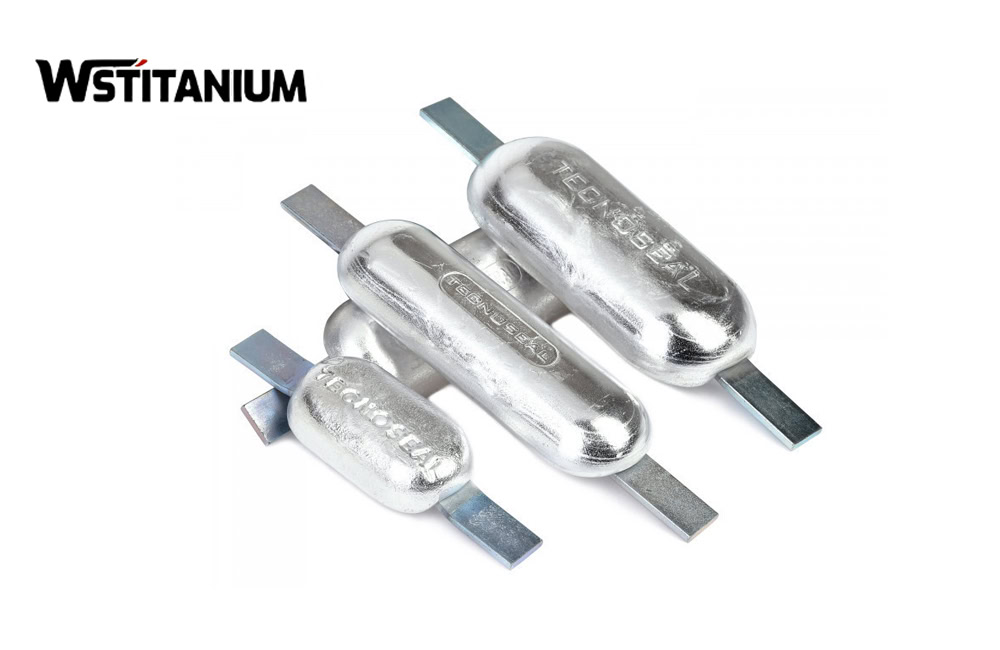

Zinc sacrificial anodes maintain a stable working potential of -1.05 to -1.10 V (CSE) in seawater/soil. They create a moderate driving potential with carbon steel (-0.55 to -0.85 V), avoiding the risks of coating delamination and hydrogen embrittlement caused by overprotection, and exhibiting a stable current efficiency of 90%–95%. Zinc anodes are indispensable in freshwater, low-salinity soil, seawater, and marine sediment environments, and are widely used in oil and gas pipelines, storage tanks, offshore wind power foundations, wellbores, cooling systems, and grounding grids.
Zinc Sacrificial Anode Types
Based on alloy system, manufacturing technology, structural form, and applicable working conditions, and in accordance with the classification systems of ASTM B418, ISO 9351, MIL-A-18001K, and GB/T 4950-2021, zinc anodes for energy facilities are classified into the following categories:
ASTM B418 Type I (Zn-Al-Cd)
The standard Zn-Al-Cd alloy is a widely used international main type. The addition of Al and Cd refines the grain structure, neutralizes the harmful effects of iron impurities, inhibits passivation, and ensures uniform dissolution. It is suitable for seawater, marine mud, and coastal low-salinity soils, and is the preferred material for offshore oil and gas, wind power, and subsea pipelines.
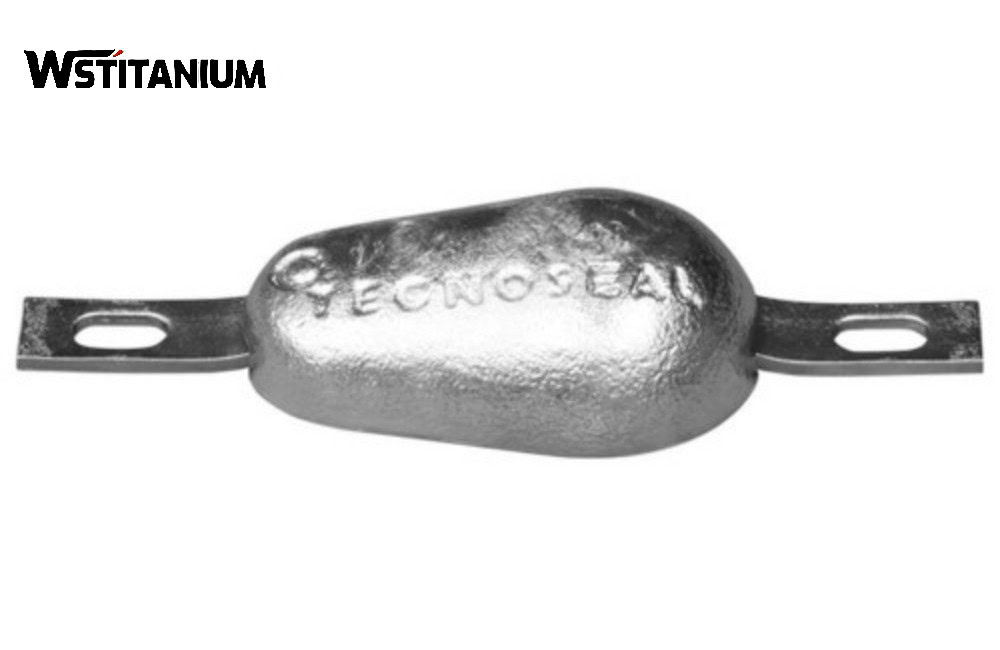
ASTM B418 Type II (Pure Zinc)
This type uses an ultra-high purity zinc matrix, with impurity limits far stricter than Type I. It is suitable for freshwater, low-chloride soils, power plant cooling water systems, and zinc grounding batteries, preventing passivation and current decay caused by impurities, and is suitable for clean water environments sensitive to heavy metal release.
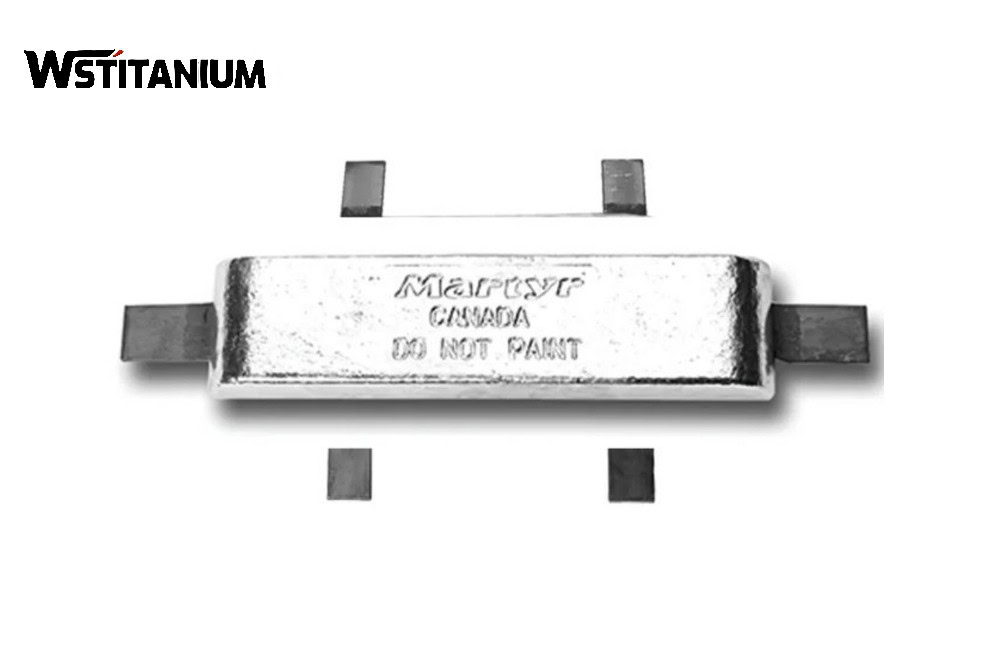
High-Temperature Resistant (Zn-Al-Cd-Mn-Mg-Ti)
Based on the standard alloy, Mn, Mg, and Ti are added for microalloying to inhibit high-temperature intergranular corrosion and positive potential shift. It is suitable for 100–120℃ oil and gas deep wells, geothermal wellbores, and high-temperature cooling water systems. It solves the problem of potential reversal and protection failure of conventional zinc anodes at temperatures above 60℃.
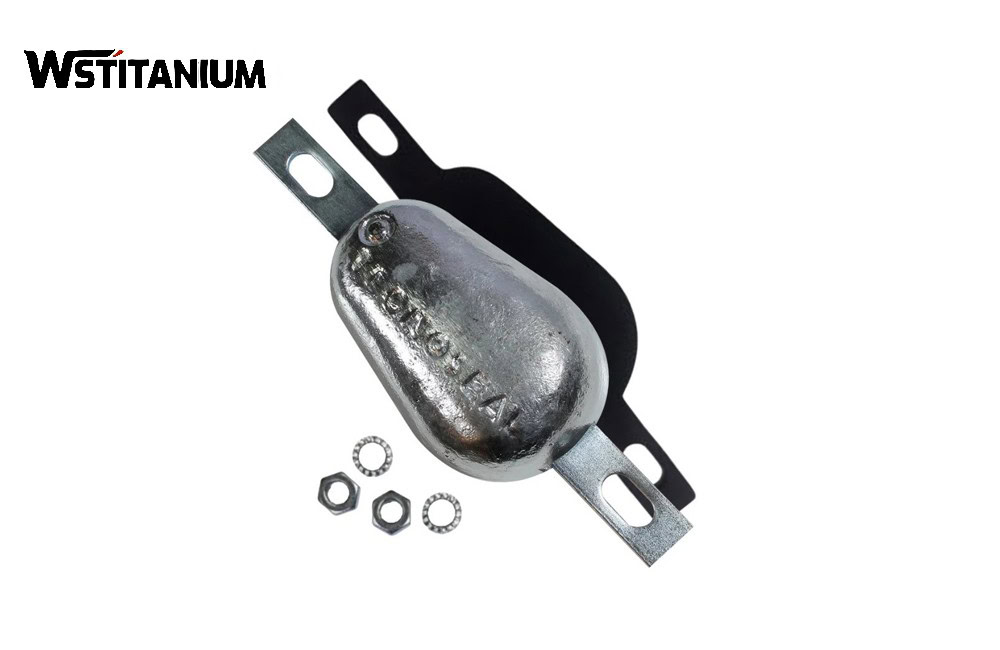
Cadmium-Free and Environmentally Friendly
To meet EU RoHS and marine environmental protection directives, In, Sn, and rare earth elements are used to replace Cd. The composition complies with EU 2019/1021, and is used in offshore wind power, oil and gas facilities in ecologically sensitive areas, reducing the environmental burden of heavy metals.
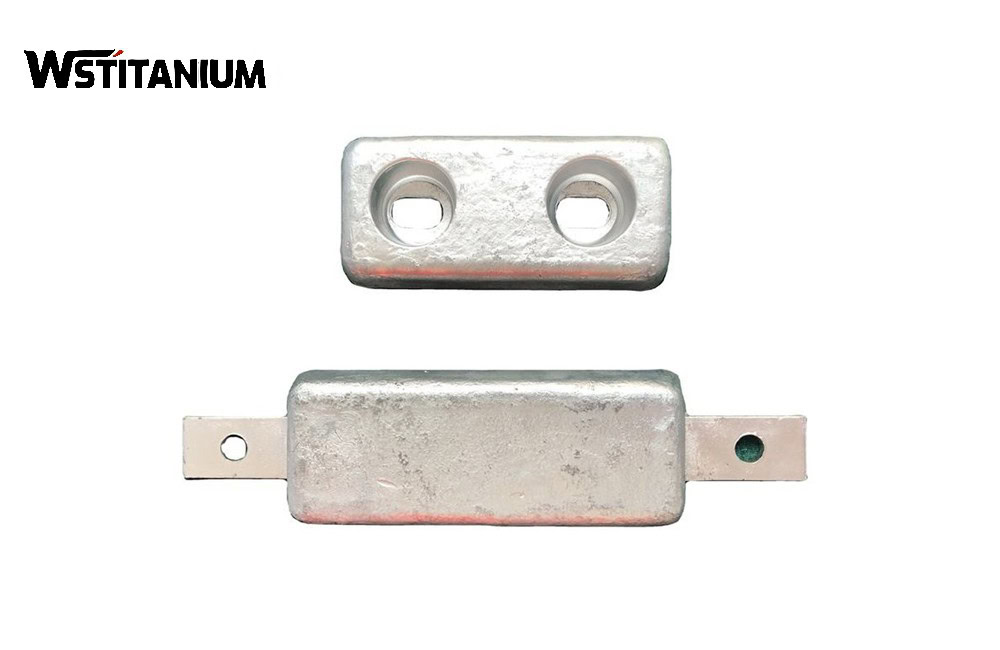
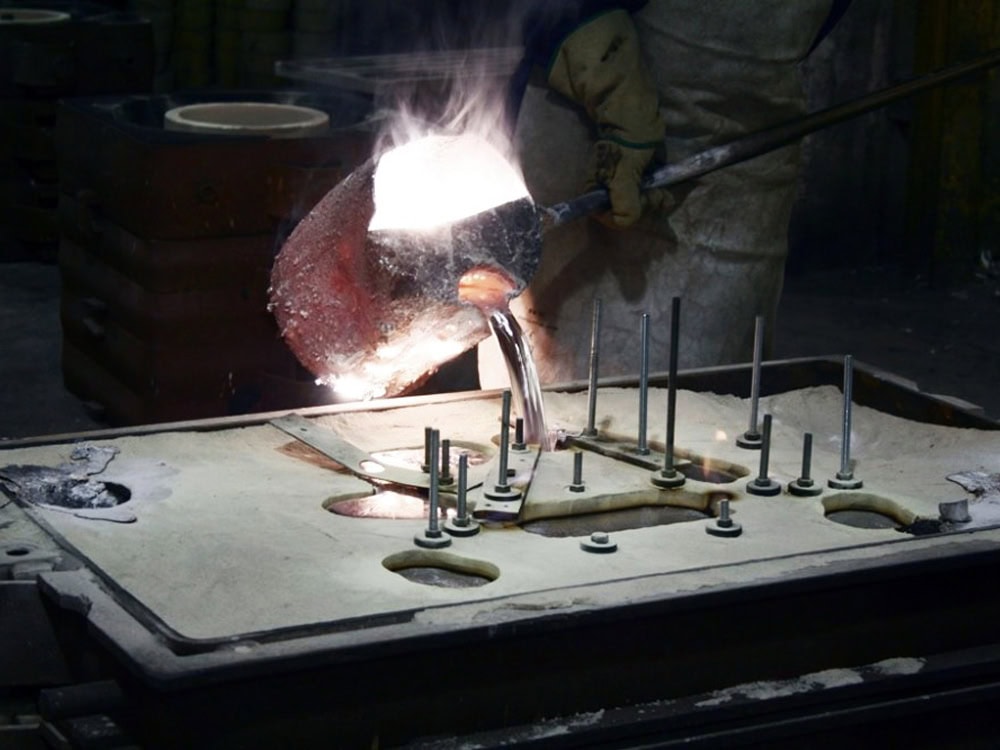
Cast Zinc Anodes
Melt-cast molded, with a single block weight of 5–250 kg, offering high mechanical strength and stable current output. Used for storage tank bottom plates, wind turbine substructures, platform risers, and subsea pipelines.
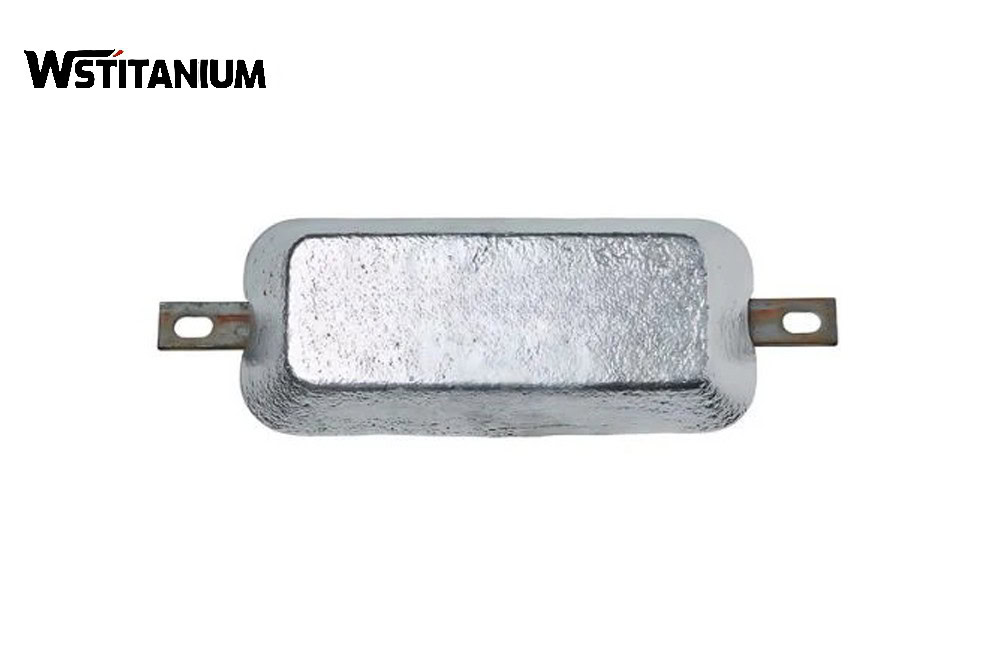
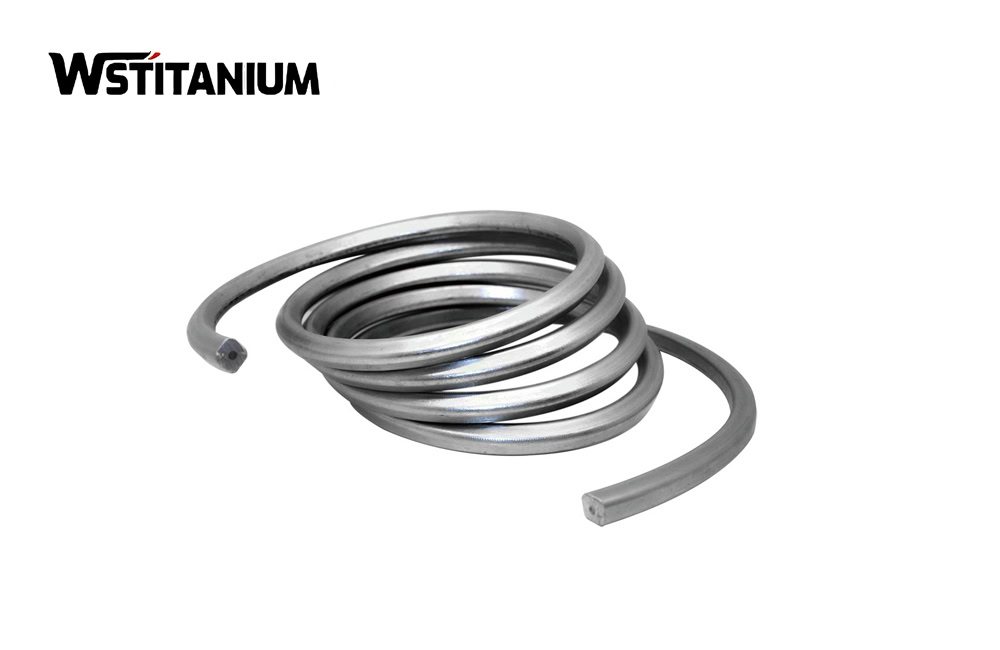
Extruded Ribbon Zinc Anodes
Continuously extruded, with a regular cross-section and flexible bendability. An internal steel core enhances conductivity and mechanical properties. Used for continuous laying of long-distance pipelines, storage tank edge plates, stray current drainage, and grounding grid modification.
Elemental Composition
The table below integrates all limits from ASTM B418-16a (2021), ISO 9351:2025, MIL-A-18001K, and GB/T 4950-2021, serving as a universal basis for procurement and acceptance in global energy projects.
| Element | Type I (Seawater) | Type II (Freshwater / Soil) | High Temperature Grade | Function |
|---|---|---|---|---|
| Zn | Balance | Balance | Balance | Matrix, provides negative potential. Theoretical capacity 819 Ah/kg. |
| Al | 0.30% - 0.60% | ≤ 0.005% | 0.35% - 0.55% | Forms Al₃Fe to eliminate impurity passivation, refine grain size, and improve dissolution uniformity. |
| Cd | 0.05% - 0.12% | ≤ 0.003% | 0.06% - 0.10% | Stabilizes potential, reduces self-corrosion, and inhibits high-temperature polarity reversal. |
| Fe | ≤ 0.005% | ≤ 0.00014% | ≤ 0.003% | Strongly harmful impurity that forms cathode phases to trigger passivation; must be strictly controlled. |
| Cu | ≤ 0.005% | ≤ 0.005% | ≤ 0.004% | Forms local cathodes, accelerates self-corrosion, and reduces current efficiency. |
| Pb | ≤ 0.006% | ≤ 0.003% | ≤ 0.003% | Causes nodular corrosion, uneven dissolution, and current fluctuation. |
| Mn | — | — | 0.02% - 0.05% | Strengthens high-temperature grain boundaries and inhibits intergranular corrosion. |
| Mg | — | — | 0.03% - 0.06% | Improves high-temperature potential stability and retards potential shift. |
| Ti | — | — | 0.01% - 0.02% | Refines high-temperature microstructure and enhances mechanical and electrochemical stability. |
← Swipe left/right to view full table →
Key Performance Indicators
- Open Circuit Potential (CSE): -1.00 to -1.15 V
- Operating Potential (CSE): -0.95 to -1.10 V
- Current Efficiency: ≥90%
- Actual Consumption Rate: ≤11.0 kg/(A·a)
- Applicable Medium Resistivity: <15 Ω·m
- Applicable temperature: ≤50℃
Applicable Standards
ASTM B418-16a(2021)
Cast and Wrought Galvanic Zinc Anodes, a globally applicable product standard defining Type I/II composition, electrochemical performance, test methods, equivalent to MIL-A-18001K.
ISO 9351:2025
Galvanic anodes for cathodic protection in seawater and saline sediments, a general standard for sacrificial anodes in seawater and saline sediments, covering zinc alloy composition, performance, testing, and marking, applicable to offshore wind power and subsea pipelines.
MIL-A-18001K
Anode, Sacrificial, Zinc Alloys, a US military standard with the most stringent composition and performance limits, used in military energy facilities and large international deep-sea oil and gas projects.
DNV-RP-B401:2021
Corrosion Protection of Offshore Structures, a standard for corrosion protection of offshore structures, specifying the arrangement, quantity calculation, lifespan design, and inspection criteria for wind power and platform zinc anodes.
NACE SP0775-2018
Corrosion Control for Oil and Gas Production Facilities, a standard for corrosion control of oil and gas production facilities, specifying the selection, current density, and acceptance criteria for zinc anodes in wellbores, pipelines, and storage tanks.
EN 12473:2020
Cathodic protection of inland and marine steel structures, a European standard for cathodic protection of steel structures, suitable for European onshore and offshore energy facilities….
Applications
Zinc sacrificial anodes are an indispensable core material in cathodic protection systems for energy facilities. With their key advantages of moderate potential, no overprotection, high current efficiency, wide environmental adaptability, and simple installation, they are used in a wide range of applications including onshore oil and gas pipelines, offshore platforms, subsea pipelines, LNG storage tanks, offshore wind power, deep well casings, and power storage.
Oil and Gas Pipelines
Energy pipelines cover the transportation of crude oil, natural gas, refined oil, and LNG. They traverse farmland, riverbanks, coastal mudflats, and saline-alkali land. The resistivity of the medium is mostly 5–15 Ω·m. This is the core application scenario for zinc anodes.
The design incorporates a continuous laying scheme of strip zinc anodes and a spaced arrangement of pre-packaged block anodes. The filler material follows a standard ratio: 75% gypsum + 20% bentonite + 5% sodium sulfate, significantly reducing contact resistance. The protection potential is controlled within -0.85 to -1.15 V (CSE). This range completely inhibits pitting and uniform corrosion of carbon steel. This potential range has been verified as optimal by multiple NACE studies. The anode spacing is adjusted according to the soil resistivity: 20–30 m for resistivity of 5–10 Ω·m, and 10–20 m for 10–15 Ω·m. The weight of a single block is 10–20 kg, with a design life of 25–30 years, consistent with the life of the main pipeline.
Offshore Platforms
Offshore oil and gas platforms and subsea oil and gas pipelines operate long-term in seawater, splash zones, and marine mud areas. These environments are characterized by high chloride ion content, strong water erosion, and significant microbial corrosion (MIC). This represents the most demanding corrosion environment for energy projects.
The platform’s jacket, riser, and riser utilize welded block zinc anodes, each weighing 20–50 kg. Current densities are 100–150 mA/m² in the fully immersed zone, 150–200 mA/m² in the splash zone, and 50–80 mA/m² in the marine mud zone. Subsea pipelines employ bracelet-type zinc anodes, with a semi-ring interlocking installation that fits the pipe diameter perfectly, resisting water flow and submarine landslide impacts. Anode utilization is ≥85%. Zinc anodes maintain a stable open-circuit potential of -1.10 V (CSE) in seawater, with a moderate driving potential, avoiding over-protection issues like aluminum anodes and rapid consumption like magnesium anodes.
ISO 9351:2025 clearly stipulates that zinc anodes in seawater and saline sediments must meet the composition requirements of ASTM B418 Type I, with Al and Cd contents meeting the standards and Fe impurities ≤ 0.005%.
Storage Tanks
The bottom walls of atmospheric pressure crude oil storage tanks, refined oil tanks, and LNG cryogenic storage tanks are in direct contact with the soil, making them susceptible to crevice corrosion and oxygen concentration gradient corrosion. This is a key area for corrosion prevention in oil and gas stations. Based on SY/T 0088-2018 and NACE SP0290-2019, the tank bottom adopts a pre-packaged block zinc anode evenly distributed + edge plate strip zinc anode reinforcement scheme, working in conjunction with epoxy coal tar pitch and FBE coating for protection.
The current density in the central area of the tank bottom is 2–3 mA/m², and 3–5 mA/m² in the edge plates, corners, and weld areas. The anodes are evenly distributed in a grid pattern with a spacing of 3–5 m, and each block weighs 10–15 kg. The filler material is the same as the standard mix for pipelines, ensuring a contact resistance ≤0.005 Ω. Design life is 20–25 years.
The soil in the LNG storage tank area is mostly backfilled sandy soil with low resistivity. The zinc anode requires no external power supply, poses no risk of electric sparks, and meets safety regulations for explosion-proof areas. During operation and maintenance, the tank bottom potential is checked every six months to ensure that the power-off potential is between -0.85 and -1.10 V (CSE). Replacement is initiated when the remaining anode mass is less than 15% and the operating potential shifts positively to above -0.90 V.
Deep Oil and Gas Wells
Deep oil and gas wells and geothermal energy wells face a complex corrosion environment characterized by high temperature, high pressure, CO₂, and high-mineralization Cl⁻**. Conventional zinc anodes experience potential reversal at temperatures above 60℃, losing their protective function. Based on Hu et al. (2023) and NACE SP0775-2018, high-temperature modified Zn-Al-Cd-Mn-Mg-Ti alloy anodes can address this challenge, with an applicable temperature range of 100–120℃ and a pressure ≤70 MPa.
This alloy, through Mn, Mg, and Ti microalloying, maintains a negative potential at high temperatures, inhibiting intergranular corrosion and polarity reversal. In a 100℃, 2 MPa CO₂, and high-mineralization formation water environment, the protection efficiency reaches 96.44%, and the corrosion rate of TP140 casing is 0.0089 mm/a, meeting the NACE mild corrosion standard (Hu et al., 2023). The anode adopts a sleeve-type structure, which is fitted onto the outer wall of the casing and lowered into the well along with the casing. It does not require a ground power source and is suitable for unattended deep well scenarios.
Conclusion
Zinc sacrificial anodes are an irreplaceable core material in cathodic protection systems for energy facilities. With their core advantages of moderate potential, no over-protection, high current efficiency, wide environmental adaptability, and simple installation and maintenance, they cover all scenarios including onshore oil and gas pipelines, offshore platforms, subsea pipelines, LNG storage tanks, offshore wind power, deep well shafts, and power storage. Their performance is strictly determined by chemical composition and must comply with authoritative standards such as ASTM B418, ISO 9351, DNV-RP-B401, and GB/T 4950-2021, strictly controlling the content of Al and Cd alloying elements and harmful impurities such as Fe, Cu, and Pb.
Conventional Zn-Al-Cd alloys are suitable for seawater, low-salinity soil, and freshwater environments with resistivity <15 Ω・m and temperature ≤50℃; high-temperature modified alloys extend the applicable temperature to 100–120℃, solving failure problems in deep wells and geothermal scenarios; cadmium-free environmentally friendly alloys meet international environmental directives and are suitable for ecologically sensitive areas. In engineering applications, zinc anodes must be used in conjunction with anti-corrosion coatings. Depending on the scenario, block, strip, bracelet, sleeve, or grounded battery structures should be selected, along with standard filler materials. Strict adherence to the entire process specifications for design, construction, testing, and operation and maintenance is required to achieve long-term protection for 20–30 years.
References
ASTM International. ASTM B418-16a(2021) Standard Specification for Cast and Wrought Galvanic Zinc Anodes[S]. West Conshohocken: ASTM International, 2021.
ISO. ISO 9351:2025 Galvanic anodes for cathodic protection in seawater and saline sediments[S]. Geneva: International Organization for Standardization, 2025.
U.S. Department of Defense. MIL-A-18001K Anode, Sacrificial, Zinc Alloys[S]. Washington D.C.: U.S. DOD, 2019.
DNV GL. DNV-RP-B401:2021 Corrosion Protection of Offshore Structures[S]. Oslo: DNV GL, 2021.
NACE International. NACE SP0775-2018 Corrosion Control for Oil and Gas Production Facilities[S]. Houston: NACE International, 2018.
NACE International. NACE SP0492-2016 Offshore Pipeline Bracelet Anodes[S]. Houston: NACE International, 2016.
Crundwell R F. Sacrificial Anodes[M]//Shreir’s Corrosion. 4th ed. Amsterdam: Elsevier Ltd, 2010: 2763-2780.
Hu F, Geng H, Feng W, et al. Corrosion Studies of Temperature-Resistant Zinc Alloy Sacrificial Anodes and Casing Pipe at Different Temperatures[J]. Materials, 2023, 16(7): 2712.
Wang H D, Kang J J, Jin G, et al. Effects of Lanthanum on Microstructure and Electrochemical Properties of Al–Zn–In Based Sacrificial Anode Alloys[J]. Corrosion Science, 2009, 51(10): 2115-2119.
Luo W H, Wang H T, Xu S, et al. Effect of Zn Content on the Electrochemical Properties of Al-Zn-In-Mg Sacrificial Anode[J]. Journal of Chinese Society for Corrosion and Protection, 2023, 43(2): 121-128.
Kirchgeorg T, Weinberg I, Hörnig M, et al. Emissions from Corrosion Protection Systems of Offshore Wind Farms: Evaluation of the Potential Impact on the Marine Environment[J]. Marine Pollution Bulletin, 2018, 136: 257-267.
Standardization Administration of China. GB/T 4950-2021 Zinc Alloy Sacrificial Anodes[S]. Beijing: Standards Press of China, 2021.
Standardization Administration of China. GB/T 21448-2017 Cathodic Protection Code for Buried Steel Pipelines[S]. Beijing: Standards Press of China, 2017.
China National Petroleum Corporation. SY/T 0019-2021 Code for Design of Sacrificial Anode Cathodic Protection for Buried Steel Pipelines[S]. Beijing: Petroleum Industry Press, 2021.
China National Petroleum Corporation. SY/T 0088-2018 Technical Standard for Cathodic Protection of External Bottom Wall of Steel Storage Tanks[S]. Beijing: Petroleum Industry Press, 2018.