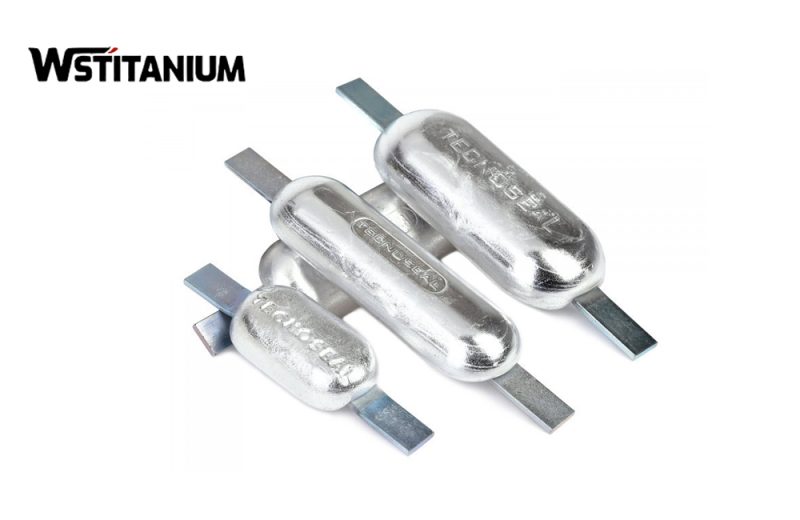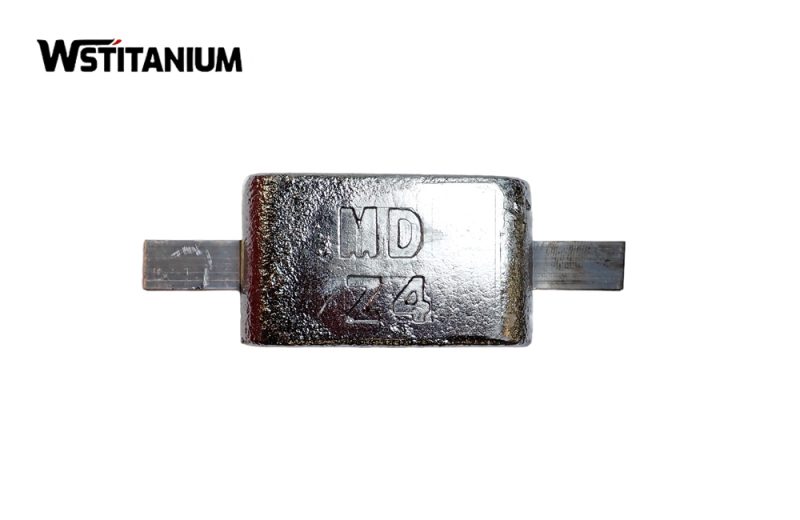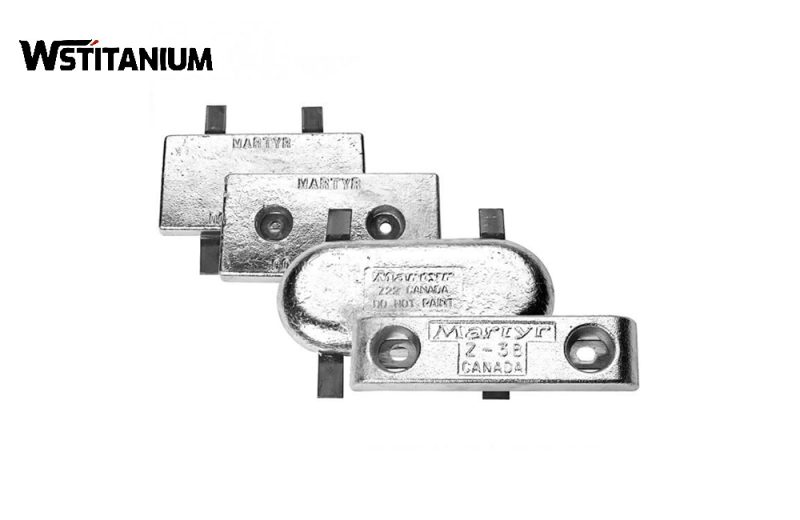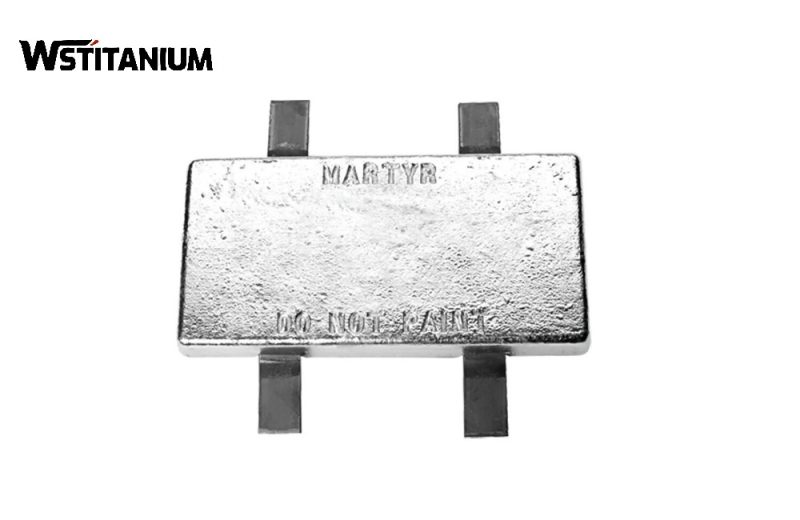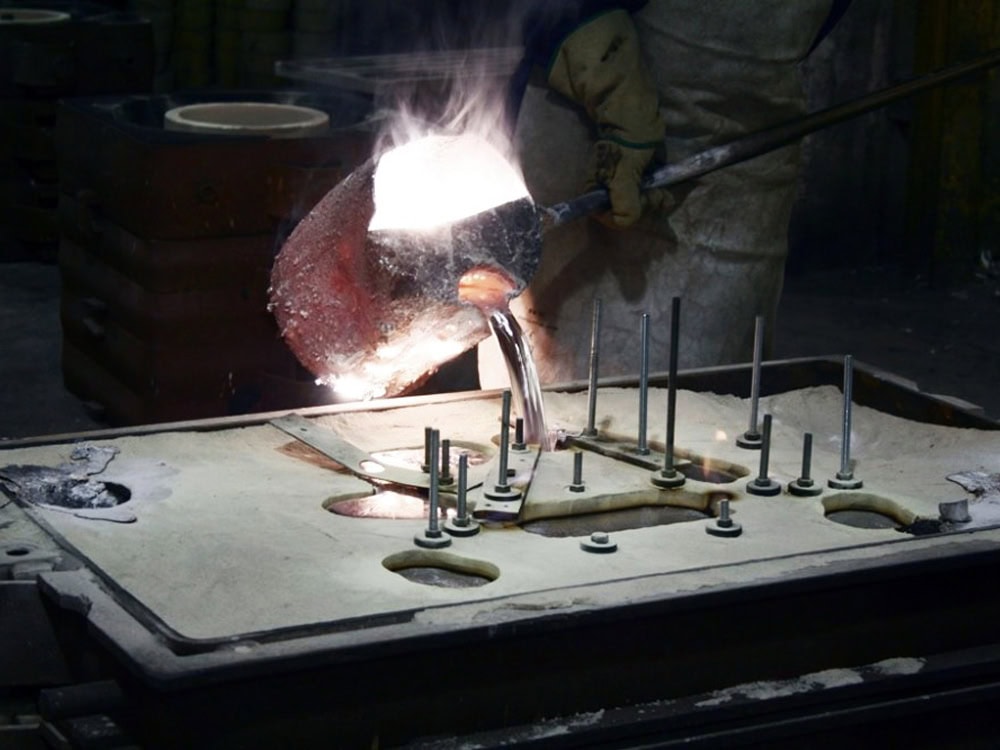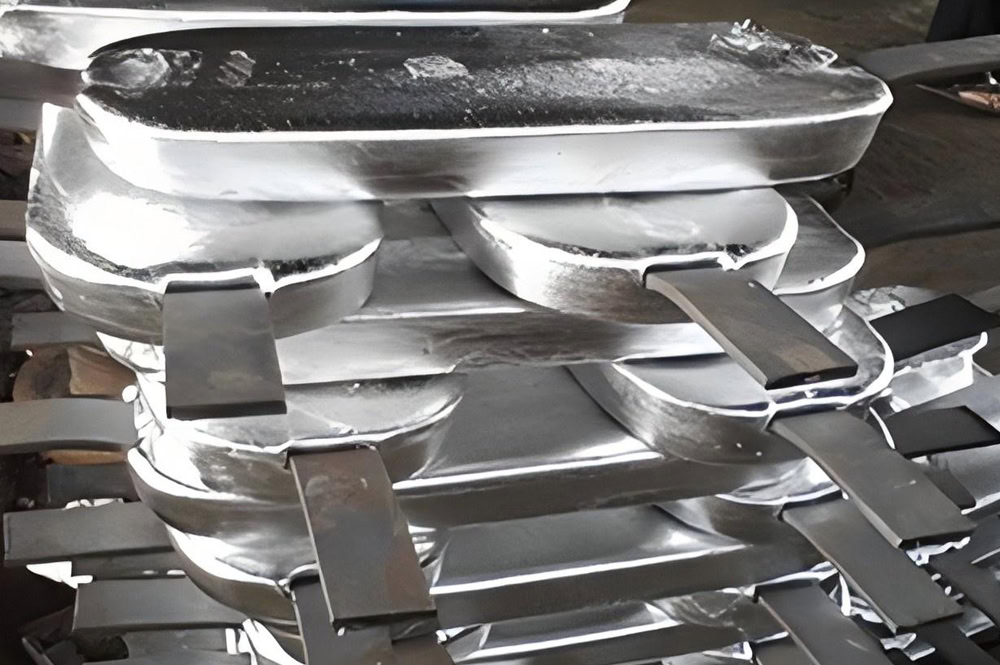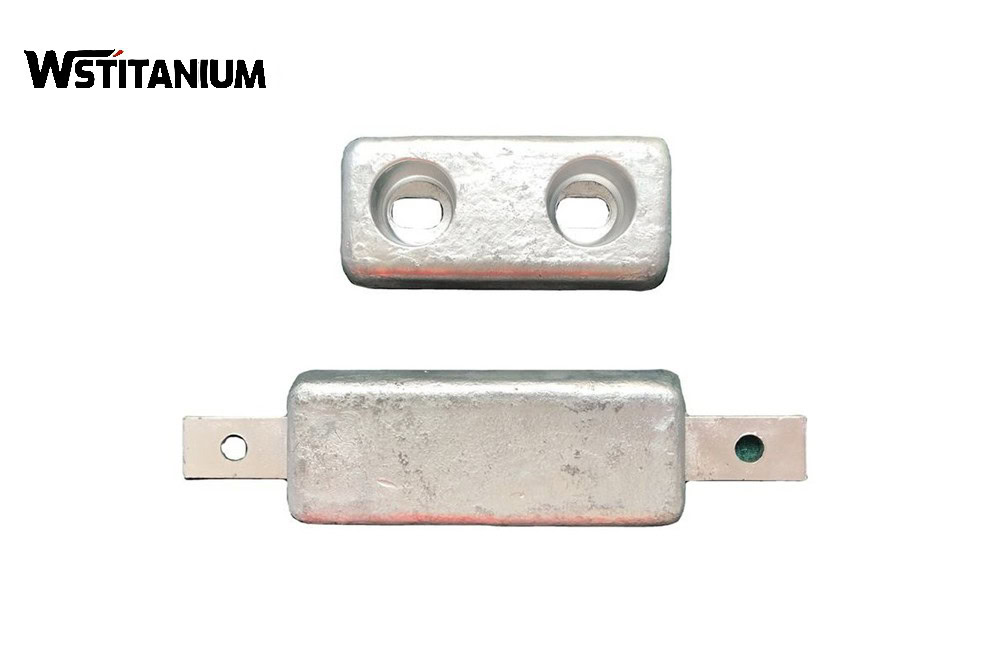

Zinc sacrificial anodes, as a core technology for cathodic protection of oil and gas facilities, have become the preferred solution for corrosion protection of steel structures such as onshore/offshore oil and gas pipelines, storage tanks, platforms, and well casings. Oil and gas facilities are often located in highly corrosive environments such as seawater, salt spray, sewage, and high temperature and pressure. Steel pipelines, storage tanks, well casings, and platform structures are prone to uniform corrosion and pitting. This can lead to accidents such as perforation, leakage, and explosion. Corrosion protection is a core aspect of the entire life cycle of oil and gas facilities, from design and construction to operation and decommissioning.
Sacrificial Anodes
Utilizing a more negatively charged metal/alloy (zinc, aluminum, magnesium) as the anode, a galvanic cell is formed with the protected steel structure (cathode). The anode preferentially dissolves, releasing electrons, thus polarizing the steel cathode and inhibiting the corrosion reaction.
- Safe and Reliable: No external power supply, no risk of leakage, electric shock, or explosion; suitable for areas with oil and gas explosion hazards.
- Environmentally Friendly: Non-toxic dissolved products; suitable for sensitive environments such as marine and soil environments.
- Highly Adaptable: Customizable in block, strip, bracelet, and pile forms to meet the protection needs of complex structures.
- Comprehensive Standards: A complete international standard system, including design, construction, acceptance, and monitoring.
- Low Cost: Design life of 10–30 years.
Zinc Sacrificial Anode Principle
Steel undergoes electrochemical corrosion in electrolytes (soil, seawater, wastewater), forming micro-cells. Anode region (corrosion zone): Fe → Fe²⁺ + 2e⁻ (iron oxidation and dissolution); Cathode region: O₂ + 2H₂O + 4e⁻ → 4OH⁻ (oxygen absorption corrosion, the dominant corrosion type in oil and gas facilities); Electrons are conducted through the steel, and ions migrate through the electrolyte, forming a corrosion circuit, leading to steel loss.
Zinc’s standard electrode potential (-0.763V) is much more negative than that of steel (-0.44V), forming a zinc-steel galvanic cell in the electrolyte.
- Anodic reaction: Zn → Zn²⁺ + 2e⁻ (Zinc preferentially oxidizes and dissolves, "sacrificing" itself);
- Electrons: Electrons flow to the steel structure through wires/direct contact;
- Cathode polarization: The steel surface gains electrons, the potential drops to the protection potential range (-0.85V ~ -1.20V vs. CSE), Fe²⁺ formation is inhibited, and corrosion stops;
- Deposition: Zn²⁺ reacts with OH⁻ to form Zn(OH)₂, which is deposited on the anode surface, automatically adjusting the current output to ensure stable protection.
Zinc Sacrificial Anode Parameters
Open circuit potential: the potential when the anode is not connected to the protected body, zinc anode **-1.05 ~ -1.10V vs. CSE;
Closed circuit potential: the working potential after the anode is connected to the protected body, zinc anode **-0.98 ~ -1.03V vs. CSE;
Drive voltage: the potential difference between the anode and the cathode, zinc-steel drive voltage 0.2 ~ 0.25V, moderate without over-protection;
Current Efficiency: Ratio of actual capacitance to theoretical capacitance; Zinc anode: ≥65% (soil), ≥85% (seawater);
Electrochemical Capacity: Electricity released per unit mass of anode; Zinc anode: 780Ah/kg (seawater), 750Ah/kg (marine mud);
Utilization rate: The proportion of anode mass that can be consumed within the design life, 85% for block anodes, 90% for strip anodes, and 80% for bracelet anodes.
Protective Potential: Critical potential at which steel stops corroding; ≤-0.85V vs. CSE (NACE RP0169, SY/T) 0019);
Advantages
- Stable Potential: No polarity reversal (temperature ≤49℃), uniform protection effect;
- Moderate Driving Voltage: Avoids risks of hydrogen evolution, coating peeling, and hydrogen-induced cracking (HISC);
- Environmental Compatibility: Suitable for soil resistivity ≤15Ω・m, seawater, marine mud, and neutral/weakly alkaline media;
- Safe and Explosion-proof: No external power supply required, suitable for Zone 1/Zone 2 oil and gas explosion hazard environments;
Disadvantages
- Low driving voltage: Not suitable for high resistivity soils (>15Ω・m);
- Small protection range: Single anode protection distance 5–10m, long-distance pipelines require dense arrangement;
- Temperature limitations: >49℃ prone to intergranular corrosion, >54℃ polarity reversal, failure;
- Consumable: Requires periodic replacement, design life must match the facility.
Category
According to GB/T 4950-2022, ASTM B418-2016, and MIL-A-18001K, zinc sacrificial anodes for oil and gas applications are classified into two categories: high-purity zinc anodes and zinc alloy anodes.
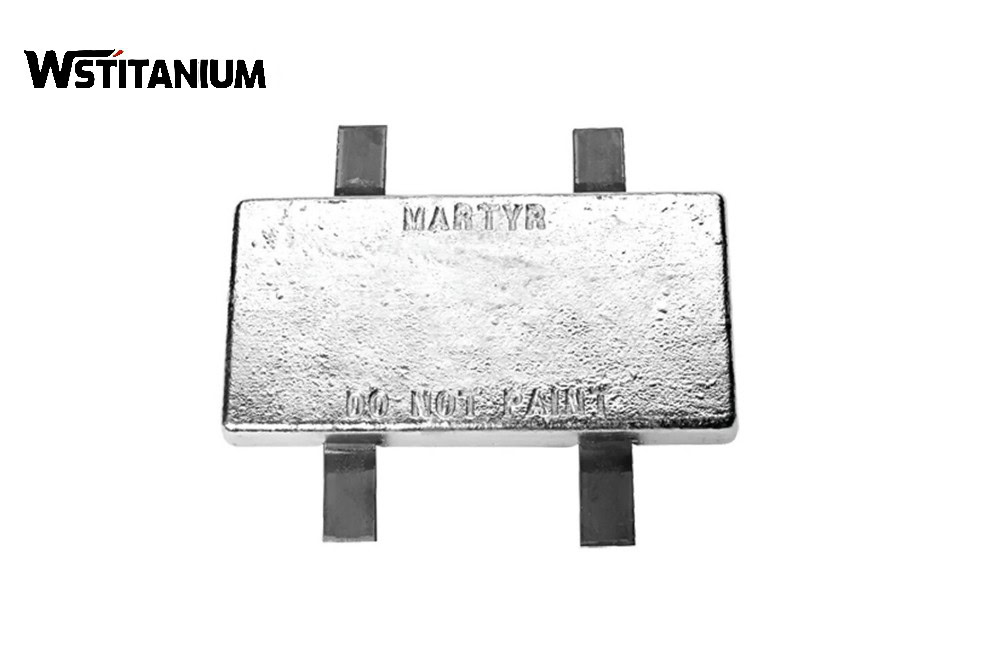
Purity Zinc Anode (ASTM B418 Type II)
Zn ≥ 99.995%, impurities Fe ≤ 0.0014%, Pb ≤ 0.003%, Cd ≤ 0.002%;Characteristics: Stable potential, uniform dissolution, no passivation, suitable for fresh water, low-corrosion soils, and temporary protection. Applications: Onshore oil and gas pipelines, small storage tanks, and casing piping.
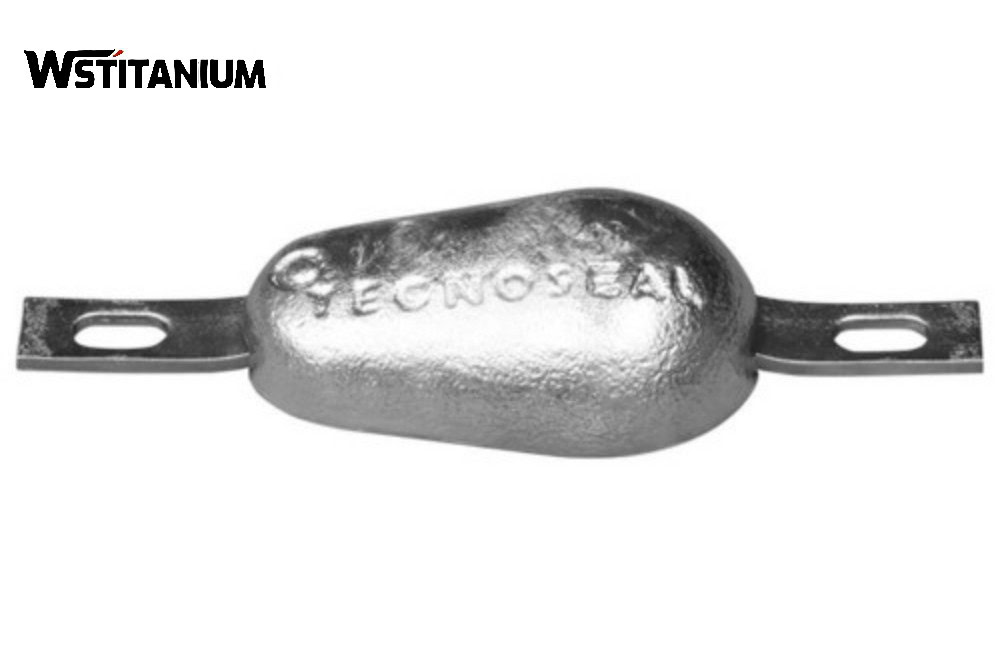
Zinc-Aluminum-Cadmium Anode
Composition: Al 0.1%–0.5%, Cd 0.025%–0.07%, Fe≤0.005%, Zn balance. Characteristics: Improved current efficiency, uniform dissolution, passivation resistance; suitable for seawater, marine mud, high-chlorine soils, and marine oil and gas facilities. Applications: Submarine pipelines, offshore platforms, coastal facilities, and pipelines in saline soils.
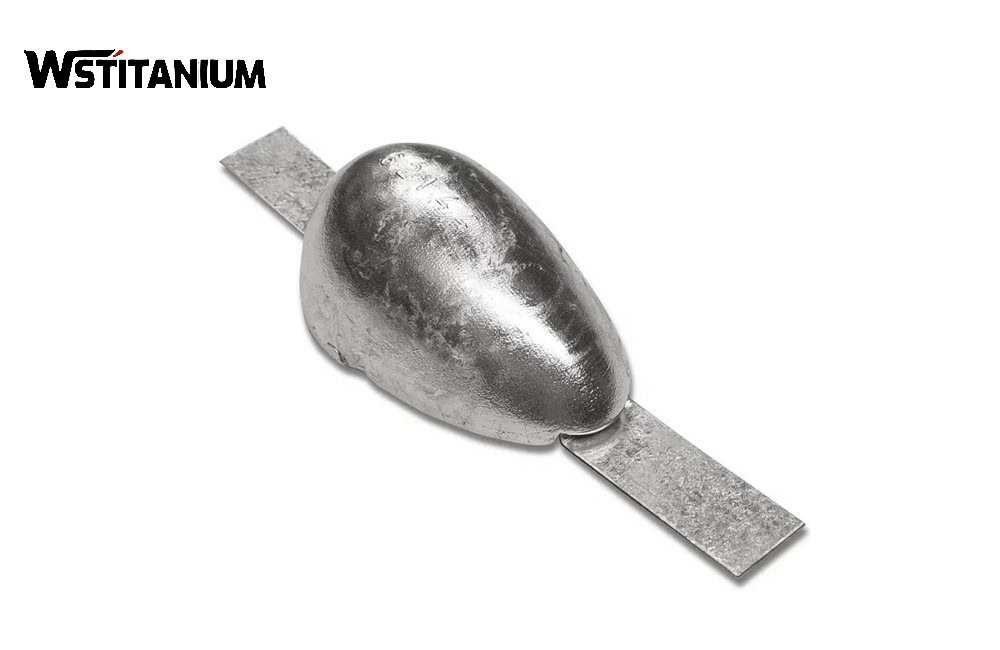
High-Temperature Zinc Alloy Anode
Composition: Zn-Al-Cd-Mn-Mg multi-element alloy, with strictly controlled Al content. Characteristics: Withstands temperatures up to 60℃, no polarity reversal, suitable for oil and gas well casings and high-temperature formations. Standard: GB/T 4950-2022 High-Temperature Grade.
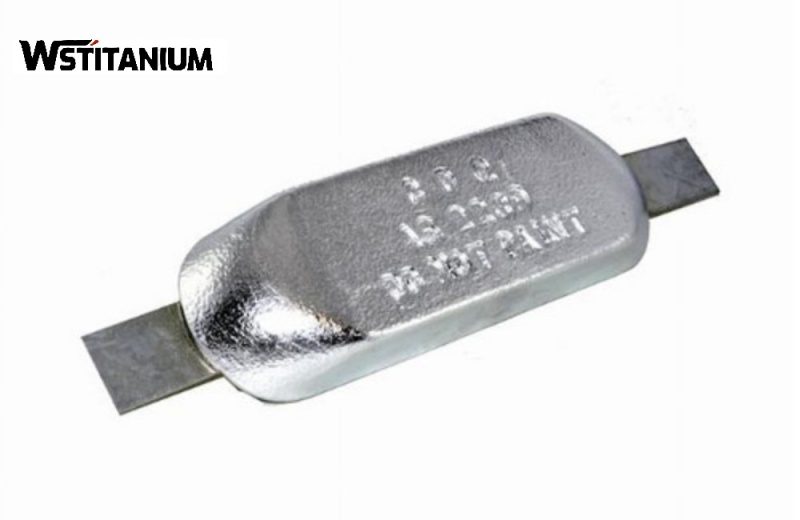
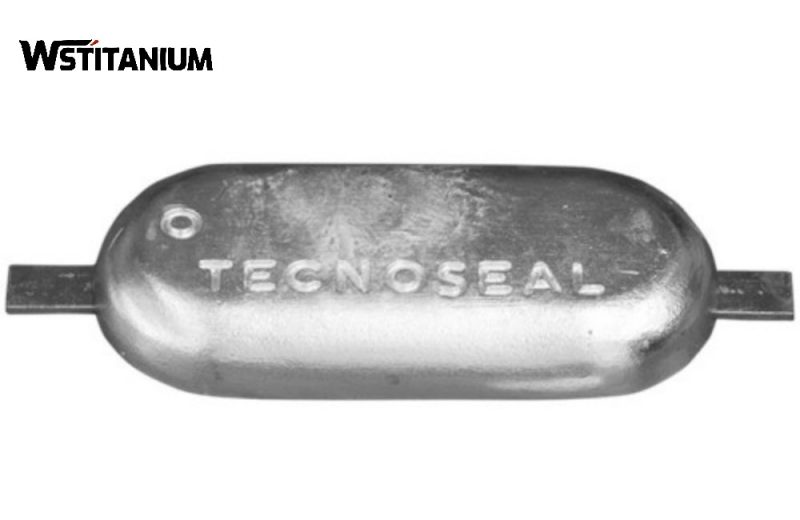
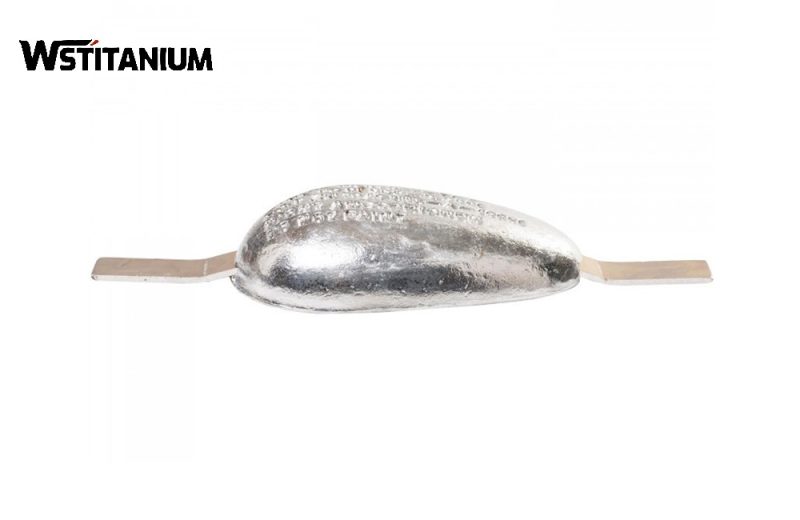
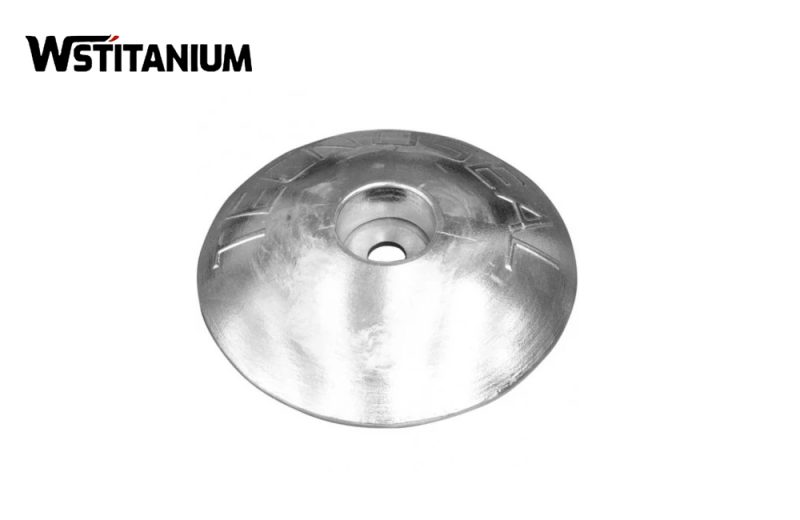
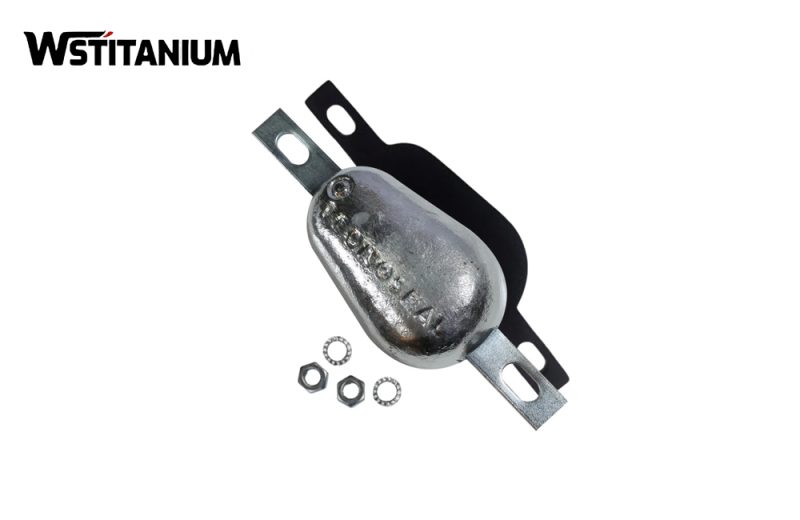
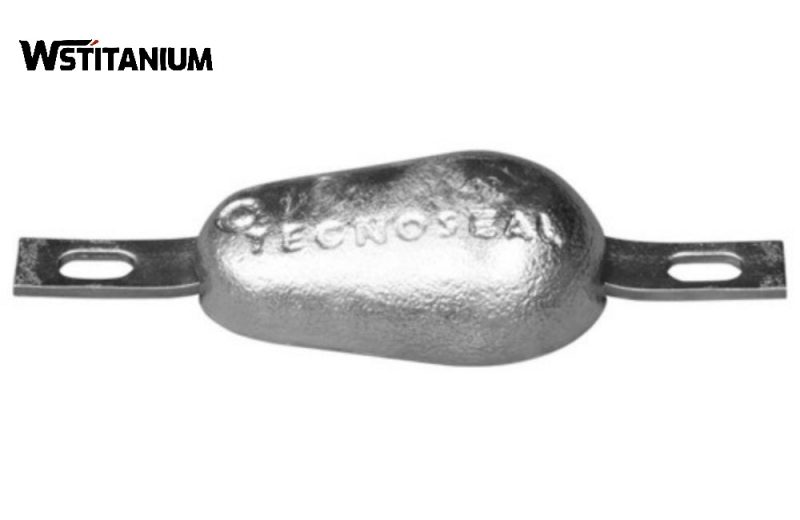
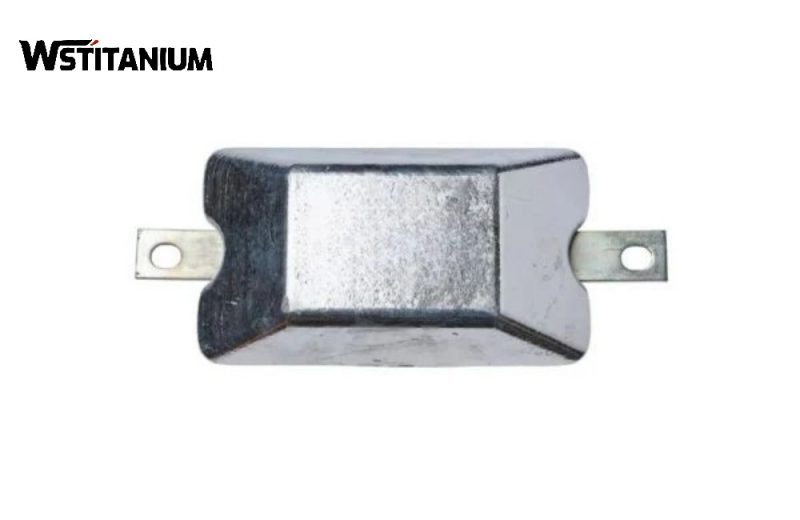
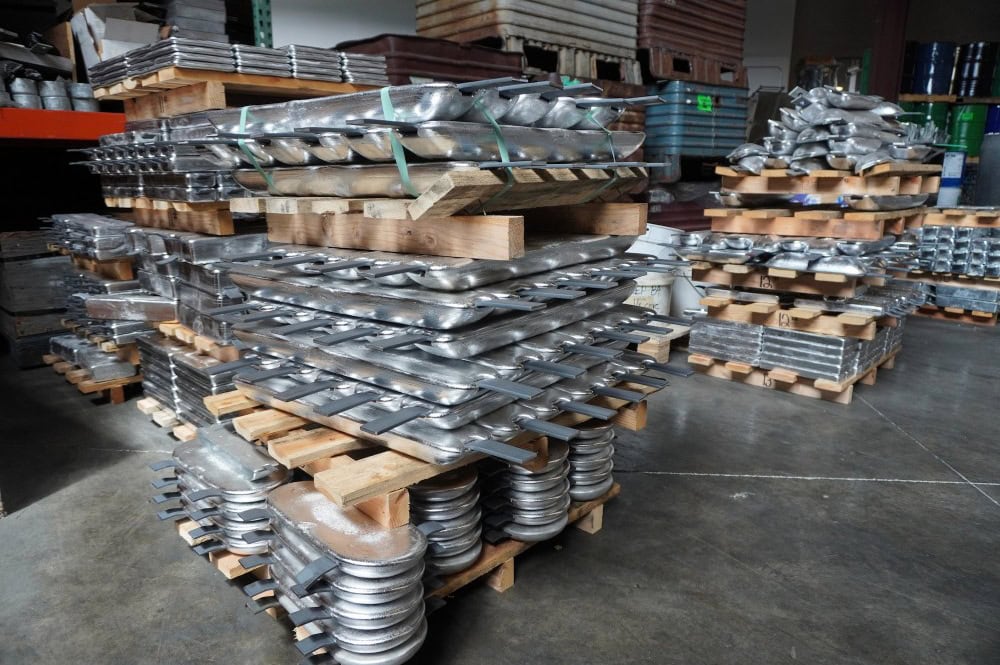
Zinc sacrificial anodes for the oil and gas industry are available in block, strip, bracelet, pile, and button shapes to suit different facility structures.
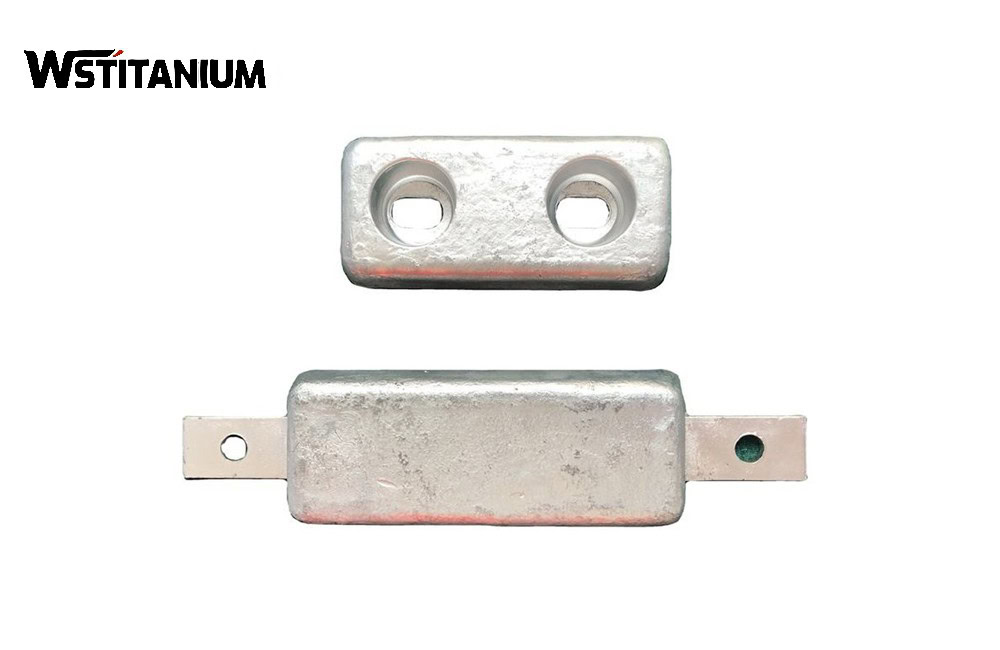
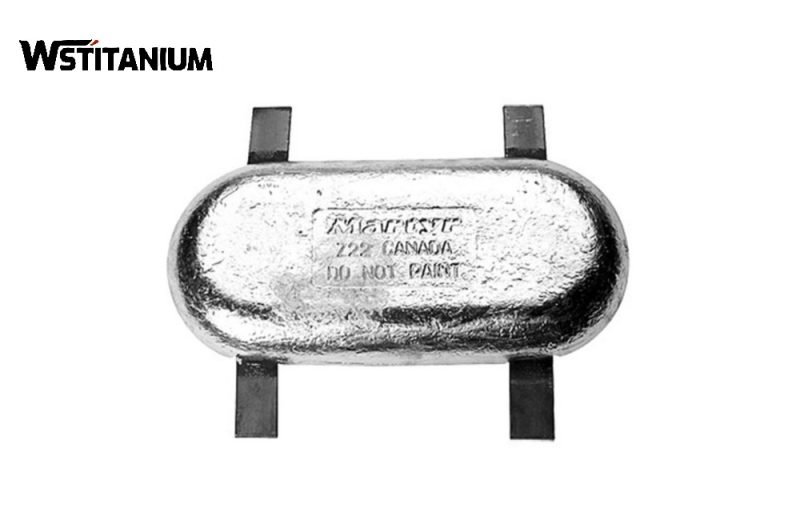
Block Zinc Anodes
Specifications: 6.3kg, 9kg, 12.5kg, 18kg, 25kg, 35.5kg, 50kg (SY/T 0019). Structure: Trapezoidal/D-shaped cross-section, built-in steel core, easy to weld and install. Applications: Buried pipelines, tank bottom plates, valve chambers, station facilities.

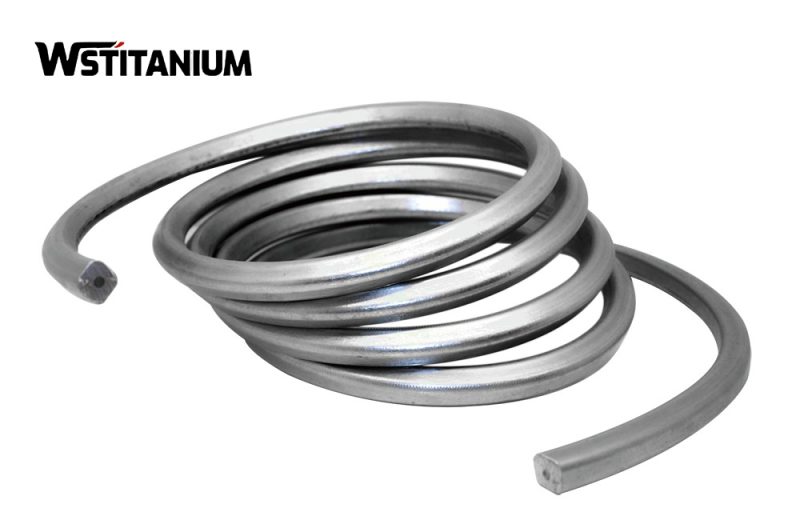
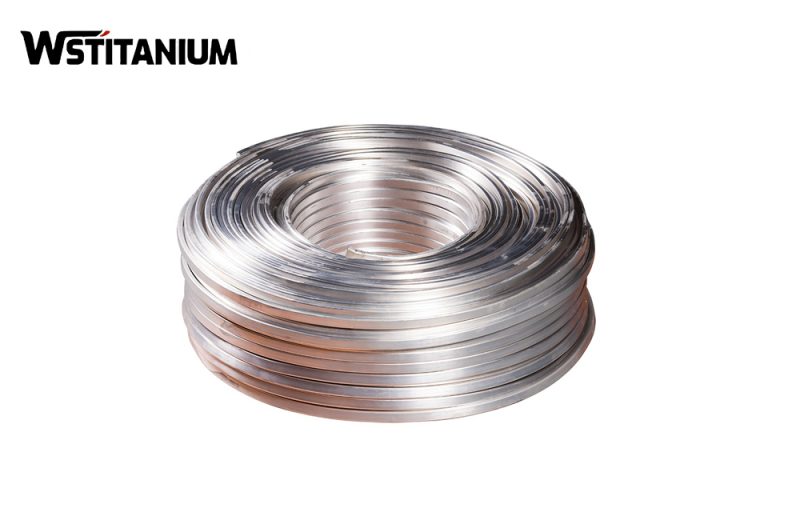
Ribbon Zinc Anodes
Specifications: Thickness 0.5–5mm, width 20–100mm, length customized. Characteristics: Good flexibility, can be wound and laid, uniform current output, high protection coverage. Applications: Long-distance pipelines, elbows/tees/reducers, pipes within conduits, stray current drainage, temporary protection.
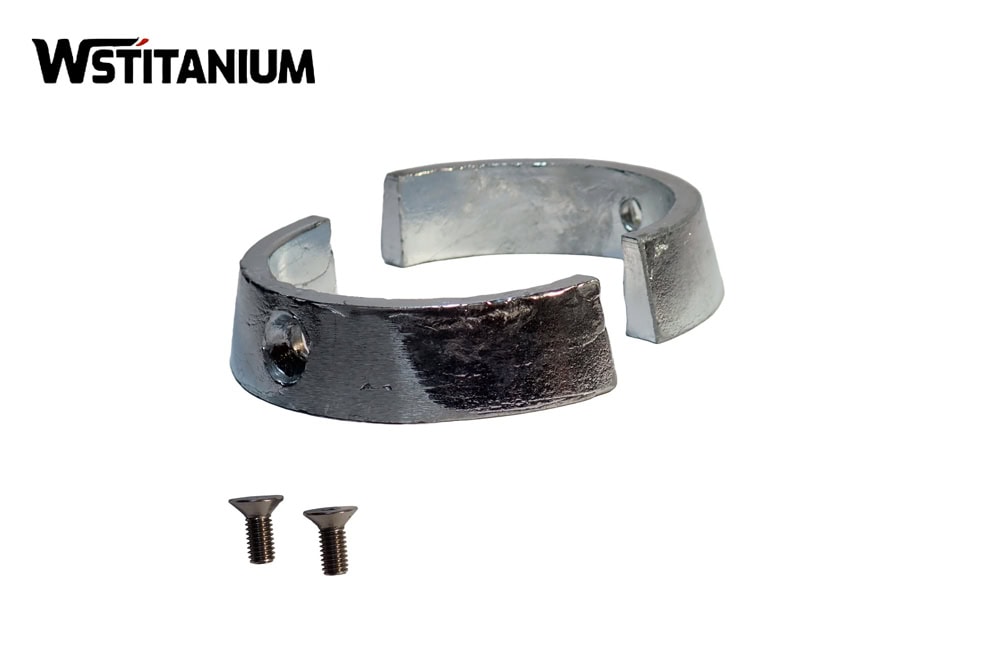
Bracelet (Ring) Zinc Anodes
Structure: Semi-circular/fully circular ring, tightly fitting around the outer wall of the pipe. Specifications: Inner diameter matches pipe diameter (DN100–DN1200), weight 10–1200kg. Applications: Submarine pipelines, offshore pipelines, underwater crossing sections, marine oil and gas risers.
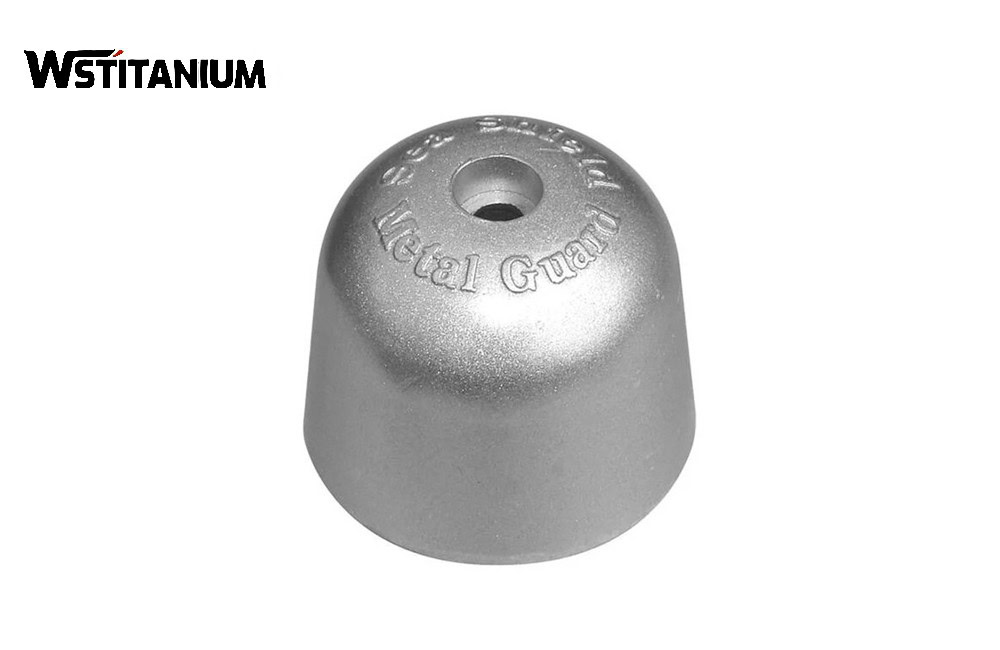
Button/Miniature Zinc Anodes
Specifications: Small block shape, weight 0.5–5kg; Applications: Instrument pipes, small equipment, valves, flanges, localized touch-up protection.
Reference
1. ISO 15589-2:2024, Petroleum and natural gas industries — Cathodic protection of pipeline transportation systems — Part 2: Submarine pipelines
2. ASTM B418-2016, Standard Specification for Cast and Wrought Zinc-Based Sacrificial Anodes
3. NACE SP0387-2019, Metallurgical and Inspection Requirements for Cast Sacrificial Anodes for Marine Applications
4. DNVGL-RP-F103-2016, Cathodic Protection of Subsea Pipelines
5. DNVGL-RP-B401-2017, Cathodic Protection Design
6. EN 12496-2013, Sacrificial Anodes for Cathodic Protection in Sea Water and Sea Water Mud
7. AS 2239-2003, Sacrificial Anodes for Cathodic Protection
8. MIL-A-18001K, Sacrificial Zinc Anodes, Military Specification