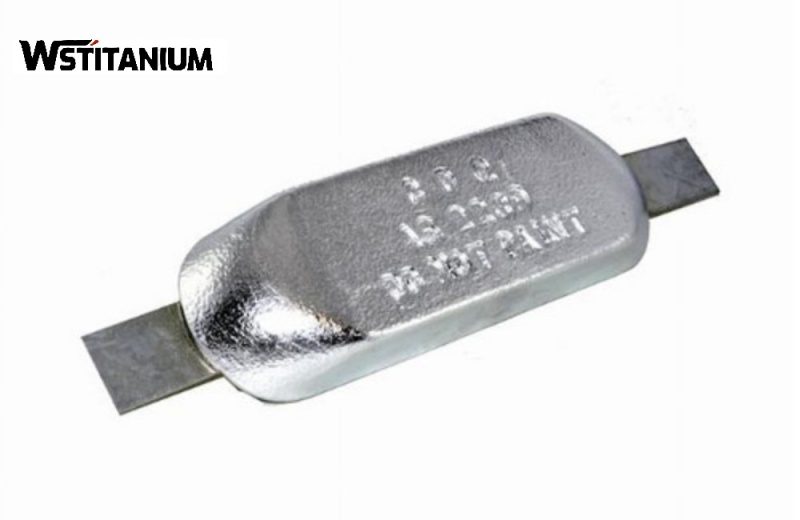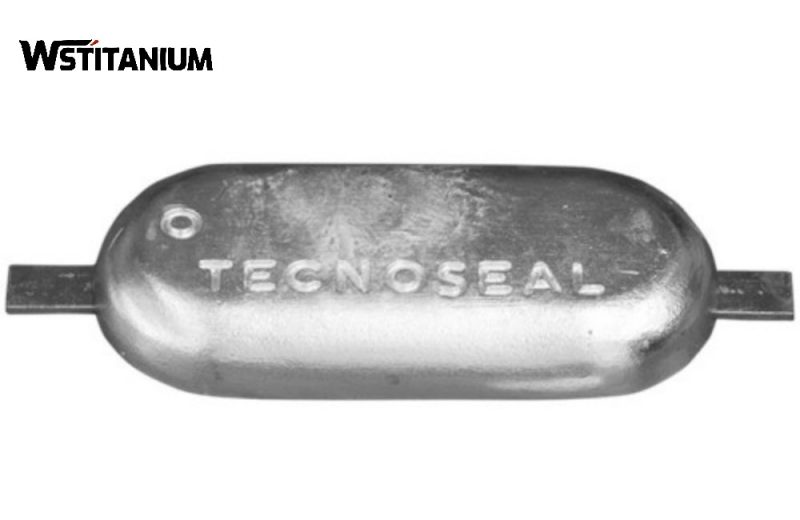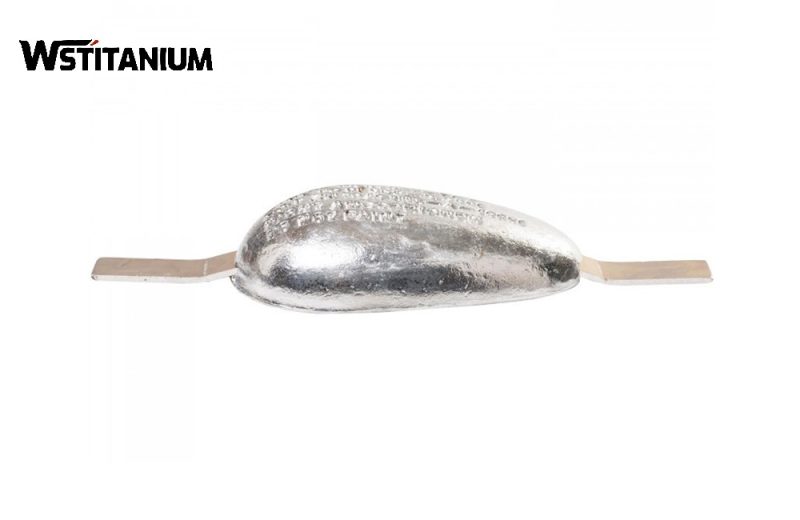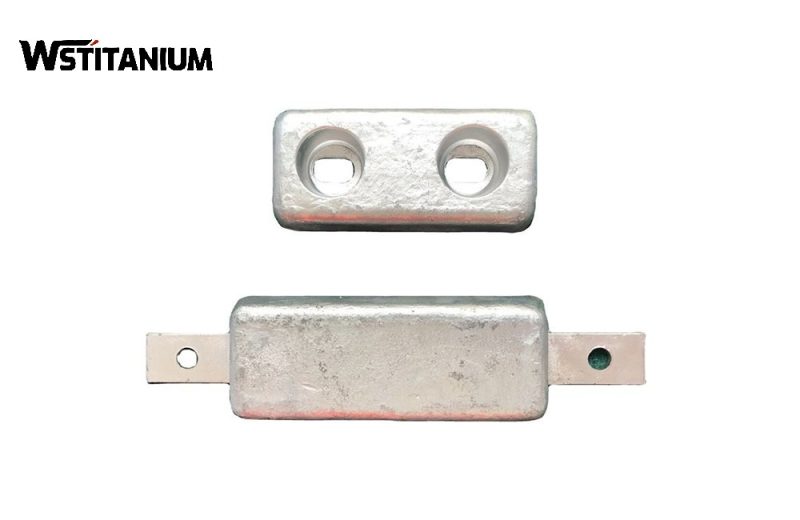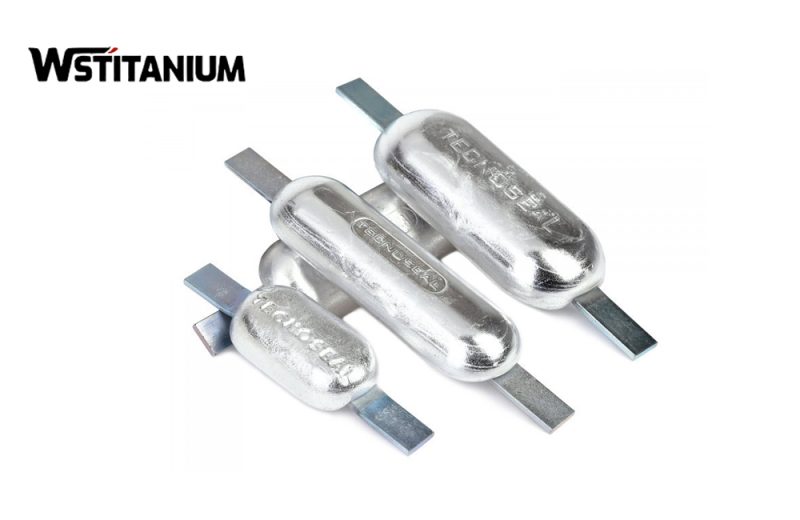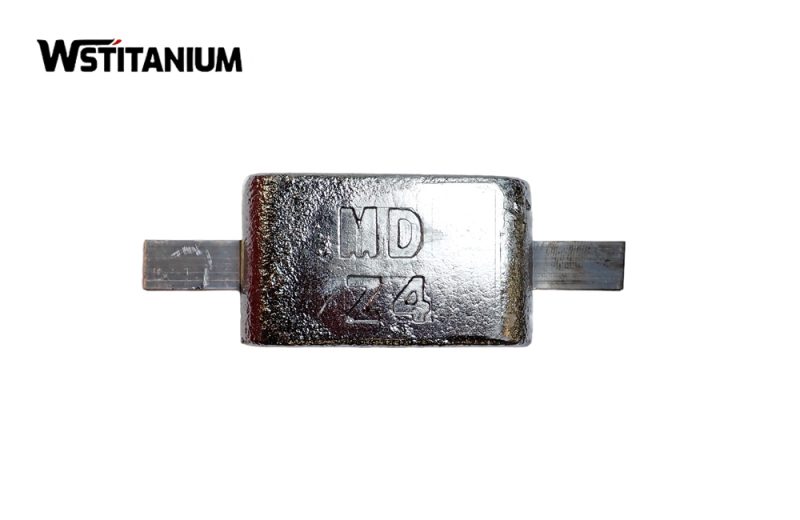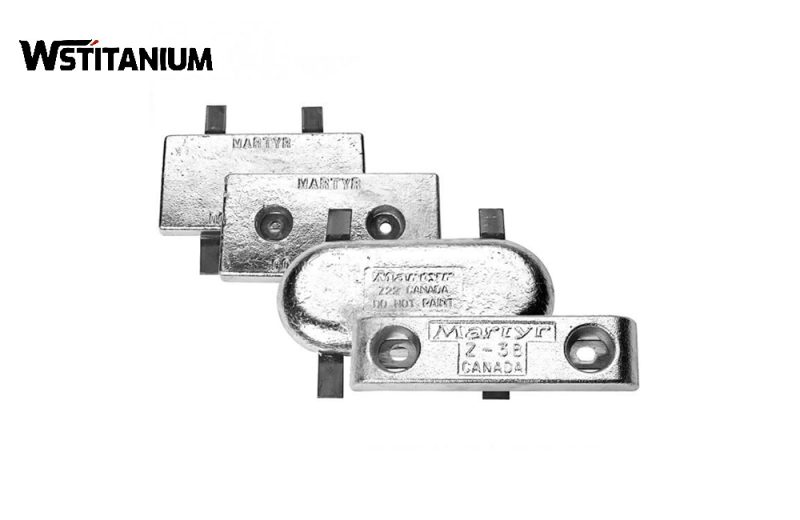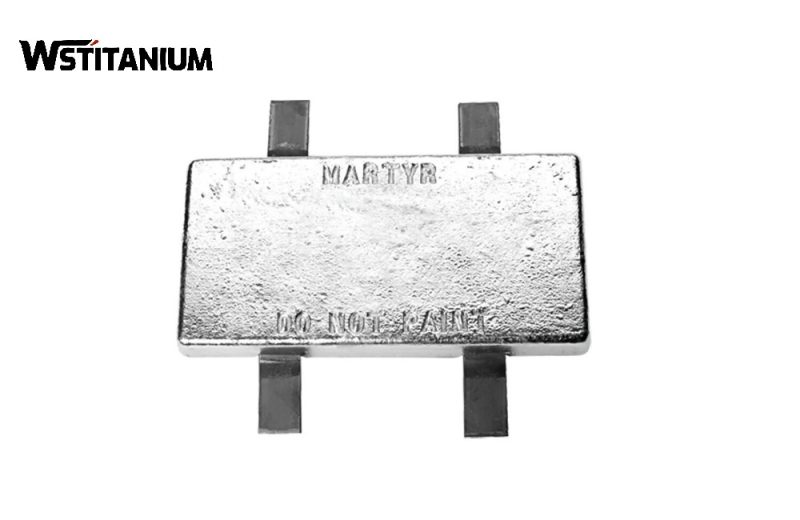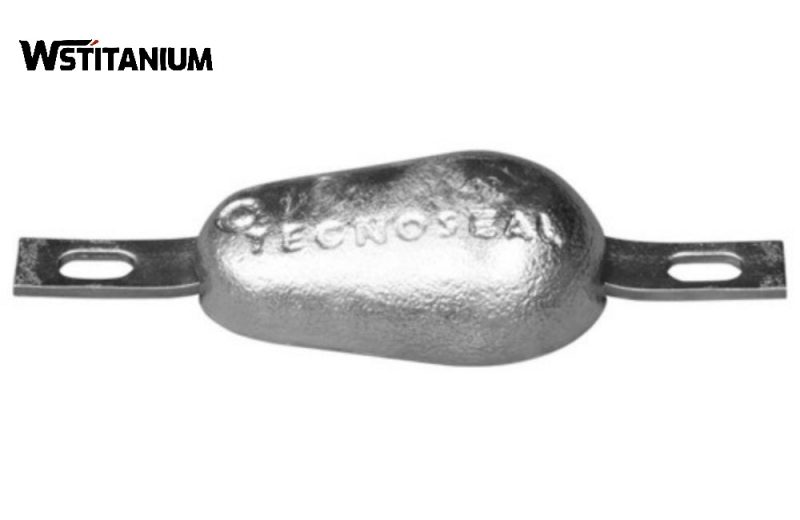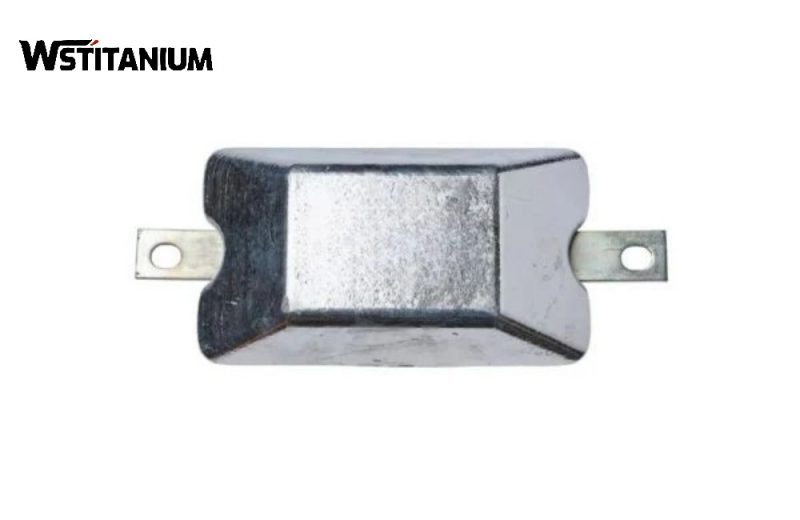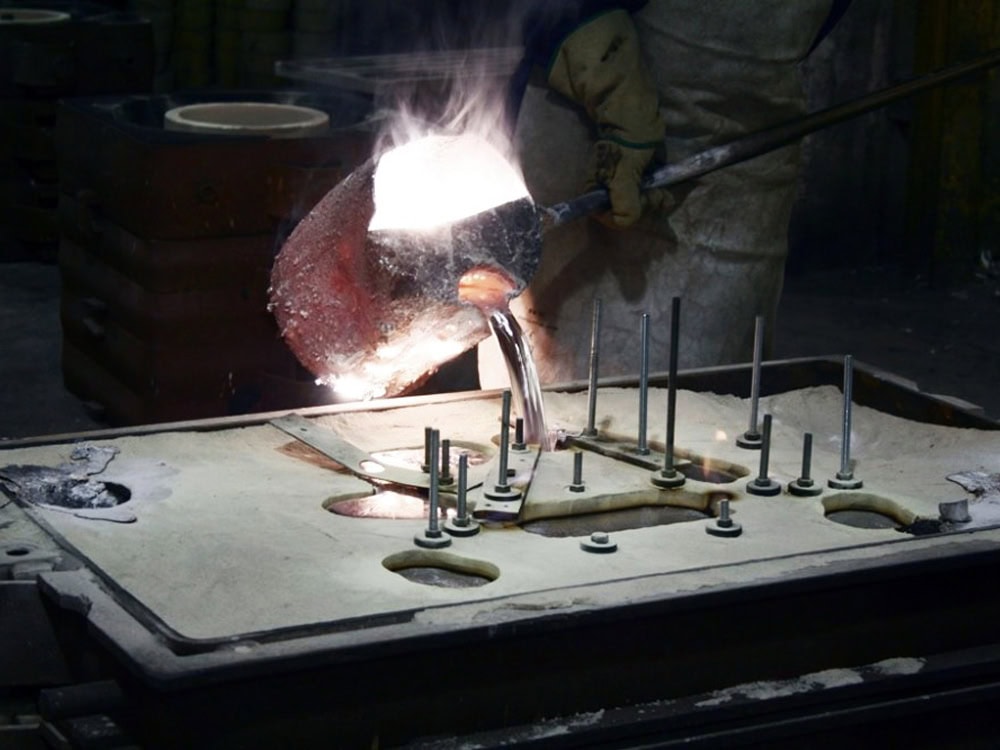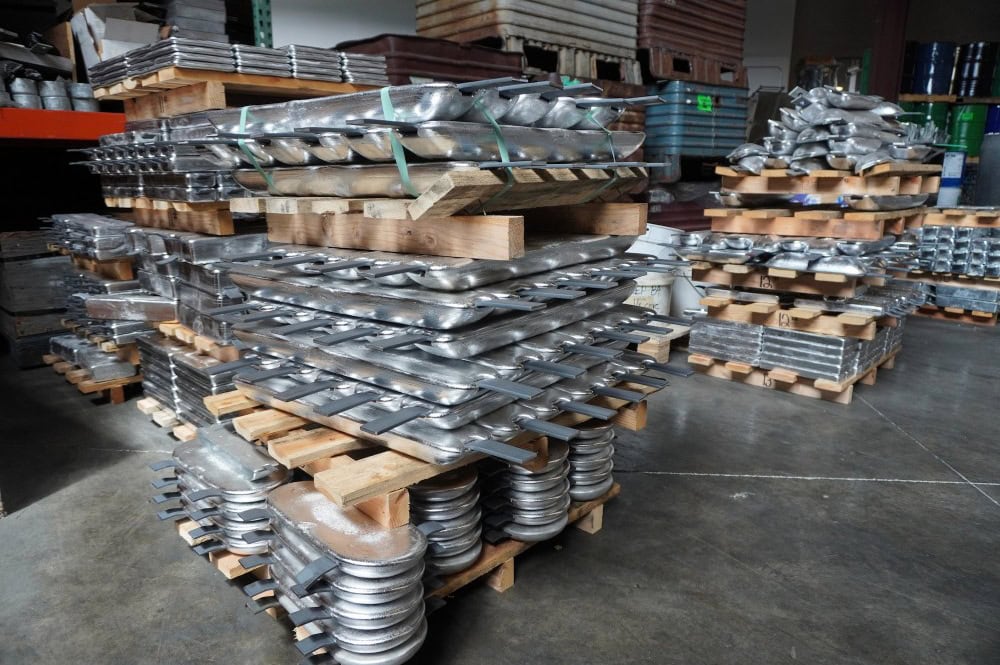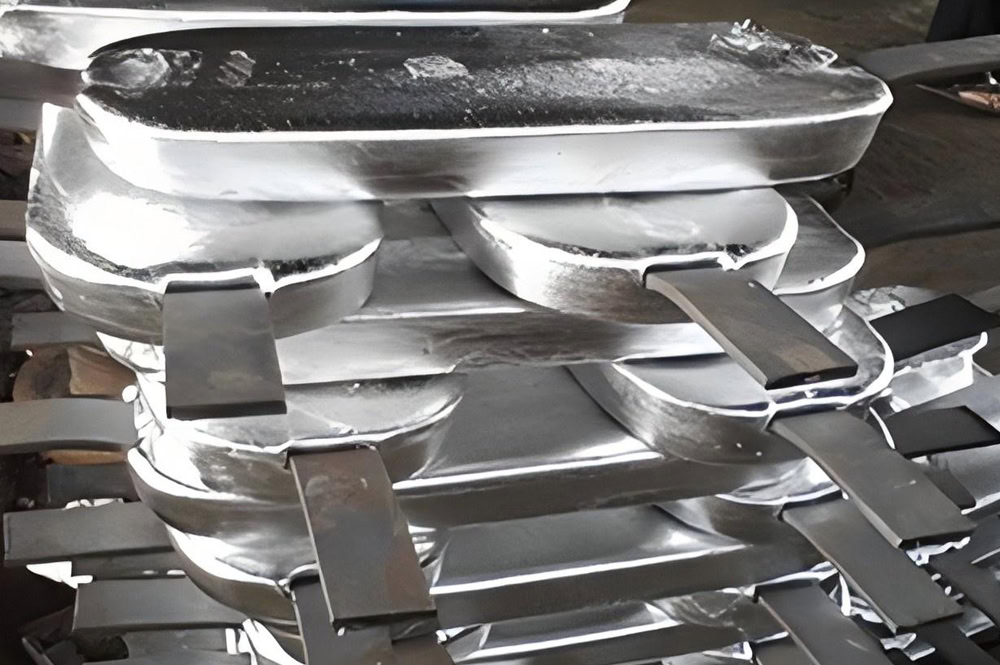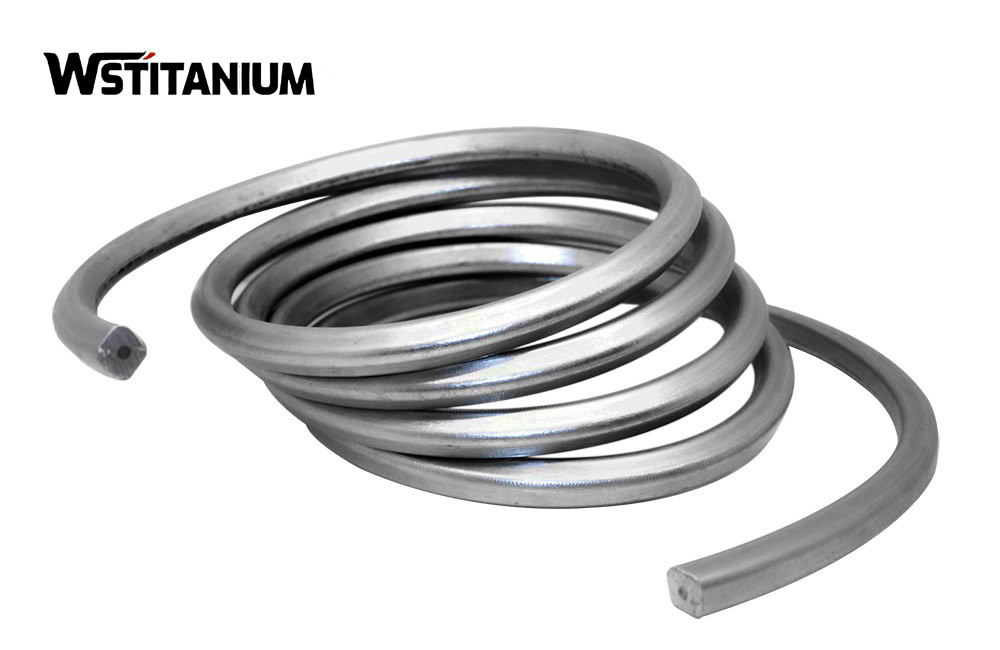

In the 1920s, the United States first applied zinc sacrificial anodes to the corrosion protection of buried oil pipelines, initiating the large-scale application of zinc anodes in pipeline engineering. In the 1950s, zinc-aluminum-cadmium anodes significantly improved the current efficiency and dissolution uniformity of zinc anodes, becoming the mainstream product in pipeline engineering.
Advantages of Zinc Sacrificial Anodes
Compared to magnesium and aluminum sacrificial anodes, zinc sacrificial anodes possess irreplaceable core advantages in pipeline applications.
Stable Potential
The open-circuit potential of zinc is -1.05~-1.12 V (CSE, copper sulfate reference electrode), and the driving voltage between it and the protective potential of steel pipelines (-0.85 V CSE) is stable at 0.2~0.25 V. The smooth current output avoids risks such as cathode peeling and hydrogen embrittlement. It is particularly suitable for high-strength steel pipelines and hydrogen energy pipelines.
High environmental adaptability
Zinc anodes dissolve uniformly in seawater, marine mud, low-resistivity soil (<15 Ω·m), brackish water, and industrial wastewater, maintaining a long-term stable current efficiency of over 90%. In contrast, aluminum alloy anodes are prone to passivation in freshwater and low-chlorine environments, while magnesium anodes dissolve too quickly in high-chlorine environments, significantly shortening their lifespan.
Safe and Environmentally Friendly
The corrosion products of high-purity zinc anodes are non-toxic and meet drinking water standards such as the US NSF/ANSI 61. They can be directly applied to municipal drinking water pipelines. Magnesium alloy anodes containing chromium and cadmium, however, cannot meet drinking water requirements. The corrosion products of aluminum alloy anodes can have potential impacts on marine ecosystems.
Low Cost
After a one-time installation, zinc anodes require no external power supply, no daily monitoring, and no regular maintenance, with a design life of 15-30 years. The total life-cycle maintenance cost is only 1/5 to 1/3 of that of the impressed current method, making it particularly suitable for remote areas, offshore platforms, and municipal pipeline networks.
Strong Resistance to Stray Current Interference
Zinc anodes also serve as a stray current drainage bed, effectively discharging and discharging AC stray currents generated on pipelines by railways, high-voltage transmission lines, and rail transit. This inhibits AC corrosion, making it the preferred protective material for urban pipe networks and railway pipelines.
Types of Zinc Sacrificial Anodes for Pipelines
The type and structure of zinc sacrificial anodes must be strictly matched to the pipeline’s laying environment, pipe diameter, medium, design life, and corrosion conditions. Commonly used zinc sacrificial anodes in pipelines can be divided into six categories based on molding technology, structural form, and application scenarios. Each category has clearly defined pipeline compatibility scenarios and standard specifications.
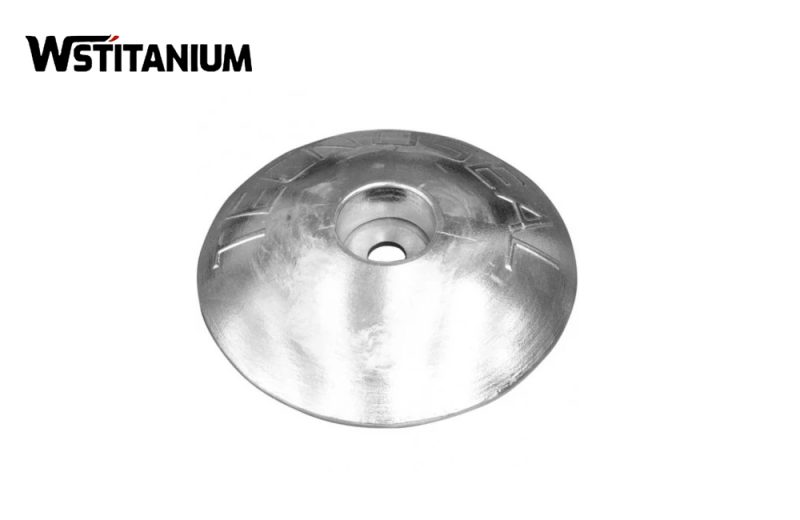
Bracelet Zinc Anodes
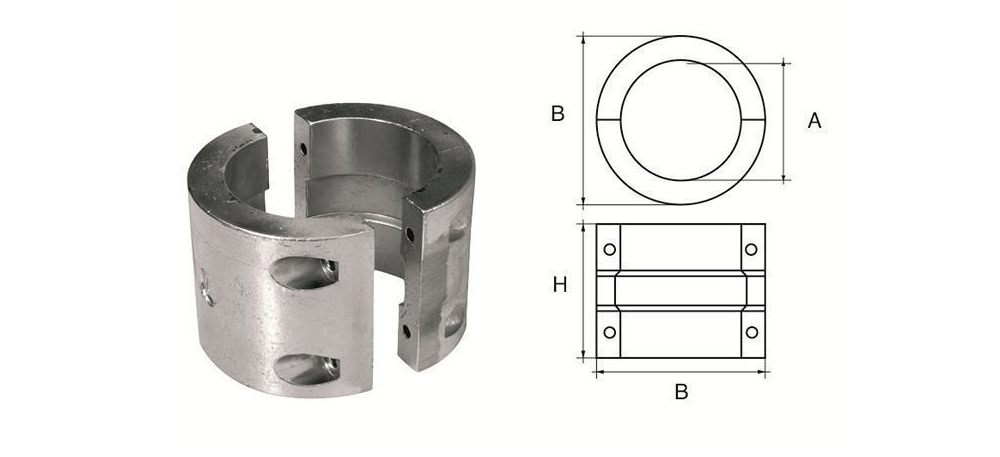
Bracelet-type zinc anodes are core specialized products for subsea pipelines, underwater pipelines, and large-diameter crossing pipelines. They are also the most widely used type of zinc anode in marine pipeline engineering.
Bracelet-type anodes adopt a semi-circular split or integral ring structure. The inner diameter precisely matches the outer diameter of the pipeline. An internal low-carbon steel core skeleton is fixed to the outer wall of the pipeline with bolt clips. Specifications cover pipe diameters from DN100 to DN1500, with a single anode weight of 5 to 500 kg.
It is installed flush against the outer wall of the pipeline, providing 100% protection. Reinforced with a steel core skeleton, it offers strong resistance to waves, currents, and sediment impacts, making it suitable for submarine pipelines, river crossing pipelines, and underwater water supply pipelines. Bracelet zinc anodes must comply with ASTM F1182-07(2023), NACE SP0492, DNV-RP-F103, and GB/T 17731-2015 standards.
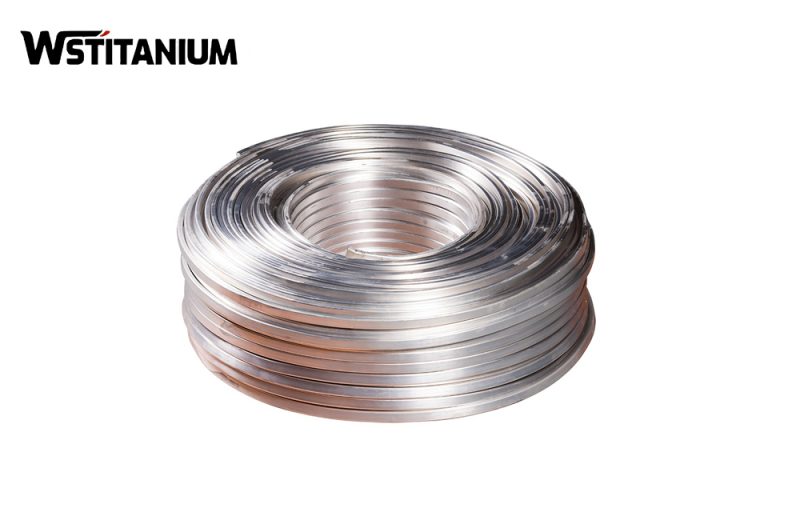
Ribbon Zinc Sacrificial Anodes
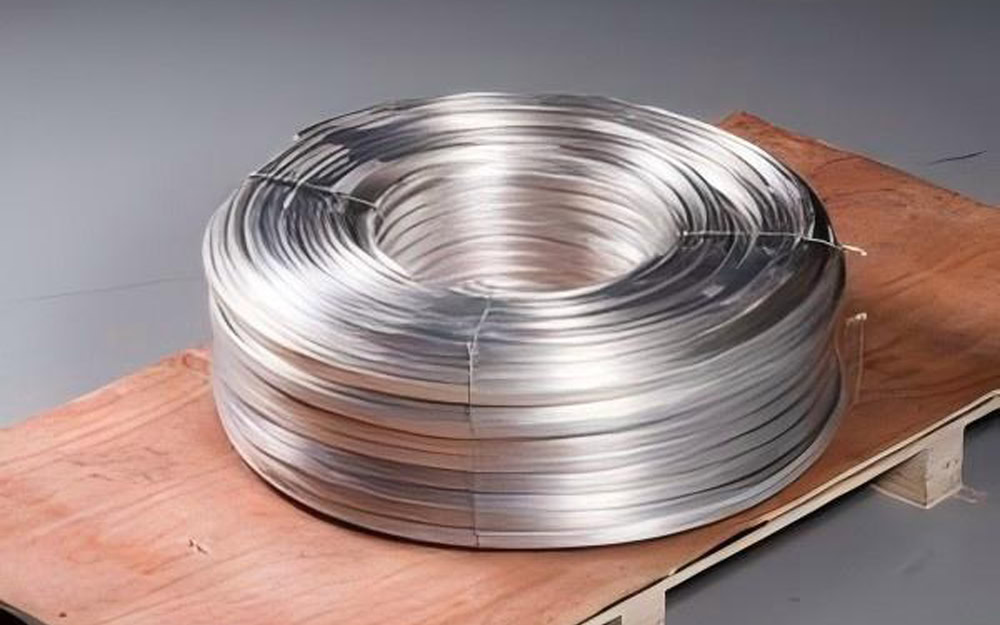
Ribbon zinc sacrificial anodes must comply with ASTM B418-16a, ISO 15589-1, and GB/T 17731-2015 standards. Extruded strip anodes have a zinc purity ≥99.99% and a current efficiency ≥85%.
Ribbon zinc sacrificial anodes are highly flexible, allowing for bending, winding, and laying flat, adapting to irregular pipe structures such as elbows, tees, and reducers. They provide continuous protection for long-distance pipelines with no blind spots. They can be wound around the outer wall of pipes within sleeves.
Ribbon zinc anodes are the preferred product for long-distance municipal pipelines, pipelines in complex terrain, and pipelines in areas with stray current interference. Common specifications for ribbon anodes are 10-100 mm wide and 0.5-5 mm thick. Single roll lengths can reach 100-500 m. An internal copper core conductor ensures continuous conductivity. Corresponding cross-sectional areas are 100 mm², 200 mm², and 400 mm².
Pre-packaged Zinc Anodes
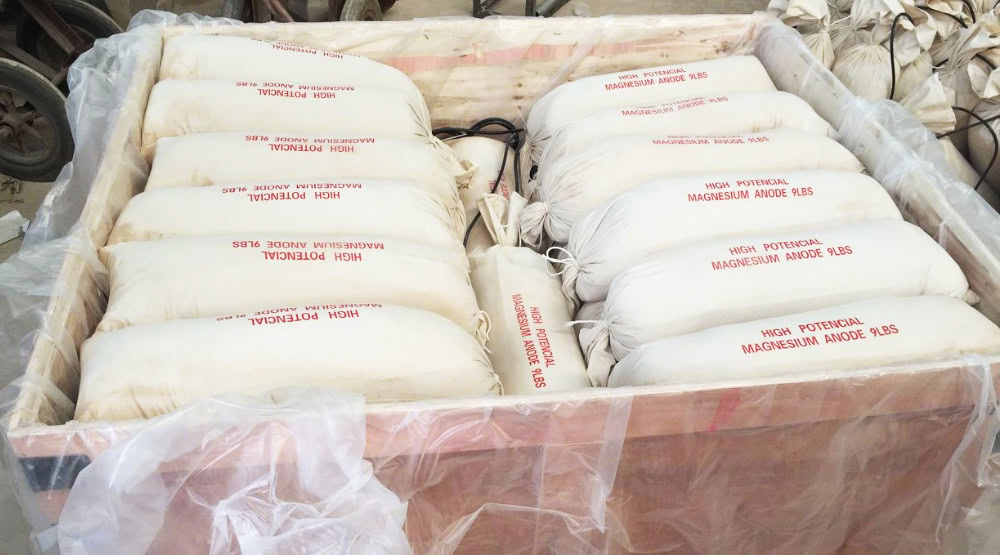
Pre-packaged zinc anodes are the mainstream product for partial protection of buried pipelines, pumping stations, valves, and other pipelines. They are also the preferred anode type for short-distance pipelines and branch pipelines.
Pre-packaged anodes consist of a rod/block-shaped zinc anode body, specialized filler material, a leak-proof bag, and a lead-out cable, all encapsulated in one unit. Common specifications for rod-shaped anodes are a diameter of 30-100 mm and a length of 500-1500 mm, with a single anode weighing 2-50 kg. Common specifications for block-shaped anodes are 100×100×500 mm to 200×200×1000 mm, with a single anode weighing 10-100 kg.
The standard formula for the specialized filler material is: 75% gypsum powder + 5% industrial sodium sulfate + 20% bentonite. Its core function is to reduce the contact resistance between the anode and the soil, inhibit anode passivation, and improve anode current efficiency and service life.
Pure Zinc Sacrificial Anode
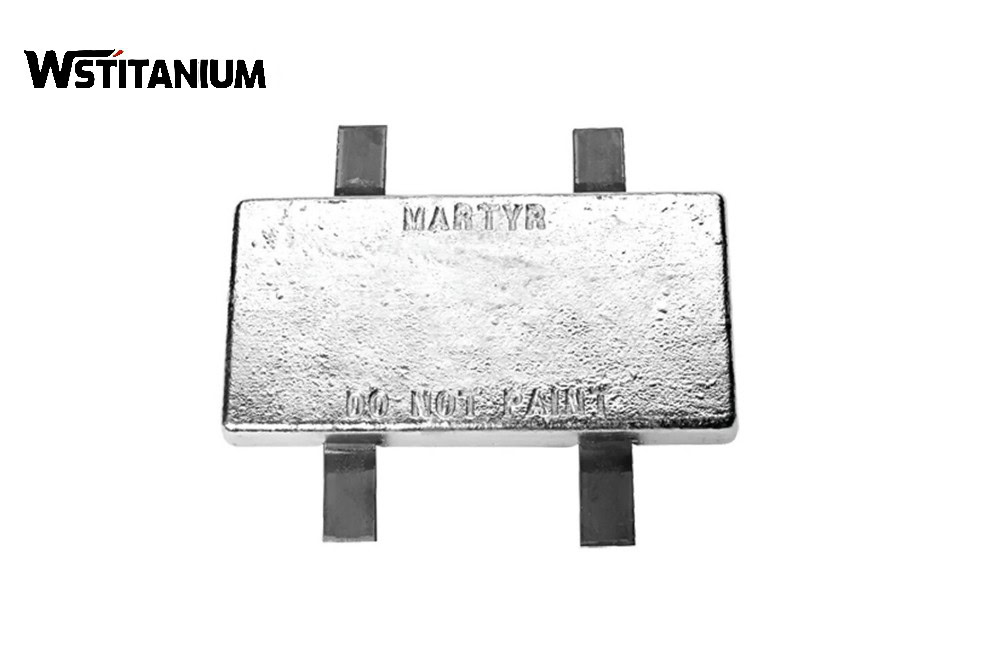
Pure zinc anodes are specialized products for municipal drinking water pipelines, food-grade media pipelines, and pipelines in marine ecologically sensitive areas. They are characterized by being non-toxic and environmentally friendly, meeting stringent hygiene and environmental requirements.
High-purity zinc anodes have a zinc content ≥99.995%, with strictly controlled levels of toxic heavy metals such as lead, cadmium, and arsenic. Specifically, lead ≤0.001%, cadmium ≤0.001%, and arsenic ≤0.0005%, preventing toxic elements from entering drinking water or the marine environment. Product forms include rods, strips, and blocks, and can be customized according to pipeline applications.
Compliant with NSF/ANSI 61-2024 and GB 5749-2022 drinking water hygiene standards, they can come into direct contact with drinking water. They are the only optional sacrificial anode type for municipal water supply networks, secondary water supply pipelines, and food factory water transmission pipelines. They offer more stable potential and current efficiency ≥92%. Free from heavy metal contamination, they are suitable for underwater and subsea pipelines in ecologically sensitive areas such as marine protected areas, coral reef areas, and drinking water sources.
Customized Zinc Sacrificial Anodes
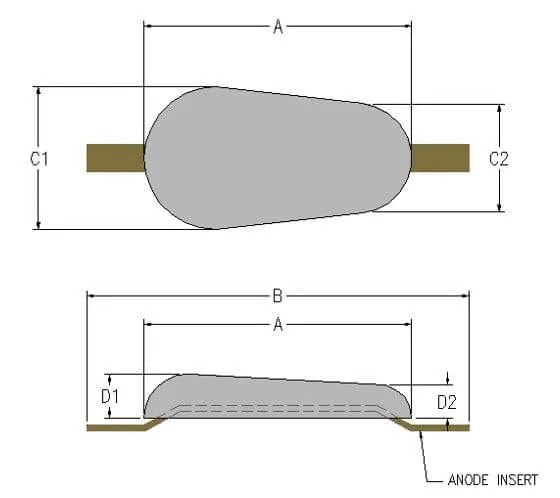
Customized zinc anode products are available for special operating conditions in pipeline engineering.
* **High-Temperature Zinc Anodes:** Through alloy modification, suitable for pipelines handling high-temperature media (40-60℃) and geothermal pipelines, solving the potential reversal problem of ordinary zinc anodes at high temperatures.
* **Irregularly Shaped Zinc Anodes:** Suitable for irregularly shaped structures such as pipe elbows, tees, valves, and flanges. Customized, fitted anodes provide blind-spot-free protection.
* **Cadmium-Free Environmentally Friendly Zinc Anodes:** By adding aluminum, magnesium, and rare earth elements to replace cadmium, these anodes comply with the EU RoHS directive and are suitable for export pipeline projects and scenarios with stringent environmental requirements.
* **Weighted Zinc Anodes:** Suitable for subsea landing sections and pipelines in areas with strong ocean currents. The counterweights prevent anode displacement and detachment.
Design of Sacrificial Anode System
The design of the zinc sacrificial anode system is a core component of pipeline cathodic protection engineering. It directly determines the protection effect and design life. The design must strictly adhere to ISO 15589-1:2015, NACE SP0169-2021, and GB/T 21448-2017 standards.
Design Parameters
Comprehensive collection of pipeline and environmental parameters is required before design. Core parameters include:
Pipeline Parameters
Pipeline material, diameter, wall thickness, length, coating type and failure rate, design pressure, and design life.
Environmental
Soil/water resistivity, pH value, chloride ion content, temperature, moisture content, stray current intensity, and microbial activity.
Protection Criteria
Determine the protection potential range and protection current density based on pipeline material, ambient temperature, and media type.
Electrical Isolation
Location of pipeline insulation joints and flanges, and electrical connections to other pipelines and structures.
Soil resistivity was tested in the field using the Wenner four-electrode method. The testing standard was ASTM G57-06(2022). The pipe coating damage rate was set as follows: 0.01%~0.05% for new pipes, 0.1%~0.5% for pipes that have been in service for more than 5 years, and 1%~2% for old pipes.
Current Density
Protective current density refers to the protective current required per unit area of pipe surface. It is a core design parameter and must be selected based on the pipe’s installation environment, coating type, and service life. Recommended protective current density values for different pipe scenarios are shown in the table below, with data from ISO 15589-1:2015 and GB/T 21448-2017.
| Environment | Coating Type | Recommended (mA/m²) |
|---|---|---|
| Seawater (Submarine Pipeline) | 3PE/FBE | 1.0-2.0 |
| Sea Mud (Submarine Pipeline) | 3PE/FBE | 0.5-1.0 |
| Low-resistivity Soil (<15 Ω·m) | 3PE/FBE | 0.3-0.5 |
| Low-resistivity Soil (<15 Ω·m) | Coal Tar Epoxy | 0.5-1.0 |
| Brackish Water / Marshland | 3PE/FBE | 0.8-1.5 |
| Municipal Drinking Water Pipeline | Epoxy Coating | 0.2-0.4 |
| Municipal Sewage Pipeline | Anti-corrosion Coating | 1.0-2.0 |
| Chemical Plant Area Pipeline | Anti-corrosion Coating | 1.0-3.0 |
← Swipe left/right to view full table →
Calculation of Total Protection Current For Pipeline
The formula for calculating the total protective current of a pipeline is:
- I = S × i × K
- I: Total protective current of the pipeline, in mA;
- S: Total exposed surface area of the pipeline, in m², calculated as S = π × D × L × f;
- D: Outer diameter of the pipeline, in m;
- L: Total length of the pipeline, in m;
- f: Coating damage rate;
- i: Protective current density, in mA/m²;
- K: Safety margin, ranging from 1.1 to 1.2, used to compensate for design errors, coating aging, and environmental changes.
Calculation of Output Current for a Single Anode
The formula for calculating the output current of a single zinc anode is:
Ia = ΔE / Ra
Where:
- Ia: Output current of a single anode, unit: mA;
- ΔE: Driving voltage between the anode and the pipeline, recommended value: 0.20~0.25 V;
- Ra: Grounding resistance of a single anode, unit: Ω.
The Dwight formula is adopted for the calculation of anode grounding resistance, which is a classic formula for cathodic protection design. The calculation formulas for different installation methods are as follows:
Horizontally Buried Rod Anode:
Ra = (ρ / (2πL)) × ln(4L / d)
Vertically Buried Rod Anode:
Ra = (ρ / (2πL)) × ln( (4L / d) × ( √(4L2 + d2) + 2L ) / ( √(4L2 + d2) – 2L ) )
Ribbon Anode:
Ra = (ρ / (2πL)) × ln(2L / W)
- ρ: Environmental resistivity, unit: Ω·m;
- L: Effective length of the anode, unit: m;
- d: Equivalent diameter of the anode, unit: m;
- W: Width of the ribbon anode, unit: m.
For the case of multiple anodes connected in parallel, the shielding effect between anodes shall be taken into account, and the calculation formula for the total grounding resistance is:
Rtotal = (Ra / N) × F
Where:
- N: Number of anodes;
- F: Shielding factor. When the anode spacing is 5 m, F=1.2; when the spacing is 10 m, F=1.1; when the spacing is 20 m, F=1.05.
Anode total weight and life calculation
The calculation formula for the total required number of anodes is:
N = (Itotal / Ia) × K
Where:
- N: Total number of anodes, rounded up;
- K: Margin factor, recommended value: 1.1~1.2;
- For long-distance pipelines, the layout spacing of anodes shall be determined according to the protection radius of a single anode. Generally, the anode spacing for onshore buried pipelines is 20~50 m, and the spacing of bracelet anodes for submarine pipelines is 10~30 m.
Calculation of Total Anode Weight and Service Life
The calculation formula for the design service life of the anode is:
T = (W × C × η × U) / (Itotal × 8760)
After transformation, the calculation formula for the total required anode weight is:
W = (T × Itotal × 8760) / (C × η × U)
Where:
- T: Design service life, unit: a;
- W: Total weight of anodes, unit: kg;
- C: Theoretical capacitance of zinc anode, 780 Ah/kg;
- η: Current efficiency, recommended value: 0.9;
- U: Anode utilization rate, recommended value: 0.8~0.85;
- 8760: Number of hours in a year.
Based on the total weight and the weight of a single anode, the specifications and quantity of the anodes can be determined to ensure that the design life of the anodes matches the design life of the pipeline.
Conclusion
Zinc sacrificial anodes, as the core material for pipeline cathodic protection, have been used on a large scale in pipeline engineering worldwide for over a century. They are the preferred technical solution for corrosion protection in low resistivity environments, marine environments, municipal pipe networks, and new energy pipelines.
Reference
1. NACE International. IMPACT: International Measures of Prevention, Application, and Economics of Corrosion Technologies Study[R]. Houston: NACE International, 2022.
2. Pipeline and Hazardous Materials Safety Administration (PHMSA). 2023 Annual Report of Pipeline Incidents[R]. Washington D.C.: U.S. Department of Transportation, 2023.
3. NACE SP0169-2021, Standard Practice for Control of External Corrosion on Underground or Submerged Metallic Piping Systems[S]. Houston: NACE International, 2021.
4. ASTM B418-16a, Standard Specification for Cast and Wrought Galvanic Zinc Anodes[S]. West Conshohocken: ASTM International, 2016.
5. ASTM F1182-07(2023), Standard Specification for Anodes, Sacrificial Zinc Alloy[S]. West Conshohocken: ASTM International, 2023.
6. ISO 15589-1:2015, Petroleum, petrochemical and natural gas industries—Cathodic protection of pipeline systems—Part 1: On-land pipelines[S]. Geneva: ISO, 2015.
7. ISO 15589-2:2024, Oil and gas industries including lower carbon energy—Cathodic protection of pipeline transportation systems—Part 2: Offshore pipelines[S]. Geneva: ISO, 2024.
8. DNV-RP-F103, Cathodic Protection of Submarine Pipelines[S]. Oslo: DNV, 2010.
9. EN 12496:2013, Galvanic anodes for cathodic protection in seawater and saline mud[S]. Brussels: CEN, 2013.
10. NSF/ANSI 61-2024, Drinking Water System Components — Health Effects[S]. Ann Arbor: NSF International, 2024.
11. NACE SP0177-2018, Mitigation of Alternating Current and Lightning Effects on Metallic Structures and Corrosion Control Systems[S]. Houston: NACE International, 2018.
12. ASTM G3-14(2023), Standard Practice for Conventions Applicable to Electrochemical Measurements in Corrosion Testing[S]. West Conshohocken: ASTM International, 2023.
13. ASTM G57-06(2022), Standard Test Method for Field Measurement of Soil Resistivity Using the Wenner Four-Electrode Method[S]. West Conshohocken: ASTM International, 2022.
14. ASTM G8-96(2023), Standard Test Methods for Cathodic Disbonding of Pipeline Coatings[S]. West Conshohocken: ASTM International, 2023.
15. AWS C2.18-2020, Standard Specification for Exothermic Welding for Cable and Metallic Components[S]. Miami: American Welding Society, 2020.
16. ISO 19880-7:2023, Gaseous hydrogen and hydrogen blends — Fuelling stations — Part 7: Pipeline systems for hydrogen[S]. Geneva: ISO, 2023.
17. ISO 27914:2022, Carbon dioxide capture, transportation and geological storage — Pipeline transportation systems[S]. Geneva: ISO, 2022.
18. NACE SP0492-1999, Metallurgical and Inspection Requirements for Offshore Pipeline Bracelet Anodes[S]. Houston: NACE International, 1999.
19. MIL-A-18001K, Military Specification: Anodes, Sacrificial Zinc Alloy[S]. Washington D.C.: U.S. Department of Defense, 1993.