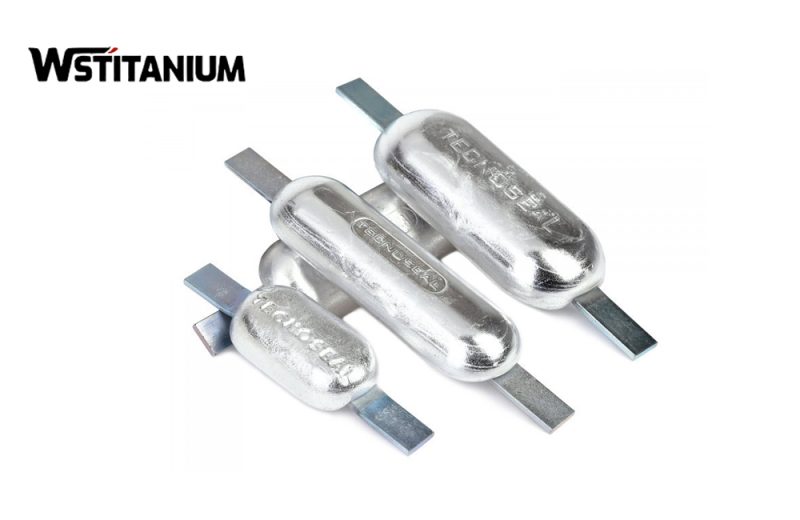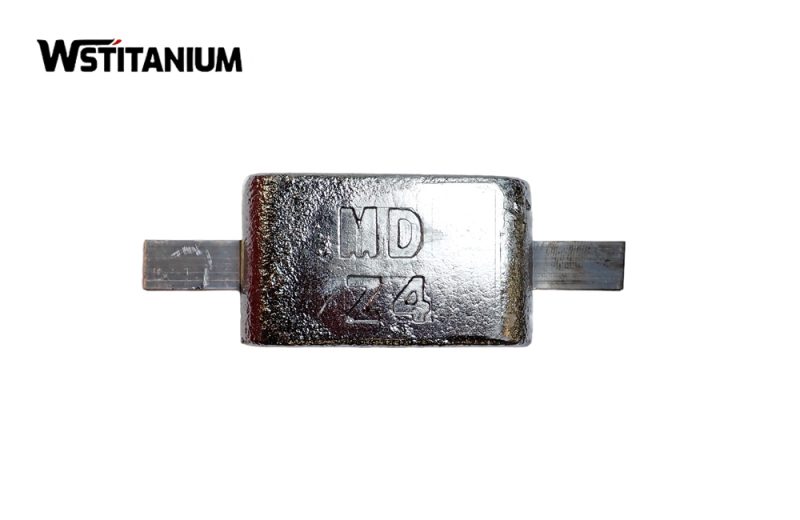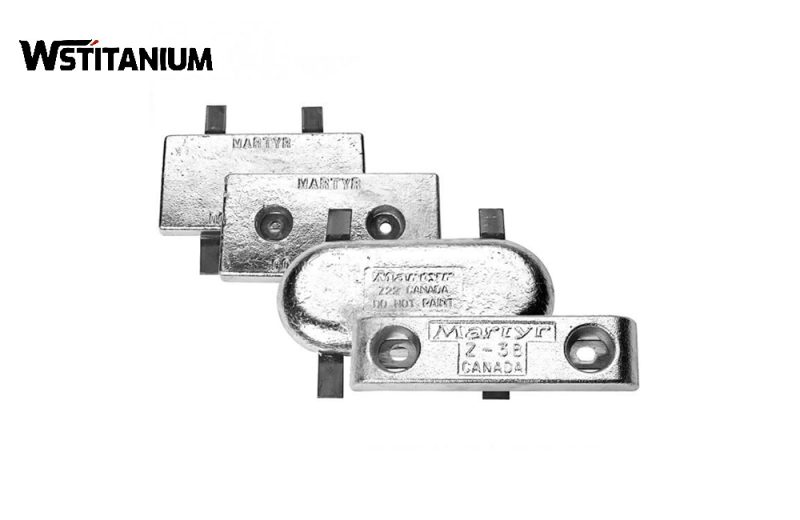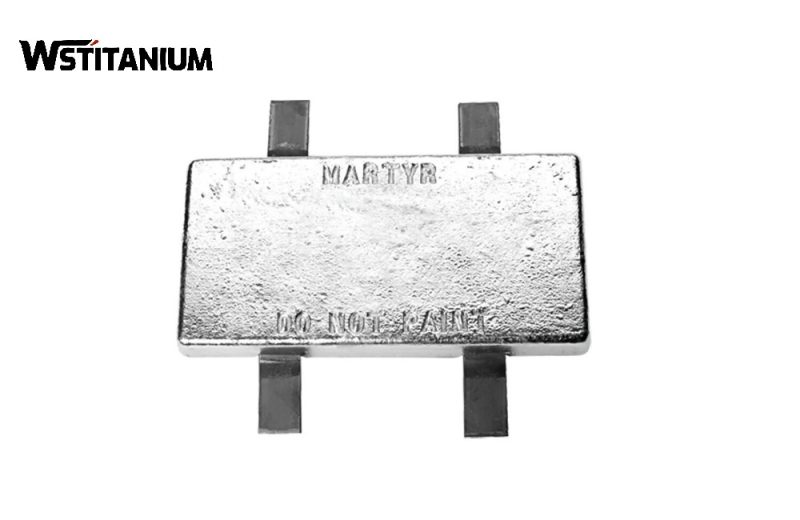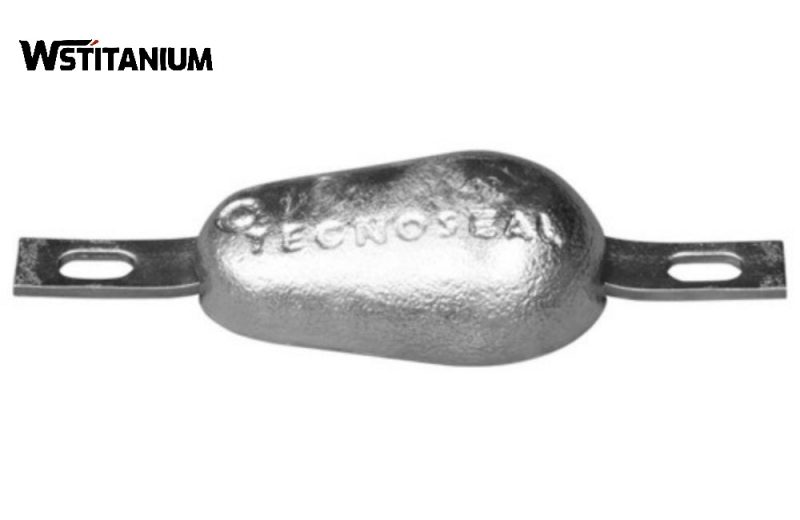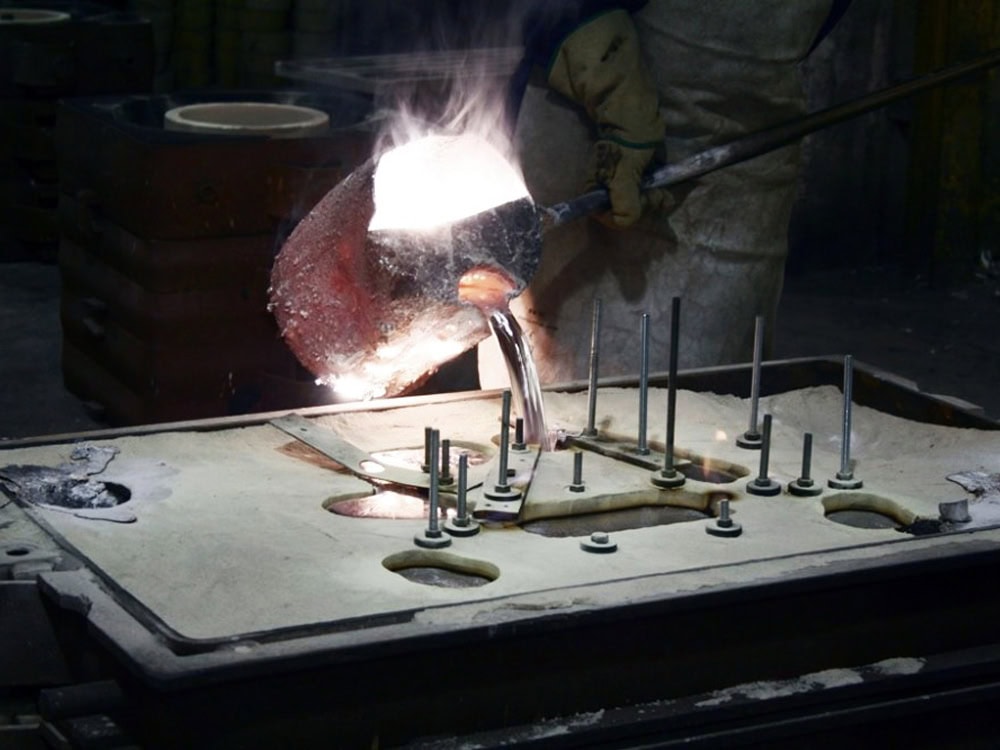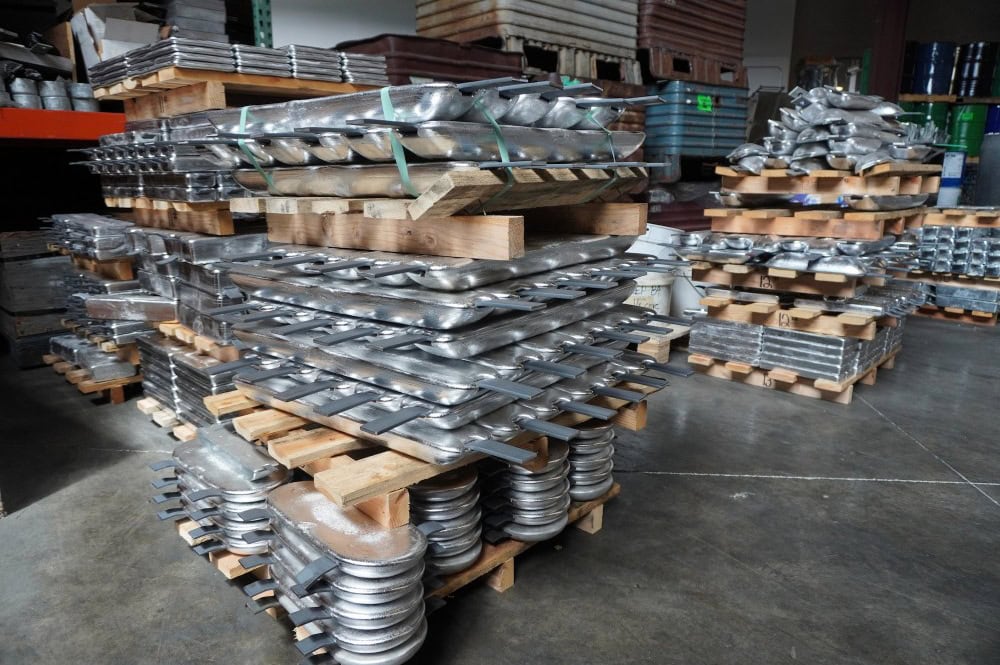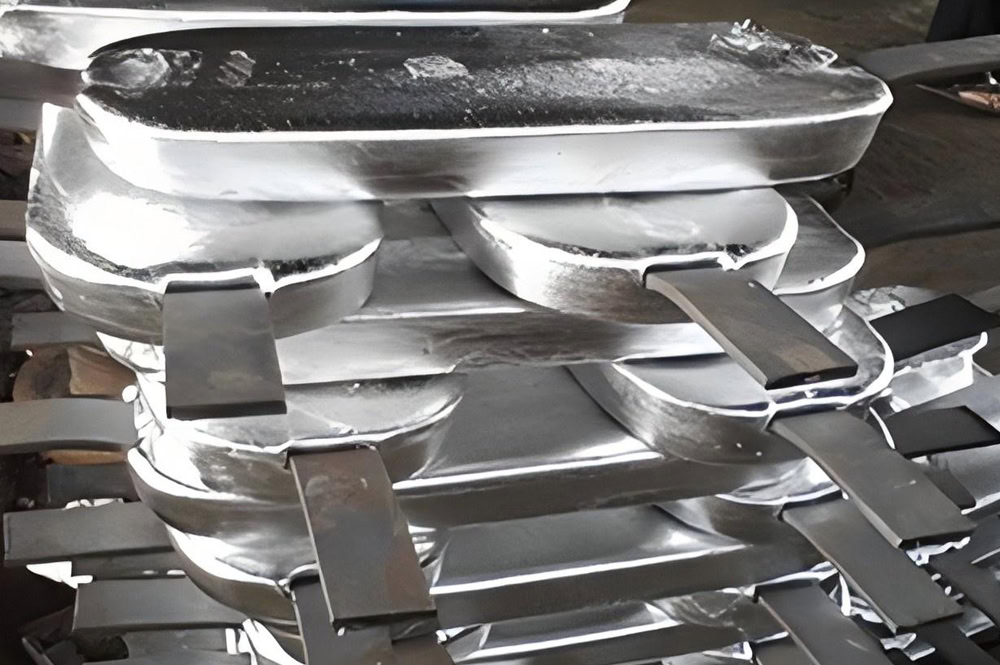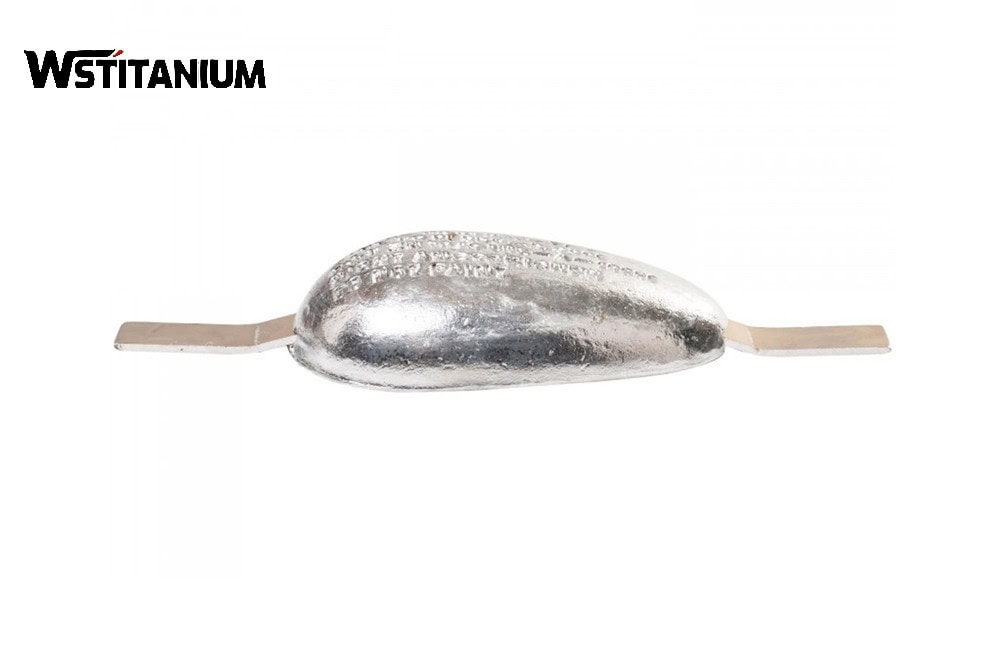

Zinc sacrificial anode cathodic protection technology has been widely used in the bridge industry. As early as 1824, British scientist Humphry Davy first discovered the electrochemical protection principle of sacrificial anodes and applied it to the corrosion protection of British naval vessels. After nearly a century of technological iteration, a complete standard system, design methods, construction processes, and operation and maintenance solutions have been established.
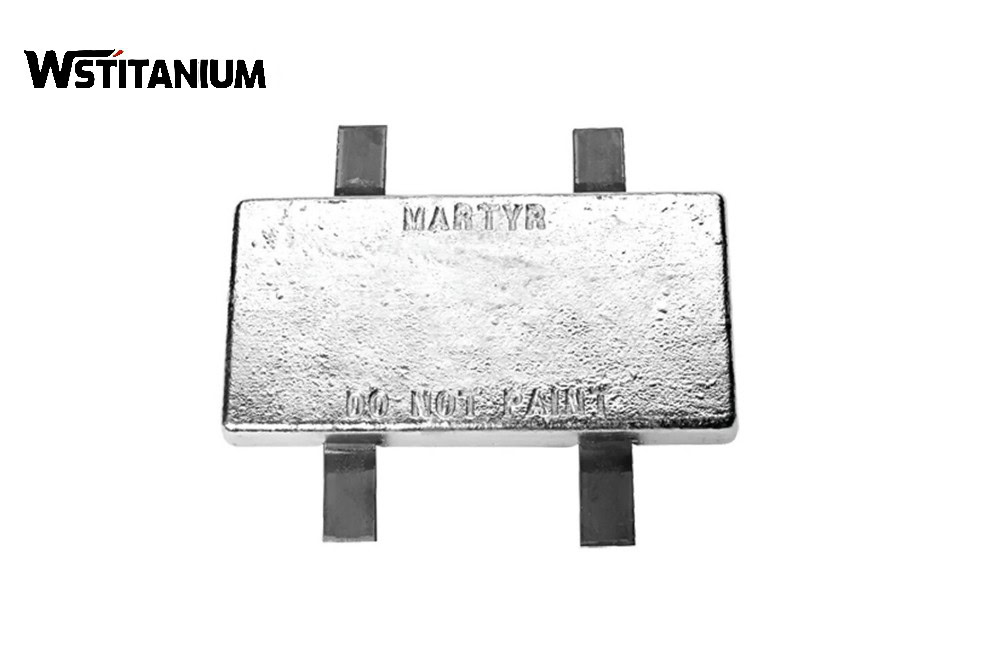
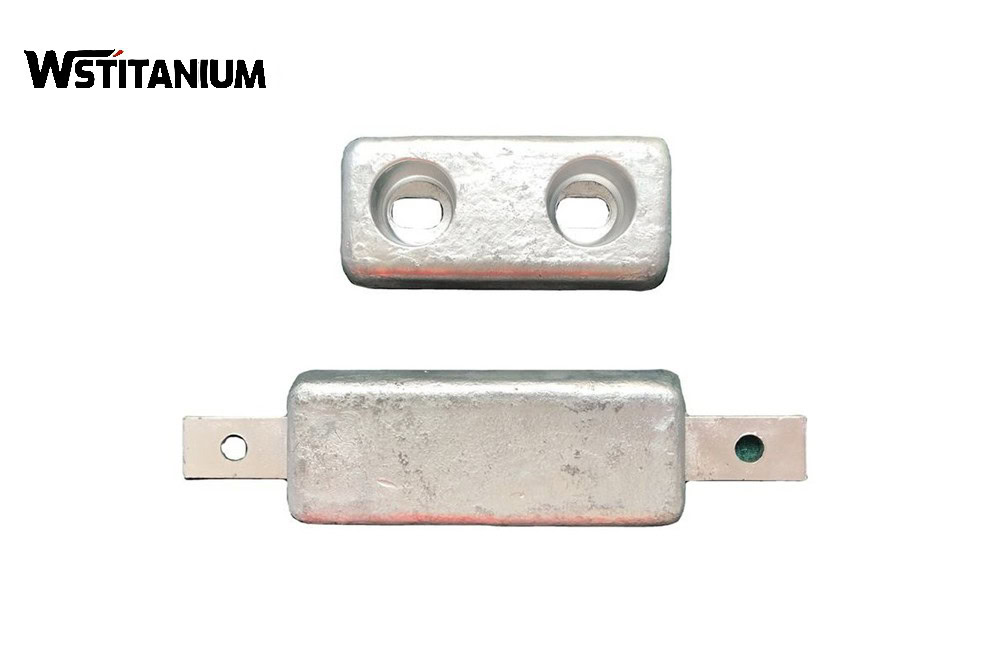
Compared with other sacrificial anode materials such as magnesium and aluminum anodes, zinc sacrificial anodes have many advantages, including moderate potential, high current efficiency, uniform dissolution, resistance to passivation, no risk of overprotection, and environmental friendliness. They are widely used for corrosion protection of many critical components of bridges, such as pile foundations, abutments, piers, steel box girders, cable anchorage zones, and bearings.
Working Principle of Sacrificial Anodes
Sacrificial anodes work by “actively sacrificing themselves to replace the corroded body,” becoming an “electrochemical substitute” for the steel structure, thus preventing corrosion at its source. The stable electrode potential difference between the zinc sacrificial anode and the steel: In a standard environment at 25℃, the standard electrode potential of zinc is -0.763V (vs. SHE, standard hydrogen electrode). The standard electrode potential of iron is -0.440V (vs. SHE). Zinc’s potential is significantly more negative than iron’s, allowing it to spontaneously dissolve preferentially as an anode in an electrolyte environment, providing a continuous protective current for the steel structure.
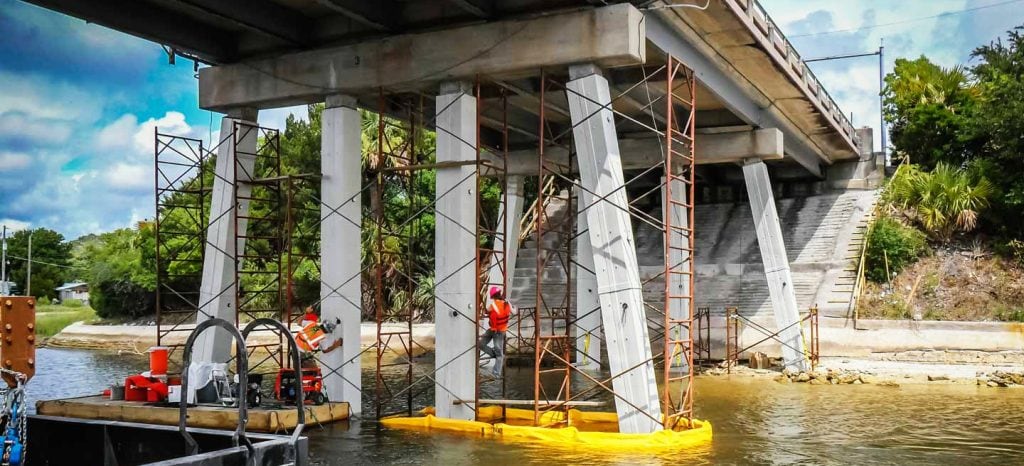
Electrochemical Characteristics
The protective performance of zinc sacrificial anodes is determined by their core electrochemical characteristics. Electrochemical performance directly affects the anode’s current output, lifespan, effectiveness, and environmental adaptability. International authoritative standards have set clear technical requirements for them.
Electrode Potential and Driving Voltage
Electrode potential is the core indicator for measuring the electrochemical activity of zinc anodes, and is divided into open-circuit potential and closed-circuit potential. In artificial seawater at 25°C, for a Type I zinc alloy anode conforming to ASTM B418-16a standard, the open-circuit potential should reach -1.10V (vs. CSE, saturated copper sulfate reference electrode). The closed-circuit potential should not be lower than -1.03V (vs. CSE). The natural corrosion potential of steel in a neutral environment is approximately -0.60V to -0.80V (vs. CSE). The potential difference between these two is the driving voltage. The stable driving voltage of a zinc anode is approximately 0.20V to 0.25V, providing stable power for the flow of protective current.
Compared to magnesium anodes (driving voltage approximately 0.60V~0.70V), zinc anodes have a moderate driving voltage, sufficient to meet the protection requirements of most corrosive bridge environments. They avoid overprotection issues caused by excessively high driving voltages, thus preventing hydrogen embrittlement of steel structures. Compared to aluminum anodes, zinc anodes exhibit better potential stability, are less prone to passivation in low-flow-rate, low-chloride-ion environments, and have more stable current output.
Capacitance and Current Efficiency
Theoretical capacity refers to the total amount of electricity that can be released when a unit mass of zinc anode completely dissolves. The theoretical capacity of zinc is 820 Ah/kg, significantly higher than that of magnesium anodes (1220 Ah/kg) but lower than that of aluminum anodes (2980 Ah/kg). In practice, the actual capacity of zinc anodes is affected by factors such as alloying elements, environmental medium, and operating temperature, and cannot reach the theoretical value. Current efficiency (actual capacity / theoretical capacity × 100%) is usually used to measure the utilization efficiency of the anode.
According to GB/T 4950-2021, “Zinc Alloy Sacrificial Anodes,” the current efficiency of zinc anodes in seawater should be no less than 90%, and even reach over 95%; in soil environments, the current efficiency should be no less than 65%; and in freshwater environments, the current efficiency should be approximately 70%~80%. The DNVGL-RP-F103-2016 standard stipulates that the actual capacitance of zinc anodes in seawater should be no less than 780 Ah/kg, and in marine mud environments, no less than 750 Ah/kg. This indicator is the core basis for calculating the design life of anodes in bridge engineering.
Dissolution and Consumption Rate
High-quality zinc sacrificial anodes should exhibit uniform dissolution. Corrosion products should be loose and easily detached, preventing the formation of a dense passivation film on the anode surface, ensuring a continuous and stable current release. According to ASTM B418-16a, the dissolution of zinc anodes should be uniform, without localized intergranular corrosion, and the anode surface should not have a dense layer of corrosion products that is difficult to detach.
The consumption rate refers to the mass of electricity consumed by the anode per 1 A·year of power generation. This is a key parameter for designing anode usage. In seawater, the theoretical consumption rate of zinc anodes is 11.88 kg/(A·year), while the actual consumption rate is approximately 12.0~12.5 kg/(A·year). In soil environments, the actual consumption rate is approximately 15~18 kg/(A·year), significantly lower than that of magnesium anodes, thus reducing the amount of anodes used and the installation workload for the same design life.
The Influence of Temperature on Electrochemical Performance
The electrochemical performance of zinc anodes is highly sensitive to ambient temperature. This is a key characteristic that needs to be considered in their engineering applications. At room temperature (≤40℃), zinc anodes exhibit stable potential, high current efficiency, and uniform dissolution. When the ambient temperature exceeds 49℃, aluminum segregates at the grain boundaries of the zinc alloy, initiating intergranular corrosion and causing a significant decrease in the anode’s current efficiency. When the temperature reaches the critical threshold of 54℃, the electrode potential of zinc shifts positively, and even polarity reversal occurs—the zinc anode transforms into a cathode, and the steel structure becomes the anode, undergoing corrosion, leading to complete failure of the cathodic protection system.
Therefore, in bridge engineering applications, zinc anodes are strictly prohibited from use in environments with long-term temperatures exceeding 49℃. For bridges in tropical regions or high-temperature environments near industrial plants, zinc anodes should be selected with caution. Ensure the anode’s operating temperature is always below 40℃.
Service Environment
Bridge engineering operates in complex and diverse environments, ranging from inland freshwater to coastal marine environments, from dry soil to saline-alkali land, and from atmospheric to underwater environments. Different electrolyte environments directly affect the electrochemical behavior and protective effect of zinc anodes. This is the core basis for anode selection and design.
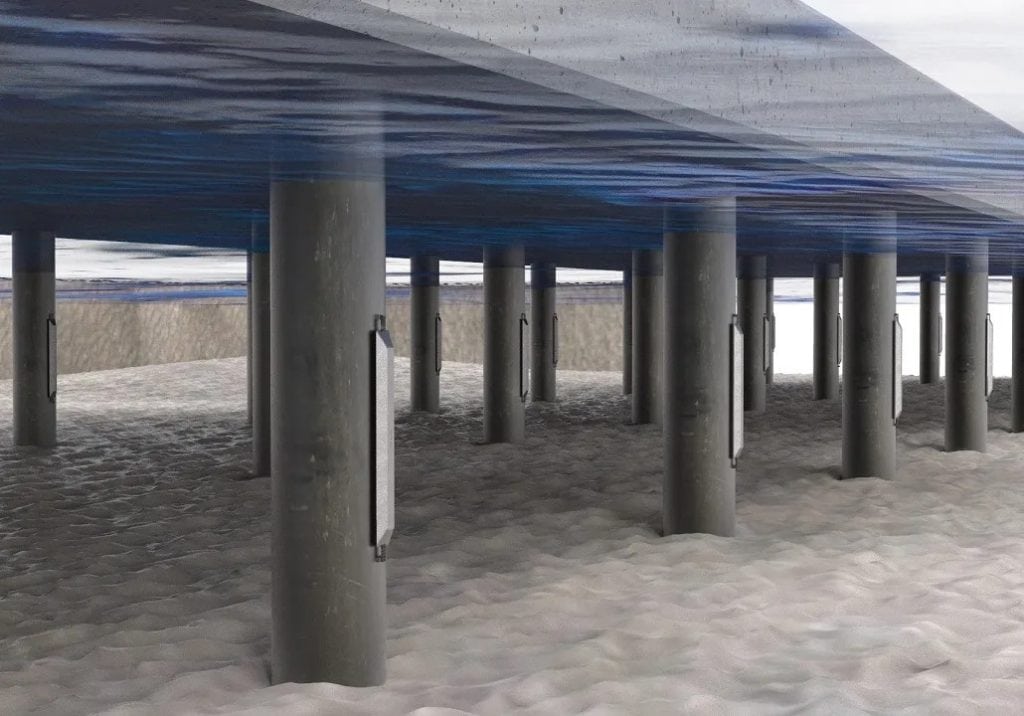
Marine Environment
The marine environment is the most severe corrosive environment in bridge engineering. Seawater contains approximately 3.5% sodium chloride, with high chloride ion content and low conductivity (resistivity approximately 20~30 Ω·cm), making it an ideal environment for zinc anodes. In the fully immersed seawater zone, zinc anodes are not easily passivated and dissolve uniformly. Current efficiency can reach over 90%, enabling a continuous and stable output of protective current, and they are widely used in steel pipe piles, underwater abutments, and steel caissons for cross-sea bridges.
In the tidal and splash zones, steel structures face multiple challenges from alternating wet and dry conditions, strong scouring, and high-concentration chloride ion corrosion. The corrosion rate is 3~5 times that in the fully immersed zone. Zinc anodes maintain good electrochemical activity in the tidal zone, and when combined with heavy-duty anti-corrosion coatings, significantly extend the service life of steel structures in the tidal zone.
Freshwater Environment
Freshwater environments in inland rivers and lakes have high resistivity (typically 100–1000 Ω·cm) and dissolved oxygen content higher than seawater. The current efficiency of zinc anodes decreases slightly to approximately 70%–80%, but still maintains a stable potential output, making them suitable for freshwater environments with resistivity ≤15 Ω·m.
For underwater pile foundations and abutment steel structures of bridges spanning rivers and lakes, the current output of the anode is optimized by using strip-shaped zinc anodes to increase the exposed area and using conductive filler to reduce contact resistance. For freshwater environments with resistivity exceeding 20 Ω·m, magnesium anodes should be preferred, or an impressed current cathodic protection system should be used.
Soil Environment
The foundation structures of bridges, such as pile foundations, abutments, and anchorages, are exposed to the soil environment for extended periods. Soil resistivity, pH value, moisture content, chloride ion content, and sulfate content directly affect the protective performance of zinc anodes. Zinc anodes are suitable for neutral, weakly acidic, and weakly alkaline soil environments with resistivity ≤15 Ω·m. They exhibit excellent protective effects, especially in low-resistivity soils such as coastal saline soils and swamp soils.
When used in soil environments, zinc anodes must be used in conjunction with a specialized conductive filler. The filler reduces the contact resistance between the anode and the soil, maintains a moist electrolyte environment around the anode, and prevents anode passivation. The standard filler formulation is: 75% gypsum powder, 20% bentonite, and 5% sodium sulfate. This formulation effectively reduces the anode’s grounding resistance and improves current efficiency.
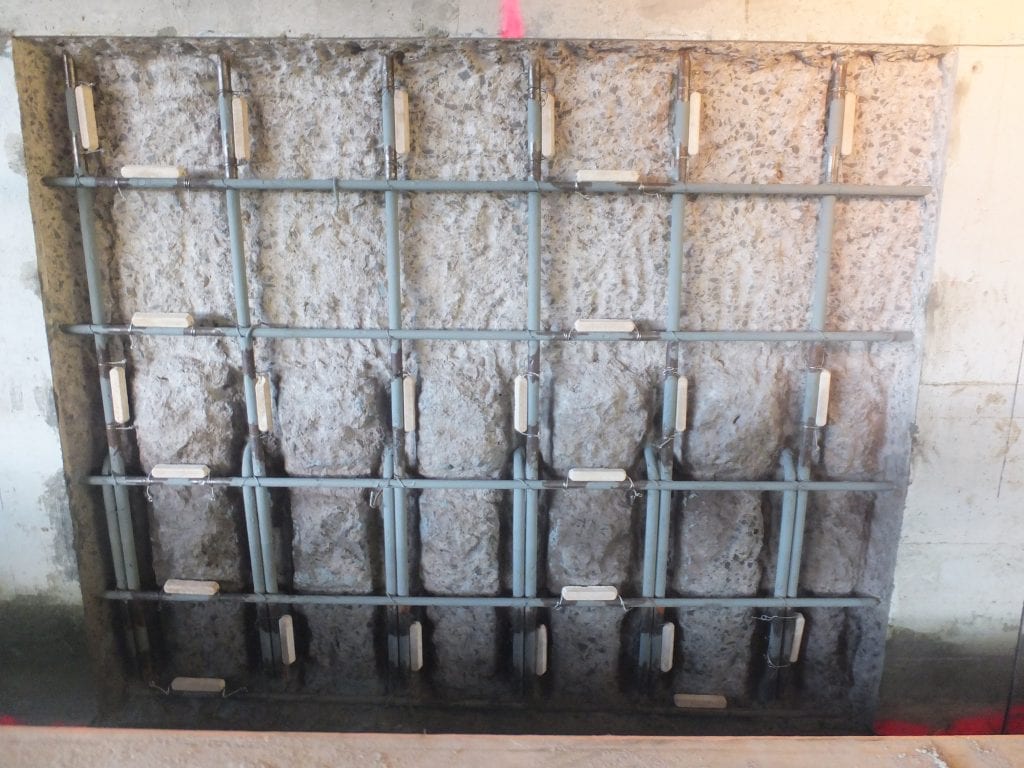
Concrete Environment
Reinforced concrete is the most widely used structure in bridge engineering. Concrete itself is strongly alkaline (pH 12-13), forming a dense passivation film on the surface of the reinforcing steel, protecting it from corrosion. However, when factors such as chloride ion penetration and concrete carbonation damage this passivation film, electrochemical corrosion of the reinforcing steel occurs.
Zinc anodes are the only sacrificial anode materials that can be directly embedded in concrete. The core reason is that zinc has an extremely low volume expansion rate of corrosion products. Unlike magnesium and aluminum anodes, zinc does not cause concrete cracking due to corrosion product expansion, thus causing no damage to the concrete structure.
Types of Zinc Sacrificial Anodes
Zinc sacrificial anodes can be classified in various ways. In bridge engineering applications, they are typically classified based on two core dimensions: alloying elements and shape, and applicable scenarios. Different types of zinc anodes have different technical characteristics and application ranges. Precise selection is required based on parameters such as the structural characteristics of the bridge, service environment, and design life.
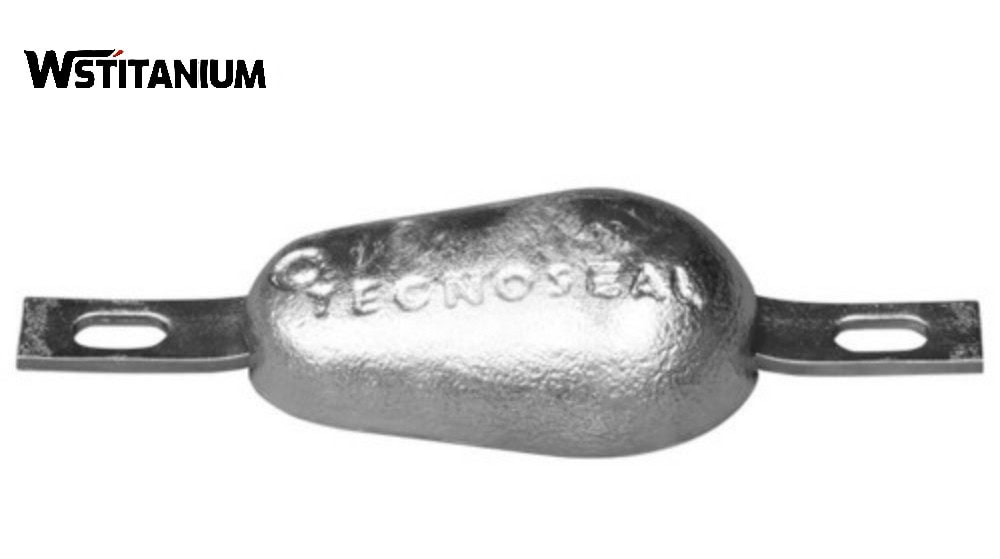
ASTM B418-16a Type I Zinc Alloy Anode
Type I zinc alloy anodes are the most widely used in bridge engineering. The alloying elements are zinc, aluminum, and cadmium. Aluminum content is 0.1%~0.5%, cadmium content is 0.025%~0.07%, and zinc is the balance. The content of impurities such as iron, copper, and lead is strictly controlled. Specifically, iron content ≤0.005%, lead content ≤0.006%, and copper content ≤0.005%.
The alloying elements play a crucial role in optimizing anode performance: aluminum refines the grain size, improves the anode’s current efficiency, and inhibits intergranular corrosion. Cadmium lowers the corrosion potential of the anode, improves its activation performance, prevents the formation of a passivation film on the anode surface, and ensures stable current output in complex environments.
The core technical characteristics of Type I zinc alloy anodes: Open circuit potential in seawater is -1.10V (vs. CSE). Actual capacitance ≥780Ah/kg, current efficiency ≥90%. It dissolves uniformly, exhibits strong resistance to passivation, and is suitable for most bridge service environments, including seawater, freshwater, and low-resistivity soils. It is the preferred anode type in bridge engineering, widely used in steel structure pile foundations, abutments, and piers of sea-crossing and inland river bridges.
ASTM B418-16a Type II Pure Zinc Anode
Type II high-purity zinc anodes are high-purity zinc anodes with a zinc content ≥99.99%. The content of all alloying and impurity elements is strictly limited: aluminum ≤0.005%, cadmium ≤0.003%, iron ≤0.0014%, lead ≤0.003%, and copper ≤0.002%.
Compared to Type I zinc alloy anodes, Type II high-purity zinc anodes offer superior resistance to intergranular corrosion and high-temperature stability. The maximum applicable temperature is 50℃, higher than the 40℃ of Type I anodes. Furthermore, high-purity zinc anodes are free of heavy metals such as cadmium and lead, making them environmentally friendly and preventing pollution of water and soil. They are suitable for bridges near drinking water sources and bridge projects in ecologically sensitive areas.
The current efficiency of Type II high-purity zinc anodes is slightly lower than that of Type I zinc alloy anodes. The current efficiency in seawater is approximately 85%–90%, but the cost is relatively high. It is mainly used in bridge engineering projects with high environmental protection requirements and subject to short-term temperature fluctuations.
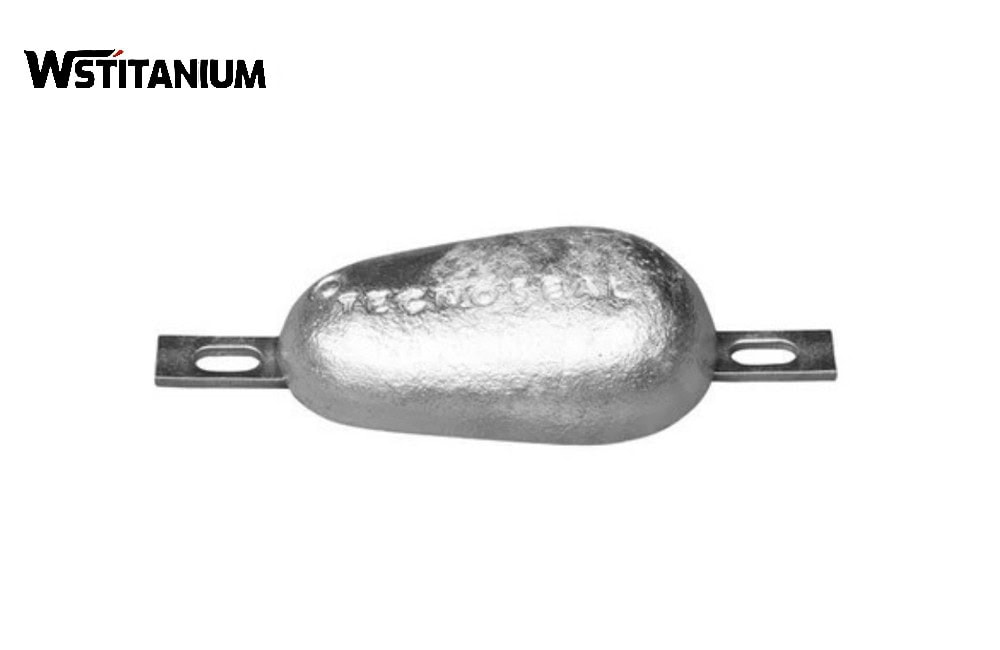
Zn-Al-Cd
Zn-Al-Cd is the mainstream grade for bridge engineering in China, suitable for corrosion protection of steel structures in seawater, freshwater, and soil environments.
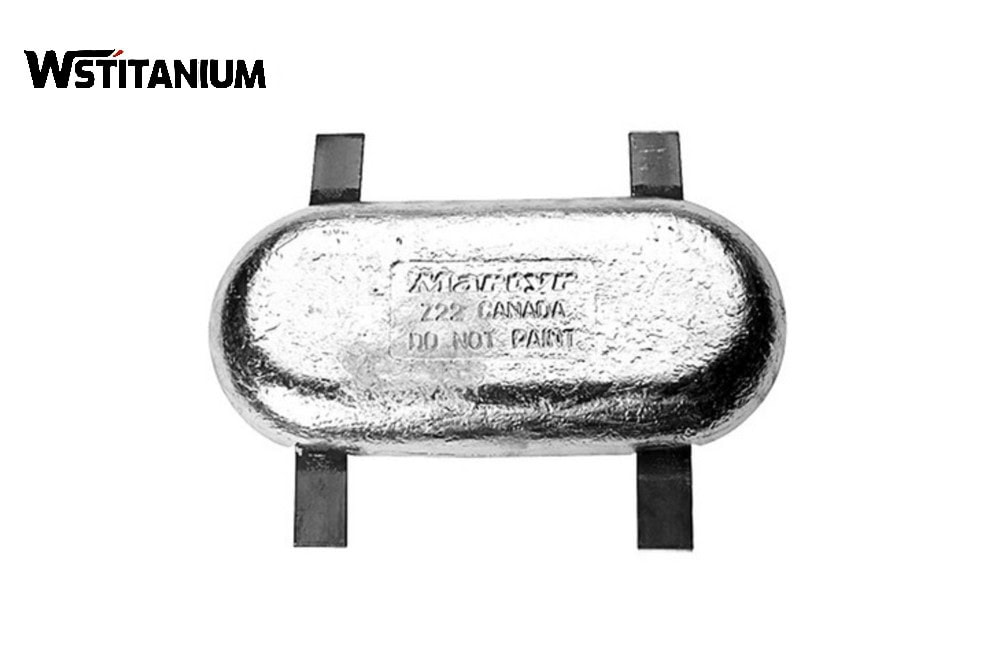
Zn-Al
Cadmium-free environmentally friendly zinc anode. Aluminum content is 0.3%~0.6%. Suitable for freshwater and soil environments with high environmental protection requirements. Avoids cadmium pollution.
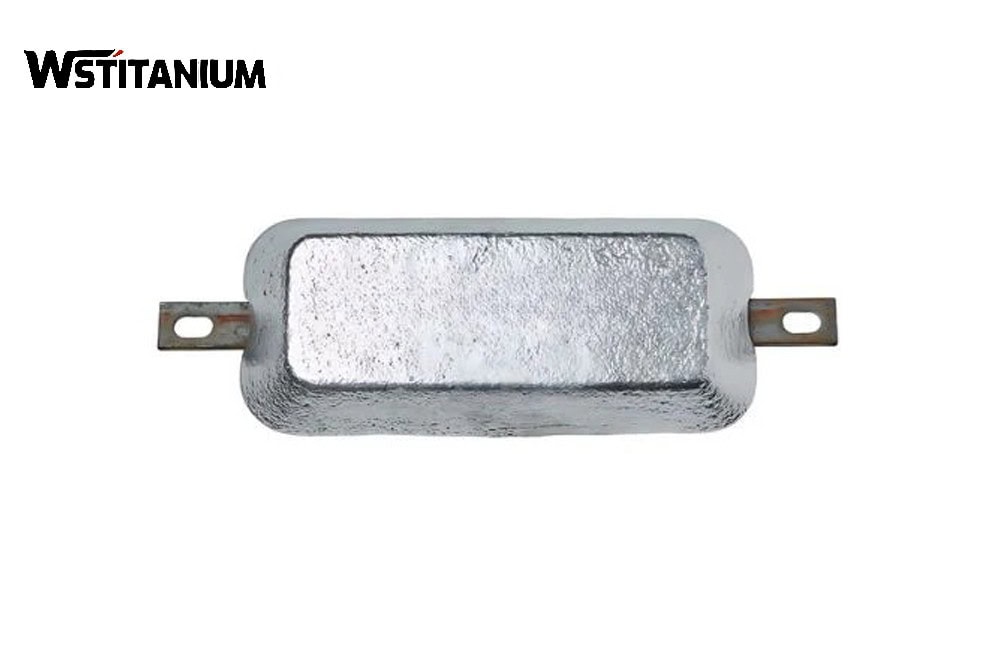
Zn-Mn
Possesses excellent passivation resistance, suitable for freshwater and damp concrete environments, and is widely used for corrosion protection of reinforced concrete bridge structures.
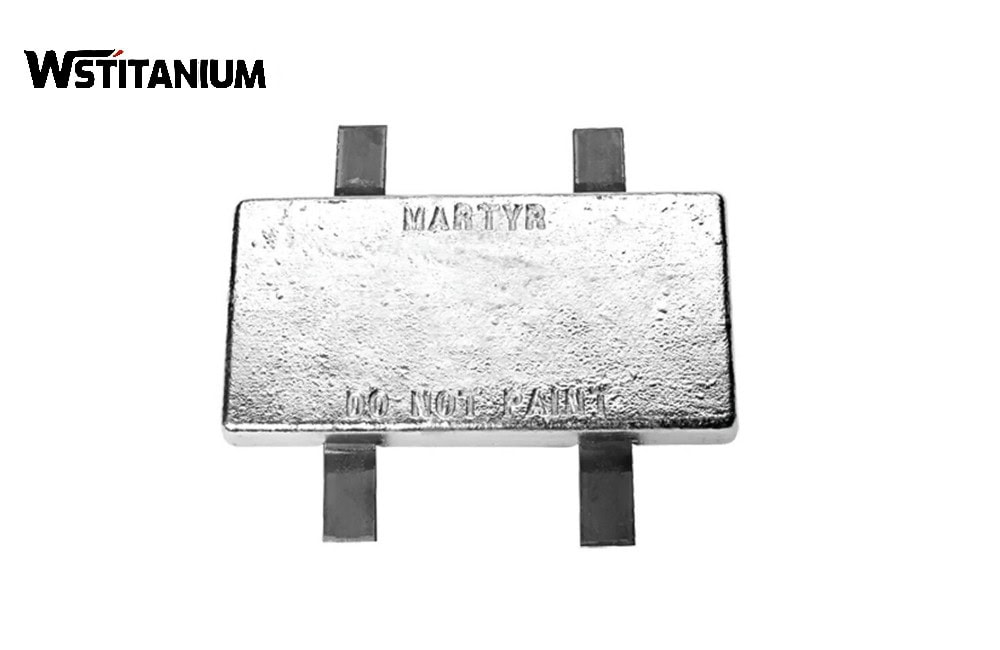
Zn-Al-Mg-In
A new type of highly activated zinc anode with higher current efficiency and passivation resistance, suitable for high resistivity freshwater and lightly polluted soil environments.
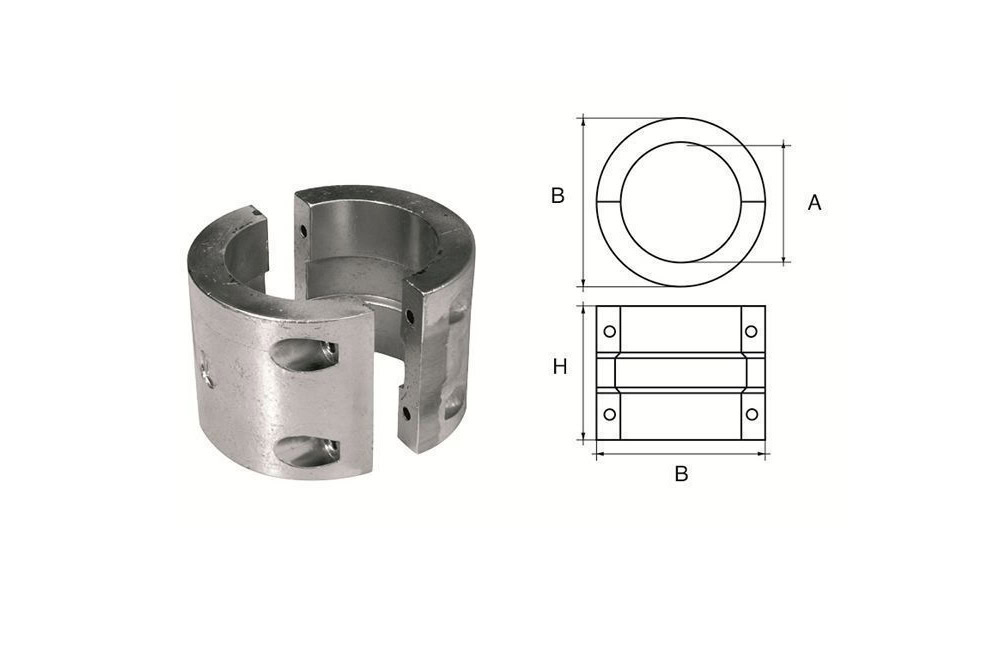
Bracelet-type Zinc Anode
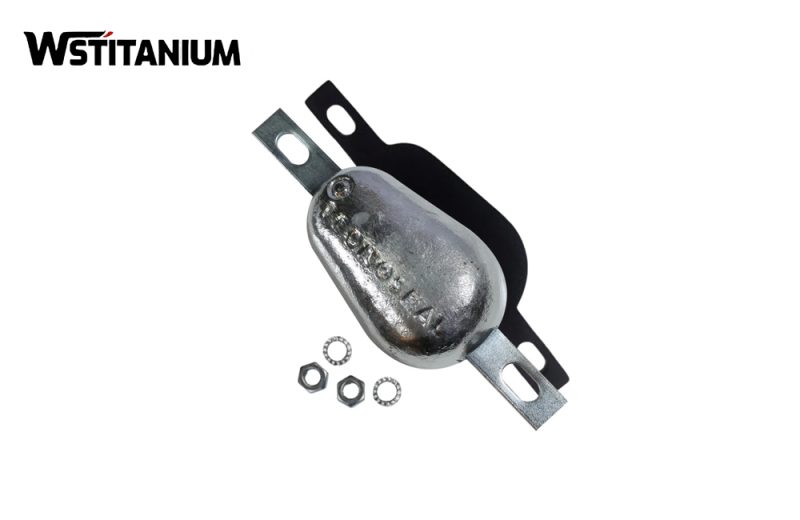
Bracelet-type zinc anodes are the most widely used anode type for underwater bridge pile foundations and steel pipe piles. They have a semi-circular ring structure, with two semi-rings connected by bolts, allowing direct fixation to the reinforcing steel frame of circular steel pipe piles or concrete pile foundations.
The inner diameter, thickness, and length of bracelet-type zinc anodes can be customized according to the pile foundation diameter, protection current requirements, and design life. The weight of a single anode typically ranges from a few kilograms to several hundred kilograms.
Applications: Corrosion protection of steel pipe piles and prestressed concrete pipe piles in the fully immersed and tidal zones of bridges spanning seas, rivers, and lakes; corrosion protection of cylindrical structures such as deep-water bridge piers, steel caissons, and steel cofferdams; corrosion protection of pile foundations for wharf approach bridges and inland waterway bridges.
Anodes are evenly distributed along the pile foundation axis, typically spaced 2-5m apart. In high-risk corrosion areas such as tidal zones and mudlines, the spacing should be increased to 1-2m. The mating surfaces of the two semi-rings should fit tightly, and bolts should be securely tightened.
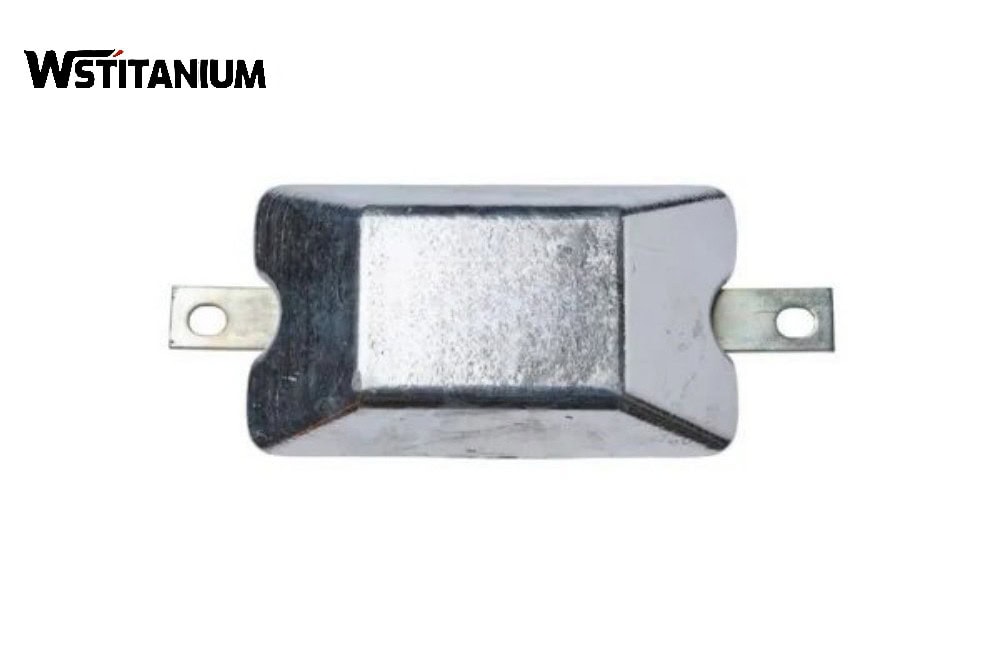
Block/Plate Zinc Anodes
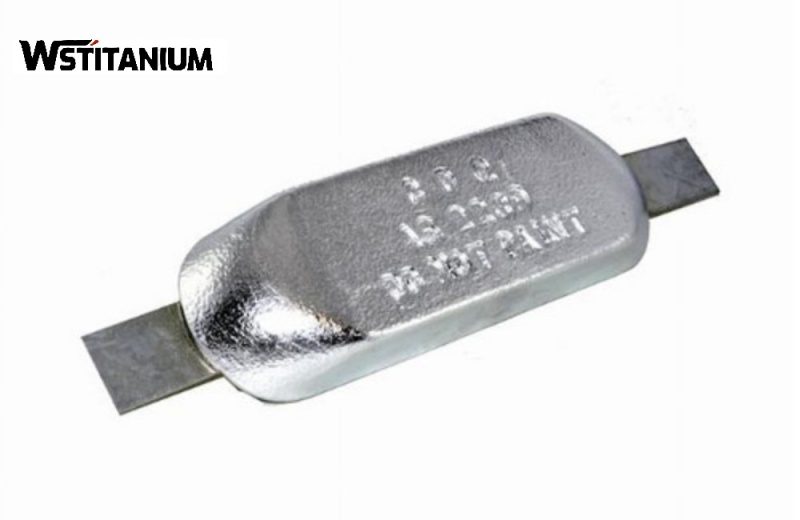
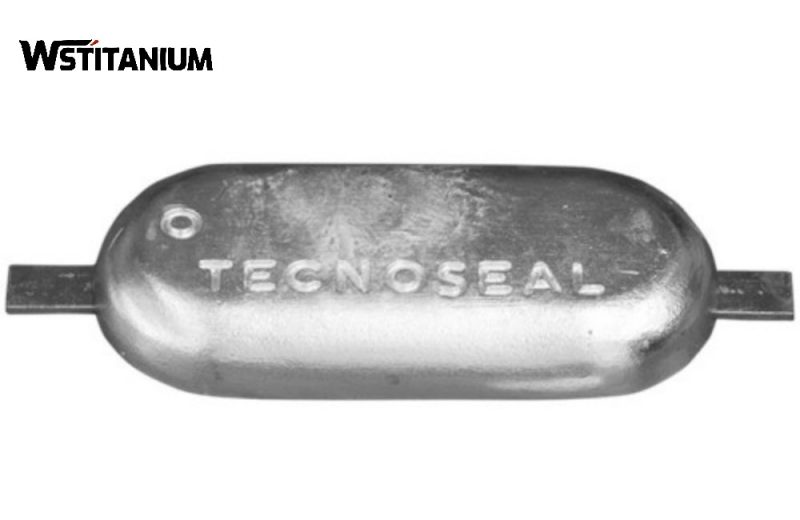
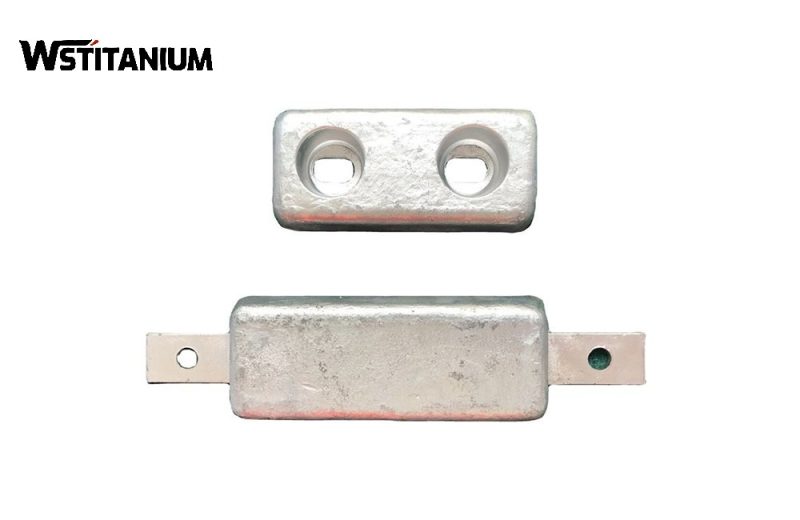
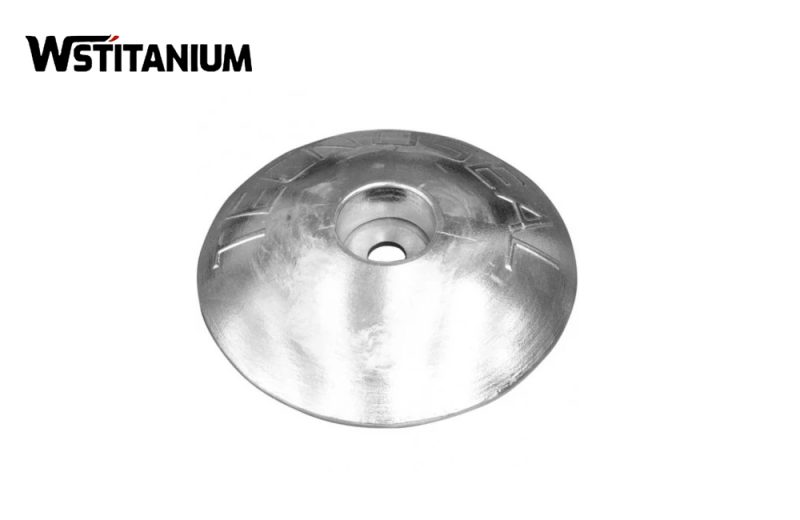
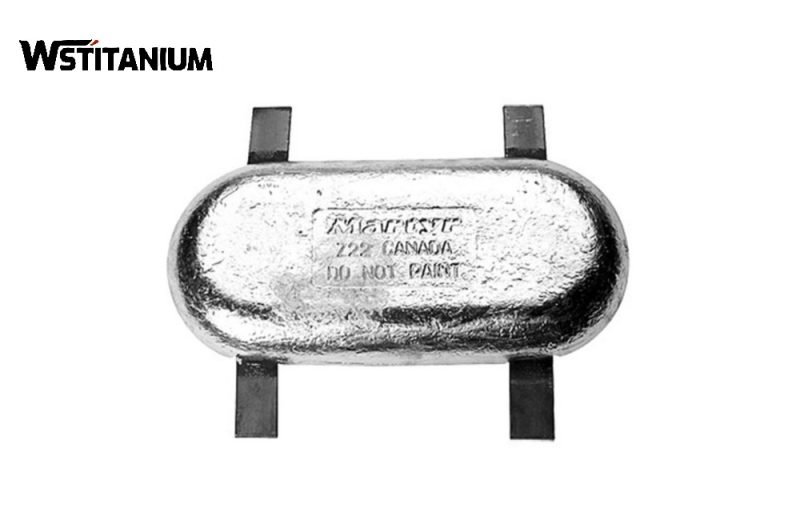
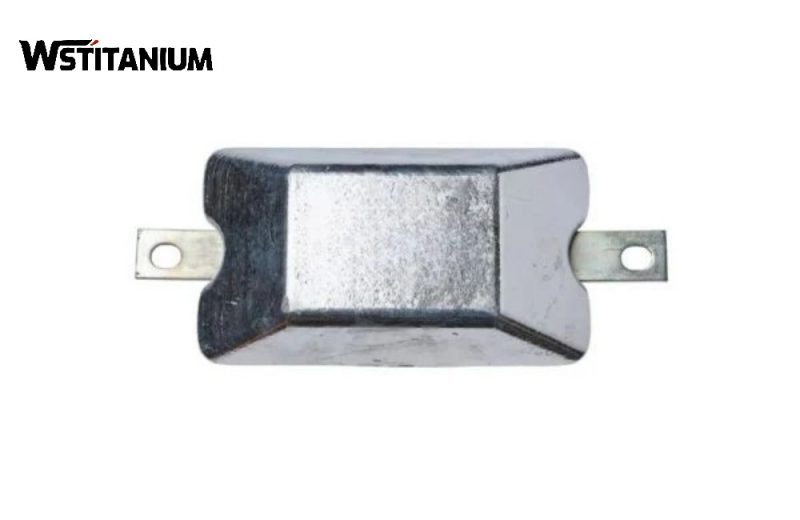
Block/plate zinc anodes are the most versatile anode type used in bridge engineering. They are typically cast structures in rectangular, trapezoidal, or disc shapes. They can be fixed to the surface of the bridge steel structure via welding or bolting.
Block/plate zinc anodes have a simple structure, low cost, and flexible specifications, and can be customized according to the protection area and current requirements. The weight of a single anode ranges from 1 kg to hundreds of kg; the trapezoidal cross-section anode outputs a stable current, making it the preferred structure for bridges in marine environments.
Applications: Corrosion protection of large-area steel structures such as the inner and outer walls of bridge steel box girders, steel trusses, and steel arch ribs. Full immersion corrosion protection of underwater abutments, steel caissons, and anchorage steel structures for cross-sea bridges. Localized corrosion protection of critical components such as bridge bearings, expansion joints, and cable anchorage zones. Anodes should be evenly distributed on the surface of the protected steel structure, with a spacing typically of 3-8 m.
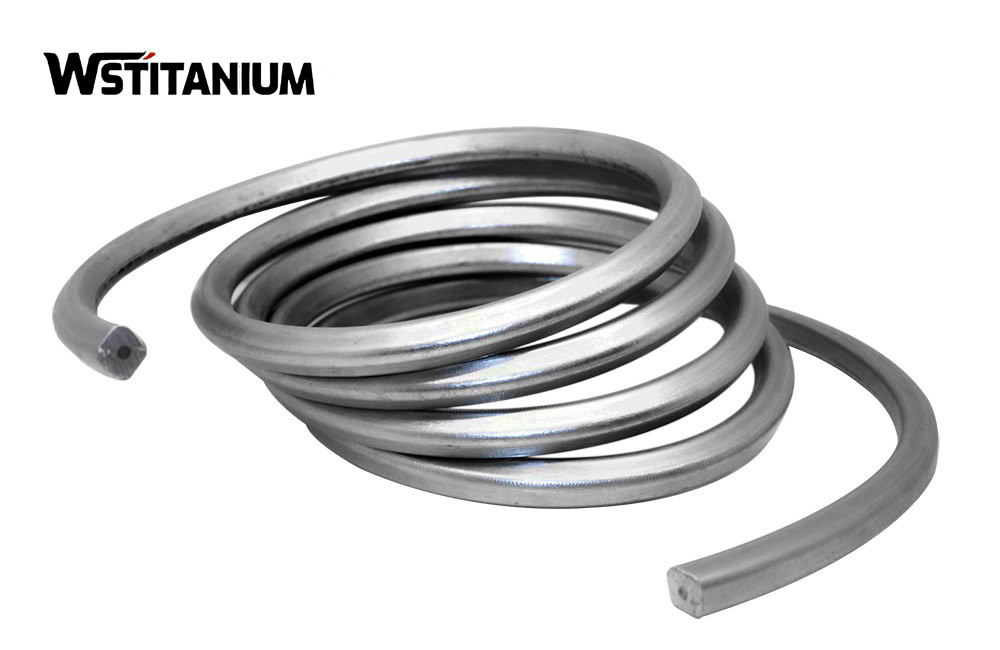
Ribbon Zinc Anodes
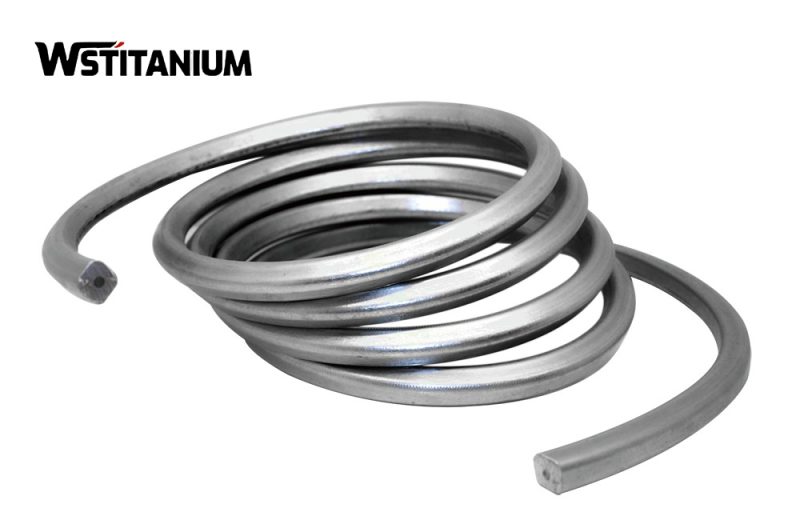
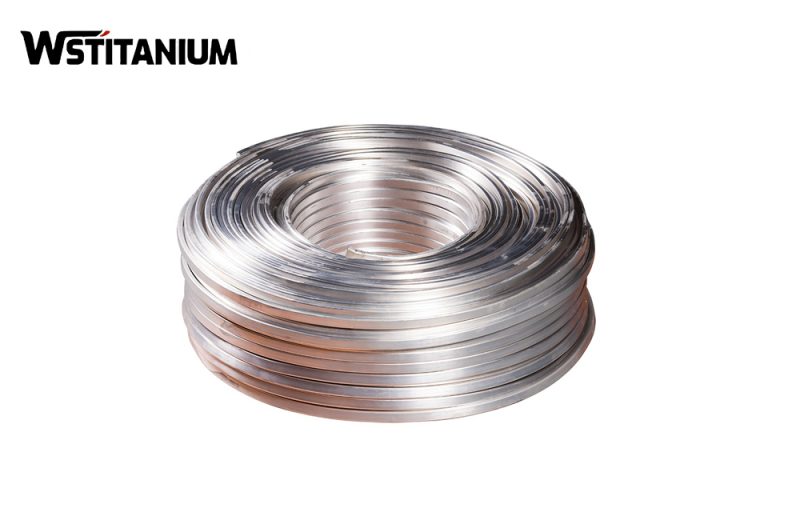
Ribbon zinc anodes are flexible anodes manufactured through extrusion. They typically have a rectangular cross-section, a thickness of 0.8~10mm, and a width of 10~200mm. They usually have an embedded copper or steel core to enhance conductivity and mechanical strength.
Core structural features: The exposed area per unit mass is much larger than that of block anodes, enabling the output of a larger protective current in high resistivity environments. They are highly flexible, allowing for easy bending and winding, adapting to irregular and confined spaces; they can be cut to size according to site requirements, facilitating installation.
Applications: Corrosion protection of reinforced concrete bridge decks, box girders, and piers; they can be directly embedded in concrete and arranged along the direction of the reinforcing bars. Localized corrosion protection in confined spaces and complex structures such as bridge bearings, expansion joints, and embedded parts. Used to eliminate stray current corrosion of bridge steel structures in electrified railway bridges and bridges under high-voltage lines. Ribbon anodes should be reliably connected to the reinforcing bars, with a spacing typically of 0.5~2m. The grounding resistance should be ≤4Ω.
Conclusion
Zinc anodes, through “self-sacrifice and preferential dissolution,” achieve complete cathodic polarization of the protected steel structure, fundamentally inhibiting corrosion reactions. This paper details the core electrochemical properties of zinc anodes, including electrode potential, current efficiency, and dissolution characteristics, as well as their electrochemical behavior in various bridge service environments such as seawater, freshwater, soil, and concrete. Zinc anodes for bridge applications are comprehensively classified according to alloying elements, shape, and applicable scenarios, with detailed descriptions of the structural characteristics of four main types: bracelet-shaped, block-shaped, and strip-shaped anodes.
Reference
[1] ASTM B418-16a(2021), Standard Specification for Cast and Wrought Galvanic Zinc Anodes[S]. West Conshohocken: ASTM International, 2021.
[2] DNVGL-RP-B401-2017, Cathodic Protection Design[S]. Oslo: DNV GL, 2017.
[3] DNVGL-RP-F103-2016, Cathodic Protection of Submarine Pipelines[S]. Oslo: DNV GL, 2016.
[4] NACE SP0387-2014, Metallurgical and Inspection Requirements for Cast Galvanic Anodes for Offshore Application[S]. Houston: NACE International, 2014.
[5] EN 12496-2013, Galvanic Anodes for Cathodic Protection in Seawater and Saline Mud[S]. Brussels: European Committee for Standardization, 2013.
[6] ISO 12696:2020, Cathodic protection of steel in concrete[S]. Geneva: International Organization for Standardization, 2020.
[7] AS 2239-2003(R2016), Galvanic (Sacrificial) Anodes for Cathodic Protection[S]. Sydney: Standards Australia, 2016.
[8] Stone C, Glass G, Bewley D. The Performance and Assessment of Galvanic Anodes In Concrete Structures [J]. Corrosion Management, 2024, 1-2: 25-30.
[9] Lee D, Jeong J A. Investigation of the Effective Range of Cathodic Protection for Concrete Pile Specimens Utilizing Zinc Mesh Anode [J]. Journal of the Korean Society of Marine Engineering, 2022, 46 (2): 195-202.
[10] Vedeld K, Sæther I, Vennesland Ø. Cathodic Protection of Marine Prestressed Concrete Bridges – Review of Case Studies [J]. Nordic Concrete Research, 2024, 71 (2): 113-124.
[11] Xuan B B. Research on manufacturing zinc sacrificial anodes for corrosion protection of steel structures and constructions [D]. Ho Chi Minh City: University of Technology – Vietnam National University-HCMC, 2025.
[12] Iannuzzi M, Frankel G S. The carbon footprint of steel corrosion [J]. Materials Degradation, 2022, 6 (1): 1-12.