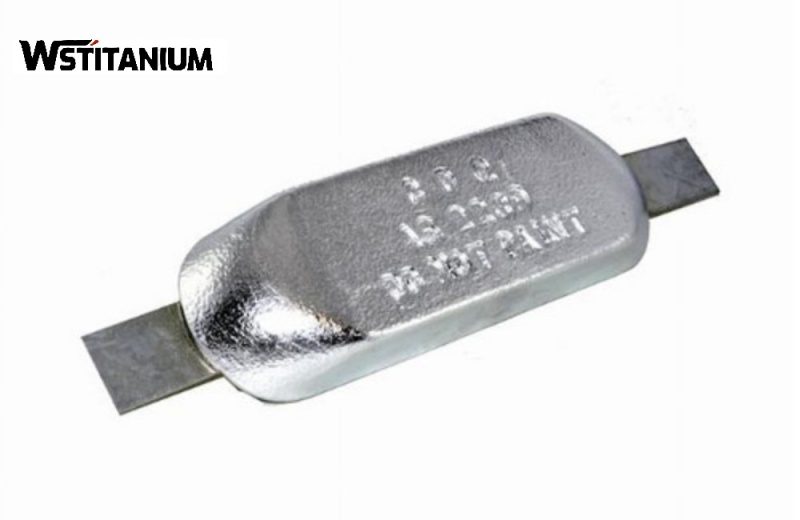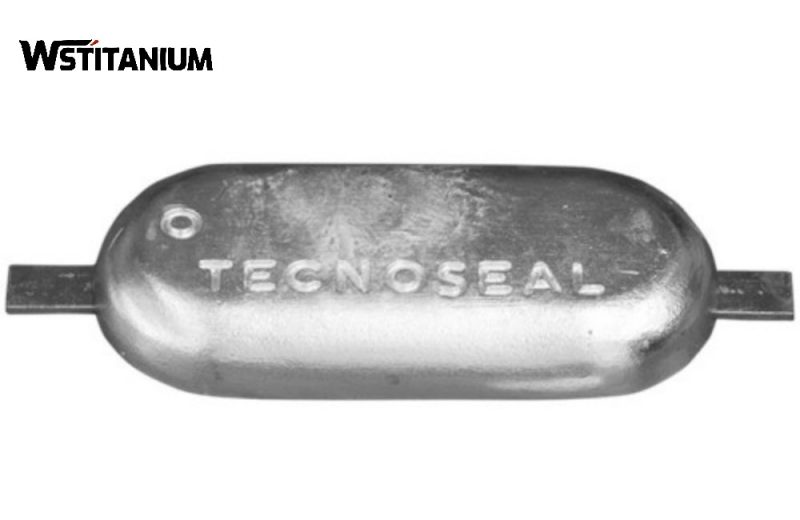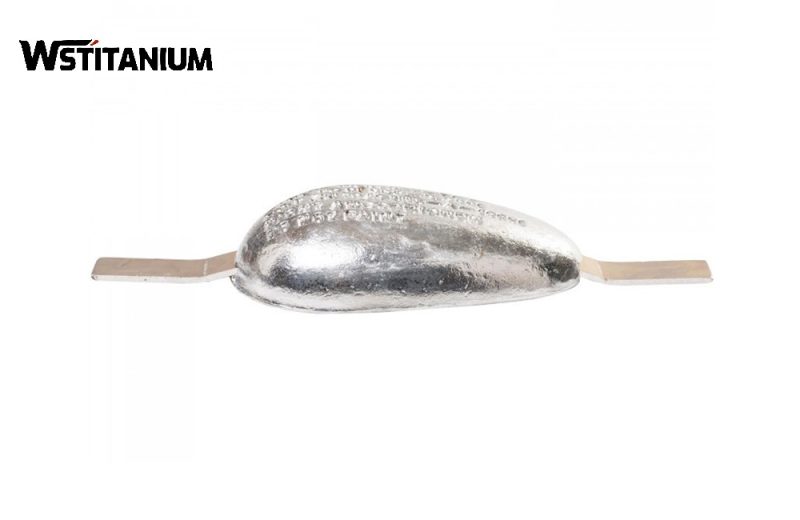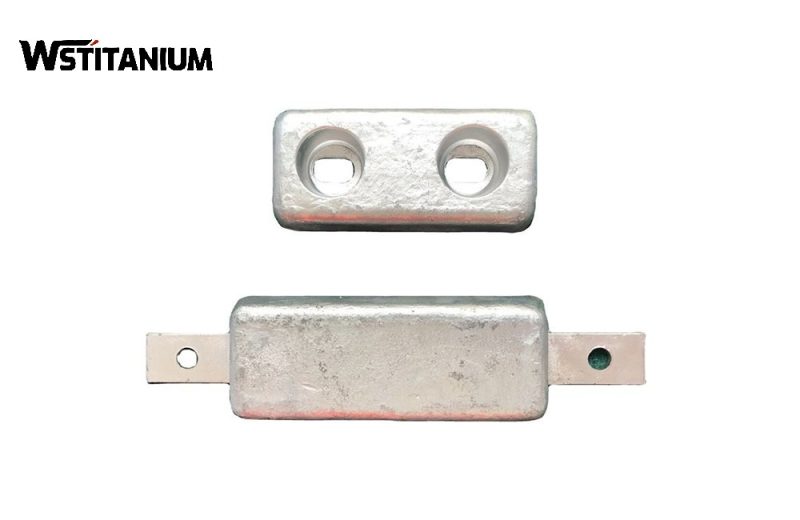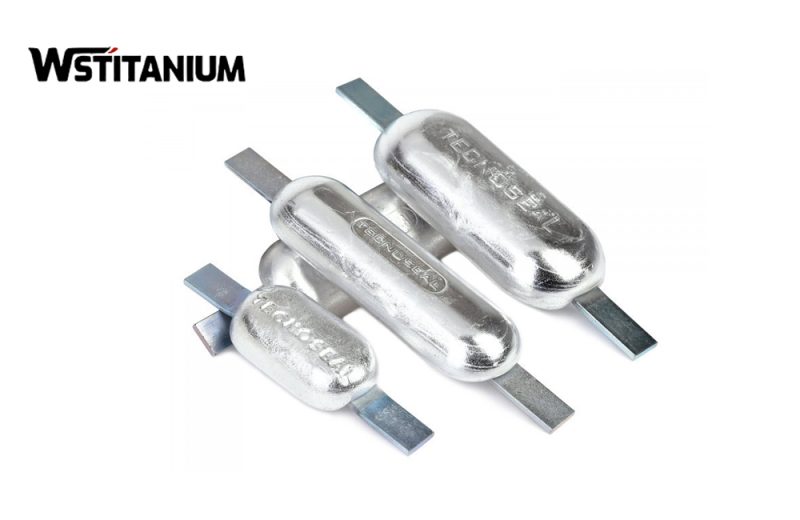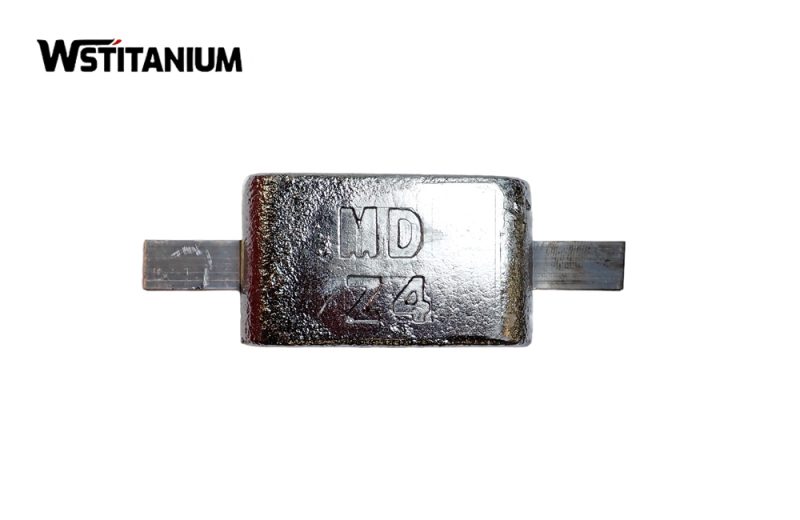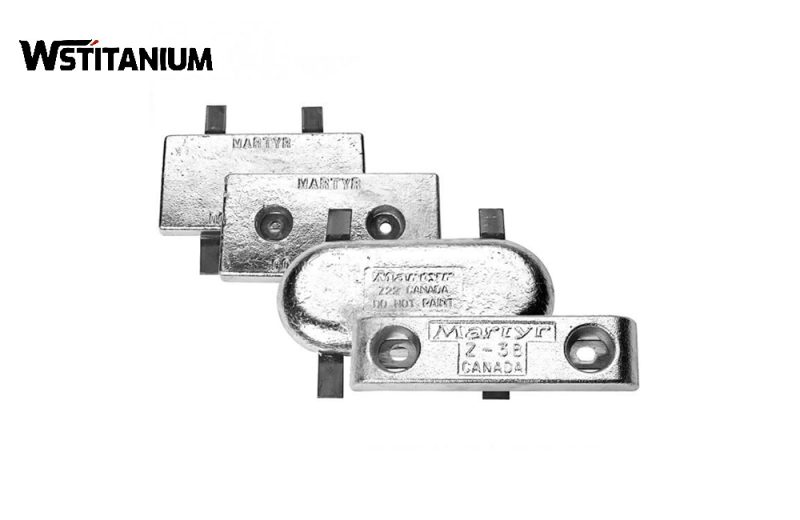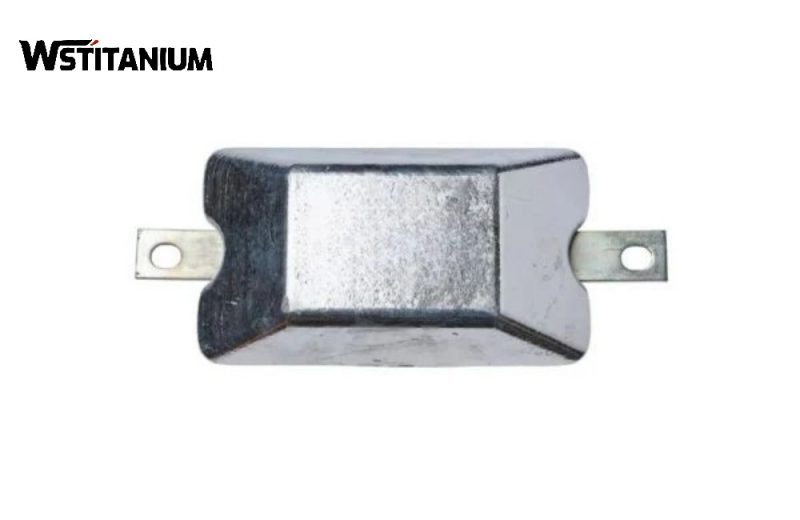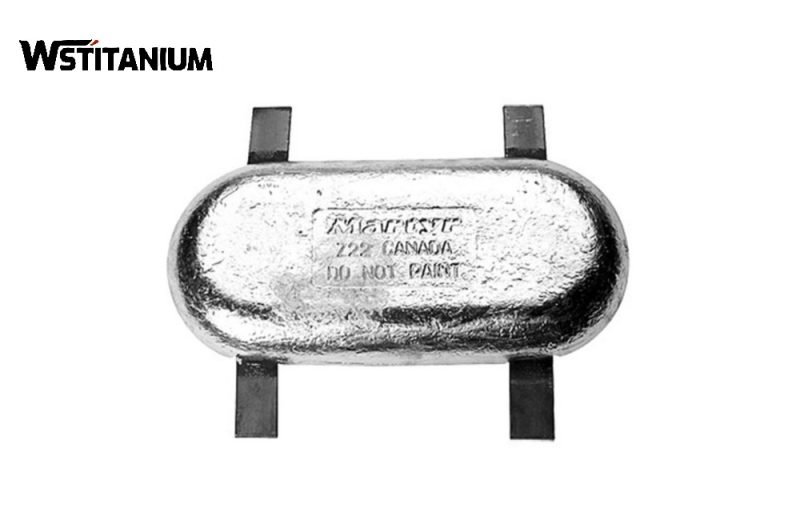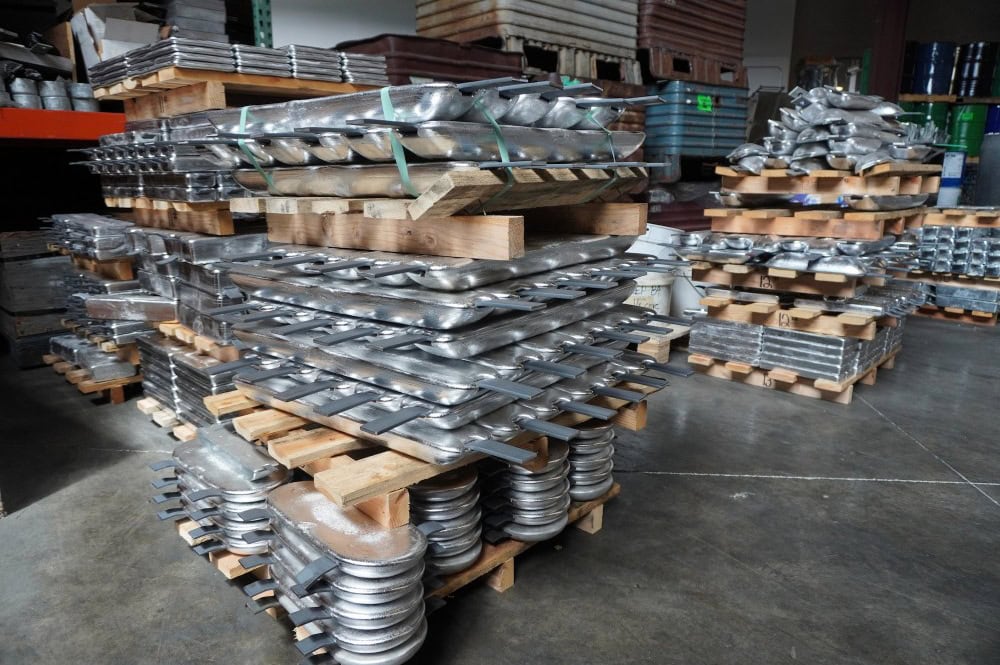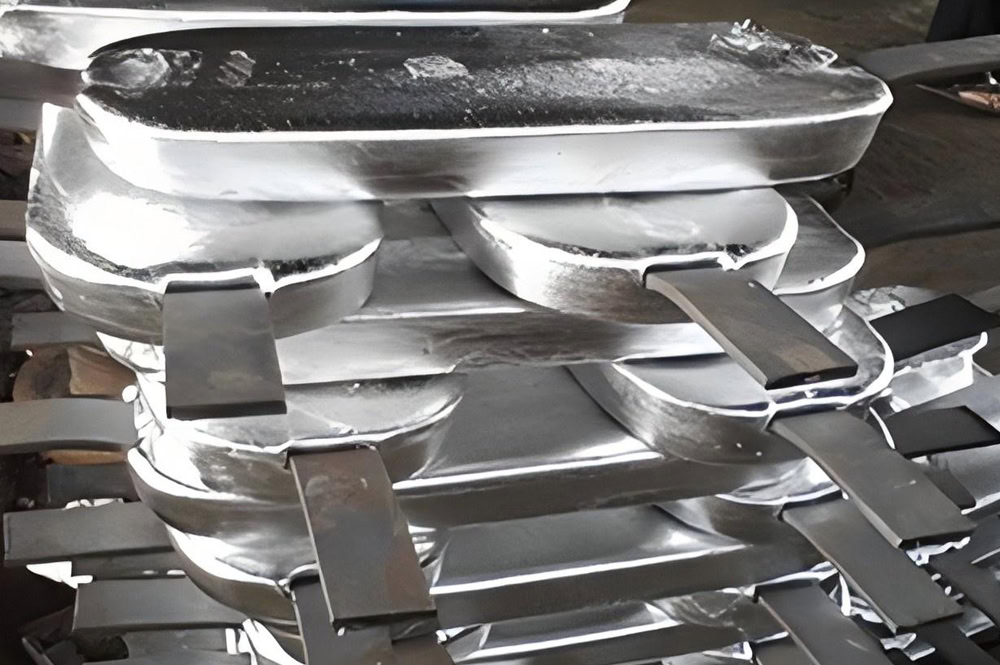
Marine zinc anodes provide long-term cathodic protection to critical parts of a ship, such as the hull, ballast tanks, piping systems, and power equipment, through the electrochemical principle of “sacrificing itself to protect the ship.” Cathodic protection technology has become a core component of ship corrosion protection systems. Due to their excellent electrochemical properties and cost-effectiveness, zinc sacrificial anodes are one of the most widely used marine corrosion protection materials.
Why Zinc Anodes?
Zinc anodes are the inevitable choice for combating the threat of marine corrosion. Their core value lies in ensuring ship safety, reducing maintenance costs, extending lifespan, and meeting industry standards and environmental requirements. Zinc anodes are an indispensable key component in ship design and operation.
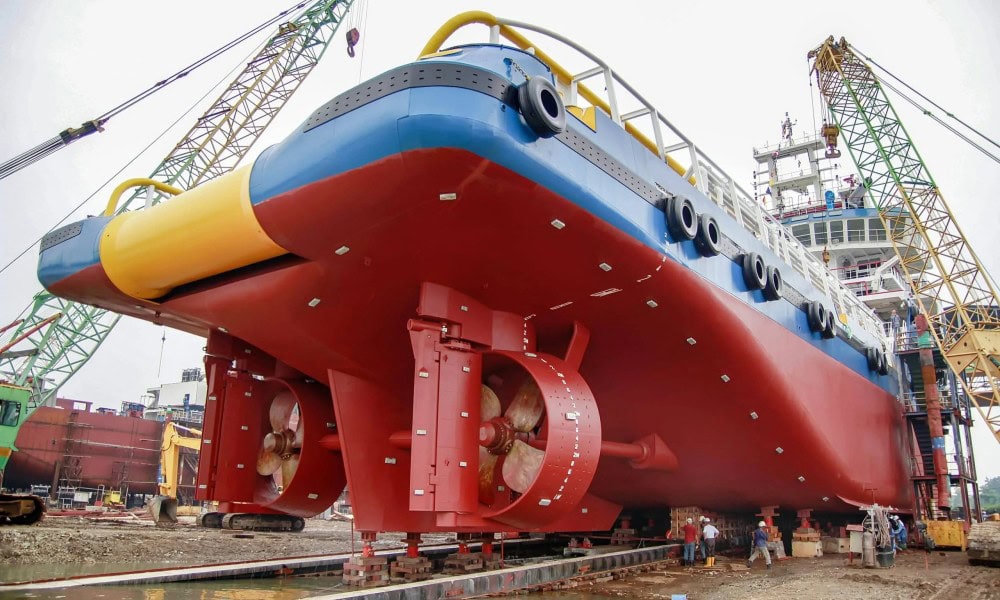
Preventing Marine Corrosion
The cathodic protection technology of zinc anodes inhibits corrosion reactions. Even if the coating (such as paint) is damaged, the electrons released by the zinc anode can still cover the damaged area, preventing steel dissolution and achieving “active protection.”
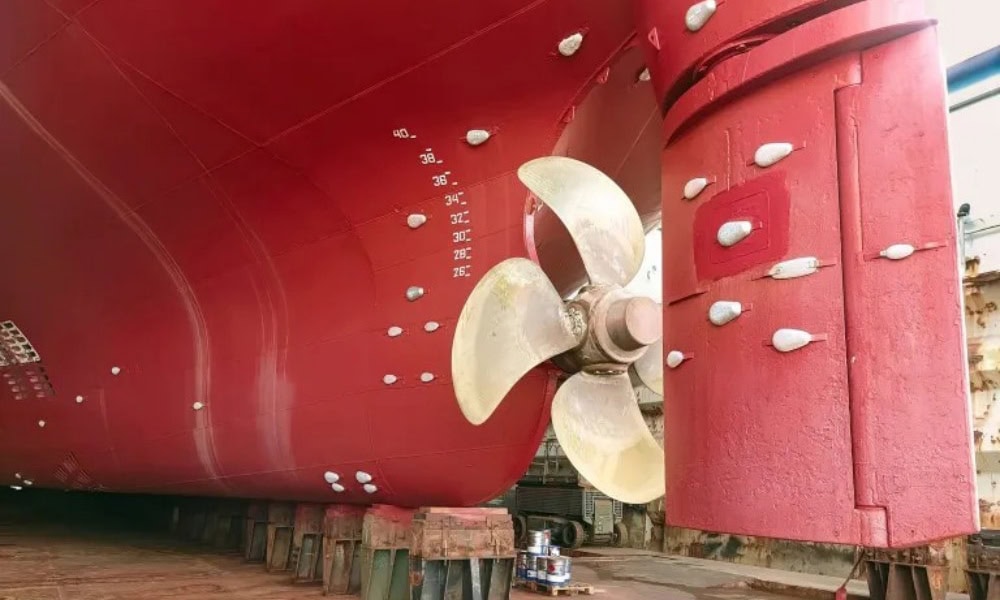
Economical
Ships are high-value assets, and their construction and maintenance costs are high. Zinc anodes effectively reduce various types of corrosion, extending the lifespan of the ship. For example, replacing a propeller can cost hundreds of thousands of dollars.
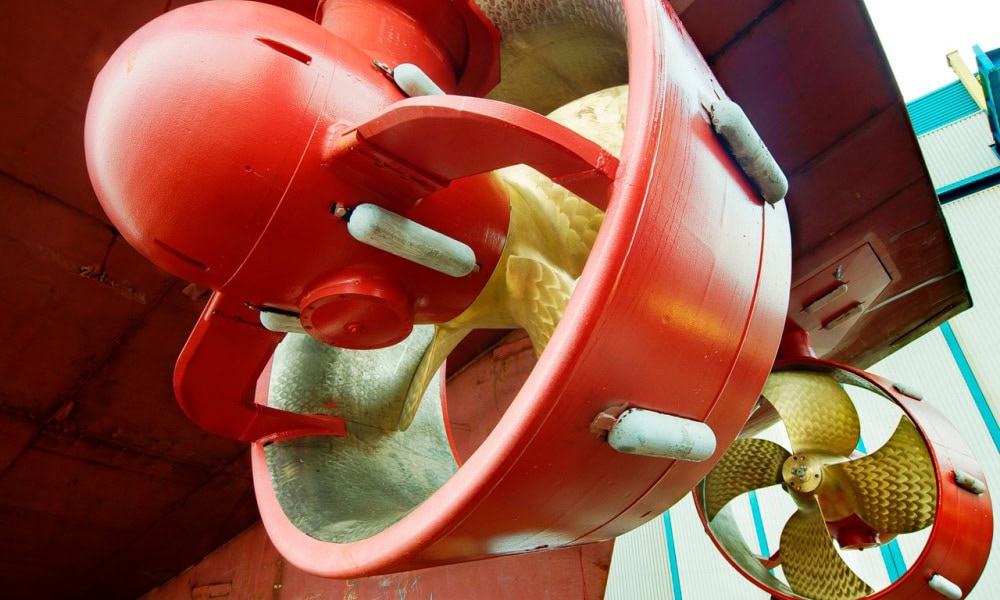
Safety
Zinc anodes provide long-term protection for critical parts of the ship, mitigating corrosion-related risks at the source. For example, they ensure the structural integrity of the hull, guarantee the reliability of the power system, and prevent pipeline leaks.

Compliance with International Standards
International Maritime Organization (IMO), various national classification societies (such as CCS, ABS, BV, LR), and standardization organizations (such as ISO, ASTM) explicitly require ships to be equipped with cathodic protection systems. Zinc anodes are a mainstream solution.
Types of Marine Zinc Anodes
The types of marine zinc anodes are classified based on multiple dimensions, including installation location, protected object, structure, and applicable ship scenarios. Different types of anodes are specifically optimized in terms of shape design, dimensions, installation, and electrochemical performance.
Hull Zinc Anodes
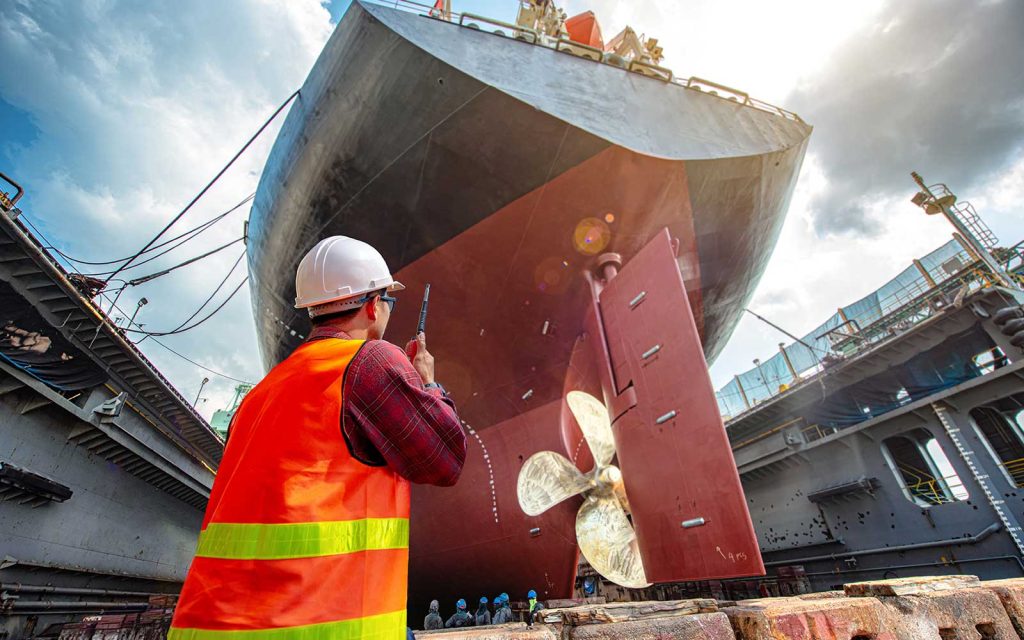
Hull zinc anodes are the most widely used basic type. They are primarily used to protect the hull structure below the waterline, including key areas such as the bow, stern, and bilge. Their design focuses on adapting to the curved structure of the hull, ensuring a tight fit with the hull plating. Hull zinc anodes range in weight from 3.5kg (ZH-10 type) to 47kg (ZH-1 type), with typical dimensions such as 800×140×60mm (47kg) and 180×70×40mm (3.5kg). This type of anode is fixed to the hull plating by welding or bolting.
Ballast Tank Zinc Anodes
Ballast tank zinc anodes mainly utilize a combination of strip anodes (25-100mm wide) and block anodes. Strip anodes are laid along the tank walls, while block anodes are fixed to the tank bottom and corners, or other areas prone to corrosion. According to GB/T 4950-2021 standard, zinc anodes for ballast tanks must meet the requirements of current efficiency ≥95% and actual capacity ≥780 A·h/kg in seawater. Due to the confined space and difficulty of maintenance in ballast tanks, this type of anode usually uses a long-life alloy formula (such as Zn-Al-Cd alloy). Its designed service life can reach 8-12 years.
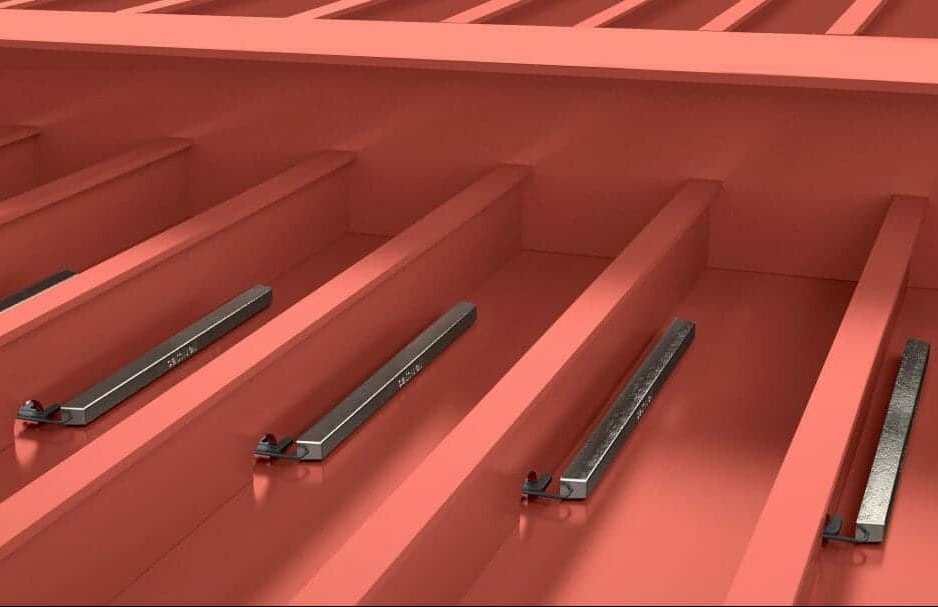
Bulkhead Zinc Anodes
Bulkhead zinc anodes are specifically designed for the protection of the inner walls of various compartments on ships (such as fuel tanks, freshwater tanks, and cargo holds). They are available in internal and external mounting types. Internal mounting anodes are fixed with bolts. External mounting anodes are mounted at a certain distance from the bulkhead using brackets to ensure smooth electrolyte flow. Small compartments use 3-5kg block anodes. Large cargo holds use 10-20kg composite anodes. According to ISO 15589-2:2024 standard, the contact resistance between the bulkhead anode and the protected metal must be ≤0.01Ω to ensure efficient electron transfer.
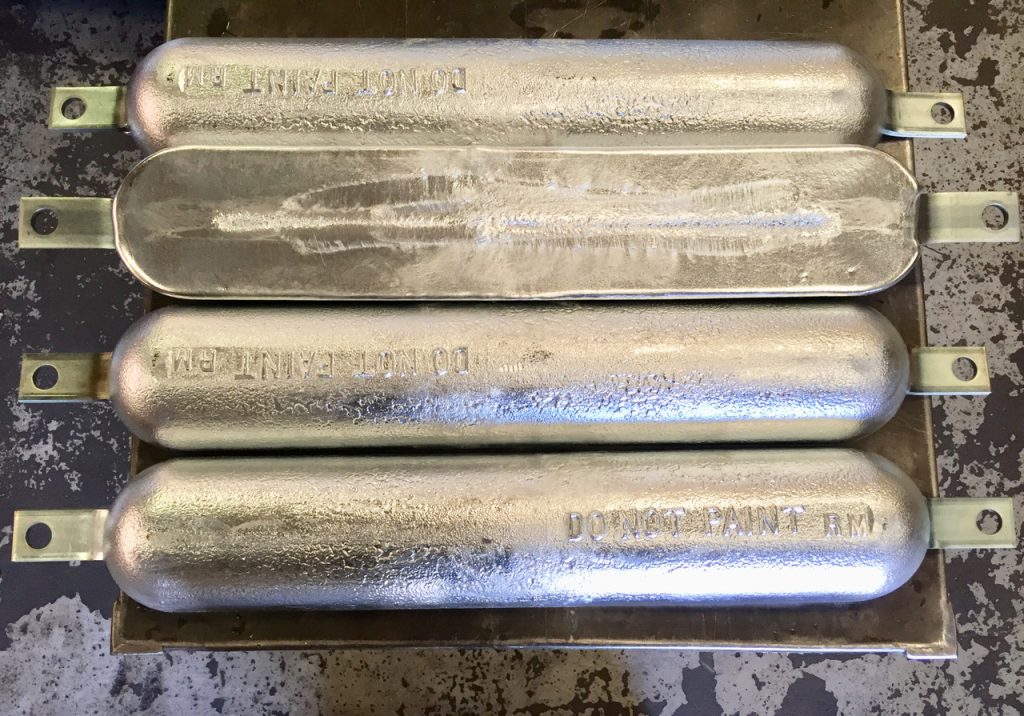
Pipeline Zinc Anodes
Pipeline zinc anodes are used to protect various fluid transport pipelines on ships, including seawater cooling pipes, fuel oil pipelines, and ballast water pipes. They are available in three structures: bracelet type, rod type, and strip type. Bracelet anodes (cuff zinc anodes) have a semi-circular design and are directly clamped onto the outer wall of the pipe, suitable for pipes with diameters of 50-500mm; rod anodes are inserted into the electrolyte environment surrounding the pipe and connected to the pipe via a cable, suitable for large-diameter pipes or complex pipe network systems; strip anodes are laid along the length of the pipe, suitable for long straight pipe sections. The working potential of pipeline zinc anodes in seawater is controlled at -1.00~-1.05V (SCE).
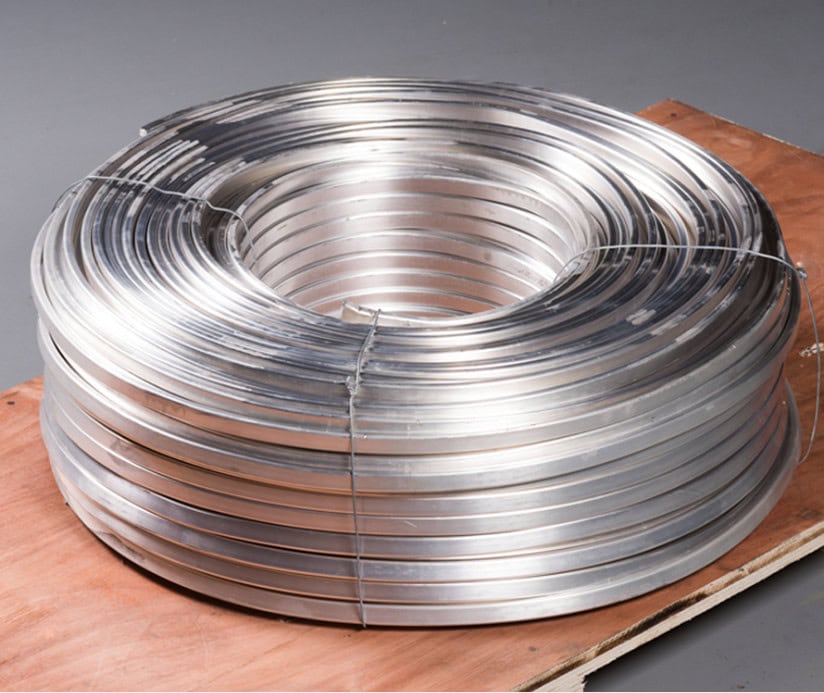
Heat Exchanger Zinc Anodes
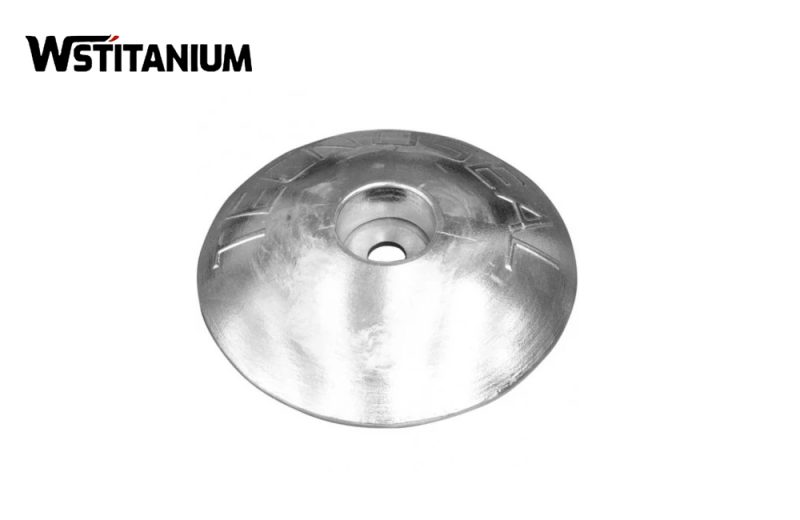
Heat exchanger zinc anodes are available in disc-shaped (ZEP type) or rod-shaped structures. According to ASTM F1182-07 (2019) standard, they are classified into square (Style A), circular (Style B), and semi-circular (Style C) types. They are directly installed in the shell or tube side of the heat exchanger. The core features of this type of anode are its compact size and uniform dissolution, preventing corrosion products from blocking the tube bundle channels. It has stringent electrochemical performance requirements, with a current efficiency of ≥95% and an actual capacity of ≥800 A·h/kg, capable of stably outputting protective current in a 30-40℃ seawater environment.
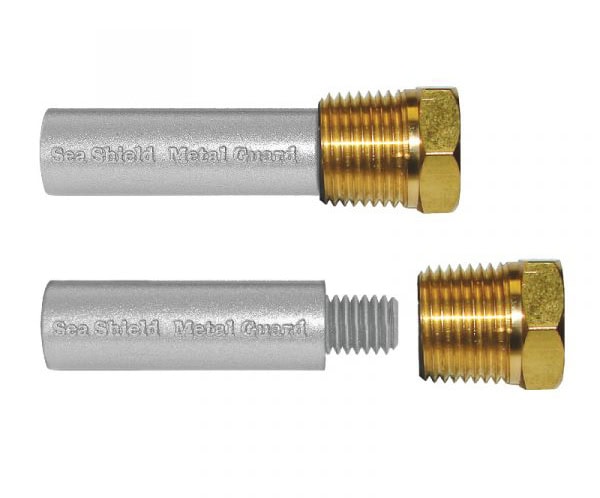
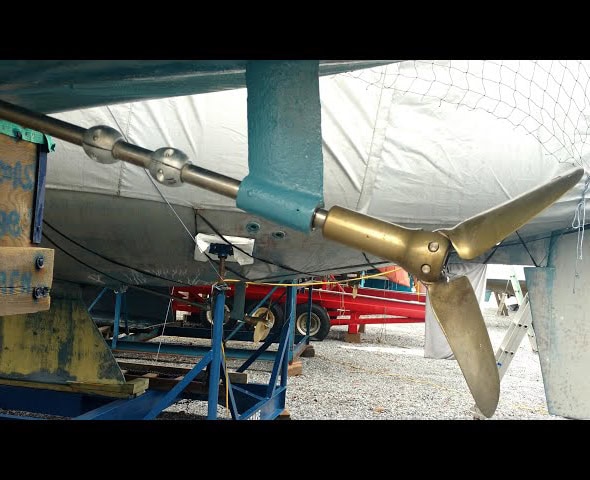
Propeller Zinc Anodes
Propeller zinc anodes mainly come in two forms: bracelet anodes (cuff zinc anodes) and blade-specific anodes. Bracelet anodes are installed on the propeller shaft, protecting the shaft system and hub area. Blade-specific anodes are fixed to the root or surface of the propeller blade with bolts. This type of anode requires strict dimensional accuracy, with a clearance of ≤2mm between the anode and the propeller to avoid vibration or noise during rotation. According to ABS classification society standards, the service life of propeller zinc anodes must match the propeller maintenance cycle (usually 3-5 years). They must be replaced when their remaining weight is less than 30% of their original weight.
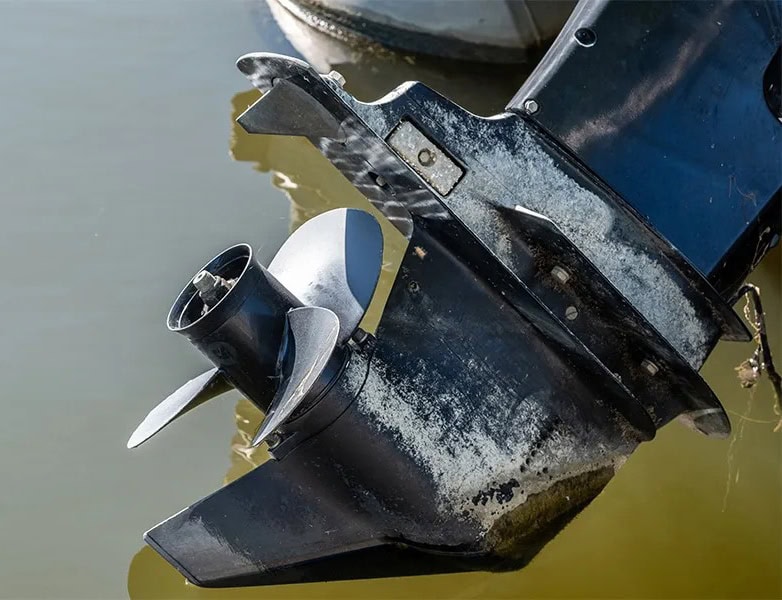
Outboard Motor Zinc Anodes
Outboard motors are the core power units of small boats and speedboats. Outboard motor zinc anodes are mainly divided into engine casing anodes, propeller shaft anodes, and underwater component anodes. Their weight ranges from 0.2kg to 2kg, and they use bolt connections or snap-on structures. According to ASTM B418 standard, the actual capacity of outboard motor zinc anodes is not less than 750A·h/kg, and the current efficiency is ≥90% in environments with chloride ion concentration ≥1000ppm, making them suitable for multi-medium environments such as estuaries and coastal areas.
Boat Zinc Anodes
Corrosion protection requirements for boats (such as recreational boats) focus on economy and ease of maintenance. Zinc anode types mainly include small block, rod, and outboard motor-specific anodes. The weight of a single anode is usually between 0.5-5 kg. Small boat zinc anodes are installed in key areas such as the stern plating, propeller shaft, outboard motor, and freshwater tanks, and are fixed with bolts. The material typically uses pure zinc anodes (Type III) or Zn-Al alloy anodes, meeting the minimum performance requirements of the GB/T 4950-2021 standard. In seawater, the current efficiency is ≥90%, and the actual capacity is ≥700 A·h/kg.
Yacht Zinc Anodes
As high-end watercraft, yachts have high requirements for both corrosion resistance and aesthetic quality. Zinc anodes must provide effective protection while avoiding compromising the vessel’s appearance. Yacht zinc anodes are available in exposed and concealed types: exposed anodes (such as those on the side of the hull) feature a streamlined design; concealed anodes (such as those for internal pipes and equipment) are compact and installed in hidden locations to avoid affecting space utilization. This type of anode uses high-purity zinc alloy (zinc content ≥99.9%), with total impurities ≤0.1%. For the special needs of luxury yachts, Wstitanium provides customized anode services, including irregular structure design and surface passivation treatment, and is certified by classification societies such as CCS and BV.
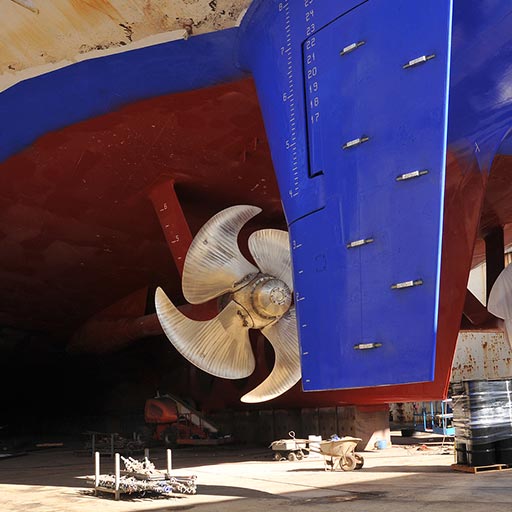
Commercial Vessel Zinc Anodes
Commercial vessels (such as container ships, bulk carriers, oil tankers, and ferries) have extremely high requirements for the longevity, reliability, and cost-effectiveness of zinc anodes. Commercial vessel zinc anodes include large hull block anodes (weighing over 50kg), ballast tank strip anodes, pipe bracelet anodes, and condenser disc anodes. According to ISO 15589-1:2015 standard, commercial vessel zinc anodes must meet strict electrochemical performance indicators. In seawater, their current efficiency is ≥95%, actual capacity is ≥780 A·h/kg, and performance remains stable within the temperature range of -2 to 35℃. Anodes for special commercial vessels such as oil tankers also need to have explosion-proof and pollution-preventing characteristics. The anode material does not contain excessive heavy metals. The corrosion products will not harm the marine environment and are certified by the International Maritime Organization (IMO) for environmental protection.

Zinc Anodes for Fishing Vessels
Zinc anodes for fishing vessels (such as trawlers, purse seiners, and fishing boats) are primarily used on the hull, fishing net drums, propellers, seawater cooling pipes, and fish holds. Bolt-on and weld-on anodes are preferred due to their impact resistance and ease of replacement. The weight of a single anode typically ranges from 5-20 kg. Due to the irregular operating cycles and infrequent maintenance of fishing vessels, long-life alloy formulations (such as Zn-Al-Cd alloy) are usually selected for zinc anodes, with a designed service life of 5-8 years. For small fishing vessels operating in coastal waters, economical pure zinc anodes can be used to meet basic corrosion protection needs while controlling costs.

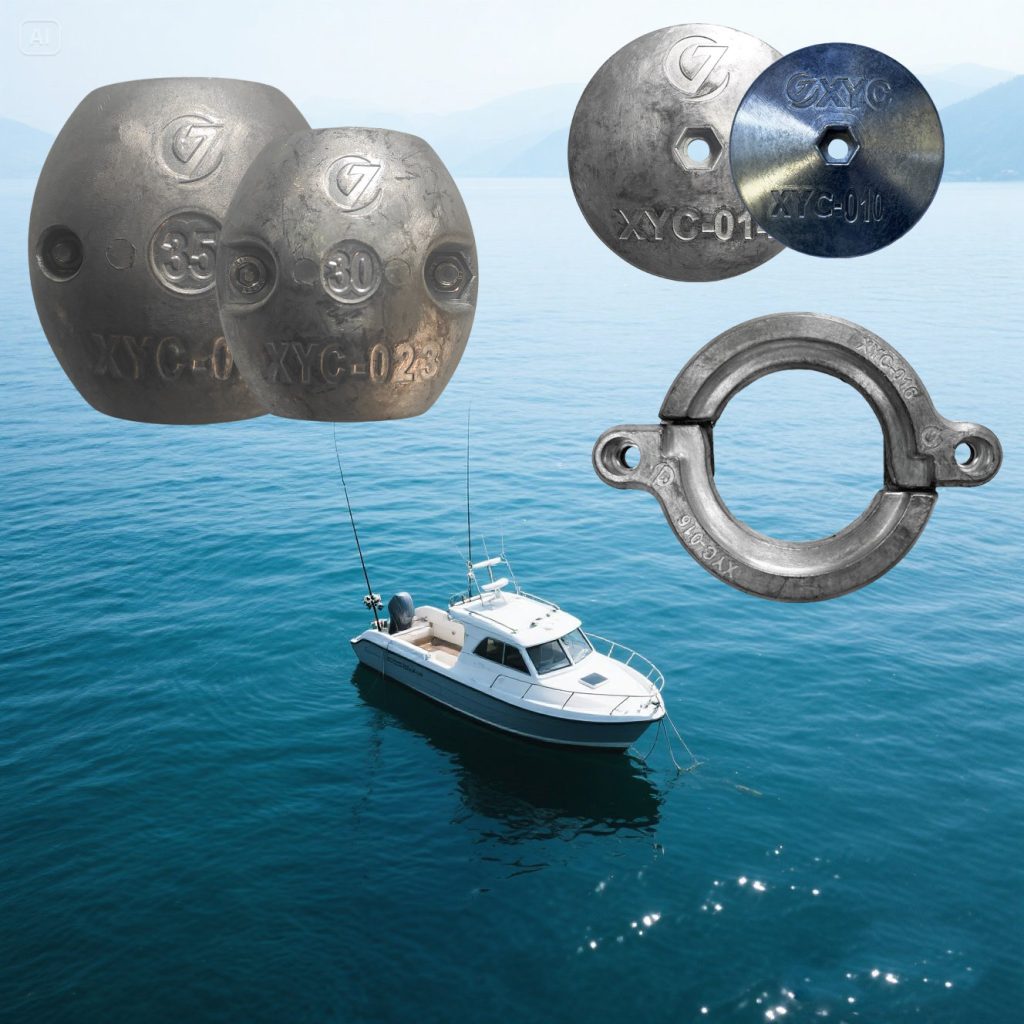
Bracelet Zinc Anodes
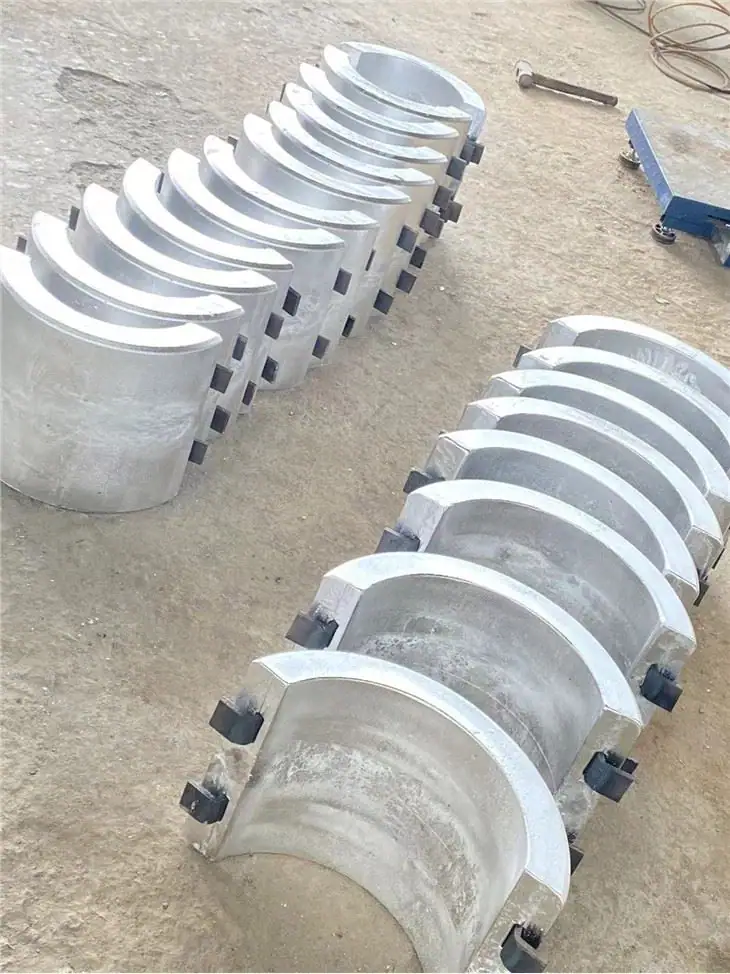
Bracelet zinc anodes (or ring anodes) are specialized anodes for cylindrical structures such as pipes and propeller shafts. Named for their bracelet-like shape, they come in two installation forms: integral and split. The integral type is suitable for installation during the pipe prefabrication stage. The split type can be installed on-site during ship operation without disassembling the pipes or shaft system. The inner diameter of this type of anode precisely matches the outer diameter of the protected structure, with a gap controlled to 1-3mm, ensuring good electrical connection and not affecting the structure’s operation. According to GB/T 4950-2021 standard, the width of bracelet zinc anodes is typically 25-100mm, the thickness is 10-30mm, and the weight ranges from 1kg to 15kg, with customizable sizes based on pipe or shaft diameter. Their core advantages are easy installation and targeted protection, effectively covering the circumferential surface of cylindrical structures and avoiding localized corrosion blind spots. They are widely used in ship piping systems, propeller shafts, and drive shafts.
Welded Zinc Anodes
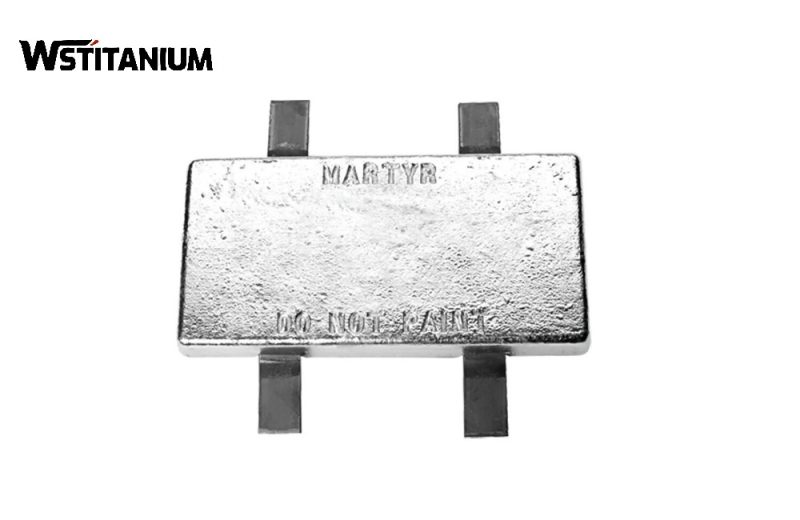
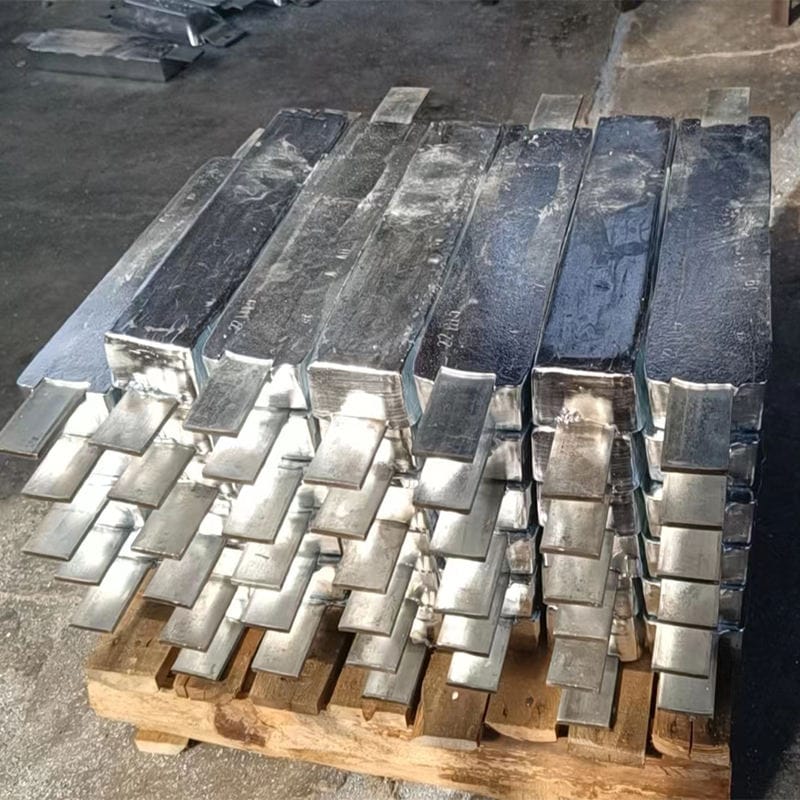
Welded zinc anodes are a type of anode fixed to the protected structure by welding. They are mainly used in areas requiring high-strength connections, such as ship hulls and ballast tank bulkheads. They are available in two structures: single-leg welded and double-leg welded. The contact resistance between the iron leg and the anode body of the welded zinc anode is ≤0.001Ω, ensuring smooth current transmission. The weight of welded anodes ranges from 2kg to over 50kg. A typical product is the ZH-12 marine double-leg welded zinc alloy sacrificial anode (11.5kg), suitable for harsh environments such as ballast water tanks and ship hull plating. Strict control of welding techniques is required during installation.
Bolt-on Zinc Anodes
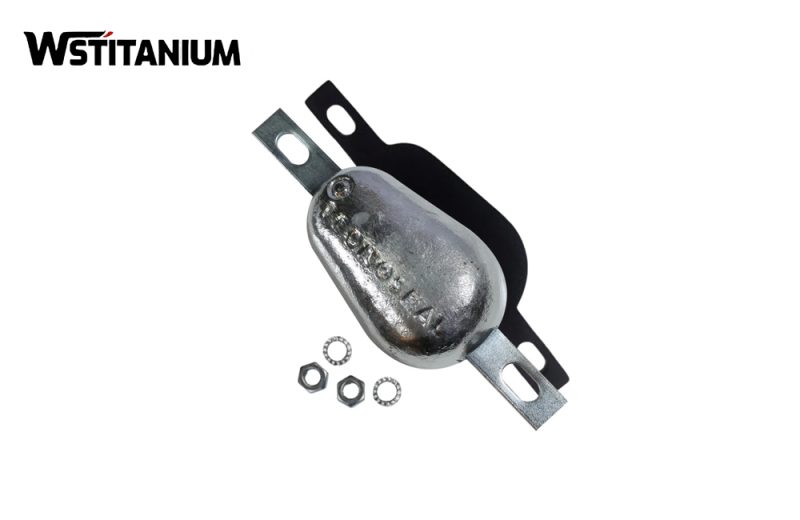
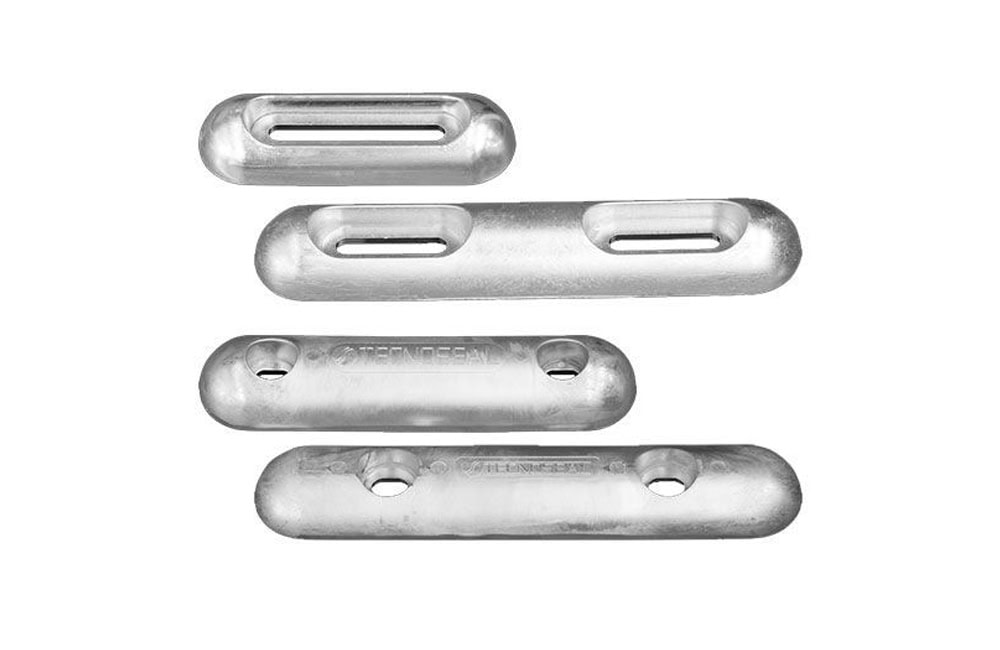
Bolt-on zinc anodes are connected to the protected structure via bolts and are suitable for use inside compartments, on propeller blades, etc. The core structure of this type of anode is an embedded steel or copper core. The steel/copper core has pre-drilled bolt holes. Bolt-on zinc anodes are available in a wide range of sizes and weights, from 0.5 kg to 20 kg. Single-bolt or multi-bolt fixing can be selected according to protection requirements. According to ASTM F1182-07 (2019) standard, the steel core material of bolt-on anodes must be low-carbon steel, with a zinc plating thickness of ≥50μm.
Marine Zinc Anode Strips
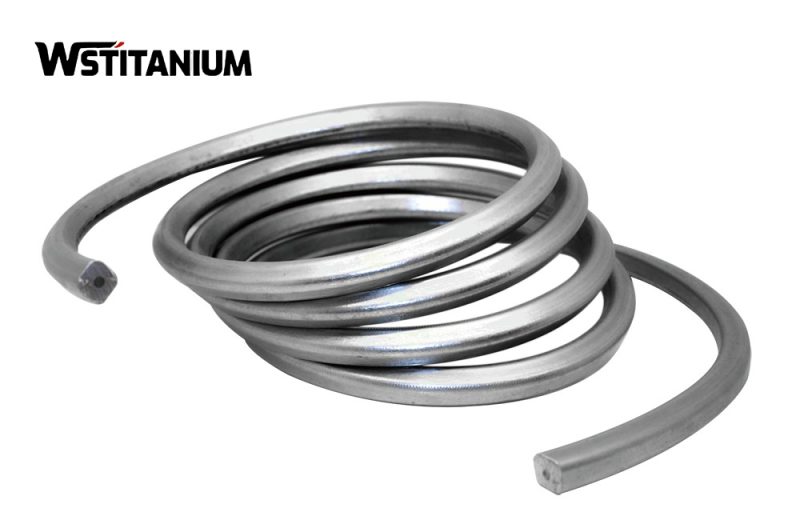
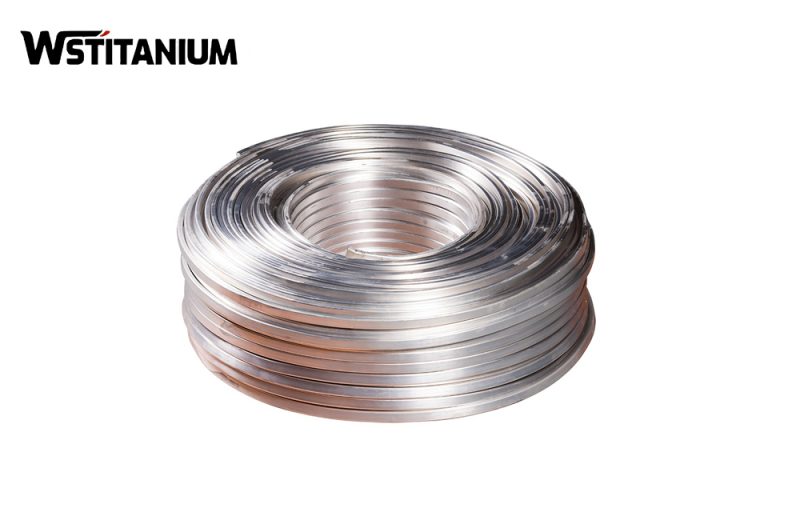
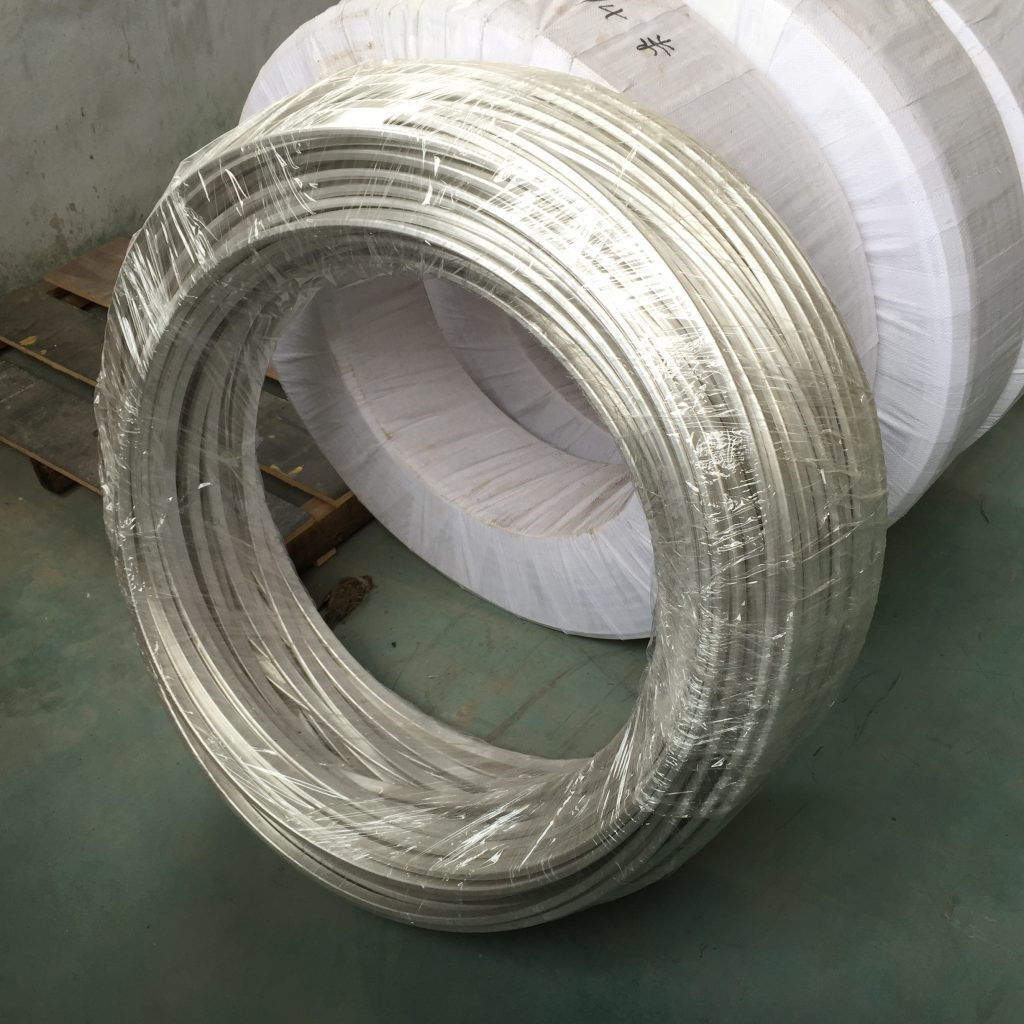
Marine zinc anode strips (strip anodes) are a type of long, strip-shaped anode product. They are primarily used for the internal wall protection of large enclosed spaces such as ballast tanks, cargo holds, and storage tanks, and can also be used for continuous protection of long-distance pipelines. According to MarineEngine.com data, the width of strip anodes is typically 25-100mm, the thickness is 3-10mm, and the length per roll can reach 50-100m. This type of anode is fixed to the bulkhead or pipe surface by welding or bolting, forming a continuous protective current field. According to the GB/T 4950-2021 standard, the weight deviation per meter of the strip anode is ±5%, the cross-sectional dimension deviation is ±1mm, the current efficiency in seawater is ≥95%, and the actual electrical capacity is ≥780 A·h/kg.
Working Principle of Zinc Anodes
The corrosion protection of marine zinc anodes is based on electrochemical sacrificial anode cathodic protection. The core principle is to utilize the difference in electrode potential between zinc and the ship’s metal structure (mainly steel) to create a spontaneously forming galvanic cell system. The preferential corrosion (sacrifice) of the zinc anode provides a continuous flow of electrons to the protected metal, inhibiting its oxidative corrosion reaction.
Causes of Steel Corrosion
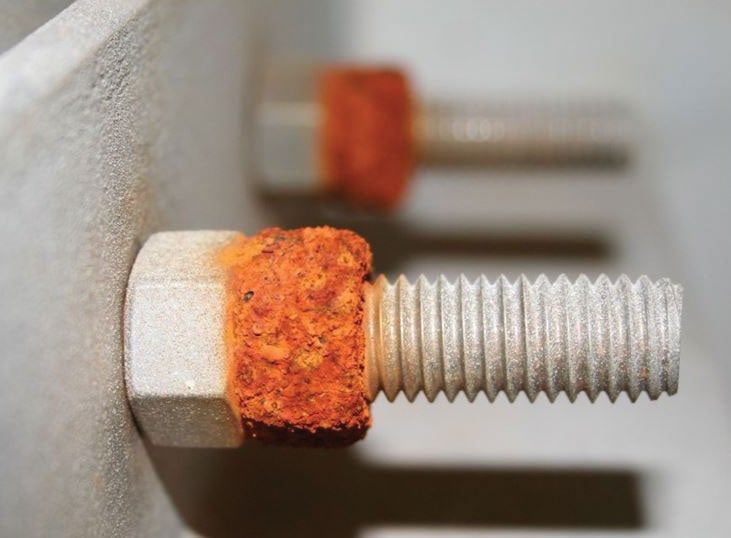
The essence of galvanic corrosion of metals is a spontaneous redox reaction. The corrosion reaction of steel in seawater can be represented as:
Anode reaction (steel corrosion): Fe → Fe²⁺ + 2e⁻ (Iron atoms lose electrons to form iron ions, leading to the dissolution of steel)
Cathode reaction (reduction reaction): O₂ + 2H₂O + 4e⁻ → 4OH⁻ (Oxygen in seawater gains electrons and combines with water to form hydroxide ions)
The "Sacrifice" of Zinc Anodes
The standard electrode potential of zinc (-1.10V, relative to the saturated calomel electrode SCE) is significantly lower than that of steel (-0.76V, SCE). When a zinc anode is electrically connected to a steel structure through an electrolyte (seawater), due to the potential difference, electrons spontaneously flow from the zinc anode to the steel structure. In this case, the zinc anode becomes the anode of the galvanic cell, and the steel structure becomes the cathode.
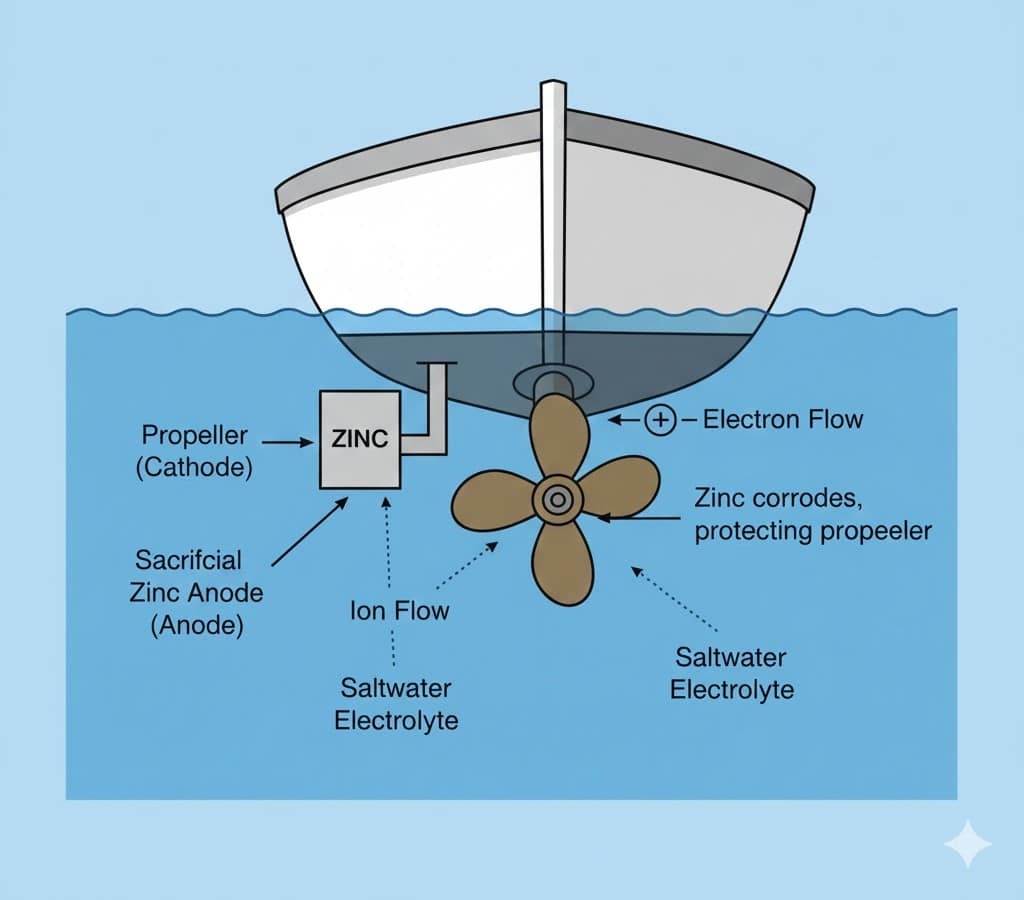
Zinc atoms immediately begin to undergo oxidation (anodic reaction): Zn → Zn²⁺ + 2e⁻, releasing electrons and zinc ions. Electrons flow from the zinc anode to the steel surface through the steel structure (conductor). Zinc ions dissolve in seawater and combine with hydroxide ions in the seawater to form corrosion products such as zinc hydroxide (Zn(OH)₂). In this way, the focus of the corrosion reaction shifts to the zinc anode, achieving the purpose of “sacrificial anode, cathodic protection.”
The driving voltage between the zinc anode and steel is approximately 0.25-0.35V, which is sufficient to generate a stable protective current in seawater; the current efficiency of high-quality zinc anodes in seawater can reach over 95%, ensuring that most of the current is used to inhibit steel corrosion, rather than being wasted.
Specifications of Marine Zinc Anodes
Chemical composition directly determines the electrochemical performance of the zinc anode (such as open-circuit potential, working potential, and current efficiency), and is the core of the specification standard. According to GB/T 4950-2021, ASTM F1182-07 (2019), and ISO 15589 series standards, the chemical composition of marine zinc anodes must meet the following requirements:
The specifications of marine zinc anodes are crucial for ensuring their electrochemical performance and installation compatibility. These specifications primarily include chemical composition specifications (including zinc purity, alloy element content, and impurity control) and physical and dimensional specifications. Relevant indicators must strictly adhere to international standards (ISO) and American standards (ASTM).
- Zinc Purity
Zinc (Zn) is the base element of the anode. Purity directly affects current efficiency and dissolution uniformity. The standard requires a zinc content of ≥99.9% (mass fraction). High-quality anodes can have a zinc content of over 99.995%.
Pure zinc anodes (Type III): Zinc content ≥99.95%, total impurities ≤0.05%, suitable for general corrosive environments.
Zinc-aluminum-cadmium alloy anodes (Type I, Type II): Zinc content is the balance (usually ≥99.3%), and performance is improved by adding alloying elements such as aluminum and cadmium, suitable for harsh corrosive environments.
Low-driving potential zinc alloy anodes (e.g., Zn-Mn-X alloy): Zinc content ≥97.0%, with the addition of elements such as manganese, gallium, and tin to adjust the potential, suitable for high-strength steel protection.
Insufficient zinc purity will lead to a decrease in anode current efficiency. Impurities (such as iron and copper) can form micro-batteries on the anode surface, causing localized pitting corrosion. For example, when the iron content exceeds 0.01%, the anode current efficiency will decrease by 5%-10%, and localized corrosion and perforation are likely to occur.
- Electrochemical Performance
Current efficiency in seawater ≥95%, actual capacity ≥780 A·h/kg; open circuit potential -1.05~-1.15V (SCE), working potential -1.00~-1.05V (SCE).
- Steel Core/Iron Foot
Low-carbon steel or ribbed rebar, surface galvanized ≥50 μm; contact resistance ≤0.001 Ω, ensuring current conduction.
- Structure and Dimensions
According to ASTM F1182-07 (2019), Class I includes hull plates (ZHS/ZHB/ZHC), heat exchanger discs (ZEP), etc.; Class II includes extruded rods (ZRN) and rolled plates (ZPN). Block anodes weigh 3.5-47 kg, with a dimensional tolerance of ±2 mm; strip anodes have a width of 25-100 mm, a thickness of 3-10 mm, a length of ≤100 m, and a concentricity deviation of ≤2 mm.
- Appearance and Precision
Surface free of shrinkage cavities, cracks, and inclusions; dimensional tolerance ±2mm, weight deviation ±3%, density ≥6.8g/cm³.

Why Wstitanium?
Wstitanium’s zinc anodes offer comprehensive advantages in raw materials, technology, performance, and service, making them suitable for the harsh operating conditions of ships.
- Customization
Zinc ingot purity ≥99.995%, impurity control Fe/Cu/Pb ≤0.003%, current efficiency ≥96%; customizable Zn-Al-Cd-Mn/Ga low-temperature formulation, stable output even at -20℃, current efficiency ≥90%.
- Precision Manufacturing
Vacuum melting + vibration casting, density ≥6.9g/cm³, uniform dissolution without pitting; steel core made of ASTM A36 low-carbon steel, zinc plating ≥80μm, weld strength ≥180MPa, contact resistance ≤0.0005Ω.
- Full-Scenario Adaptability
Covering the entire ASTM F1182 series (ZHS/ZHB/ZHC/ZEP, etc.), available in block form (3.5-50kg), strip form (25-100mm), and bracelet form (50-500mm inner diameter); custom shapes are supported, with a protection coverage rate of 98%.
- Long Lifespan
Annual corrosion rate in seawater ≤5%, designed lifespan 5-8 years (30% longer than ordinary anodes); surface anti-adhesion coating (containing copper oxide) reduces marine organism adhesion, extending maintenance intervals by 50%.
- Compliance and Sustainability
Compliant with ISO 15589, ASTM F1182, GB/T 4950, and IMO MARPOL; recycled anodes are recyclable, with a residual value of 30%-50%, reducing total lifespan costs.
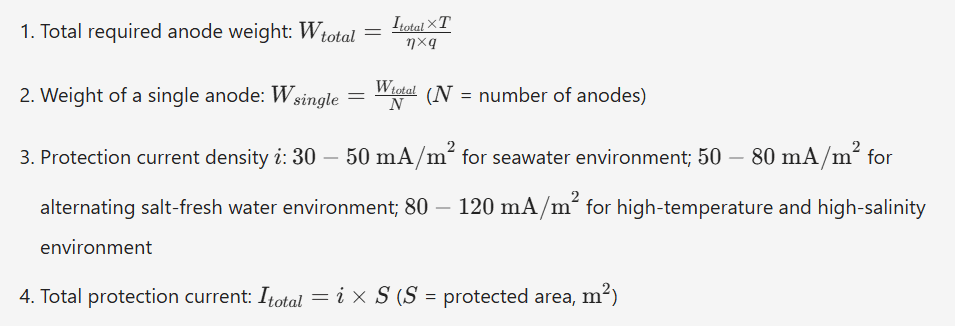
Calculate Weight of Zinc Anodes
Conclusion
Marine zinc anodes are the core of ship corrosion protection, based on the principle of electrochemical sacrificial anodes. The zinc-steel potential difference (≈0.3V) provides continuous protection, inhibiting corrosion of the hull, ballast tanks, pipelines, propellers, etc. A wide variety of types are available (15 categories), suitable for various ships and components; replacement cycle is 1-8 years, with core standards being ≥30% remaining weight and a potential of -0.85~-1.10V (Cu/CuSO₄). Specifications must comply with GB/T 4950, ASTM F1182, etc., with strict requirements on composition and electrochemical indicators; rigorous control over smelting/casting/testing is essential to avoid defects such as shrinkage cavities/segregation. Wstitanium’s zinc anodes, with their high-purity raw materials, precision manufacturing, all-scenario adaptability, and long service life, significantly reduce maintenance costs and ensure navigational safety, making them the preferred solution for ship corrosion protection.