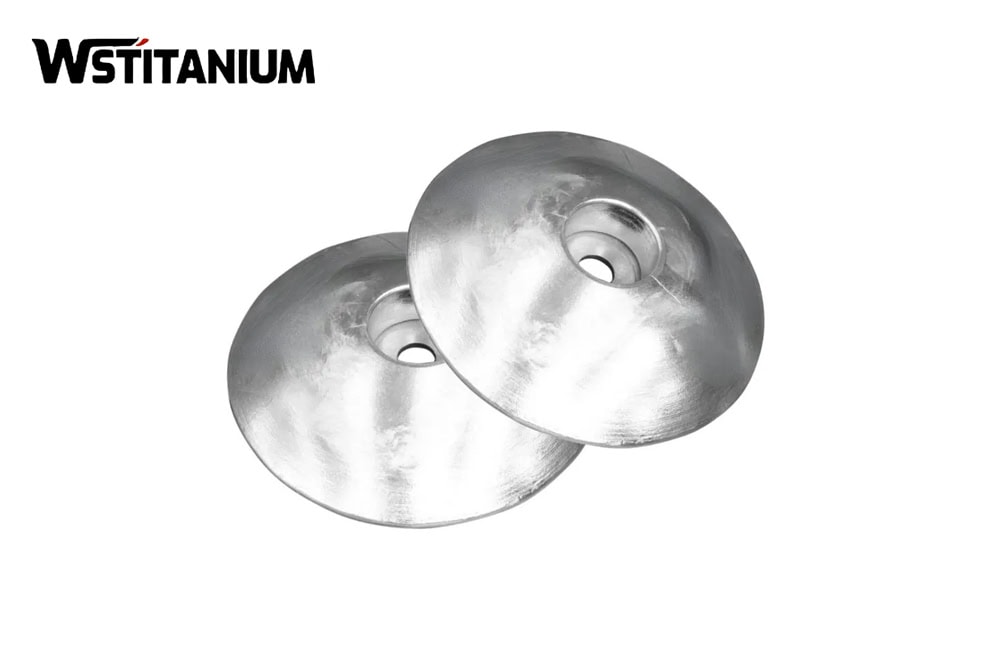
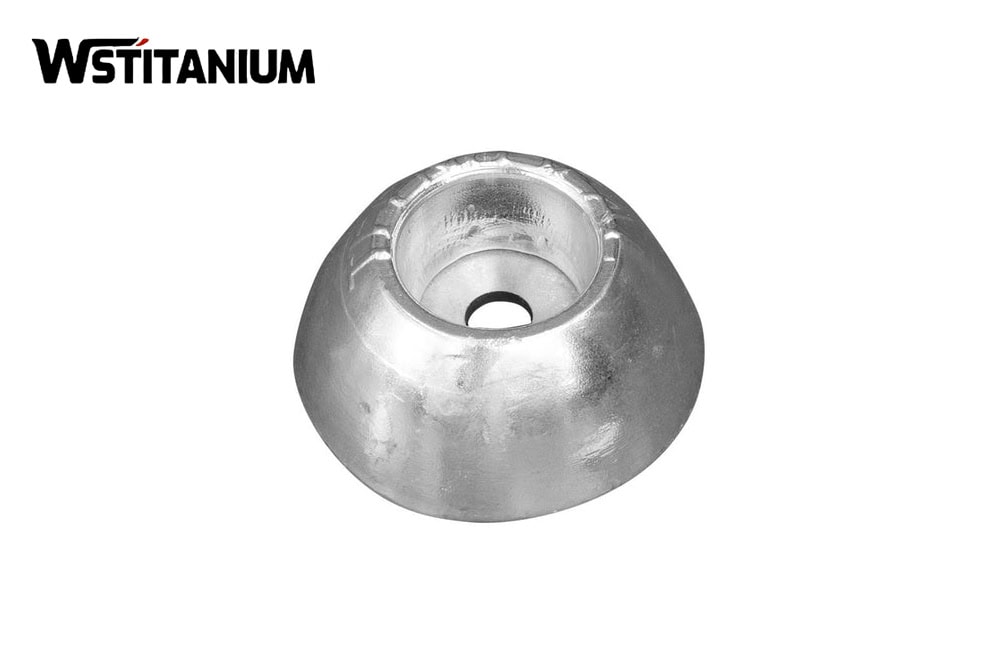
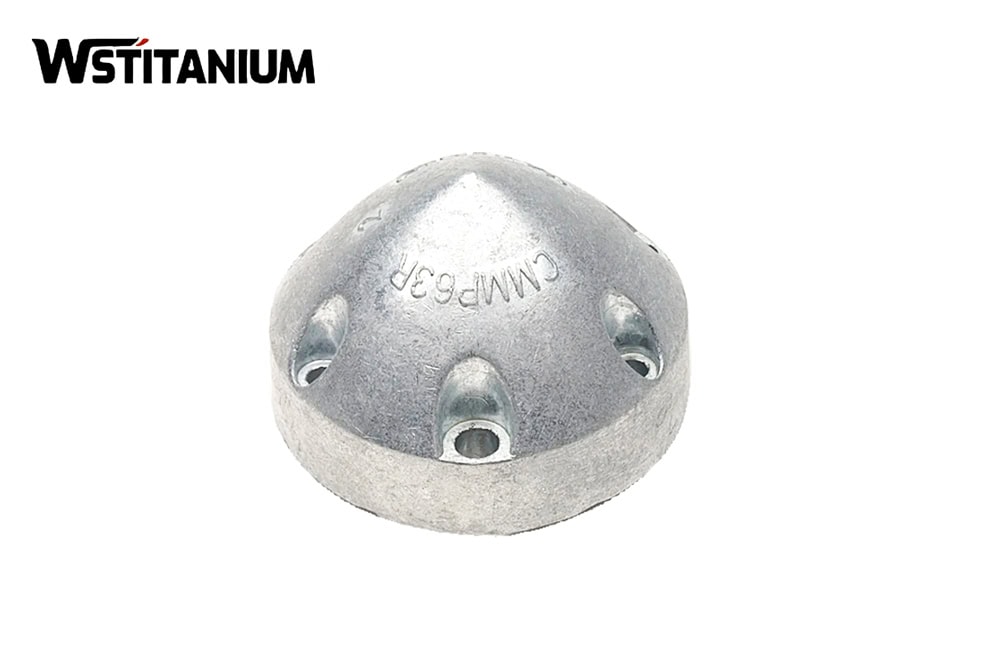
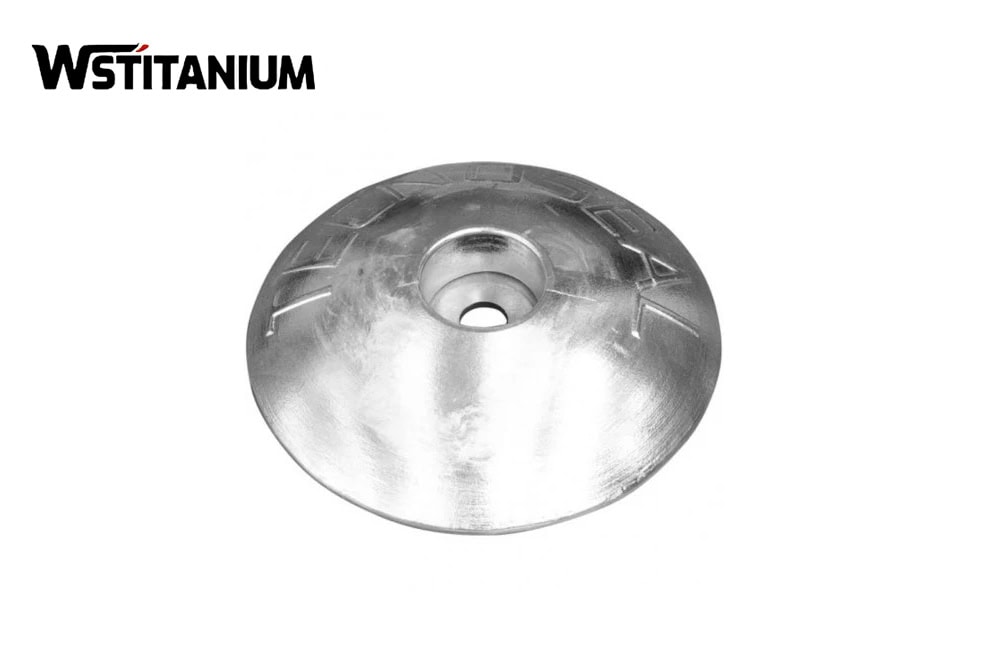
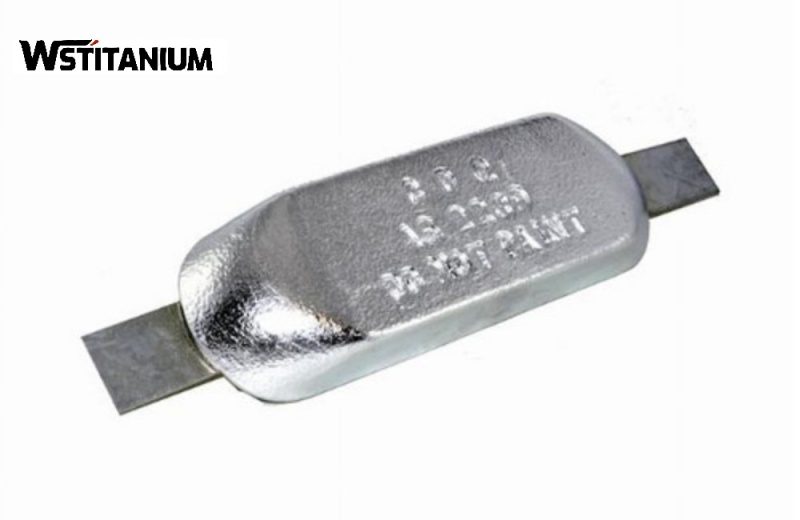
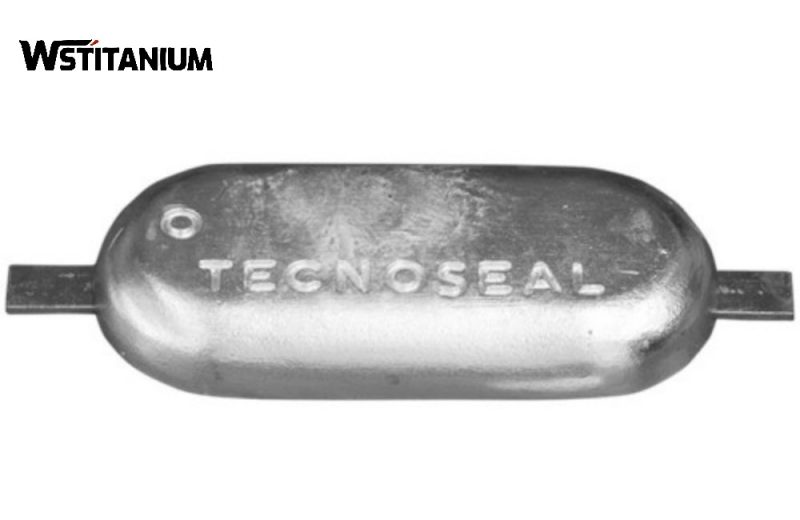
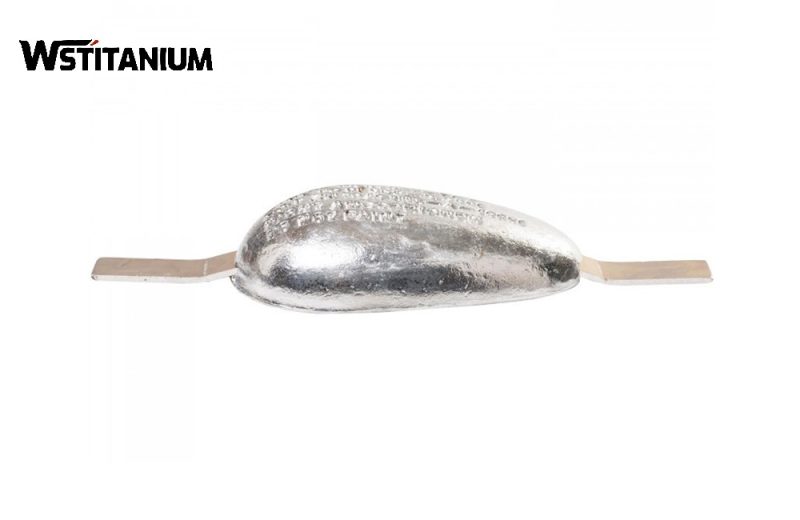
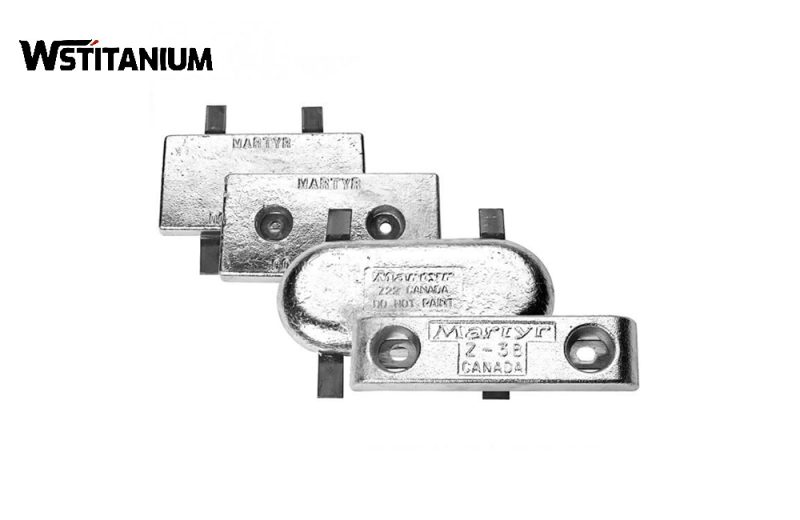
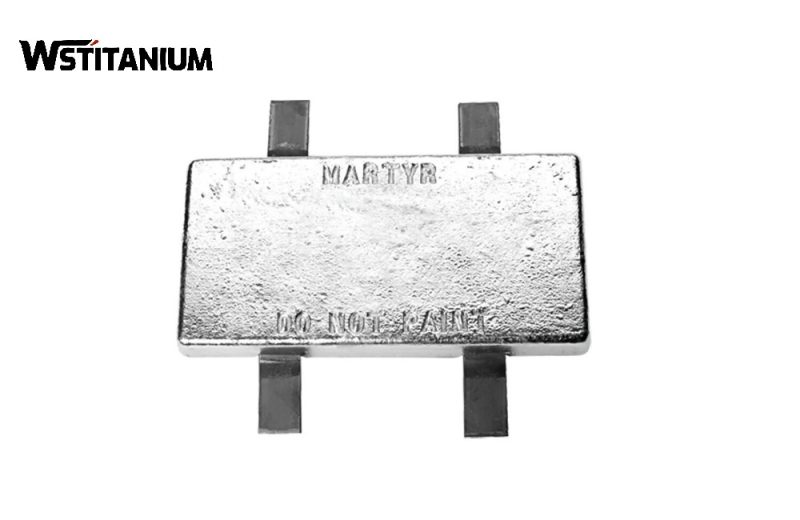
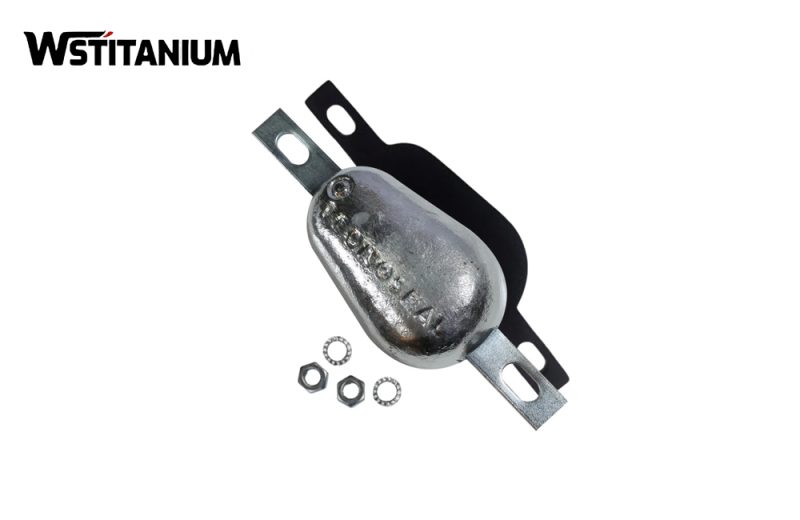
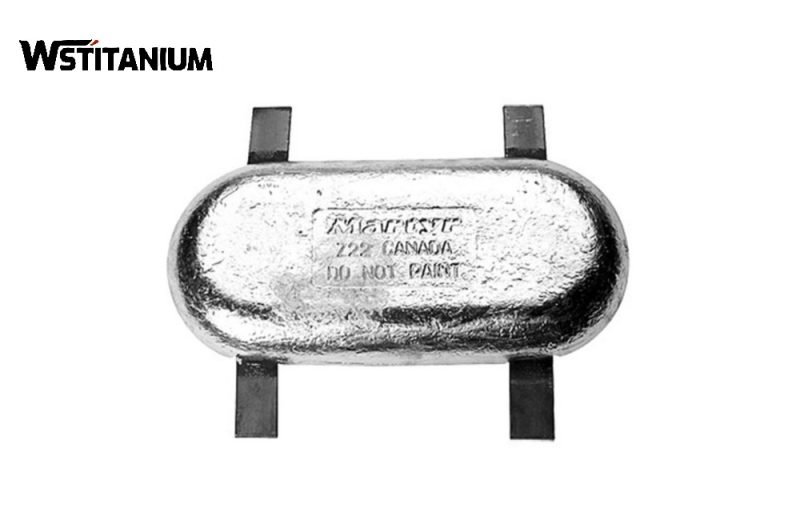
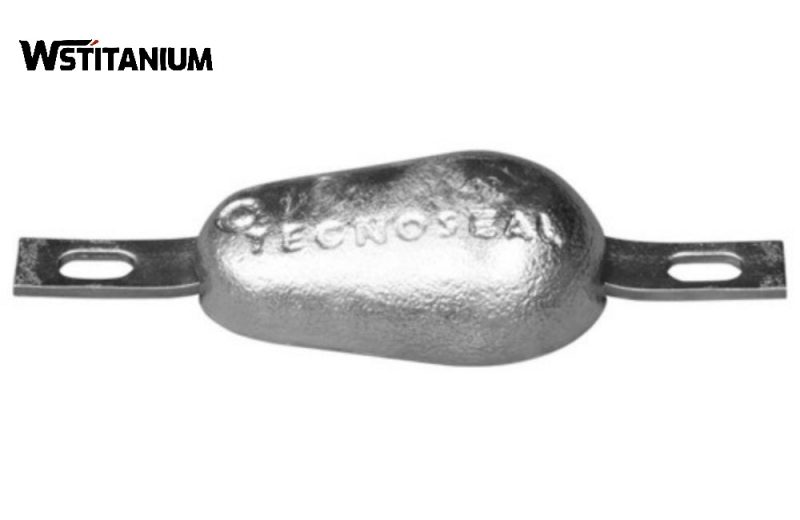
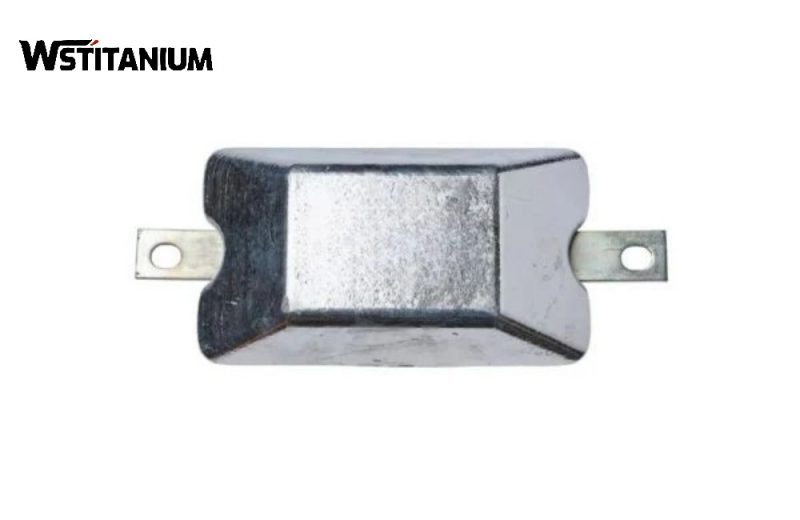
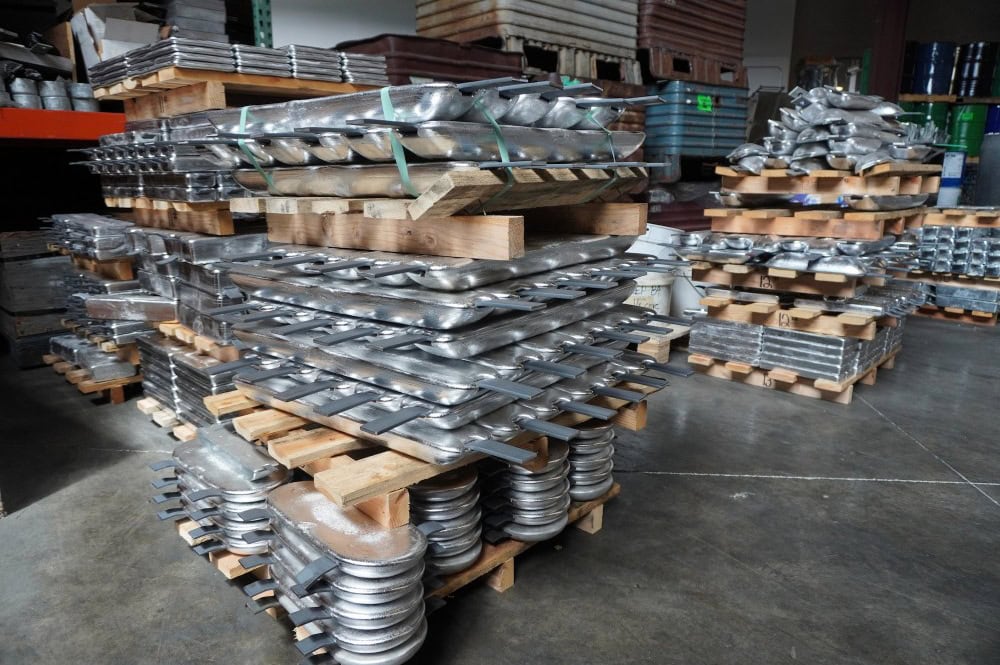
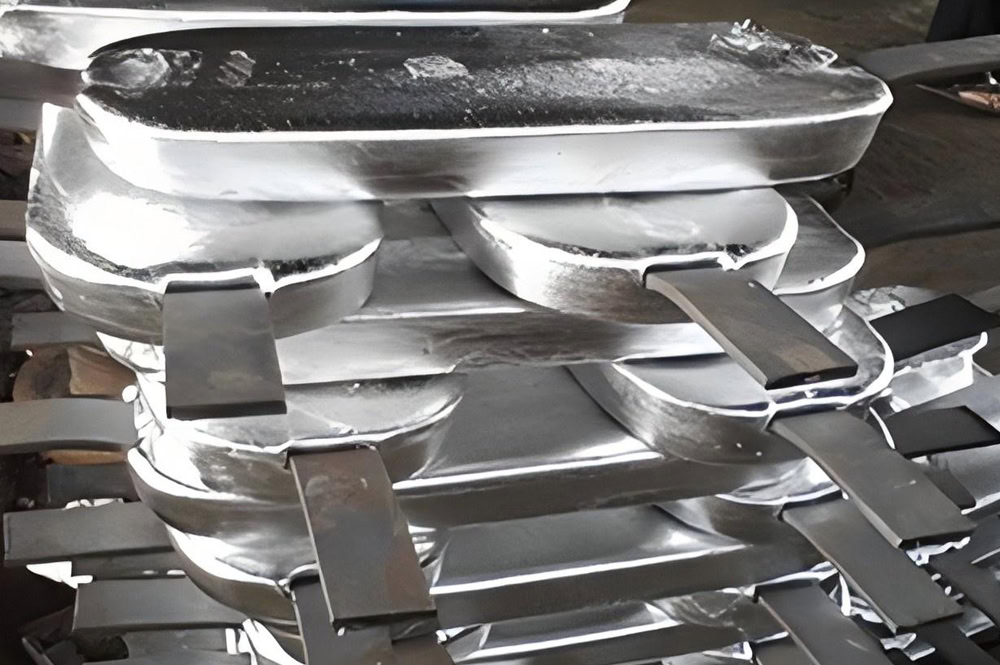
Rudder zinc anodes corrodes preferentially, providing a continuous flow of electrons to the steel base of the rudder, inhibiting the oxidation reaction of iron (Fe→Fe²⁺+2e⁻), and fundamentally blocking the electrochemical corrosion process. This extends the rudder’s service life by 5-10 years.
The rudder, as a core component for controlling the ship’s sailing posture, is constantly immersed in seawater. Steel rudders without corrosion protection will experience significant pitting and wall thinning in high-salinity seawater environments within only 1-2 years. In severe cases, this can lead to rudder blade cracking and steering mechanism jamming, causing navigation accidents. Due to its suitable electrode potential, stable current output, controllable cost, and environmental friendliness, the zinc anode has become the preferred material for rudder corrosion protection.
Rudder Zinc Anode Types
Rudder zinc anodes are classified according to three main dimensions: chemical composition, structural form, and manufacturing process. Each category has specific application scenarios.
Zinc-Aluminum-Cadmium Anode (Type I / Type II)
Aluminum content: 0.1%~0.5%, cadmium content: 0.025%~0.07%, impurities: iron ≤0.0014%, lead ≤0.003%, copper ≤0.002%. This type of anode has a current efficiency of over 95% (in seawater), a low self-corrosion rate, and is the preferred choice for rudders of most ships, including merchant ships, fishing vessels, and engineering vessels.
Indium content: 0.025%~0.065%. It maintains high activity in low-temperature seawater from -20℃ to 0℃. Suitable for rudders of ships sailing in polar regions or operating in high-latitude waters, meeting the anode selection requirements for low-temperature waters in DNV-RP-B401-2021 “Cathodic Protection Design”.
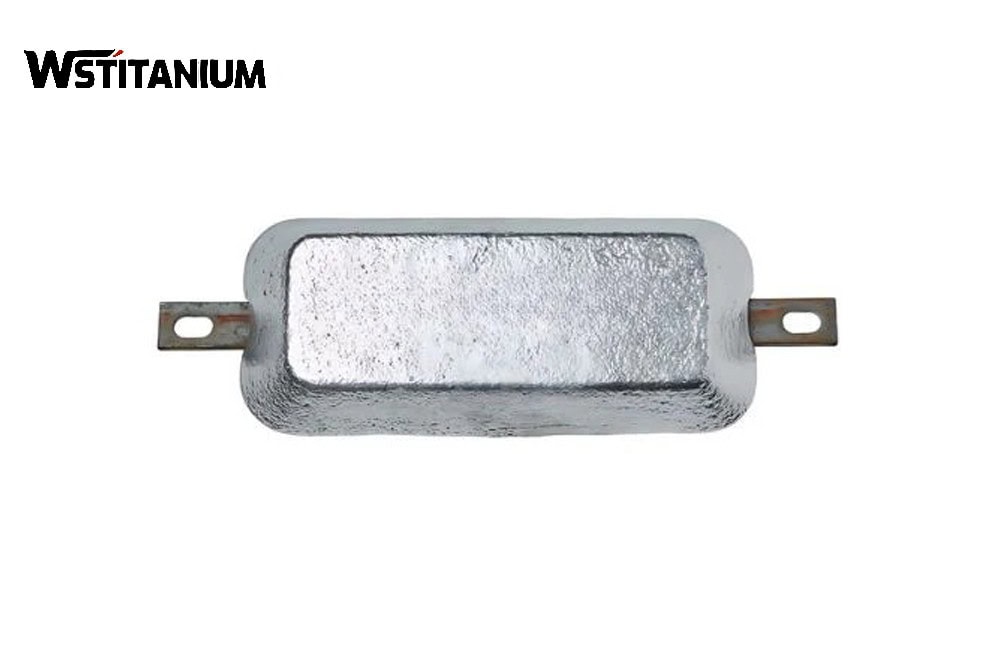
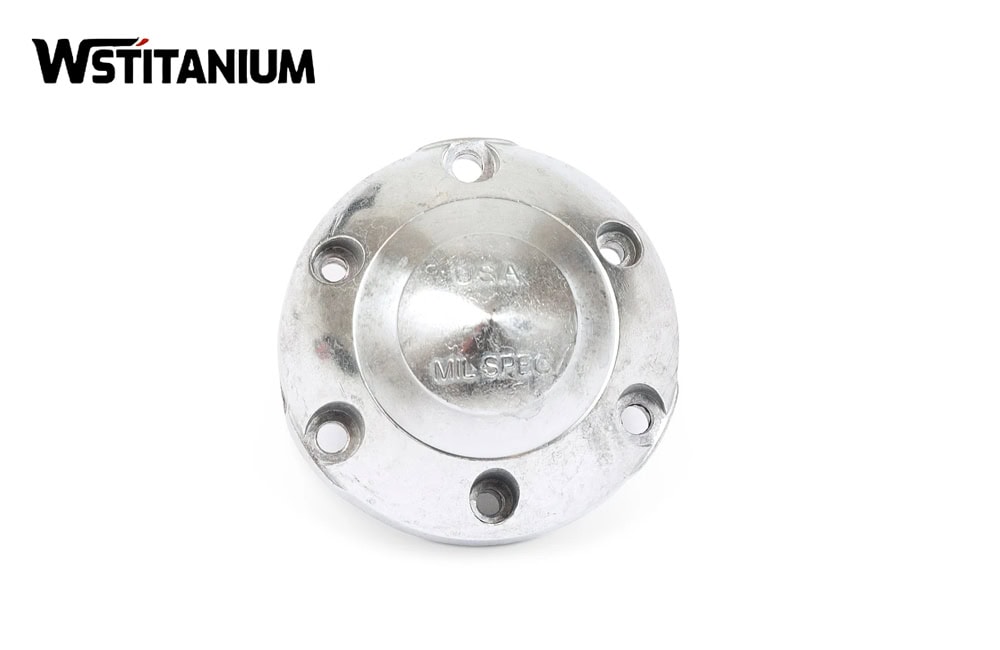
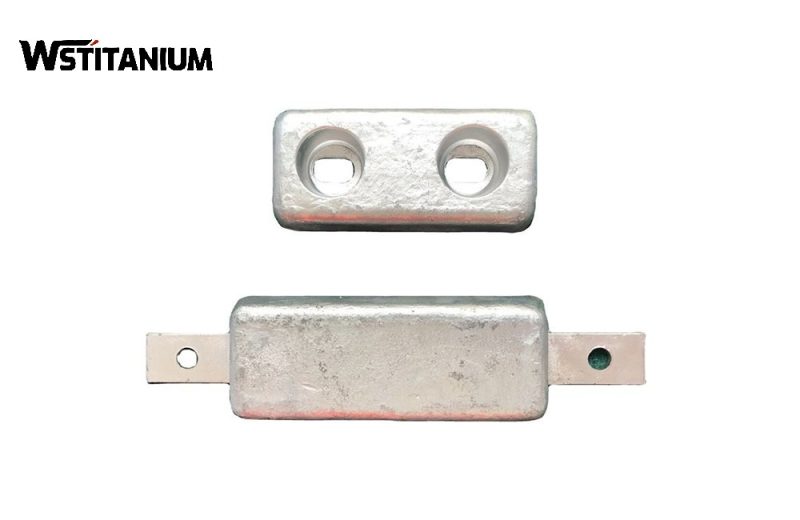
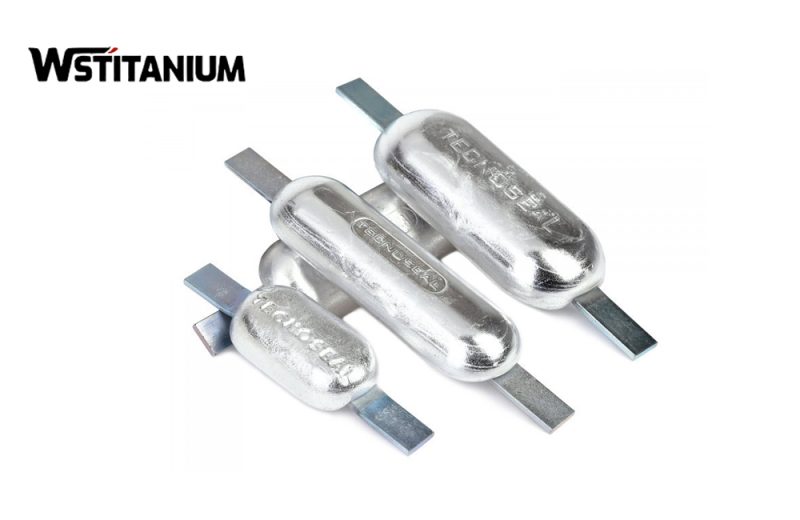
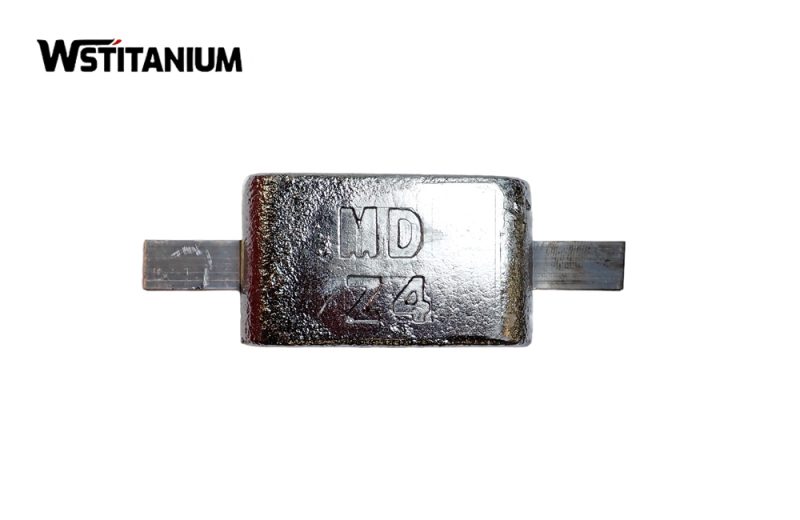
Rectangular or streamlined block structure, customizable dimensions (commonly 150mm×100mm×30mm to 300mm×200mm×50mm), fixed to the rudder blade surface by welding or bolts.
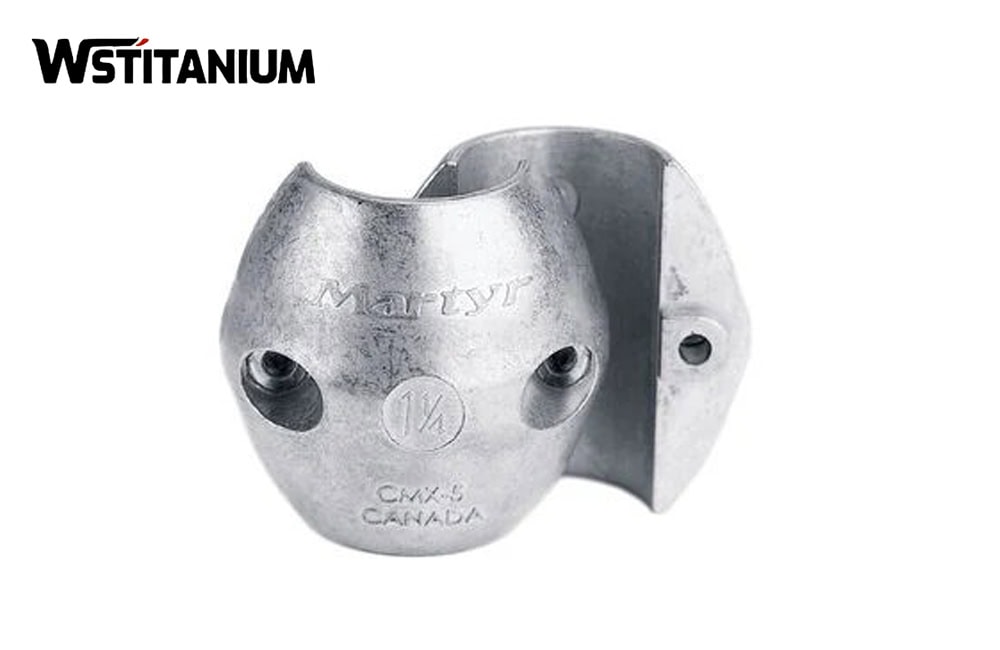
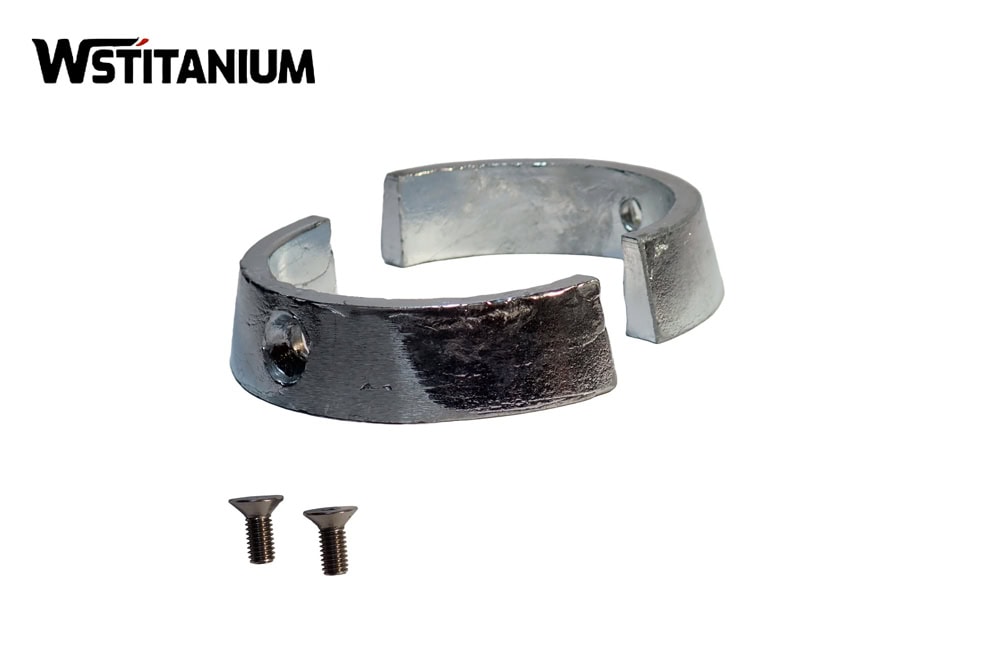
Semi-circular or full-circular structure. The inner diameter precisely matches the diameter of the rudder stock and rudder shaft. Prevents corrosion in the gaps where the rudder stock connects to the hull.
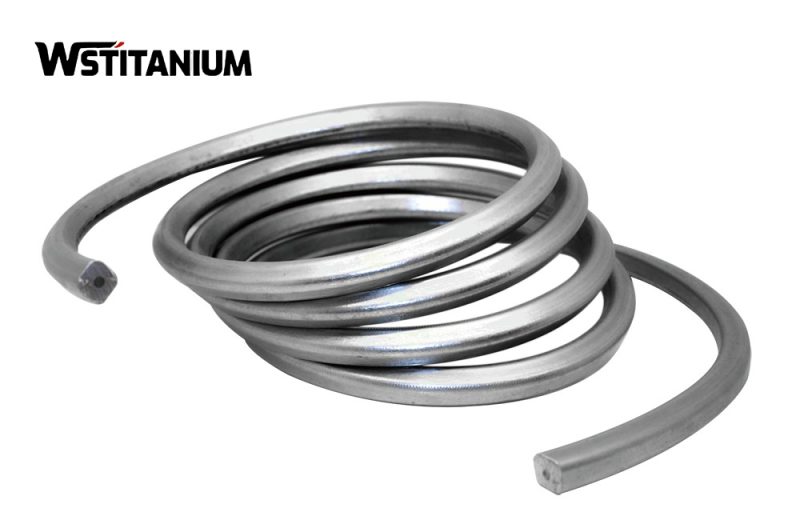
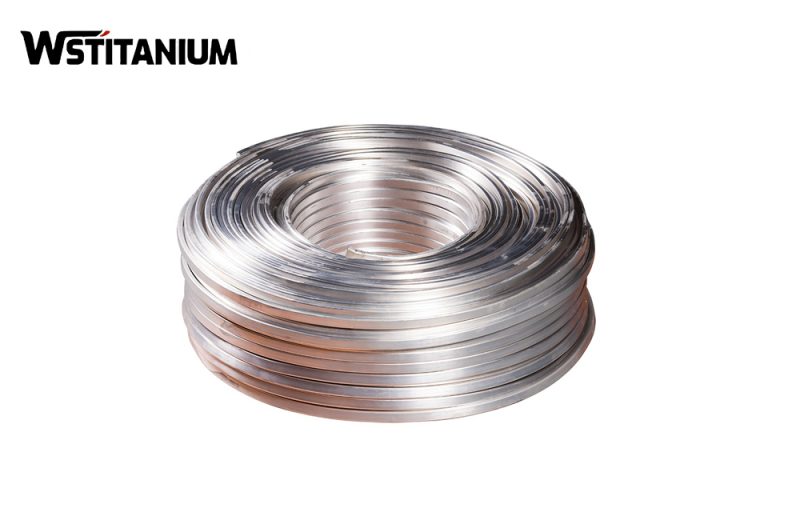
Long strip structure (width 20-40mm, thickness 5-10mm), bendable to fit the edges of the rudder blade and the narrow gaps where the rudder shaft connects to the rudder blade.
Manufactured through high-temperature extrusion molding, resulting in a dense, pore-free internal structure and high mechanical strength. Suitable for ocean-going vessels and high-speed ships, offering 20% better current output uniformity compared to cast anodes.
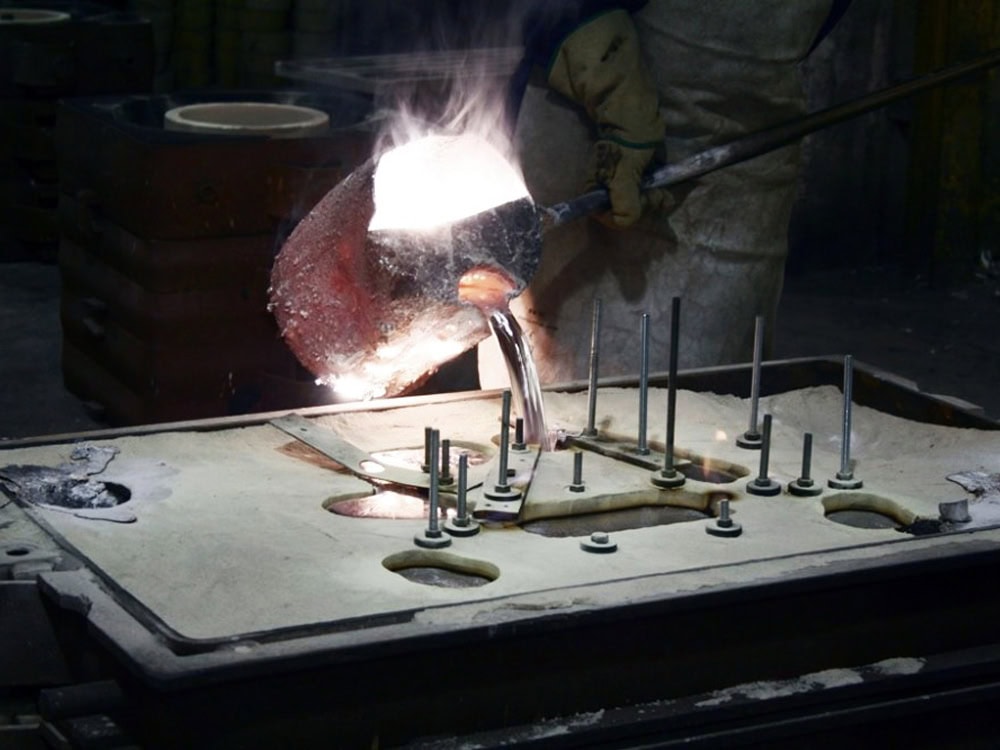
Manufactured through molten casting, allowing for the creation of complex shapes and costing approximately 30% less than extruded anodes. However, they have a rougher surface and are prone to internal micropores, making them suitable for inland waterways and low-speed vessels.
The selection and quantity of zinc anodes for ship rudders need to be adapted based on the ship’s operating area, tonnage, and working conditions. According to the requirements of “Sacrificial Anodes for Cathodic Protection in Seawater and Saline Sediments” (T/CSCP 0001–2024), zinc anodes can be used for rudder protection on all types of vessels.
Ocean-going Vessels
Ocean-going vessels include bulk carriers, container ships, and oil tankers, with tonnages mostly exceeding 10,000 tons, and they operate for extended periods in high-salinity, high-current ocean waters. Extruded zinc-aluminum-cadmium alloy anodes (Type I) are the preferred choice for rudder anodes. Block anodes are used for the rudder blade, and bracelet anodes for the rudder stock. The anode design life should match the ship’s dry-docking cycle (usually 5 years). According to DNV classification society requirements, a 100,000-ton container ship requires 8-12 block zinc anodes on the rudder blade (each weighing 15-20 kg), and 2-3 sets of bracelet anodes on the rudder stock.
Coastal Operating Vessels
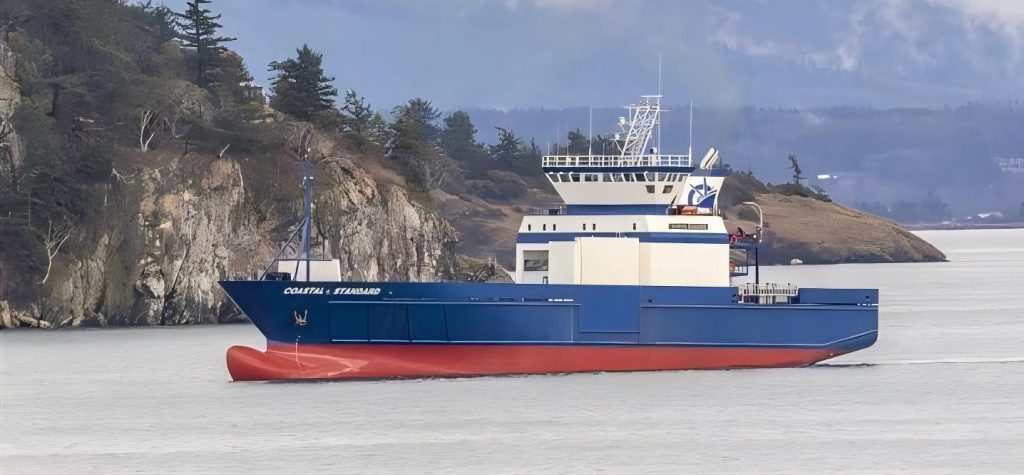
This category includes coastal cargo ships, ferries, and tugboats, operating in near-shore waters where salinity is slightly lower than in the open ocean, but tidal changes are frequent. The rudder is susceptible to corrosion due to the alternating wet and dry conditions in the tidal zone. Cast zinc-aluminum-cadmium alloy anodes (Type II) are suitable. Some tugboats, due to higher stress on the rudder blades during operation, may require extruded anodes for improved impact resistance. These vessels are typically small in tonnage (usually less than 5000 tons), and the rudder blade area is small, so 3-6 anodes are sufficient to meet protection requirements.
Polar/High-Latitude Sailing Vessels
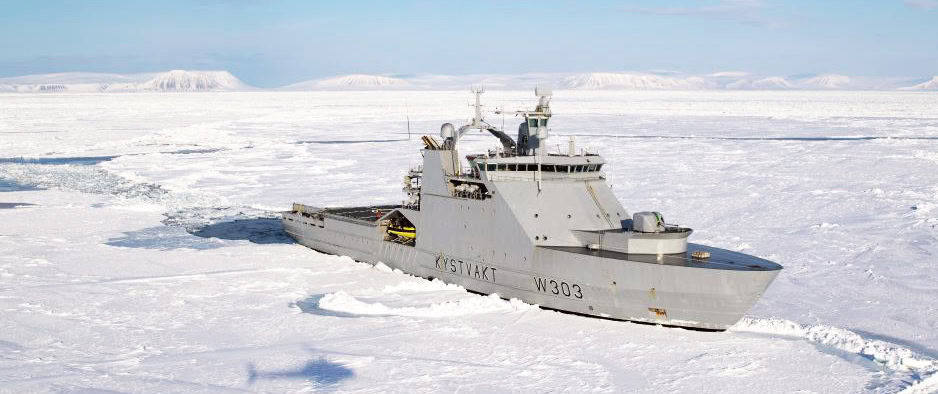
Such as polar research vessels and Arctic route cargo ships, operate in low-temperature environments (-30℃~0℃). Zinc-indium alloy anodes are selected for the rudder. This anode maintains a stable open-circuit potential (-1.08V~-1.10V) in low-temperature environments, with a current efficiency of no less than 90%, meeting the performance requirements for anodes in low-temperature environments specified in Mil-A-18001k “Zinc Alloy Sacrificial Anodes”.
Inland Waterway / Freshwater Vessels
This category includes inland waterway barges, pleasure boats, and sand dredgers. These vessels operate in low-salinity waters (chloride ion content < 500 mg/L), experiencing weak corrosion and slow water flow. The rudder can utilize pure zinc anodes or low-cost cast zinc-aluminum-cadmium anodes. A small number of anodes are required (2-4 anodes per rudder blade), and a design life of 3-4 years is sufficient, without the need for high erosion resistance.
Specialized Engineering Vessels
such as dredgers, crane vessels, and drilling platform support vessels, have rudders that are not only subject to seawater corrosion but may also come into contact with mud, sand, and drilling fluids, resulting in a complex corrosive environment. The rudder anodes require high-purity zinc-aluminum-cadmium alloy anodes (with impurity content strictly controlled to the lowest standards). Additionally, the anode surface can be coated with an anti-fouling coating to prevent marine organism attachment, which could lead to anode failure. The anodes must meet the requirements of BS EN 12496 standard.
International Standards
As a critical anti-corrosion component for ships, rudder zinc anodes must comply with international classification society standards and international industry standards in terms of materials, performance, installation, and inspection. The core standards are as follows, with references taken from the normative documents of the “Sacrificial Anodes for Cathodic Protection in Seawater and Saline Sediments” (T/CSCP 0001–2024) and core specifications of the marine anti-corrosion industry.
International Core Standards
ASTM B418 (American Society for Testing and Materials Standard): “Zinc Alloy Sacrificial Anodes,” is the fundamental standard for global zinc anode production, specifying the chemical composition, electrochemical performance, dimensional tolerances, and appearance quality requirements of marine zinc anodes. The composition range of zinc-aluminum-cadmium alloy and current efficiency indicators are core reference points for rudder anodes, requiring a current efficiency of ≥95% in seawater and an open-circuit potential of -1.03V to -1.10V (CSE).
BS EN 12496 (European Union Standard)
“Sacrificial Anodes for Cathodic Protection in Seawater and Saline Sediments,” is developed for sacrificial anodes of marine structures such as ships and offshore platforms. It focuses on regulating the adaptability of anodes in tidal zones, splash zones, and fully submerged zones, specifying that the corrosion rate of rudder anodes (fully submerged zone) should be ≤0.02 mm/year, and the design life must be ≥5 years.
DNV-RP-B401-2021
This is an authoritative guide for the design of ship cathodic protection systems, detailing the arrangement density, current demand calculation, and installation spacing of rudder anodes. It requires that the total current output of the rudder anodes must meet the protective current density of the rudder’s steel base (≥10mA/m² in seawater).
Mil-A-18001k (US Military Standard)
“Zinc Alloy Sacrificial Anodes,” is developed for military and special vessels. The impurity content control is stricter than ASTM B418 (iron ≤0.001%), and it requires that the anode does not crack under vibration and impact conditions, adapting to the harsh operating environment of military ship rudders.
Conclusion
The rudder zinc anode, as a core component for rudder corrosion protection, has its selection, installation, and manufacturing standards directly impacting the service life of the rudder and the safety of ship navigation. This guide, based on authoritative international and domestic standards, clearly defines the three main types of rudder zinc anodes (classified by composition, form, and manufacturing process), precisely outlines suitable solutions for different types of vessels, standardizes the installation positions and mandatory requirements for rudder blades and rudder stocks, and details the complete manufacturing technology from raw materials to finished products. It also analyzes the differentiated advantages of Wstitanium rudder zinc anodes.