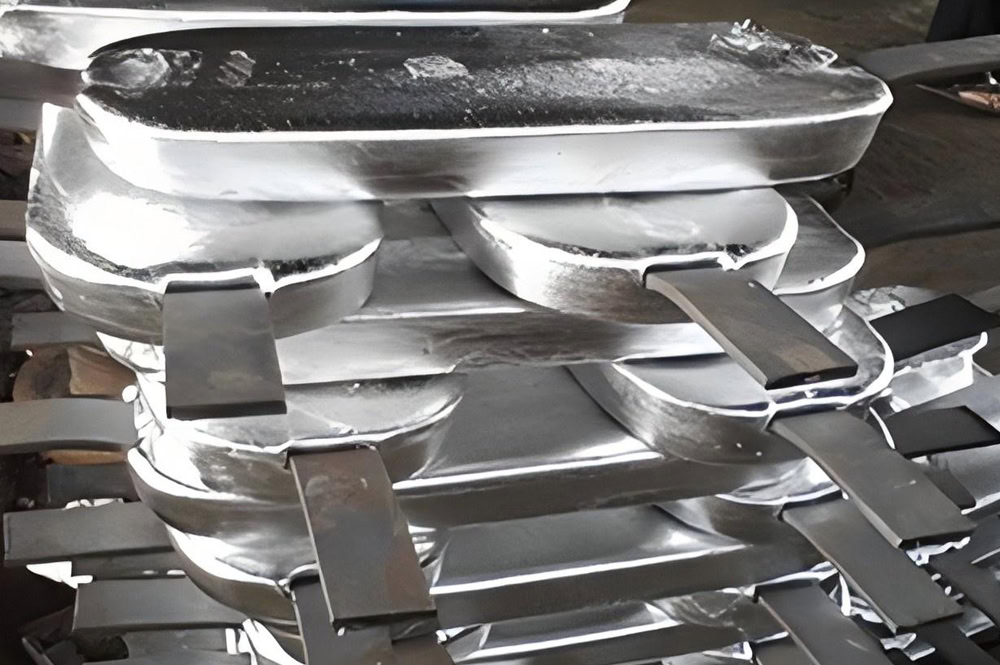

Zinc sacrificial anode technology has undergone nearly 200 years of development, resulting in a complete material system, design standards, construction specifications, and operation and maintenance system. In the extremely complex environment of the chemical industry, various devices, pipelines, storage tanks, and steel structures are subjected to long-term extreme corrosion from strong acids, strong alkalis, high salt, high temperatures, high pressures, and complex organic media. Corrosion not only causes direct economic losses such as equipment failure, material leakage, and unplanned shutdowns, but can also trigger major safety accidents such as fires, explosions, and the spread of toxic media, while also posing serious environmental pollution risks.
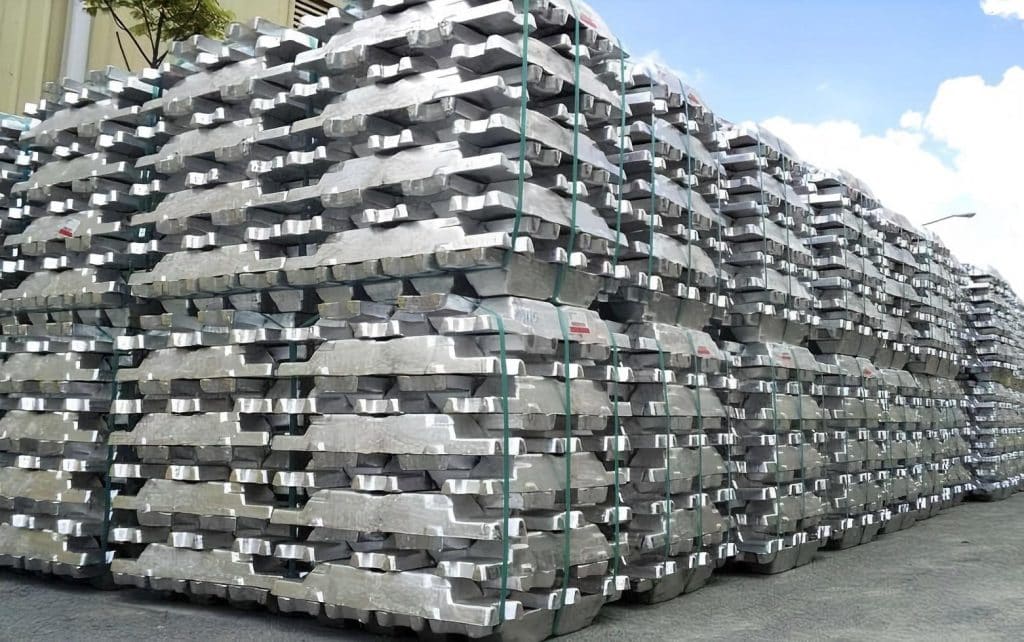
Zinc sacrificial anode cathodic protection technology is based on the principle of electrochemical galvanic cells. Zinc and zinc alloys have a more negative electrode potential than metals such as steel. Through its preferential oxidation and dissolution, it provides a continuous protective current to the protected structure. The protected metal structure is polarized to a corrosion-resistant potential range, thereby fundamentally inhibiting the occurrence of corrosion reactions. This guide systematically reviews the material types, electrochemical working principles, applications, and design of zinc sacrificial anodes in the chemical field, aiming to provide comprehensive, authoritative, and practical technical guidance on zinc sacrificial anode applications for engineers, designers, and operation and maintenance personnel in the chemical industry.
Zinc Sacrificial Anode Types
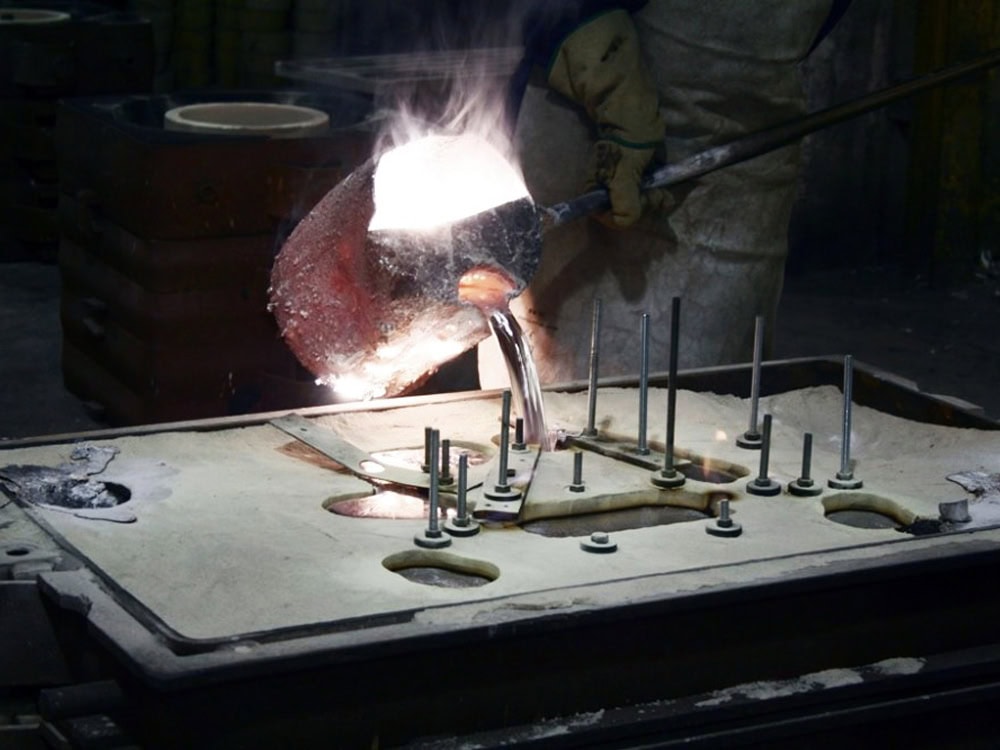
The performance and applicability of zinc sacrificial anodes depend primarily on their chemical composition, metallographic structure, and morphology. To address the diverse needs of different media environments, operating conditions, and protected objects in the chemical industry, a multi-dimensional and standardized product system has been established. All commercial products must meet the technical requirements of authoritative standards such as ASTM B418, ISO 9351, and GB/T 4950-2021.
Pure Zinc Anodes
Pure zinc anodes use high-purity zinc (≥99.995%) as the base material. The content of harmful impurities such as iron, copper, and lead is strictly controlled. This corresponds to Type II anodes in ASTM B418 and is also Type II high-purity zinc anodes in GB/T 4950-2021.
Core Chemical Composition (ASTM B418-16a): Aluminum ≤0.005%, Cadmium ≤0.003%, Iron ≤0.0014%, Copper ≤0.002%, Lead ≤0.003%, Zinc balance.
Core Performance: Stable open-circuit potential (-1.05V~-1.10V vs. CSE), low polarization, not easily passivated in low-resistivity soils, fresh water, high-temperature fresh water, and chlorine-containing media, and dissolves uniformly. Current efficiency can reach over 90%. Corrosion products are non-toxic and harmless, meeting drinking water safety standards.
Applicable Scenarios: Primarily used for buried chemical pipelines, tank bottoms, water supply and drainage networks, high-temperature freshwater cooling systems, and high-purity chemical storage facilities in soil environments with resistivity ≤15Ω・m. Especially suitable for food-grade and pharmaceutical-grade chemical applications with strict requirements for impurity precipitation.
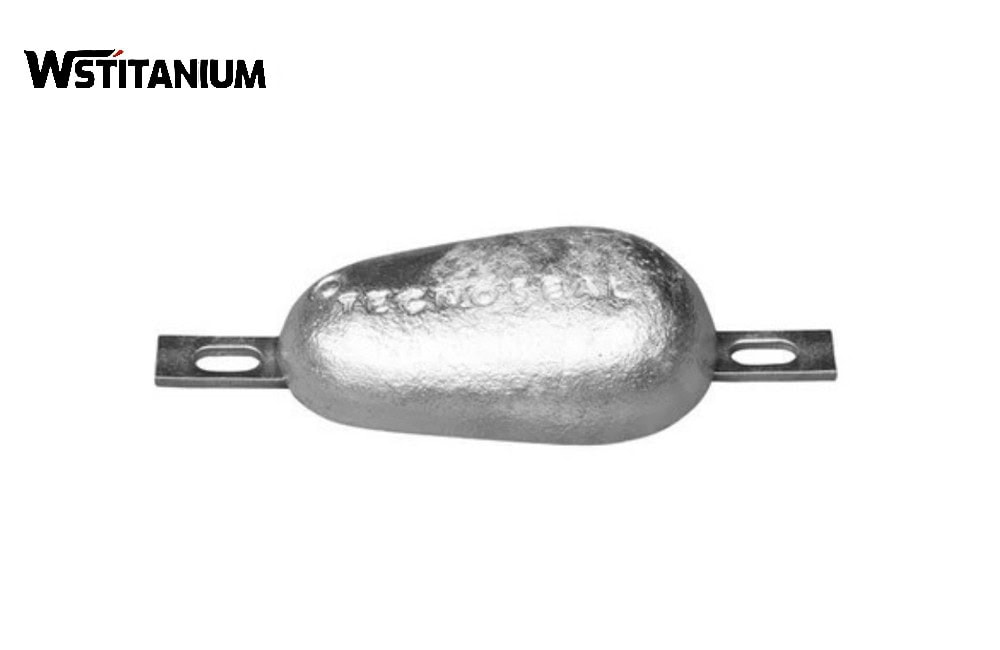
Zn-Al-Cd Anode
The Zn-Al-Cd anode is the most widely used classic zinc sacrificial anode in the chemical industry, corresponding to Type I anodes in the ASTM B418 standard. It is also the most commercially mature zinc anode system globally, meeting the technical requirements of the US military standard MIL-A-18001K.
Core Elements (ASTM B418-16a): Aluminum 0.1%~0.5%, Cadmium 0.025%~0.07%, Iron ≤0.005%, Copper ≤0.005%, Lead ≤0.006%, Zinc balance.
Core Performance: Stable open-circuit potential (-1.05V~-1.10V vs. CSE), low polarization, not easily passivated in low-resistivity soils, fresh water, high-temperature fresh water, and chlorine-containing media, and dissolves uniformly. Current efficiency can reach over 90%. Corrosion products are non-toxic and harmless, meeting drinking water safety standards.
Aluminum (Al): Refines alloy grains, suppresses the adverse effects of harmful impurities such as iron, and improves the anode’s activity in high chloride ion media;
Cadmium (Cd): Reduces the anode’s self-corrosion rate, promotes the loosening and detachment of corrosion products, and enhances the anode’s stability in low-temperature environments.
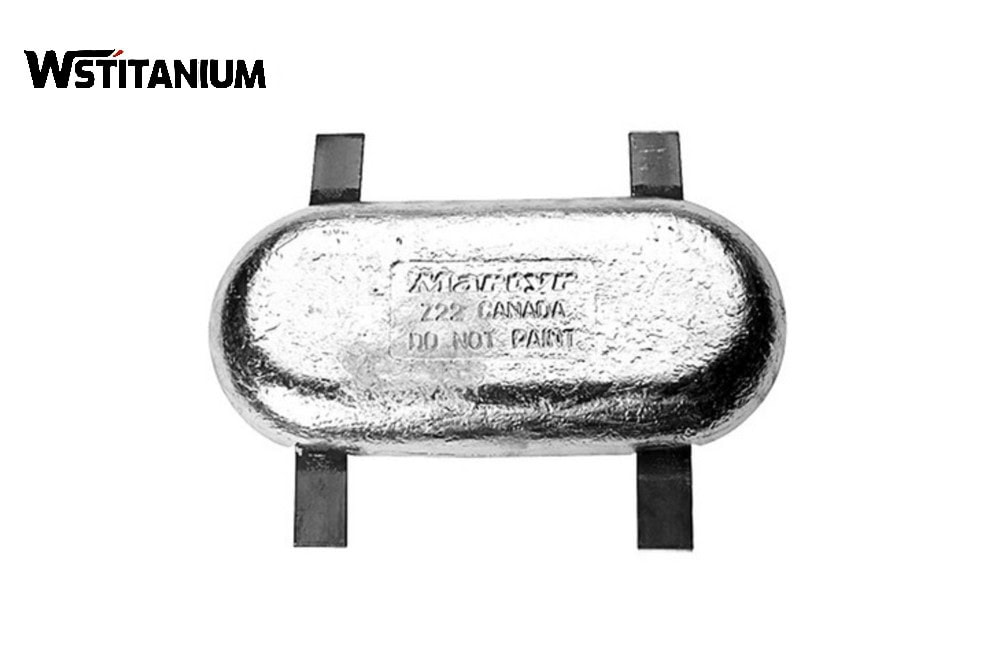
Cadmium-Free Zinc Anodes
This type of anode replaces cadmium with non-toxic activating elements such as magnesium, tin, manganese, and indium, achieving cadmium-free performance while retaining the excellent performance of traditional Zn-Al-Cd anodes.
Elements: Zn-Al-Mg series, Zn-Al-Mn series, Zn-Al-Sn-In series. The most widely used is the Zn-Al-Mg cadmium-free anode. Zinc balance, aluminum 0.3%~0.6%, magnesium 0.05%~0.2%, with strict control over harmful impurities such as iron, copper, and lead, meeting the Type III environmentally friendly anode requirements of GB/T 4950-2021.
Performance: Current efficiency ≥92%, comparable to traditional cadmium-containing anodes. Excellent dissolution uniformity, no risk of heavy metal pollution. Good adaptability in soil, freshwater, and seawater media. The addition of magnesium enhances the anode’s resistance to passivation and low-temperature adaptability.
Applicable Scenarios: Primarily used in pharmaceutical and chemical industries, food and chemical industries, drinking water treatment, and municipal chemical wastewater pipelines with stringent environmental protection requirements.
Special Functional Zinc Alloy Anodes
Several special functional zinc alloy anodes have been developed to address extreme conditions in the chemical industry, such as high temperature, high resistivity, and strong corrosion. Among them, the most representative are high-temperature resistant zinc alloy anodes and zinc anodes specifically designed for high resistivity environments.
Traditional zinc anodes exhibit problems such as positive potential shift, accelerated intergranular corrosion, and even potential reversal (zinc’s electrode potential is more positive than steel, resulting in loss of protective function) when the medium temperature exceeds 60℃. This fails to meet the protection requirements of high-temperature cooling water in chemical plants, geothermal media, and high-temperature material pipelines.
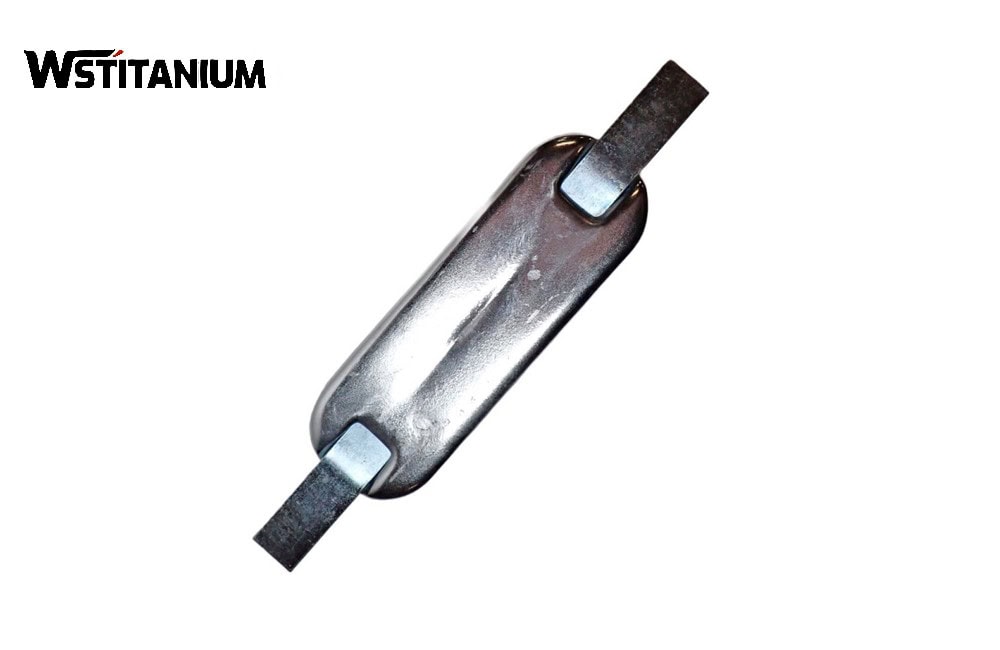
High-Temperature Zinc Anodes
Iron content is strictly controlled, and trace amounts of manganese, chromium, and other alloying elements are added to optimize the metallographic structure. They maintain stable performance in high-temperature media ranging from 50℃ to 100℃. These anodes have been successfully applied in high-temperature produced water pipelines in oil fields, high-temperature circulating water systems in chemical plants, and geothermal chemical plants.
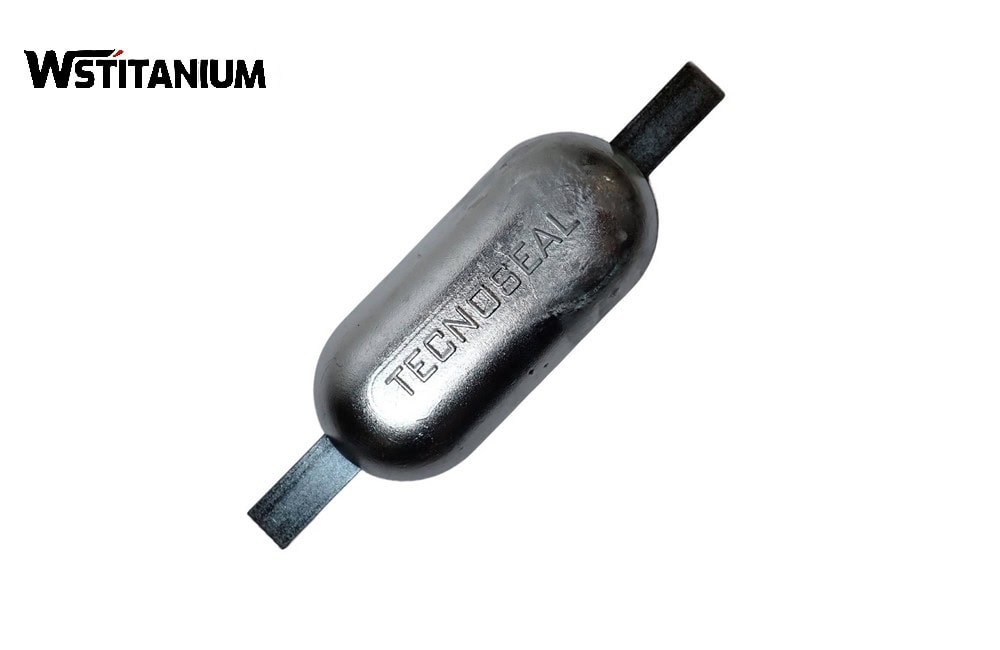
High-Resistivity Zinc Anodes
By adding activating elements such as indium and bismuth and optimizing the alloy composition, the anode polarization rate is reduced, improving the anode’s current output capability in high-resistivity media. They can operate stably in soil and freshwater with resistivity of 15~30 Ω·m, expanding the application range of zinc anodes in buried chemical facilities in high-resistivity soils and in freshwater circulating water systems.
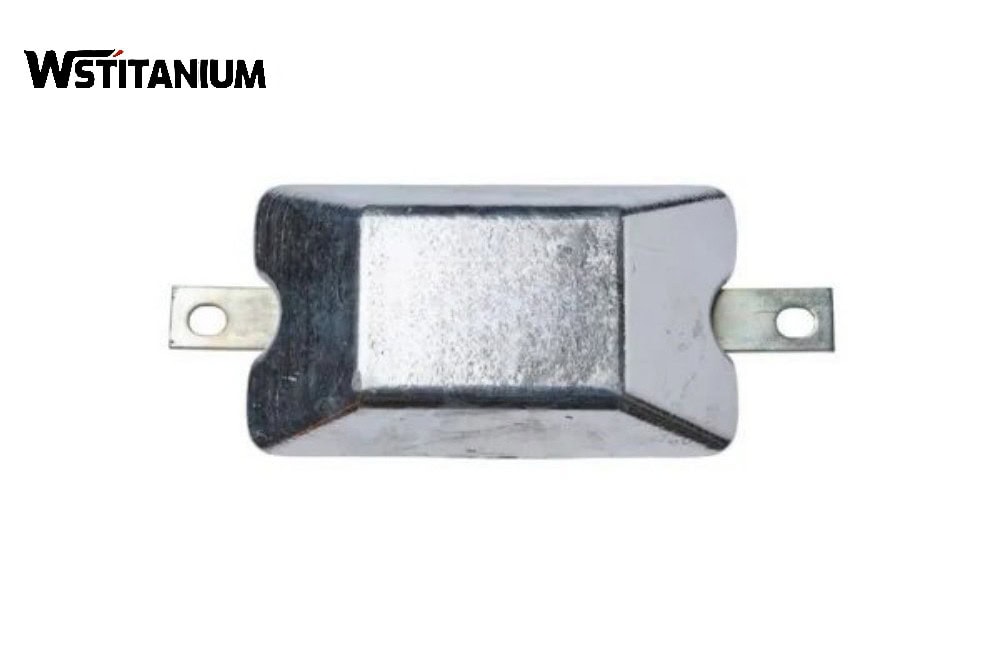
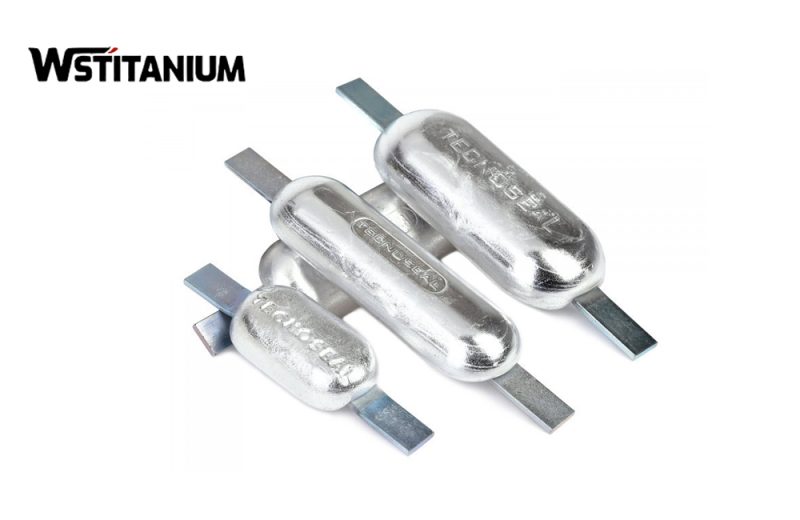
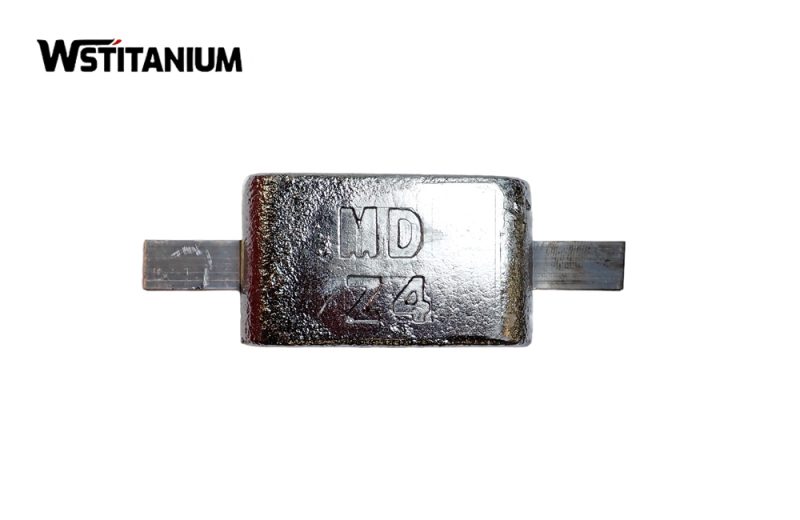
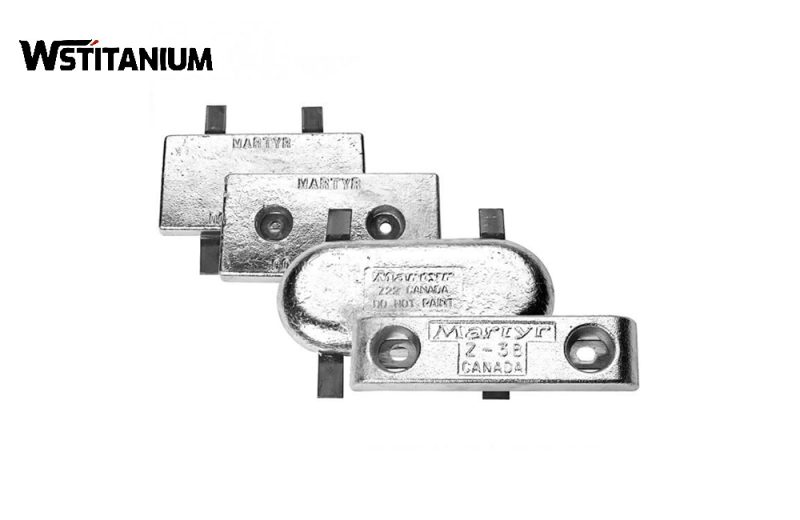
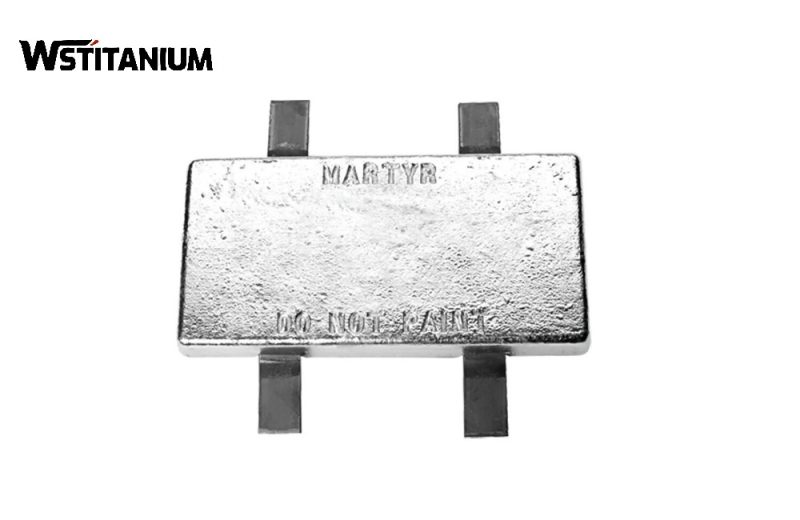
Block/Plate Zinc Anodes
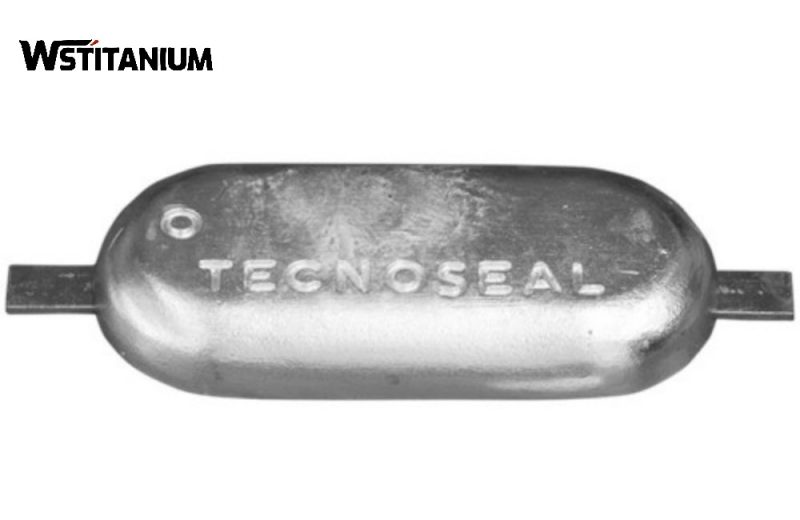
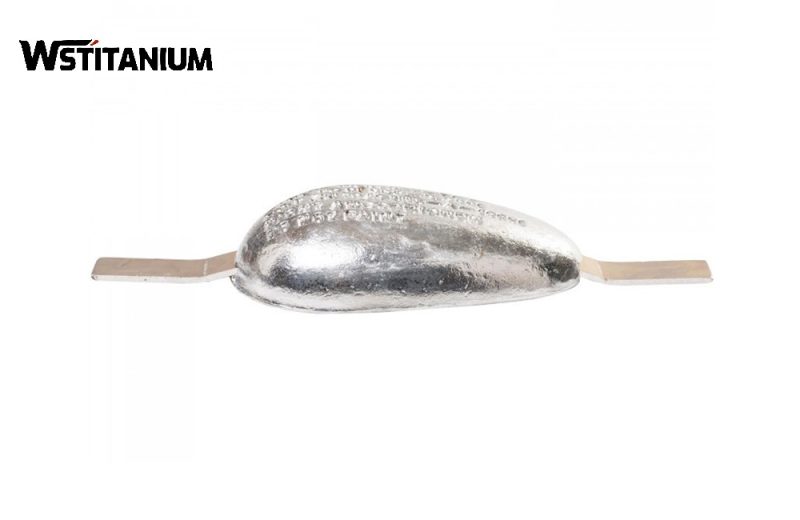
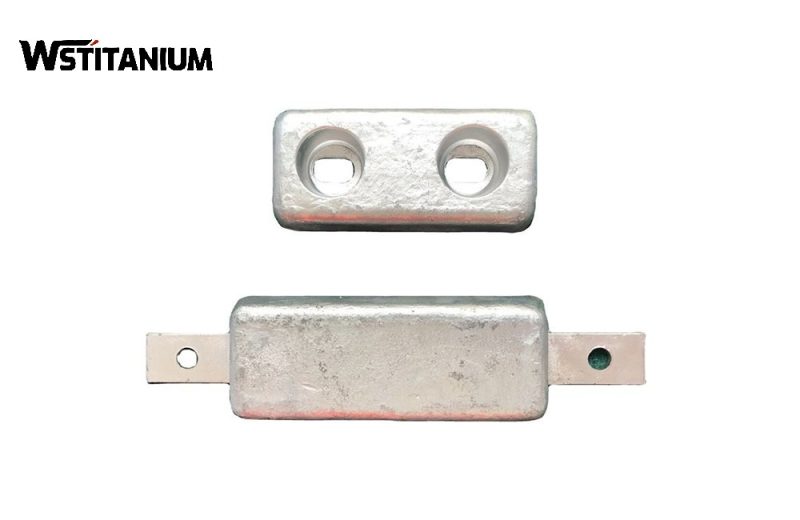
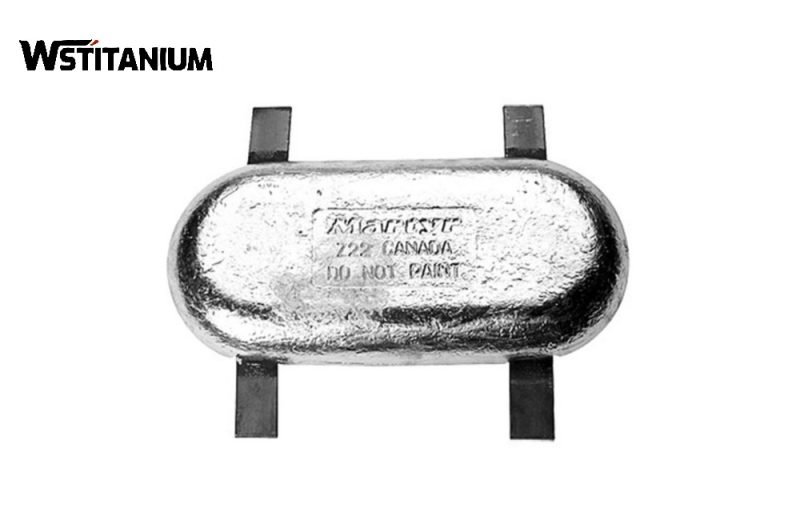
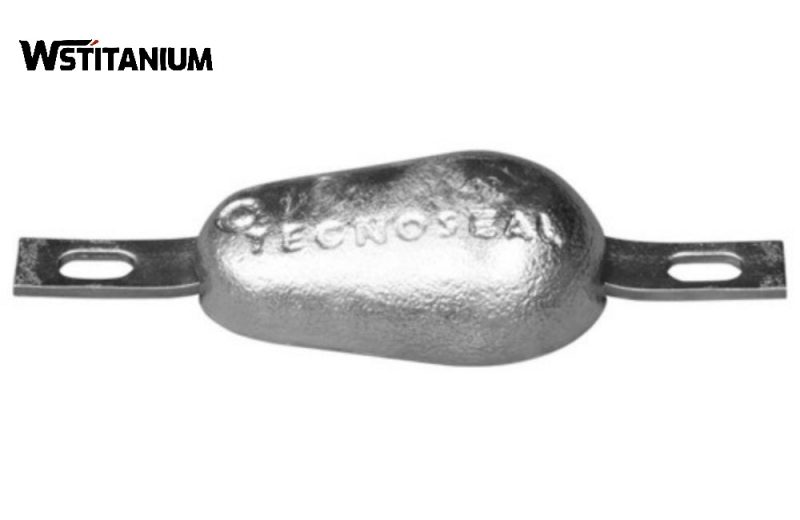
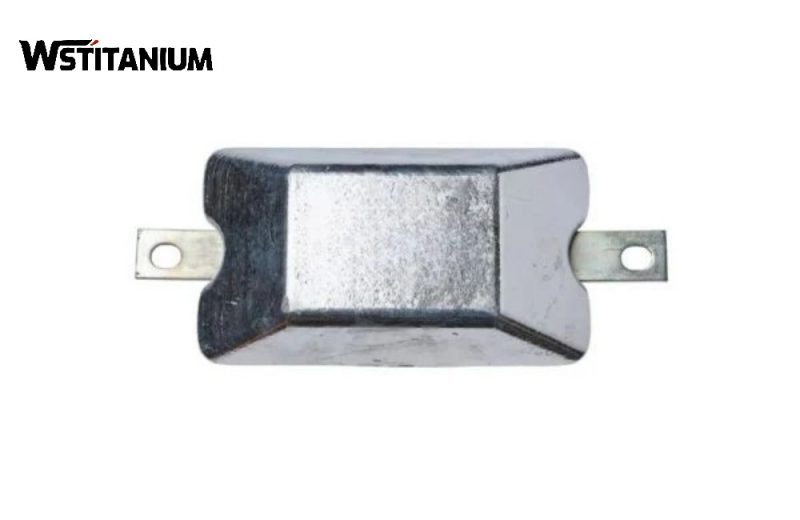
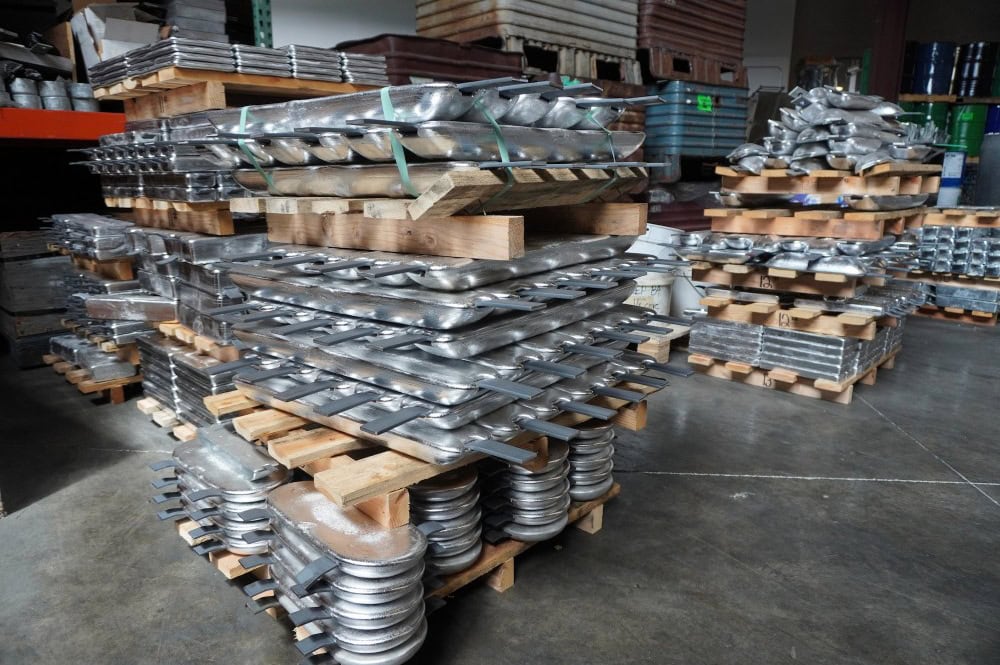
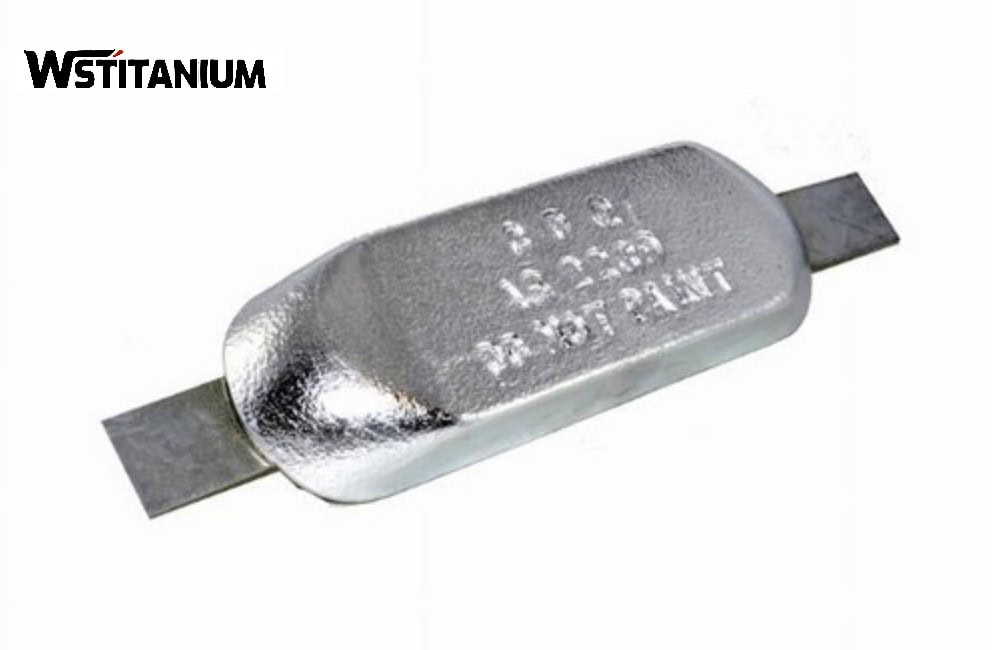
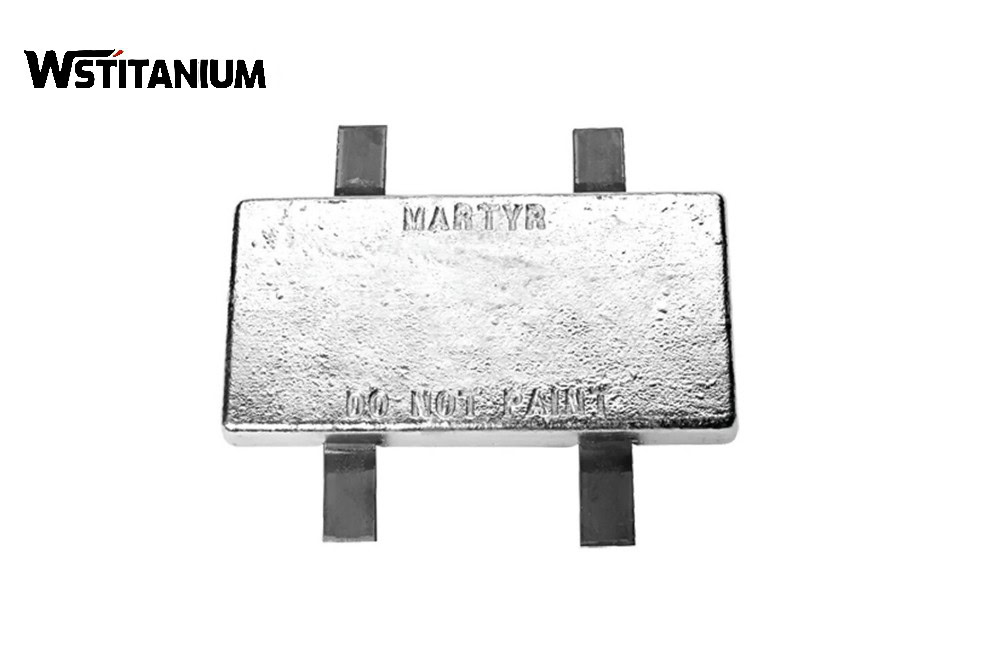
Core Features: Simple structure, low manufacturing cost, flexible installation, stable current output, and easy-to-design and control service life. An internal steel core is used for welding or bolting.
Block/plate zinc anodes are the most basic and widely used structural form in the chemical industry. They are typically cast anodes with trapezoidal, rectangular, or square cross-sections.
Applications: Primarily used for corrosion protection of the inner and outer walls of large crude oil storage tanks and chemical raw material storage tanks; inner wall protection of large reactors and heat exchanger shells; corrosion protection of steel structure bottom plates in sewage treatment ponds; and corrosion protection of marine chemical platforms and dock steel structures. For example, the bottom of a 100,000 cubic meter storage tank commonly uses block zinc anodes with a mesh arrangement. The number of anodes installed in a single tank can reach hundreds, with a design life of over 20 years.
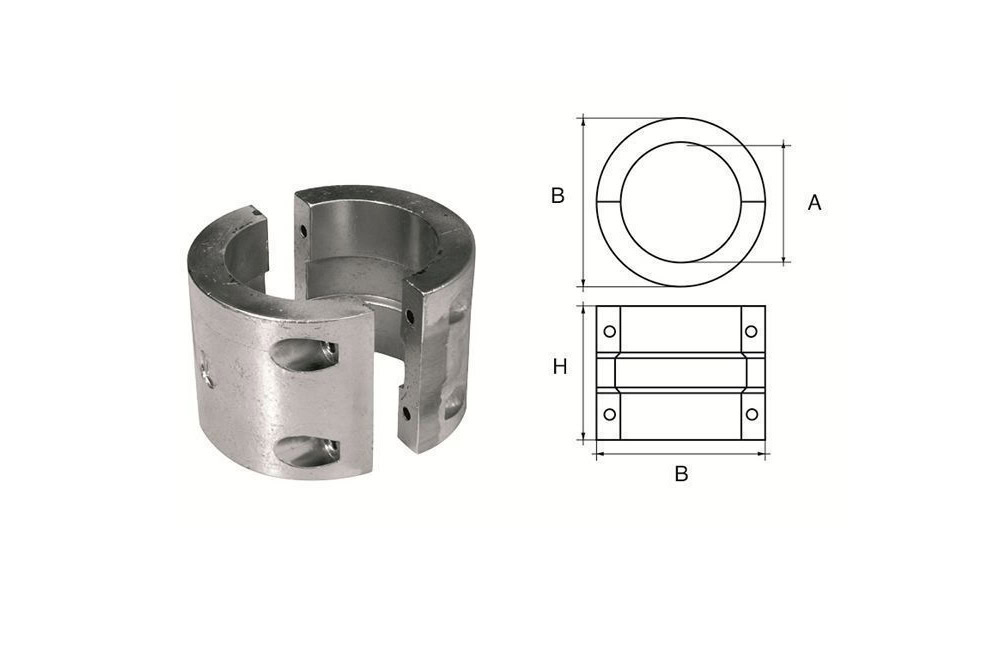
Bracelet/Annular Zinc Anodes
Key Features: Coaxial installation with the pipeline, uniform current distribution, no blind spots, and adaptability to pipeline bends.
Bracelet-type zinc anodes are annular structures specifically designed for pipeline corrosion protection. They consist of two semi-circular zinc alloy blocks that can be directly fitted onto the outer wall of the pipeline and secured with bolts or welding. An internal steel frame ensures structural strength and conductivity.
Applications in the Chemical Industry: This is the core protective anode type for buried steel chemical pipelines, subsea chemical material transport pipelines, plant circulating water pipelines, and oil and gas gathering and transportation pipelines. It is particularly suitable for pipelines crossing rivers, highways, and railways, as well as for corrosion protection of pipelines within casings.
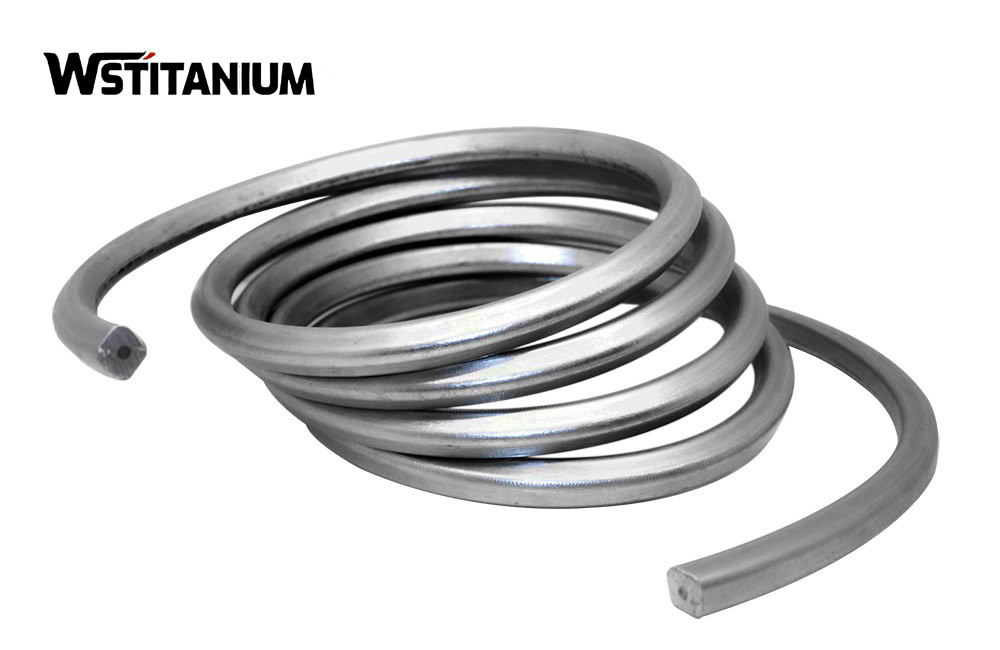
Ribbon Zinc Anodes
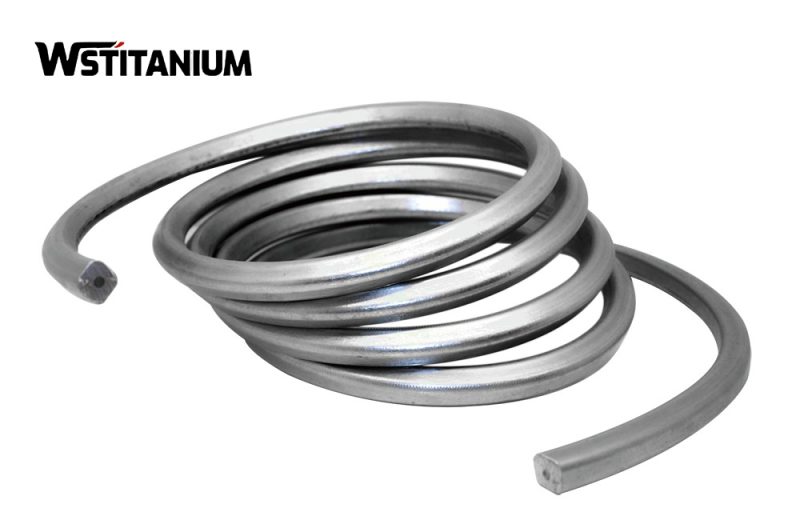
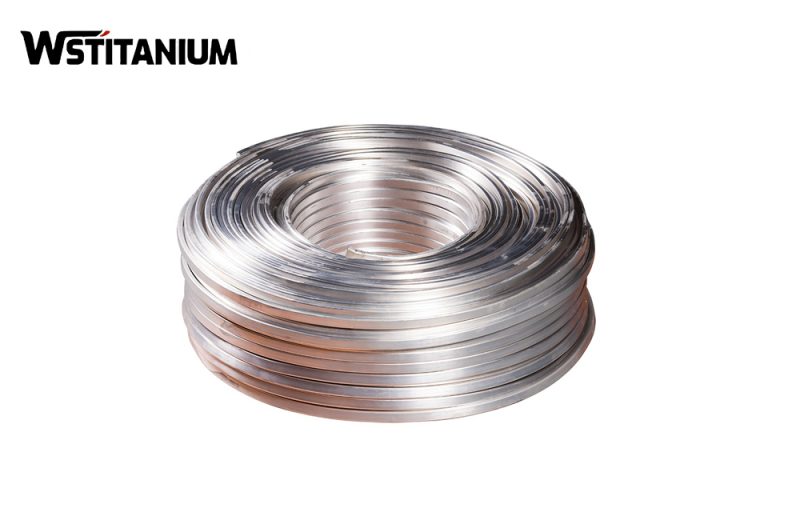
Ribbon zinc anodes are flexible ribbon anodes manufactured through extrusion. The cross-section is mostly rectangular or rhomboid. Common specifications include a width of 15.88mm~31.75mm and a thickness of 4.76mm~8.73mm, conforming to ASTM B418 and SY/T 0019 standards.
Features: Large specific surface area, high output current per unit weight, excellent flexibility, adaptable to installation in confined spaces, on irregular surfaces, and in complex structures. Extremely uniform current distribution effectively solves the problem of localized protection at coating damage points. They can also be used as grounding batteries for stray current drainage protection in chemical plants.
Applications in the chemical industry: Primarily used for corrosion protection of the bottom and edge plates of chemical storage tanks, corrosion protection of buried pipelines in high-resistivity soils, corrosion protection of PCCP pipelines (prestressed concrete cylinder pipes), local protection of complex structures in chemical plants, stray current drainage protection for chemical pipelines around electrified railways, and corrosion protection of the inner walls of heat exchangers and small containers in space-constrained environments.
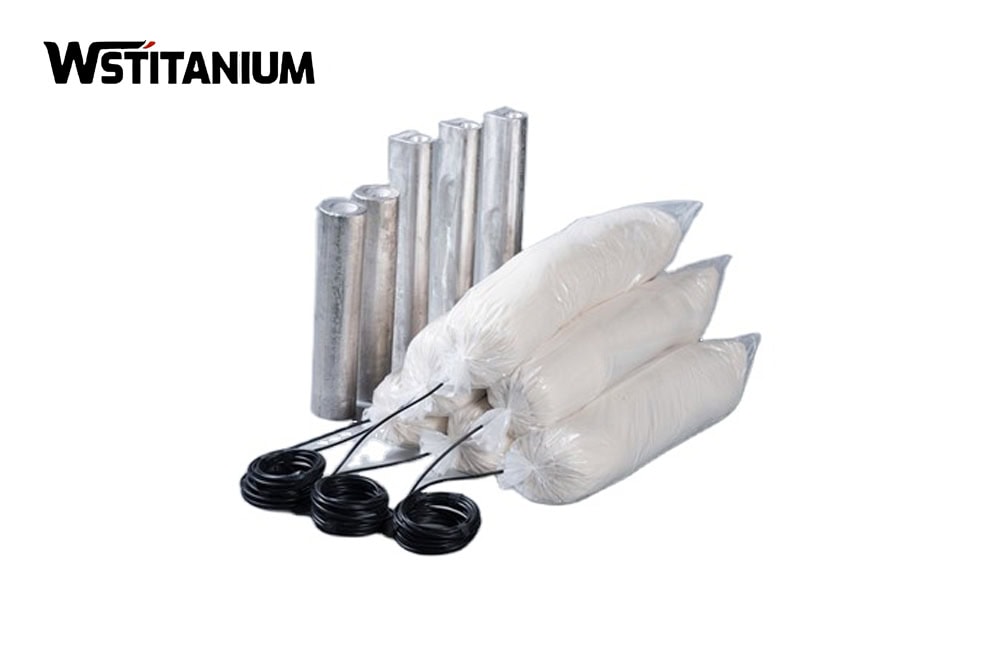
The specialized packing material is typically a mixture of gypsum powder, bentonite, and sodium sulfate in a specific ratio. Its core function is to reduce the contact resistance between the anode and the soil, promote uniform anode dissolution, and prevent anode passivation.
Pre-packaged zinc anodes consist of block-shaped zinc anodes pre-installed in cotton or synthetic fiber bags filled with a specialized chemical packing material. They are one of the most common anode forms used in buried chemical facilities.
Applications in the chemical industry: Widely used for cathodic protection of buried steel pipelines, underground storage tanks, valve wells, steel structure foundations, cable trays, and other buried facilities in chemical plant areas.
Custom Zinc Anodes
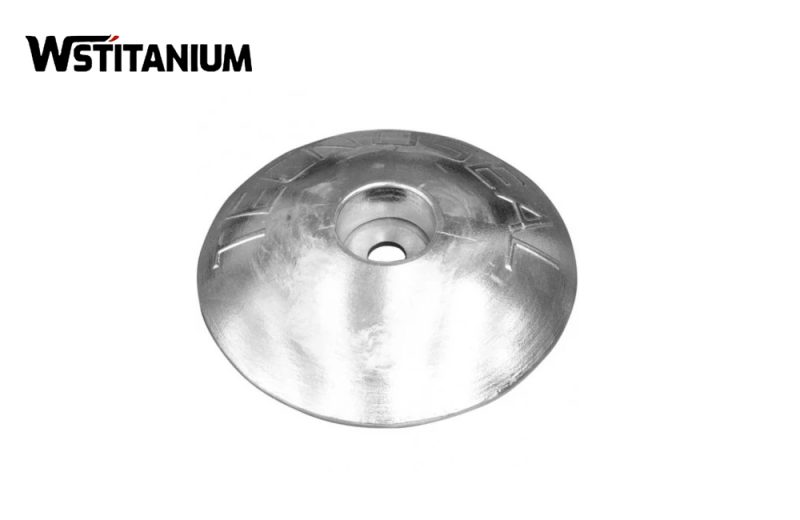
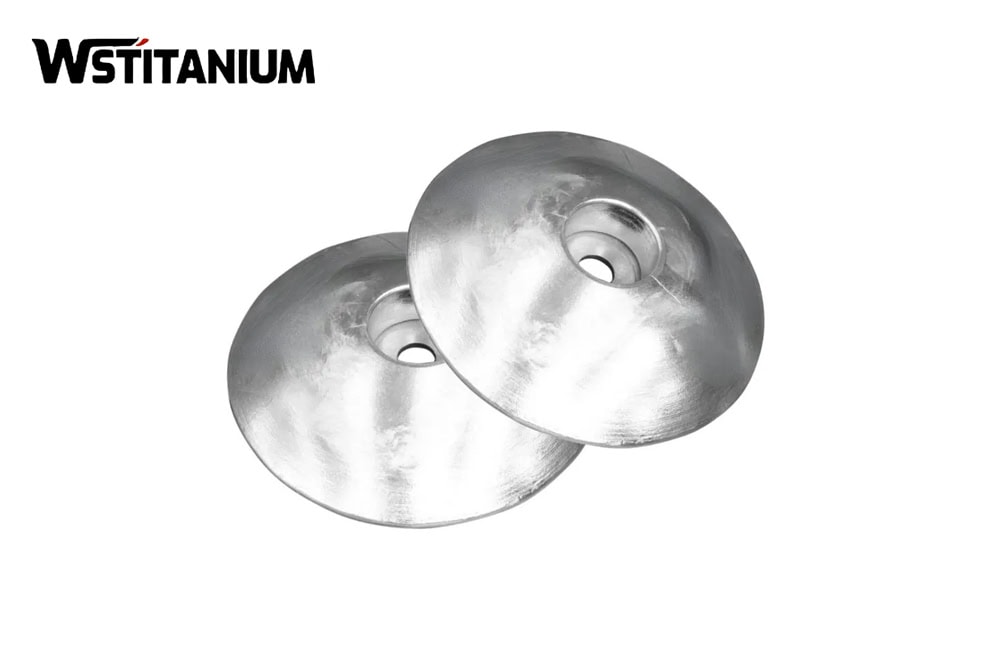
To meet the corrosion protection needs of specialized equipment and non-standard installations in the chemical industry, Wstitanium can customize various custom-shaped zinc anodes, such as disc-shaped, semi-circular, U-shaped, wedge-shaped, and threaded connection types. These anodes are suitable for complex structures such as heat exchanger tube sheets, pump bodies, valves, agitators, and marine chemical equipment.
Zinc Sacrificial Anode Cathode Parameters
The protective effect and lifespan of a zinc sacrificial anode are determined by several key electrochemical performance parameters. These parameters are also the core basis for anode selection and design calculations in the chemical industry. All parameters must be tested and verified according to the test methods specified in the NACE TM0190 standard.
Open Circuit Potential (OCP)
The open circuit potential refers to the stable electrode potential of the zinc anode in a specified electrolyte environment when the cathode is not connected and there is no current output. It is usually based on a saturated copper sulfate reference electrode (CSE), and the unit is V.
A qualified zinc sacrificial anode should have an open circuit potential stable at -1.05V to -1.10V (vs. CSE) in seawater at 25℃, and -1.00V to -1.08V (vs. CSE) in a soil environment. The open circuit potential is the core indicator for judging the activity of the zinc anode.
Operating Potential (CP)
The operating potential refers to the stable electrode potential of the zinc anode when it outputs normal protective current, also based on the CSE (Containment SE). A qualified zinc anode should have a stable operating potential in seawater between -1.00V and -1.05V (vs. CSE), with fluctuations not exceeding ±50mV. The stability of the operating potential directly determines the reliability of the protective effect. Excessive potential fluctuations indicate uneven anode dissolution, which can easily lead to localized corrosion or passivation.
Driving Voltage
Driving voltage is the difference between the operating potential of the zinc anode and the protective potential of the protected steel structure. This is the core driving force propelling the protective current from the anode to the cathode.
The minimum protective potential for steel structures in soil and aquatic environments is typically -0.85V (vs. CSE). Therefore, the effective driving voltage of the zinc anode is approximately 0.15V to 0.25V, significantly lower than the approximately 0.7V of magnesium anodes and also lower than the 0.25V to 0.30V of aluminum alloy anodes.
Low driving voltage is one of the core advantages of zinc anodes. This prevents excessively high protective current, reducing the risk of over-protection and avoiding problems such as hydrogen embrittlement of steel and peeling of anti-corrosion coatings caused by over-protection. It is particularly suitable for protecting high-strength steel equipment in the chemical industry and structures with highly corrosion-resistant coatings. Simultaneously, the low driving voltage also makes zinc anodes more suitable for low-resistivity media environments (resistivity ≤ 30 Ω·m). In high-resistivity environments, the driving voltage is insufficient to drive a sufficient protective current, and the protection effect will be significantly reduced.
Theoretical Capacitance vs. Actual Capacitance
Capacitance refers to the amount of electricity that a unit mass of zinc anode can release, measured in A·h/kg. It is a core parameter determining the anode’s lifespan. The theoretical capacitance of zinc is 820 A·h/kg, which refers to the total amount of electricity that can theoretically be released when 1 kg of zinc completely dissolves. However, in practical applications, due to factors such as self-corrosion of the zinc anode, side reactions of impurity elements, and uneven dissolution, the actual output electricity will be lower than the theoretical value; this is called the actual capacitance.
According to GB/T 4950-2021 standard, the actual capacitance of a qualified Zn-Al-Cd zinc anode should be ≥780 A·h/kg in seawater and ≥740 A·h/kg in soil environments. A higher actual capacitance indicates higher anode utilization and a smaller anode mass required for the same design life.
Current Efficiency
Current efficiency refers to the ratio of the actual capacitance to the theoretical capacitance of a zinc anode, expressed as a percentage. It is a core indicator for evaluating the electrochemical performance of zinc anodes. A qualified zinc anode should have a current efficiency ≥95% in seawater and ≥90% in soil. High-purity zinc anodes should have a current efficiency ≥85% in freshwater. Higher current efficiency indicates less self-corrosion of the anode and a higher proportion of effective charge used to protect the protected structure.
Anode Utilization Rate
Anode utilization rate refers to the percentage of the total mass of a zinc anode that is effectively dissolved and consumed during its service life. As the anode dissolves further, problems such as exposed iron core, positive potential shift, and decreased current output occur, rendering it unable to continue working effectively. Therefore, the anode utilization rate cannot reach 100%.
In design, the utilization rate of block zinc anodes is typically taken as 0.8~0.85, and that of strip zinc anodes is typically taken as 0.9~0.95. Anode utilization rate is a key parameter in designing the total anode mass, directly affecting the design life and economy of the protection system.
Factors Affecting Zinc Anode Performance
The electrochemical performance, protective effect, and lifespan of zinc anodes depend not only on their chemical elements and structural morphology but also on various factors such as chemical environment conditions, installation, and operation management. A thorough understanding of these influencing factors is a core prerequisite for the correct selection and rational design of zinc anodes in the chemical industry.
Alloying Elements
The ratio of alloying elements and the content of impurity elements are fundamental factors determining the performance of zinc anodes. Appropriate amounts of alloying elements such as aluminum, cadmium, magnesium, and manganese can refine grain size, improve anode activity, enhance dissolution uniformity, and reduce the rate of self-corrosion; while harmful impurity elements such as iron, copper, and lead significantly deteriorate anode performance.
Iron is the most harmful impurity element in zinc anodes. Iron has extremely low solubility in zinc and precipitates at grain boundaries as an iron-rich phase, forming microcouples, accelerating the self-corrosion of the zinc anode, and reducing current efficiency. ASTM B418 strictly stipulates that the iron content of Type I zinc anodes must be ≤0.005%, and the iron content of Type II high-purity zinc anodes must be ≤0.0014%.
Impurities such as copper and lead can also increase the self-corrosion of zinc anodes, leading to decreased current efficiency and a positive potential shift. Therefore, all authoritative standards have strict control requirements on their content.
Temperature
Temperature is one of the most significant environmental factors affecting the performance of zinc anodes. In ambient temperatures (0℃~50℃), as temperature increases, the activity of the zinc anode increases, current output increases, dissolution uniformity improves, and the protective effect is good. However, when the medium temperature exceeds 60℃, the performance of traditional zinc anodes deteriorates sharply.
On the one hand, high temperatures accelerate the self-corrosion of the zinc anode, leading to a significant decrease in current efficiency and a drastically shortened service life. On the other hand, in high-temperature water environments, the electrode potential of zinc shifts rapidly to the positive, and when the temperature exceeds 80℃, a potential reversal occurs.
At this point, the zinc anode completely loses its protective function and may even accelerate the corrosion of steel. Therefore, traditional zinc anodes are strictly prohibited from use in chemical media where the temperature exceeds 60℃ for extended periods. Special high-temperature resistant zinc alloy anodes must be selected for high-temperature applications.
Medium pH Value
The pH value of the medium directly determines the solubility characteristics of corrosion products on the zinc anode surface, thus affecting the anode’s activity and passivation risk. Zinc anodes are stable in neutral, weakly acidic, and weakly alkaline media with pH values of 6-12. Corrosion products are loose zinc hydroxide and zinc salts, easily detached, and do not form a dense passivation film.
When the medium pH value is < 4, in a strongly acidic environment, the corrosion rate of zinc accelerates dramatically. Self-corrosion is severe, current efficiency drops significantly, and the anode will quickly fail. Therefore, zinc anodes are not recommended for use in strongly acidic chemical media with pH < 4.
When the medium pH value is > 12, a dense zinc oxide passivation film will form on the zinc anode surface. Current output drops significantly, and complete passivation failure may occur. Therefore, zinc anodes are strictly prohibited from use in strongly alkaline chemical media with pH > 12.
Medium Resistivity and Conductivity
The resistivity and conductivity of the medium directly determine the resistance of the cathodic protection circuit, thus affecting the current output capability and protection range of the zinc anode. Zinc anodes have a relatively low driving voltage (0.15V~0.25V), making them more suitable for low-resistivity media environments.
In low-resistivity media such as seawater and high-salinity chemical wastewater (resistivity <5Ω·m), zinc anodes exhibit excellent current output capability. In soil and freshwater environments with resistivity of 5~15Ω·m, zinc anodes can operate normally, but the circuit resistance needs to be reduced by optimizing the anode arrangement and using conductive packing material. In environments with resistivity of 15~30Ω·m, high-resistivity dedicated zinc anodes should be selected, or the number of anodes should be increased. When the medium resistivity > 30Ω·m, the driving voltage of the zinc anode is insufficient to drive a sufficient protective current, resulting in extremely poor protection; its use is not recommended, and magnesium anodes or impressed current cathodic protection systems should be used instead.
Chloride Ion Concentration
Chloride ions are the most common anion in chemical media. This has a significant positive impact on the performance of zinc anodes. Chloride ions have extremely strong penetrability, which can destroy the passivation film on the surface of the zinc anode, maintain the anode’s activity, promote uniform dissolution, and prevent passivation failure.
In media with high chloride ion concentrations (such as seawater, brine from chlor-alkali industries, and saline chemical wastewater), zinc anodes exhibit excellent activity and high current efficiency, making them their optimal application scenarios. However, in freshwater and high-purity water with extremely low chloride ion concentrations, a passivation film easily forms on the surface of the zinc anode, leading to a decrease in current output or even failure. Therefore, high-purity zinc anodes must be selected in freshwater environments.
Medium Flow Rate
The flow rate of the chemical medium affects the surface condition and corrosion rate of the zinc anode. In low-flowing media (flow rate < 1 m/s), a moderate flow rate can promptly remove corrosion products from the anode surface, preventing crusting and passivation. This helps maintain anode activity and improves current efficiency.
However, when the medium flow rate is too high (flow rate > 3 m/s), the scouring effect of the high-speed fluid accelerates the mechanical wear and corrosion dissolution of the zinc anode, leading to a significantly faster anode consumption rate. Therefore, in high-speed flowing chemical media, a specialized scouring-resistant anode structure must be selected.
Microorganisms
Sulfate-reducing bacteria (SRB) and other microorganisms are widely present in chemical wastewater, soil, and seawater environments. This can trigger microbial corrosion (MIC), which has a dual impact on the performance of zinc anodes. On the one hand, hydrogen sulfide, a metabolic product of sulfate-reducing bacteria, reacts with zinc ions to form zinc sulfide, destroying the passivation film on the anode surface and maintaining the anode’s activity. On the other hand, the life activities of microorganisms accelerate the self-corrosion of the zinc anode, leading to a decrease in current efficiency and even causing localized pitting and perforation.
In environments rich in microorganisms, such as chemical wastewater treatment systems, oily wastewater media, and swampy soils, zinc alloy anodes resistant to microbial corrosion must be selected.
Zinc Sacrificial Anodes Applications in Chemical Industry
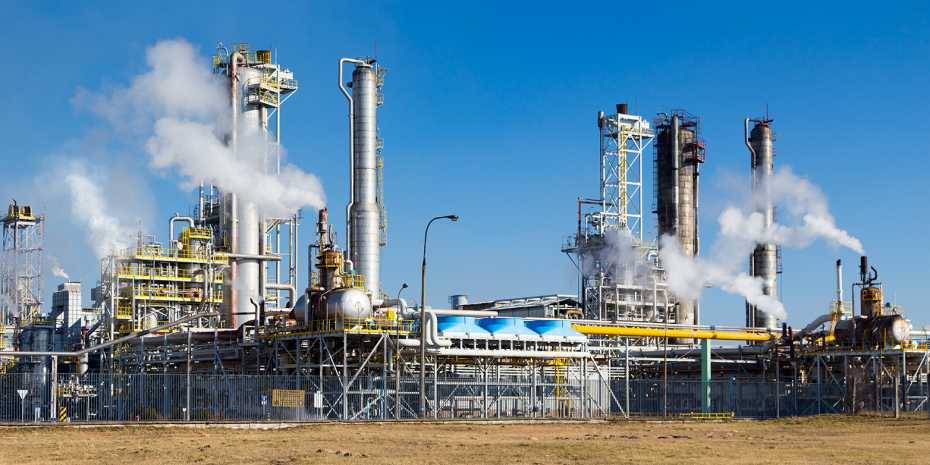
The chemical industry encompasses numerous sub-sectors, including petrochemicals, chlor-alkali, coal chemicals, fertilizers, fine chemicals, and pharmaceuticals. These different sectors exhibit significant variations in production conditions, media environments, and equipment types, resulting in diverse corrosion characteristics. Zinc sacrificial anodes, with their unique performance advantages, have been widely applied in the corrosion protection of various equipment and steel structures across multiple sub-sectors of the chemical industry, leading to a mature application technology system and standard specifications.
Petrochemical Industry
The petrochemical industry is the largest and most technologically mature sub-sector of the chemical industry in terms of the application scale of zinc sacrificial anodes, covering the entire industrial chain from oil and gas extraction, gathering and transportation, crude oil refining, to petrochemical product production. It involves various highly corrosive media such as crude oil, refined oil, natural gas, sulfur-containing wastewater, and high-temperature, high-pressure oil and gas. Equipment and steel structures are exposed to complex corrosive environments for extended periods, requiring extremely high reliability in corrosion protection.
Crude Oil Storage Tanks
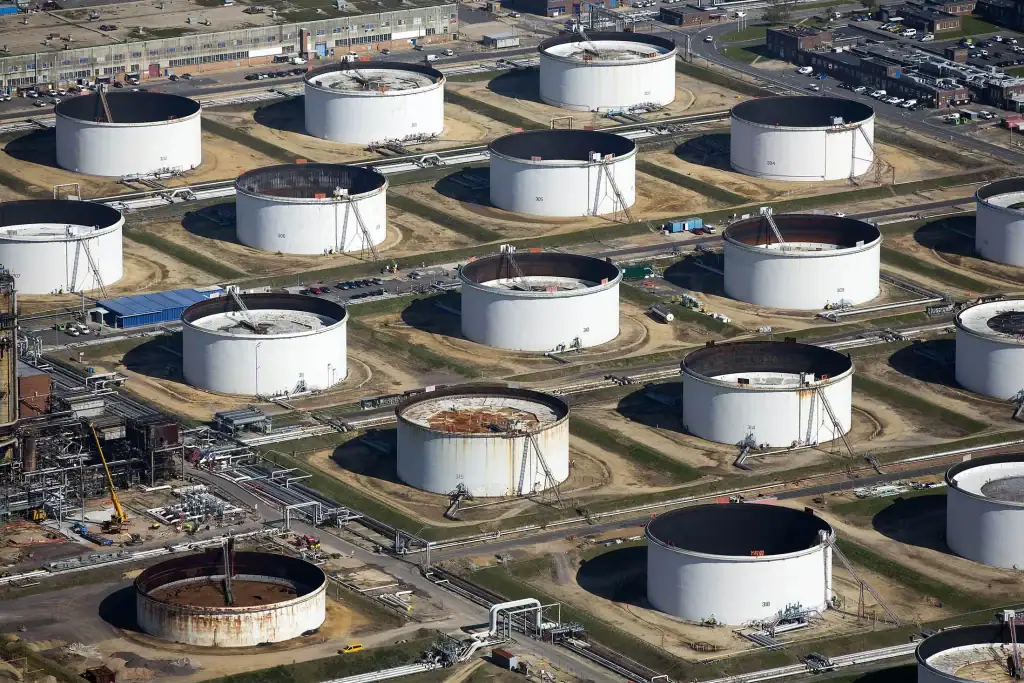
Storage tanks are the core storage equipment in the petrochemical industry, including crude oil storage tanks, refined oil storage tanks, chemical raw material storage tanks, and intermediate product storage tanks. The tank bottom plate is the most severely corroded part and the primary application scenario for zinc sacrificial anodes.
Tank bottom plate outer wall: A combined protection scheme of pre-packaged block zinc anodes and strip zinc anodes is commonly used. The anodes are evenly arranged in a mesh or ring pattern within the sand layer of the tank foundation, combined with an asphalt anti-corrosion coating, forming a composite protection system of “coating + cathodic protection.” The design life is typically 15-20 years. For large crude oil storage tanks of 100,000 cubic meters and above, strip zinc anodes are usually arranged in a ring along the edge of the tank bottom plate. Block anodes are distributed in a mesh pattern inside the tank bottom to ensure uniform current distribution and eliminate protection blind spots.
Tank Bottom Plate Inner Wall: For crude oil storage tanks, refined oil storage tanks, and non-strongly acidic chemical raw material storage tanks, welded block zinc anodes are uniformly welded to the inner wall of the tank bottom plate and directly immersed in the medium, providing protection for the tank bottom plate and lower part of the tank wall.
Application Case: A large crude oil reserve base has 20 crude oil storage tanks with a capacity of 100,000 cubic meters each, all using a zinc sacrificial anode cathodic protection system. Each tank has over 150 block zinc anodes and over 800 meters of strip zinc anodes. The total anode usage is over 450 tons, with a design life of 20 years. After 10 years of operation, testing showed that the protection potential of the tank bottom plate was entirely within the acceptable range of -0.85V to -1.05V, with a corrosion rate of <0.008mm/year, demonstrating excellent protective performance.

Oil and Gas Pipelines
Buried steel pipelines in the petrochemical industry include crude oil pipelines, natural gas gathering and transportation pipelines, chemical material transportation pipelines, and circulating water pipelines. Their total length can reach tens to hundreds of kilometers. Buried underground for extended periods, they are susceptible to multiple risks, including soil corrosion, stray current interference, and microbial corrosion, making them prone to corrosion perforation and leakage.
Long-distance pipelines: For oil and gas pipelines with large diameters and long distances, bracelet-type zinc anodes are installed evenly along the pipeline axis. The spacing is usually 50-100 meters, combined with a 3PE anti-corrosion coating to form a composite protection system.
Buried pipelines: For small and medium-sized material pipelines, circulating water pipelines, and water supply and drainage pipelines within chemical plant areas, pre-packaged block zinc anodes are used. They are evenly buried along both sides of the pipeline, or strip zinc anodes are laid parallel to the pipeline axis.
Cooling Water System
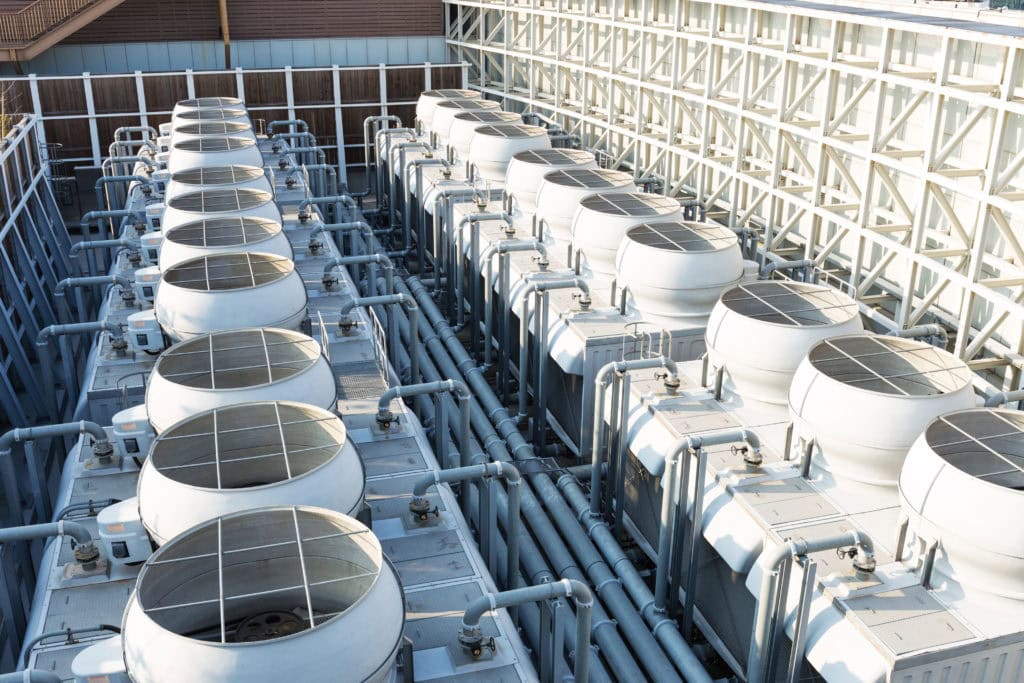
The circulating cooling water system is a core supporting system for petroleum refining units. Chloride ions, dissolved oxygen, and microorganisms in the circulating water can cause severe corrosion to equipment such as heat exchangers, condensers, cooling water pipe networks, and pumps.
Dedicated zinc anodes for seawater/freshwater cooling systems are used, including disc-shaped, rod-shaped, and plate-shaped anodes, which are directly installed in the water chambers of heat exchangers, condenser tube sheets, the inner walls of cooling water pipes, and inside the pump body. In seawater direct-flow cooling water systems, zinc anodes are more widely used, achieving current efficiencies of over 95%.
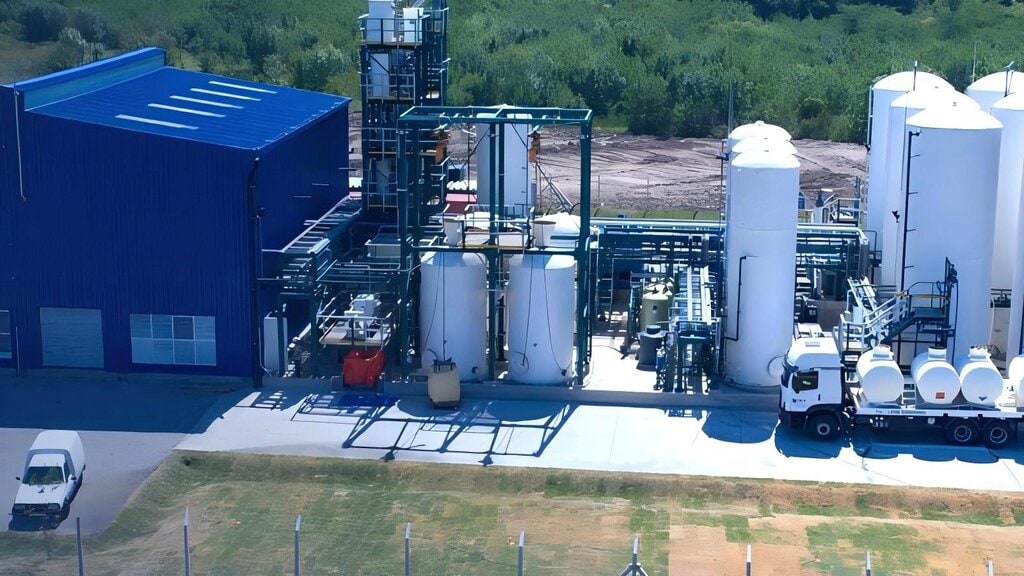
Chlor-alkali Industry
The core products of the chlor-alkali industry are caustic soda, chlorine, and hydrogen. The production process involves highly corrosive media such as high-concentration brine, caustic soda, hydrochloric acid, and wet chlorine, making it one of the most corrosive areas in the chemical industry. The core applications of zinc sacrificial anodes in the chlor-alkali industry include:
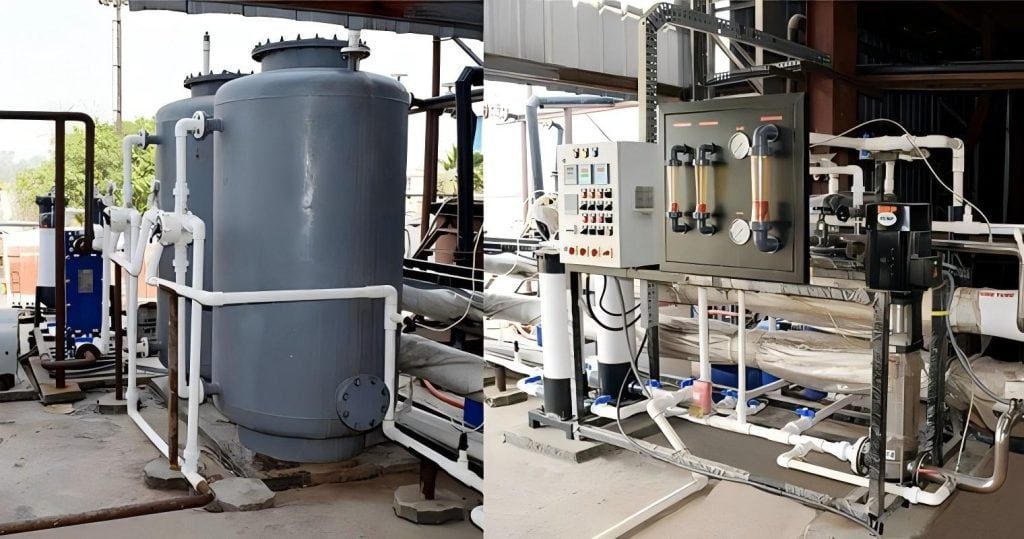
Brine Systems
The brine systems in the chlor-alkali industry include saturated brine storage tanks, brine delivery pipelines, clarifiers, and filters. These systems are constantly exposed to high-concentration sodium chloride solutions, with chloride ion concentrations reaching over 300 g/L. Carbon steel and stainless steel equipment are prone to severe pitting and crevice corrosion. Block zinc anodes and strip zinc anodes, installed on the inner walls of brine storage tanks and along pipelines, provide stable cathodic protection for carbon steel equipment, effectively inhibiting chloride-induced pitting corrosion. Equipment lifespan can be extended from 3 years to over 10 years.
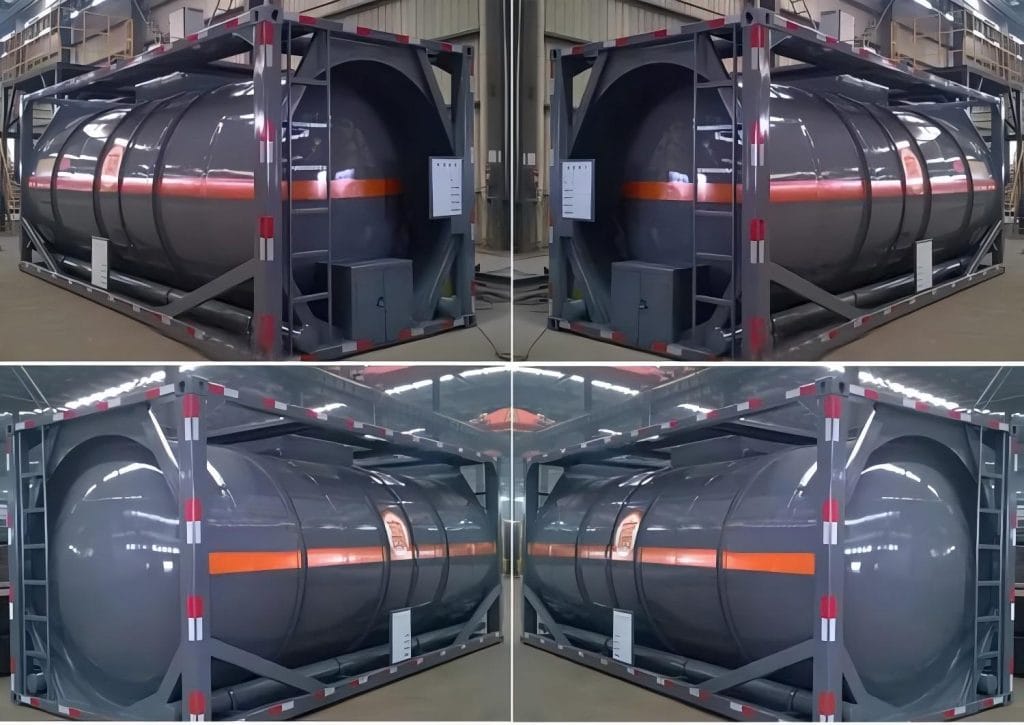
Caustic Soda Storage and Transportation
Liquid caustic soda storage tanks and pipelines are core equipment in the chlor-alkali industry. For liquid caustic soda storage tanks at room temperature with a concentration ≤32%, zinc anode cathodic protection is used. It should be noted that the pH value of liquid caustic soda is usually >12, therefore it is only suitable for protecting the bottom plate area where water accumulates; it is strictly prohibited to use it as a whole in high-concentration, high-temperature liquid caustic soda media.
Circulating Cooling Water System
In the chlor-alkali industry, steel structures, pipelines, and storage tanks in acidic and saline wastewater treatment systems are protected with pre-packaged zinc anodes and strip zinc anodes, effectively inhibiting wastewater corrosion and extending facility lifespan.
Buried Pipeline Networks and Tank Corrosion Protection
Buried hydrochloric acid storage tanks, liquid alkali storage tanks, and material transport pipelines in chlor-alkali plants are subject to both soil corrosion and corrosion within the media. A protective solution combining zinc sacrificial anodes with anti-corrosion coatings can effectively reduce the risk of corrosion perforation.

Coal Chemical Industry
The coal chemical industry uses coal as raw material to produce chemical products such as coal-to-oil, coal-to-olefins, coal-to-gas, and coal-to-ethylene glycol. In extreme corrosive environments with high temperature, high pressure, high sulfur, high chloride ion, and high ammonia nitrogen, equipment corrosion is a prominent issue. Zinc sacrificial anodes, due to their excellent resistance to sulfur and chloride ion corrosion, are widely used in public works systems, storage and transportation systems, and wastewater treatment systems within the coal chemical industry.
Wastewater Systems
Sulphur-containing wastewater and coal gasification wastewater contain high concentrations of corrosive substances such as hydrogen sulfide, ammonia nitrogen, chloride ions, and phenols, causing severe corrosion to the steel structures of wastewater storage tanks, pipelines, and equalization tanks. Zinc alloy sacrificial anodes, installed on the inner walls of wastewater storage tanks and the surface of the steel structures of wastewater tanks, effectively inhibit corrosion caused by hydrogen sulfide and chloride ions. Simultaneously, the corrosion products of zinc can inhibit the activity of sulfate-reducing bacteria, reducing the risk of microbial corrosion, making it the most economical and effective anti-corrosion method for coal chemical wastewater systems.
Storage, Transportation, and Pipelines
In the coal chemical industry, the steel structures of raw coal storage silos, storage tanks (methanol, olefins, oil, etc.), and buried pipelines utilize a zinc sacrificial anode combined with an anti-corrosion coating protection scheme, effectively inhibiting soil corrosion, atmospheric corrosion, and internal media corrosion. Specifically, the inner and outer walls of the bottom plates of methanol and diesel storage tanks commonly use block zinc anodes for cathodic protection.
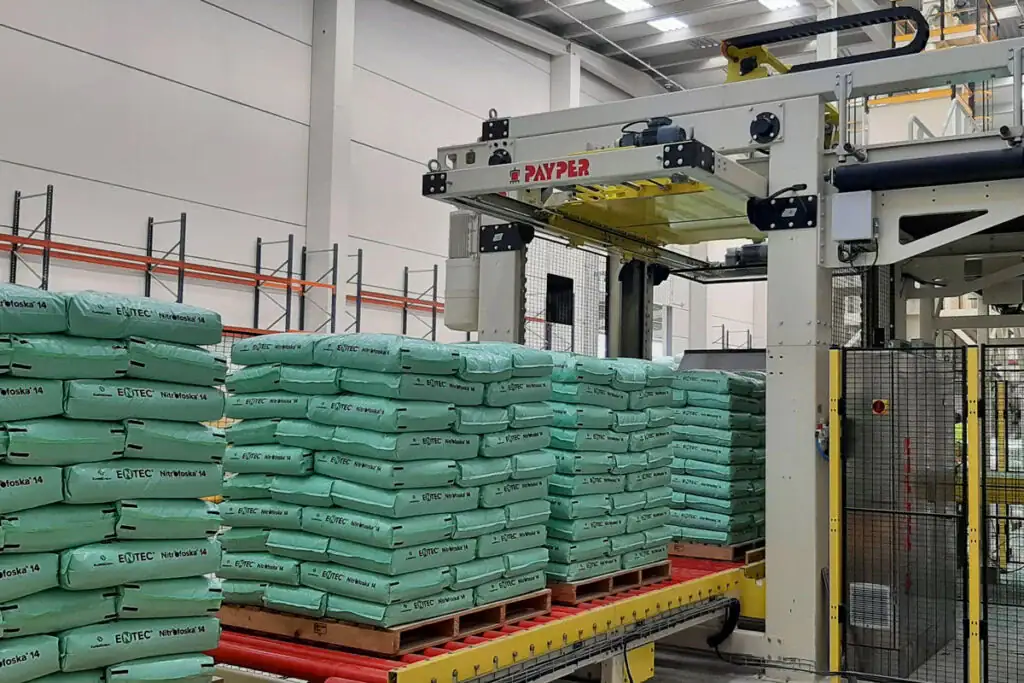
Fertilizer Industry
The fertilizer industry includes nitrogen fertilizer, phosphate fertilizer, potash fertilizer, and compound fertilizer. Production involves highly corrosive media such as ammonia, sulfuric acid, phosphoric acid, and urea. Raw materials are mostly phosphate rock and potash salts, containing large amounts of chloride and sulfate ions. Equipment corrosion is a prominent issue. Zinc sacrificial anodes are widely used in fertilizer industry storage and transportation systems, utility systems, and wastewater treatment systems.
Ammonia Storage and Transportation System
Liquid ammonia storage tanks and gaseous ammonia pipelines are core equipment in nitrogen fertilizer plants. The sulfides and chloride ions in liquid ammonia cause severe corrosion to carbon steel storage tanks. Zinc sacrificial anodes, welded to the inner wall of the tank bottom plate, effectively inhibit corrosion.
Sulfuric Acid and Phosphoric Acid Storage and Transportation
Sulfuric acid and phosphoric acid are core raw materials for phosphate fertilizer production. For the bottom plates of concentrated sulfuric acid storage tanks and finished phosphoric acid storage tanks, zinc anode cathodic protection is used to effectively inhibit corrosion at the water-accumulated areas of the tank bottom plate, extending the service life of the tank. It should be noted that zinc anodes are strictly prohibited from use in dilute sulfuric acid or dilute phosphoric acid media with a pH < 4.
Wastewater Treatment Systems
The buried material pipelines, water supply and drainage networks, and steel structures of wastewater treatment ponds in fertilizer plants are subjected to long-term corrosive environments of high salt, high acid, and high alkali. Pre-packaged zinc anodes and strip zinc anodes are used for cathodic protection. This is the mainstream solution for infrastructure corrosion protection in the fertilizer industry.

Pharmaceutical and Chemical Industries
The pharmaceutical and chemical industry involves a variety of media, including organic solvents, strong acids, strong alkalis, salt solutions, and pharmaceutical intermediates. Equipment mainly consists of small to medium-sized reactors, heat exchangers, storage tanks, and pipelines.
Raw Material Storage Tanks
Storage tanks in the pharmaceutical and chemical industry are mostly small to medium-sized tanks ranging from 10 to 1000 cubic meters. The stored media are mostly organic solvents, salt solutions, and weak acid/alkali media. Welded block zinc anodes and rod zinc anodes are installed on the inner wall of the tank to provide cathodic protection for the tank bottom and walls.
Reaction Vessels and Heat Exchangers
The jackets, tube sheets, and end caps of fine chemical reaction vessels and heat exchangers are the areas most severely corroded. Custom-made zinc anodes are installed in severely corroded areas to provide targeted cathodic protection and inhibit localized corrosion.
Wastewater Treatment Systems
Wastewater from the pharmaceutical and chemical industry has a complex composition. It has high COD, ammonia nitrogen, and salt content, and is highly corrosive, severely corroding wastewater treatment ponds and pipelines. Strip zinc anodes and pre-packaged zinc anodes provide cathodic protection, effectively inhibiting wastewater corrosion.
Wastewater Treatment in Chemical Industrial Parks
Wastewater treatment plants, municipal sewage networks, and reclaimed water pipelines in chemical industrial parks are exposed to corrosive environments with high COD, high salinity, high ammonia nitrogen, and high microbial content. Steel embedded parts, steel pipes, gates, and equipment casings within concrete tanks suffer severe corrosion. This is a key application scenario for zinc sacrificial anodes.
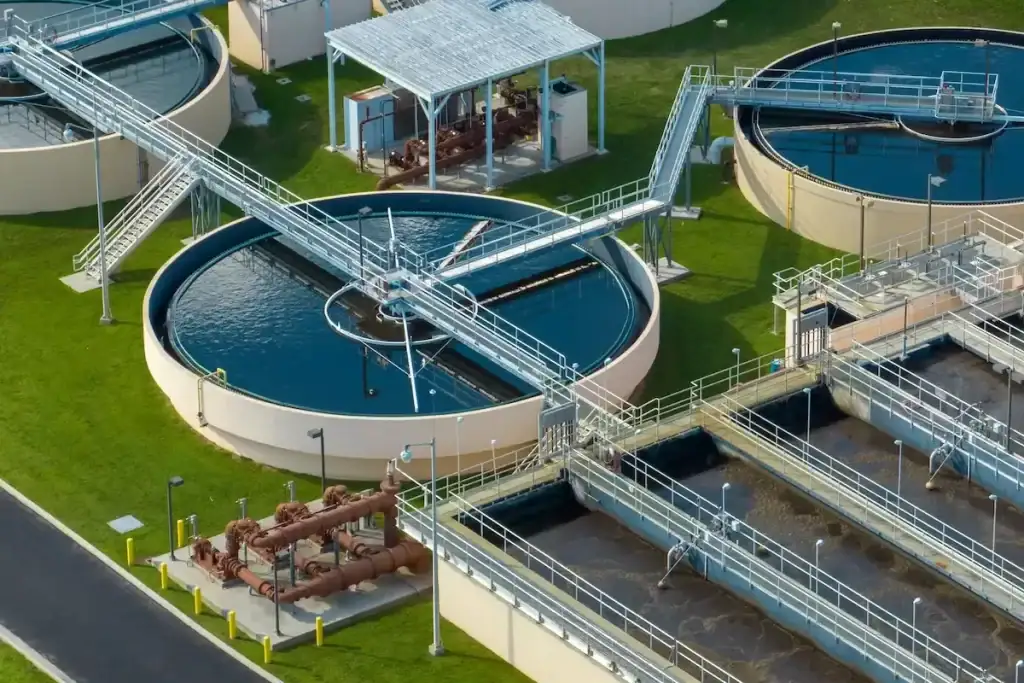
For the steel structures of aeration tanks, sedimentation tanks, and equalization tanks in wastewater treatment plants, strip-shaped zinc anodes are evenly distributed along the tank body. For buried sewage networks and reclaimed water pipelines, bracelet-type zinc anodes and pre-packaged block-shaped zinc anodes are used for protection. For wastewater treatment equipment, such as pumps, gates, and sludge scrapers, customized rod-shaped and block-shaped zinc anodes are used.
Conclusion
Zinc sacrificial anode cathodic protection technology has become one of the core technologies for corrosion protection of steel structures in the chemical industry. This paper systematically introduces the types of zinc sacrificial anodes commonly used in the chemical field, including high-purity zinc anodes, Zn-Al-Cd anodes, environmentally friendly cadmium-free anodes, and special functional anodes classified by chemical composition, as well as block, bracelet, strip, and pre-packaged anodes classified by structural form. The electrochemical working principle of zinc sacrificial anodes is explained in detail, clarifying the electrochemical nature of metal corrosion and the core mechanism of sacrificial anode cathodic protection. Core performance parameters such as open-circuit potential, operating potential, driving voltage, and current efficiency are analyzed in detail, and the influence of key factors such as alloy composition, temperature, pH value, resistivity, and chloride ion concentration on anode performance is comprehensively analyzed.
The core application scenarios of zinc sacrificial anodes in various sub-sectors of the chemical industry are comprehensively reviewed, and application schemes for zinc anodes are clarified for the corrosion characteristics of petrochemical, chlor-alkali, coal chemical, fertilizer, and fine chemical industries.
References
[1] ASTM B418-16a(2021), Standard Specification for Cast and Wrought Galvanic Zinc Anodes[S]. ASTM International, 2021.
[2] ISO 9351:2025, Galvanic anodes for cathodic protection in seawater and saline sediments[S]. International Organization for Standardization, 2025.
[3] ISO 15589-2:2024, Oil and gas industries including lower carbon energy — Cathodic protection of pipeline transportation systems — Part 2: Offshore pipelines[S]. International Organization for Standardization, 2024.
[4] ISO 15589-1:2018, Petroleum and natural gas industries — Cathodic protection of pipeline transportation systems — Part 1: On-land pipelines[S]. International Organization for Standardization, 2018.
[5] ASTM F1182-07(2023), Standard Specification for Anodes, Sacrificial Zinc Alloy[S]. ASTM International, 2023.
[6] NACE TM0190-2018, Standard Test Method for Electrochemical Performance of Sacrificial Anodes[S]. AMPP (NACE) International, 2018.
[7] NACE RP0176-2020, Corrosion Control of Steel Aboveground Storage Tanks for Production, Pipeline, and Refinery Service[S]. AMPP (NACE) International, 2020.
[8] MIL-A-18001K, Military Specification: Anodes, Sacrificial, Zinc Alloy[S]. U.S. Department of Defense, 1993.
[9] DIN 50938:2018, Cathodic protection of metallic structures – General principles[S]. Deutsches Institut für Normung, 2018.
[10] Deen, K. M.; Qasim, M.; et al. Evaluating the performance of zinc and aluminum sacrificial anodes in artificial seawater[J]. Journal of Materials Research and Technology, 2020, 9(5), 10512-10521.
[11] Sabti, H. K. Cathodic protection of carbon steel using zinc and magnesium as sacrificial anodes in different conductivity solutions[J]. Oriental Journal of Chemistry, 2024, 40(1), 145-153.
[12] Moon, K.; Lee, M. H.; Baek, T. S. A Study on Galvanic Current Variation of Zn Sacrificial Anode Made by Including of Additive in Solutions with Various Conductivities[J]. Materials Science Forum, 2018, 926, 25-30.
[13] Baeza, F. J.; Garcés, P.; et al. Corrosion behavior of zinc sacrificial anodes with different alloying elements in concrete[J]. Construction and Building Materials, 2017, 154, 1017-1025.
[14] Rincón, J. T.; Bautista, A.; et al. Performance of zinc sacrificial anodes in desalination plants[J]. Desalination, 2019, 468, 114087.
[15] Hasan, M. A.; Aziz, A. Performance comparison of zinc and magnesium sacrificial anodes for cathodic protection of steel in seawater[J]. Journal of Marine Engineering and Technology, 2017, 16(2), 112-120.
[16] Singh, P.; Kumar, A.; et al. A review on sacrificial anode cathodic protection: materials, design, and applications[J]. Journal of Bio- and Tribo-Corrosion, 2022, 8(3), 1-22.
[17] El-Sayed, A. M. Effect of temperature on the performance of zinc sacrificial anode in chloride solutions[J]. Anti-Corrosion Methods and Materials, 2019, 66(3), 377-383.