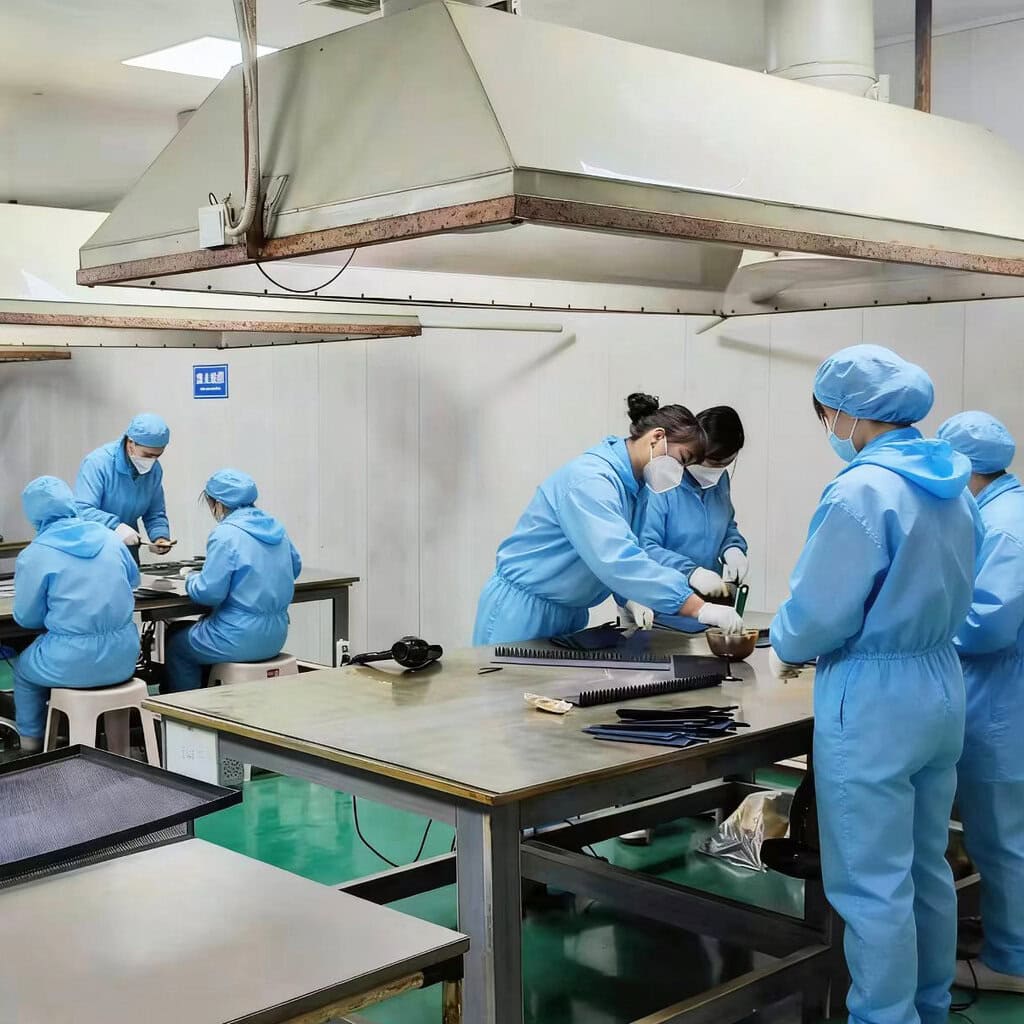
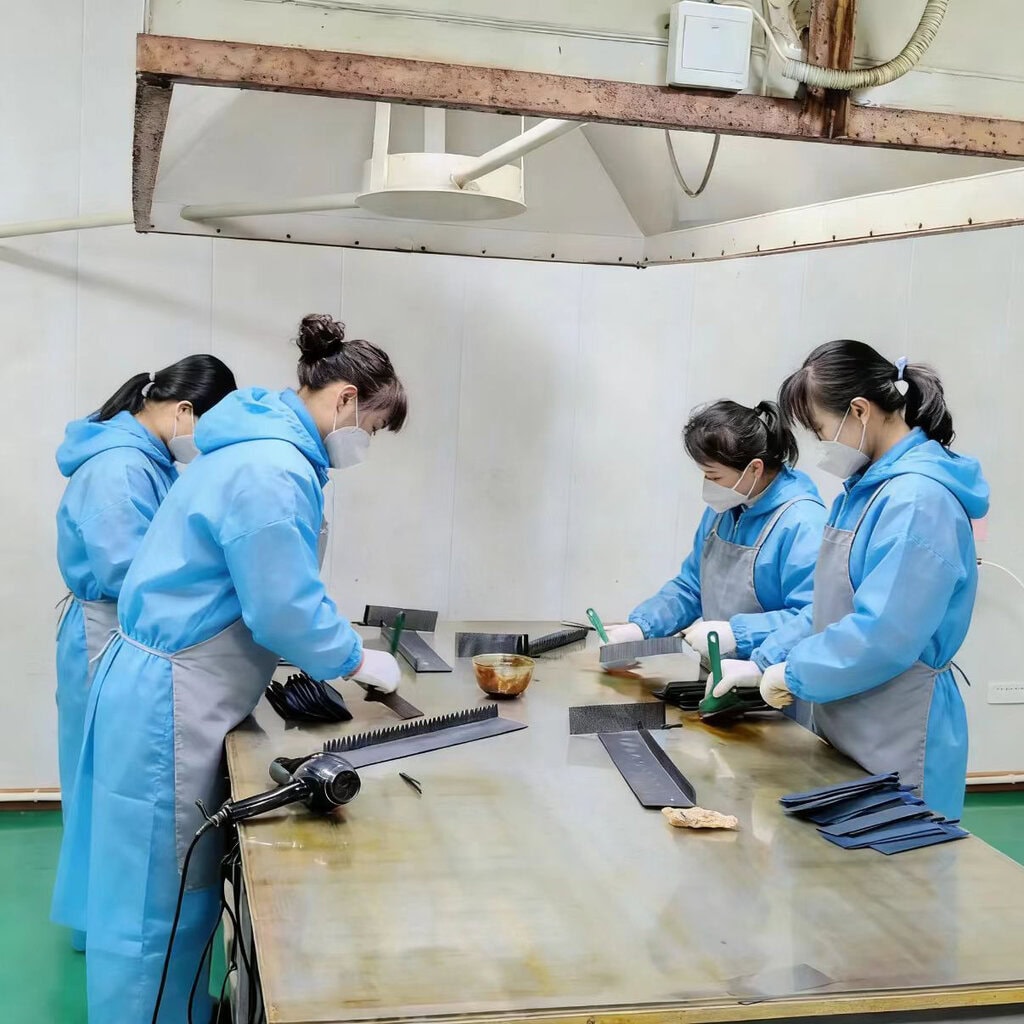
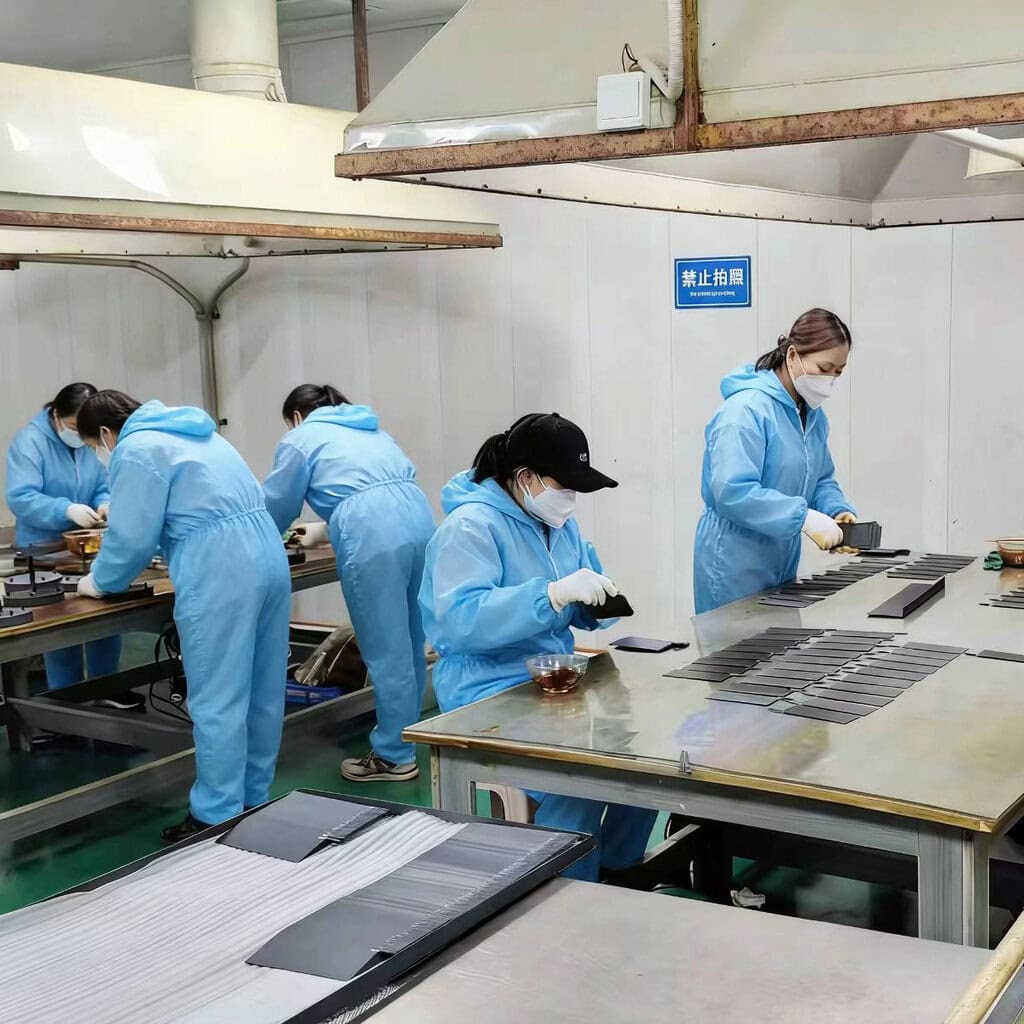
In aniline wastewater treatment, MMO titanium anode electrocatalytic direct oxidation technology breaks down the conjugated structure of the benzene ring, generating intermediates such as benzoquinone and maleic acid, which are ultimately mineralized into CO₂, H₂O, and inorganic ions. MMO titanium anode electrocatalytic indirect oxidation technology generates highly reactive oxidizing species, including hydroxyl radicals (・OH, oxidation potential 2.8 V), active chlorine (HClO, ClO⁻), and superoxide radicals. These reactive species non-selectively attack aniline molecules and intermediates, significantly improving degradation efficiency.
Aniline (C₆H₅NH₂) is a core aromatic intermediate in the global chemical industry chain. It is widely used in dozens of sub-sectors, including dyes, pharmaceuticals, pesticides, rubber additives, polyurethane (MDI), and conductive polymers. Traditional aniline wastewater treatment technologies, such as biochemical methods, Fenton processes, and adsorption methods, all have significant shortcomings. Compared to traditional electrodes made of graphite, lead alloys, and stainless steel, MMO (Mixed Metal Oxide) titanium anodes, also known as DSA (Dimensionally Stable Anodes), offer irreplaceable technological advantages in aniline catalysis: high electrocatalytic activity, excellent dimensional stability, long service life, good environmental friendliness, and easy maintenance.

Wstitanium specializes in the R&D, manufacturing, and customization of titanium-based electrocatalytic electrodes, developing a series of MMO titanium anode products covering aniline wastewater degradation, polyaniline electrochemical synthesis, and selective aniline oxidation. This blog will systematically introduce the MMO titanium anode technology system, product selection, industry solutions, and project practices applied to aniline catalysis, helping you to fully understand MMO titanium anode products and select the most suitable electrode solution.
MMO Titanium Anode Coating for Catalyzing Aniline
The coating determines the electrocatalytic activity, chemical stability, operating conditions, and service life of MMO titanium anodes. Wstitanium has developed four main coating systems to address different reaction types catalyzed by aniline (oxidative degradation, polymerization synthesis, selective oxidation) and water/electrolyte conditions.
RuO₂ is a highly active catalyst for the chlorine evolution reaction. In chlorinated aniline wastewater, RuO₂ efficiently catalyzes the oxidation of Cl⁻ to generate active chlorine species such as Cl₂, HClO, and ClO⁻. Indirect oxidation rapidly degrades aniline.
- RuO₂ molar ratio 25%-60%
- Resistivity as low as 10⁻⁵ Ω・cm
- Chlorine evolution overpotential ≤1.10 V
- Aniline removal rate ≥92%
- COD removal rate ≥70%
- Current efficiency 75%
- For wastewater with Cl⁻≥1000 mg/L
- pH: 1-10
- Operating temperature: ≤60℃
- Current density: 100-800 A/m²

RuO₂-IrO₂-SnO₂
IrO₂ significantly improved the coating’s oxygen evolution tolerance and chemical stability, inhibiting the dissolution and loss of Ru under strong oxidizing conditions. SnO₂, as a dopant, refined the coating grains, increased the specific surface area, and enhanced the generation of hydroxyl radicals. This system exhibits dual catalytic activity for both chlorine and oxygen evolution, maintaining good aniline degradation performance in both chlorine-containing and chlorine-free systems.
- RuO₂ 30%-40%
- IrO₂ 10%-20%
- SnO₂ 40%-60%
- Chlorine evolution overpotential ≤1.15 V
- COD removal rate ≥75%
- Accelerated life test ≥120 h
- pH range: 1-12
- Operating temperature: ≤70℃
- Current density: 200-1500 A/m²

IrO₂ is an excellent catalyst for the oxygen evolution reaction (OER) and exhibits excellent chemical stability. Ta₂O₅, as an inert support, effectively inhibits the dissolution and loss of IrO₂, significantly extending the coating’s lifespan under strong oxidizing environments. This system degrades aniline through a synergistic effect of direct electron transfer and indirect oxidation by hydroxyl radicals.
- IrO₂ molar ratio 50%-70%
- Oxygen evolution overpotential ≤1.50 V
- Aniline removal rate ≥90%
- Accelerated life test lifespan ≥200 h
- pH 0-7
- Operating temperature: ≤80℃
- Current density: 500-2000 A/m²

IrO₂-SnO₂-Sb₂O₅
IrO₂ is an excellent catalyst for the oxygen evolution reaction (OER) and exhibits excellent chemical stability. Ta₂O₅, as an inert support, effectively inhibits the dissolution and loss of IrO₂, significantly extending the coating’s lifespan under strong oxidizing environments. This system degrades aniline through a synergistic effect of direct electron transfer and indirect oxidation by hydroxyl radicals.
- IrO₂ molar ratio 50%-70%
- Oxygen evolution overpotential ≤1.50 V
- Aniline removal rate ≥90%
- Accelerated life test lifespan ≥200 h
- pH 0-7
- Operating temperature: ≤80℃
- Current density: 500-2000 A/m²
- Coating consumption rate ≤2 mg/A・a

Platinum possesses excellent electron conductivity and catalytic activity, enabling precise control of the reaction potential in aniline polymerization. It promotes the ordered polymerization of aniline monomers, reduces side reactions, and improves the purity and conductivity of polyaniline products. The platinum coating exhibits extremely high chemical stability, and will not leach impurities into the electrolyte even under strong acid, strong alkali, or highly oxidizing environments.
- Electroplating or electroless plating
- Coating thickness: 0.5-10 μm
- Resistivity: ≤10⁻⁵ Ω・cm
- Current efficiency: ≥90%
- Lifespan: 5-15 years
- pH: 0-14
- Temperature: ≤90℃
- Current density: 100-3000 A/m²
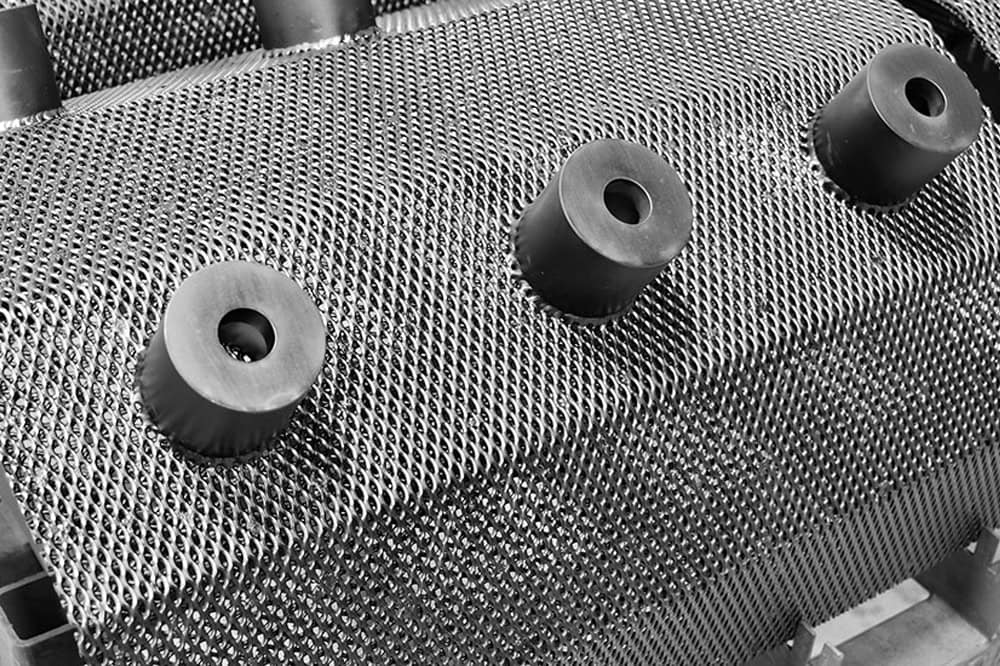
MMO Titanium Anode Comparison
To facilitate your quick selection, Wstitanium compares the parameters of commonly used MMO titanium anodes for aniline catalysis. Disclaimer: All data are derived from standard laboratory tests and actual engineering operation verification. However, the data are from constrained conditions and may not be applicable to general scenarios.
| Coating | Oxygen Evolution Overpotential (vs SCE, 1A/dm²) | Chlorine Evolution Overpotential (vs SCE, 1A/dm²) | Aniline Removal Rate (200mg/L, 2h, neutral) | COD Removal Rate (1000mg/L, 4h) | Current Efficiency | pH Range | Max Operating Temperature | Recommended Current Density | Accelerated Life (1mol/L H₂SO₄, 2A/cm²) | Cost Level |
|---|---|---|---|---|---|---|---|---|---|---|
| Ru-Ti | ≤1.60 V | ≤1.10 V | 92% (chloride-containing system) | 70% (chloride-containing system) | 60%-75% (chloride-containing) | 1-10 | 60℃ | 100-800 A/m² | ≥80 h | ★★☆☆☆ |
| Ru-Ir-Sn | ≤1.55 V | ≤1.15 V | 95% (general system) | 75%-80% | 55%-70% | 1-12 | 70℃ | 200-1500 A/m² | ≥120 h | ★★★☆☆ |
| Ir-Ta | ≤1.50 V | ≤1.30 V | 90% (chloride-free system) | 70%-75% | 50%-65% | 0-10 | 80℃ | 500-2000 A/m² | ≥200 h | ★★★★☆ |
| Ir-Sn-Sb | ≥1.75 V | ≤1.35 V | 99% (advanced treatment) | 80%-85% | 45%-60% | 2-12 | 70℃ | 300-1200 A/m² | ≥100 h | ★★★★☆ |
| Pt | ≤1.45 V | ≤1.20 V | 98% (synthesis applications) | - | 85%-95% (synthesis) | 0-14 | 90℃ | 100-3000 A/m² | ≥500 h | ★★★★★ |
| Note: Aniline removal rate test conditions: initial aniline concentration 200 mg/L, supporting electrolyte 0.5 mol/L Na₂SO₄ (chloride-free system) / 0.5 mol/L NaCl (chloride-containing system), current density 500 A/m², room temperature. Accelerated life test conditions: 1 mol/L H₂SO₄ solution, current density 2 A/cm², room temperature. | ||||||||||
Oxygen Evolution/Chlorine Evolution Overpotential
Overpotential is a core indicator for evaluating electrode catalytic activity, referring to the difference between the actual reaction potential and the theoretical equilibrium potential. A lower overpotential indicates less resistance to the electrochemical reaction, lower cell voltage at the same current density, and less energy consumption.
Chlorine Evolution Overpotential: Ruthenium coating is optimal. The ruthenium-titanium and ruthenium-iridium-tin coatings both have chlorine evolution overpotentials below 1.15 V, suitable for high-chlorine wastewater scenarios. They efficiently utilize chloride ions in wastewater to generate active chlorine, indirectly oxidizing and rapidly degrading aniline with low energy consumption and high efficiency.
Oxygen Evolution Overpotential: Iridium-tin-antimony coating has the highest overpotential, effectively suppressing oxygen evolution side reactions. Iridium-tantalum coating has a moderate oxygen evolution overpotential, balancing catalytic activity and stability, making it the mainstay for high-load wastewater treatment. Platinum-plated anodes have the lowest oxygen evolution overpotential and the strongest catalytic activity, suitable for synthesis reactions.
Degradation Efficiency and Current Efficiency
Aniline Removal Rate: All systems can achieve aniline removal rates above 90% under optimized conditions. Among them, the iridium-tin-antimony coating has the strongest deep treatment capability. Ruthenium coating performs excellently in chlorine-containing systems, exhibiting rapid aniline degradation and high treatment efficiency.
COD Removal Rate: Affected by intermediate products, the COD removal rate is generally lower than that of aniline. Aniline degradation generates intermediate products such as benzoquinone, maleic acid, and oxalic acid. These small-molecule organic compounds still contribute to COD. The COD removal rate is in the range of 70%-85%. Due to the strong oxidizing effect of active chlorine, chlorine-containing systems generally have higher COD removal rates than chlorine-free systems.
Current Efficiency: This refers to the proportion of current used for the target reaction to the total current, with the remaining current consumed by side reactions such as oxygen evolution and chlorine evolution. Chlorine-containing systems generally have higher current efficiency than chlorine-free systems because the indirect oxidation by active chlorine has higher current efficiency. Platinum anodes exhibit the highest current efficiency and the fewest side reactions in the synthesis reaction.
Recommended MMO Titanium Anode Coating for Catalytic Aniline
| Application | Aniline Concentration | Chloride Content | Core Requirements | Preferred Coating | Alternative Coating |
|---|---|---|---|---|---|
| Textile/Dye Aniline Wastewater | 50-300 mg/L | High (>1000 mg/L) | Efficient degradation, low cost | Ru-Ir-Sn | Ru-Ti |
| Pharmaceutical Intermediate Aniline Wastewater | 100-500 mg/L | Low (<100 mg/L) | Strong acid resistance, long life | Ir-Ta | Ir-Sn-Sb |
| Pesticide & Chemical Aniline Wastewater | 50-200 mg/L | Medium-high (>500 mg/L) | Simultaneous denitrification and aniline removal | Ru-Ir-Sn | Ir-Ta |
| Rubber Additive Aniline Wastewater | 30-200 mg/L | Medium (sulfate-dominated) | Stable operation, low maintenance | Ir-Ta | Ru-Ir-Sn |
| MDI Industry Aniline Wastewater | 20-100 mg/L | High (>3000 mg/L) | High flow rate, low cost | Ru-Ti | Ru-Ir-Sn |
| Advanced Treatment of Aniline Wastewater | <50 mg/L | Unrestricted | Compliant discharge, high salinity | Ir-Sn-Sb | Ru-Ir-Sn |
| Polyaniline Electrochemical Synthesis | 0.05-0.5 mol/L | Unrestricted | High purity, high selectivity | Pt-coated Titanium Anode | Ir-Ta |
| High-Concentration Aniline Mother Liquor | >1000 mg/L | Unrestricted | Efficient treatment, small footprint | Nano-modified Ir-Ta | Ru-Ir-Sn |
MMO Titanium Anodes in Aniline Catalysis
Aniline wastewater and synthesis technologies vary greatly across different industries, leading to different requirements for anode materials. Wstitanium has developed customized MMO titanium anode solutions tailored to the specific characteristics of each industry.
Dye and Pigment Industry
The dye industry is a traditional application area for aniline. Approximately 12% of aniline is used in the production of various dyes and organic pigments, including indigo, acid dyes, direct dyes, disperse dyes, cationic dyes, and organic pigments such as Golden Red and Scarlet.
Wastewater Characteristics
Aniline concentrations can reach 1000-8000 mg/L. The average aniline concentration in general wastewater is 50-500 mg/L. Some companies producing azo dyes have even higher aniline concentrations in their wastewater. Aniline and its derivatives are easily oxidized and develop color, resulting in wastewater color increases of 500-2000 times. The wastewater contains high levels of sulfates and chlorides due to the presence of hydrochloric acid, sulfuric acid, and liquid alkali. Salinity is typically 3%-10%. The wastewater contains dozens of pollutants, including various aniline derivatives, nitrobenzene, azo intermediates, and benzene compounds. The B/C ratio is typically below 0.25.

Wstitanium Solutions
- Recommended Coating: Ruthenium-Iridium-Tin.
- Recommended shape: Mesh anode.
Degrades aniline, reduces biotoxicity, improves biodegradability, and significantly decolorizes. Chloride ions are converted into active chlorine, which synergistically oxidizes aniline and chromogenic groups, completing decolorization and degradation simultaneously without the need for additional decolorizing agents. No chemicals are required, and sludge production is significantly lower than with Fenton technology.
Results
Ruthenium-iridium-tin mesh anode treatment of dyeing and printing wastewater with aniline concentration of 72 mg/L, COD of 2350 mg/L, and chloride ion concentration of 3500 mg/L was achieved at a current density of 400 A/m² and a hydraulic retention time of 2 h.
- Aniline removal rate: 99.2%, effluent aniline < 0.5 mg/L
- COD removal rate: 68.5%
- Color removal rate: 95%, effluent colorless and transparent
- B/C ratio: increased from 0.21 to 0.42
Pharmaceutical Intermediates Industry
Aniline is a key intermediate in many pharmaceutical products, including sulfonamides, antipyretics and analgesics, antituberculosis drugs, and vitamins. Medical wastewater contains aniline concentrations of 500-3000 mg/L. Combined wastewater contains 50-300 mg/L. It contains various toxic byproducts such as nitrobenzene, phenol, benzoquinone, and organic solvents. It is mostly strongly acidic or alkaline wastewater with a pH range of 1-3 or 10-12. It contains large amounts of sulfates, sodium chloride, and other salts.

Wstitanium Solutions
Iridium-tantalum coated MMO titanium anode. Plate anode (uniform current distribution, suitable for high-load operation, easy to clean and maintain). Specifically designed for high-concentration aniline wastewater, it significantly degrades aniline and toxic intermediates, reducing biotoxicity. It effectively breaks down the benzene ring structure, reducing wastewater toxicity.
Results
- For Aniline concentration: 480 mg/L
- For Gross COD: 8900 mg/L
- For pH: 2
- For Current density: 800 A/m²
- For Reaction time: 4 h
- Aniline removal rate: 96.8%
- Effluent aniline < 15 mg/L
- COD removal rate: 42%
- B/C ratio from 0.18 to 0.35
Pesticide and Chemical Industry
Aniline is a raw material for the synthesis of various herbicides, fungicides, and insecticides, such as propargite, oxychloride, thiophanate-methyl, and metalaxyl. Wastewater from the pesticide industry is highly toxic and difficult to degrade, making it a key area for environmental remediation. The wastewater often contains various aniline pollutants, including aniline, o-chloroaniline, p-chloroaniline, and 2,4-dichloroaniline. It also contains large amounts of ammonium chloride, sodium sulfate, and other salts, resulting in high concentrations of ammonia nitrogen and total nitrogen, making treatment difficult.

Wstitanium Solutions
Ruthenium-Iridium-Tin MMO Titanium Anode. Tubular anode assembly (three-dimensional tubular reactor, improving mass transfer efficiency and treatment capacity). Utilizes chloride ions in wastewater to generate active chlorine, synergistically oxidizing aniline pollutants, while simultaneously oxidizing and removing ammonia nitrogen.
Results
RuIrSn tubular anode bundle treatment for pesticide wastewater containing aniline 85 mg/L, chloroaniline 42 mg/L, ammonia nitrogen 120 mg/L, and total salt 8%. Current density: 600 A/m², hydraulic retention time: 3 h.
- Aniline removal rate: 98.7%
- Total aniline in effluent: < 2 mg/L
- Ammonia nitrogen removal: 92%
- Ammonia nitrogen in effluent: < 10 mg/L
- COD removal rate: 55%
- Ammonia nitrogen removal: 92%
MMO Titanium Anode Structure Shape
The shape and structure of the anode affect current distribution, mass transfer efficiency, installation, and reactor compatibility, making it a crucial factor in electrode selection. Wstitanium offers a variety of standard shapes of aniline-specific MMO titanium anodes and also supports custom-shaped designs.

Plate Titanium Anode
- Thickness: 0.5-10 mm
- Flatness: ≤0.5 mm/m
- Length: 100-2000 mm
- Width: 100-1000 mm
- Tolerance: As per drawing

Mesh Titanium Anode
- Porosity: 40%-70%
- Dimensions: 100×100 mm ~ 1500×3000 mm
- Thickness: 0.5-5.0 mm
- Mesh size: 1×2 mm-10×20 mm
- Conductive rod diameter: Φ8-Φ20 mm

Tubular Titanium Anode
- Gr1/Gr2 Seamless Titanium Tube
- Outer Diameter: Φ10-Φ114 mm
- Wall Thickness: 0.5-5.0 mm
- Maximum Length: 6000 mm
- Connections: Threaded, Welded, Flange

Rod Titanium Anode
- Solid Gr1/Gr2 titanium rods
- Diameter Φ2-Φ20 mm
- Custom length
- Uniform current distribution
- Relatively low cost

Basket Titanium Anode
- ASTM B265 Gr1/Gr2
- Size: Customized
- Mesh: 5×10mm-20×40mm
- Connection: Welding, Flange
- High Electrolysis Efficiency

Custom Titanium Anode
- Disc Titanium Anode
- Grid Titanium Anode
- Spiral Titanium Anode
- Cellular Titanium Anode
- Following drawings (STP, PDF)
FAQ
The catalytic degradation of aniline using MMO titanium anodes involves both direct and indirect oxidation. These two processes work synergistically to achieve highly efficient aniline degradation:
Direct Oxidation: Aniline molecules diffuse to the anode surface and are oxidized through direct electron transfer, first generating aniline free radicals, which then gradually transform into intermediate products such as benzoquinone, maleic acid, and oxalic acid, ultimately undergoing ring-opening mineralization into CO₂ and H₂O.
Indirect Oxidation: The anode electrolyzes water molecules or electrolyte ions in the electrolyte, generating highly reactive oxidizing species. In chlorine-free systems, hydroxyl radicals (•OH, oxidation potential 2.8 V) and superoxide radicals are mainly generated. In chlorine-containing systems, active chlorine (Cl₂, HClO, ClO⁻) is mainly generated. These reactive species non-selectively oxidize aniline and intermediate products, significantly improving degradation efficiency and mineralization.
In chlorine-containing wastewater, indirect oxidation is dominant, resulting in rapid and efficient degradation. In chlorine-free wastewater, direct oxidation and hydroxyl radical indirect oxidation are the main processes. Mineralization depends on the oxygen evolution potential and catalytic performance of the electrode.
There is no absolute better or worse; it mainly depends on the chloride ion content and pH conditions of the wastewater. Suitability is key.
High chloride ion content (>1000 mg/L): Ruthenium-based coatings are better. Ruthenium-based coatings have a low chloride evolution overpotential, efficiently utilizing chloride ions in the wastewater to generate active chlorine for indirect oxidation of aniline, resulting in low energy consumption, high efficiency, and lower cost.
Low chloride ion content (<100 mg/L): Iridium-based coatings are better. Iridium-based coatings have strong oxygen evolution stability, and their service life is much longer than that of ruthenium-based coatings in a strong oxidizing environment without chloride.
Medium chloride content or large fluctuations in water quality: Ruthenium-iridium-tin coatings are recommended, balancing chloride and oxygen evolution performance.
Simultaneously, pH must be considered. For strongly acidic wastewater (pH < 3), even if chlorine is present, we recommend using iridium-based or ruthenium-iridium-tin coatings to avoid rapid degradation of pure ruthenium-titanium coatings under strong acid conditions.
The aniline removal rate is related to various factors such as reaction time, current density, initial concentration, water composition, and coating type, and there is no fixed value. Under optimized conditions, a reaction time of 2-4 hours can achieve a 95%-99% removal rate of aniline monomers.
The COD removal rate is usually lower than the aniline removal rate because aniline degradation produces intermediate products such as benzoquinone and maleic acid. These small molecules still contribute to COD. Under normal conditions, a reaction time of 4 hours results in a COD removal rate of approximately 60%-80%. The removal efficiency of chlorine-containing systems is generally higher than that of chlorine-free systems because active chlorine has stronger oxidizing power and a faster reaction rate.
The removal rate needs to be calculated based on actual water quality parameters. Wstitanium provides small-scale experimental verification, providing accurate removal rate data and technical parameters.
Fluoride ions severely damage MMO titanium anodes, acting as the “number one killer” of the anode. The corrosion resistance of the titanium substrate relies on a dense TiO₂ passivation film that spontaneously forms on its surface. Fluoride ions react with TiO₂ to form soluble fluoride-titanium complexes, destroying the passivation film. This leads to corrosion of the titanium substrate, blistering and peeling of the coating, and a significant reduction in electrode life.
Fluoride ion concentration < 5 ppm: Minimal impact, normal use.
Fluoride ion concentration 5-50 ppm: A fluoride-resistant modified coating is required to increase coating density and prevent fluoride ions from corroding the substrate.
Fluoride ion concentration > 50 ppm: Direct use of MMO titanium anodes is not recommended. Pre-treatment to remove fluoride ions is necessary to reduce the fluoride ion concentration to a safe level before using the MMO titanium anode.
The main operating cost is electricity, which varies considerably depending on factors such as water concentration, treatment requirements, and salinity.
For conventional aniline wastewater pretreatment with an aniline concentration of 100-300 mg/L, the electricity consumption is approximately 2-5 kW·h per ton of water.
For advanced treatment to meet discharge standards, with lower aniline concentrations but requiring high mineralization, the electricity consumption is approximately 4-8 kW·h per ton of water.
High-salinity wastewater has lower energy consumption due to its good conductivity and lower tank pressure; high-concentration, high-requirement wastewater has relatively higher energy consumption.
Compared to advanced oxidation technologies such as Fenton and ozone, electrocatalytic oxidation requires no chemical additives, produces very little sludge, and incurs no reagent storage and transportation costs, resulting in generally lower overall operating costs.
Polyaniline synthesis requires high purity and stability from the anode, making a platinum-plated titanium anode the optimal choice.
High purity: The platinum coating is chemically extremely stable, releasing almost no impurity ions in strongly acidic polymerization systems.
Good catalytic selectivity: Platinum exhibits high catalytic activity for aniline polymerization, allowing for precise control of the polymerization potential and reducing side reactions.
Long service life: The platinum coating is resistant to strong acids and oxidative corrosion, resulting in a much longer service life than ordinary MMO coatings and graphite electrodes.
It is generally recommended to use a combination of technologies to achieve the optimal balance between treatment effectiveness and operating costs, depending on the influent concentration and effluent requirements.
High-concentration aniline wastewater: A combination of “electrocatalytic oxidation pretreatment + biological treatment” is recommended. Electrocatalysis is responsible for degrading aniline, breaking down the benzene ring, reducing biotoxicity, and improving biodegradability. Subsequent biological treatment removes most of the COD.
Low-concentration biological effluent: Direct deep treatment with electrocatalytic oxidation ensures that aniline and COD meet discharge standards, without the need for other processes.
Wastewater with particularly complex composition: Pretreatment methods such as coagulation, flotation, and micro-electrolysis can be used to remove suspended solids and some pollutants, reducing the load on the electrocatalytic process and lowering operating costs.
The Wstitanium technical team can provide comprehensive technical advice based on the customer’s influent water quality and effluent requirements to help you design the optimal treatment route.