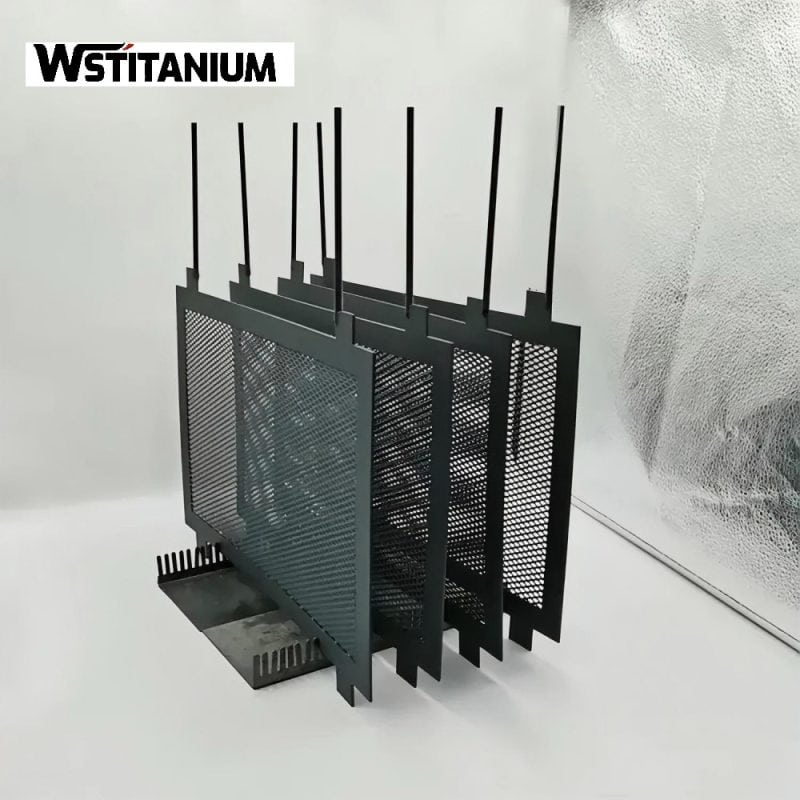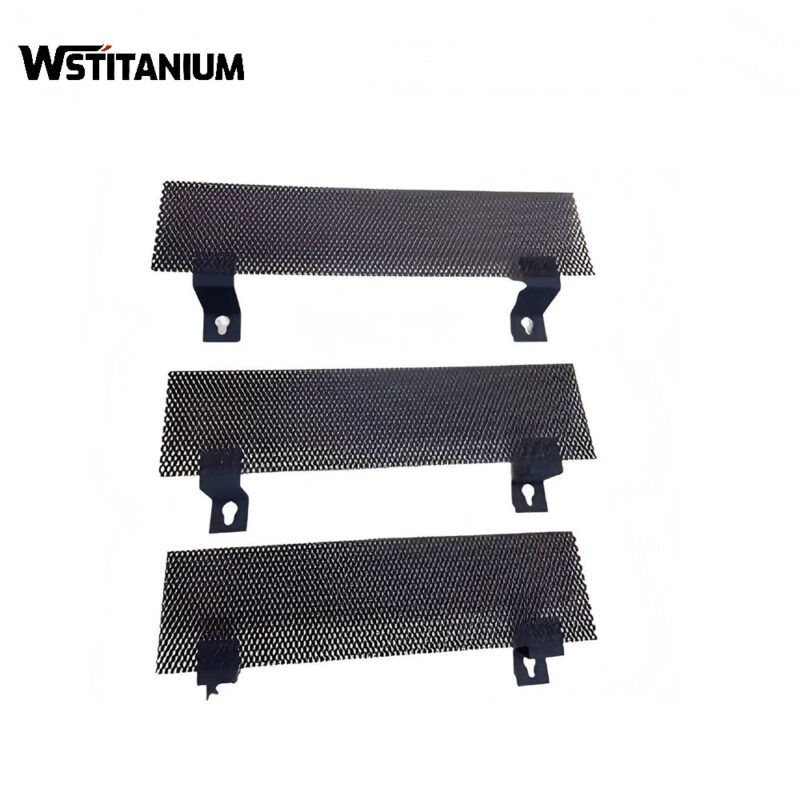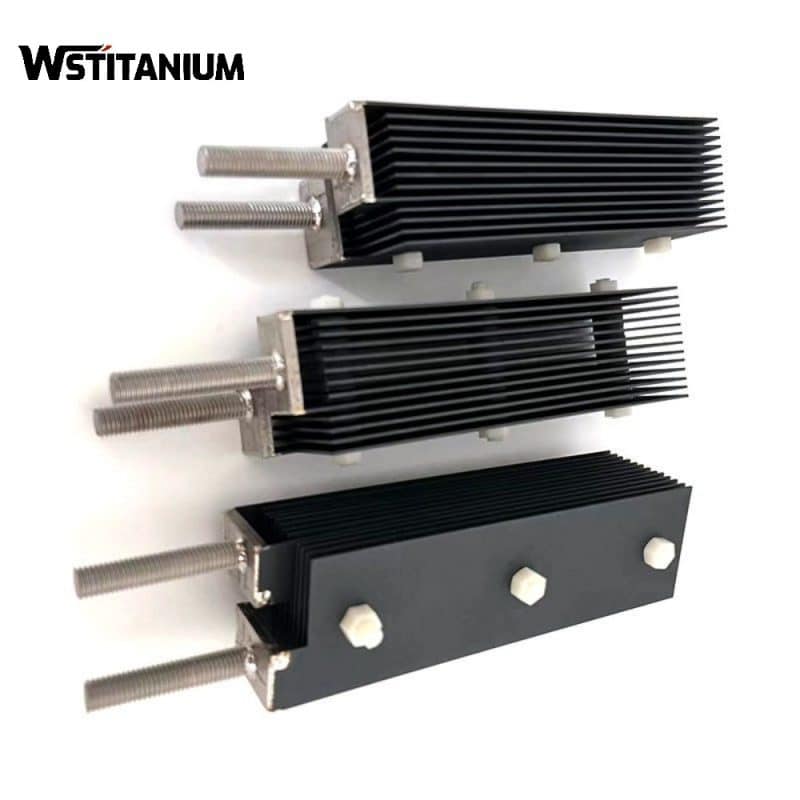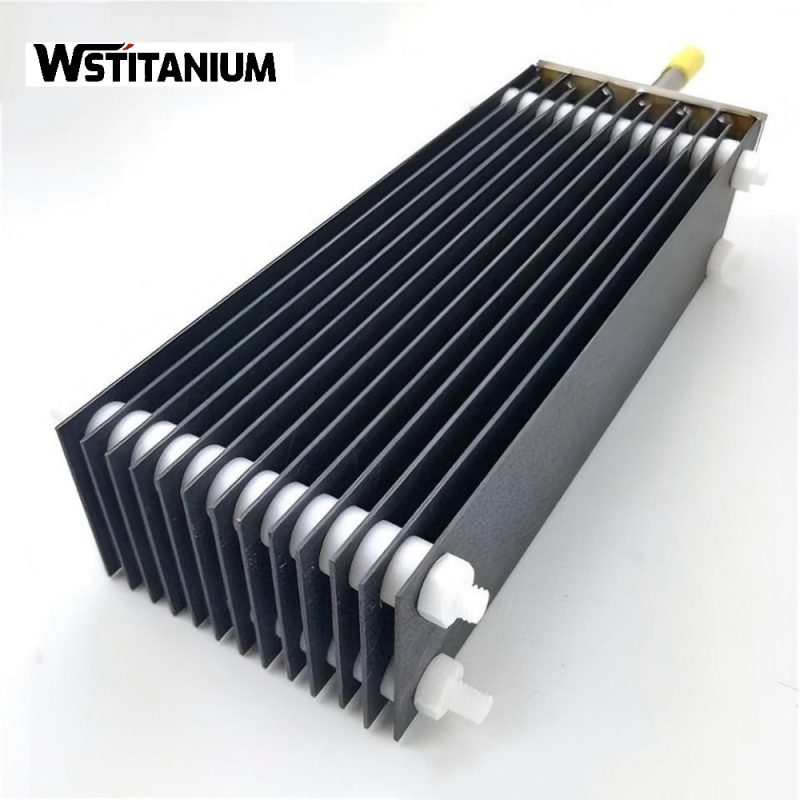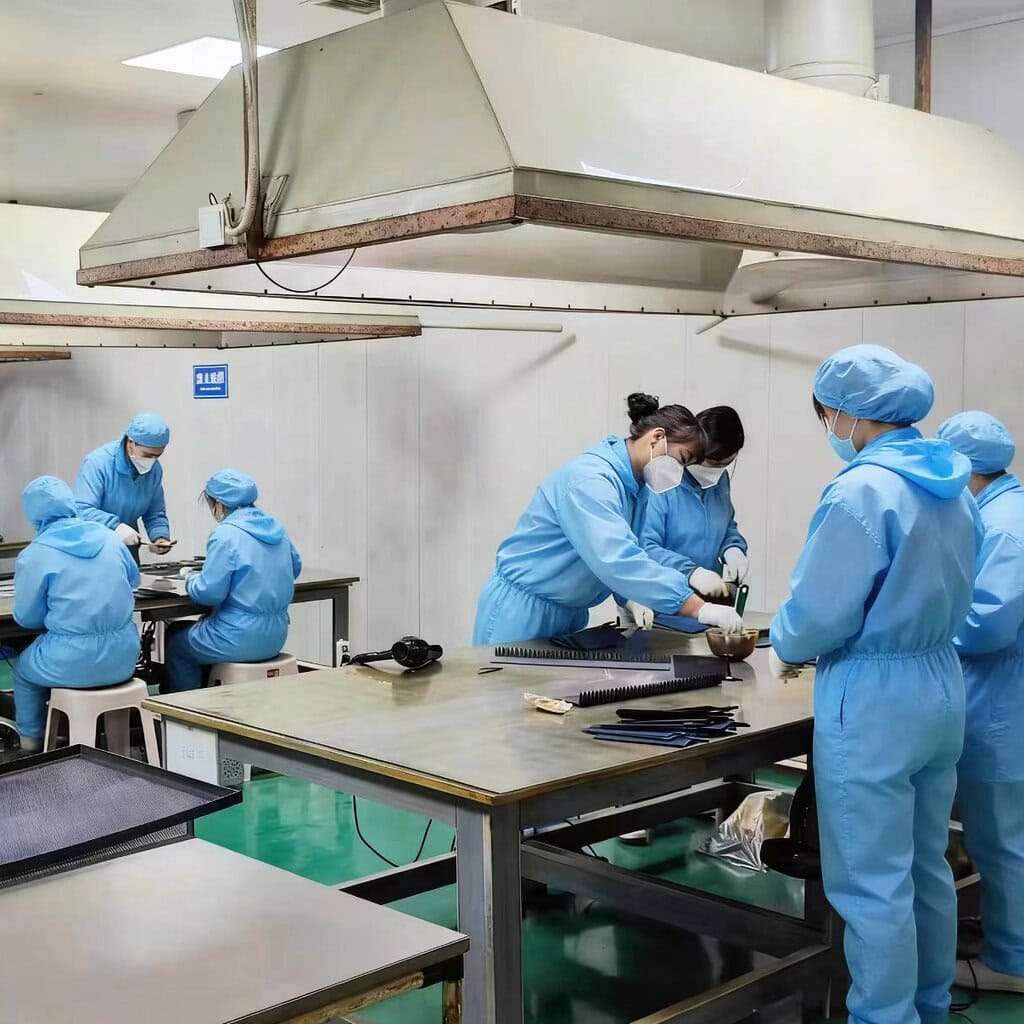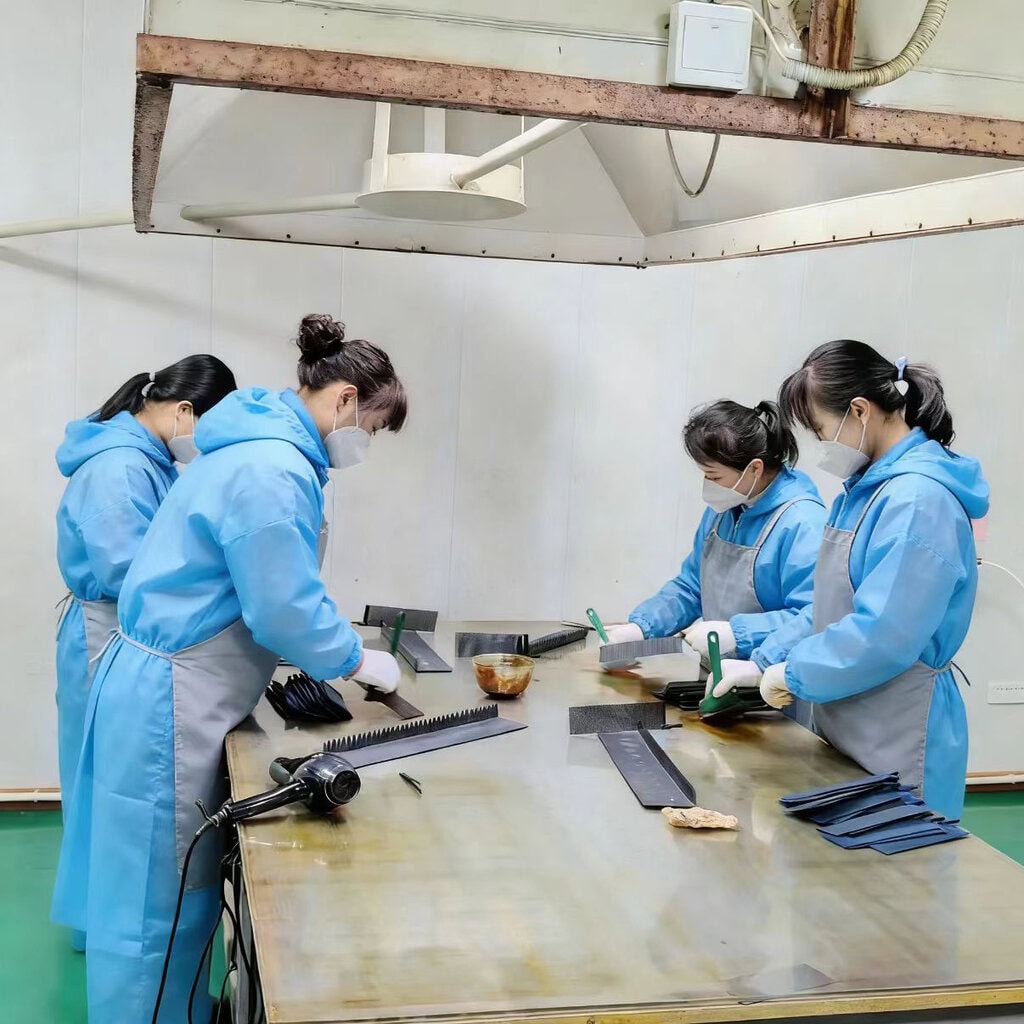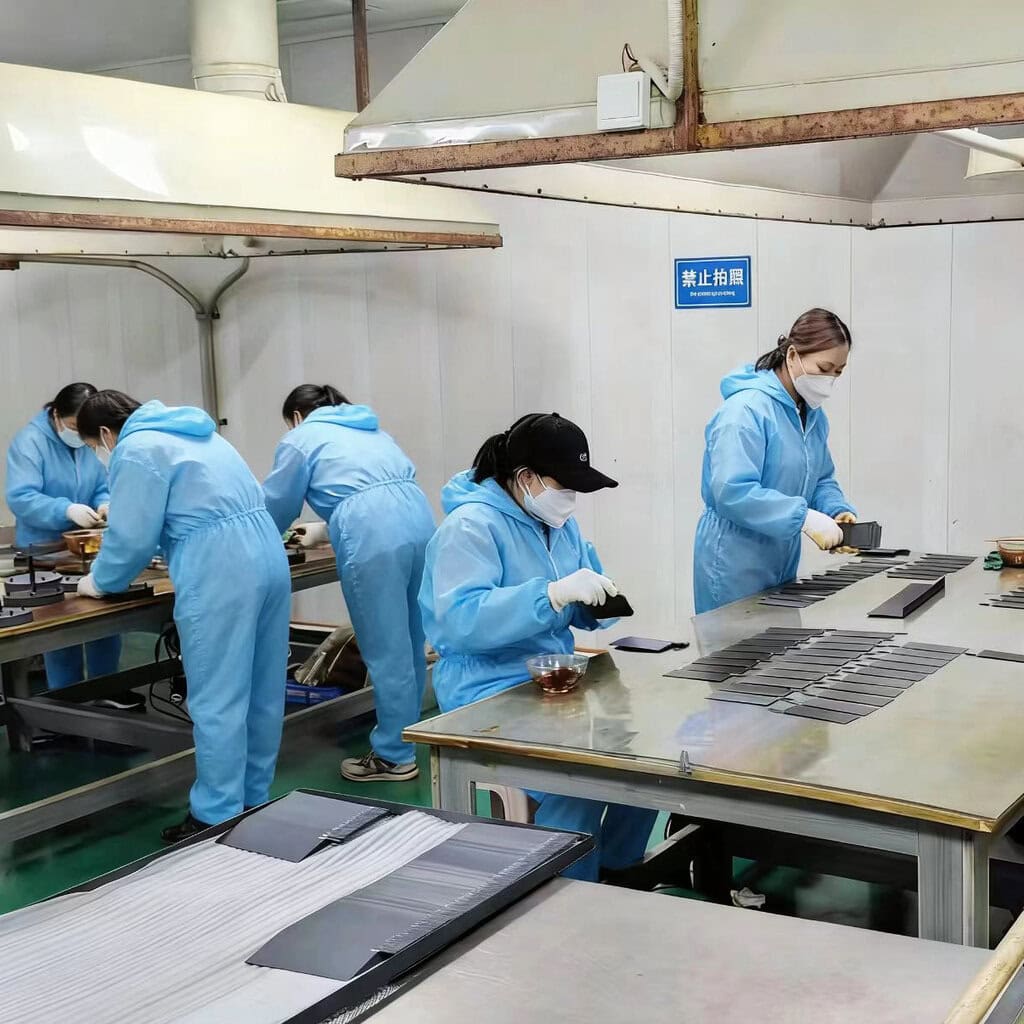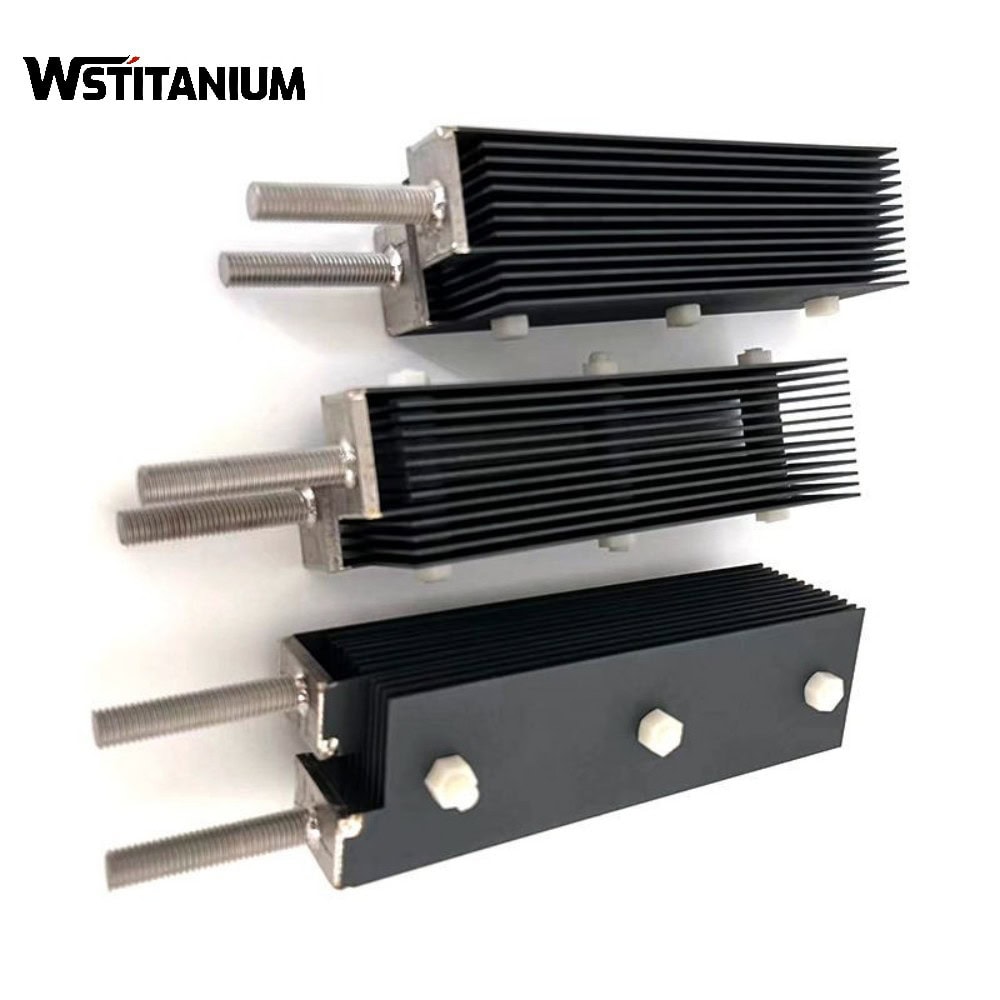

MMO titanium anodes electrolyze sodium chloride in swimming pool water to produce hypochlorous acid (HClO)—a highly efficient disinfectant that is more than 80 times more effective than traditional chlorine-based disinfectants. After completing its disinfection process, the hypochlorous acid decomposes back into chloride ions and water. Wstitanium provides high-performance, long-life, and customized electrolysis electrode solutions for the swimming pool industry, including home swimming pools, hotel and club pools, large water parks, and Olympic-standard competition pools.
MMO Titanium Anode Coating System
The performance of MMO titanium anodes depends on the mixed metal oxide coating on their surface. The coating determines the anode’s electrocatalytic activity, corrosion resistance, current efficiency, and lifespan. Wstitanium has developed several coating systems for swimming pool disinfection.
RuO₂-iridium-titanium coating is the most mainstream and mature coating system for swimming pool disinfection. High-temperature thermal decomposition forms a uniform, dense, and porous catalytic layer on the surface of the mixed oxide titanium substrate. Optimal molar ratio: RuO₂ 40-50 mol%, IrO₂ 20-30 mol%, TiO₂ 20-40 mol%. Accelerated life test (1 mol/L H₂SO₄ solution, 20 kA/m² current density) verifies that its enhanced lifespan is ≥3000 hours.
- Chlorine evolution overpotential: ≤1.13V (vs SCE)
- Current efficiency: ≥85%
- 1 kWh of electrical energy produces 200g of chlorine
- Polarizability: ≤40 mV/decade
- For Salt content: 2500-3500 ppm
- pH 1-12, temperature 0-60℃
- Current density ≤2500A/m²
- Lifespan is 5-8 years
Iridium-tantalum coating is a high-performance oxygen-evolving coating that also exhibits some chlorine evolution capability. This coating system uses iridium dioxide (IrO₂) as the main active component, tantalum pentoxide (Ta₂O₅) as a stabilizer, and titanium dioxide (TiO₂) as a carrier. The molar ratio is 60-70 mol% IrO₂, 20-30 mol% Ta₂O₅, and 10-20 mol% TiO₂. Its accelerated life test results are ≥5000 hours.
- Lifespan: 8-12 years
- Current efficiency: ≥92%
- Oxygen evolution overpotential: ≤1.48V (vs SCE)
- Chlorine evolution overpotential: ≤1.20V (vs SCE)
- pH 1-12, temperature 0-80℃
- Current density ≤4000A/m²
It exhibits excellent resistance to strong acids, strong alkalis, and high current densities. Its anti-scaling ability effectively reduces the deposition of calcium and magnesium ions on the electrode surface.
MMO Titanium Anode Comparison
To help you understand the performance differences of MMO titanium anodes with different coating systems more intuitively, Wstitanium has created the following detailed parameter comparison table. All data comes from actual test results in the Wstitanium laboratory and authoritative industry standards.
| Parameter | RuO₂-IrO₂-TiO₂ | IrO₂-Ta₂O₅-TiO₂ | Pt (Platinum) | Default Standard / Test Method |
|---|---|---|---|---|
| Substrate | ASTM B265 Gr1/Gr2 Pure Titanium | ASTM B265 Gr1/Gr2 Pure Titanium | ASTM B265 Gr1/Gr2 Pure Titanium | Titanium Purity ≥ 99.5% |
| Coating Thickness | 6–15 µm | 8–20 µm | 0.2–10 µm | X-Ray Fluorescence Spectrometry (XRF) |
| Coating Uniformity | ≥ 95% | ≥ 95% | ≥ 98% | Surface Profilometer Measurement |
| Coating Adhesion Strength | ≥ 15 MPa | ≥ 18 MPa | ≥ 20 MPa | Scratch Test |
| Chlorine Evolution Potential (vs SCE) | ≤ 1.13V @ 2000 A/m² | ≤ 1.20V @ 2000 A/m² | ≤ 1.10V @ 2000 A/m² | Three-Electrode System, 3% NaCl Solution |
| Oxygen Evolution Potential (vs SCE) | ≤ 1.55V @ 1000 A/m² | ≤ 1.48V @ 1000 A/m² | ≤ 1.45V @ 1000 A/m² | Three-Electrode System, 0.5mol/L H₂SO₄ Solution |
| Current Efficiency | ≥ 85% | ≥ 92% | ≥ 95% | Iodometric Titration for Available Chlorine Production |
| Operating Current Density | 500–1500 A/m² | 300–1000 A/m² | 500–2000 A/m² | Optimal Conditions for Swimming Pool Disinfection |
| Maximum Current Density | 2000 A/m² | 3000 A/m² | 10000 A/m² | Short-Term Operation |
| Cell Operating Voltage | 2.8–3.5V / single cell | 3.0–3.8V / single cell | 2.5–3.2V / single cell | Dependent on Current Density & Electrode Spacing |
| pH Range | 1–12 | 1–14 | 1–14 | Long-Term Stable Operation |
| Operating Temperature | 0–60°C | 0–85°C | 0–150°C | - |
| Fluoride Ion Tolerance | <10 mg/L | <50 mg/L | <100 mg/L | Fluoride accelerates coating corrosion |
| Anti-Fouling Property | Fair | Good | Excellent | - |
| Design Service Life | 5–8 years | 8–12 years | 15–20 years | Continuous Operation |
| Accelerated Life Test | ≥ 3000 hours | ≥ 5000 hours | ≥ 10000 hours | 1mol/L H₂SO₄, 20kA/m² |
| Energy Consumption | 3–4 kWh/kg Cl₂ | 3.5–4.5 kWh/kg Cl₂ | 2.5–3.5 kWh/kg Cl₂ | Default Operating Conditions |
| Initial Cost | Medium | Higher | Highest | - |
| Total Cost of Ownership (TCO) | Lowest | Lower | Higher | 10-year cycle |
| Main Application Scenarios | Standard saltwater pools, residential pools, small & medium commercial pools | Hot spring pools, mineral-rich pools, large public pools, complex water quality pools | Medical rehabilitation pools, baby pools, high-end private pools | - |
1. Accelerated life test conditions: 1mol/L H₂SO₄ solution, temperature 25±2°C, current density 20kA/m². Test failure is defined as a 2V increase in cell voltage.
2. Design service life is based on standard conditions: salt concentration 3000–4000ppm, water temperature 25–30°C, pH 7.2–7.8, continuous operation, no reverse current, regular maintenance.
3. Actual service life depends on on-site operating conditions, maintenance frequency, and water quality environment.
MMO Titanium Anode Structures for Swimming Pools
Wstitanium offers a variety of MMO titanium anode shapes to suit different types of swimming pool disinfection equipment and installation requirements. Each anode shape has its unique advantages and applicable scenarios. Our technical team will recommend the most suitable product for your needs.
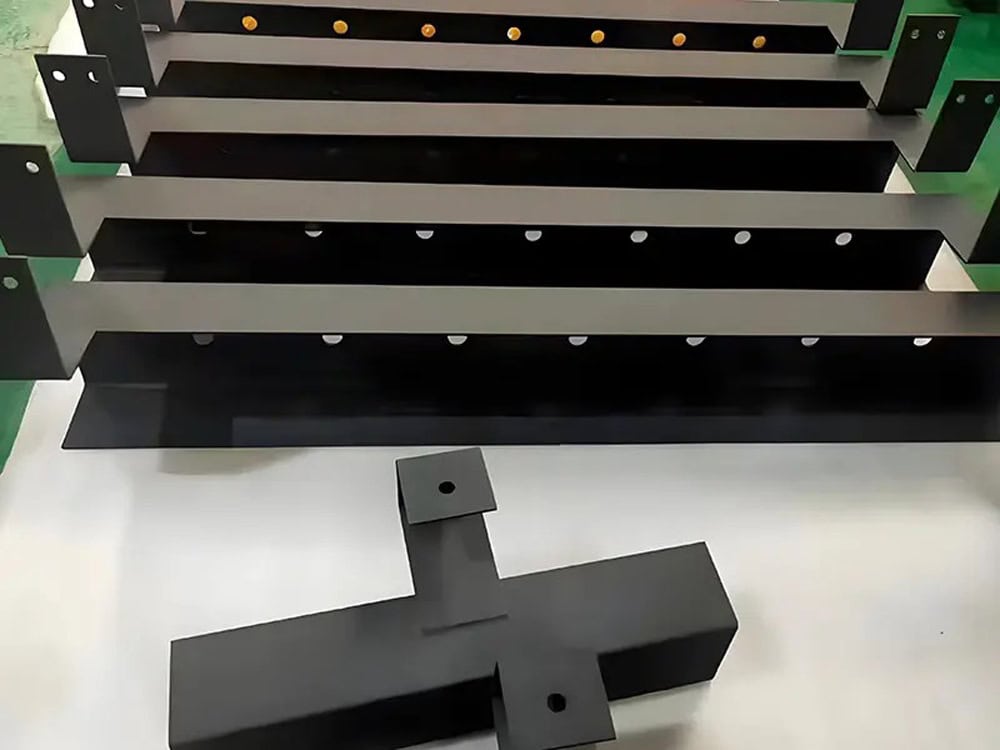
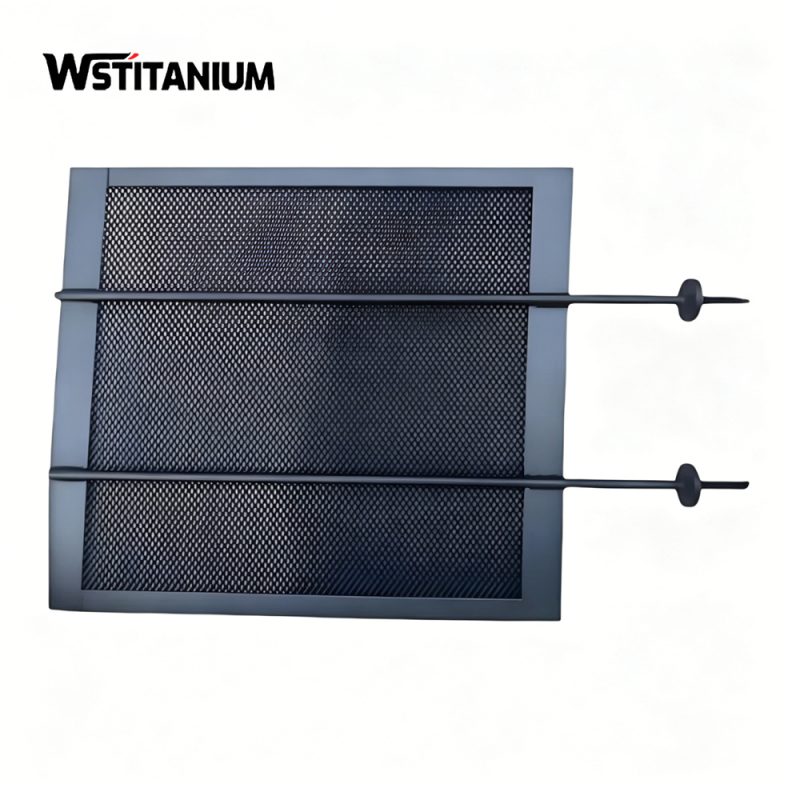
Plate Titanium Anode
- Maximum: 2000mm × 1000mm
- Surface Roughness: Ra≤3.2μm
- Flatness: ≤0.1mm/m
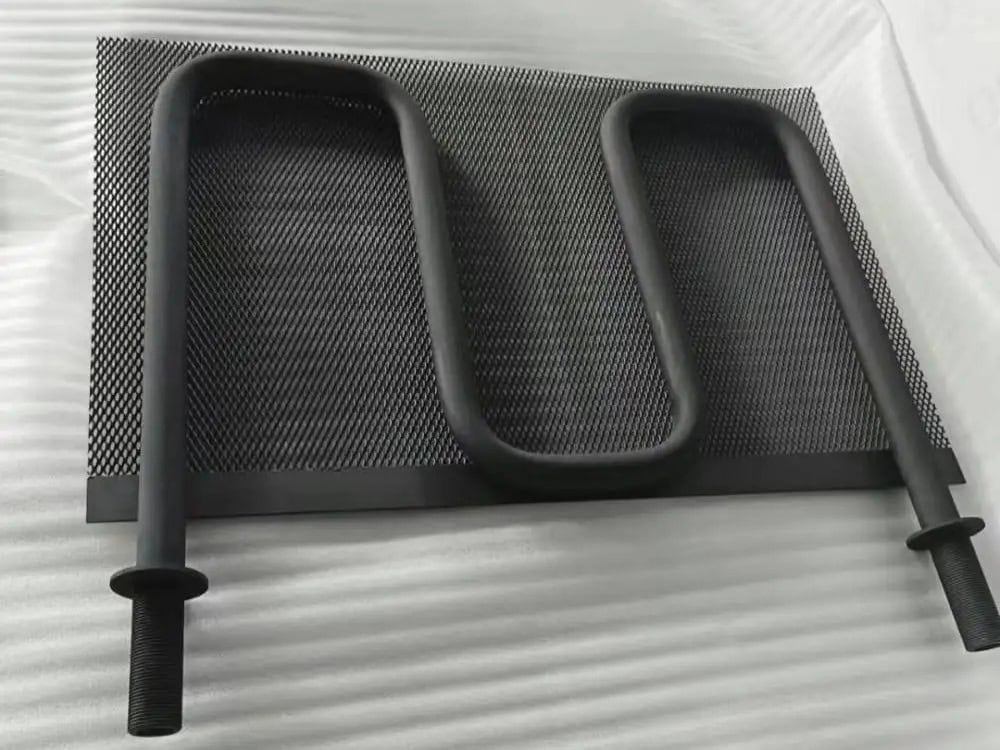
- For Residential Swimming Pool Chlorinator
- For Commercial Swimming Pool Chlorinator
Plate titanium anodes typically have a thickness of 0.5-3.0mm. Conductive connections: welded titanium terminals, copper-titanium composite terminals, or flange/bolted connections.
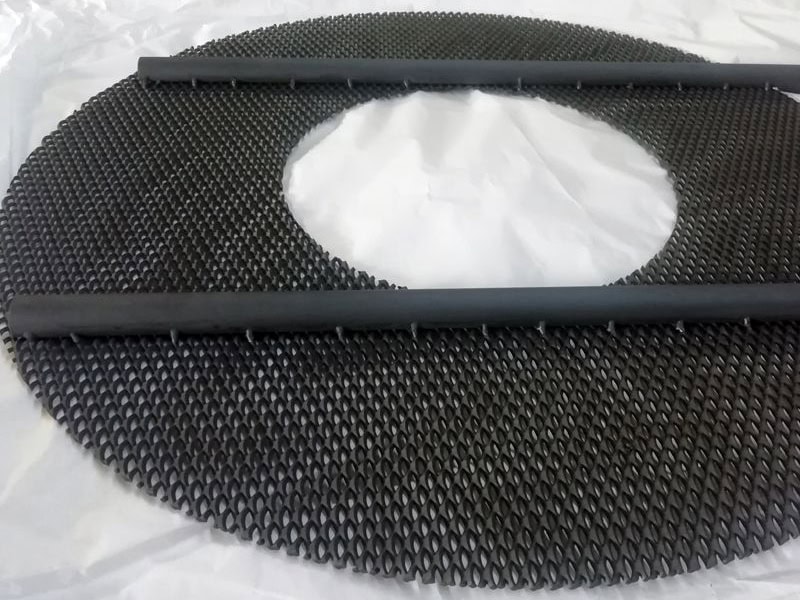
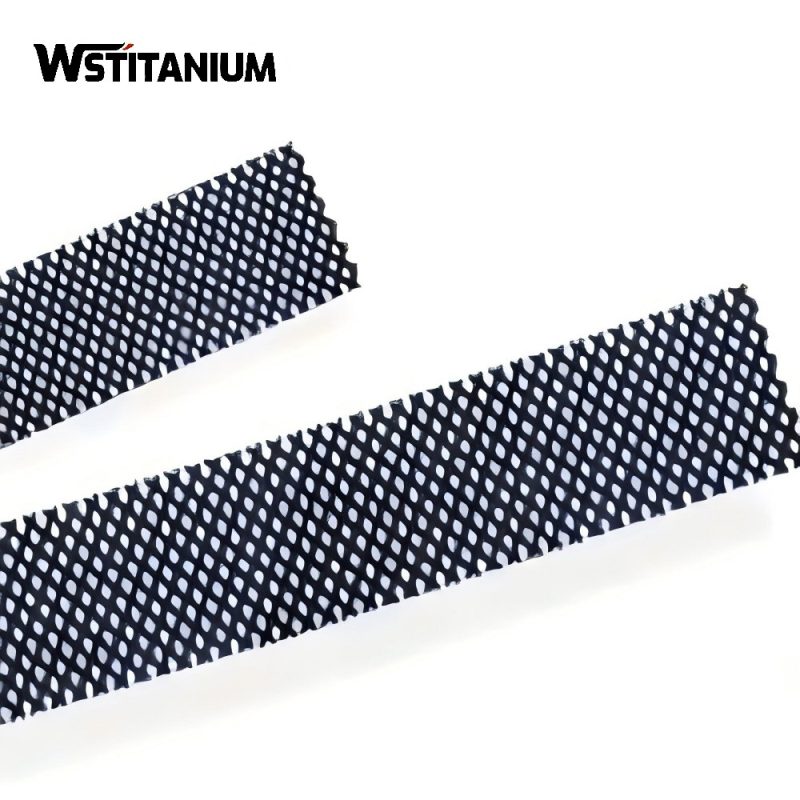
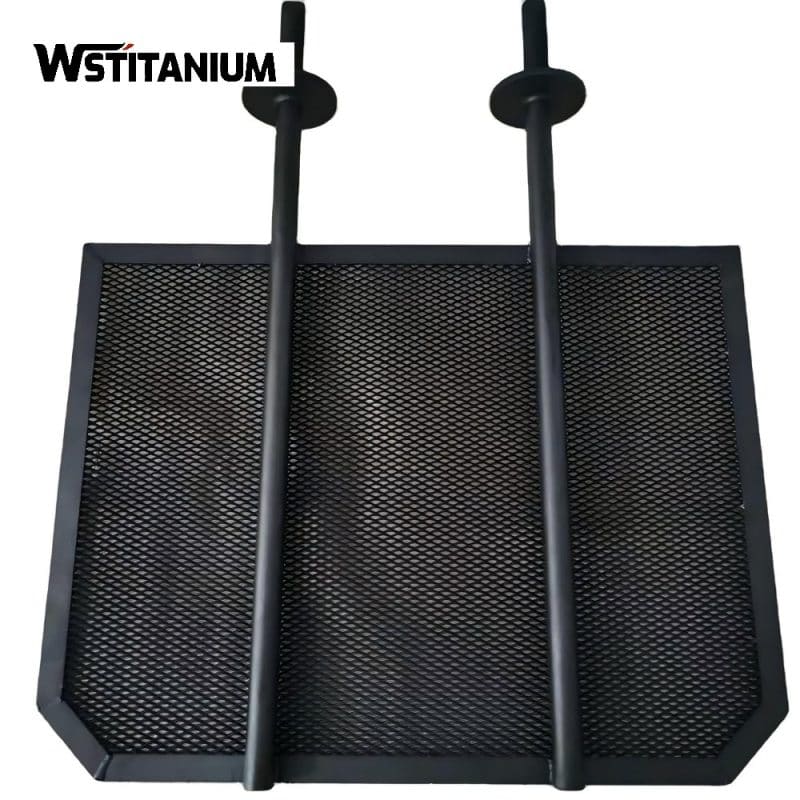
Mesh Titanium Anode
- Wire diameter: 1-10mm
- Mesh size: 5×10mm-20×40mm
- Maximum size: 1000mm×2000mm
- Welding or terminal connection
- For large public swimming pools
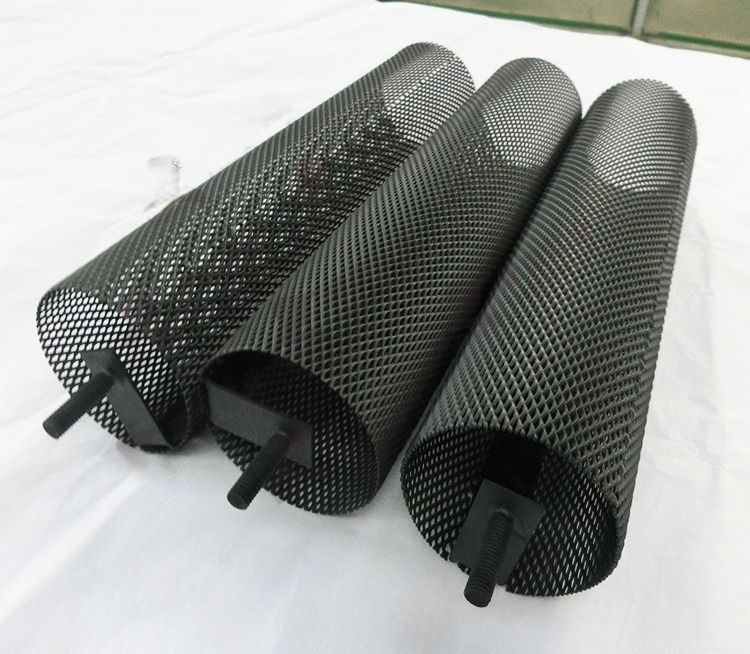
Meat titanium anodes are made of titanium mesh, offering a larger specific surface area and better fluid permeability. Suitable for high-flow-rate swimming pool circulating water disinfection systems.
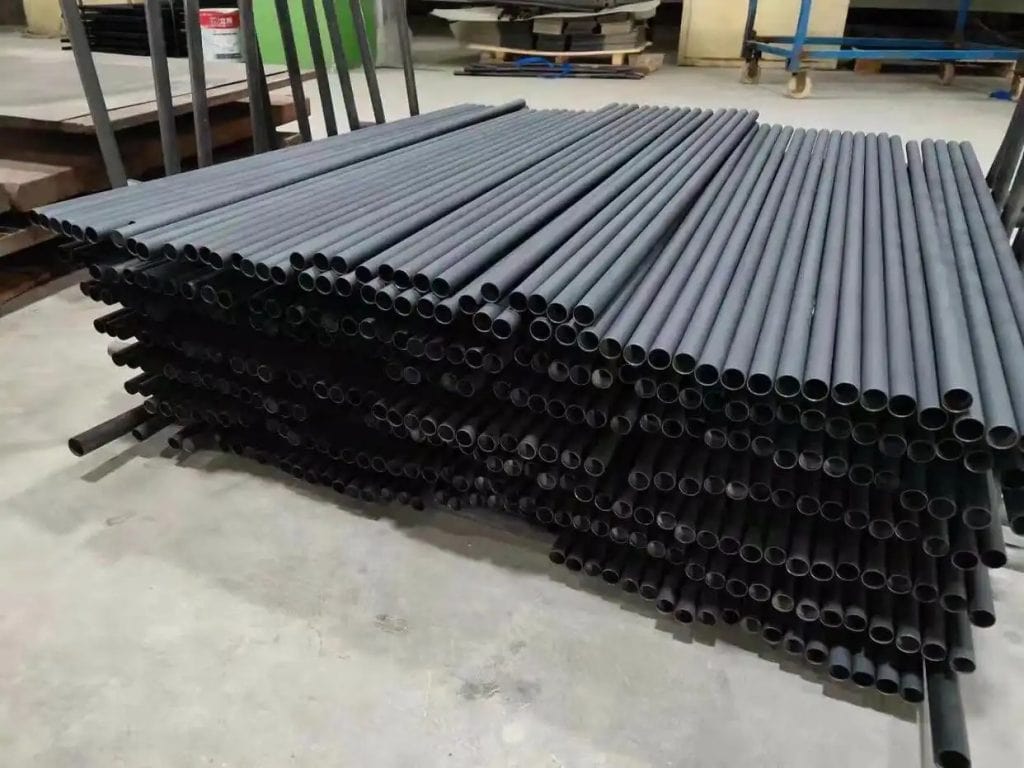
Tubular Titanium Anode
- Outer Diameter: 10-200mm
- Wall Thickness: 1-5mm
- Maximum Length: 3000mm
- Threaded/Flanged Connections
- For Circulating Water Pipelines
Tubular titanium anodes are made of seamless titanium tubes. Both inner and outer surfaces are coated with MMO. They allow for 360-degree uniform electrolysis and possess high mechanical strength.
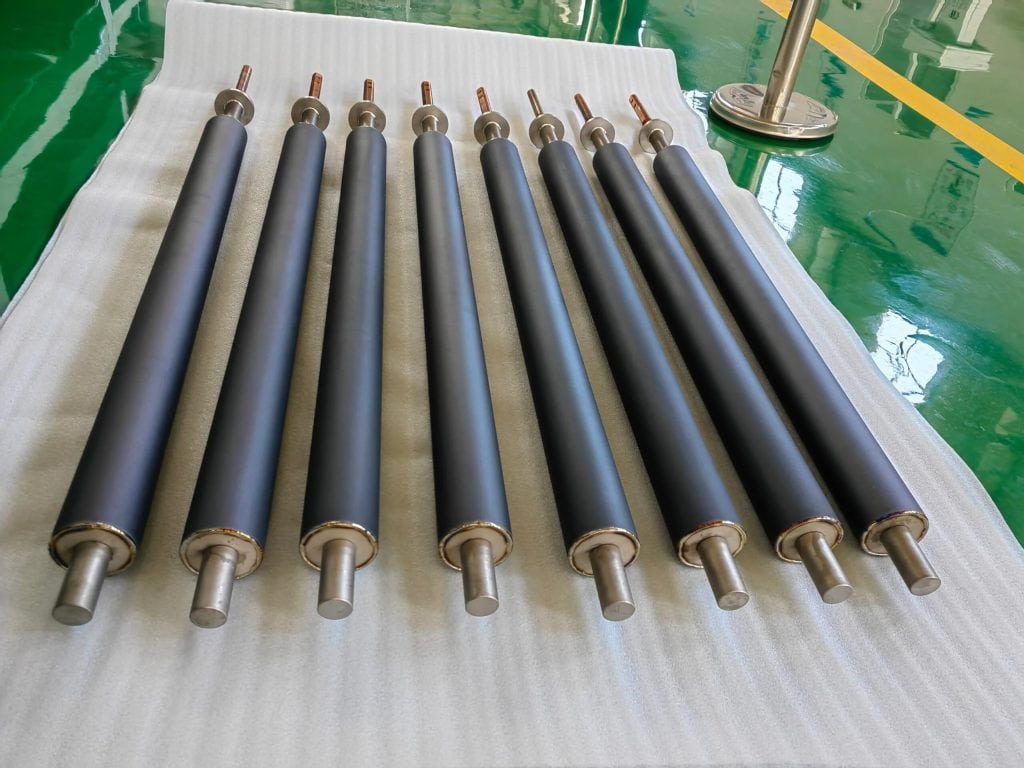
Titanium Rod Anodes
- Diameter: 5-50mm
- Length: 100-1000mm
- Threaded connection, welded connection
Titanium rod anodes are made of solid titanium rods coated with MMO. They have a simple structure and high impact resistance. Suitable for electrolytic cells of various shapes. Titanium rod anodes are mainly used in disinfection equipment for small swimming pools and spa pools.
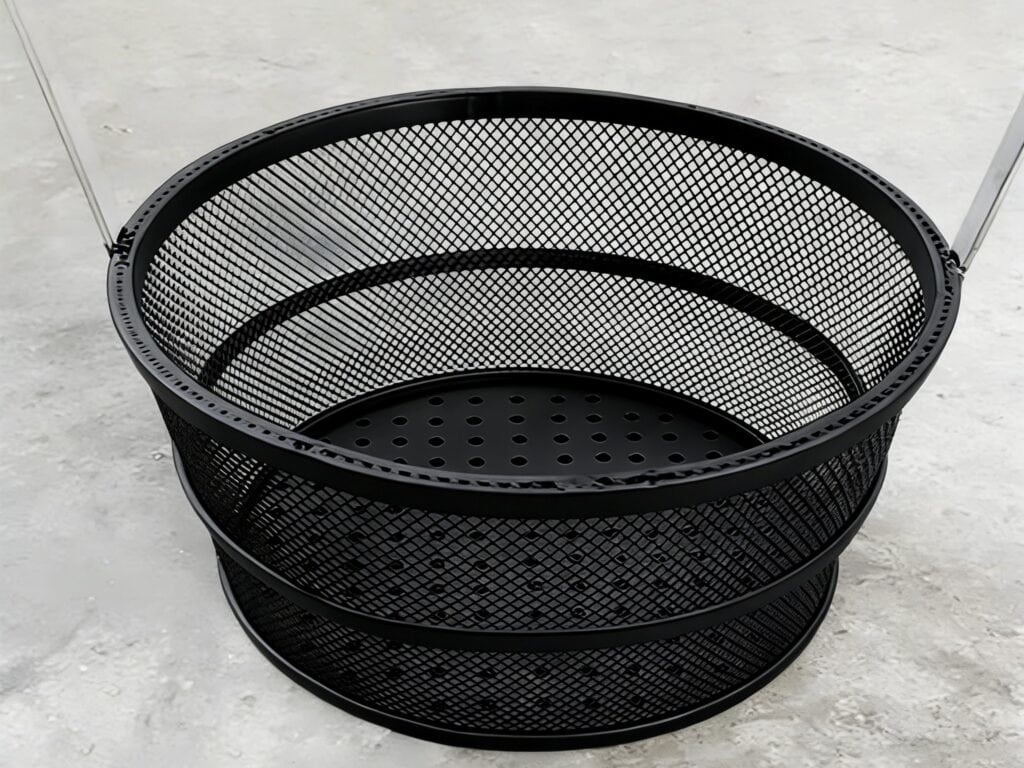
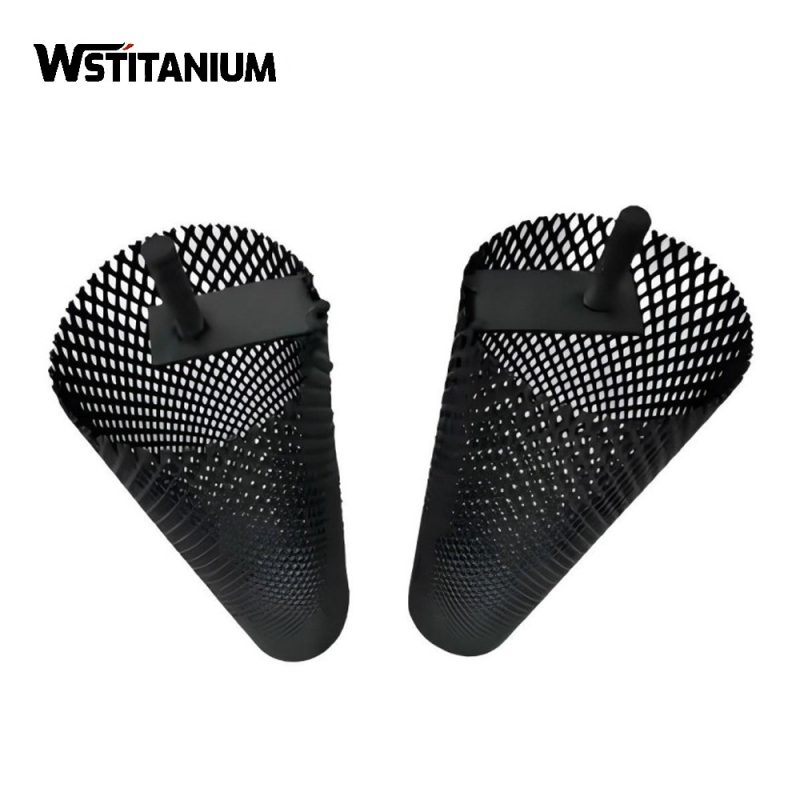
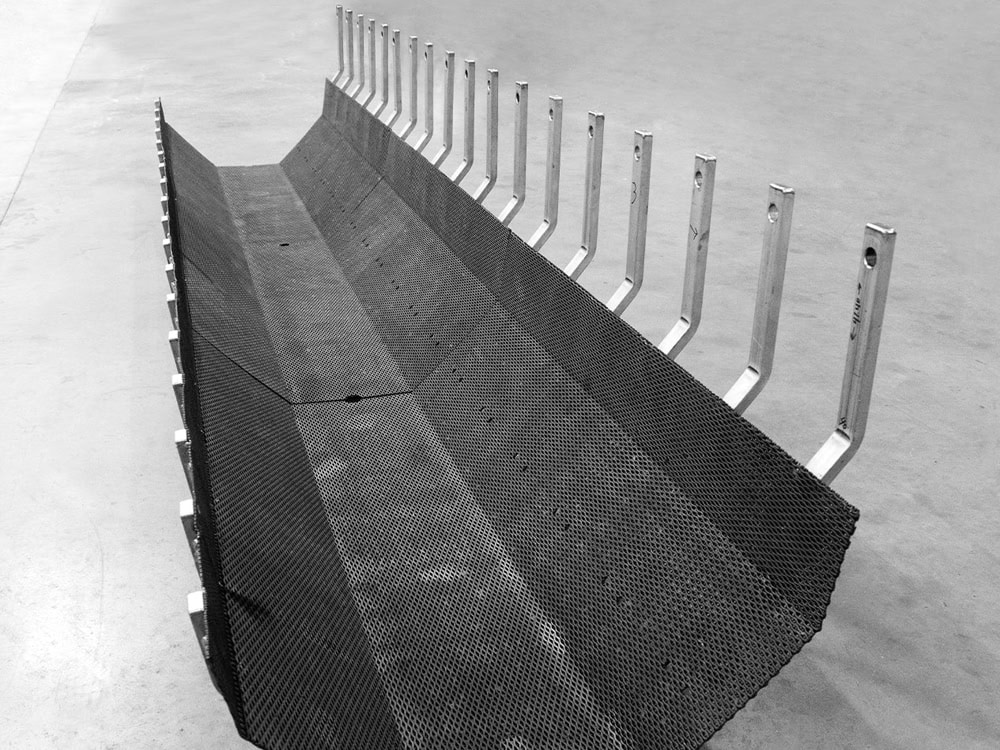
Basket Titanium Anode
- Side Length: 50-1000mm
- Mesh Size: 2×2mm-20×20mm
- Welded titanium handles and terminals
Basket titanium anodes are made of titanium mesh in a basket-like structure. They possess an extremely large specific surface area and extremely low grounding resistance. Basket titanium anodes are primarily suitable for centralized cathodic protection systems in large swimming pools and water parks.
Custom Manufacturing
- For water with high fluoride ions
- For water with high hardness
- For high-temperature swimming pools
We optimize the coating composition and formulation based on your water quality conditions and performance requirements. We also customize MMO titanium anodes of any shape, size, and connection terminals according to your electrolyzer structure and installation space.
FAQ
There are three main coating systems for MMO titanium anodes used in swimming pools: ruthenium-iridium titanium coating, iridium-tantalum titanium coating, and platinum coating.
Ruthenium-iridium titanium coating: Low chlorination overpotential, high current efficiency, and low cost, making it the preferred coating for saltwater swimming pools.
Iridium-tantalum titanium coating: Strong corrosion resistance and good anti-scaling properties, suitable for hot spring pools, pools with high mineral content, and pools with complex water conditions.
Platinum coating: Highest electrocatalytic activity and best chemical stability, it does not release any harmful substances into the water. Suitable for medical rehabilitation pools, baby pools, and high-end private pools with extremely high water quality requirements.
When choosing a coating system, factors such as the pool’s water quality conditions, usage requirements, and budget need to be considered. Wstitanium technical engineers will recommend the most suitable coating system based on your specific situation.
Calculating the required MMO titanium anode area for a swimming pool requires considering the following factors:
Total water volume of the swimming pool (V), unit: m³
Swimming pool circulation flow rate (Q), unit: m³/h
Required effective chlorine production (C), unit: g/h
Anode operating current density (J), unit: A/m²
Current efficiency (η), unit: %
The calculation formulas are as follows:
Effective chlorine production C = 0.001 × V × 24 / T
Where T is the circulation cycle of the swimming pool water, typically 4-6 hours.
Required total current I = C / (1.323 × η)
Where 1.323 is the theoretical electrochemical equivalent, unit: g/(A・h)
Required anode area A = I / J
Wstitanium’s technical engineers will perform precise calculations based on your swimming pool’s detailed parameters to determine the most suitable anode area and quantity.
Scale buildup on the MMO titanium anode surface is mainly due to the deposition of calcium and magnesium ions from the water on the cathode surface. Scale increases the resistance of the electrolytic cell, reduces electrolysis efficiency, and in severe cases, can cause short circuits.
If scale has already formed on the anode surface, the following cleaning methods are recommended:
Acid washing: Soak the electrode in a 5-10% dilute hydrochloric acid or citric acid solution for 1-2 hours, then rinse thoroughly with clean water.
Reverse current cleaning: Periodically reverse the polarity of the electrode, using the hydrogen gas generated by electrolysis to remove the scale.
Mechanical cleaning: Gently brush the electrode surface with a soft brush to remove scale. Be careful not to scratch the coating.
Methods to prevent scale buildup include:
Controlling the hardness of the swimming pool water, generally requiring a total hardness ≤300 mg/L.
Perform reverse current cleaning regularly, generally once a week, for 5-10 minutes each time.
Using anodes with anti-scaling coatings.
Reducing the hardness of the incoming water.
In a salt chlorinator, the anode to cathode area ratio is generally between 1:1 and 1:2. The specific ratio depends on the electrolyzer structure, current density, and water quality conditions.
If the cathode area is too small, it will lead to excessively high cathode current density, easily causing scaling and increased hydrogen evolution overpotential, increasing energy consumption. If the cathode area is too large, it will increase the cost and volume of the electrolyzer.
Wstitanium optimizes the anode and cathode area ratio based on specific application conditions when designing electrolyzers to ensure optimal performance.
Insufficient chlorine production may be due to the following reasons:
Insufficient salinity: The salt concentration in the swimming pool water is too low. Generally, a salt concentration between 2500-3500 ppm is required.
Insufficient current: The rectifier output current is too low, or the current setting is too low.
Anode aging: The anode has been used for too long, the coating is worn, and the electrolysis efficiency decreases.
Electrode scaling: Severe scaling on the electrode surface affects the electrolysis reaction.
Insufficient water flow: Insufficient water flow through the electrolysis cell prevents chlorine from being carried away in time.
Rectifier malfunction: The rectifier is faulty, resulting in abnormal output voltage or current.
Yes. While MMO titanium anodes are primarily used for disinfecting saltwater swimming pools, they can also be used in freshwater swimming pools. For freshwater pools, you only need to add a small amount of salt (generally 1000-2000 ppm) to the water to use MMO titanium anodes for electrolytic disinfection.
Compared to traditional chemical disinfection methods, even freshwater swimming pools with added salt offer advantages such as better water quality, no chlorine smell, and simple maintenance. Furthermore, due to the low salt concentration, it causes almost no irritation to swimmers’ skin and eyes.