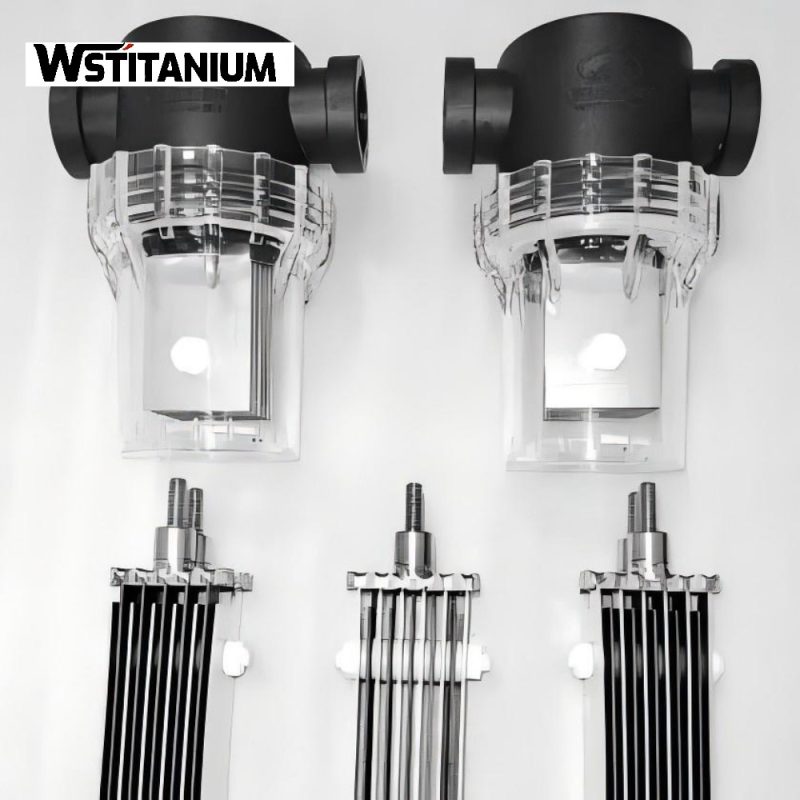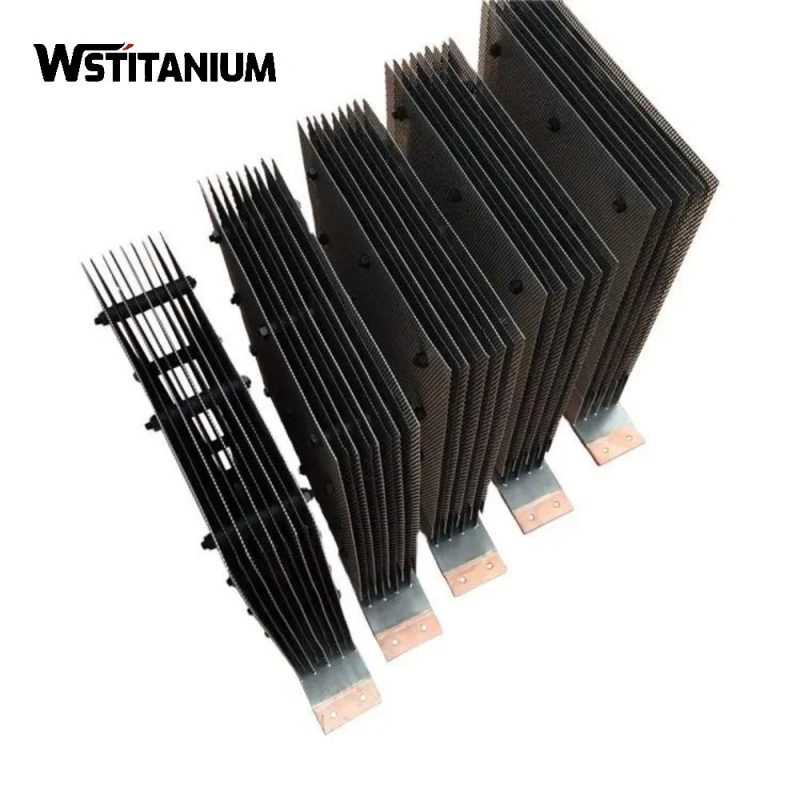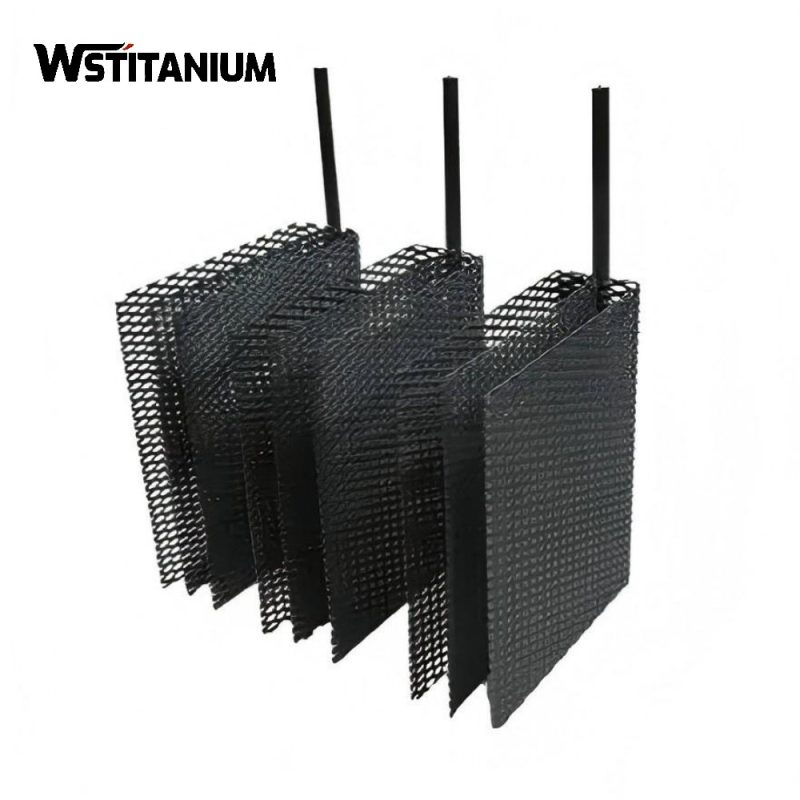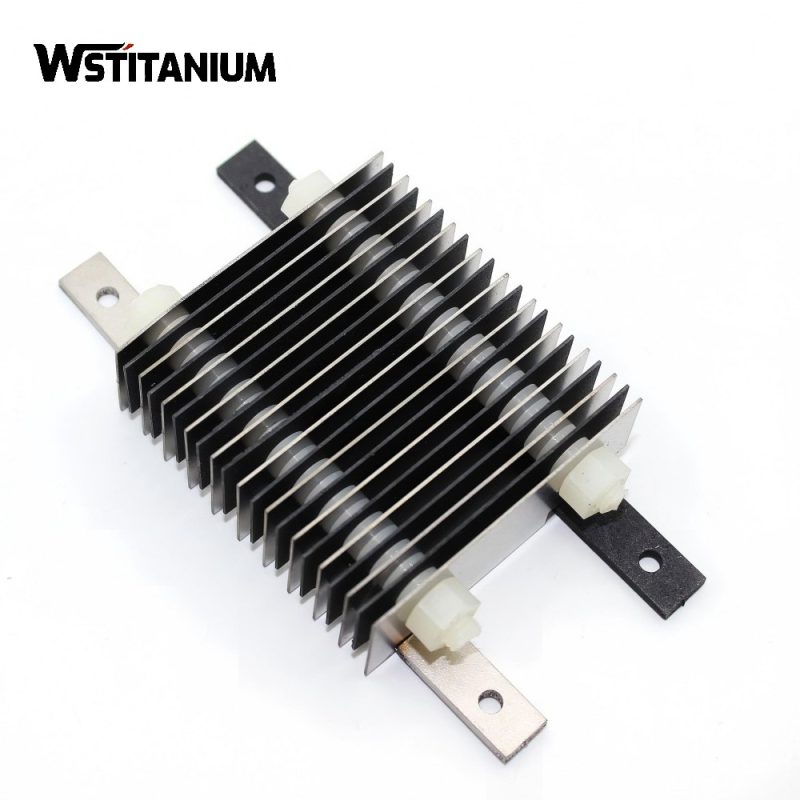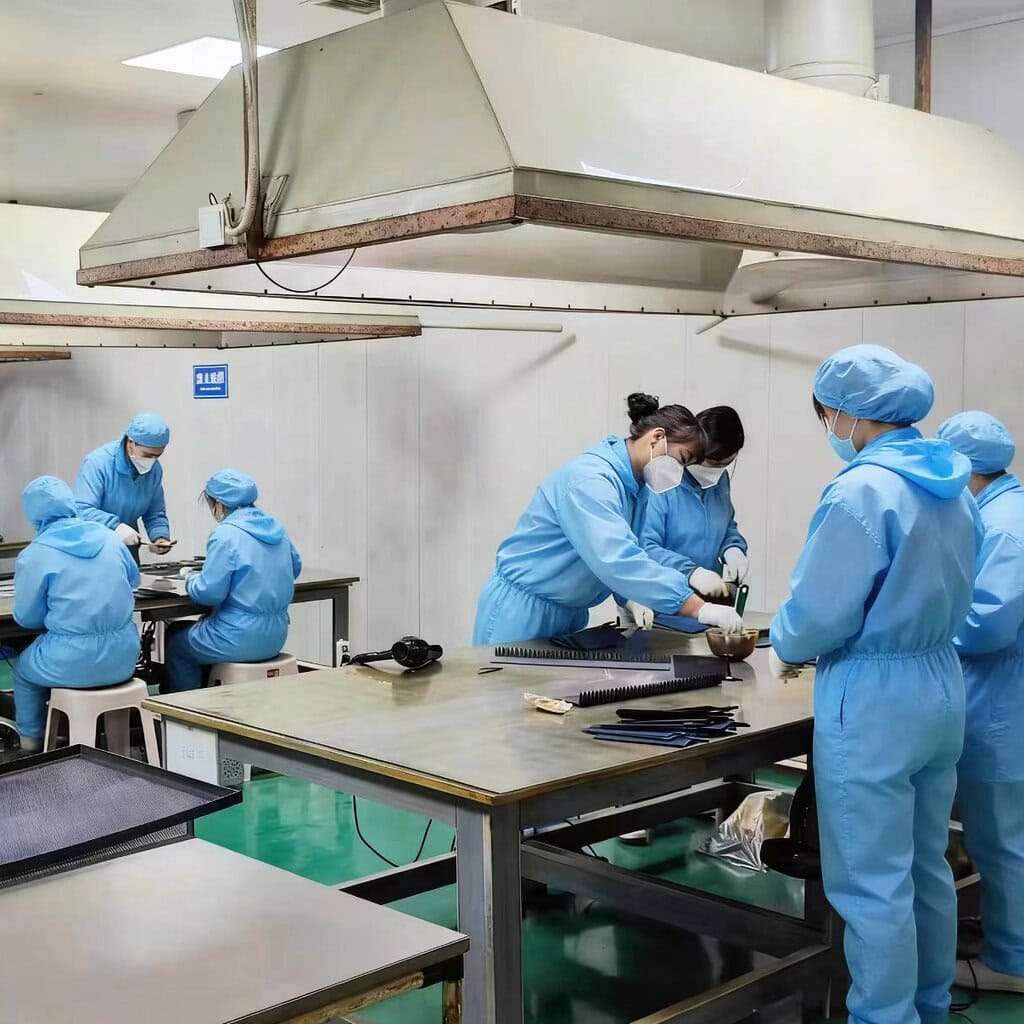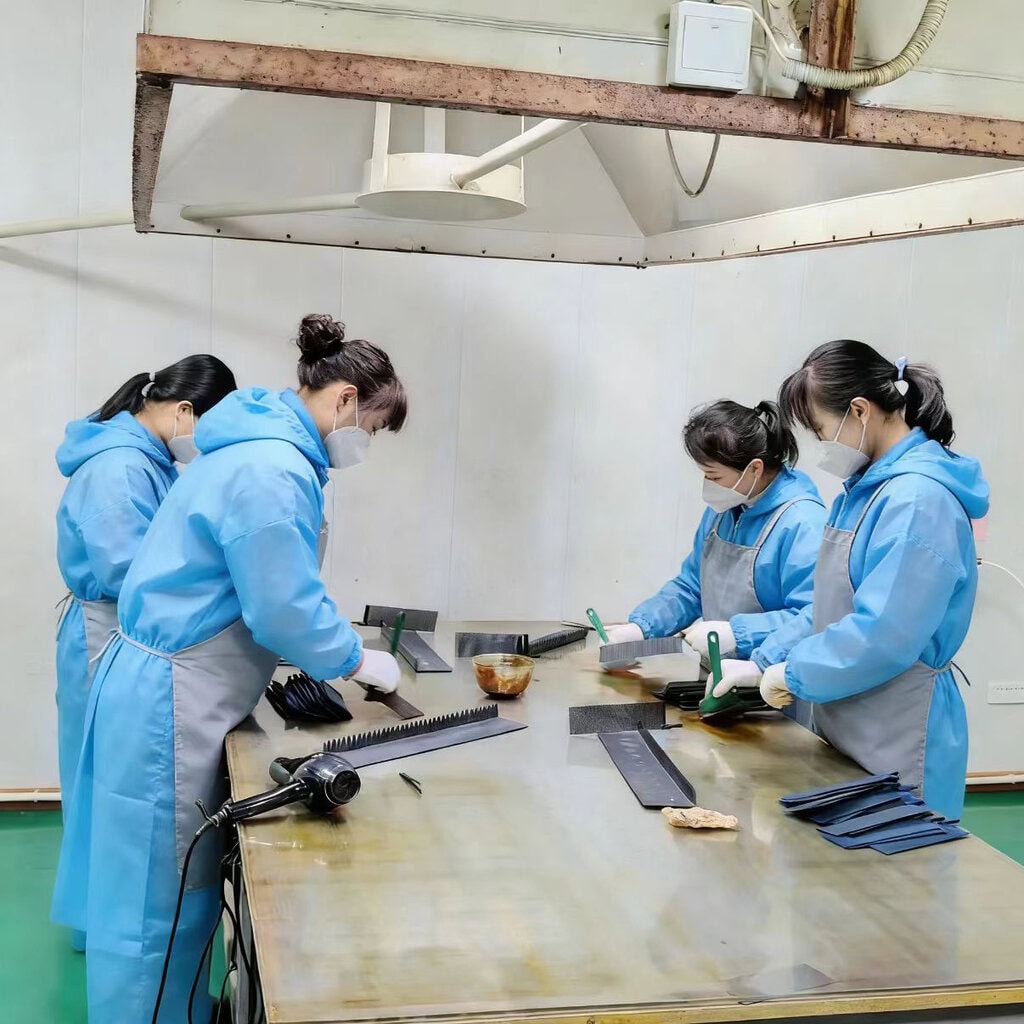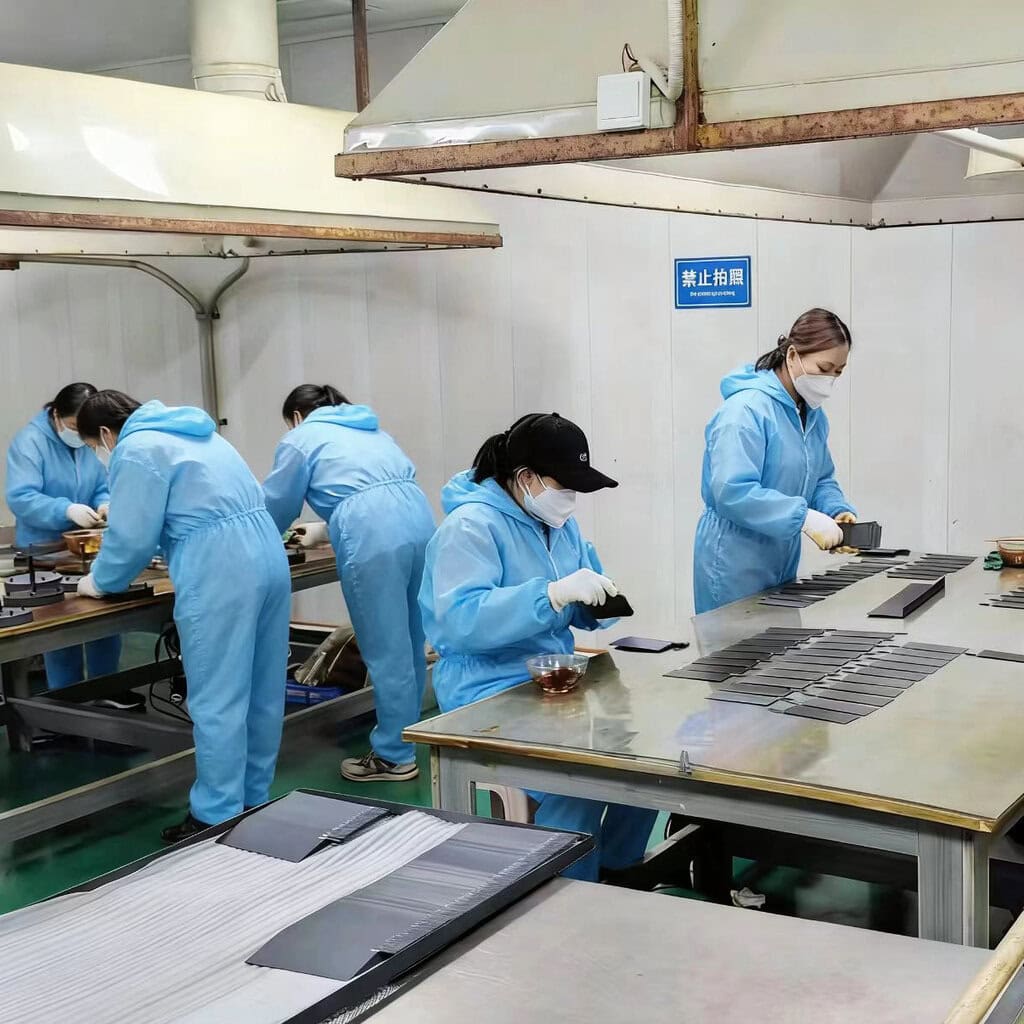

As a leading Chinese manufacturer of MMO titanium anodes, Wstitanium® is dedicated to leveraging electrochemical technology to safeguard drinking water safety. Mixed Metal Oxide (MMO) titanium anodes serve as the core components of On-Site Sodium Hypochlorite Generation (OSCG) systems. By electrolyzing common salt and water, these anodes produce a highly efficient and safe hypochlorite-based disinfectant, thereby completely eliminating all the drawbacks associated with traditional chlorine disinfection methods. Wstitanium® has supplied over 10,000 high-quality MMO titanium anodes to more than 30 water treatment enterprises across 30+ countries worldwide. Our products have demonstrated exceptional performance in drinking water treatment projects spanning municipal waterworks, hospitals, schools, hotels, and various other facilities.
MMO Titanium Anode Coating Systems for Drinking Water
The performance of MMO titanium anodes depends more than 90% on the mixed metal oxide coating applied to their surface. In response to the specific requirements of drinking water treatment, Wstitanium® has developed four major categories of rigorously validated coating systems. Each of these systems has obtained NSF/ANSI 61 certification for safety regarding materials in contact with drinking water.
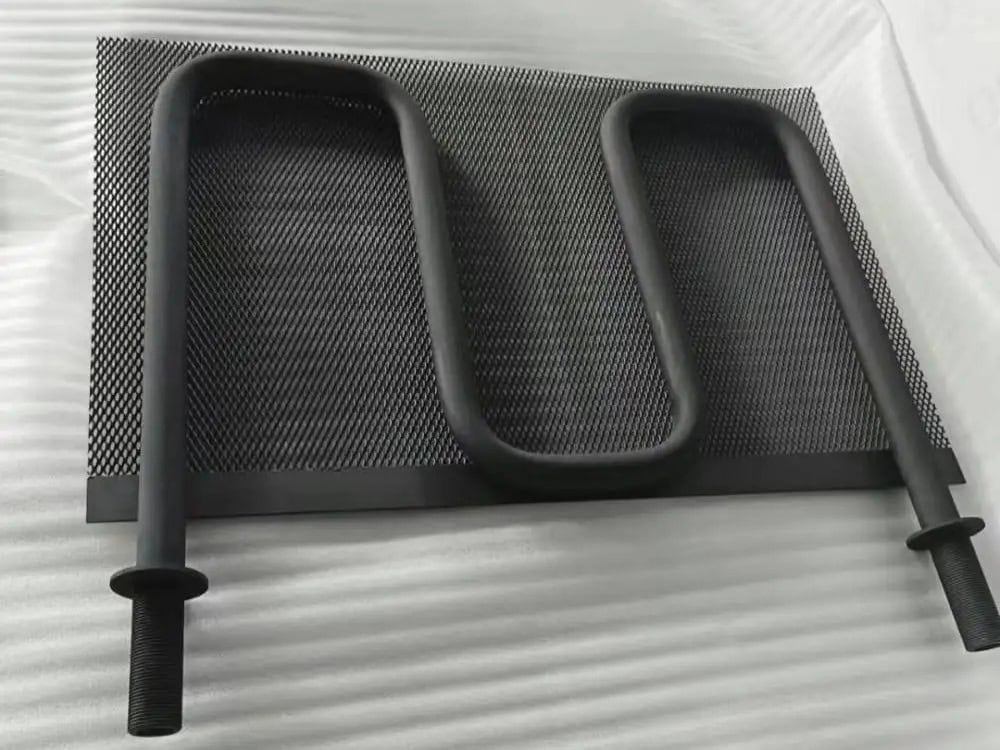
- Molar Ratio: RuO₂ 70% : IrO₂ 30%
- Current Efficiency: > 92%
- Chlorine Evolution Reaction (CER)
- Chlorine Evolution Overpotential (≤ 1.13 V vs. SCE)
- Excellent Anti-Scaling Performance
- For On-site Sodium Hypochlorite Generators
- For Brine Electrolysis Disinfection Systems
At a current density of 3000 A/m², a temperature of 25°C, and within a 3% NaCl solution, the Ruthenium-Iridium anode operates stably for over 8,000 hours.
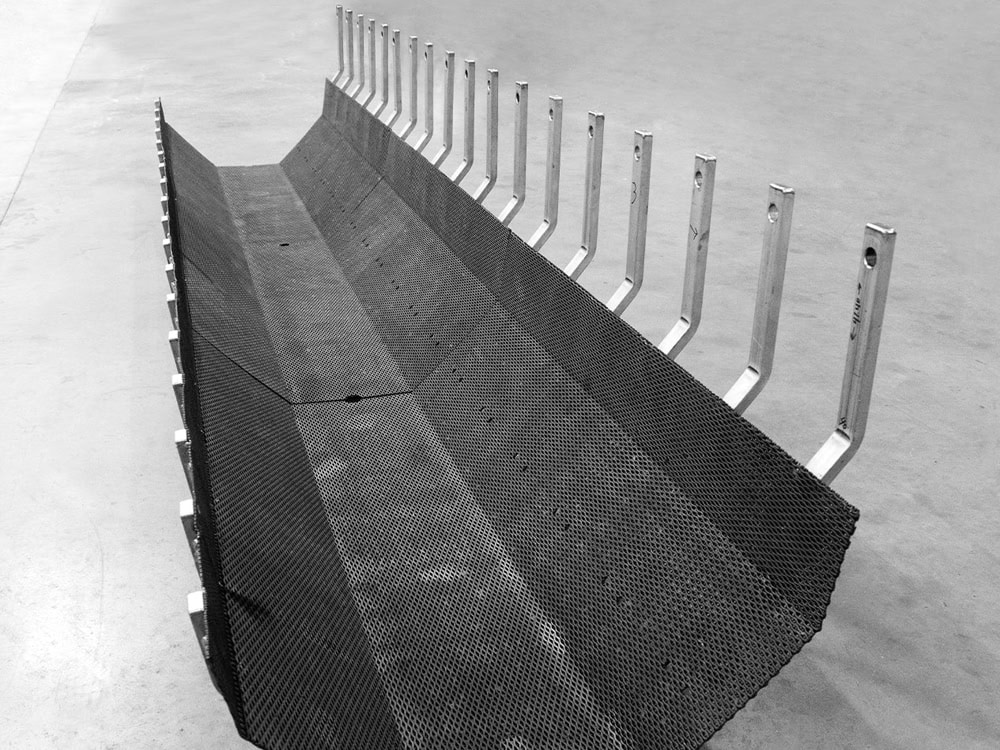
- Ozone Generators
- IrO₂(60–70%): Ta₂O₅(30–40%)
- Oxygen Evolution Reaction (OER)
- For Chlorine-free Disinfection Systems
- For Advanced Oxidation Processes (AOPs)
- Oxygen Evolution Overpotential ≤ 1.13 V vs. SCE
Iridium-Tantalum system is a high-performance coating designed for oxygen-evolving. It is primarily utilized to generate potent oxidizing species—such as hydroxyl radicals (•OH)—thereby effectively degrading micropollutants, pharmaceutical residues, and other contaminants present in water.
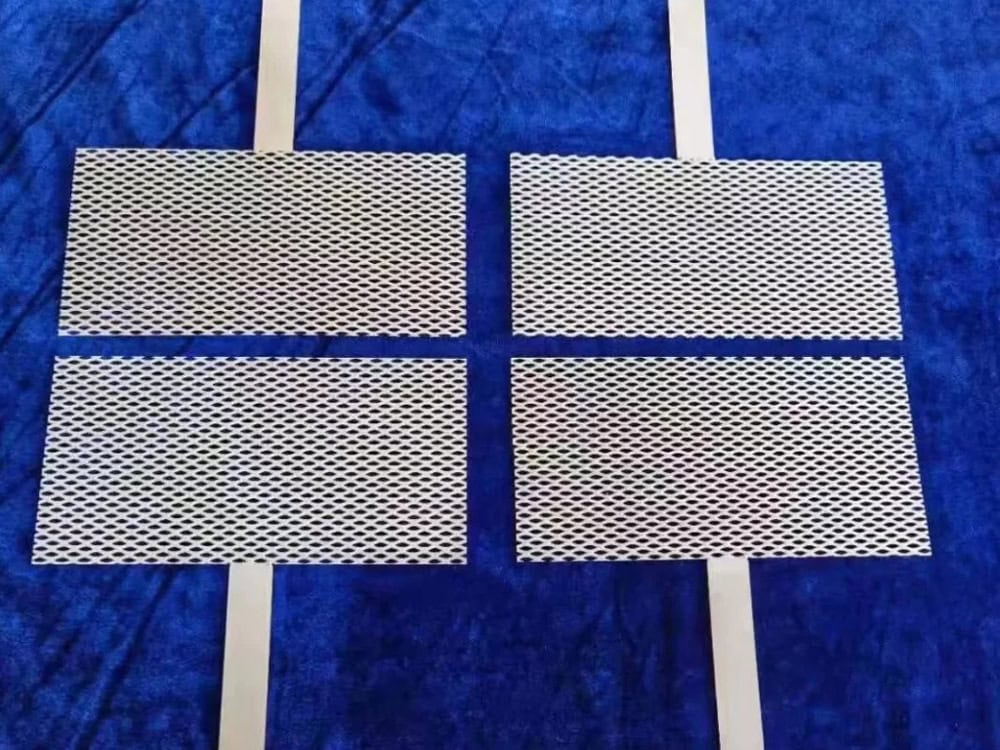
- >99.99% Pt Purity
- For Chlorine & Oxygen Evolution
- For High-End Water Purification Equipment
- For Medical Water Treatment Systems
- For Hydrogen-Rich Water Generators
- Generates No Harmful Leachates
- Meets WHO and FDA Standards
Following 10,000 hours of continuous electrolysis in weakly alkaline drinking water (pH 7–9), SGS testing detected no leaching of heavy metal ions—such as lead, cadmium, or mercury. Platinum anodes exhibit excellent biocompatibility, though they entail a high initial investment cost.
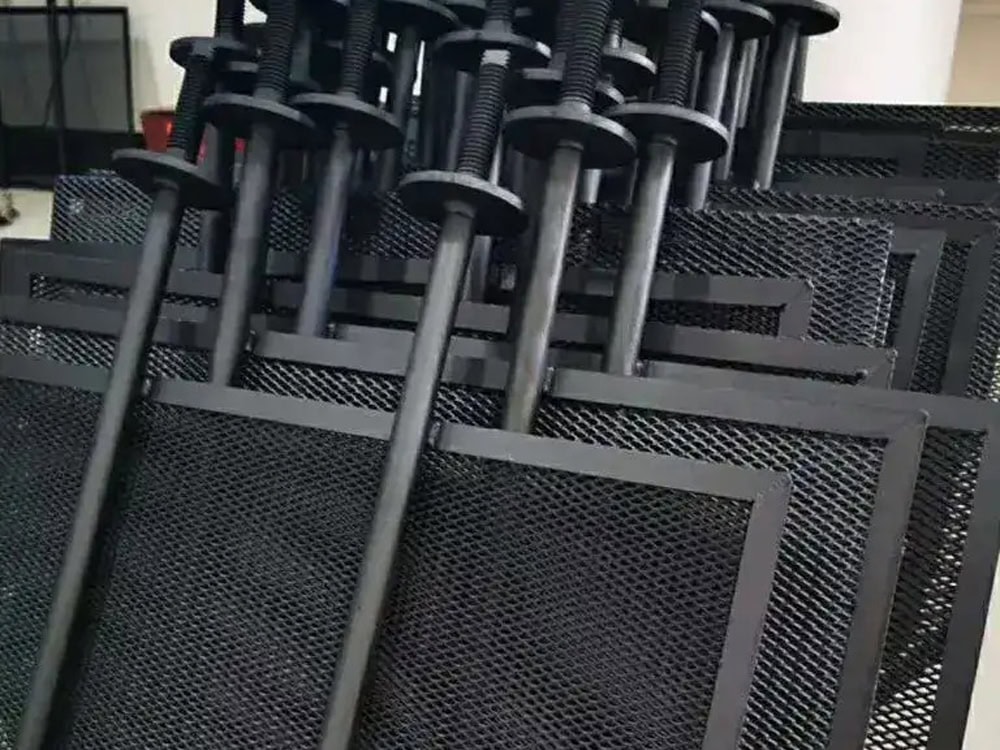
Composite Coating System
RuO₂-IrO₂-SnO₂: Tin dioxide (SnO₂) acts as a dopant to further enhance the coating’s conductivity and resistance to poisoning, making it particularly suitable for treating surface water with high organic content.
IrO₂-Ta₂O₅-TiO₂: Titanium dioxide (TiO₂) nanoparticles boost the coating’s photocatalytic activity; when acting in synergy with UV disinfection systems, they significantly improve sterilization efficiency.
Pt-RuO₂: Leveraging the stability of platinum and the high catalytic activity of ruthenium, this composition is an ideal choice for the electrolytic generation of sodium hypochlorite from seawater, making it particularly well-suited for drinking water treatment projects in coastal regions.
Comparison of MMO Titanium Anodes
To assist you in selecting the most suitable coating system, Wstitanium® has conducted a comprehensive comparison of the key technical parameters for MMO titanium anodes intended for drinking water applications:
| Parameter | Ru - Ir | Ir - Ta | Pt | Ru - Ir - Sn |
|---|---|---|---|---|
| Precious Metal Loading | 10-15 g/m² | 15-20 g/m² | 20-30 g/m² | 12-18 g/m² |
| Coating Thickness | 3-5 µm | 5-8 µm | 5-10 µm | 4-6 µm |
| Chlorine Evolution Overpotential (vs SCE) | ≤ 1.13V | ≥ 1.35V | ≥ 1.25V | ≤ 1.15V |
| Oxygen Evolution Overpotential (vs SCE) | ≥ 1.85V | ≤ 1.70V | ≤ 1.75V | ≥ 1.80V |
| Current Density | 500-2000 A/m² | 100-5000 A/m² | 100-8000 A/m² | 500-3500 A/m² |
| Operating Voltage | 3.0-6.0V | 4.0-8.0V | 3.5-7.0V | 3.0-5.5V |
| pH Range | 2-10 | 0-14 | 1-14 | 1-12 |
| Operating Temperature | ≤ 60°C | ≤ 80°C | ≤ 100°C | ≤ 65°C |
| Service Life | 8000 hours | 15000 hours | 10000 hours | 10000 hours |
| Chlorate Generation | Low | Extremely Low | Extremely Low | Low |
| Heavy Metal Leaching | Extremely Low | Extremely Low | None | Extremely Low |
| NSF/ANSI 61 Certified | ✓ | ✓ | ✓ | ✓ |
| Relative Cost | 1 | 1.5 | 2 | 1.2 |
| Applications | On-site Sodium Hypochlorite Generators | Advanced Oxidation / Chlorine-Free Disinfection | Household / Medical Water Treatment | Surface Water / Micro-Polluted Water Treatment |
Data source: Wstitanium® Laboratory 2026 latest test report. Standard conditions: 25°C, 3% NaCl solution, continuous operation.
MMO Titanium Anode Structures
Wstitanium® offers MMO titanium anodes in seven standard structural configurations. Each shape is optimally designed to suit various types of electrolytic reactors and applications. Anodes of any shape can be fabricated using any of the aforementioned coating systems.
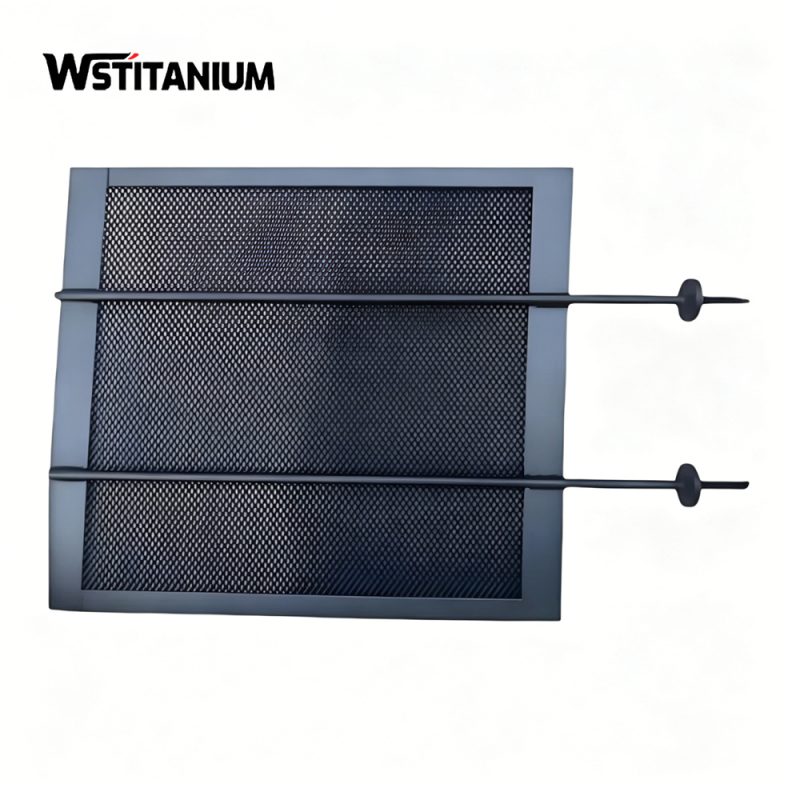
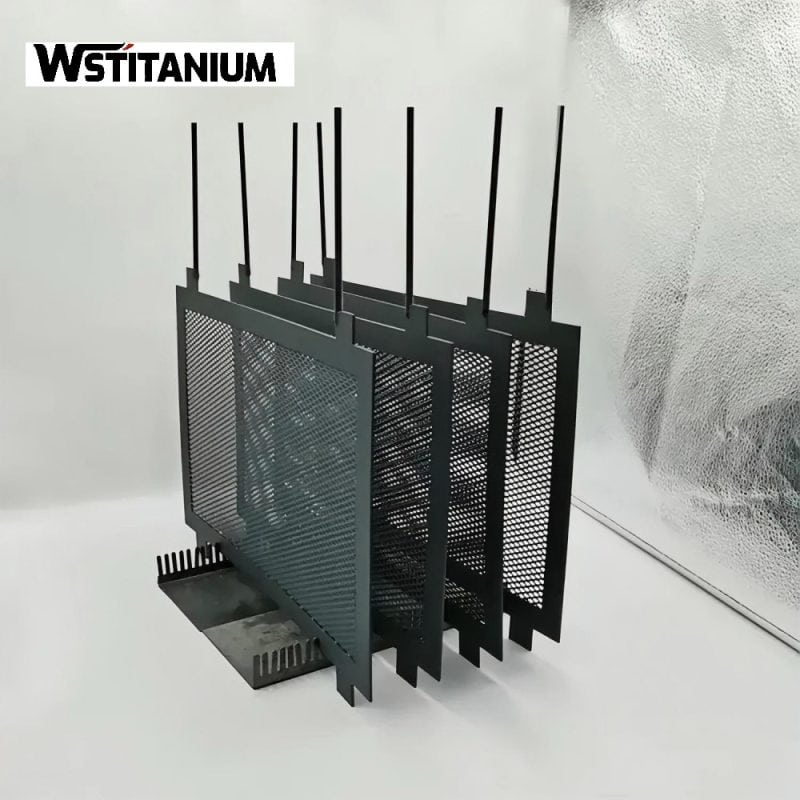
Plate Anode
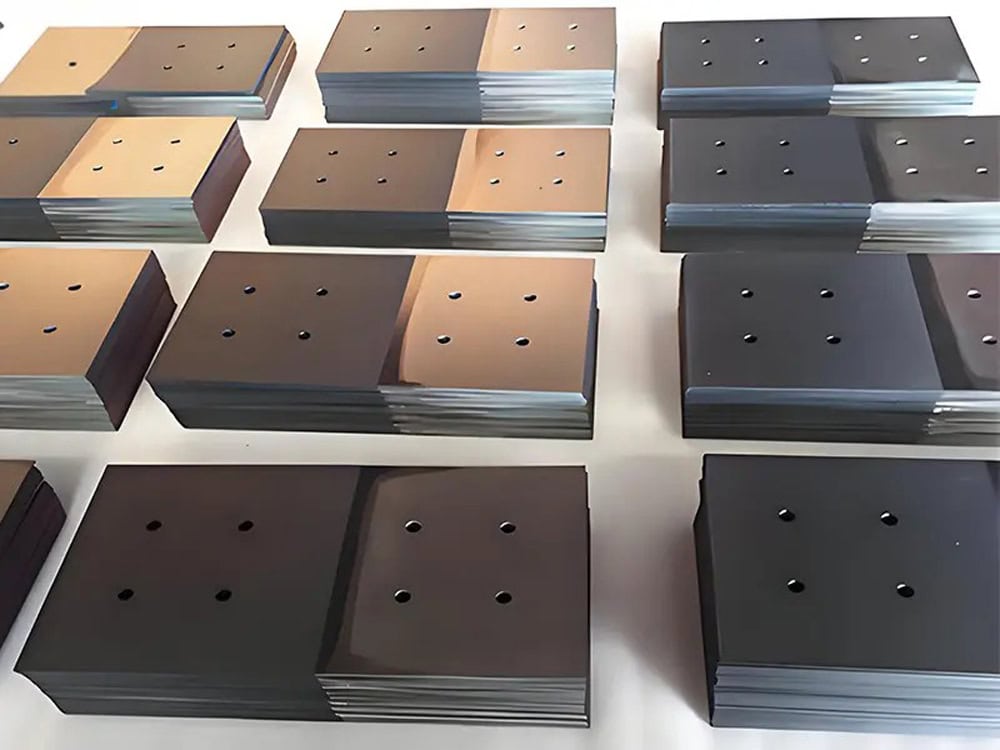
Wstitanium® plate anodes are manufactured using high-precision laser cutting technology. Their burr-free edges prevent premature corrosion caused by localized current concentration.
- ASTM B265 Grade 1/2 Pure Titanium
- Maximum Dimensions: 1000 mm × 2000 mm
- Surface Finish: Sandblasting + Acid Pickling
- Thickness: 0.5–5.0 mm
- Ra: 3–5 μm
- Large-scale municipal sodium hypochlorite generators
- Industrial circulating water disinfection systems
- Swimming pool electrolytic disinfection equipment
- Plate-type electrolytic cells
- Effective Area Utilization Rate ≥ 95%
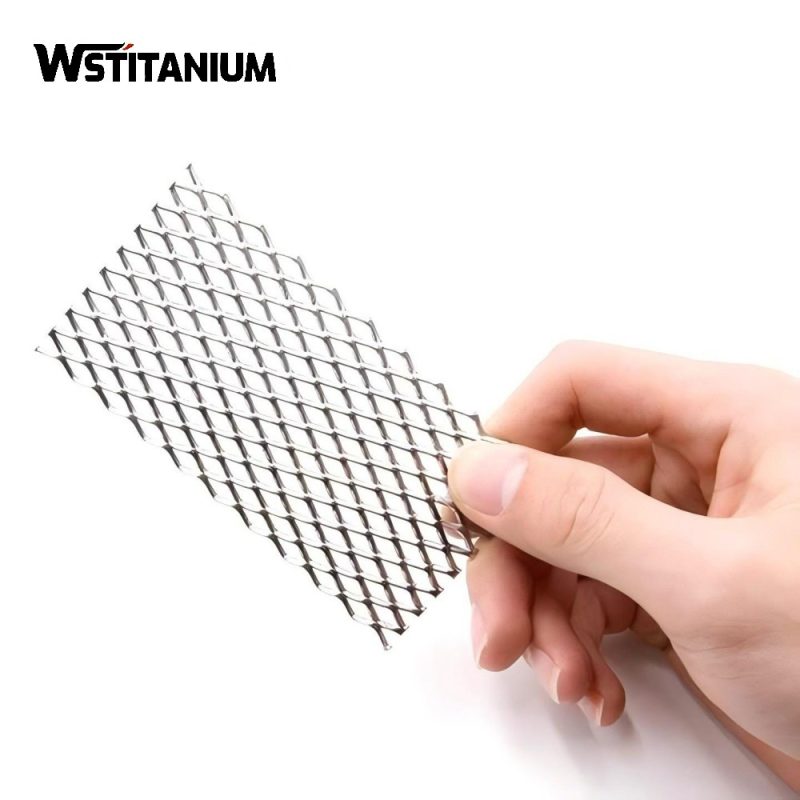
Mesh Anode
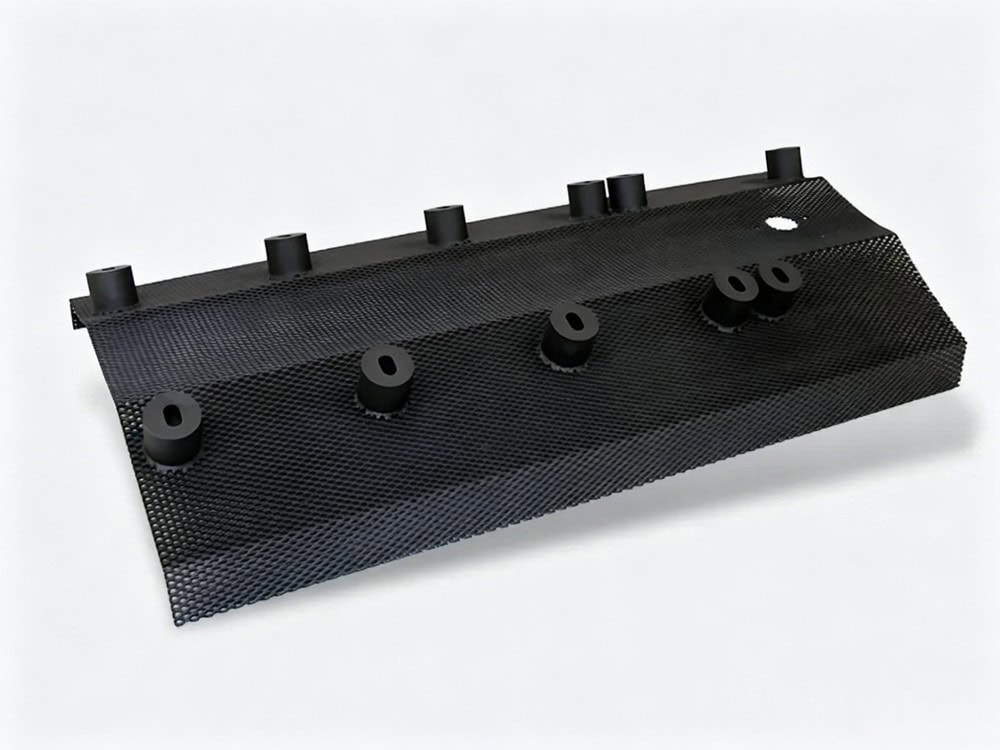
Mesh anodes are characterized by a large specific surface area, low fluid resistance, and easy bubble release, making them ideal for electrolytic systems with high flow rates. Wstitanium® utilizes woven pure titanium wire, featuring uniform mesh openings and robust weld joints.
- ASTM B265 Grade 1 Pure Titanium
- Mesh Opening: 3×6 mm – 10×20 mm
- Wire Diameter: 0.5 – 2.0 mm
- Maximum Dimensions: 1200 mm × 2500 mm
- Specific surface area is 30–50% higher than plate anodes
- In-line Disinfection Equipment
- Water Supply Disinfection System
- Seawater Desalination Pre-treatment
- Flow-through Electrolytic Reactor
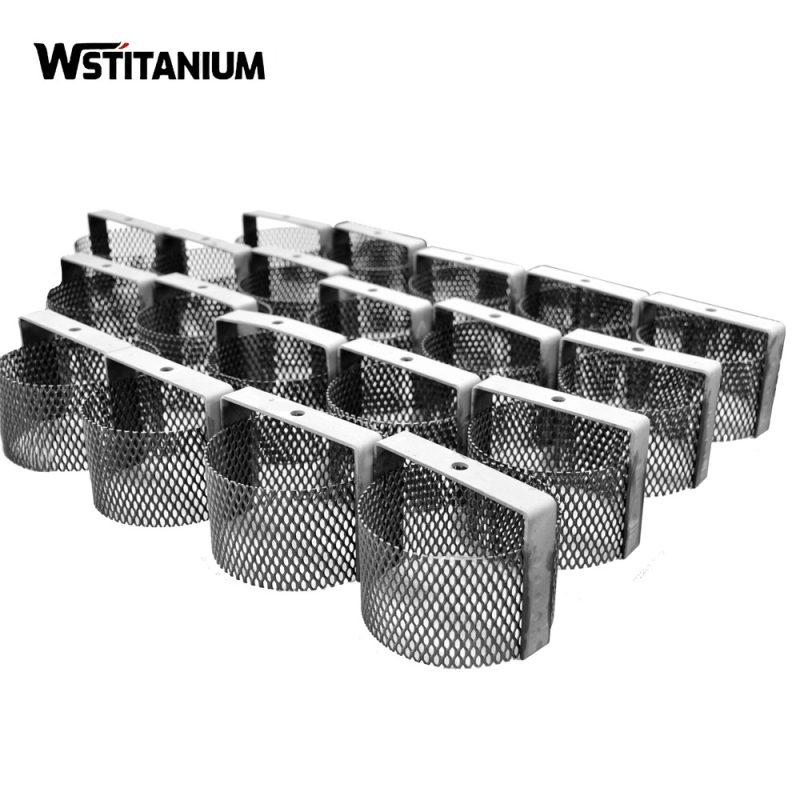
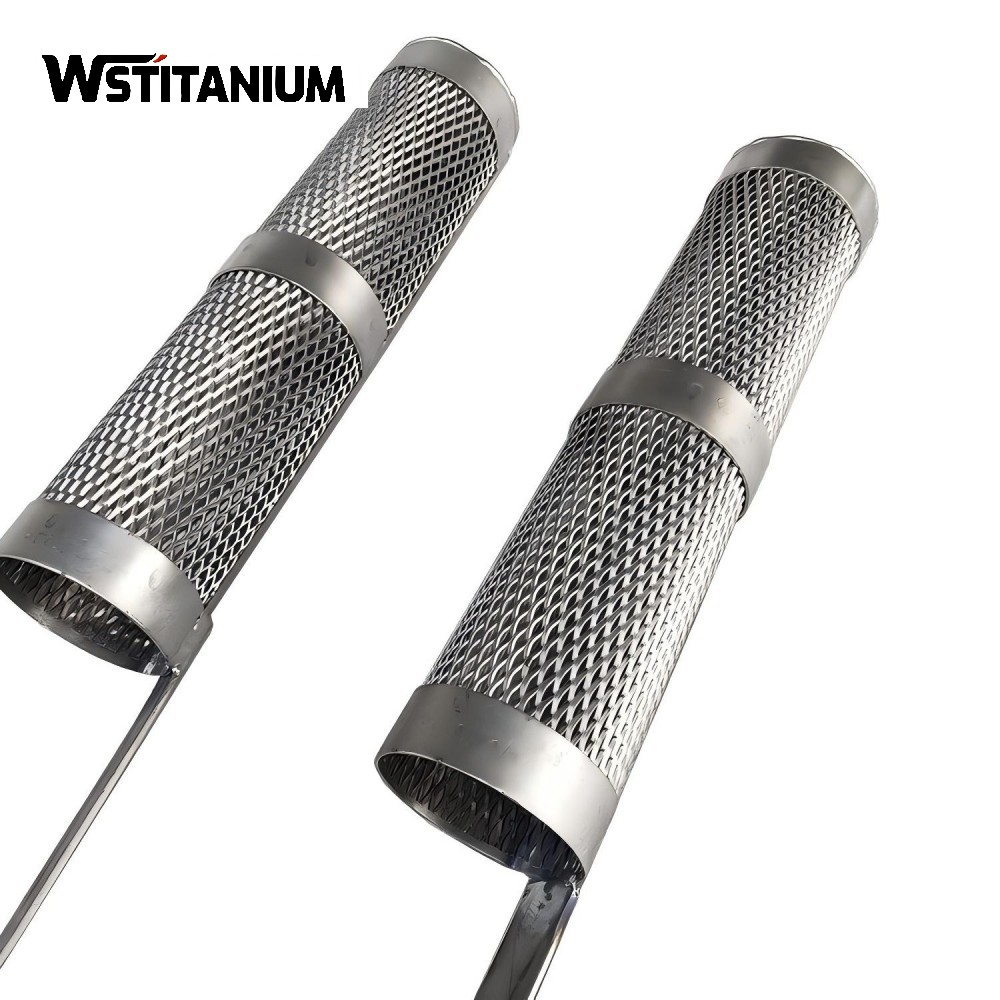
Tubular Anode
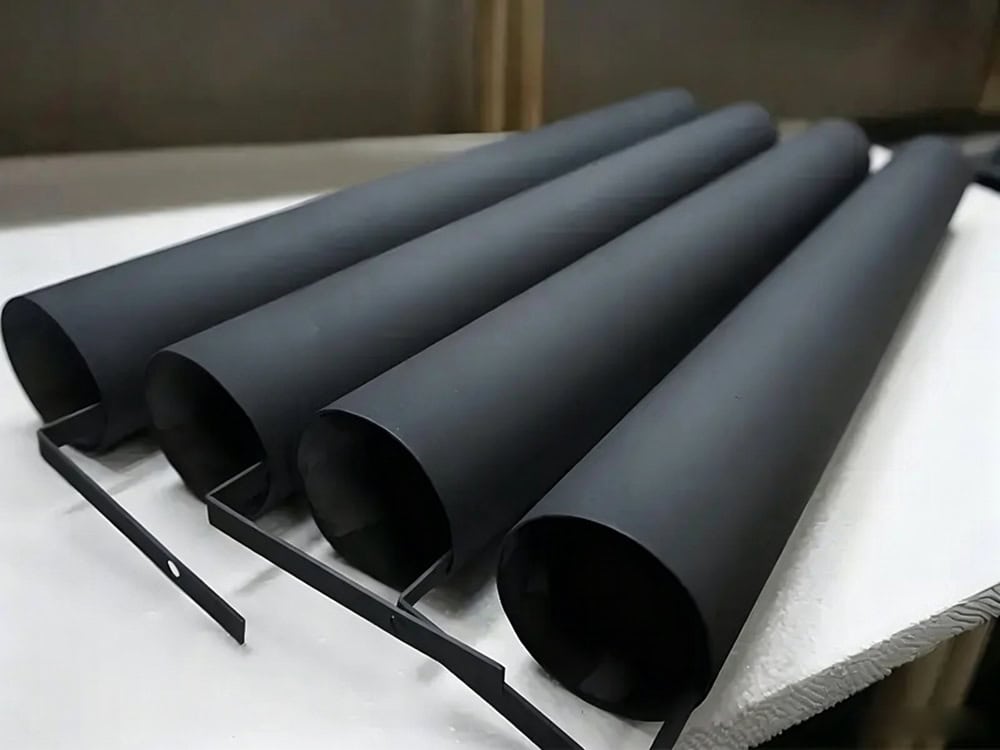
Tubular anodes are an ideal choice for cylindrical electrolytic cells, providing a uniform 360° current distribution. Wstitanium® tubular anodes are manufactured using seamless titanium tubes. Both the inner and outer surfaces can be coated with an MMO layer, enabling dual-sided electrolysis.
- ASTM B338 Grade 1/2 Seamless Titanium Tube
- Outer Diameter: 10–114 mm
- Wall Thickness: 0.5–3.0 mm
- Length: 100–3000 mm
- Tubular Sodium Hypochlorite Generators
- Deep Well Water Treatment Systems
- Internal Water Tank Circulation and Disinfection
- Pipeline Cathodic Protection
Rod Anode
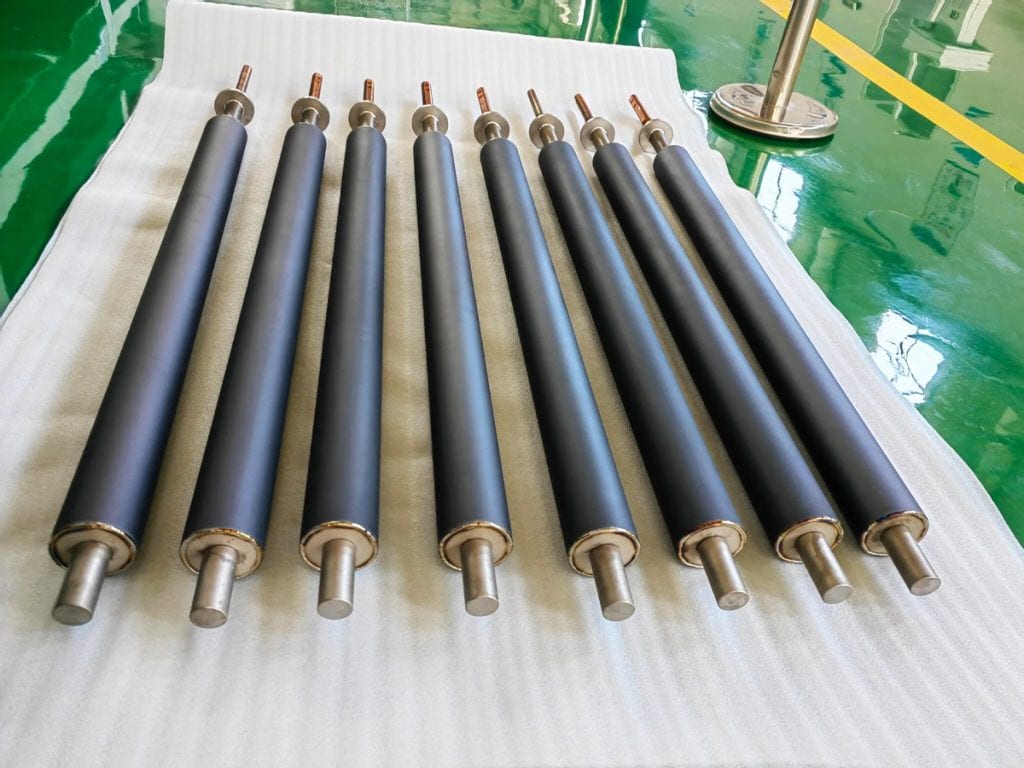
Rod anodes feature a robust structure and high mechanical strength, making them particularly well-suited for harsh operating environments. Wstitanium® rod anodes are integrally forged—ensuring an internal structure free of defects—and are capable of withstanding high current densities and mechanical shock.
- ASTM B348 Grade 1/2 Titanium Rod
- Diameter: 6–300 mm
- Length: 100–2000 mm
- Connection: Threaded or Welded
- Large-scale Industrial Electrolyzers
- High-Turbidity Water Treatment Systems
- Marine Ballast Water Treatment
- Wastewater Treatment Oxidation Systems
Custom Geometric Titanium Anodes
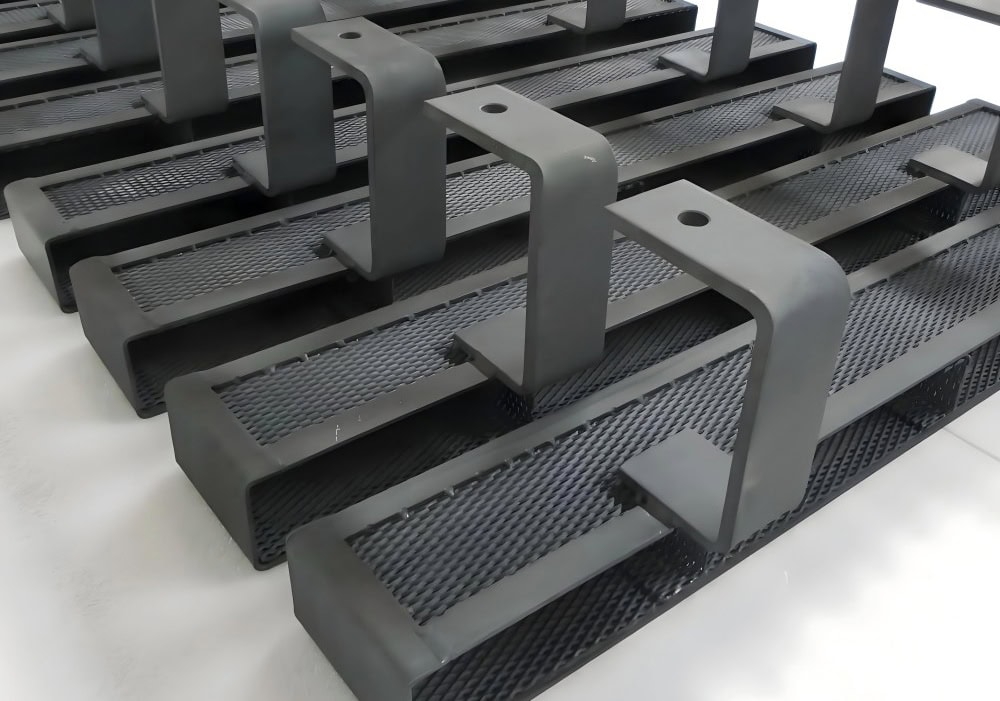
Wstitanium® understands that every drinking water treatment project has its unique water quality conditions and treatment requirements. Therefore, we offer comprehensive customized solutions, from coating formulations to anode shapes, from size specifications to connections, all tailored to your specific needs. This includes MMO titanium anodes of any shape and size: spiral anodes, grid anodes, comb anodes, porous sintered anodes, and integrated electrode assemblies.
Precious Metal Loading Customization
- Default: 10-30 g/m² (depending on coating type)
- Economy: 5-10 g/m² (suitable for low-load operation)
- Enhanced: 30-50 g/m² (suitable for high-load requirements)
- Extra Long-Lasting: 50-100 g/m² (design life 20+ years)
Customized current density
- 100-500 A/m² (Low energy consumption requirements)
- 500-2000 A/m² (Standard applications)
- 2000-5000 A/m² (High processing capacity)
- 5000-10000 A/m² (Special applications)
Coating Customization
- Anti-poisoning formulation (e.g., high fluoride, high organic matter)
- Reduced chlorate and perchlorate formation
- Inhibits scaling and biofilm formation
- Polarity reversal resistant formulation
Custom Substrate
- Default: Grade 1 Pure Titanium
- High Strength: Grade 2 Pure Titanium
- Corrosion Resistance: Grade 7 Titanium Palladium (High Fluorine)
- Medical Grade: Grade 1 ELI Pure Titanium (Medical and Food Grade)
Surface Treatment Customization
- Sandblasting: Ra 3-5μm (Standard)
- Acid Pickling: Ra 1-3μm (Smooth Surface)
- Laser Etching: Ra 5-10μm (High Adhesion)
- Nanostructuring: Ra 0.1-1μm (Ultra-high Specific Surface Area)
Tolerances
- Standard Tolerance: ±0.1mm (General Applications)
- Precision Tolerance: ±0.05mm (High-Precision Equipment)
- Ultra-Precision Tolerance: ±0.01mm (Laboratory and Medical Equipment)
Connections
- Titanium Nut/Bolt Connection
- Titanium Welded Connection
- Silver-Plated Copper Conductive Connection
- Quick-Pull Connection
FAQ
On-Site Sodium Hypochlorite Generation (OSCG):Electrolysis of brine to generate sodium hypochlorite solution for drinking water disinfection.
Seawater Chlorination Electrolysis: Electrolysis of seawater to generate sodium hypochlorite for drinking water disinfection and pollution prevention in coastal areas.
Electrochemical Advanced Oxidation: Generates strong oxidizing agents such as hydroxyl radicals to degrade micro-pollutants and organic matter in water.
Cathode Protection: Prevents corrosion of water pipelines and storage facilities.
Hydrogen-Rich Water Generation: Electrolysis of water to generate healthy drinking water rich in hydrogen.
MMO titanium anodes for drinking water treatment must meet stringent safety standards to ensure they do not cause secondary pollution to the water.
NSF/ANSI 61: US National Standard, specifying health effect requirements for components in drinking water systems.
GB 5749-2022: Chinese Standard for Drinking Water Quality.
WHO Guidelines for Drinking Water: Guidelines on drinking water quality published by the World Health Organization.
FDA 21 CFR: US Food and Drug Administration regulations on food contact materials.
EU 1935/2004/EC: EU regulations on food contact materials.
Scale formation is a common problem in drinking water treatment, especially in hard water areas. Scale increases cell voltage, reduces electrolysis efficiency, and can severely damage the anode.
Chemical cleaning: Soak the anode in a 5-10% dilute hydrochloric acid or citric acid solution for 1-2 hours, then rinse thoroughly with clean water.
Polarity reversal: Perform polarity reversal regularly for 1-5 minutes each time to effectively prevent and remove mild scale.
Mechanical cleaning: For severe scale, gently brush with a soft brush, being careful not to damage the coating.
Wstitanium®’s anti-scaling coating formulation significantly reduces scale formation.
Safety: Eliminates the need to transport and store hazardous liquid chlorine, removing the risk of leaks and explosions.
Economy: Low operating costs, especially for large-scale applications.
Convenience: On-demand production eliminates the need for frequent chemical procurement and transportation.
High Efficiency: The generated sodium hypochlorite has high activity and excellent disinfection effect.
Environmental Protection: Fewer disinfection byproducts, making it environmentally friendly.
Concentration: Electrolyzed sodium hypochlorite has a lower concentration, generally 0.5-1.0%. Chemically produced sodium hypochlorite has a higher concentration, generally 10-15%.
Purity: Electrolyzed sodium hypochlorite has high purity and contains no impurities. Chemically produced sodium hypochlorite contains more impurities, such as sodium chloride and sodium hydroxide.
Stability: Electrolyzed sodium hypochlorite has poor stability and needs to be used immediately after production. Chemically produced sodium hypochlorite has better stability and can be stored for a long time.
pH Value: Electrolyzed sodium hypochlorite has a lower pH value, generally 8-9. Chemically produced sodium hypochlorite has a higher pH value, generally 12-13.
Trihalomethanes (THMs): Formed by reacting with organic matter in water.
Haloacetic acids (HAAs): Formed by reacting with organic matter in water.
Chlorate (ClO₃⁻): Formed by the decomposition of sodium hypochlorite.
Perchlorate (ClO₄⁻): Formed under high current density and high pH conditions.
Methods to control disinfection byproducts:
Optimize electrolysis parameters, such as current density, pH value, and temperature.
Use coating formulations with low byproduct formation.
Pre-treat raw water to remove organic matter.
Control the storage time and temperature of sodium hypochlorite.
Regularly test the content of disinfection byproducts to ensure compliance with standards.
Yes, MMO titanium anodes are ideally suited for direct seawater electrolysis. Seawater contains approximately 3.5% sodium chloride, which is a natural electrolyte. Electrolysis of seawater produces sodium hypochlorite, used for drinking water disinfection, antifouling, and corrosion prevention. Wstitanium® has specifically developed Ru-Ir-Pt composite coated anodes for seawater electrolysis, offering excellent resistance to seawater corrosion and high chlorine evolution efficiency. Under standard operating conditions, their service life can reach over 5 years.