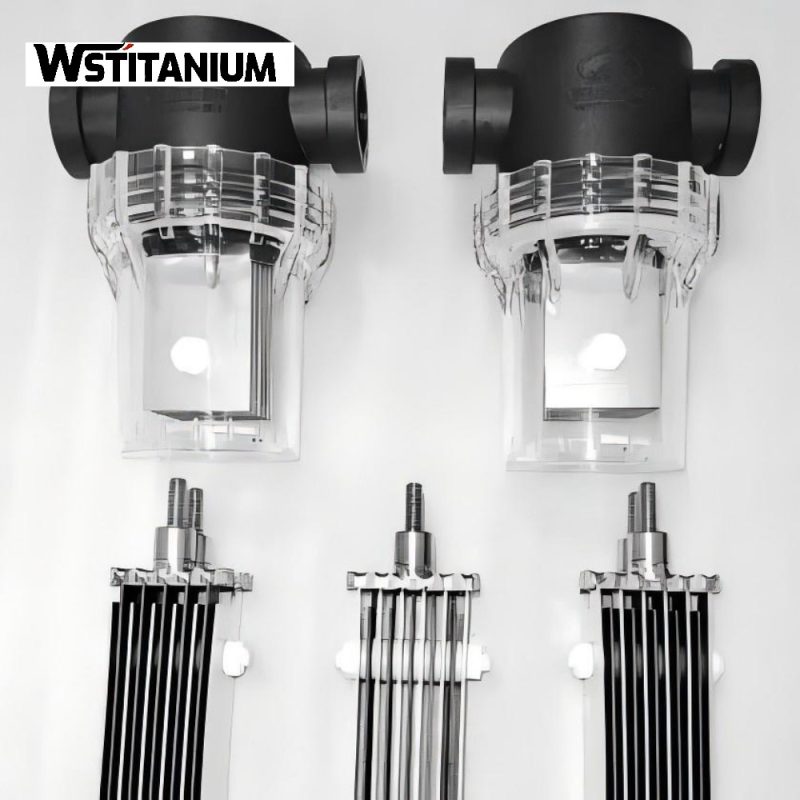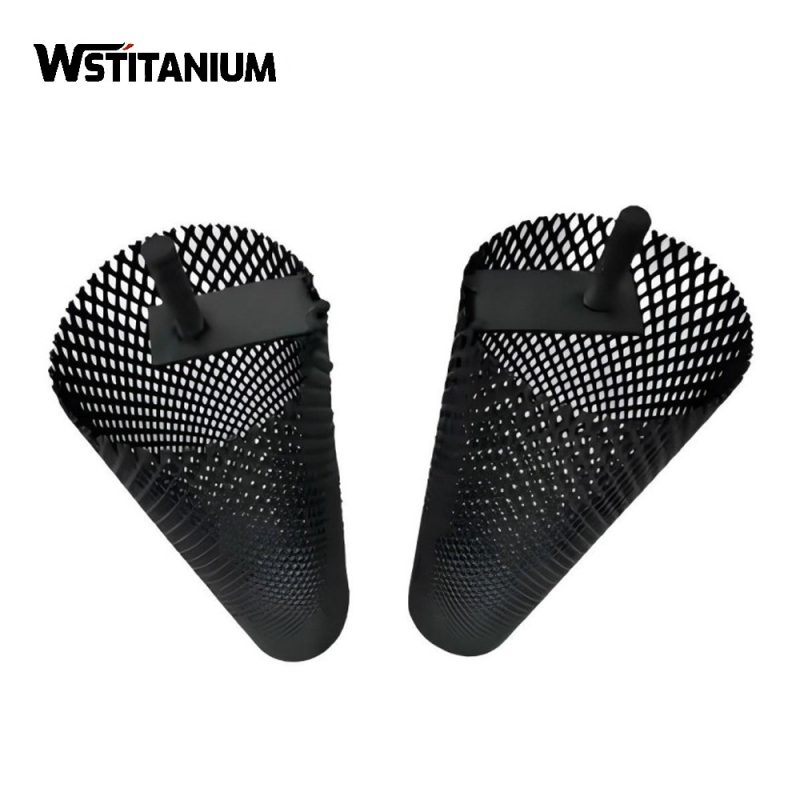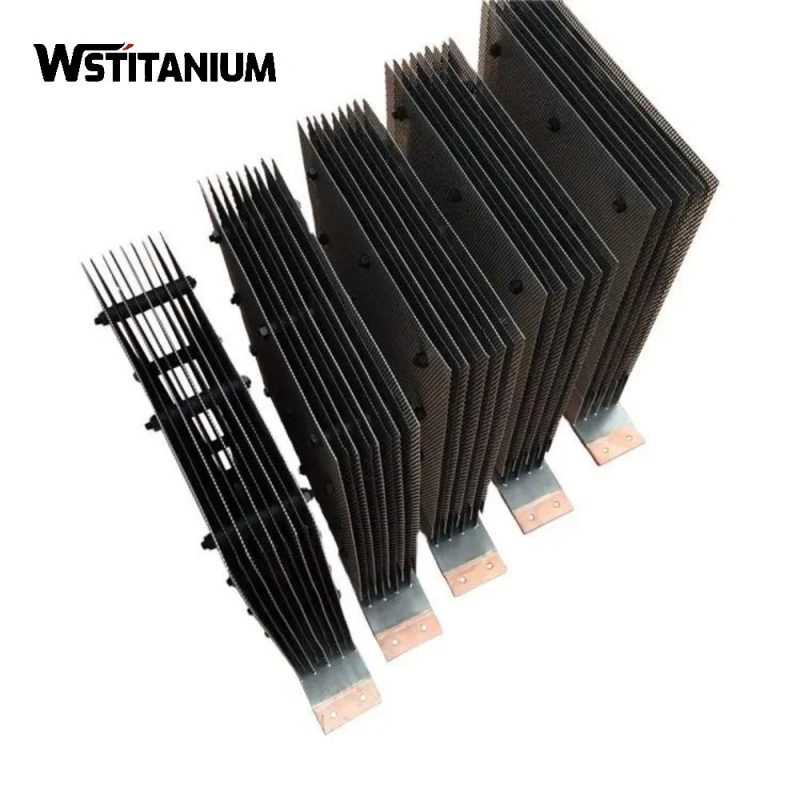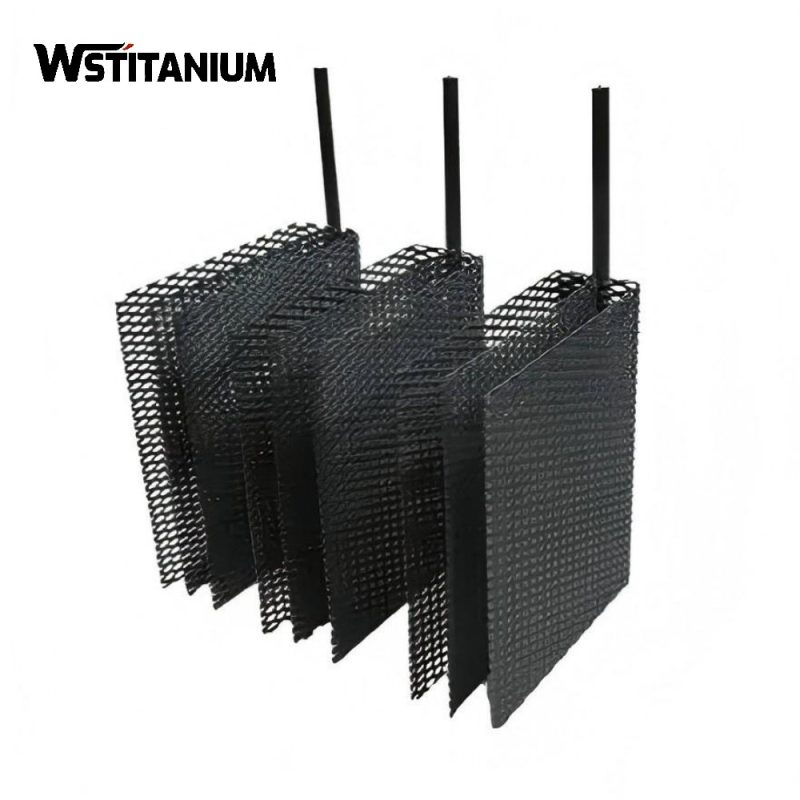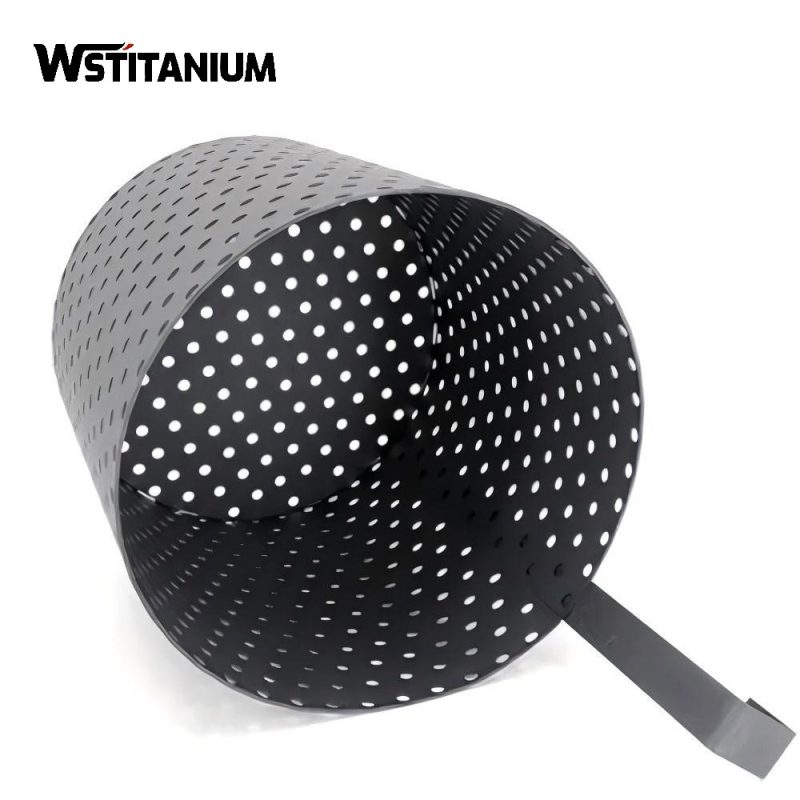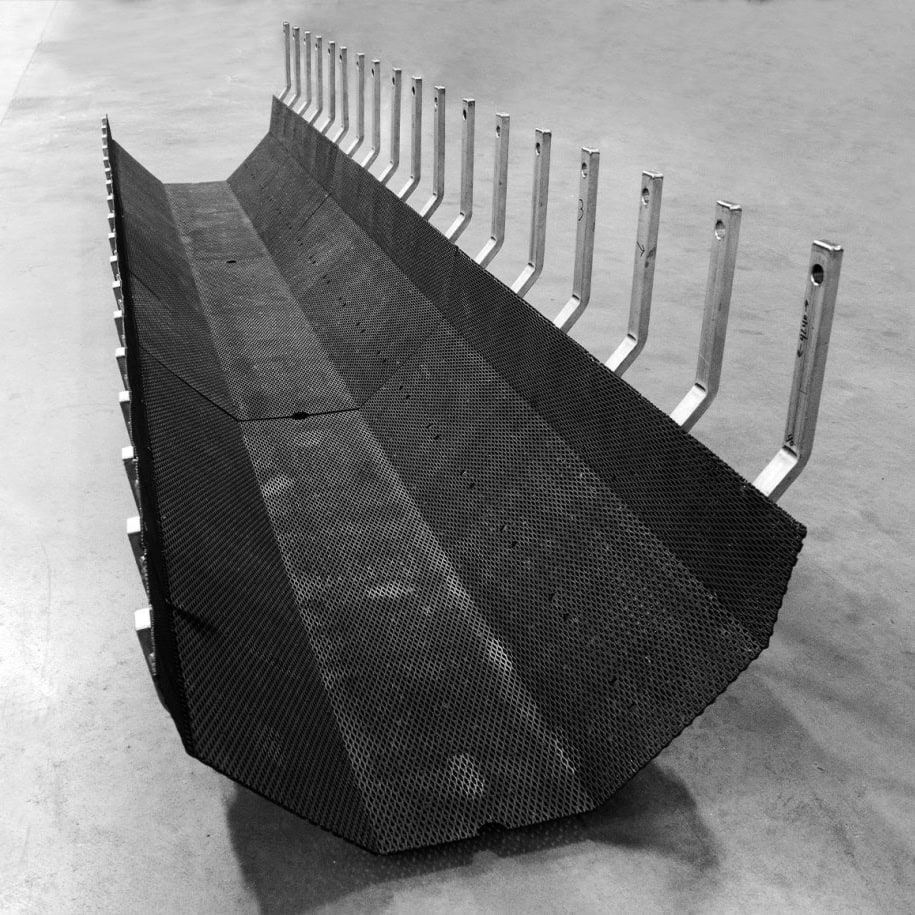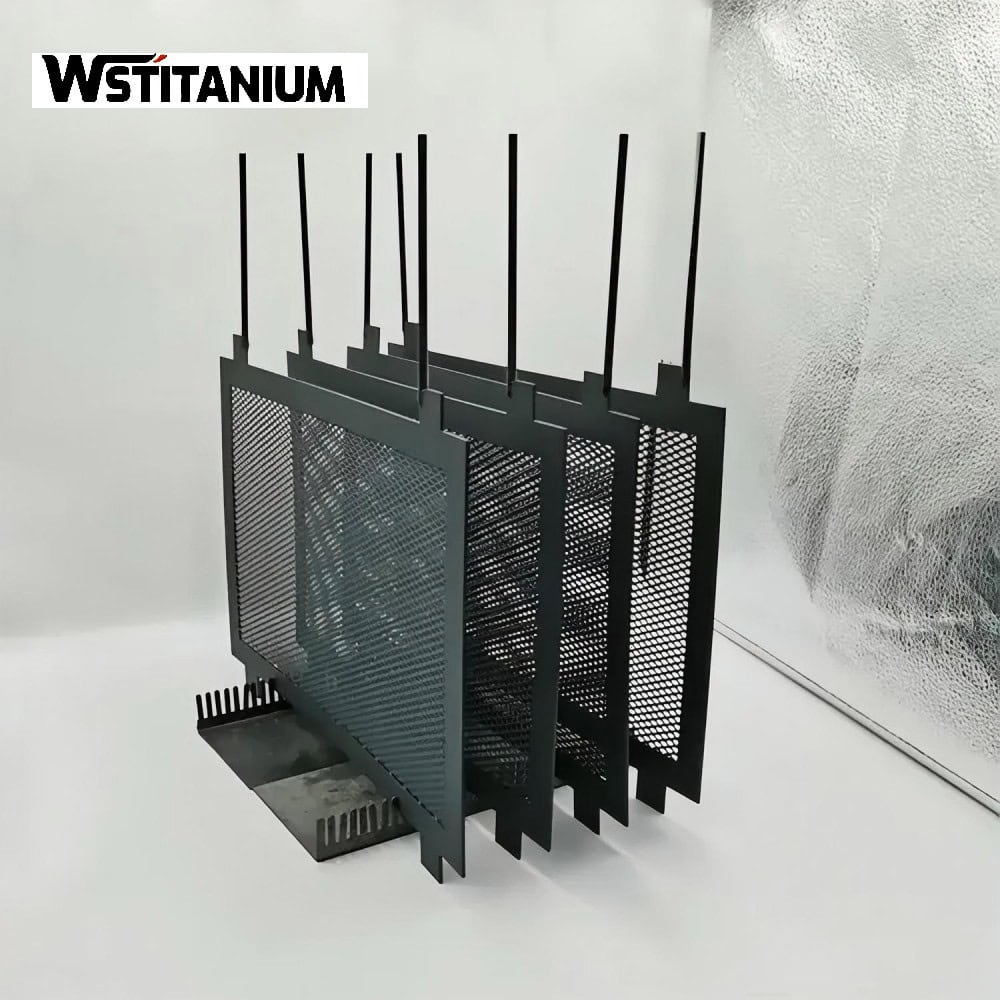

Wstitanium provides high-performance, long-life, and customized titanium anode solutions for the electropolishing industry. Titanium anodes have low oxygen evolution overpotential, reducing energy consumption by 20-30% compared to traditional lead anodes. Under normal operating conditions, they have a lifespan of up to 10 years and comply with RoHS and REACH standards. Uniform current distribution ensures a consistent polishing effect on complex-shaped workpieces.
MMO Coating System For Electropolishing
Electropolishing is typically performed in a strongly acidic electrolyte, primarily involving the oxygen evolution reaction (OER). Wstitanium selects the most suitable coating formulation for you based on different electrolyte compositions, operating current densities, temperatures, and polishing requirements. All coatings are prepared using internationally advanced thermal decomposition technology, ensuring uniformity, density, and strong adhesion.
70% IrO₂ + 30% Ta₂O₅
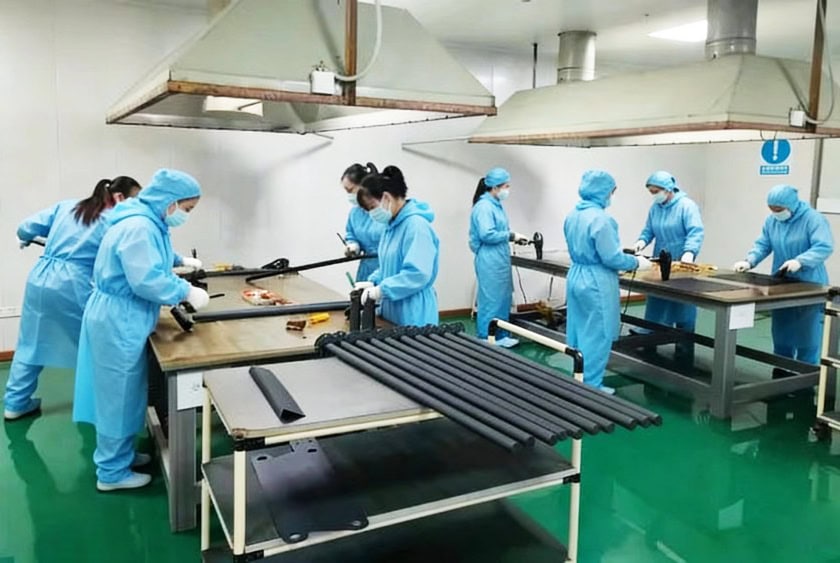
Iridium-tantalum based coatings are the most commonly used and highest-performing coating systems. Iridium dioxide (IrO₂) possesses extremely high oxygen evolution reaction (OER) catalytic activity and chemical stability. Tantalum pentoxide (Ta₂O₅) acts as a stabilizer, significantly improving the coating’s corrosion resistance and adhesion to the titanium substrate.
- pH: 0-14
- Lifespan ≥5 years
- Coating thickness: 8-20 μm
- Current density ≤ 3000 A/m²
- Precious metal loading: 10-25 g/m²
- Typical molar ratio: 70% IrO₂ + 30% Ta₂O₅
- Oxygen evolution potential ≤1.45 V (vs SCE)
- For acidic electrolyte systems
- For medium-scale production
- For copper electropolishing
- For stainless steel electropolishing
- For aluminum electropolishing
85% IrO₂ + 15% Ta₂O₅
Compared to standard iridium-tantalum coatings(70% IrO₂ + 30% Ta₂O₅), 85% IrO₂ + 15% Ta₂O₅ coating exhibits higher oxygen evolution potential (OEP) catalytic activity. OEP potential ≤ 1.40 V (vs SCE). It operates at higher temperatures and higher current densities.
- Coating thickness: 12-18 μm
- Precious metal loading: 15-20 g/m²
- Oxygen evolution potential ≤1.40 V (vs SCE)
- Lifetime ≥8 years
- Improved passivation resistance
- Lower coating loss rate
- For High current density electropolishing (>3000 A/m²)
- For High-temperature electrolyte (>60℃)
- For High-concentration acidic electrolyte
- For Extremely high polishing quality requirements
- For Continuous production operation
Gradient-structured Iridium-Tantalum Coating
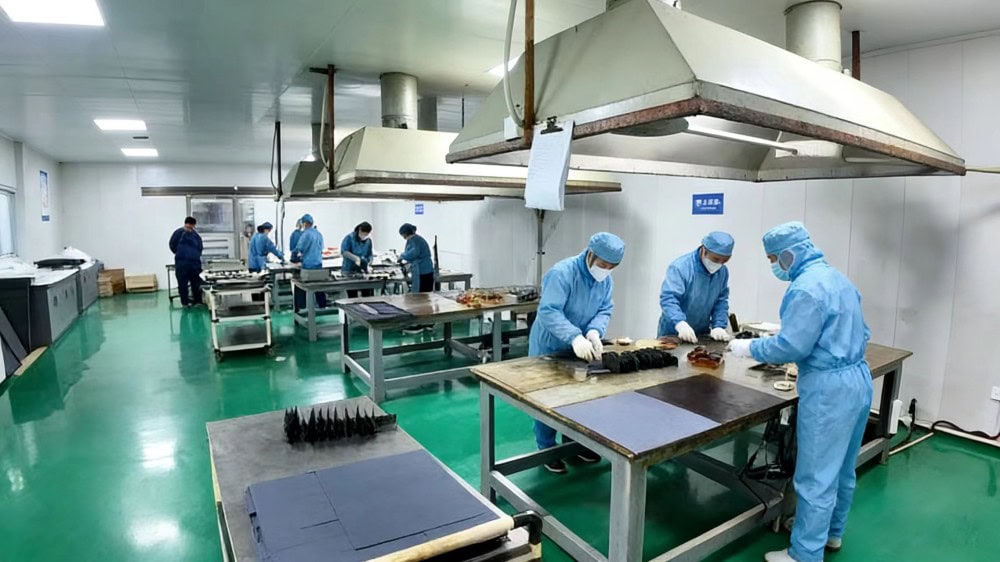
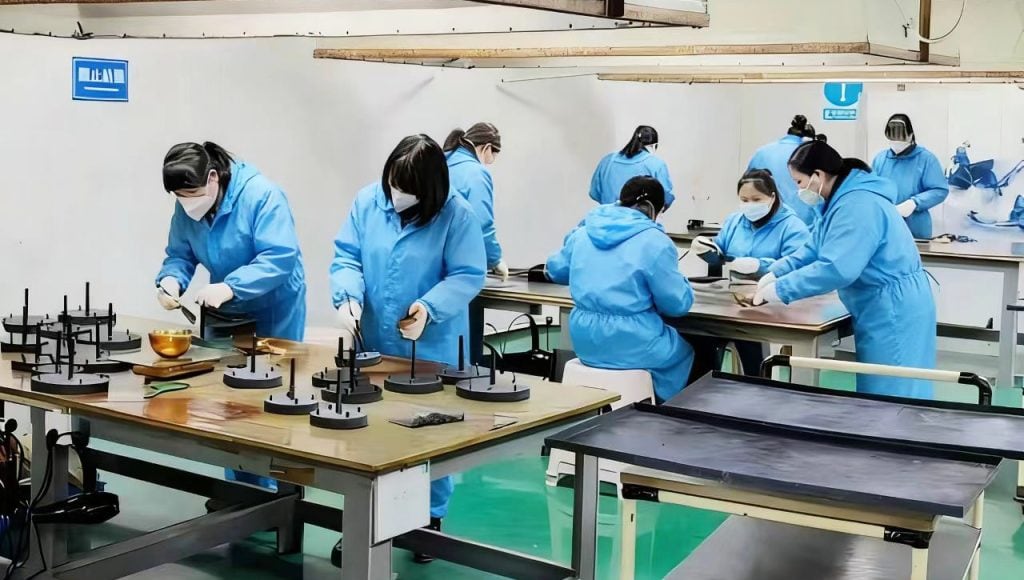
The coating elements gradually change from the titanium substrate to the outermost layer. The side closer to the titanium substrate has a higher Ta₂O₅ content, improving the adhesion between the coating and the substrate; while the outermost layer has a higher IrO₂ content, ensuring excellent electrocatalytic activity. Coating adhesion ≥40 MPa, withstands frequent temperature changes, and is not easily detached under mechanical shock and vibration. Lifespan ≥10 years. More uniform current distribution, improving polishing quality.
- Bottom Layer: 30% IrO₂ + 70% Ta₂O₅
- Middle Layer: 50% IrO₂ + 50% Ta₂O₅
- Top Layer: 80% IrO₂ + 20% Ta₂O₅
- Total Coating Thickness: 15-20 μm
- Precious Metal Loading: 18-25 g/m²
- For Large-scale electrolytic polishing production line
- For Continuous production operation
- For Production equipment with frequent start-stop cycles
- For Polishing of large, complex-shaped parts
- For High reliability requirements
IrO₂-RuO₂-TiO₂
Iridium-ruthenium based coatings exhibit excellent catalytic activity in both oxygen evolution and chloride evolution reactions. They are suitable for electrolytic polishing electrolyte systems containing chloride ions. Ruthenium dioxide (RuO₂) possesses extremely high conductivity and chloride evolution catalytic activity. Titanium dioxide (TiO₂) acts as a stabilizer, improving the chemical stability of the coating.
- 40% IrO₂ + 30% RuO₂ + 30% TiO₂ (molar ratio)
- Oxygen evolution & chlorine evolution catalysis
- Coating thickness: 6-30 μm
- Noble metal loading: 8-12 g/m²
- Coating resistivity ≤10⁻⁷ Ω・m
- For Electropolishing electrolytes containing chloride ions
- For Low to medium current density applications (<2000 A/m²)
- For High-volume, low-cost polishing of parts
- For Applications with less stringent requirements
- For Intermittent production operations
Platinum Coating
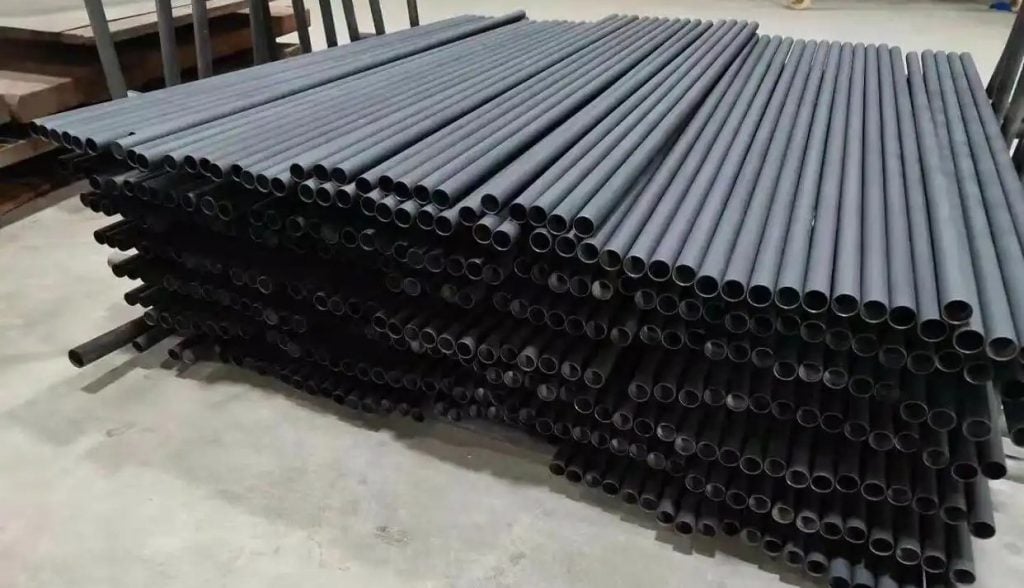
High-purity platinum (99.99%) is deposited onto the surface of a titanium substrate via electroplating or magnetron sputtering. Platinum possesses extremely high chemical stability and excellent electrocatalytic performance.
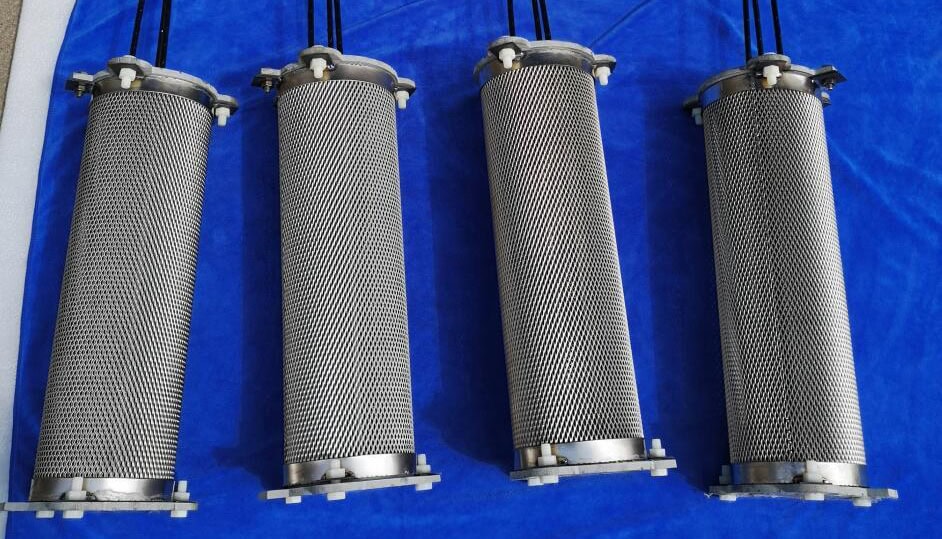
- Coating Thickness: 0.5-5.0 μm
- Platinum Loading: 5-50 g/m²
- Current Density: ≤15000 A/m²
- Does not contaminate the electrolyte
- Does not easily generate anodic sludge or deposits
- For Ultra-high current density
- For High-purity polishing requirements.
- For Laboratory research and development.
- For Special electrolyte systems (e.g., containing fluoride ions).
- For Applications with zero tolerance for anode contamination
Comparison of MMO Titanium Anodes
To help you understand the performance differences between different coating systems more intuitively, Wstitanium has conducted a comprehensive parameter comparison of various MMO titanium anode coatings used in electropolishing. All data are based on standard test conditions in the Wstitanium laboratory and reference international authoritative standards and literature.
Comparison of Physicochemical Parameters
| Parameters | 70% IrO₂+30% Ta₂O₅ | 85% IrO₂+15% Ta₂O₅ | Gradient Ir-Ta | IrO₂-RuO₂-TiO₂ | Pt | IrO₂-Ta₂O₅-Pt | IrO₂-Ta₂O₅-SnO₂-Sb₂O₅ |
|---|---|---|---|---|---|---|---|
| Composition | IrO₂, Ta₂O₅ | IrO₂, Ta₂O₅ | IrO₂, Ta₂O₅ | IrO₂, RuO₂, TiO₂ | Pt | IrO₂, Ta₂O₅, Pt | IrO₂, Ta₂O₅, SnO₂, Sb₂O₅ |
| Precious Metal Loading | 10–15 g/m² | 15–20 g/m² | 18–25 g/m² | 10–15 g/m² | 1–10 g/m² | 12–18 g/m² | 8–20 g/m² |
| Coating Thickness | 8–12 μm | 12–18 μm | 15–20 μm | 8–12 μm | 0.5–5.0 μm | 8–15 μm | 8–12 μm |
| Adhesion Strength | ≥30 MPa | ≥35 MPa | ≥40 MPa | ≥25 MPa | ≥20 MPa | ≥35 MPa | ≥30 MPa |
| Resistivity | ≤5×10⁻⁷ Ω·m | ≤4×10⁻⁷ Ω·m | ≤3×10⁻⁷ Ω·m | ≤2×10⁻⁷ Ω·m | ≤1×10⁻⁷ Ω·m | ≤3.5×10⁻⁷ Ω·m | ≤4.2×10⁻⁷ Ω·m |
| Surface Roughness Ra | 1.5–2.5 μm | 1.2–2.0 μm | 1.0–1.8 μm | 1.8–3.0 μm | 0.2–0.8 μm | 0.8–1.5 μm | 1.6–2.8 μm |
| Porosity | <0.1% | <0.05% | <0.03% | <0.15% | <0.01% | <0.04% | <0.12% |
| Thermal Expansion Coefficient | 7.5–8.5×10⁻⁶/℃ | 7.2–8.2×10⁻⁶/℃ | 7.0–8.0×10⁻⁶/℃ | 7.8–8.8×10⁻⁶/℃ | 8.8–9.2×10⁻⁶/℃ | 7.3–8.3×10⁻⁶/℃ | 7.6–8.6×10⁻⁶/℃ |
Electrochemical Performance Comparison
| Parameters | 70% IrO₂ + 30% Ta₂O₅ | 85% IrO₂ + 15% Ta₂O₅ | Gradient Ir-Ta | IrO₂-RuO₂-TiO₂ | Pt | IrO₂-Ta₂O₅-Pt | IrO₂, Ta₂O₅, SnO₂, Sb₂O₅ |
|---|---|---|---|---|---|---|---|
| Oxygen Evolution Potential (V vs SCE) @2000 A/m², 1mol/L H₂SO₄ |
≤1.45 | ≤1.40 | ≤1.38 | ≤1.50 | ≤1.35 | ≤1.37 | ≤1.48 |
| Chlorine Evolution Potential (V vs SCE) @2000 A/m², 0.5mol/L NaCl |
≤1.60 | ≤1.58 | ≤1.55 | ≤1.13 | ≤1.45 | ≤1.52 | ≤1.62 |
| Polarization Rate (mV/decade) | 40-50 | 35-45 | 30-40 | 30-40 | 25-35 | 32-42 | 42-52 |
| Current Density | 100-3000 A/m² | 500-5000 A/m² | 500-6000 A/m² | 100-2000 A/m² | 1000-15000 A/m² | 500-5000 A/m² | 100-3000 A/m² |
| Maximum Current Density | 5000 A/m² | 8000 A/m² | 10000 A/m² | 3000 A/m² | 20000 A/m² | 8000 A/m² | 4000 A/m² |
| Current Efficiency | ≥92% | ≥94% | ≥95% | ≥90% | ≥98% | ≥95% | ≥90% |
| Cell Voltage (V) @2000 A/m² |
3.5-4.5 | 3.2-4.2 | 3.0-4.0 | 3.8-4.8 | 3.0-4.0 | 3.1-4.1 | 3.6-4.6 |
| Open Circuit Potential (V vs SCE) | 0.8-1.0 | 0.9-1.1 | 0.9-1.1 | 0.7-0.9 | 1.0-1.2 | 0.9-1.1 | 0.8-1.0 |
Operating Condition Comparison
| Parameters | 70% IrO₂ + 30% Ta₂O₅ | 85% IrO₂ + 15% Ta₂O₅ | Gradient Ir-Ta | IrO₂-RuO₂-TiO₂ | Pt | IrO₂-Ta₂O₅-Pt | IrO₂, Ta₂O₅, SnO₂, Sb₂O₅ |
|---|---|---|---|---|---|---|---|
| pH | 0-14 | 0-14 | 0-14 | 0-12 | 0-14 | 0-14 | 0-12 |
| Max Temperature (℃) | 80 | 95 | 100 | 70 | 120 | 90 | 75 |
| Fluoride Ion Resistance | Medium | Good | Excellent | Excellent | Excellent | Good | Medium |
| Fluoride Ion Tolerance (mg/L) | <50 | <80 | <100 | <30 | <200 | <70 | <40 |
| Thermal Shock Resistance | Good | Good | Excellent | Medium | Good | Good | Medium |
| Impact Resistance | Good | Good | Excellent | Medium | Good | Good | Medium |
| Passivation Resistance | Good | Excellent | Excellent | Good | Excellent | Excellent | Good |
| Pollution Resistance | Good | Good | Excellent | Medium | Excellent | Excellent | Good |
Lifespan vs. Cost Comparison
| Parameters | 70% IrO₂ + 30% Ta₂O₅ | 85% IrO₂ + 15% Ta₂O₅ | Gradient Ir-Ta | IrO₂-RuO₂-TiO₂ | Pt | IrO₂-Ta₂O₅-Pt | IrO₂, Ta₂O₅, SnO₂, Sb₂O₅ |
|---|---|---|---|---|---|---|---|
| Accelerated Life Test (hours) @20000 A/m², 1mol/L H₂SO₄ |
>1500 | >2500 | >3500 | >1000 | >5000* | >3000 | >1200 |
| Service Life (years) | ≥5 | ≥8 | ≥10 | ≥3 | ≥5 | ≥7 | ≥4 |
| Relative Cost | 1 | 1.5 | 2 | 0.8 | 2.5-10.0 | 1.8 | 0.9 |
| Annual Average Cost | 1 | 0.94 | 0.8 | 1.07 | 2.0-5.0 | 1.03 | 0.9 |
| Recyclable & Re-coatable | Yes | Yes | Yes | Yes | Yes | Yes | Yes |
| Re-coating Cost Ratio | 0.6 | 0.6 | 0.6 | 0.6 | 0.8 | 0.7 | 0.6 |
| Return on Investment (ROI) Period (months) | 12-18 | 10-15 | 8-12 | 15-20 | 18-36 | 12-16 | 10-16 |
* Note: Accelerated life test results for platinum-based coatings are directly related to coating thickness. Data in the table is based on a 2μm platinum coating.
** Note: The lifespan of platinum-based coatings is closely related to current density and coating thickness. At low current densities, thick platinum coatings can have a lifespan exceeding 10 years.
Application Scenario Comparison
| Application | 70% IrO₂ + 30% Ta₂O₅ | 85% IrO₂ + 15% Ta₂O₅ | Gradient Ir-Ta | IrO₂-RuO₂-TiO₂ | Pt | IrO₂-Ta₂O₅-Pt | IrO₂, Ta₂O₅, SnO₂, Sb₂O₅ |
|---|---|---|---|---|---|---|---|
| Stainless Steel Polishing | ★★★★★ | ★★★★☆ | ★★★★★ | ★★★☆☆ | ★★★☆☆ | ★★★★★ | ★★★★☆ |
| Aluminum Alloy Polishing | ★★★★☆ | ★★★★★ | ★★★★★ | ★★★☆☆ | ★★★★☆ | ★★★★★ | ★★★☆☆ |
| Copper Polishing | ★★★★☆ | ★★★★☆ | ★★★★☆ | ★★★★☆ | ★★★☆☆ | ★★★★☆ | ★★★★☆ |
| Titanium-Gold Polishing | ★★★★☆ | ★★★★☆ | ★★★★★ | ★★★☆☆ | ★★★★★ | ★★★★★ | ★★★☆☆ |
| Chloride-Containing Electrolyte | ★★★★☆ | ★★★★☆ | ★★★★★ | ★★★★★ | ★★★★★ | ★★★★☆ | ★★★☆☆ |
| High Current Density | ★★★★☆ | ★★★★★ | ★★★★★ | ★★★☆☆ | ★★★★★ | ★★★★★ | ★★★★☆ |
| High Temperature Electrolyte | ★★★★☆ | ★★★★★ | ★★★★★ | ★★★☆☆ | ★★★★★ | ★★★★★ | ★★★☆☆ |
| Precision Parts Polishing | ★★★★☆ | ★★★★★ | ★★★★★ | ★★★☆☆ | ★★★★★ | ★★★★★ | ★★★☆☆ |
| Large-Scale Production | ★★★★★ | ★★★★☆ | ★★★★★ | ★★★★☆ | ★★★☆☆ | ★★★★☆ | ★★★★★ |
| High Reliability | ★★★★☆ | ★★★★★ | ★★★★★ | ★★★☆☆ | ★★★★☆ | ★★★★★ | ★★★☆☆ |
| Cost Sensitivity | ★★★★☆ | ★★★☆☆ | ★★★☆☆ | ★★★☆☆ | ★★★☆☆ | ★★★☆☆ | ★★★★★ |
MMO Titanium Anode Structure Categories
Wstitanium manufactures MMO titanium anodes in various shapes and sizes to meet your electropolishing equipment and technical requirements. Different anode shapes offer different current distribution characteristics and are suitable for different applications. Choosing the appropriate anode shape is crucial for achieving uniform polishing results, improving efficiency, and reducing energy consumption.
Plate Anode
The plate-shaped anode is made of titanium plates that have been cut, welded, and surface-treated before being coated with an MMO coating. It features a smooth surface and high mechanical strength.
- Installation ease: ★★★★★
- Cost-effectiveness: ★★★★☆
- Mechanical strength: ★★★★★
- Specific surface area: ★★☆☆☆
- Electrolyte flowability: ★★☆☆☆
- Current distribution uniformity: ★★★★☆
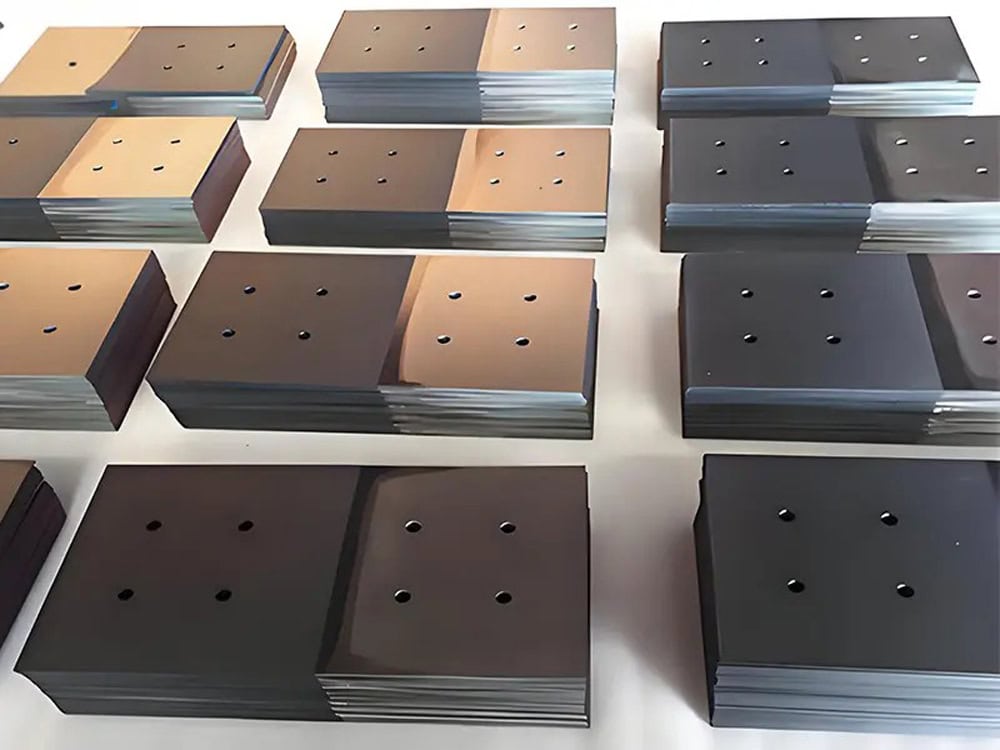
| Parameters | Customization Range | Default |
|---|---|---|
| Base Material | Gr 1 Ti, Gr 2 Ti, Gr 5 Ti | Grade 2 Titanium |
| Thickness | 0.5 mm - 20 mm | 1.0 mm, 1.5 mm, 2.0 mm, 3.0 mm, 5.0 mm |
| Length | Max 2000 mm | 100 mm, 200 mm, 500 mm, 1000 mm, 1500 mm, 2000 mm |
| Width | Max 1000 mm | 100 mm, 200 mm, 300 mm, 500 mm, 1000 mm |
| Hole Type | No hole, Round hole, Square hole, Slotted hole | Round hole |
| Hole Diameter | φ2 mm - φ50 mm | φ3 mm, φ5 mm, φ8 mm, φ10 mm, φ15 mm |
| Hole Pitch | 5 mm - 100 mm | 10 mm, 15 mm, 20 mm, 30 mm |
| Open Area Ratio | 0% - 70% | 30%, 40%, 50% |
| Edge | Cutting, Grinding, Bending | Grinding |
| Conductive Rod Material | Titanium, Copper | Titanium |
| Conductive Rod Diameter | φ6 mm - φ30 mm | φ10 mm, φ12 mm, φ16 mm, φ20 mm |
| Conductive Rod Length | 50 mm - 500 mm | 100 mm, 150 mm, 200 mm |
| Connection | Welding, Bolt Connection | Welding |
| Coating Thickness | 5 μm - 25 μm | 8-12 μm |
Mesh Anode
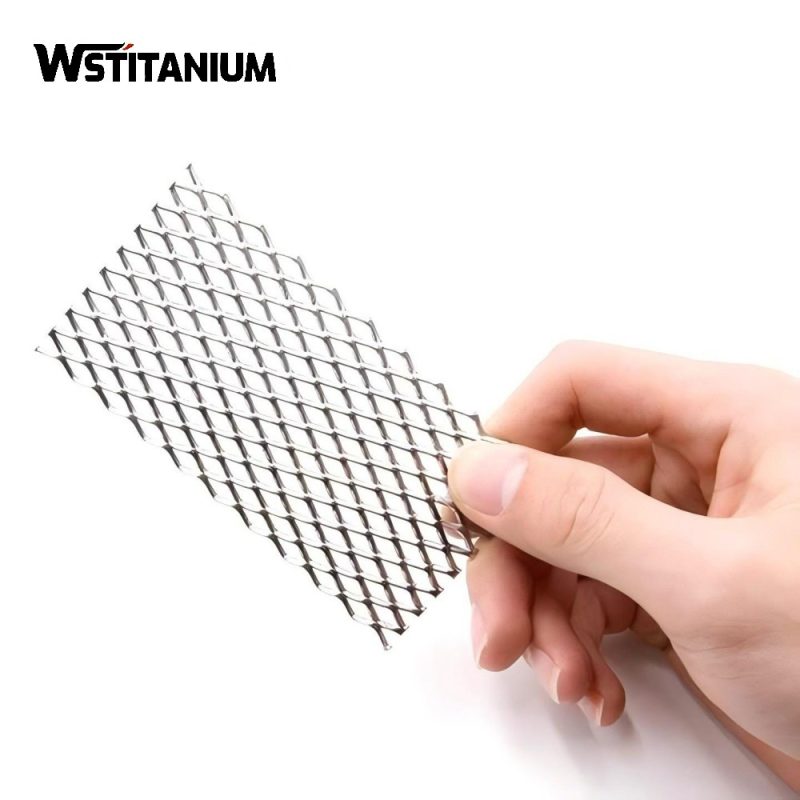
Mesh anodes, made of titanium mesh, are one of the most popular anode shapes for electropolishing applications. The porous structure of the titanium mesh provides a larger specific surface area and better electrolyte flow. The mesh openings are square or rectangular, with wire diameters typically ranging from 0.5 to 2.0 mm. Mesh apertures range from 1×1 mm to 10×10 mm.
- Current Distribution Uniformity: ★★★★★
- Specific Surface Area: ★★★★☆
- Mechanical Strength: ★★★☆☆
- Ease of Installation: ★★★★☆
- Electrolyte Flow: ★★★★★
- Cost-Effectiveness: ★★★★★
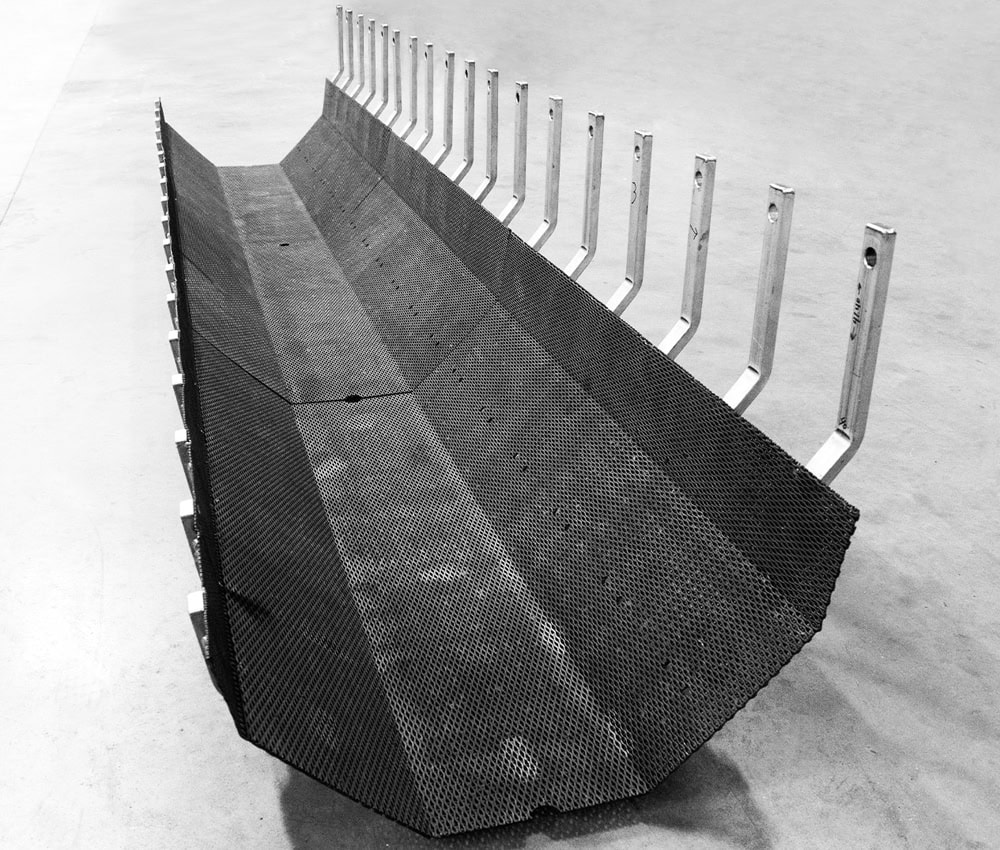
| Parameters | Customization | Default Options |
|---|---|---|
| Base Material | Grade 1 Titanium, Grade 2 Titanium | Grade 2 Titanium |
| Mesh Type | Woven Mesh, Expanded Mesh | Expanded Mesh |
| Titanium Wire / Plate Thickness | 0.3 mm - 3.0 mm | 0.5 mm, 0.8 mm, 1.0 mm, 1.5 mm, 2.0 mm |
| Mesh Aperture Size | 1×1 mm - 20×40 mm | 2.5×5 mm, 3×6 mm, 4×8 mm, 5×10 mm |
| Length | Max 2000 mm | 100 mm, 200 mm, 500 mm, 1000 mm, 1500 mm, 2000 mm |
| Width | Max 1000 mm | 100 mm, 200 mm, 300 mm, 500 mm, 1000 mm |
| Frame | Titanium | Titanium |
| Frame Thickness | 1.0 mm - 5.0 mm | 2.0 mm, 3.0 mm |
| Conductive Rod Material | Titanium, Copper-Plated Titanium | Titanium |
| Conductive Rod Diameter | φ6 mm - φ30 mm | φ10 mm, φ12 mm, φ16 mm, φ20 mm |
| Conductive Rod Length | 50 mm - 500 mm | 100 mm, 150 mm, 200 mm |
| Connection | Welding, Bolt Connection | Welding |
| Coating Thickness | 5 μm - 25 μm | 8-12 μm |
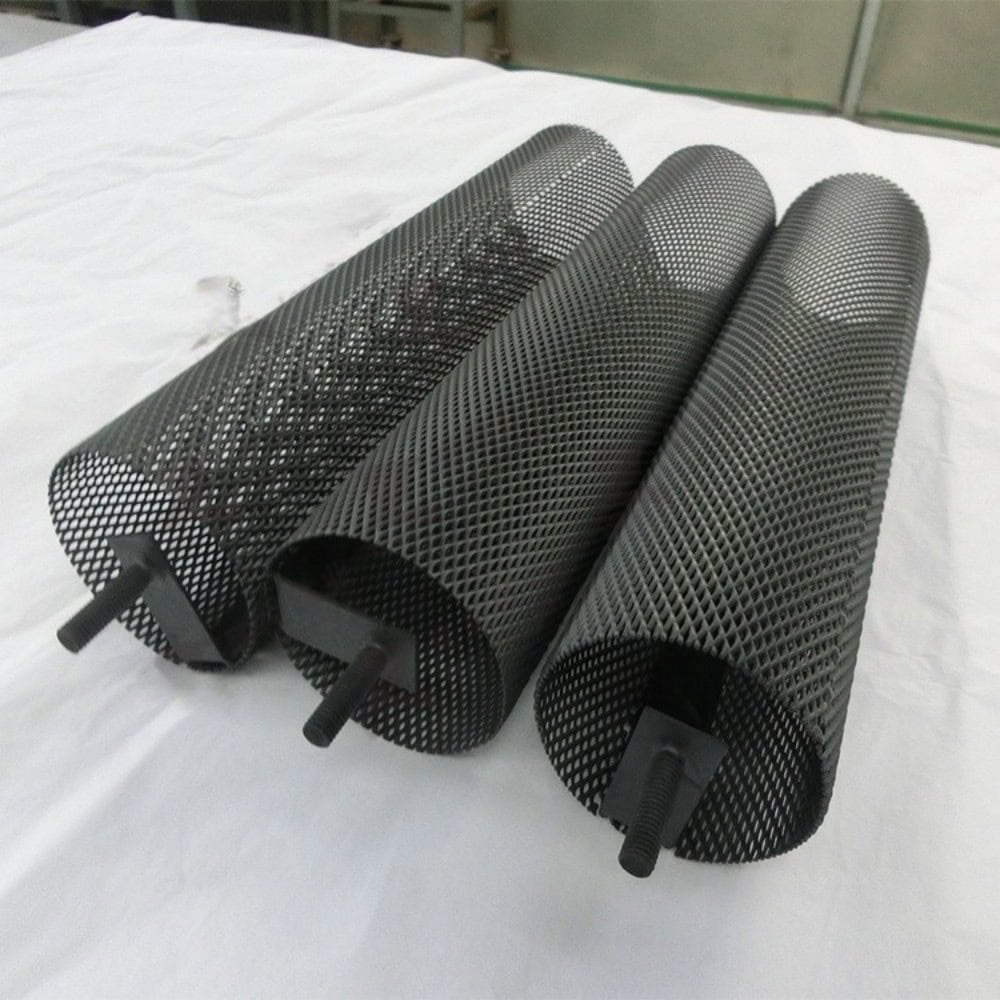
Tube Anode
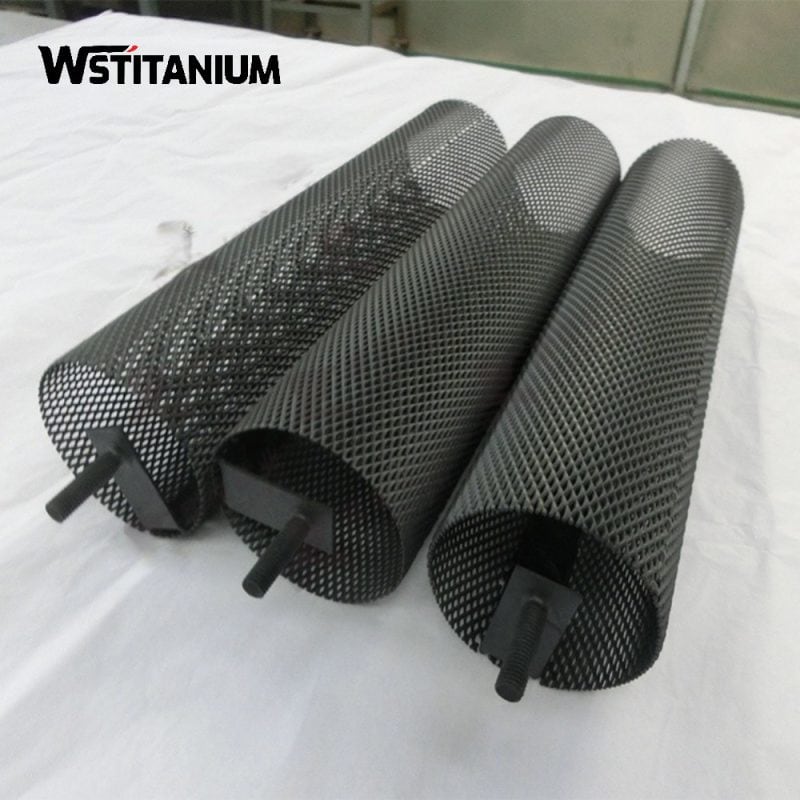
The tubular anode is made of seamless titanium tubing and is suitable for electrolytic polishing of the inner and outer surfaces of cylindrical or tubular parts. Titanium rods can be welded to both ends as conductive rods. It features a robust structure and high mechanical strength.
- Current Distribution Uniformity (Outer Surface): ★★★★★
- Current Distribution Uniformity (Inner Surface): ★★★☆☆
- Mechanical Strength: ★★★★★
- Electrolyte Flowability: ★★☆☆☆
- Specific Surface Area: ★★★☆☆
- Cost-Effectiveness: ★★★☆☆
- Installation Ease: ★★★☆☆
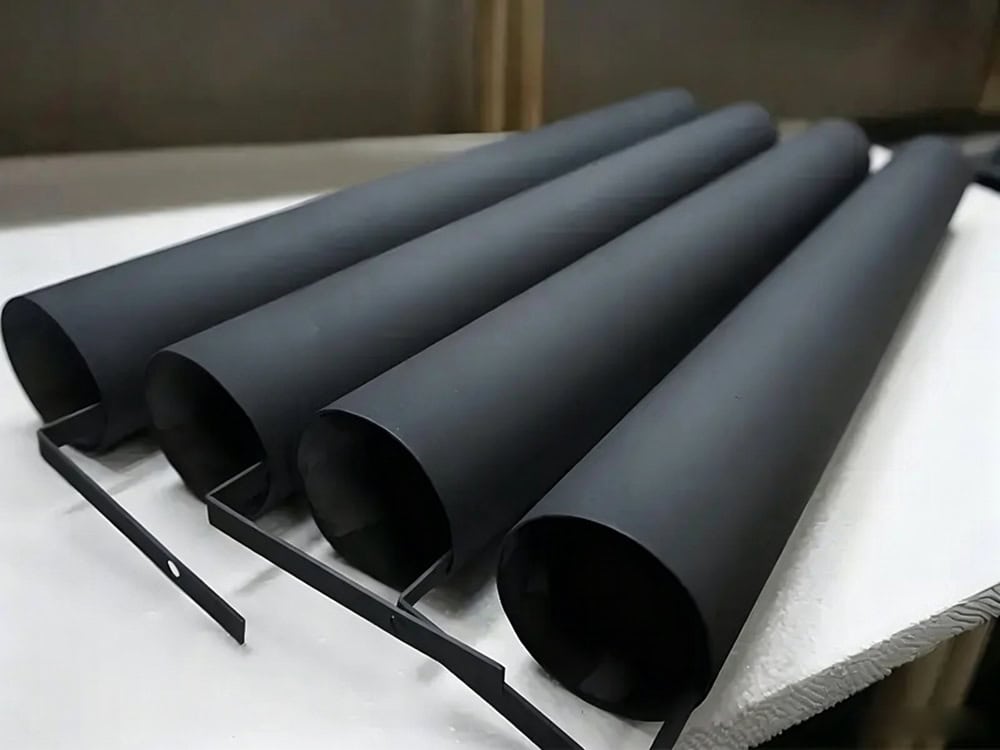
| Parameters | Customization | Default Options |
|---|---|---|
| Base Material | Grade 1 Titanium, Grade 2 Titanium | Grade 2 Titanium |
| Outer Diameter | φ6 mm - φ200 mm | φ10 mm, φ15 mm, φ20 mm, φ25 mm, φ30 mm, φ40 mm, φ50 mm |
| Wall Thickness | 0.3 mm - 5.0 mm | 0.5 mm, 0.8 mm, 1.0 mm, 1.5 mm, 2.0 mm |
| Length | Max 6000 mm | 100 mm, 200 mm, 500 mm, 1000 mm, 1500 mm, 2000 mm, 3000 mm |
| Hole Type | No hole, Round hole, Slotted hole | Round hole |
| Hole Diameter | φ2 mm - φ20 mm | φ3 mm, φ5 mm, φ8 mm, φ10 mm |
| Hole Pitch | 10 mm - 100 mm | 20 mm, 30 mm, 50 mm |
| Open Area Ratio | 0% - 60% | 20%, 30%, 40% |
| End Part | Sealed, Open, Welded Flange | Open |
| Conductive Rod Material | Titanium, Copper-Plated Titanium | Titanium |
| Conductive Rod Diameter | φ6 mm - φ30 mm | φ10 mm, φ12 mm, φ16 mm, φ20 mm |
| Connection | Welding, Threaded Connection, Flange Connection | Welding |
| Coating Thickness | 5 μm - 25 μm | 8-12 μm |
| Coating Position | Outer Surface, Inner Surface, Inner & Outer Surfaces | Outer Surface |
Rod Anode
The rod-shaped anode is made of solid titanium rod and is suitable for polishing small parts and internal holes. It features a robust structure and high mechanical strength. Custom sizes and shapes are available upon request.
- Current distribution uniformity: ★★★☆☆
- Mechanical strength: ★★★★★
- Installation ease: ★★★★★
- Cost-effectiveness: ★★★★☆
- Specific surface area: ★★☆☆☆
- Electrolyte flowability: ★★☆☆☆
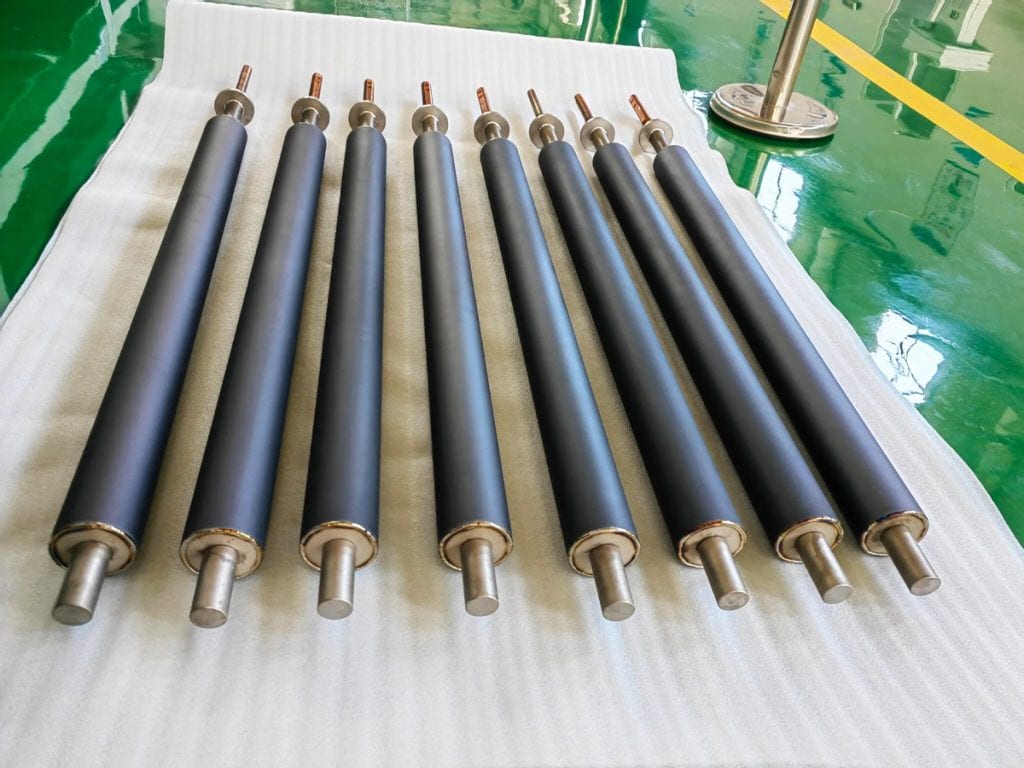
| Parameters | Customization | Default Options |
|---|---|---|
| Base Material | Grade 1 Titanium, Grade 2 Titanium | Grade 2 Titanium |
| Outer Diameter | φ6 mm - φ200 mm | φ10 mm, φ15 mm, φ20 mm, φ25 mm, φ30 mm, φ40 mm, φ50 mm |
| Wall Thickness | 0.3 mm - 5.0 mm | 0.5 mm, 0.8 mm, 1.0 mm, 1.5 mm, 2.0 mm |
| Length | Max 6000 mm | 100 mm, 200 mm, 500 mm, 1000 mm, 1500 mm, 2000 mm, 3000 mm |
| Hole Type | No hole, Round hole, Slotted hole | Round hole |
| Hole Diameter | φ2 mm - φ20 mm | φ3 mm, φ5 mm, φ8 mm, φ10 mm |
| Hole Pitch | 10 mm - 100 mm | 20 mm, 30 mm, 50 mm |
| Open Area Ratio | 0% - 60% | 20%, 30%, 40% |
| End Part | Sealed, Open, Welded Flange | Open |
| Conductive Rod Material | Titanium, Copper-Plated Titanium | Titanium |
| Conductive Rod Diameter | φ6 mm - φ30 mm | φ10 mm, φ12 mm, φ16 mm, φ20 mm |
| Connection | Welding, Threaded Connection, Flange Connection | Welding |
| Coating Thickness | 5 μm - 25 μm | 8-12 μm |
| Coating Position | Outer Surface, Inner Surface, Inner & Outer Surfaces | Outer Surface |
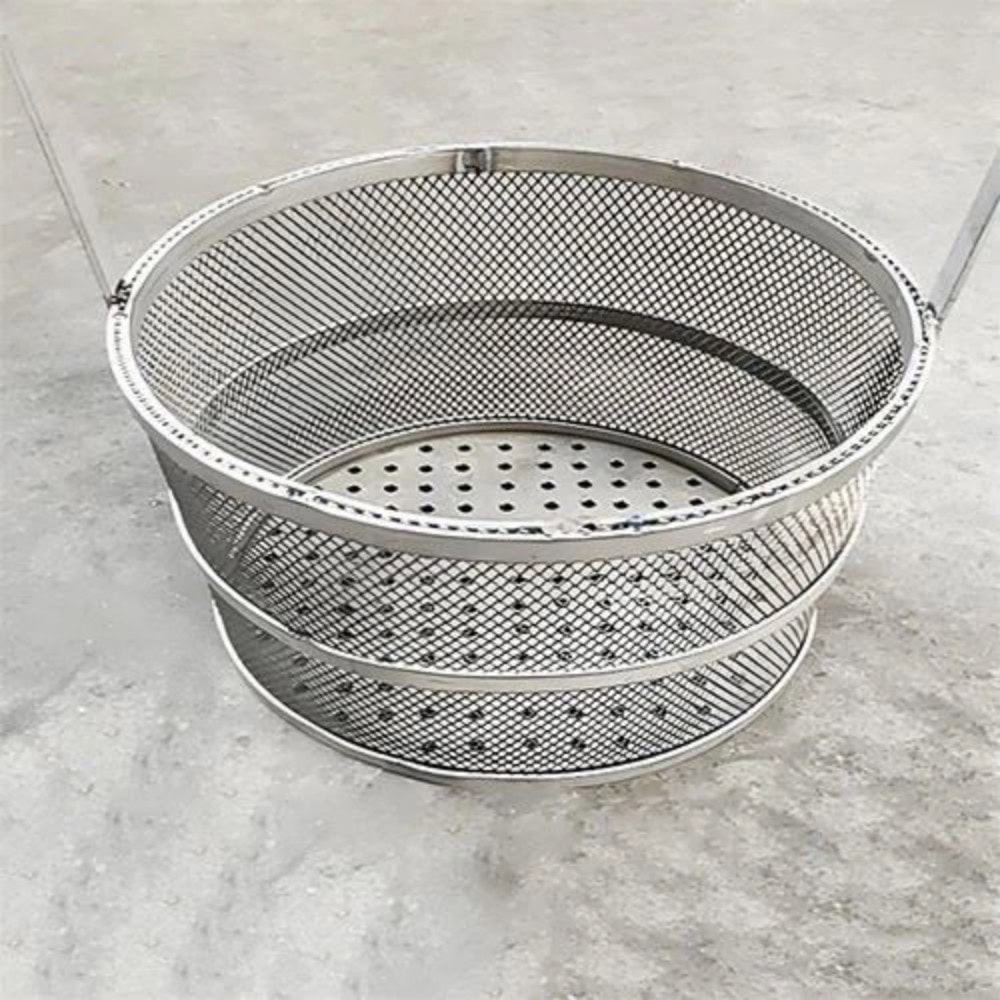
Basket- Anodes
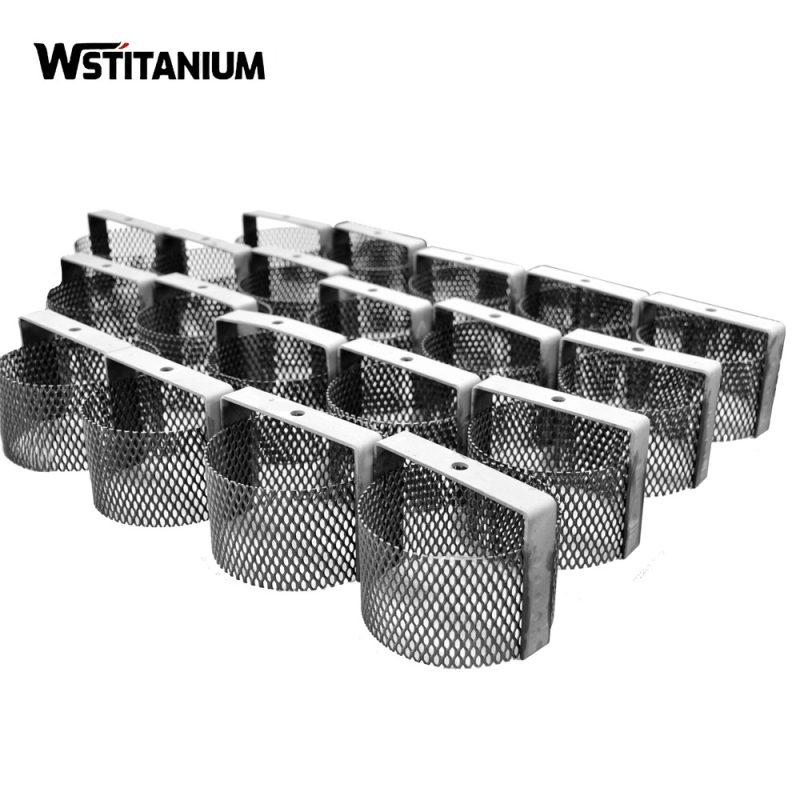
Basket-shaped anodes are constructed from titanium mesh or titanium plates welded into a basket-like structure, suitable for batch polishing of small parts. They are typically cylindrical, square, or rectangular in shape and equipped with a handle.
- Ease of parts loading and unloading: ★★★★★
- Current distribution uniformity: ★★★★☆
- Electrolyte flowability: ★★★★★
- Specific surface area: ★★★★★
- Mechanical strength: ★★★☆☆
- Cost-effectiveness: ★★★★☆
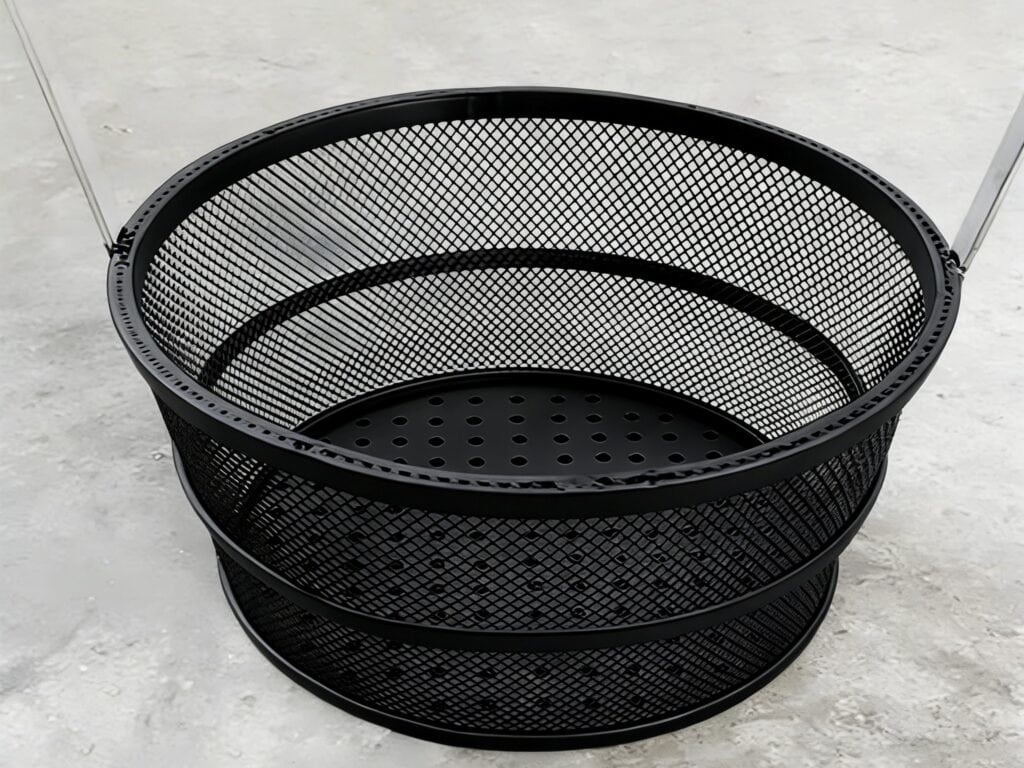
| Parameters | Customization | Default Options |
|---|---|---|
| Base Material | Grade 1 Titanium, Grade 2 Titanium | Grade 2 Titanium |
| Shape | Cylindrical, Square, Rectangular, Special-shaped | Cylindrical |
| Diameter / Side Length | 50 mm - 1000 mm | 100 mm, 200 mm, 300 mm, 500 mm |
| Height | 50 mm - 1000 mm | 100 mm, 200 mm, 300 mm, 500 mm |
| Mesh Aperture Size | 1×1 mm - 10×10 mm | 2×2 mm, 3×3 mm, 5×5 mm |
| Titanium Wire Diameter | 0.5 mm - 2.0 mm | 0.8 mm, 1.0 mm, 1.5 mm |
| Frame Material | Titanium | Titanium |
| Frame Thickness | 2.0 mm - 5.0 mm | 3.0 mm |
| Handle Material | Titanium | Titanium |
| Handle Diameter | φ6 mm - φ16 mm | φ8 mm, φ10 mm, φ12 mm |
| Coating Thickness | 5 μm - 20 μm | 8-12 μm |
Custom Anodes of Any Shape
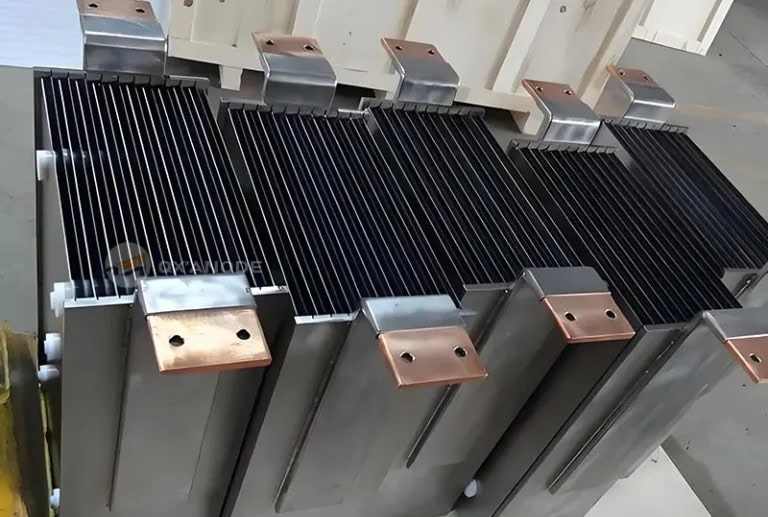
In addition to the standard shapes mentioned above, Wstitanium also manufactures various special-shaped MMO titanium anodes to meet your specific needs. We have invested in advanced CNC machining centers and specialized technology to precisely replicate anodes of any complex shape.
- Curved Anode
- Semi-circular Anode
- Irregularly Shaped Plate Anode
- Spiral Anode
- Grid-shaped Anode
- Combined Anode
FAQ
Wstitanium’s MMO titanium anodes can be used for electropolishing almost all metallic materials, including:
Stainless steel: 304, 316, 316L, and various other grades of stainless steel
Aluminum alloys: Pure aluminum, aluminum-magnesium alloys, aluminum-silicon alloys, etc.
Copper and copper alloys: Pure copper, brass, bronze, etc.
Titanium and titanium alloys: Pure titanium, TC4, and other titanium alloys
Nickel and nickel alloys: Pure nickel, Hastelloy, Monel, etc.
Carbon steel and low-alloy steel
Precious metals: Gold, silver, platinum, etc.
Different materials require different electrolyte formulations and technical parameters.
Wstitanium’s technical experts can provide you with appropriate advice.
Wstitanium’s MMO titanium anode products strictly adhere to the following international standards:
ASTM B265: Standard for titanium and titanium alloy strips, sheets, and plates.
ASTM B338: Standard for seamless and welded titanium tubes for condensers and heat exchangers.
ASTM B863: Standard for titanium and titanium alloy wires.
ISO 9001:2015: Quality Management System Standard.
ISO 19097: Standard for accelerated life testing of mixed metal oxide anodes for cathodic protection.
NACE TM0108: Standard for testing catalytic titanium anodes used in soil or natural water.
RoHS: Restriction of the use of certain hazardous substances in electrical and electronic equipment.
REACH: EU Regulation on Registration, Evaluation, Authorization and Restriction of Chemicals.