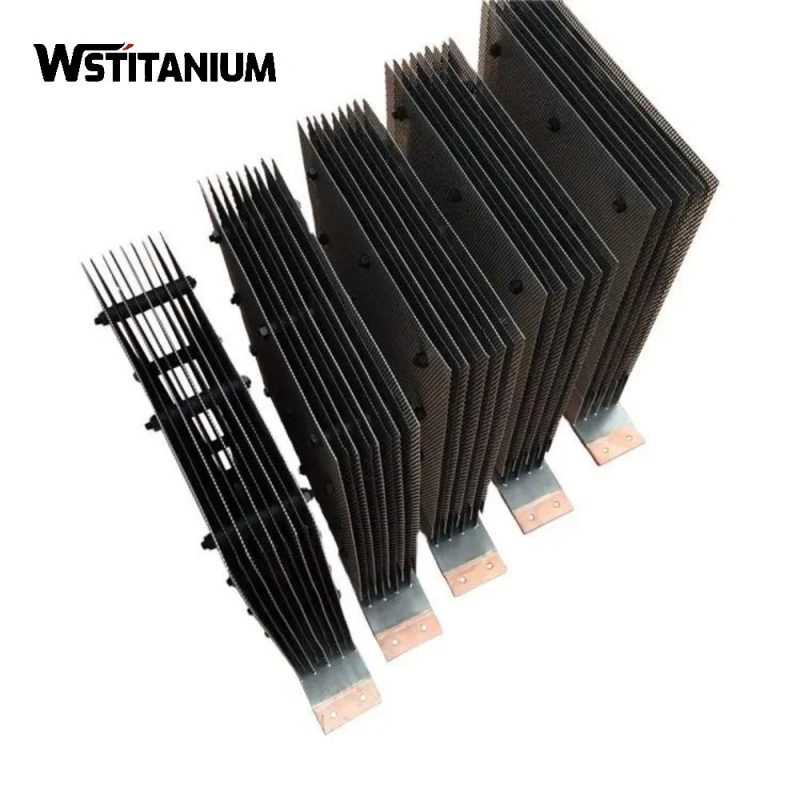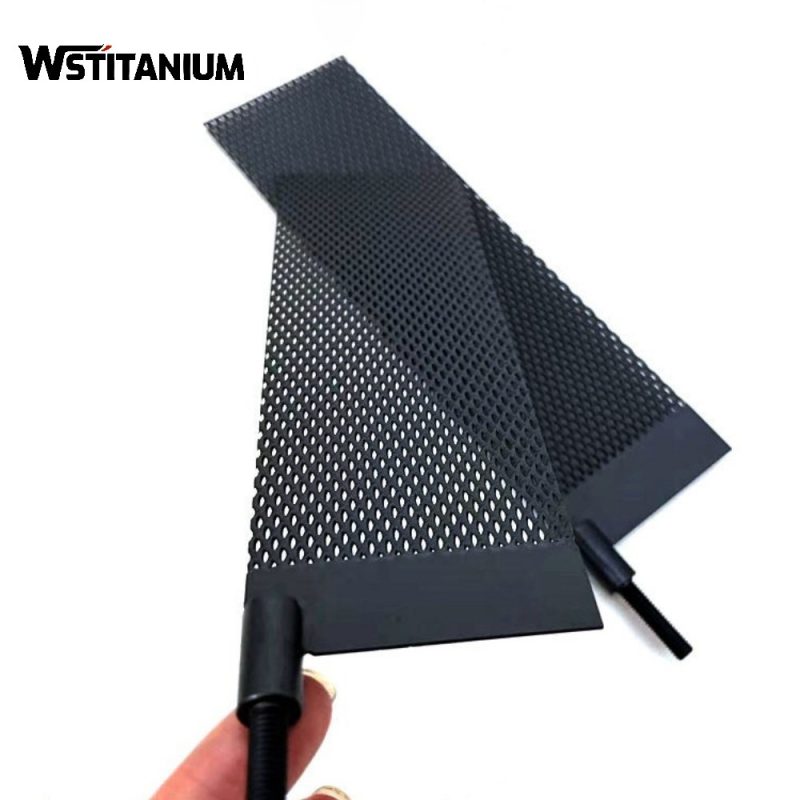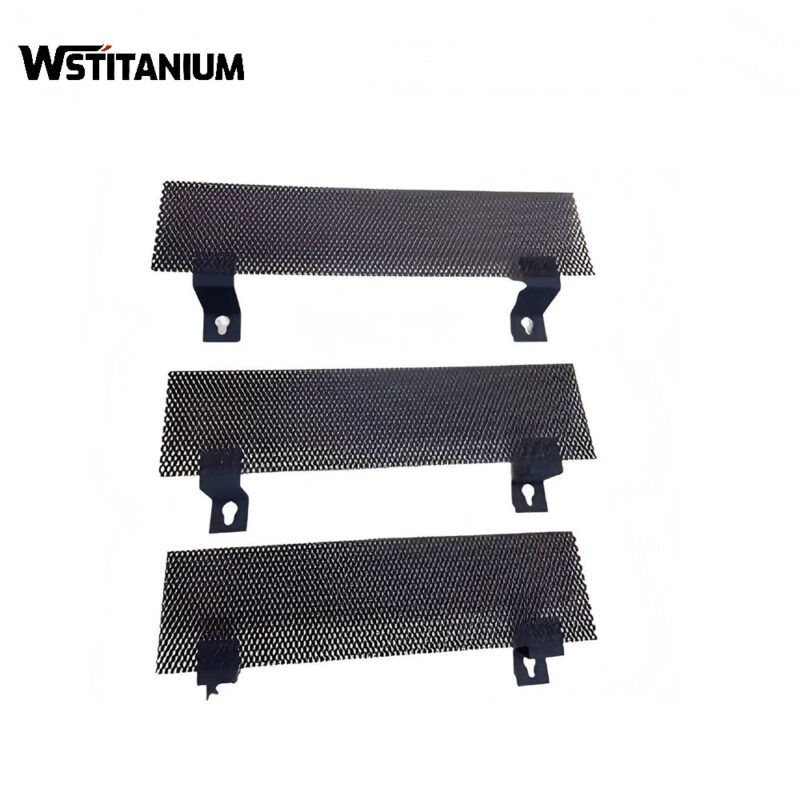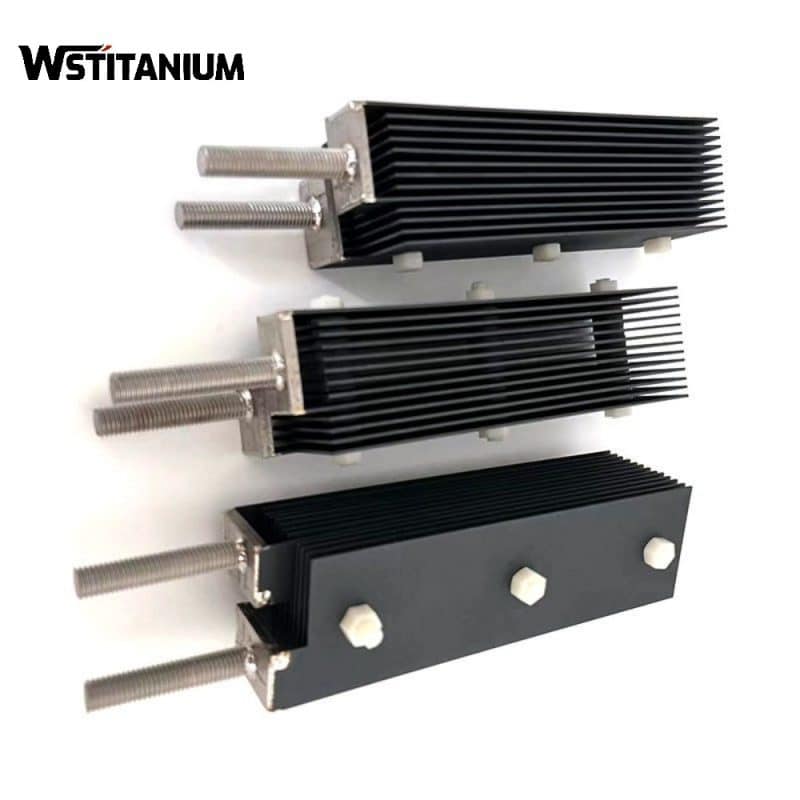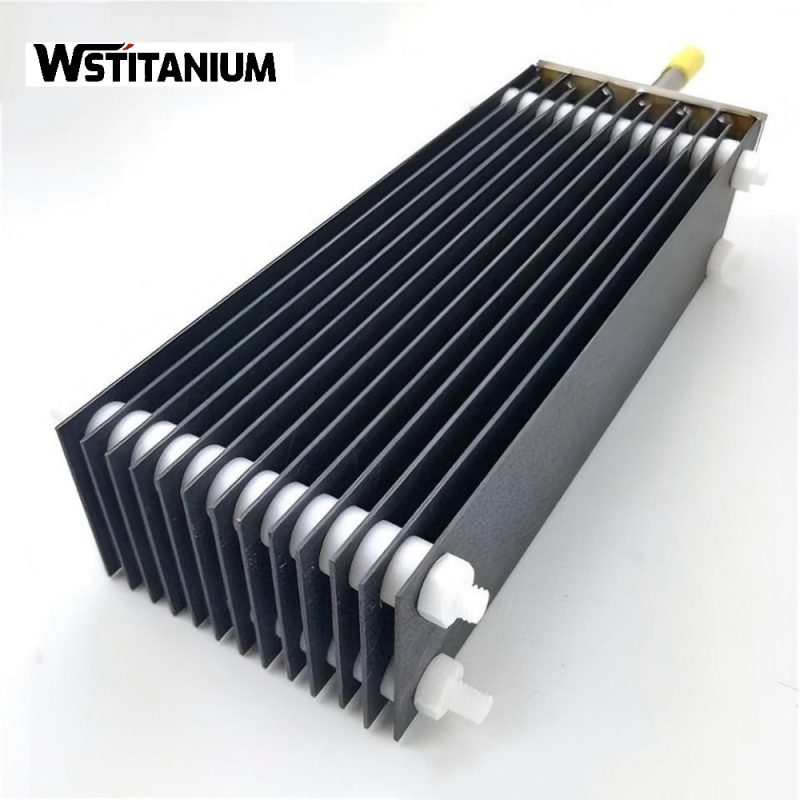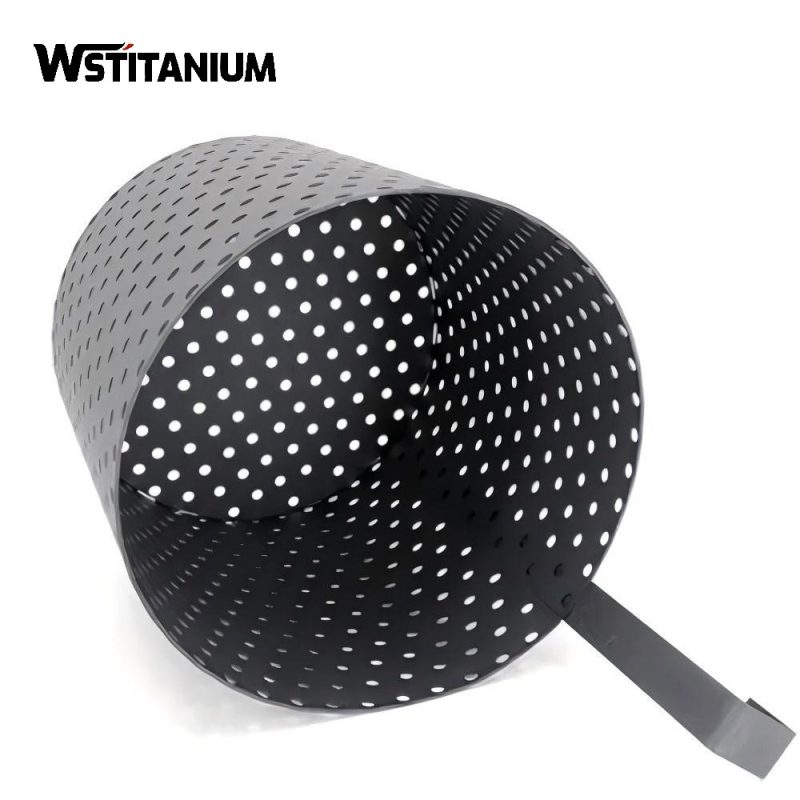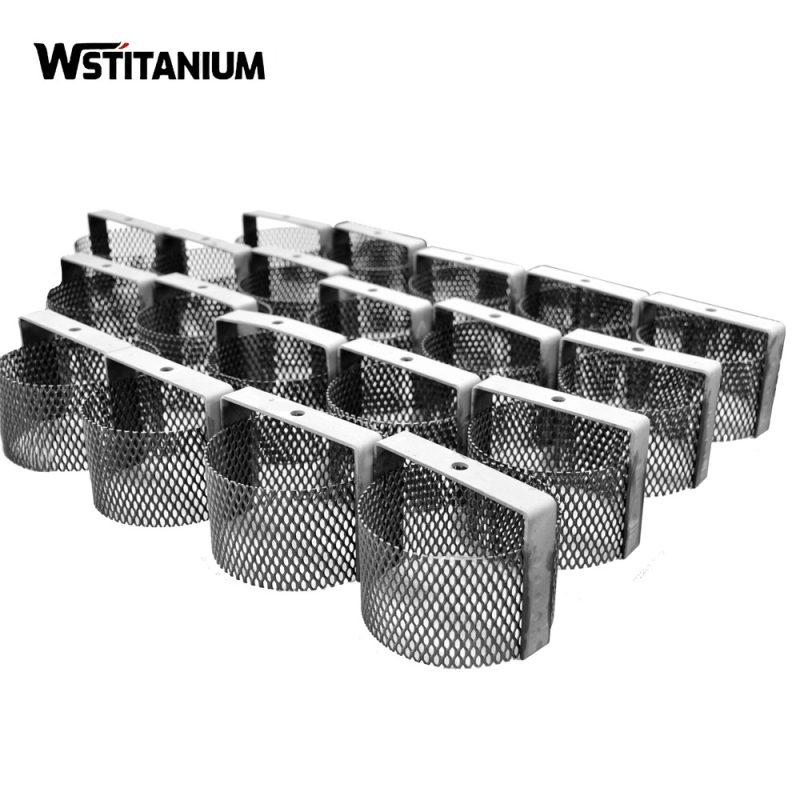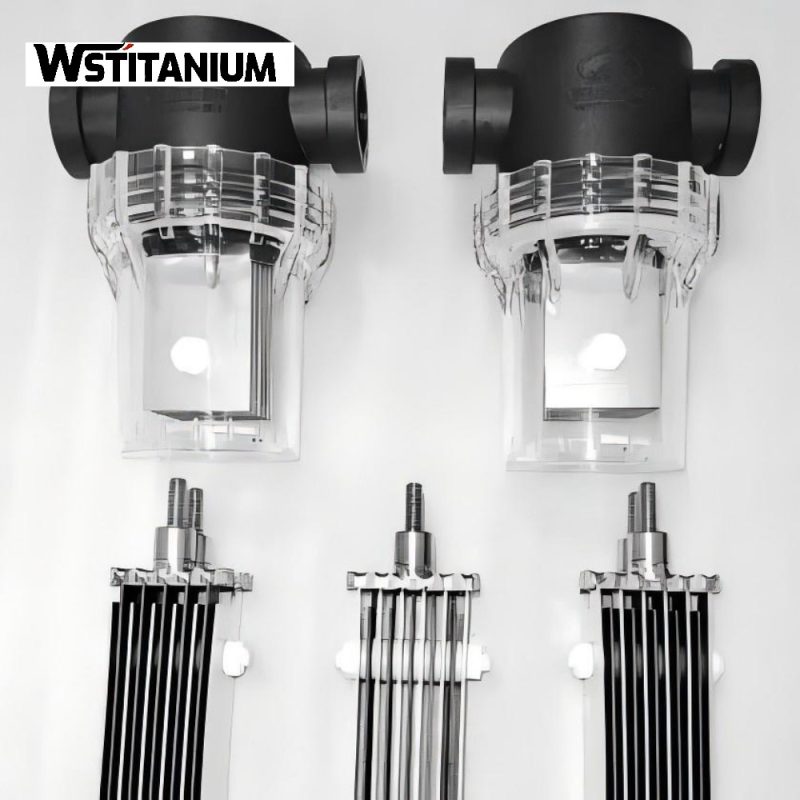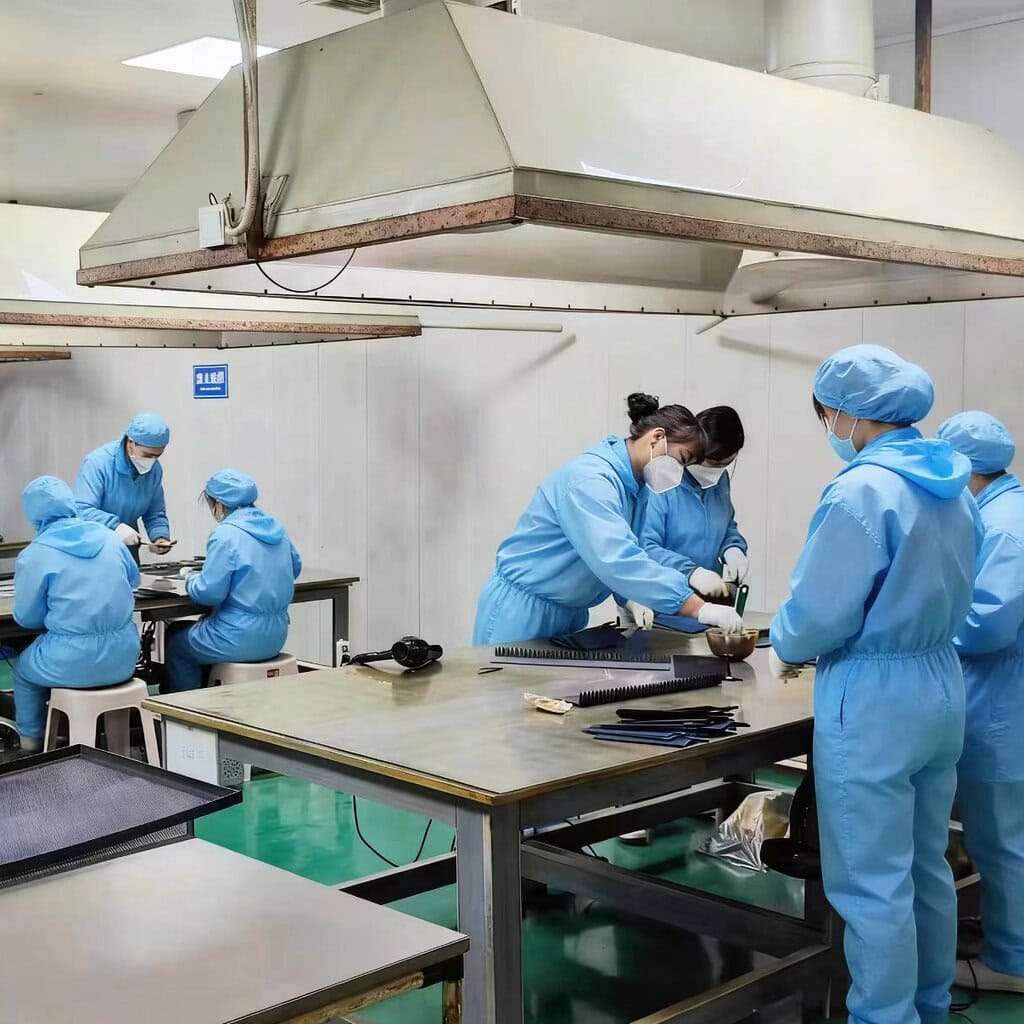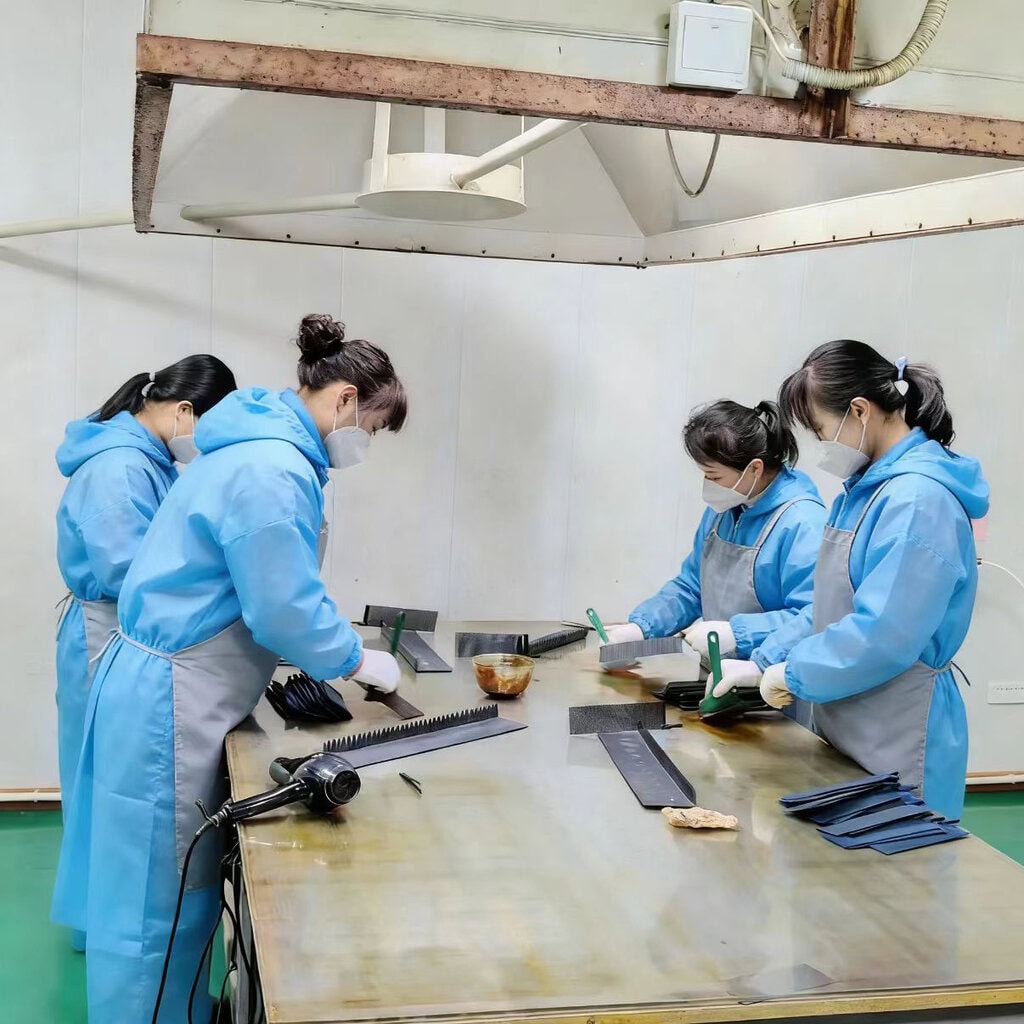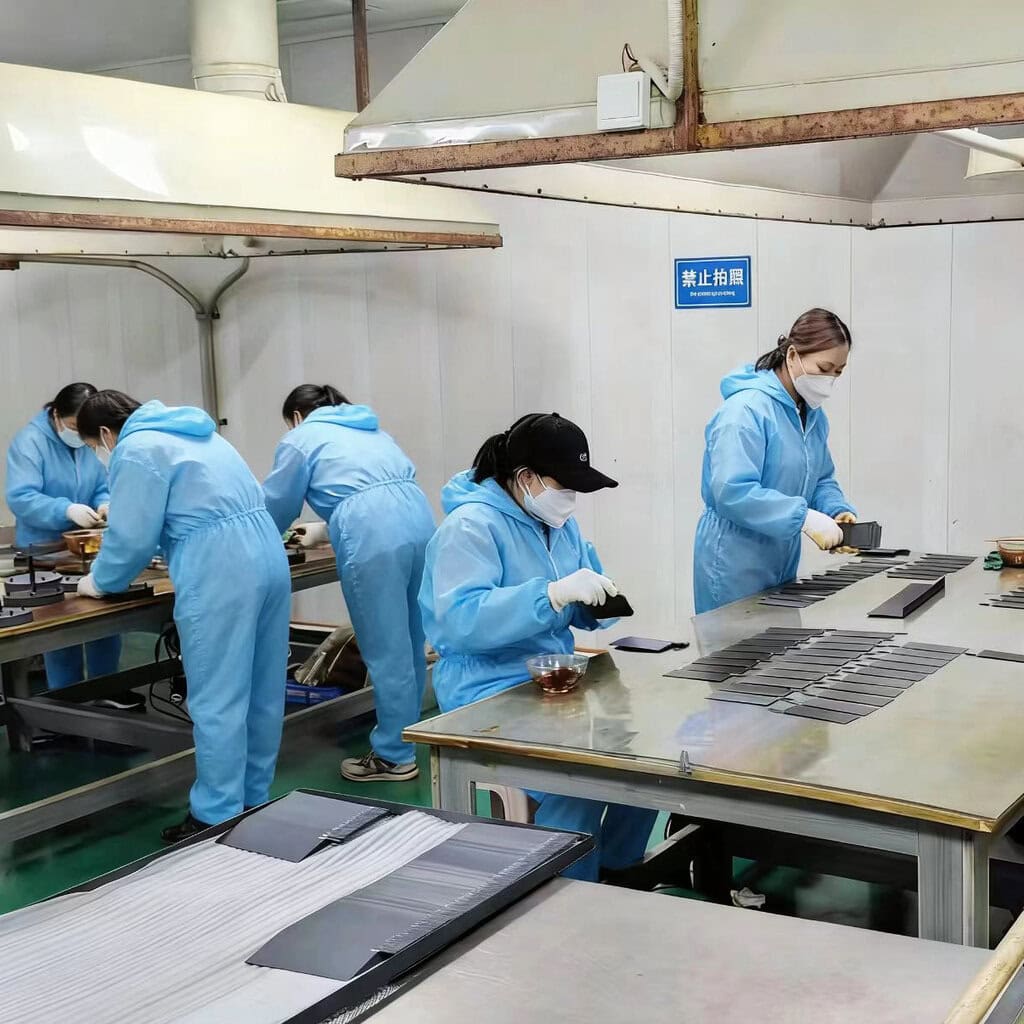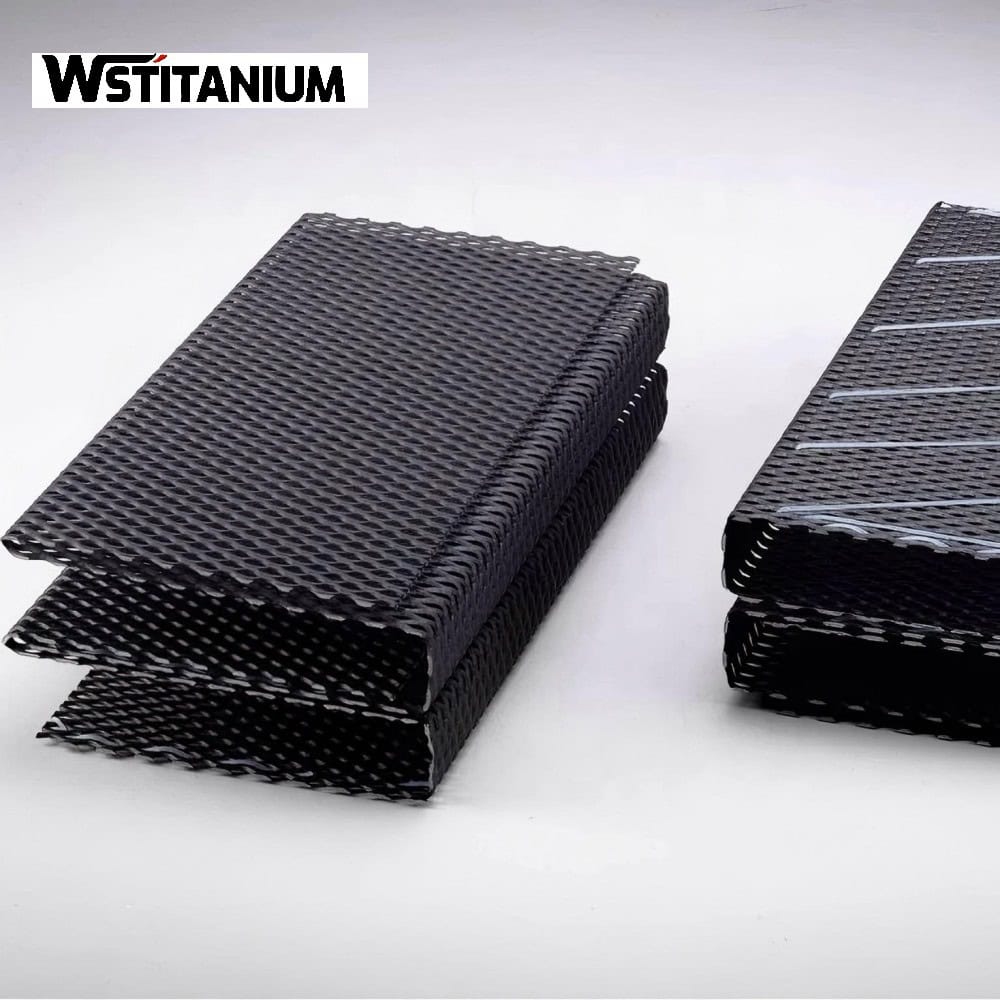

For etching solutions, Wstitanium has developed a series of mixed metal oxide (MMO) titanium anode products, covering mainstream etching solution systems such as acidic copper chloride etching solution, alkaline copper chloride etching solution, micro-etching solution, and nitric acid etching solution. These etching solutions contain high concentrations of copper ions, chloride ions, and sulfate ions. MMO titanium anodes can withstand corrosion from chloride ions at a concentration of 10 g/L, are virtually insoluble in any acid or alkali, and comply with international environmental standards such as RoHS and REACH. Our products have been successfully applied to over 100 customers worldwide, covering PCB, semiconductor, and photovoltaic industries, achieving the recycling of etching solutions and the efficient recovery of precious metal resources.
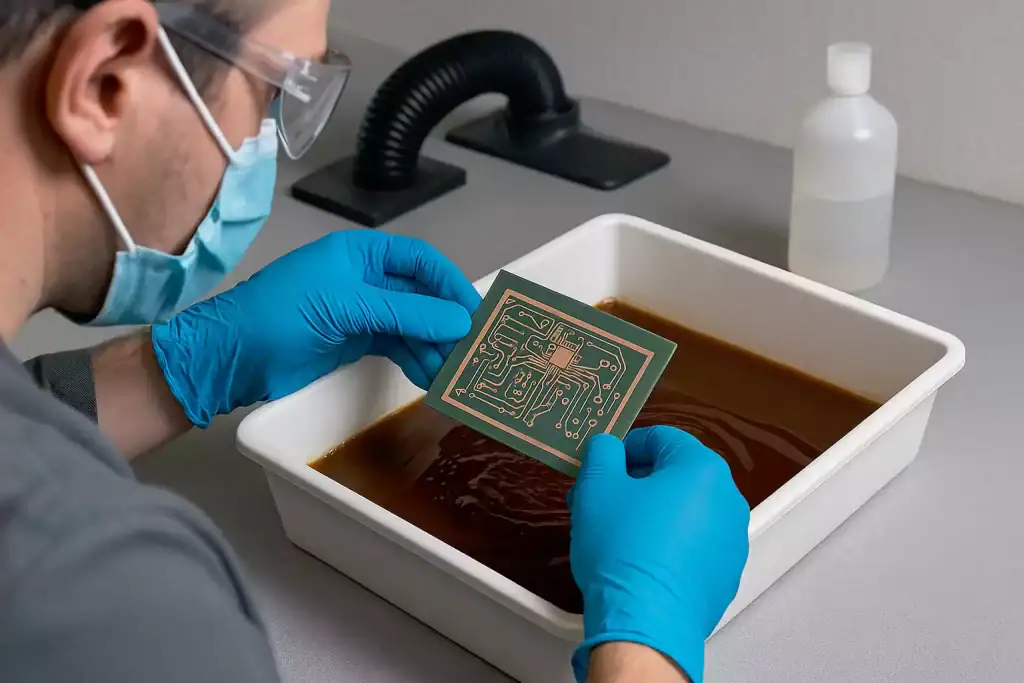
In this guide, we will comprehensively introduce MMO titanium anodes used in etching solutions from multiple dimensions, including technical principles, coating systems, parameter comparisons, application industries, shape types, customized solutions, selection guidelines, engineering cases, and frequently asked questions.
MMO Titanium Anode for Etching Solution Coating System
The coating is the “heart” of the MMO titanium anode. Its composition, structure, and preparation technology determine the anode’s electrocatalytic activity, corrosion resistance, and lifespan. Wstitanium has developed four major categories of specialized coating systems tailored to the chemical characteristics and electrolytic reactions of different types of etching solutions.
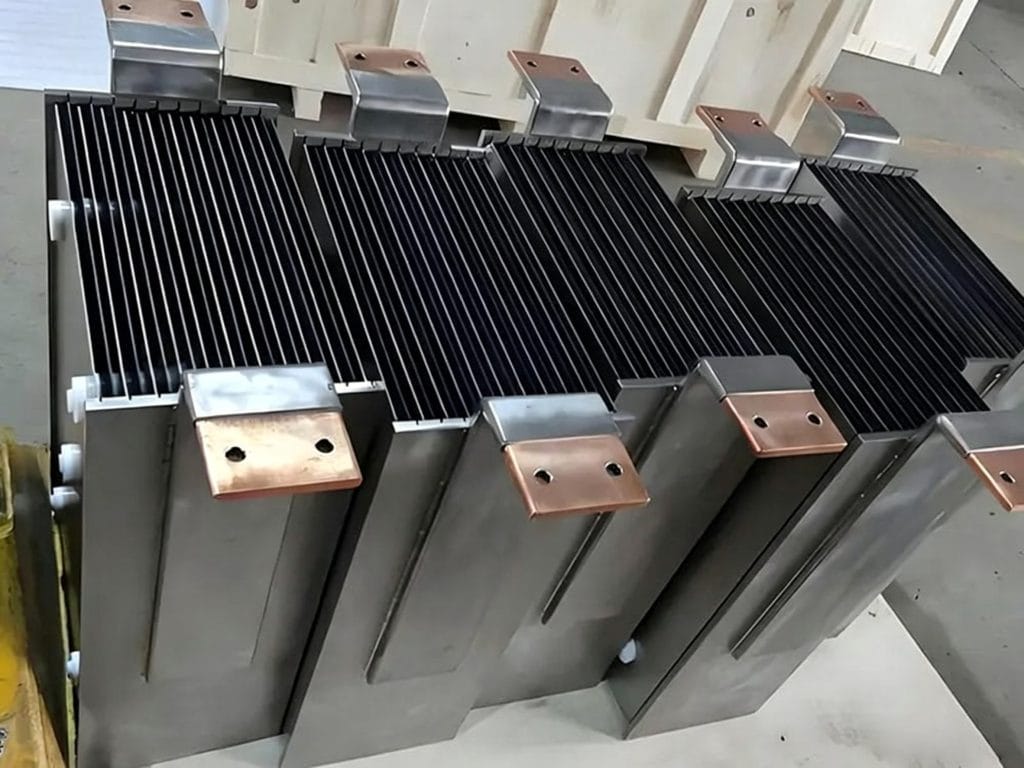
Typical molar ratio: RuO₂ (20-40 mol%), IrO₂ (10-20 mol%), TiO₂ (40-70 mol%). Thermal decomposition involves uniformly coating a titanium substrate surface with a chloride containing ruthenium, iridium, and titanium. Sintering is performed at 450-550°C for 60-120 minutes, repeating the coating-sintering cycle 10-20 times until the desired coating thickness is achieved. RuO₂ is one of the most catalytically active materials for the chloride evolution reaction (CER). The chloride evolution overpotential is as low as 1.12V (vs. SCE). IrO₂ improves the chemical stability of the coating in a high chloride ion environment. In acidic copper chloride etching solution, the current efficiency reaches 85%+.
- For pH 0.5-2.5, Cl⁻ concentration 220-260 g/L
- For acidic copper chloride etching solution
- For chlorine-containing micro-etching solutions (e.g., HCl-H₂O₂)
- For metal recovery electrolysis in chloride systems
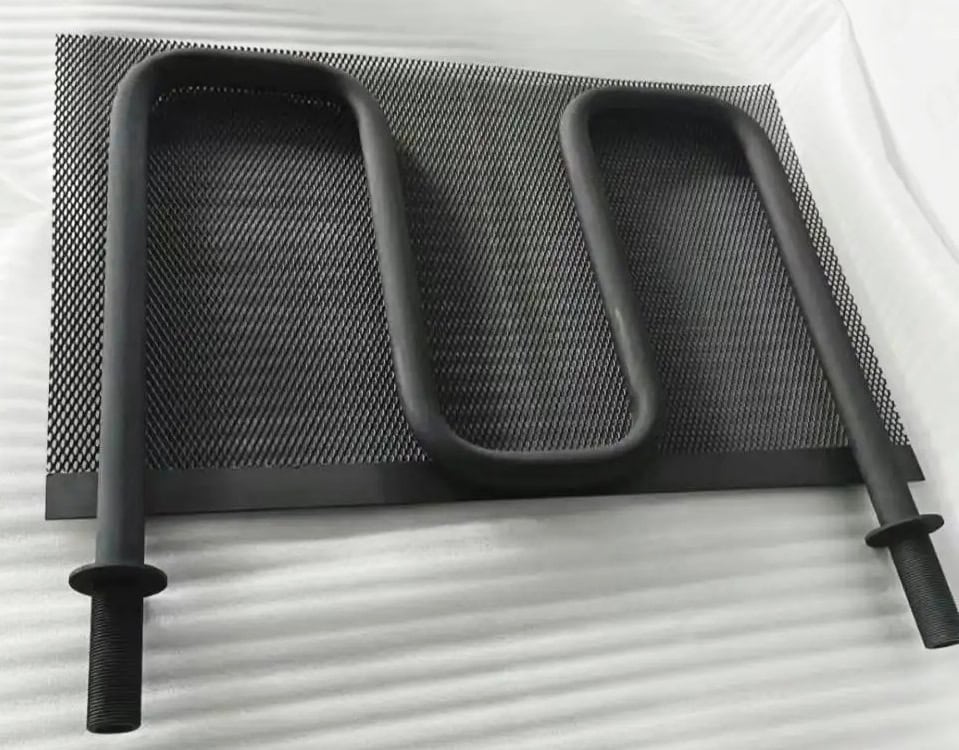
Typical molar ratios are IrO₂ (30-50 mol%) and Ta₂O₅ (50-70 mol%). In addition to thermal decomposition, Wstitanium has also developed sol-gel methods for preparing iridium-tantalum coatings. IrO₂ is one of the best catalysts for the oxygen evolution reaction (OER), with an OER overpotential as low as 1.35V (vs. SCE). Ta₂O₅ exhibits extremely high chemical stability, effectively resisting corrosion from strong oxidizing media (such as H₂O₂ and HNO₃). Sol-gel technology achieves uniform mixing of elements at the molecular level.
- For alkaline copper chloride etching solution (pH 8-12)
- For sulfuric acid-hydrogen peroxide micro-etching solution
- For nitric acid etching solution
- For strongly oxidizing metal etching solution systems
- For semiconductor wafer micro-etching solution
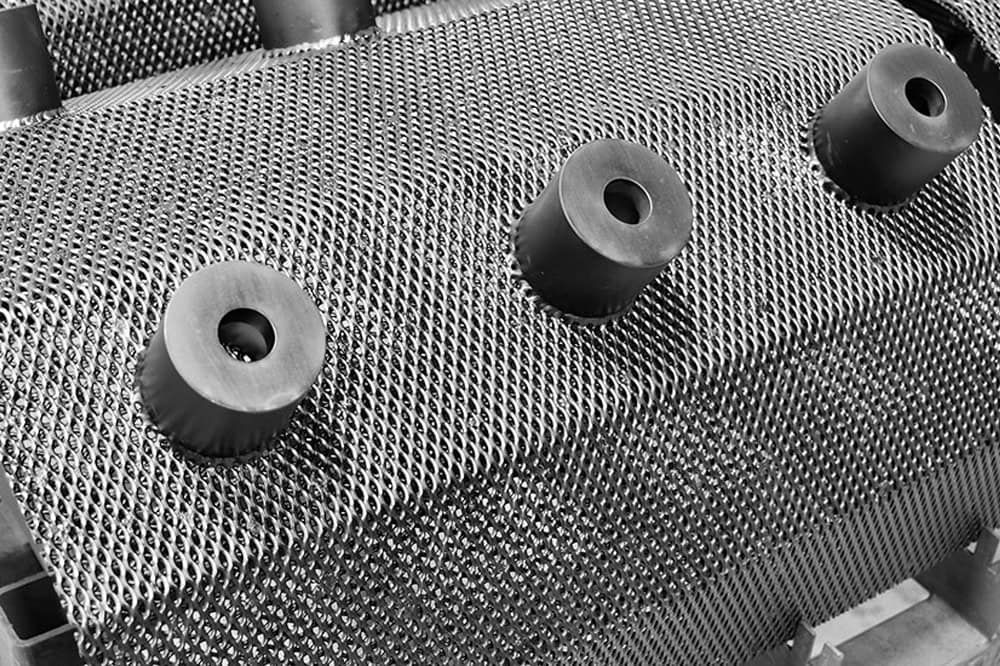
Cyanide-free electroplating deposits a dense platinum metal layer onto a pretreated titanium substrate. Wstitanium’s cyanide-free electroplating technology is patented. The plating density is ≥99.5%, with strong adhesion and no pinholes. Platinum is one of the most chemically stable metals, insoluble in almost all acidic and alkaline media. Platinum exhibits low overpotentials for both chlorine evolution and oxygen evolution reactions. No impurities are introduced into the electrolyte, ensuring a purity of over 99.99% for the recovered metal. Under normal operating conditions, the design life is 5-10 years.
- For high-purity metal recovery
- For extremely corrosive etching solution systems
- For semiconductor etching solutions
- For (gold, silver, palladium) recovery systems
Composite Coating System
Multi-component composite systems such as RuO₂-IrO₂-Ta₂O₅, Pt-IrO₂-Ta₂O₅, and IrO₂-Ta₂O₅-SnO₂. Multi-layer gradient coating technology allows for precise control of the composition and thickness of each layer. The gradient transition of composition from the titanium substrate to the surface-active layer significantly improves the adhesion between the coating and the substrate and the overall stability. Composite coating systems are suitable for complex operating conditions involving mixed chlorine and oxygen evolution reactions. They achieve an optimal balance between catalytic activity, corrosion resistance, and service life. Performance can be optimized by adjusting the proportions of each component and the coating structure according to your specific operating conditions.
- For reliability and long lifespan
- For complex mixed etching solution systems
- For photovoltaic silicon wafer etching solutions
- For electrolysis compatible with chlorine and oxygen evolution reactions
MMO Titanium Anode Comparison
To help you understand the performance of different coating systems, Wstitanium has compiled the following detailed parameter comparison table:
| Parameter | RuO₂–IrO₂ | IrO₂–Ta₂O₅ | Pt | Composite Coating |
|---|---|---|---|---|
| Catalytic Reaction | Chlorine Evolution Reaction (CER) | Oxygen Evolution Reaction (OER) | Chlorine + Oxygen Evolution | Mixed Reactions |
| Chlorine Evolution Overpotential (vs. SCE) | ≤1.12 V | ≤1.25 V | ≤1.15 V | ≤1.18 V |
| Oxygen Evolution Overpotential (vs. SCE) | ≤1.45 V | ≤1.35 V | ≤1.40 V | ≤1.38 V |
| pH | 0–10 | 0–14 | 0–14 | 0–14 |
| Max Continuous Operating Temp. | 60℃ | 80℃ | 90℃ | 80℃ |
| Recommended Current Density | 200–500 A/m² | 200–400 A/m² | 100–300 A/m² | 200–600 A/m² |
| Max Short-term Current Density | 1000 A/m² | 800 A/m² | 1500 A/m² | 1200 A/m² |
| Coating Thickness | 8–12 μm | 8–15 μm | 0.5–5 μm | 10–20 μm |
| Precious Metal Loading | 8–15 g/m² | 10–20 g/m² | 5–50 g/m² | 12–25 g/m² |
| Service Life | 1–2 years | 2–3 years | 3–5 years | 2–4 years |
| Accelerated Life Test (1mol/L H₂SO₄, 10000A/m²) |
>100 h | >200 h | >500 h | >300 h |
| Chloride Resistance | Excellent | Good | Excellent | Excellent |
| Strong Oxidant Resistance | Moderate | Excellent | Excellent | Good |
| Current Efficiency | 85–90% | 80–85% | 90–95% | 85–90% |
| Cost Level | Low | Medium | High | Medium-High |
| Cost Performance | Ultra-high | High | Medium | High |
| Applicable Etchant | Acidic Copper Chloride Etchant | Alkaline Etchant, Micro-Etchant, Nitric Acid Etchant | Precious Metal Etchant, High-precision Semiconductor Etchant | Mixed Etchant & Complex Working Conditions |
| Note: All above data are typical values of standard Wstitanium products. Custom parameters available per your requirement. Accelerated life test runs under lab intensified conditions; actual service life is subject to working conditions including current density, temperature, electrolyte composition and impurity content. | ||||
MMO Titanium Anodes for the Etching Solution Industry
Etching solutions vary significantly across different industries in terms of composition, concentration, pH value, and temperature. Wstitanium’s MMO titanium anode products have been successfully applied in etching solution electrolytic regeneration systems across several industries.
Printed Circuit Board (PCB) Industry
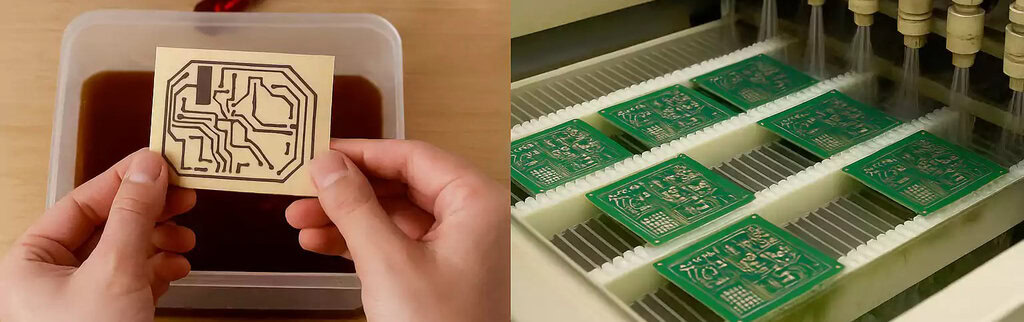
The PCB industry is the largest consumer of etching solutions and the most widely used industry for MMO titanium anodes. Etching solutions are used to remove unwanted copper foil to form circuit patterns. The three most commonly used etching solutions are:
Acidic Copper Chloride Etching Solution
- Elements: CuCl₂, HCl, NaCl, NH₄Cl
- pH Value: 0.5-2.0
- Operating Temperature: 40-55℃
- Copper Ion Concentration: 100-150g/L
- Chloride Ion Concentration: 150-200g/L
- Recommended Coating: Ruthenium-Iridium
- Recommended Current Density: 10-15A/dm²
- Design Lifespan: 18-24 months
- Copper recycling rate ≥98%
Acidic copper chloride etching solution is the most widely used etching solution in the PCB industry. Wstitanium’s ruthenium-iridium titanium anode current efficiency can reach over 90%, effectively recovering copper and restoring etching capability.
Alkaline Etching Solution
- Elements: Cu(NH₃)₄Cl₂, NH₄Cl, NH₃·H₂O
- pH Value: 8.0-10.0
- Operating Temperature: 45-55℃
- Copper Ion Concentration: 80-120g/L
- Chloride Ion Concentration: 100-150g/L
- Recommended Coating: Iridium-Tantalum
- Recommended Current Density: 15-20A/dm²
- Design Lifespan: 24-36 months
- Electrolytic copper purity ≥ 99.95%
Alkaline etching solutions are mainly used for inner layer etching and fine circuit etching in multilayer PCBs. Wstitanium’s iridium-tantalum coated anode exhibits excellent corrosion resistance and electrocatalytic activity, operating stably for 2-3 years.
Micro-etching solution
- Elements: H₂SO₄, H₂O₂, CuSO₄
- pH value: 0.1-1.0
- Operating temperature: 25-40℃
- Copper ion concentration: 10-30g/L
- Sulfuric acid concentration: 50-100g/L
- Recommended coating: Iridium-tantalum
- Recommended current density: 5-10A/dm²
- Design lifespan: 12-24 months
- Copper recovery rate ≥ 95%
This micro-etching solution is mainly used for micro-etching before copper plating, electroplating, etc. Wstitanium’s iridium-tantalum coated anode effectively resists the strong oxidation of H₂O₂, maintaining stable performance.
Semiconductor etching
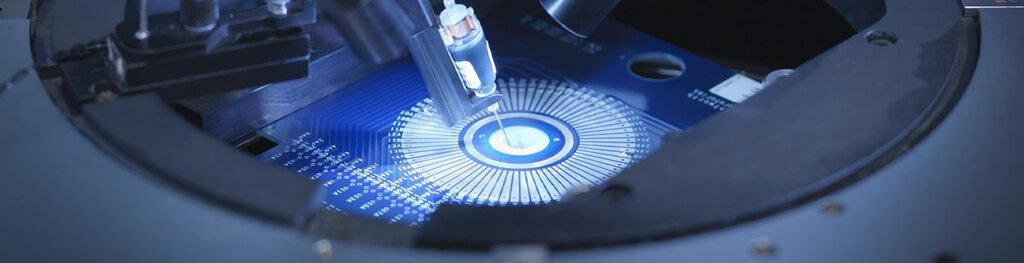
The semiconductor industry has the highest requirements for etching. With chip feature sizes shrinking to 3nm, the demands for etching precision and uniformity have reached unprecedented levels. Commonly used etching solutions in the semiconductor industry include the following:
Silicon Etching Solution
- Elements: HF, HNO₃, CH₃COOH
- pH Value: <1.0
- Operating Temperature: 25-50℃
- Silicon Concentration: 5-20g/L
- Recommended Coating: Platinum
- Recommended Current Density: 10-20A/dm²
- Design Lifespan: 24-36 months
- Copper recovery rate ≥ 95%
HF is extremely corrosive. Wstitanium’s platinum-coated titanium anode effectively resists HF corrosion without introducing any metallic impurities, ensuring the purity of semiconductor products.
Metal Etching Solution
- Elements: H₃PO₄, HNO₃, CH₃COOH
- pH Value: <1.0
- Operating Temperature: 40-60℃
- Metal Ion Concentration: 5-15g/L
- Recommended Coating: Iridium-Tantalum
- Recommended Current Density: 10-15A/dm²
- Design Service Life: 18-24 months
- Precious metal recycling rate ≥99.9%
Metal etching solution is mainly used for etching metal wiring of aluminum, copper, tungsten, etc. Wstitanium’s iridium-tantalum coated anode exhibits excellent corrosion resistance and electrocatalytic activity in phosphoric acid systems.
Photoresist Stripping Solution
- Elements: Organic amines, organic solvents
- pH value: 10.0-14.0
- Operating temperature: 50-80℃
- Organic concentration: 50-80%
- Recommended coating: Ruthenium-iridium-tin
- Recommended current density: 5-10 A/dm²
- Design life: 12-18 months
- COD removal ≥80%
This photoresist stripping solution is mainly used to remove residual photoresist. Wstitanium’s ruthenium-iridium-tin coated anodes exhibit excellent resistance to organic contamination and maintain stable electrocatalytic activity.
Flat panel display (FPD) industry
The manufacturing of LCD, OLED, and Mini/Micro LED panels requires the use of a large amount of etching solution to form conductive lines and pixel structures.
ITO etching solution treatment
- Elements: HCl + HNO₃ + Acetic Acid
- Waste etching solution contains indium (In)
- Recommended Coating: Iridium-Tantalum
- Indium Recovery Rate ≥95%
- Recovered Indium Purity ≥99.99%
Aluminum etching solution treatment
- Elements: H₃PO₄ + HNO₃ + CH₃COOH
- Waste etching solution contains aluminum ions
- Recommended Coating: Iridium-Tantalum
- Aluminum Recovery Rate ≥90%
- Etching solution can be reused
Copper Etching Solution Treatment
- Acidic Copper Chloride System
- Higher Etching Precision Requirements
- Ruthenium-Iridium-Titanium Coating
- Copper Recovery Rate ≥98%
- Etching Solution Reuse Rate ≥95%
Other
Crystalline Silicon Battery
- Alkaline Texturing Waste Liquid (NaOH System)
- Acidic Texturing Waste Liquid (HF-HNO₃)
- Alkaline waste liquid contains sodium silicate
- Acidic waste liquid contains nitrate
- Recommended: Iridium-Tantalum
- COD Removal Rate ≥70%
Silicon Wafer Etching Wastewater Treatment
- HF + HNO₃ + CH₃COOH
- Edge etching of silicon wafers
- Fluoride ions < 50mg/L
- Recommended: Iridium-Tantalum
Stainless Steel Etching Solution Treatment
- FeCl₃ + HCl
- Contains iron, nickel, chromium ions
- Recommended: Ruthenium-iridium
- Reduces Fe³⁺ to Fe²⁺
Copper Etching Solution Treatment
- FeCl₃, Acidic Copper Chloride System
- Recommended: Ruthenium-Iridium
- Copper Recovery Rate ≥95%
- Etching Solution Reuse Rate ≥90%
Aluminum Etching Solution Treatment
- NaOH + Na₂CO₃
- Aluminum Surface Treatment and Etching
- Recommended: Iridium-Tantalum
- Aluminum Recovery Rate ≥85%
Jewelry Industry
- Gold, Silver, and Platinum Recycling
- Recommended Coating: Platinum (Pt)
- Precious Metal Recovery Rate ≥99.9%
MMO Titanium Anode Structure for Etching Solution
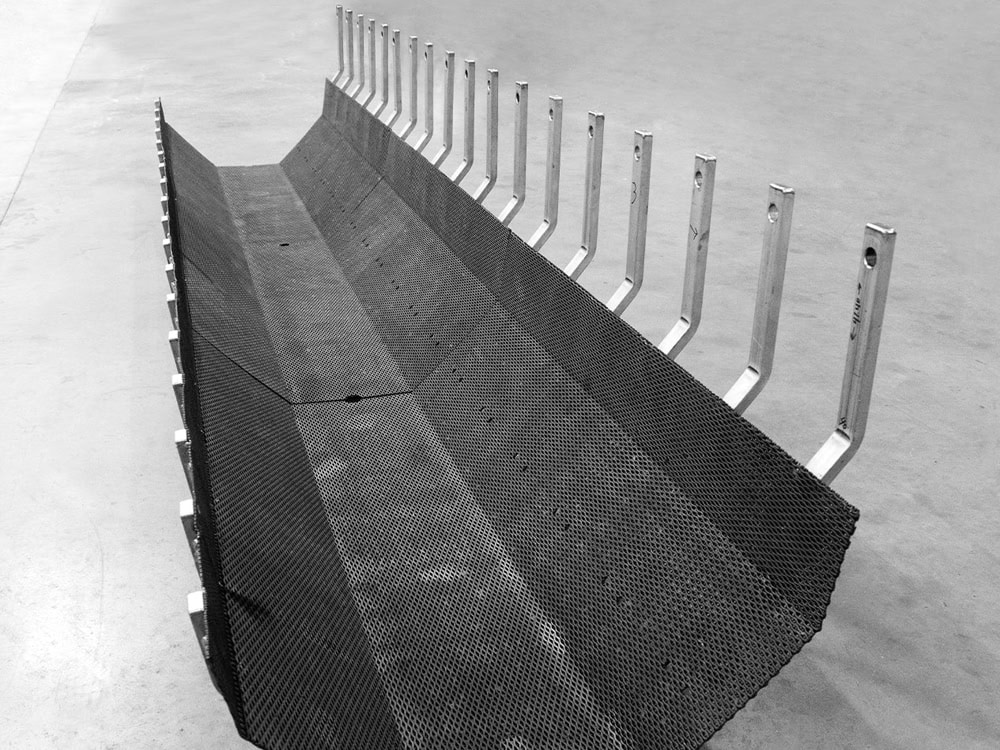
Wstitanium manufactures MMO titanium anodes in various shapes and sizes to suit different electrolytic cell structures, installations, and requirements. The following are some of the most commonly used anode shape types in the etching solution industry:
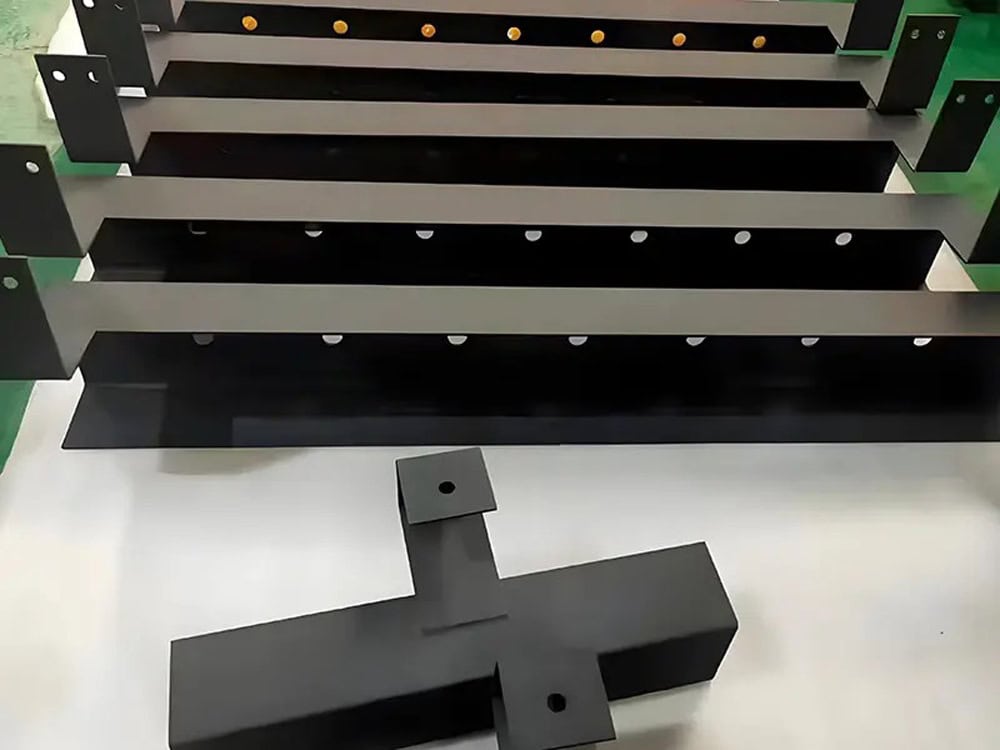
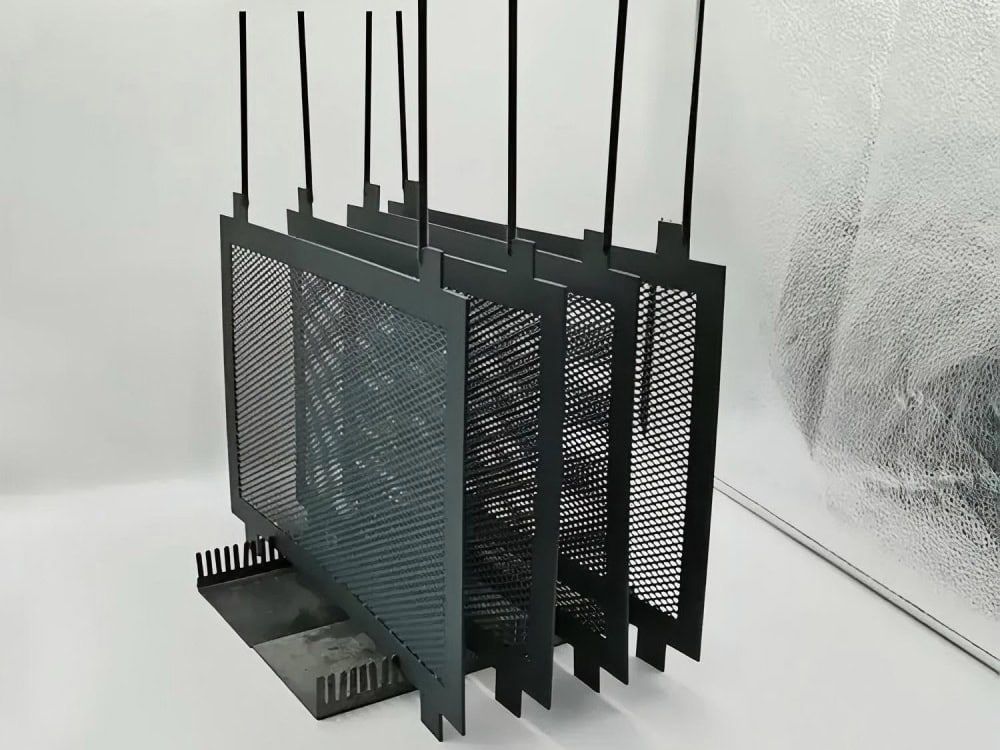
Titanium Plate Anode
- ASTM B265 Gr1 or Gr2
- Drilling, Chamfering, Grooving
- Thickness: 1mm-5mm
- Maximum Size: 2000mm×1200mm
- Coating: Single-sided or Double-sided
- Conductivity: Titanium, Copper Terminals
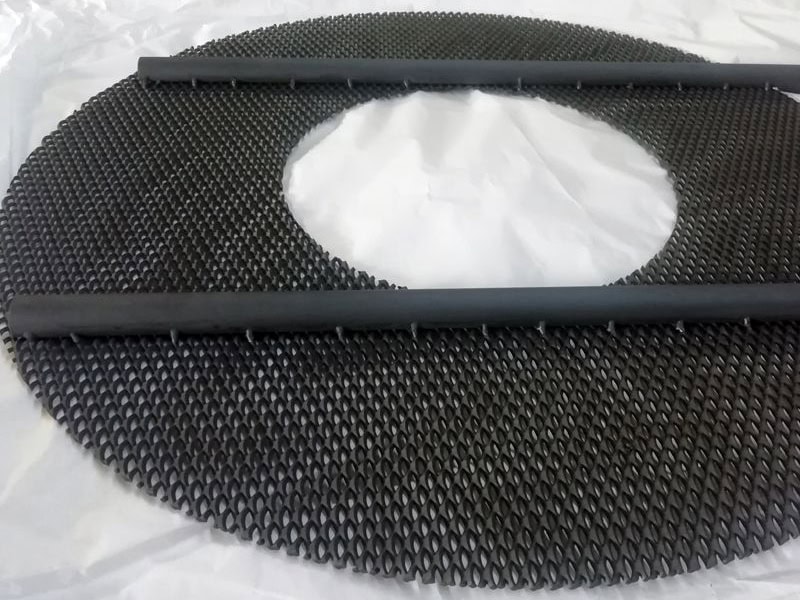
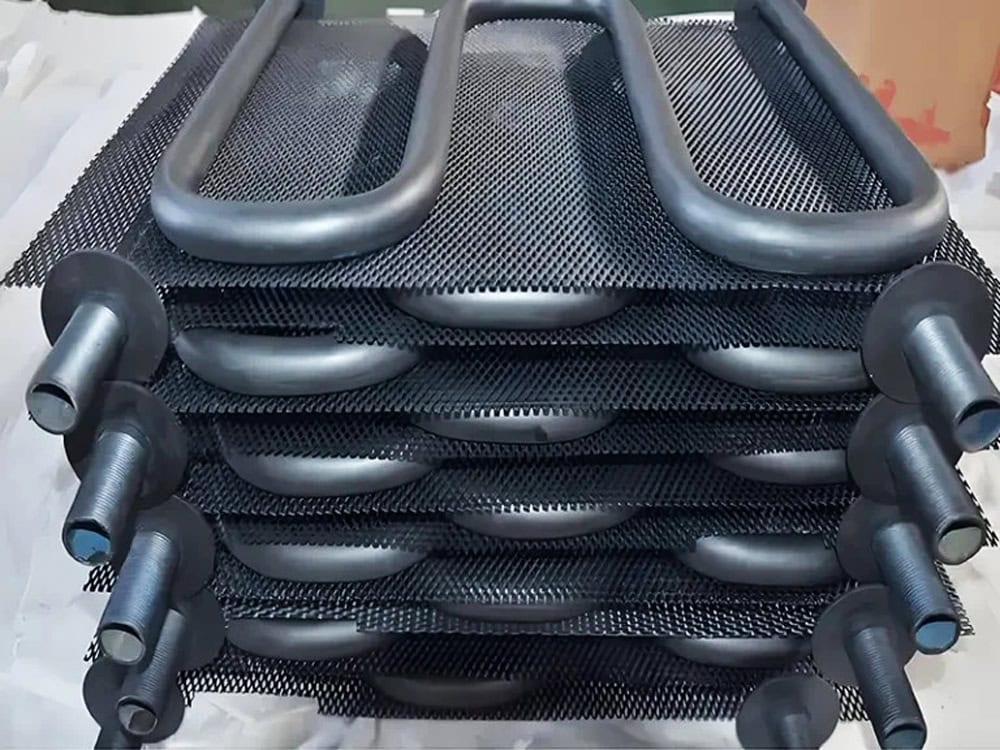
Titanium Mesh Anode
- Expanded Titanium Mesh
- Wire Diameter: 0.5mm-2.0mm
- Mesh Size: 1×2mm-5×10mm
- Thickness: 1mm-4mm
- Maximum Size: 1500mm×3000mm
- Coating: Double-sided coating
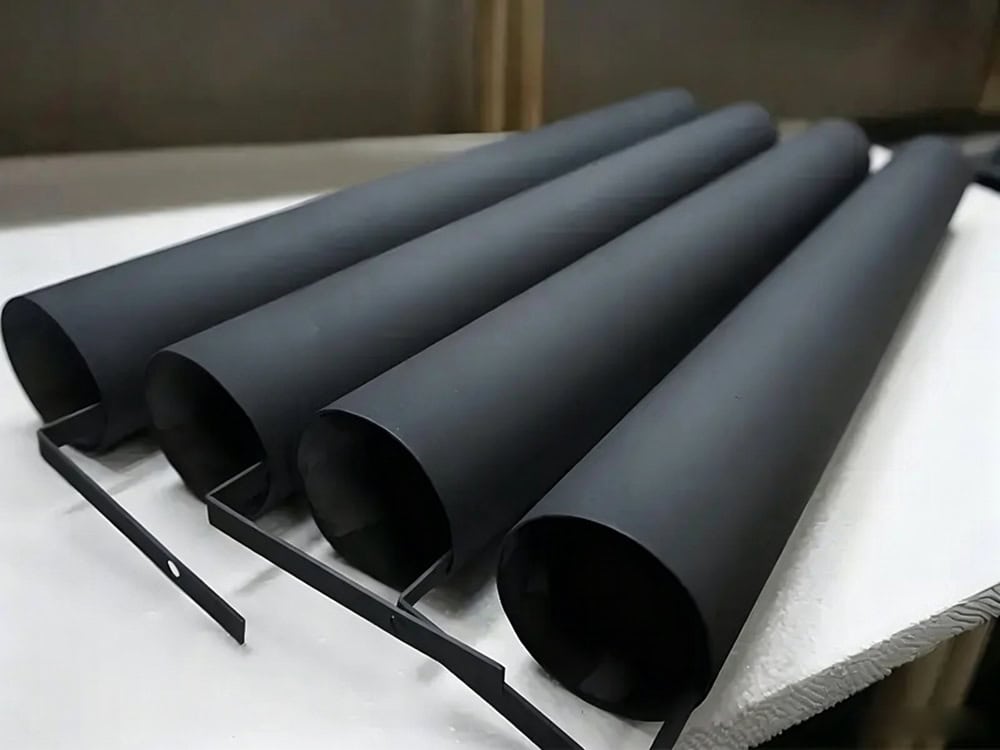
Tubular Titanium Anodes
- ASTM B338 Gr1/Gr2
- Outer Diameter: Φ10mm-Φ200mm
- Wall Thickness: 0.5mm-3.0mm
- Length: 100mm-6000mm
- Surface Finish: Sandblasting + Pickling
- Connections: Welding, Flange, Threaded
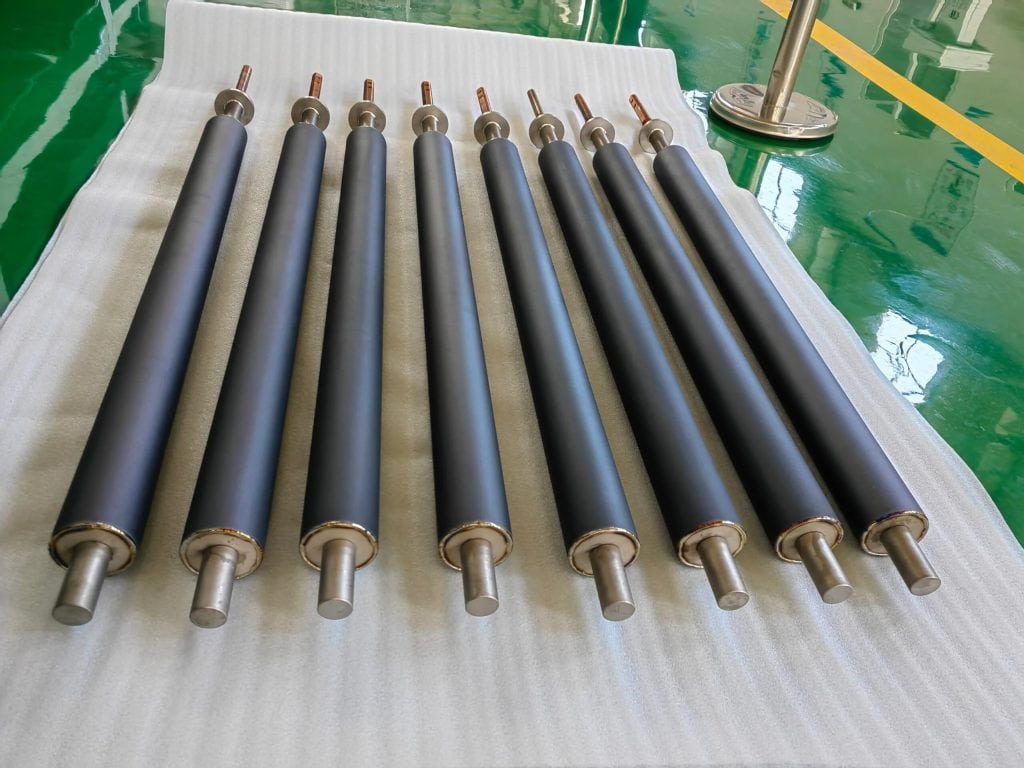
Titanium Rod Anodes
- ASTM B348 Gr1/Gr2
- Diameter: 3-50mm
- Length: 100-3000mm
- Surface: Sandblasted + Pickled
- Connections: Welded, Threaded, Clamped
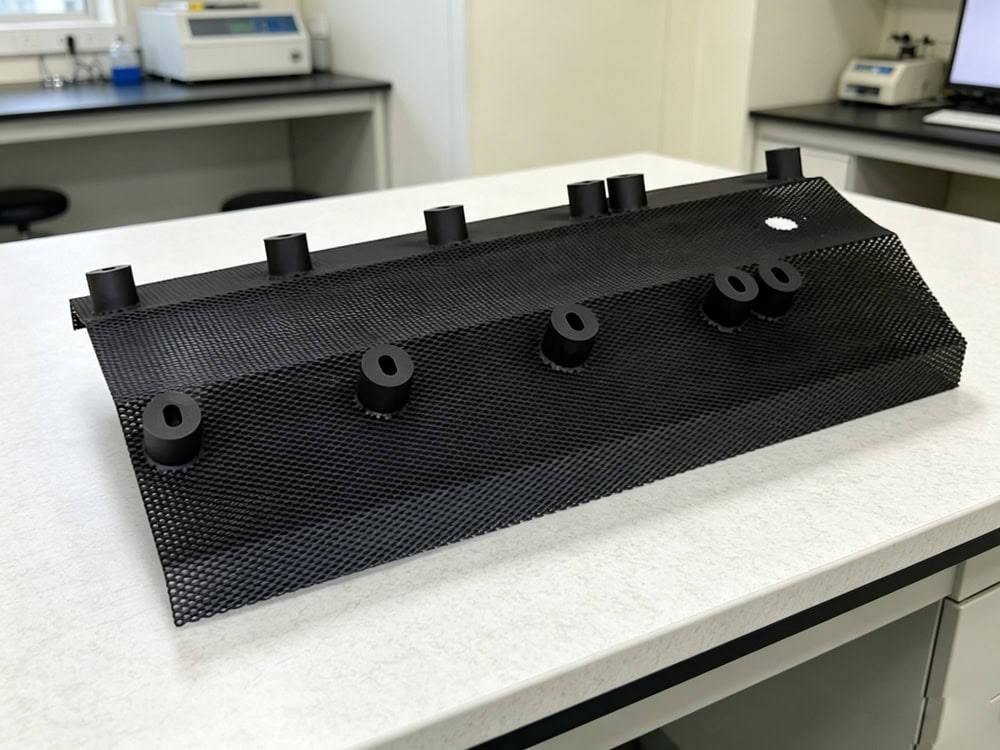
Basket Titanium Anode
- Mesh Size: 2×4mm-5×10mm
- Customized according to electrolytic cell
- Inner and outer surface coatings
- Extremely high specific surface area
- Excellent electrolyte flowability
Custom Titanium Anodes
- Disc titanium anode
- Ring titanium anode
- Spiral titanium anode
- Comb titanium anode
- Grid titanium anode
Project Cases
Wstitanium’s MMO titanium anode products have been successfully applied in 30+ etching solution treatment systems, achieving significant economic and environmental benefits. Below are some typical engineering case studies.
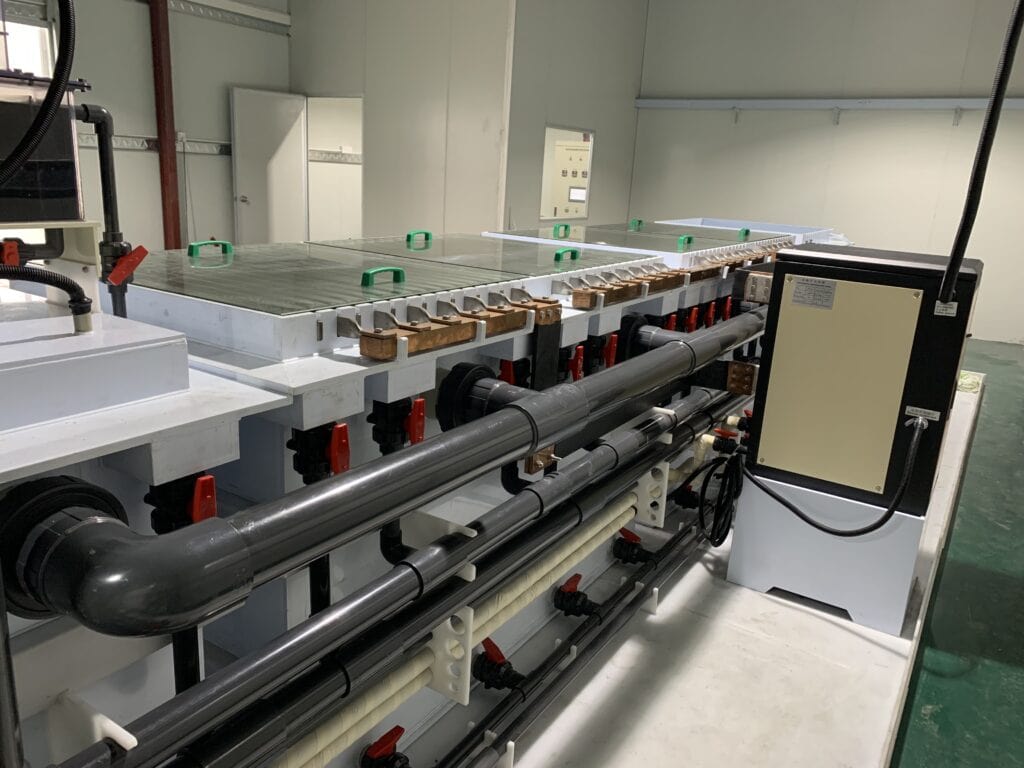
1. PCB Acidic Etching Solution Recycling System
A Malaysian PCB manufacturer produces high-density interconnect (HDI) boards and multilayer boards, with a monthly production capacity of 1 million square meters. They previously had 12 acid etching solution production lines, using traditional chemical precipitation methods to treat waste etching solution. This was not only costly but also resulted in low copper recovery rates and generated significant amounts of hazardous waste.
- Daily processing capacity: 24 tons of acidic etching solution
- Composition: Cu²⁺ 120-140g/L, Cl⁻ 220-260g/L
- pH 0.5-2.5
- Temperature: 45-55℃
Requirements
- Online regeneration and reuse of etching solution
- Copper recovery rate ≥98%
- Anode design life ≥2 years
Wstitanium Solution
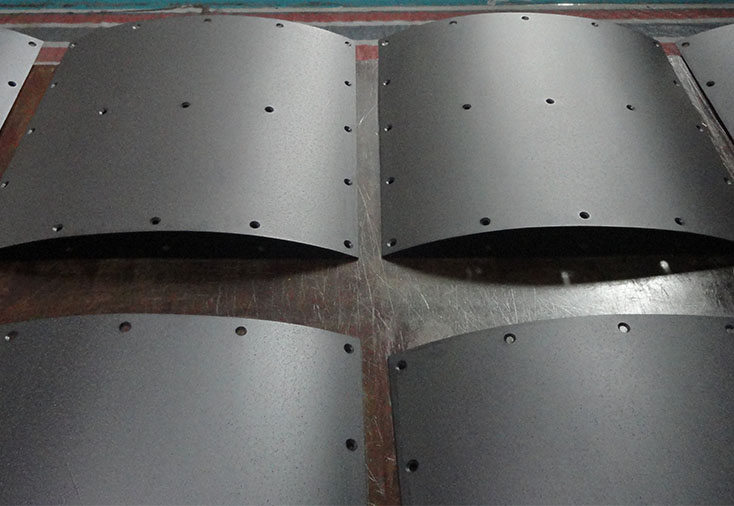
- RuO₂-IrO₂ coated titanium anode
- Dimensions: 1000mm×700mm×2mm
- Double-sided coating
- Coating thickness: 12μm
- Precious metal loading: 12g/m²
- Number of anodes: 48 pieces
- Total effective area: 67.2m²
- Operating current density: 300A/m²
- Total current: 20160A
- Cathode: 316L Stainless Steel Plate
Results
- Etching solution reuse rate: ≥95%
- Copper recovery rate: ≥98.5%
- Anode lifespan: 3 years
- Electrolysis energy consumption: 2.2 kWh/kg Cu
2. Semiconductor Alkaline Etching Solution
A well-known international semiconductor wafer manufacturer in Taiwan primarily produces 12-inch wafers. During wafer manufacturing, a large amount of alkaline copper etching solution is generated. It processes 8 tons of alkaline etching solution daily.
Etching solution composition: Cu²⁺ 80-100g/L, NH₃ 60-80g/L, Cl⁻ 150-180g/L, pH 9-10. Electrolyte composition after extraction: Cu²⁺ 40-50g/L, H₂SO₄ 180-200g/L. Requirements: Electrolyte copper purity ≥99.99%, anode design life ≥3 years.
Wstitanium Solutions
- Iridium-Tantalum Mesh Titanium Anode
- Size: 800mm × 600mm
- Mesh Size: 2.5 × 4.6mm
- Wire Diameter: 1.0mm
- Coating Thickness: 15μm
- Precious Metal Loading: 18g/m²
- Number of Anodes: 24
- Total Effective Area: 23.04m²
- Operating Current Density: 250A/m²
- Total Current: 5760A
Results
- Electrolytic copper purity: 99.995%
- Copper recovery rate: ≥99%
- Anode life: 3.5 years
- Electrolysis energy consumption: 2.0 kWh/kg Cu
Case 3: Silicon Wafer Texturing Wastewater Treatment System
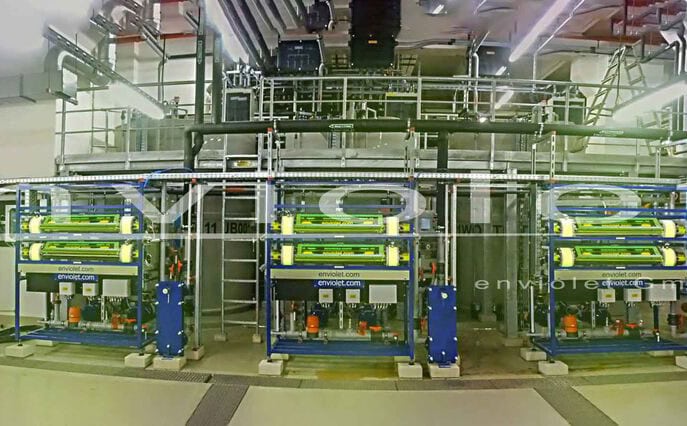
A leading Chinese photovoltaic company primarily produces monocrystalline and polycrystalline silicon solar cells. The silicon wafer texturing process generates a large amount of alkaline texturing wastewater. This wastewater contains high concentrations of COD and sodium silicate.
The company processes 50 tons of texturing wastewater daily. Wastewater composition: NaOH 5-10%, Na₂SiO₃ 10-15%, COD 5000-8000 mg/L, pH 13-14. Requirements: COD removal rate ≥70%; treated wastewater can be introduced into a biological treatment system. Anode design life ≥2 years.
Wstitanium Solutions
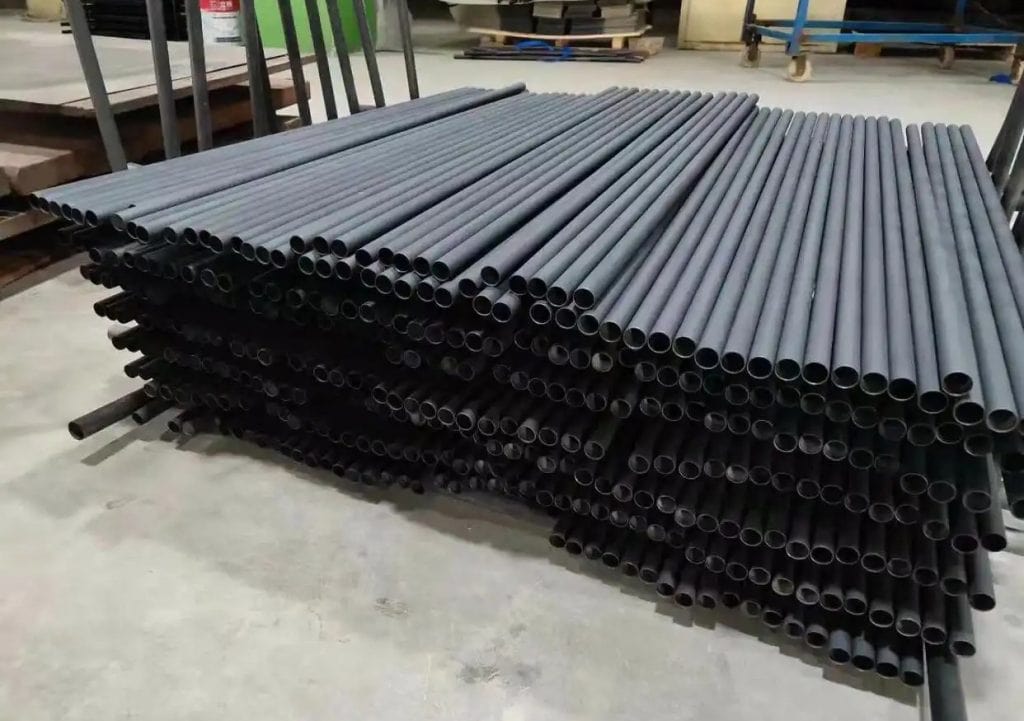
- Iridium-Tantalum Tubular Anodes
- Φ25mm×1500mm
- Wall Thickness 1.0mm
- Outer Surface Coating
- Coating Thickness: 12μm
- Precious Metal Loading: 15g/m²
- Number of Anodes: 80
- Total Effective Area: 94.2m²
- Operating Current Density: 150A/m²
- Total Current: 14130A
Results
- COD removal rate: 75%
- Wastewater COD ≤ 2000 mg/L
- Anode lifespan: 3 years
- Treatment cost: $0.5/ton wastewater
Case 4: Gold Etching Solution Recovery System
A South Korean company specializing in precious metal processing, primarily producing jewelry and handicrafts made of gold, silver, and platinum, generates gold-containing waste etching solution during its gold etching process. It processes 0.5 tons of this gold etching solution daily. The etching solution composition is: Au 5-10 g/L, I₂ 20-30 g/L, KI 100-150 g/L, pH 4-5. Requirements: Gold recovery rate ≥99.9%, recovered gold purity ≥99.99%, anode design life ≥5 years.
Wstitanium Solutions
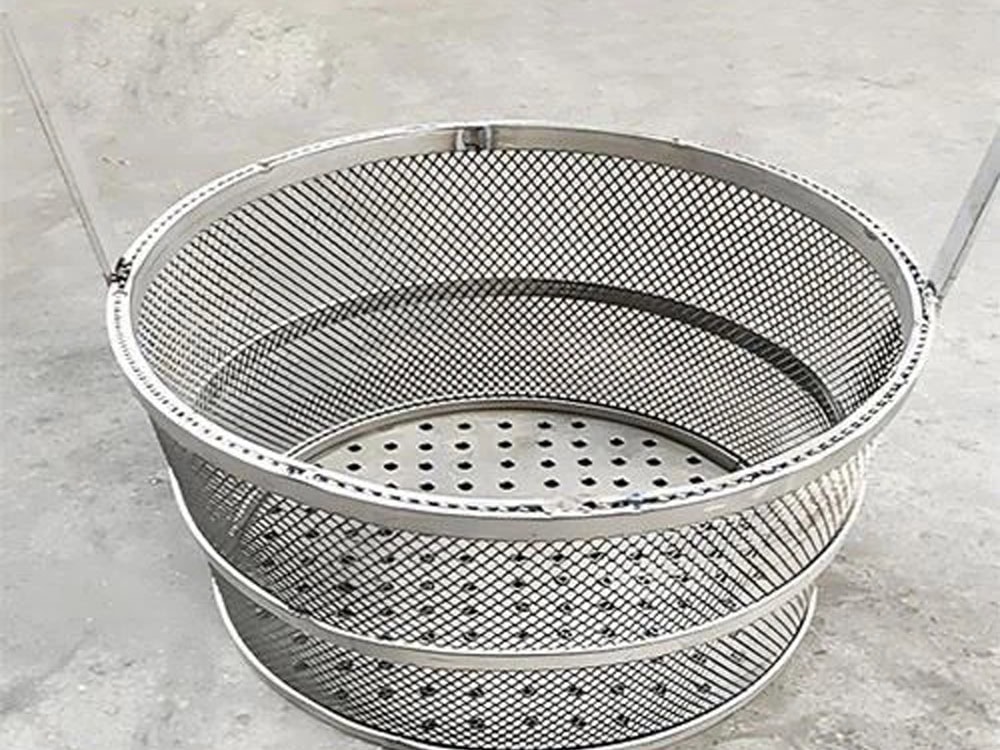
- Platinum (Pt) Basket Titanium Anode
- Dimensions: Φ300mm×400mm
- Mesh Size: 2×4mm
- Wire Diameter: 1.0mm
- Gold recovery rate: 99.95%,
- Coating Thickness: 2μm
- Platinum Loading: 10g/m²
- Number of Anodes: 2
- Current Density: 100A/m²
- Gold purity recovered: 99.995%
FAQ
In electrolytic etching solutions, the MMO titanium anode acts as an insoluble anode. It does not participate in the electrochemical reaction itself, but only catalyzes the oxidation reaction of ions in the electrolyte.
Taking the electrolytic regeneration of acidic copper chloride etching solution as an example:
Anode reaction: 2Cl⁻ → Cl₂ + 2e⁻ (chlorine evolution reaction)
Cathode reaction: Cu²⁺ + 2e⁻ → Cu (copper deposition reaction)
Regeneration reaction: Cl₂ + 2Cu⁺ → 2Cu²⁺ + 2Cl⁻
The chlorine gas generated on the anode surface oxidizes monovalent copper ions in the etching solution to divalent copper ions. Simultaneously, the divalent copper ions gain electrons at the cathode and are reduced to metallic copper, achieving copper recovery.
Choosing the right MMO titanium anode primarily depends on your etching solution:
Acidic copper chloride etching solution: Ruthenium-iridium (RuO₂-IrO₂) coating is recommended. It has high chlorine evolution activity, strong resistance to chloride ion corrosion, and is cost-effective.
Alkaline copper chloride etching solution: Iridium-tantalum (IrO₂-Ta₂O₅) coating is recommended. It has good resistance to alkalis and strong oxidation.
Sulfuric acid-hydrogen peroxide micro-etching solution: Iridium-tantalum (IrO₂-Ta₂O₅) coating is recommended. It effectively resists the strong oxidation of H₂O₂.
Nitric acid etching solution: Iridium-tantalum (IrO₂-Ta₂O₅) coating or platinum (Pt) coating is recommended. It has strong resistance to nitric acid corrosion.
Noble metal etching solution: Platinum (Pt) coating is recommended. It has extremely high chemical stability and will not contaminate the electrolyte.
You can provide us with detailed etching solution composition. Our technical engineers will recommend the most suitable product for you.
The price of MMO titanium anodes depends on several factors, including:
Coating system: Platinum coating is the most expensive, followed by iridium-tantalum coating, and ruthenium-iridium coating is the cheapest.
Coating thickness and precious metal loading: The thicker the coating and the higher the precious metal loading, the more expensive it is.
Anode shape and size: The more complex the shape and the larger the size, the higher the processing cost.
Quantity: The larger the batch, the lower the unit price.
Generally, the price of MMO titanium anodes for etching solutions is around $1000 per square meter (effective area). Wstitanium will provide the most competitive quote based on your detailed requirements.
Fluoride ions (F⁻) react with the TiO₂ passivation film on the titanium substrate surface to form soluble TiF₆²⁻, causing the titanium substrate to lose its protection and corrode. Even very low concentrations of fluoride ions can cause serious damage to the titanium anode over a long period. The fluoride ion content in the electrolyte should be strictly controlled below 50 mg/L.
If the electrolyte contains fluoride ions, take the following measures:
Add a fluoride ion complexing agent: such as calcium chloride or aluminum chloride, to form a stable complex with fluoride ions, reducing the concentration of free fluoride ions.
Select a fluoride-resistant coating: Wstitanium can provide a specialized fluoride-resistant coating system to improve the service life of the anode in fluoride-containing environments.
Thicken the coating: Increase the coating thickness to prolong the time for fluoride ions to penetrate into the titanium