
MMO Titanium Anodes Application in Medical
Wstitanium medical MMO titanium anodes are based on standards such as PMC (United States National Library of Medicine), ISO 19097, ASTM B348, and IEC 60215. They are suitable for 12 core applications, including medical disinfection, medical-grade water electrolysis, hypochlorous acid/ozone disinfection systems, electrosynthesis of pharmaceutical intermediates, biopharmaceutical wastewater treatment, high-purity reagents, medical devices, implant modification, electrochemical synthesis, organic oxidation, high-salt and high-fluoride systems, and GMP cleanrooms. Wstitanium offers a one-stop MMO titanium anode solution with customized coating systems, shapes, sizes, current densities, lifespans, and materials, along with 24-hour technical support.
MMO Titanium Anode Coating System
MMO titanium anode (mixed metal oxide titanium anode / DSA) uses Gr1/Gr2 pure titanium as the substrate, and its surface is coated with a mixture of noble metal oxides such as ruthenium (Ru), iridium (Ir), tantalum (Ta), and platinum (Pt) through high-temperature thermal decomposition/sol-gel coating.
RuO₂–TiO₂ Coating
- pH: 1–9
- Temperature: 20–80℃
- Current Efficiency: ≥95%
- High Chlorine Resistance: ≤300 g/L
- Typical Molar Ratio: 60% RuO₂ + 40% TiO₂
- Chlorine Evolution Potential: 1.10–1.15 V @ 5 kA/m²
Applications: Medical hypochlorous acid generators, electrolytic saline disinfection systems, dental disinfectants, medical swimming pool/ward disinfection, hemodialysis water disinfection, biopharmaceutical workshop disinfection.
- pH 1–14
- Current Efficiency: ≥98%
- Fluoride Resistance ≤50 mg/L
- Classic Molar Ratio: 60–80% IrO₂ + 10–20% Ta₂O₅ + 5–15% RuO₂
- Oxygen Evolution Potential (1.38–1.45 V @ 1 kA/m²)
- Longest Lifespan (30–50 years)
Applications: Deep oxidation of pharmaceutical organic wastewater, treatment of antibiotic/hormone wastewater, electrolysis of high-purity reagents, sterile water systems, medical device cleaning wastewater, electrochemical modification of implants, ozone/hydrogen peroxide synergistic oxidation.
- Typical molar ratios: 60% RuO₂: 40% IrO₂ or 70% RuO₂: 30% IrO₂
- Chronicity evolution + oxygen evolution dual-activity balance
- Suitable for chlorine, oxygen, and acid/alkali resistance
- Lifespan (15–25 years)
- Optimal cost-performance ratio
- Temperature ≤100℃
Applications: Medical disinfection + wastewater treatment composite system, biopharmaceutical mixed wastewater, fine chemical electrolytic synthesis, sterile water + disinfectant integrated equipment, small and medium-sized medical and chemical electrolytic cells.
- Typical molar ratio: 80% Pt + 20% TiO₂
- Zero heavy metal leaching
- Highest biocompatibility
- Highest purity
- pH 0–14
- Temperature ≤150℃
Applications: Electrochemical modification of orthopedic implants, antibacterial treatment of artificial joints/dental implant surfaces, ultra-high purity water for injection, high-purity electrolysis of biological agents, pacemaker electrodes, corrosion-resistant modification of medical implant materials.
Coating System Design Principles
Wstitanium strictly adheres to the principles of safety first, precise matching, maximum lifespan, minimum energy consumption, and optimal cost. Recommended coating system applications:
Hypochlorous acid/disinfectant water → Ruthenium-titanium system preferred (low chlorination potential, high efficiency, low cost);
Pharmaceutical wastewater → Iridium-tantalum system preferred (corrosion resistance, long lifespan, no leaching);
General applications → Ruthenium-iridium-titanium system preferred (balanced performance, optimal cost-effectiveness);
Implantable/ultra-high purity applications → Platinum system required (highest biocompatibility).
All coating formulations have passed third-party authoritative testing (SGS/TÜV/ISO 10993), showing no heavy metal leaching, no cytotoxicity, and compliance with GMP/FDA standards.
MMO Titanium Anode Coating Performance Comparison
| Parameter | RuO2 – TiO2 | IrO2 – Ta2O5 | RuO2 – IrO2 | Pt (Platinum) |
|---|---|---|---|---|
| Element Ratio (wt%) | 60% RuO2 + 40% TiO2 | 80% IrO2 + 20% Ta2O5 | 70% RuO2 + 30% IrO2 | 80% Pt + 20% TiO2 |
| Coating Thickness (μm) | 8 – 15 | 10 – 20 | 10 – 18 | 12 – 20 |
| Porosity (%) | 35 – 45 | 38 – 48 | 36 – 46 | 40 – 50 |
| Chlorine Evolution Potential (V @5kA/m²) | 1.10 – 1.15 | 1.25 – 1.35 | 1.15 – 1.25 | 1.20 – 1.30 |
| Oxygen Evolution Potential (V @1kA/m²) | 1.55 – 1.65 | 1.38 – 1.45 | 1.45 – 1.55 | 1.40 – 1.50 |
| Current Efficiency (%) | 96 – 98 (Cl2) | 95 – 97 (O2) | 95 – 97 (Cl2/O2) | 97 – 99 (High Purity) |
| Annual Consumption Rate (mg/A·a) | 2 – 4 | 0.5 – 1.5 | 1 – 3 | 0.1 – 0.5 |
| Design Service Life (Years) | 10 – 15 | 30 – 50 | 15 – 25 | 40 – 60 |
| pH Range | 1 – 9 | 1 – 14 (Full Range) | 2 – 12 (Wide Range) | 0 – 14 (Extreme Range) |
| Chloride Ion Tolerance (g/L) | ≤300 | ≤200 | ≤250 | ≤150 |
| Fluoride Ion Tolerance (mg/L) | ≤10 | ≤50 | ≤30 | ≤80 |
| Maximum Operating Temperature (℃) | ≤80 | ≤120 | ≤100 | ≤150 |
| Biocompatibility | Qualified (Disinfection Grade) | Qualified (Pharmaceutical Grade) | Qualified (General Grade) | Excellent (Implant Grade) |
| Heavy Metal Leaching (Pb/Cr/Ni) | Not Detected (<0.1ppm) | Not Detected (<0.1ppm) | Not Detected (<0.1ppm) | Zero Leaching |
| Coating Adhesion Strength (MPa) | ≥15 | ≥18 | ≥16 | ≥20 |
| Primary Applications | Hypochlorous Acid / Disinfectant Water / Dental Disinfection | Pharmaceutical Wastewater / Organic Oxidation / Sterile Water | Composite Systems / Mixed Wastewater / Small & Medium Electrolysis | Implant Modification / Ultra-High Purity Reagents / Water for Injection |
| Relative Cost (Base=100) | 100 (Lowest) | 250 – 300 (High) | 150 – 200 (Medium) | 400 – 500 (Highest) |
Medical MMO Titanium Anode Shapes
Medical devices have diverse spatial requirements, extremely high current distribution requirements, and stringent aseptic installation requirements. Therefore, the ability to customize the shape determines the performance of the MMO anode and the system stability. Wstitanium offers 8 standard shapes plus unlimited custom shapes to suit all application scenarios.
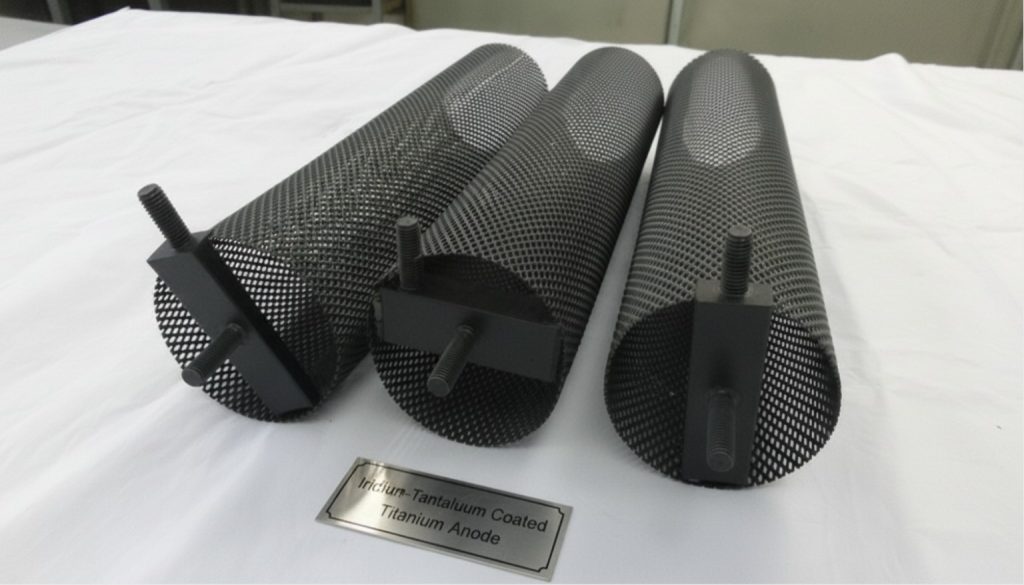
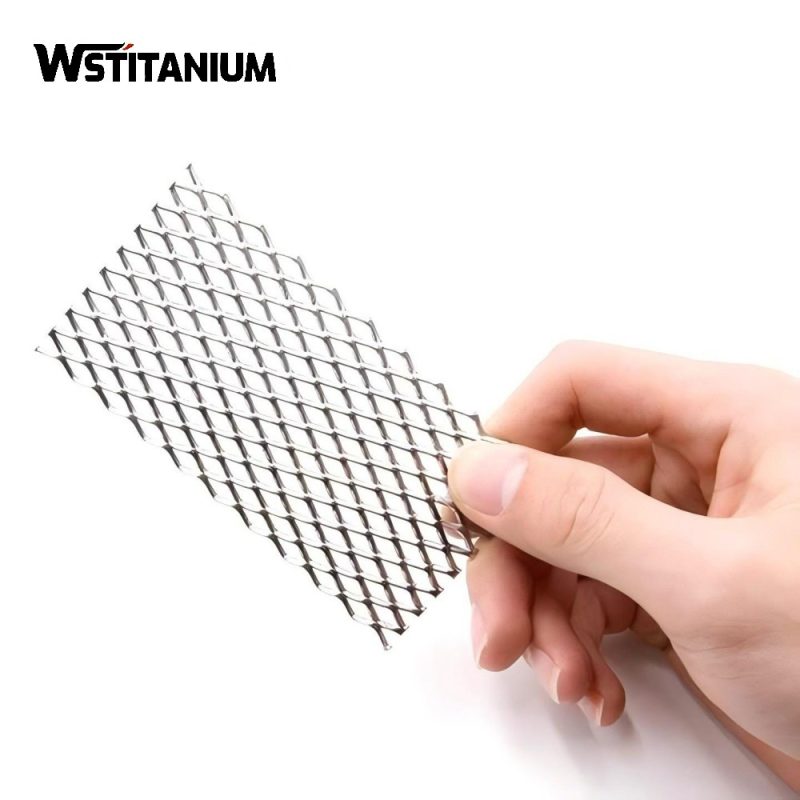
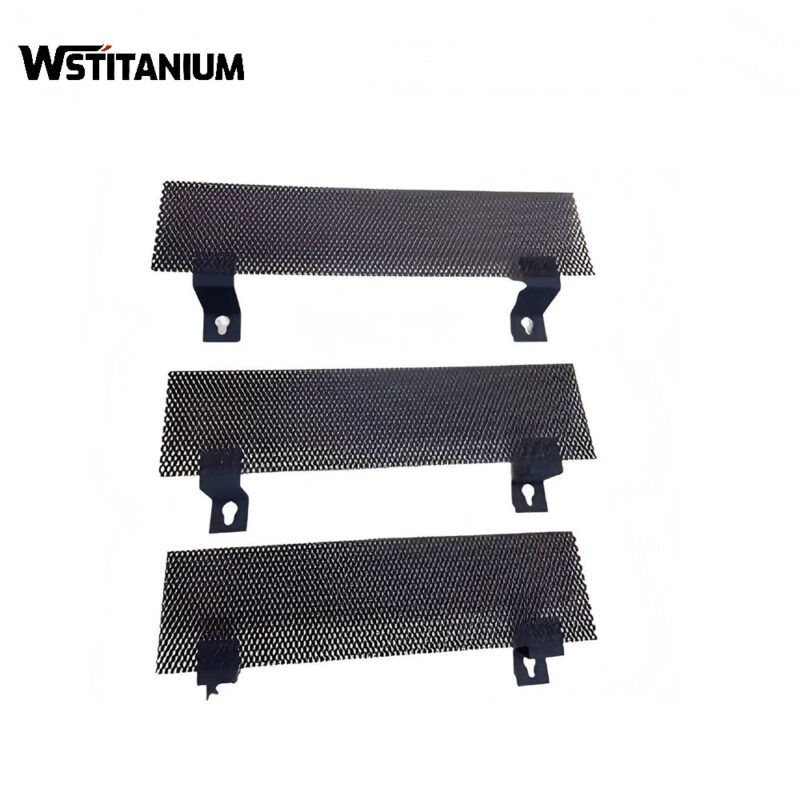
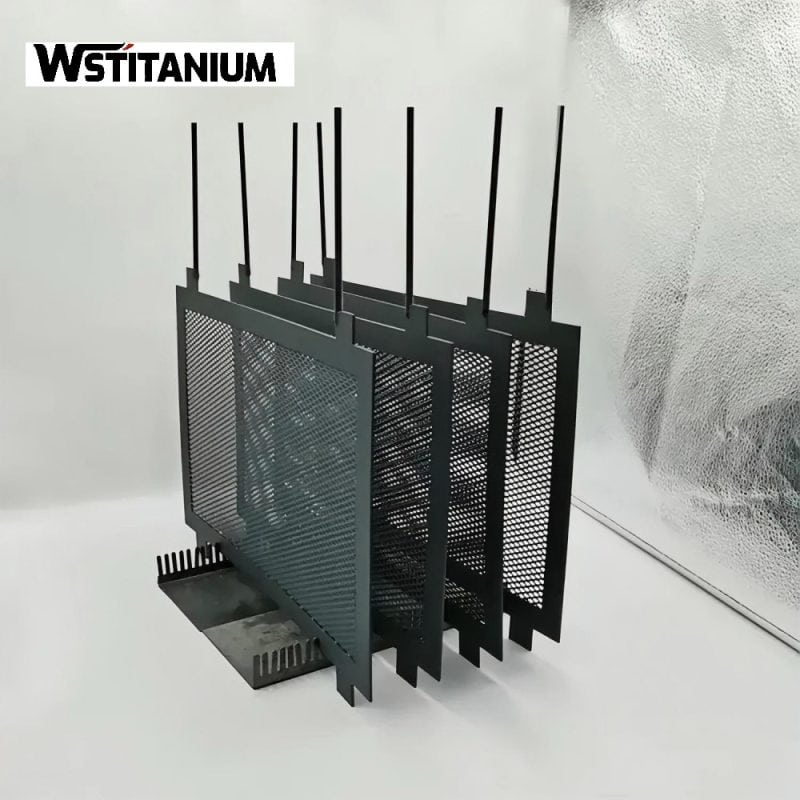
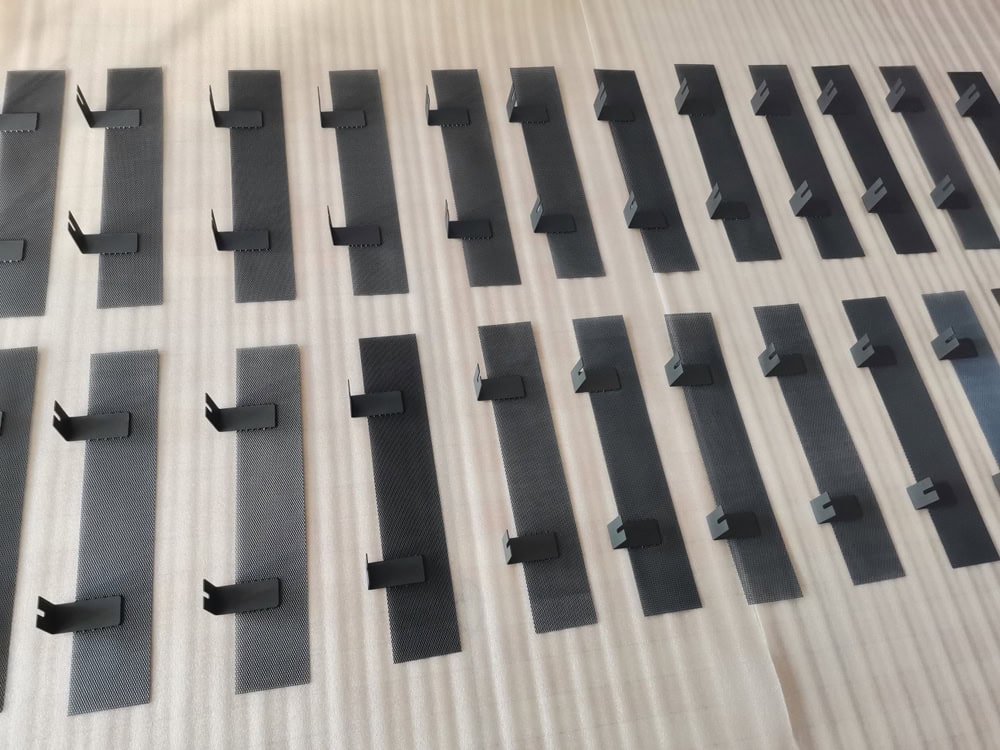
Mesh Anode
- Opening ratio 60–80%
- Mesh size: 3×6 mm, 5×10 mm, 10×20 mm
- Thickness: 0.5–2 mm
- Width: 50–1250 mm
- Length: 100–6000 mm
Applications: Hypochlorous acid generators, medical disinfection equipment, small and medium-sized pharmaceutical wastewater treatment, sterile water systems, dental disinfection equipment.
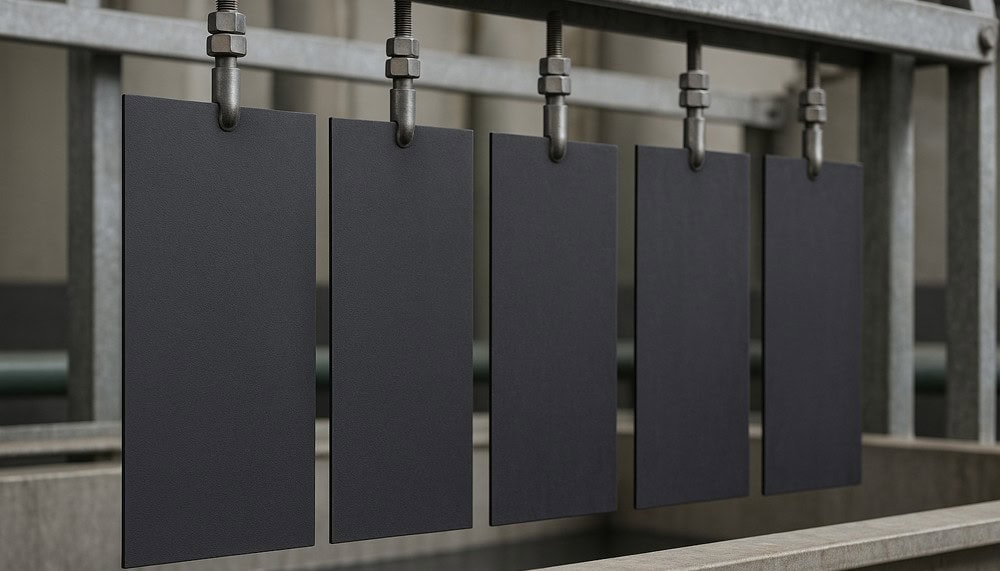
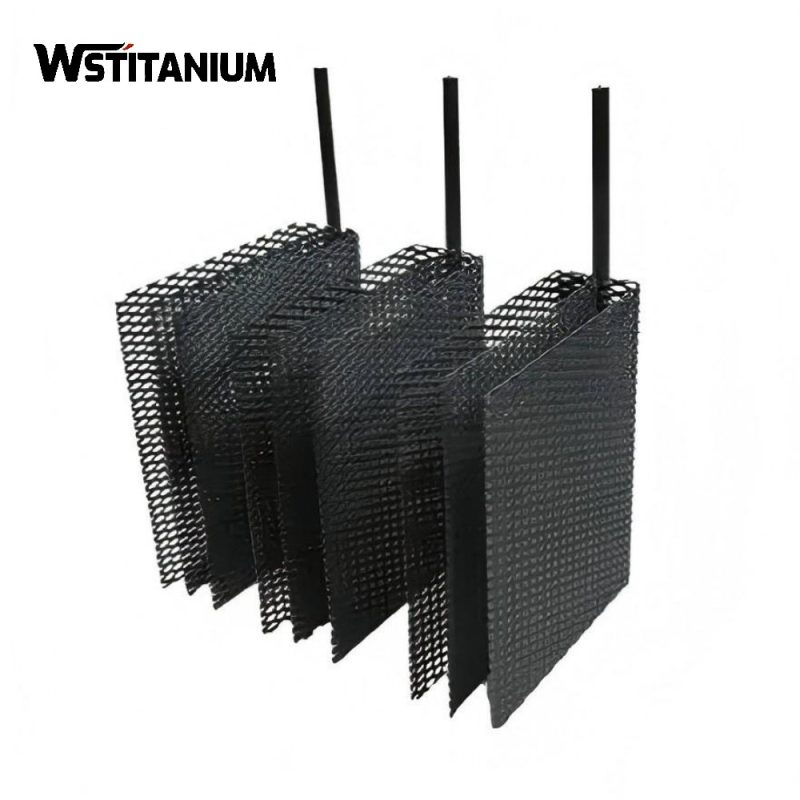
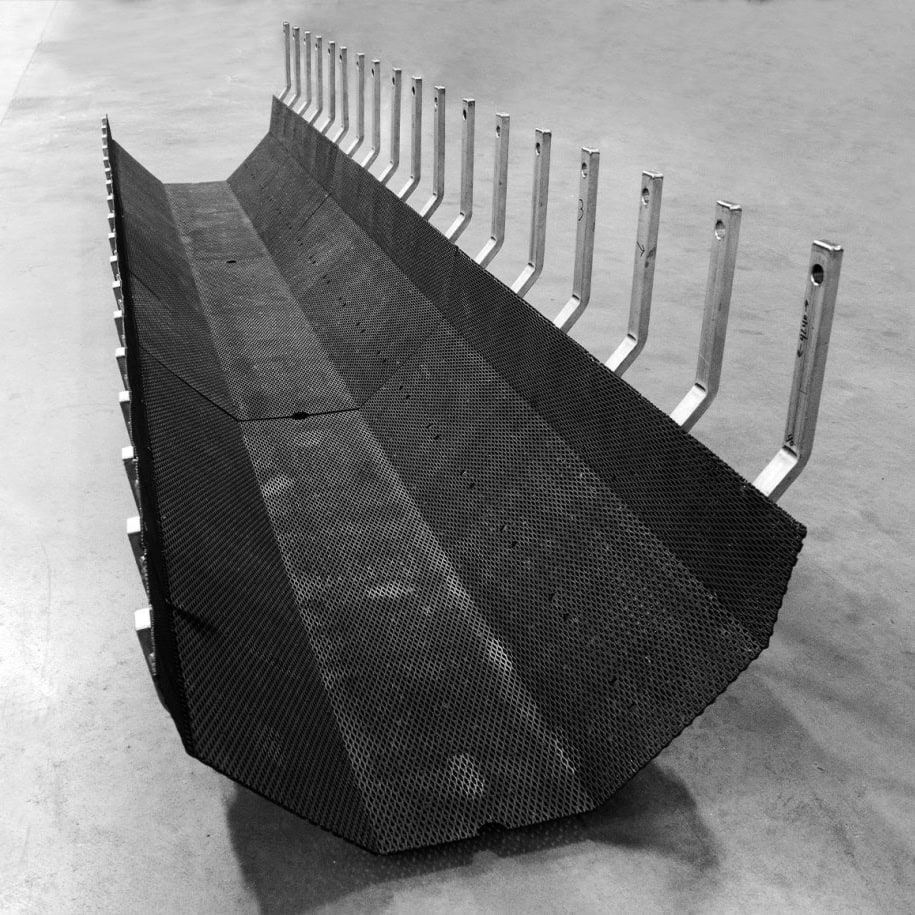
Plate Anode
- Thickness 1–5 mm
- Width 100–2000 mm
- Length 200–6000 mm
- Custom Round/Square
- Complex shapes available
Applications: Large-scale pharmaceutical organic wastewater deep oxidation, high-purity reagent electrolytic cells, large-scale sterile water systems, fine chemical electrolytic synthesis, etc.
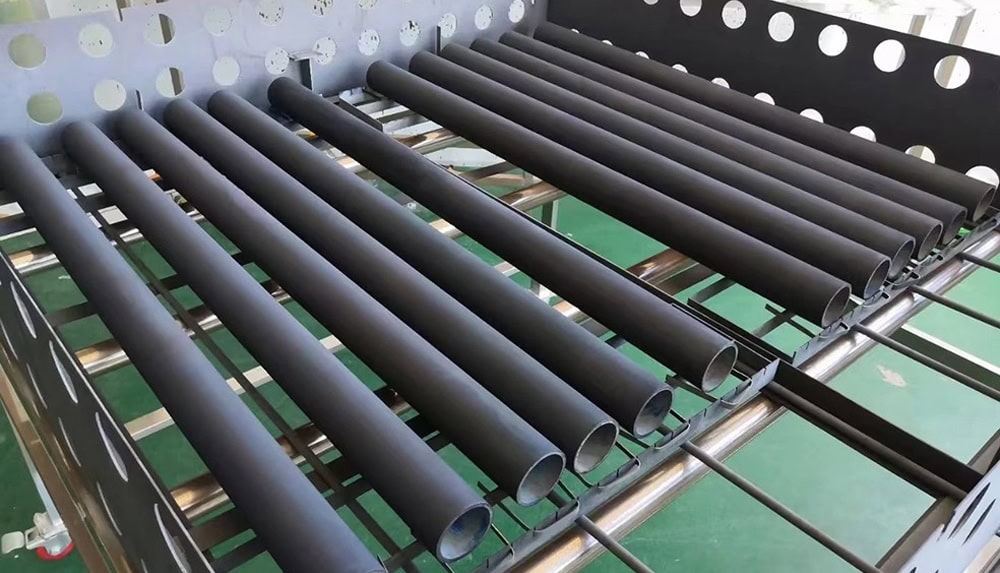
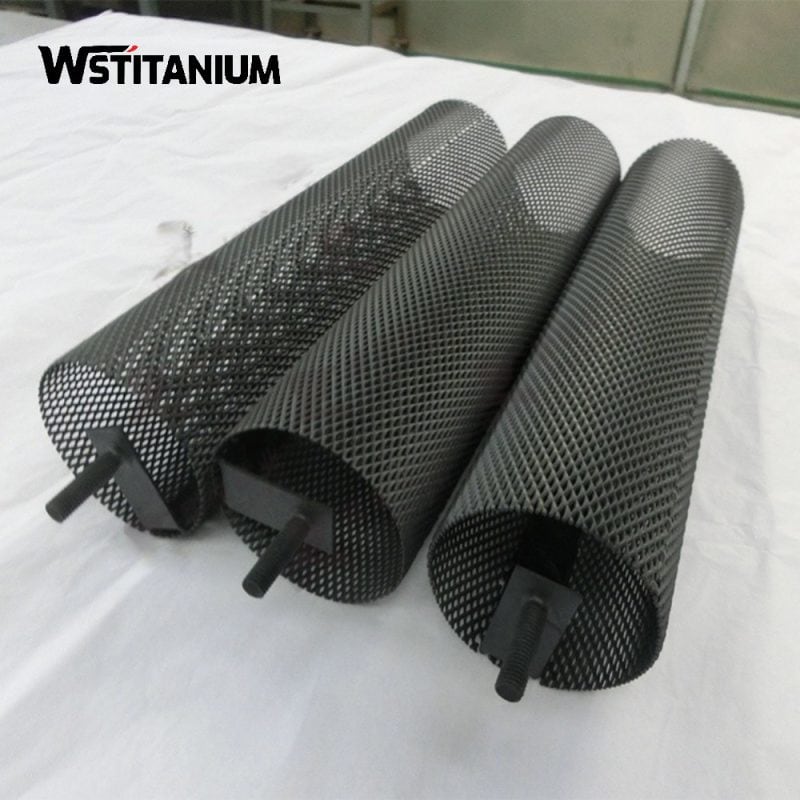
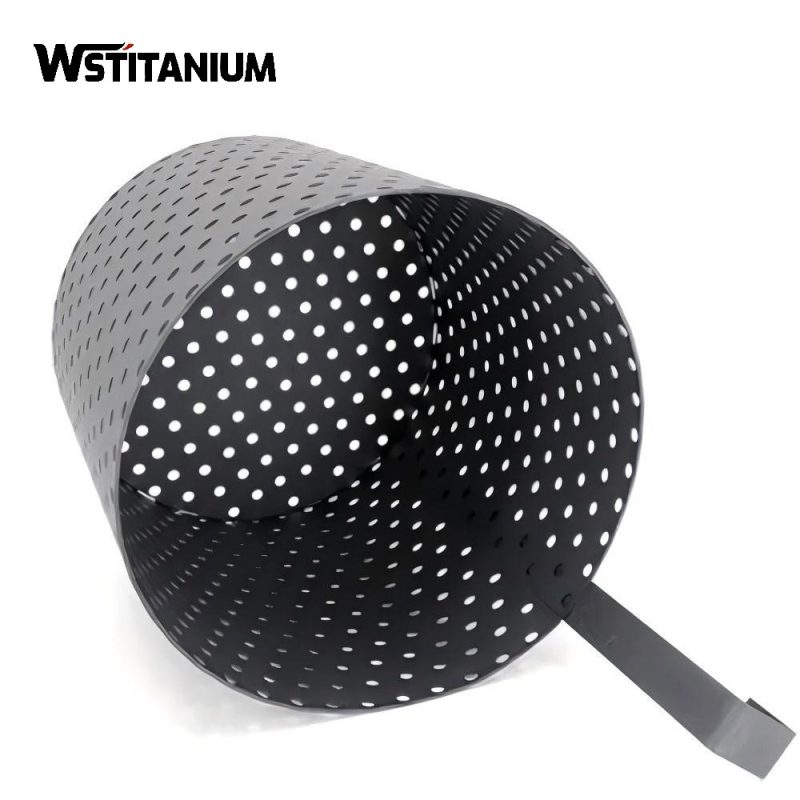
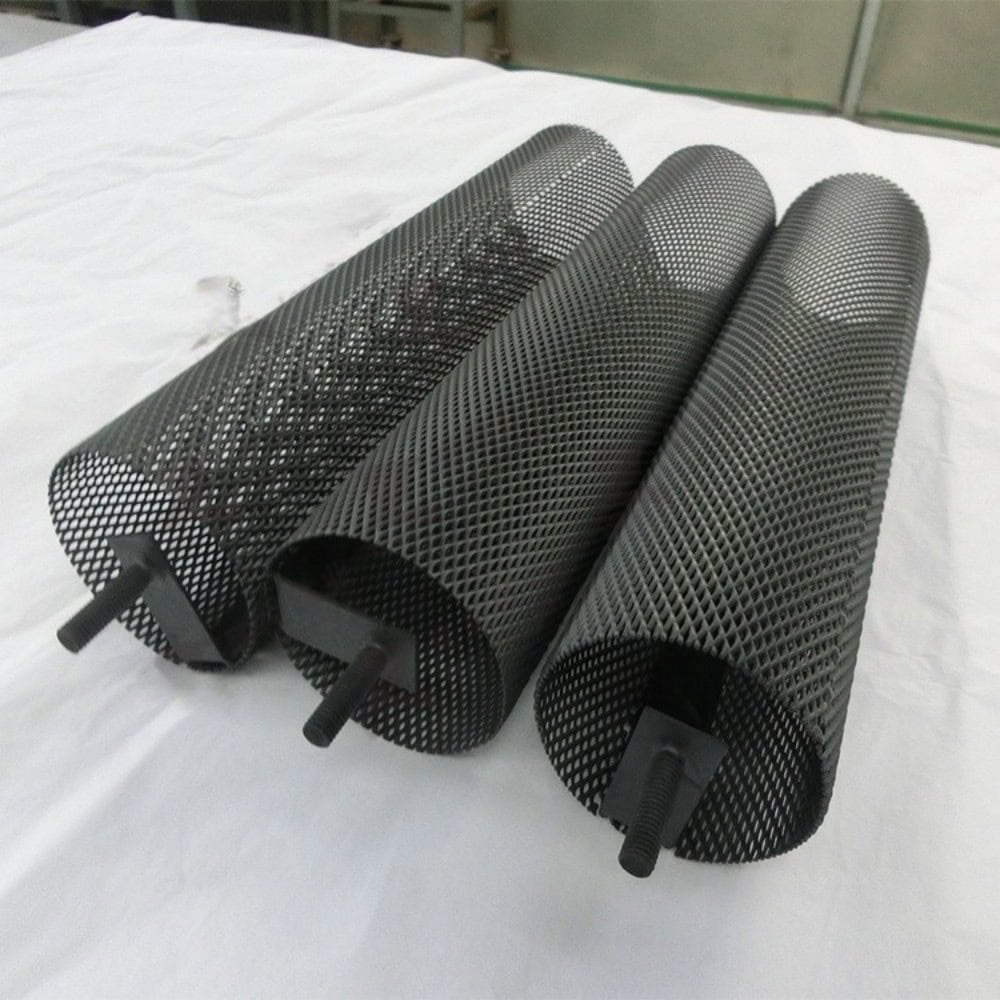
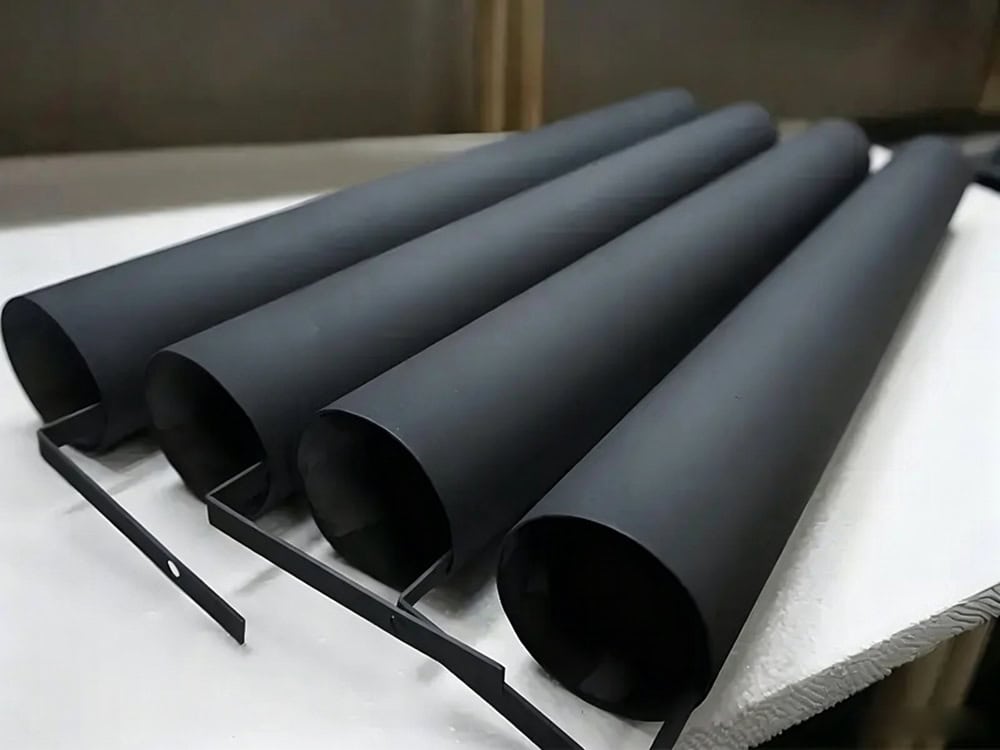
Tube Anode
- Outer diameter 25–100 mm
- Wall thickness 1–3 mm
- Length 1000–6000 mm
- Custom-made porous tubing
- Irregularly shaped tubes are feasible
Applications: tubular hypochlorous acid generator, medical wastewater oxidation reactor, sterile water tubular disinfection system, high-salt and high-fluoride wastewater treatment, etc.
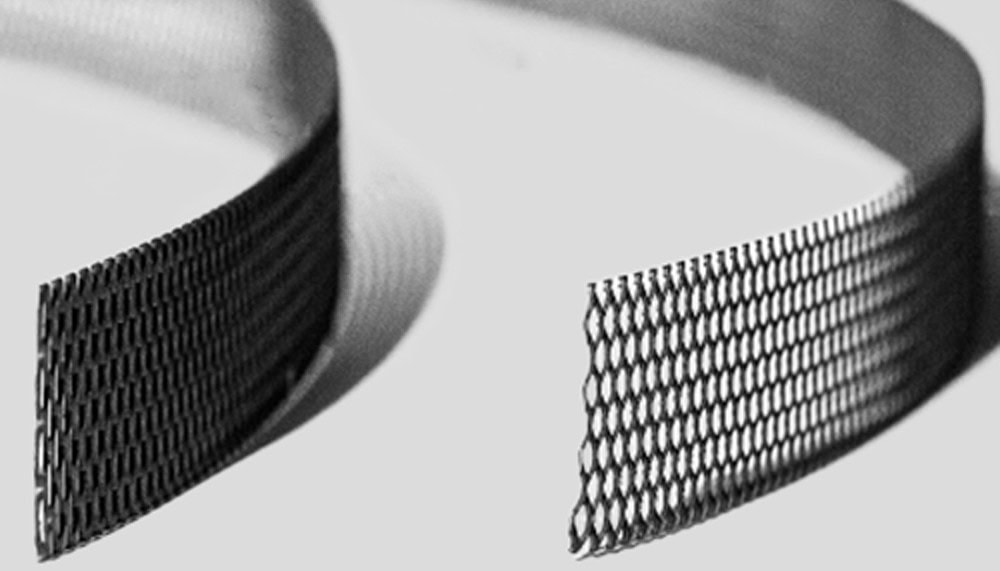
Ribbon Anode
- Substrate: Gr1/Gr2 titanium strip
- Flexible and rollable
- Thickness 0.5–2 mm
- Width 10–100 mm
- Length 100–10000 m
Applications: Flexible electrolytic cells, surface modification of medical implants (strip bonding), wastewater treatment for complex-shaped medical devices, small portable disinfection equipment, etc.
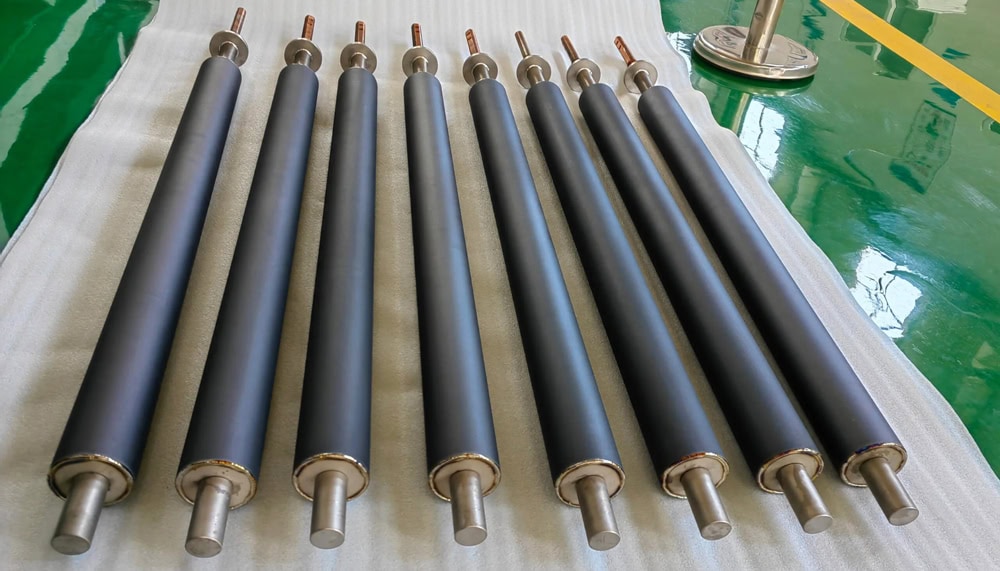
Rod Anode
- Solid/hollow
- Diameter 6–50 mm
- Length 100–3000 mm
- Uniform current density
- Custom cylindrical/square rods
Applications: Hypochlorous acid generators, dental sterilization rods, laboratory electrolysis equipment, small-scale pharmaceutical wastewater treatment, implant spot modification.
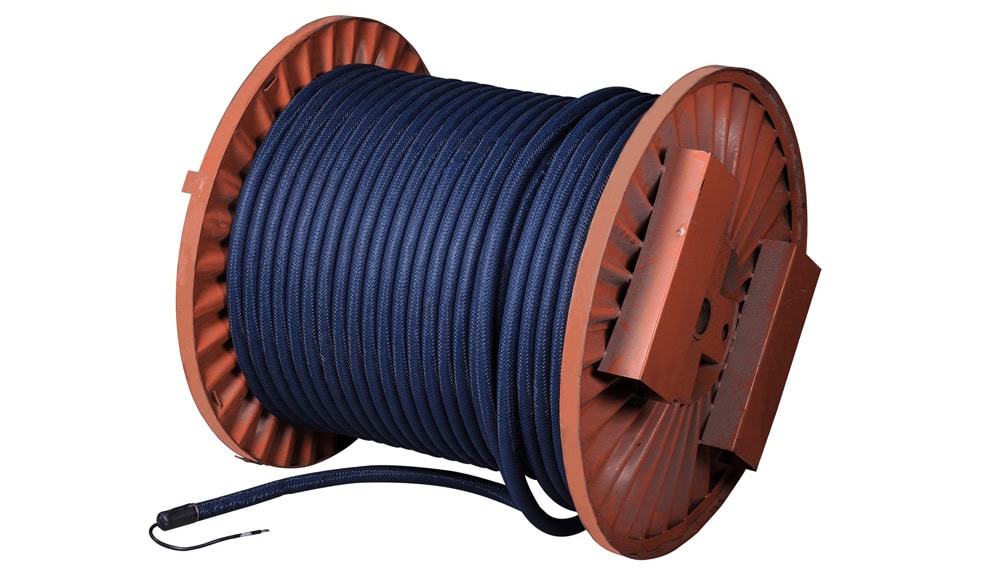
Wire Anode
- Gr1/Gr2 Titanium Wire + MMO Coating
- Excellent flexibility
- Diameter 1–5 mm
- Length 100–10000 mm
- Customizable
Applications: Pacemaker electrodes, filament modification for orthopedic implants, microcurrent medical devices, implantable electrochemical therapy, ultra-high purity micro-electrolysis, etc.
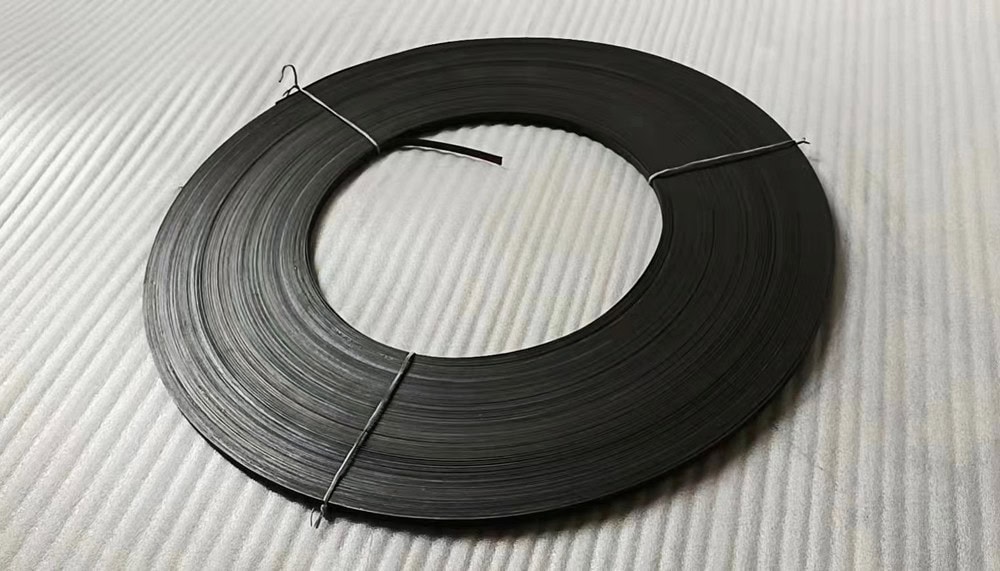
Flexible Anode
- Thickness 2–5 mm
- Flexible to Any Shape
- Length 100–5000 m
- Gr1/Gr2 Titanium Wire Braided Fabric
- Conforms to Complex Curved Surfaces
Applications: Surface modification of complex-shaped medical devices, surface modification of large implants, flexible electrolytic cells, large-area medical wastewater treatment tanks.
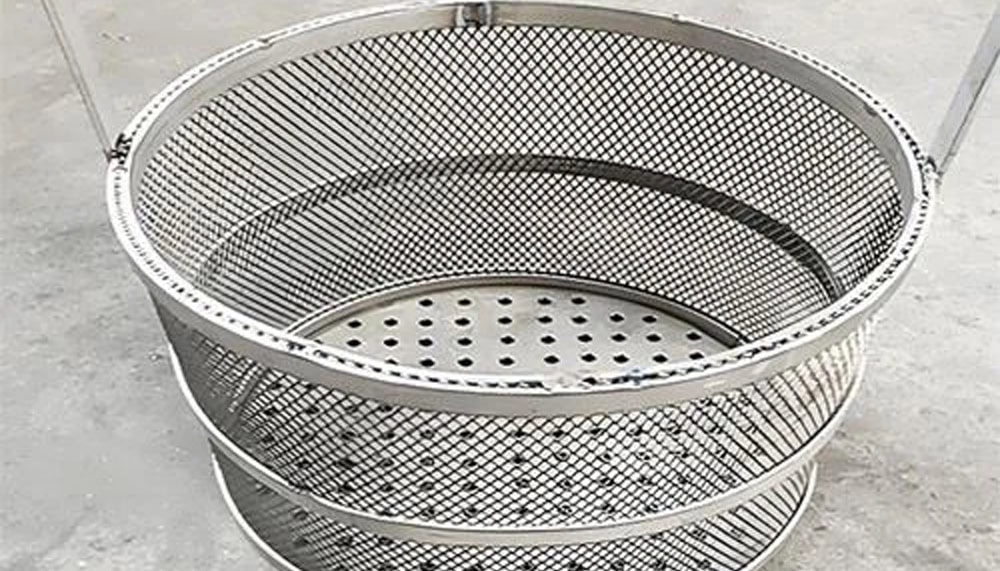
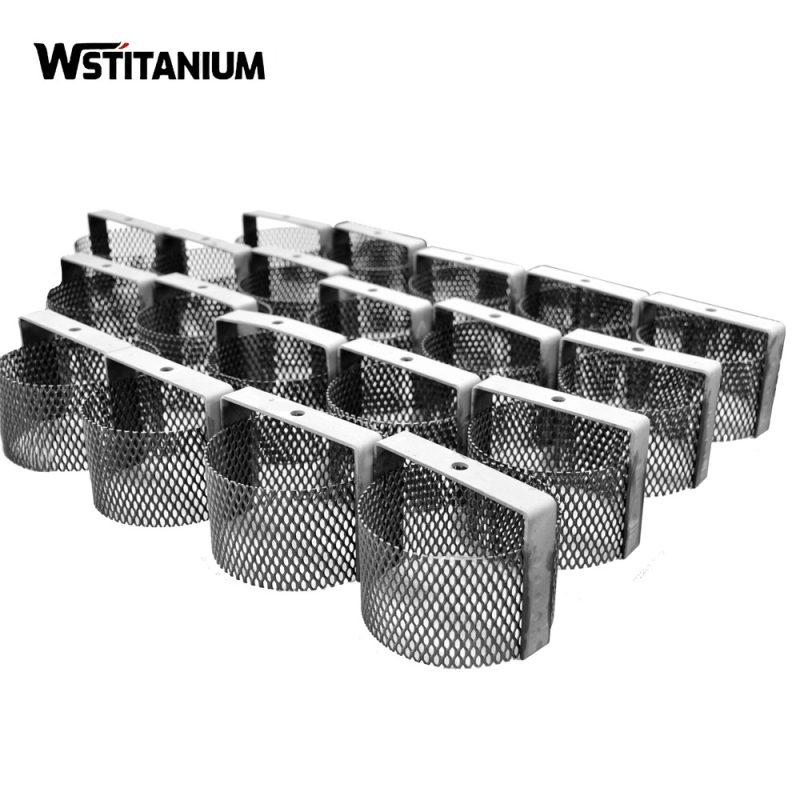
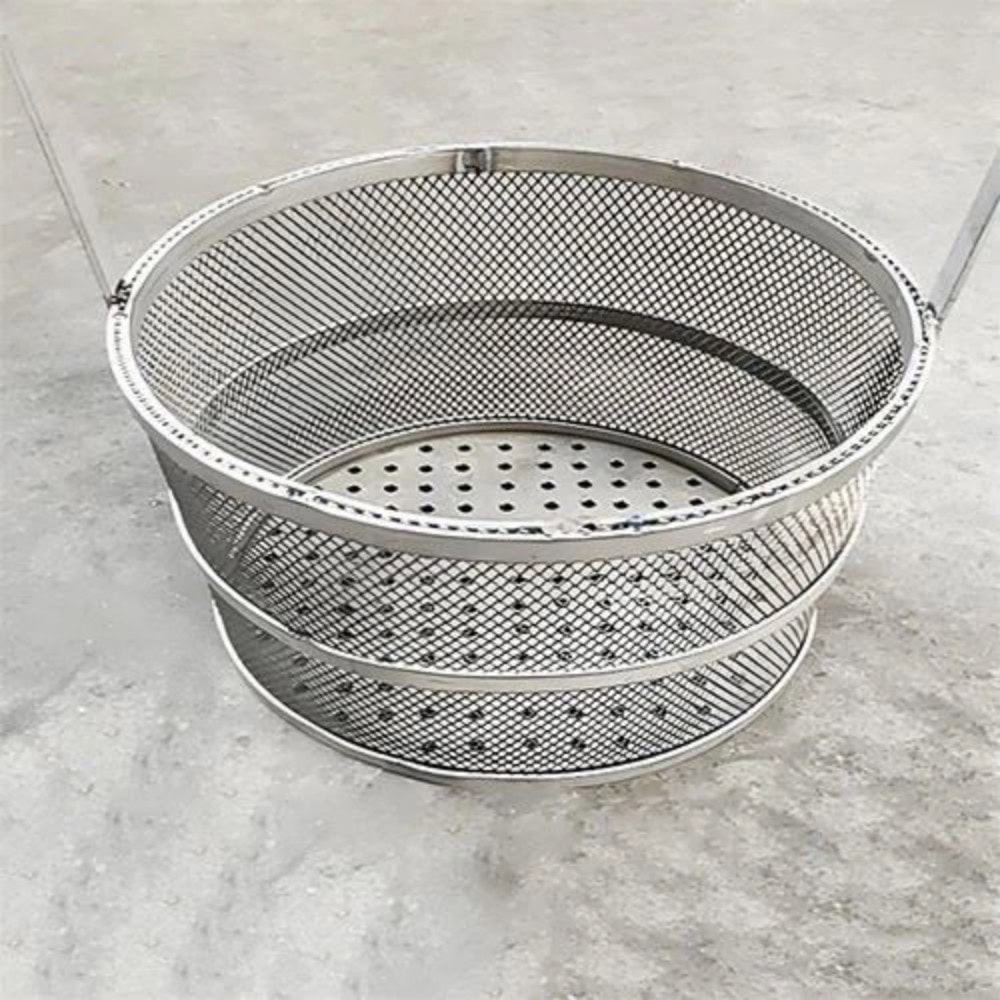
Basket Anode
- Diameter 5–800mm
- Height 10–1000mm
- Mesh size and wall thickness customized.
- Uniform current distribution
- Non-toxic and non-allergenic
Applications: Medical sterilizers, surgical instrument sterilization, medical pure water, dialysis water sterilization and purification.
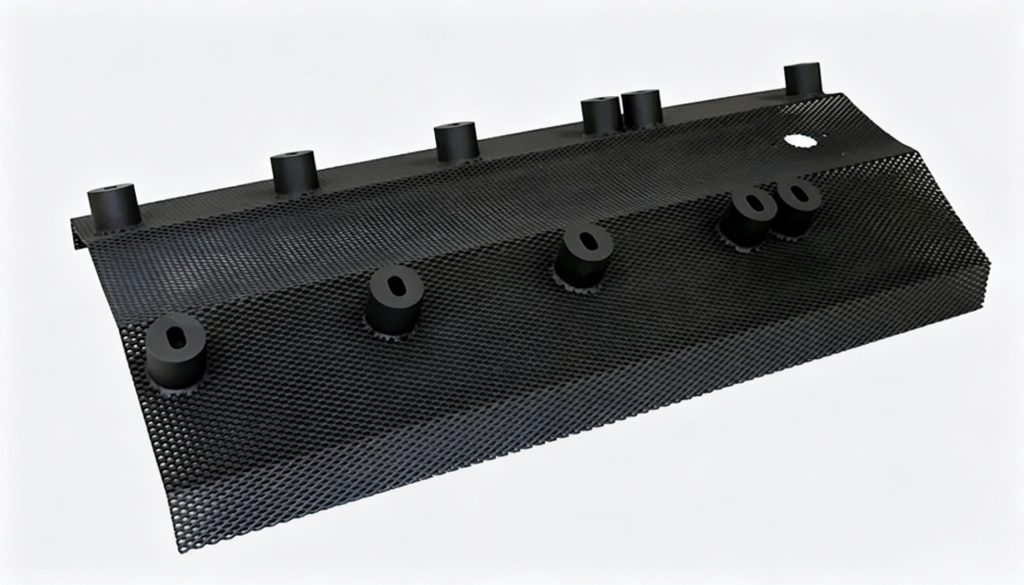
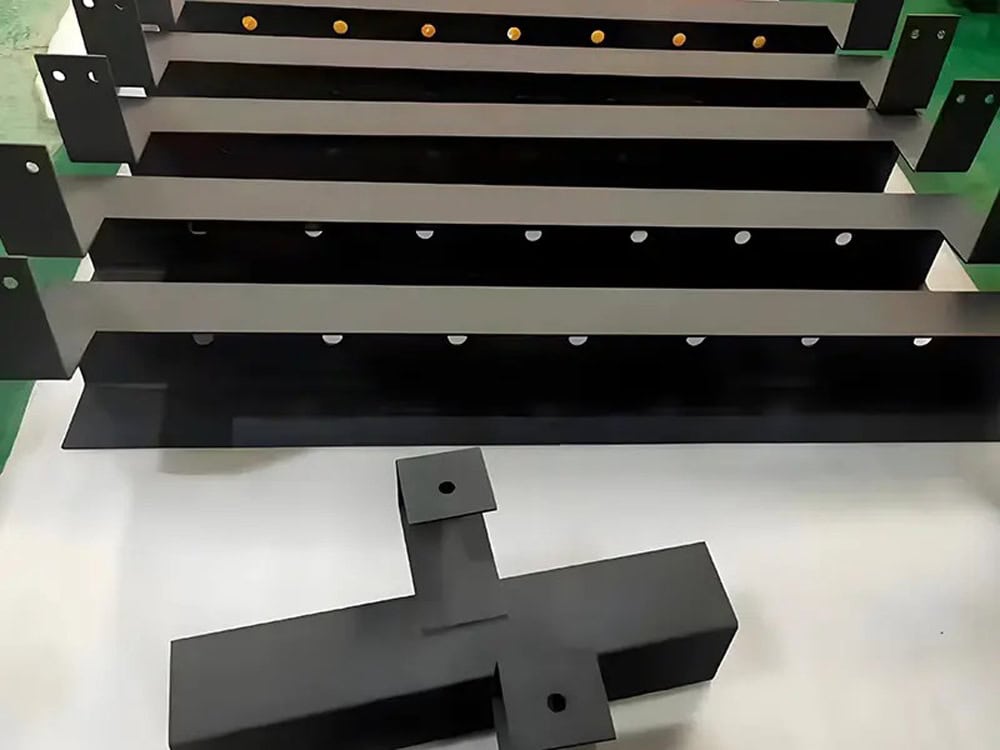
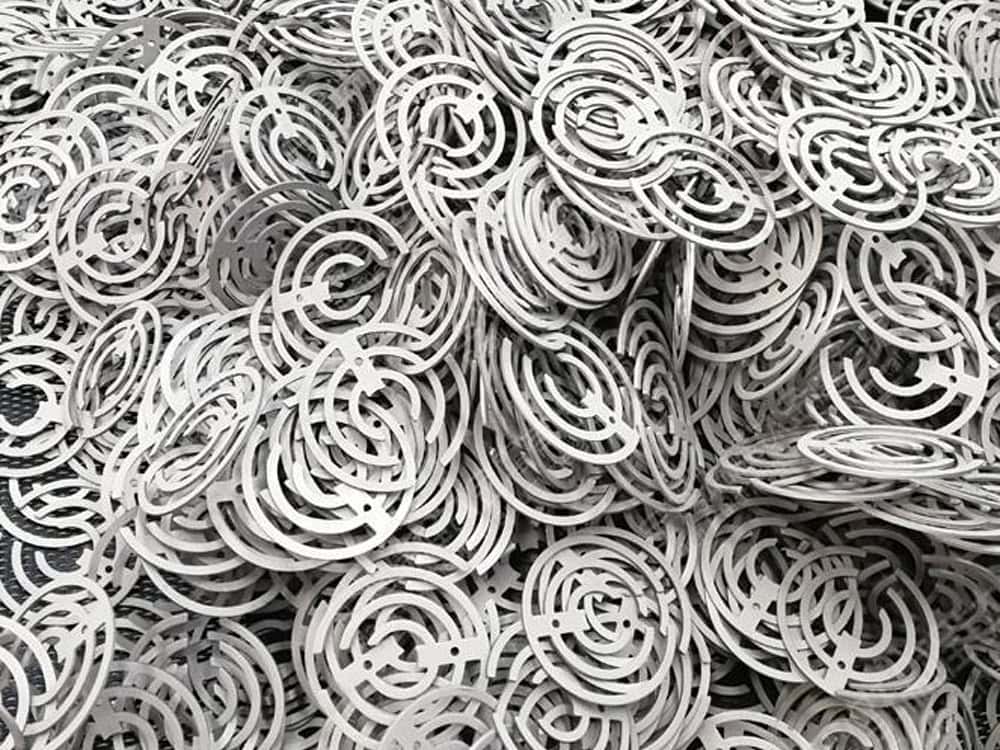
Custom MMO Anode
- Follow 3D/2D Drawings
- Any shape, any size
- Any thickness, any porosity
- Any current distribution
- Any connection terminals
Applications: Special structure electrolytic cells, customized sterilization equipment, complex-shaped implants, GMP-grade non-standard equipment, laboratory-specific electrolysis devices.
Wstitanium Custom Manufacturing MMO Titanium Anode Service
- Free design for irregular/custom shapes
- Free prototyping and free technical support.
- CAD files, STEP files
- 3D drawings, 2D drawings, installation diagrams
Material
| Parameter | Standard |
|---|---|
| Material Grade | Gr1, Gr2, Titanium Content ≥ 99.6%. |
| Impurities | Fe ≤ 0.20%, O ≤ 0.10%, N ≤ 0.03%, C ≤ 0.08%, H ≤ 0.015%, complying with ASTM B348 |
| Mechanical Properties | Tensile Strength ≥ 240 MPa, Yield Strength ≥ 140 MPa, Elongation ≥ 20%. |
| Surface Treatment | Sandblasting (Ra 5–10 μm), Polishing (Ra 0.5–2 μm), Electropolishing (Ra 0.1–0.5 μm, GMP sterile grade). |
Coating
| Parameter | Standard |
|---|---|
| Coating System | Iridium-Tantalum, Ruthenium-Iridium, Platinum |
| Thickness | 8–50 μm, tolerance ≤ ±0.05 μm |
| Element | RuO₂ 50–70%, IrO₂ 10–30%, Ta₂O₅ 10–20%, Pt 5–80% |
| Porosity | 35–50%, tolerance ≤ ±2% |
| Strength | ≥ 20 MPa for platinum systems |
| Manufacturing | Thermal Decomposition (450–850°C), Sol-Gel process |
Custom MMO Titanium Anode Shape
| Shape | Dimensions |
|---|---|
| Mesh | Width 50–1250 mm × Length 100–6000 mm × Thickness 0.5–2 mm |
| Plate | Width 100–2000 mm × Length 200–6000 mm × Thickness 1–5 mm |
| Tube | Outer Diameter 25–100 mm × Wall Thickness 1–3 mm × Length 1000–6000 mm |
| Strip | Width 10–100 mm × Thickness 0.5–2 mm × Length 100–10000 mm |
| Rod | Diameter 6–50 mm × Length 100–3000 mm |
| Wire | Diameter 1–5 mm × Length 100–10000 mm |
| Flexible | Width 50–500 mm × Thickness 2–5 mm × Length 100–5000 mm |
| Custom Shapes | Fully customizable: any size, shape, thickness, and interface per drawings |
| Tolerances | Length ≤ ±0.2 mm, Width ≤ ±0.2 mm, Thickness ≤ ±0.05 mm, Aperture ≤ ±0.1 mm |
Customized Electrochemical Performance
| Performance Parameter | Technical Specification | Tolerance / Note |
|---|---|---|
| Chlorine Evolution Potential | 1.10–1.35 V @ 5 kA/m² | ≤ ±0.05 V |
| Oxygen Evolution Potential | 1.38–1.65 V @ 1 kA/m² | ≤ ±0.05 V |
| Current Efficiency | 95–99% (Cl₂/O₂) | ≤ ±1% |
| Annual Wear Rate | 0.1–4 mg/A·a | ≤ ±0.5 mg/A·a |
| Design Life | 10–60 years | ≤ ±0.5 years |
| Current Density | Standard: 100–5000 A/m², Max: ≤20000 A/m² | Customizable |
| pH Tolerance Range | 1–14 | Customizable |
| Temperature Tolerance | 60–100℃ | Customizable |
| Chloride Ion Tolerance | 150–300 g/L | Customizable |
| Fluoride Ion Tolerance | 10–80 mg/L | Customizable |
Projects Case Studies
Wstitanium medical MMO titanium anodes have been used in over 30 medical and chemical companies and over 100 projects worldwide. Applications cover medical hypochlorous acid, pharmaceutical wastewater, sterile water, implant modification, high-purity reagents, fine chemicals, and more.
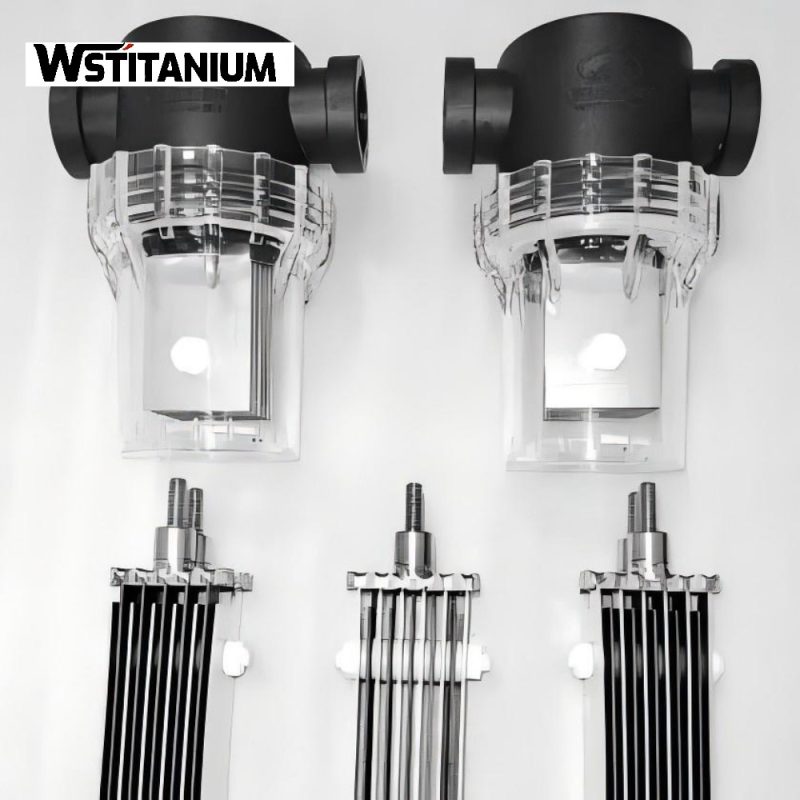
1. Hypochlorous Acid Disinfection System
Medical hypochlorous acid disinfection system is used for ward disinfection, operating room disinfection, medical device disinfection, hemodialysis water disinfection, and ambient air disinfection. Traditional graphite anodes have short lifespans (3 months), heavy metal leaching, impure disinfectant, frequent replacement, and high energy consumption.
- pH 7
- 3.5% NaCl solution
- Temperature 25–40℃
- Current density 1000 A/m²
- Hypochlorous acid concentration 500 ppm
- Continuous 24-hour operation
- GMP aseptic requirements.
Wstitanium Technology Solution
Ruthenium-titanium system (60% RuO₂ + 40% TiO₂). Mesh anode (Gr2 titanium mesh, 5×10 mm mesh size, 1 mm thickness, 1000×2000 mm). Chlorine evolution potential 1.12 V @ 5 kA/m², current efficiency 97%, coating thickness 12 μm, design life 15 years. 20 mesh anodes, installed in parallel, suitable for a hypochlorous acid production capacity of 10 m³/h.
Results
Lifespan increased 48 times from 3 months (graphite) to 12 years (MMO titanium anode). Chlorine evolution potential reduced by 0.38 V, energy saving 32%. No heavy metal leaching (<0.1 ppm), no impurity contamination. Hypochlorous acid purity 99.9%. Hypochlorous acid concentration stable at 500 ppm, sterilization rate 99.999%.
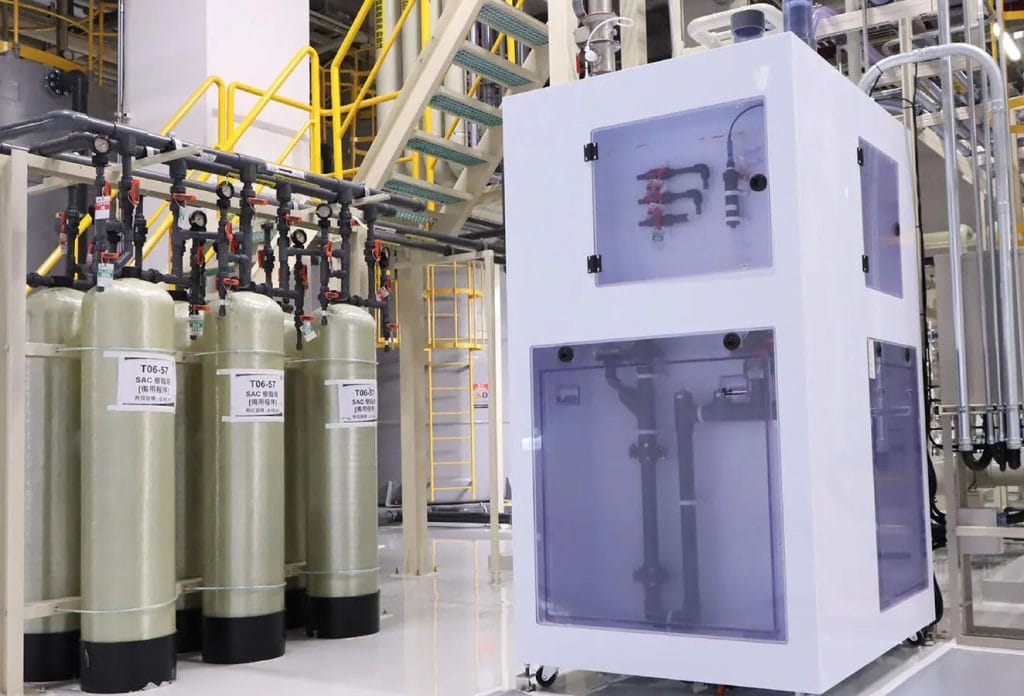
2. Wastewater Treatment
The wastewater contains high concentrations of organic matter (COD 8000 mg/L), antibiotic residues, mixed acids, trace amounts of fluoride ions, and high salinity. The treatment process involves mixed acid wastewater (pH 2–3), a temperature of 30–50℃, F⁻ 30 mg/L, Cl⁻ 50 g/L, a current density of 3000 A/m², and continuous operation for 24 hours. Requirements: COD ≤ 200 mg/L, no antibiotic residue.
Wstitanium Technology Solution
Iridium-tantalum system (80% IrO₂ + 20% Ta₂O₅), ultra-low oxygen evolution potential, ultra-strong corrosion resistance (fluoride resistance 50 mg/L), ultra-long lifespan, suitable for strongly oxidizing acidic environments. Plate anode (Gr2 titanium plate, 2 mm thick, 1500 × 3000 mm). Oxygen evolution potential 1.42 V @ 1 kA/m², current efficiency 96%, coating thickness 18 μm, design life 40 years, annual loss rate 0.8 mg/A・a, no heavy metal leaching. 30 plate anodes, installed in series and parallel, suitable for wastewater treatment capacity of 500 m³/d.
Results
COD removal rate 98% (from 8000→180 mg/L), antibiotic residue removal rate 100%. Oxygen evolution potential decreased by 0.23 V, saving 28% energy. No heavy metal leaching (<0.1ppm), no secondary pollution.
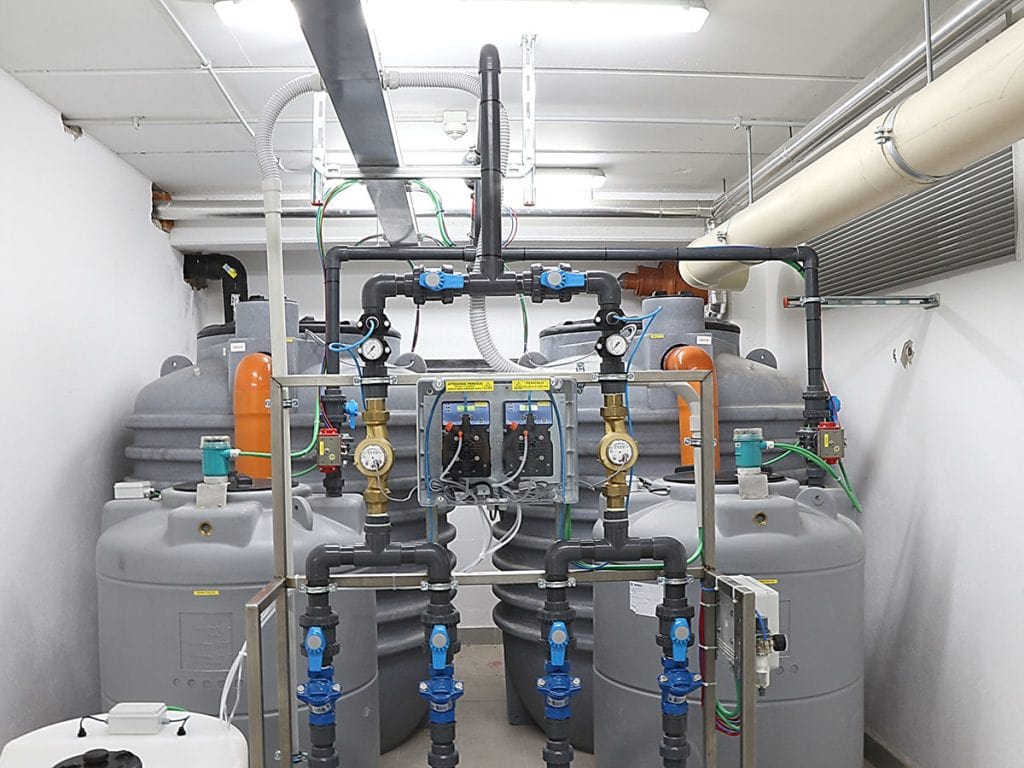
3. Electrosynthesis of Pharmaceutical Intermediates
Electrosynthesis of anticancer drug intermediates. Electrochemical oxidation reaction to synthesize high-purity pharmaceutical intermediates. Requirements include high reaction selectivity, few byproducts, and product purity ≥99.9%. Operating conditions: organic solvent + mixed acid electrolyte (pH 3–4), temperature 40–60℃, Cl⁻ 20 g/L, current density 2000 A/m², continuous operation for 24 hours.
Wstitanium technology solution
Ruthenium-iridium-titanium system (50% RuO₂ + 20% IrO₂ + 30% TiO₂), with a dual-activity balance of chlorine evolution and oxygen evolution, offering optimal cost-effectiveness. Tubular anode (Gr2 titanium tube, outer diameter 50 mm, wall thickness 2 mm, length 2000 mm). Chlorine evolution potential 1.20 V @5 kA/m², oxygen evolution potential 1.50 V @1 kA/m², current efficiency 96%, coating thickness 15 μm, design life 20 years. 50 tubular anodes, suitable for 1000 kg/day pharmaceutical intermediate production capacity.
Results
No heavy metal leaching (<0.1 ppm), reaction selectivity 98%, by-product reduction 90%. Product purity 99.95%, no additional purification steps required, significantly reducing production costs. Current density increased by 20%, production capacity increased from 800 kg/day to 1000 kg/day, a 25% increase. Cell voltage reduced by 0.3 V, energy saving 25%. No lead pollution, no harmful waste gas emissions, compliant with EU REACH regulations.
FAQ
A: An MMO titanium anode (Mixed Metal Oxide Titanium Anode), also known as a dimensionally stable anode (DSA), is a high-performance electrode material based on high-purity Gr1/Gr2 titanium. It is coated with a mixed oxide coating of noble metals such as ruthenium (Ru), iridium (Ir), tantalum (Ta), and platinum (Pt) through high-temperature thermal decomposition/sol-gel process.
Compared to traditional anodes, MMO titanium anodes have the following fundamental differences:
* Long lifespan: 10–60 years, 10–200 times longer than traditional anodes (3–12 months).
* Low energy consumption: Low chlorine/oxygen evolution potential, high current efficiency, saving 20–40% more energy than traditional anodes.
* No heavy metal leaching: No leaching of heavy metals such as Pb, Fe, and Cr, meeting medical and chemical safety requirements.
* Dimensionally stable: No dimensional deformation during long-term operation, ensuring stable electrode spacing and uniform current distribution.
Highly corrosion resistant: Can operate stably for extended periods in environments with pH 1–14, high chlorine, high fluoride, high temperature, and strong oxidation.
Environmentally friendly and pollution-free: No toxic or harmful substances are emitted, complying with global environmental regulations.
A: The coating determines the anode’s performance, lifespan, and cost, and must be precisely matched to your specific operating conditions. Based on 10+ years of experience in the medical industry, Wstitanium has summarized the following coating system selection guidelines:
Hypochlorous acid/disinfectant water scenarios (neutral/weakly alkaline, high chlorine, low current density): Prioritize ruthenium-titanium (RuO₂–TiO₂) systems, offering low chlorine evolution potential, high current efficiency, and the lowest cost.
Pharmaceutical wastewater/strong oxidizing scenarios (acidic, high fluoride, high organic matter, high current density): Prioritize iridium-tantalum (IrO₂–Ta₂O₅) systems, providing ultra-low oxygen evolution potential, superior corrosion resistance, and the longest lifespan.
For composite systems/general applications (neutral/weakly acidic, medium chlorine content, medium current density): Ruthenium-iridium-titanium (RuO₂–IrO₂–TiO₂) is the preferred choice, offering a balanced activity of chlorine and oxygen evolution and the best cost-effectiveness.
For implantable/ultra-high purity applications (extreme conditions, zero leaching requirements, highest biocompatibility): Platinum (Pt–IrO₂–TiO₂) is essential, offering zero heavy metal leaching, highest biocompatibility, and greatest stability.
If you are unsure which to choose, please provide your operating parameters (pH, temperature, Cl⁻/F⁻ concentration, current density, lifetime requirements), and Wstitanium’s professional technical team will provide you with free coating system recommendations and customized solutions.
A: No. A thicker coating is not necessarily better. Both excessively thick and thin coatings will affect the anode’s performance and lifespan. A coating that is too thin results in insufficient catalytic activity, low current efficiency, and a short lifespan. A coating that is too thick results in high internal stress, easy cracking, easy peeling, decreased conductivity, and increased cost.
Wstitanium precisely controls the coating thickness between 8–20 μm, with an error of ≤±1 μm, depending on the coating system and operating conditions. This ensures strong coating adhesion, good conductivity, and optimal cost while maintaining catalytic activity and lifespan.
A: Wstitanium’s medical and chemical-grade MMO titanium anodes have a warranty period of 1–5 years.
Ruthenium-Titanium: 1-year warranty;
Ruthenium-Iridium-Titanium: 2-year warranty;
Iridium-Tantalum: 3–5-year warranty;
Platinum: 5-year warranty.
Warranty Scope: If the anode cannot be used normally due to product quality problems (coating peeling, substrate corrosion, performance degradation exceeding standard values), Wstitanium will repair or replace it free of charge without conditions.
A: Wstitanium exports its products to over 100 countries and regions worldwide, including the United States, Canada, Germany, France, the United Kingdom, Italy, Spain, the Netherlands, Switzerland, Sweden, Norway, Japan, South Korea, Singapore, Australia, New Zealand, India, Brazil, Mexico, and more.
We can provide all international trade terms, including EXW, FOB, CFR, CIF, DAP, DDP, etc.
A: Yes. Wstitanium possesses strong R&D and manufacturing capabilities, enabling us to provide professional OEM/ODM services to global clients.
OEM Service: We manufacture products according to your brand and packaging requirements, affixing your brand logo.
ODM Service: We provide one-stop customized services from product design, R&D, production to delivery, tailored to your needs.
Customized Packaging: We design packaging according to your requirements, printing your brand information and product descriptions.
Customized Testing Reports: We provide customized testing reports and certification certificates according to your requirements.